
Last updated: Apr 19, 2026
Thunderstorms roll through Western North Carolina with surprising speed, wind gusts, and hail pockets that can leave a roof looking fine from the street but failing under close inspection. In this region, the terrain amplifies wind lift and moisture intrusion, so a roof that appears intact may hide compromised underlayers or concealed leaks. The steep, mountain-facing slopes that define the area mean high wind exposure on ridge lines and sudden shifts in weather that can stress fasteners and seals in a single afternoon. This is not a flat-city risk; it is a mountain-climate challenge that shows up in the file folder of a claim with precise, location-specific detail.
Asheville's mountain setting creates microclimates where one neighborhood bears a heavy hail event while a nearby street shows little evidence. Look for bruised shingles, granule loss, cracked tabs, and wind-driven lift near edges and flashings. In some blocks, roof valleys and skylights absorb water first, while neighboring homes stay dry. The hallmark is inconsistency: a driveway view can look fine, but attic or ceiling staining tells a different story. Inspect chimney crowns, vent boot seals, and rake edges, where wind-driven rain and hail can wedge under the flashing and progress inland along eaves. Quick attention to any sudden roof slope oder moisture intrusion prevents a small leak from becoming a costly repair.
Insurance providers in this market routinely ask for detailed photo documentation of roof age, hail marks, wind damage, and the surrounding property. Take clear, timestamped photos of all roof sections, including close-ups of damaged shingles, granule loss, and any interior evidence of water intrusion. Photograph the attic insulation and decking if visible, plus attic leaks around penetrations. Create a simple map of the roof with notes on suspected impact zones. When talking with the adjuster, present a dated timeline of storms and accessibility notes for hard-to-reach sections. If a claim hinges on depreciation for an older roof, be prepared with documentation showing actual age, previous repairs, and maintenance history to argue for replacement rather than repair, where appropriate.
Storm-driven claims in the mountains can unfold in stages, and weather windows for inspection or replacement may be brief. If structural or moisture damage is confirmed, a decision on replacement will often hinge on actual condition versus cosmetic wear. A roof that shows significant underlying damage because of repeated moisture exposure, wind uplift, or hail impact over multiple events should be prioritized for replacement rather than piecemeal fixes. Insurers may apply depreciation on older roofs, which makes timely documentation and a clear, supported path to full replacement essential for securing the best outcome.
If a storm has recently passed, schedule a thorough canopy and attic inspection within days. Use a reputable, local contractor who understands Asheville's slope and drainage challenges to provide a documented assessment and a staged plan that accounts for fast weather shifts. Keep a dated file of all communications, photos, and estimates, and coordinate prompt follow-up inspections after any further storms. In a mountain community where one block can differ from the next, precise documentation and decisive action can protect your home from long-term moisture damage and questionable value loss.
Find local contractors experienced in assessing and restoring roofs after hail, wind, and severe weather events.
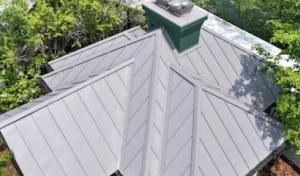
Lane Roofing & Restoration
(828) 490-1830 laneroofingasheville.com
5 Miller Rd S #2, Asheville, North Carolina
5.0 from 247 reviews
Asheville Roofing
(828) 285-7663 ashevilleroofing.com
2231 Riceville Rd, Asheville, North Carolina
4.9 from 363 reviews
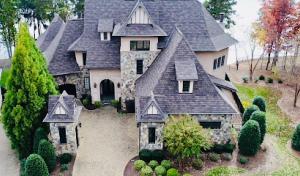
Elite Roof & Solar - Asheville
(828) 333-4818 eliteroofandsolar.com
257 Haywood Rd Suite 201, Asheville, North Carolina
5.0 from 81 reviews
Lane Roofing & Restoration
(828) 490-1830 laneroofingasheville.com
5 Miller Rd S #2, Asheville, North Carolina
5.0 from 247 reviews
Local Asheville roofing representative specializing in roof repair and replacement. Free Initial consultation with roof and gutter assessment. We Install Metal Roofs and all types of commercial roofing.
Asheville Roofing
(828) 285-7663 ashevilleroofing.com
2231 Riceville Rd, Asheville, North Carolina
4.9 from 363 reviews
Roofing Company
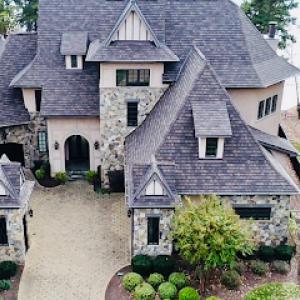
Elite Roof & Solar - Asheville
(828) 333-4818 eliteroofandsolar.com
257 Haywood Rd Suite 201, Asheville, North Carolina
5.0 from 81 reviews
We are the premier Roofing Contractor in Asheville driven to provide exceptional service and workmanship. The Elite Roof and Solar team is driven by a singular purpose – to put a smile on our neighbors’ faces by protecting their families and homes with a safe, beautiful, and innovative roof over their heads. We are a Master Elite GAF contractor and 3-Star President's Club Award Winner (1 of only 2 in NC). We offer free inspections, multiple financing options, & require no down payment. Elite Roof and Solar will serve you in a trustworthy and professional manner ensuring you are happy and secure in your home with an attractive and long-lasting roof. Give us a call to see why over 5,000+ customers have trusted us for their roofing needs.
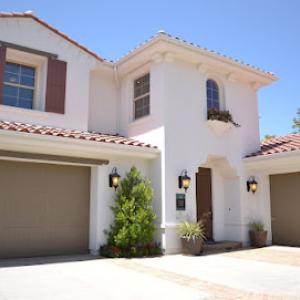
Ridge Runner Roofing
(828) 463-0843 rrroofingwesternnorthcarolina.com
16 Biltmore Ave Suite 308, Asheville, North Carolina
5.0 from 118 reviews
At Ridge Runner Roofing, we provide unparalleled roofing solutions for discerning homeowners throughout North Carolina. Our highly skilled roofing professionals deliver impeccable work, prioritizing flawless execution and exceptional customer satisfaction. Our tailored approach means we meticulously assess each project, taking into account the unique characteristics of your home and the wider environment. Whether you seek intricate repairs, seamless installations or comprehensive replacements, our unwavering commitment to excellence guarantees results that surpass expectation.
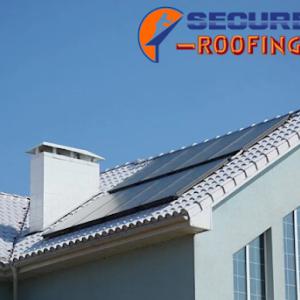
Secure Roofing
(828) 820-7662 secureroofingwnc.com
45 Gaston Mountain Rd, Asheville, North Carolina
5.0 from 118 reviews
Our team focuses on communicating clearly with clients so we can really understand their needs, which then allows us to offer the best roofing services for their situation. We also take steps to equip and train our team to implement a wide range of roofing, gutter, and siding solutions. Secure Roofing works hard to build this kind of relationship through every service request, whether it’s a small residential or large commercial roofing project. We also encourage you to reach out to us to learn more about our services, guarantees and our process.
Litespeed Construction - Asheville Roofing Contractor
(828) 505-6051 litespeedconstructionashevilleroofing.com
460 Weaverville Rd #6, Asheville, North Carolina
4.9 from 122 reviews
Professional roofing contractor in Asheville, NC with tons of happy customers. Great Work! Great Reviews! Roof Replacement | Roof Repair | New Roofs | Get a free estimate: Call (828) 505-6051. Serving Asheville, NC & the surround area since 2013. Licensed, bonded, and insured!
John McClung Roofing
(828) 658-5646 www.johnmcclungroofing.com
817 Starnes Cove Rd, Asheville, North Carolina
4.8 from 259 reviews
John McClung Roofing is a local, family-owned roofing company that has been serving the Asheville area since 2004. They specialize in shingle and metal roof replacements, repairs, inspections, and maintenance for residential and commercial properties. John McClung Roofing is known for their quality work, high integrity, competitive prices, excellent customer service, and community involvement and have won accolades like "Best of Asheville" and "Best of WNC"! John McClung Roofing is big enough to take care of your problem, but small enough to care about YOU and not just numbers! Whether you need an entire roof replacement, or just a small repair, when it comes to your roofing needs, WE'VE GOT YA COVERED! Your roof is our reputation!
Southern Star Roofing Asheville NC
(828) 844-7663 southernstarroofing.com
28 Schenck Pkwy Suite 219, Asheville, North Carolina
5.0 from 39 reviews
We are a local Asheville, NC roofing company providing high quality and affordable roofing services. We specialize in roof installations, repairs, full roof replacements, and inspections. Located in Charlotte, NC since 2010 and with local offices in Asheville, NC and Greenville, SC we are here to service your roof and be your top choice for a roofing company. We are fully licensed and insured. Contact us today for a free roof inspection and free estimate. Charlotte, NC call 704-YES-ROOF Asheville, NC call 828-844-ROOF Greenville, SC call 864-866-ROOF
Pisgah Roofing & Restoration
(828) 547-4915 pisgahroofingandrestoration.com
1302 Patton Ave #40, Asheville, North Carolina
4.7 from 560 reviews
When roofing issues strike, getting expert help can save you time, protect your property, and restore your peace of mind. Pisgah Roofing is a premium choice for roofing services in Asheville, NC, and it surrounding areas, such as roof repairs, roof inspections and maintenance, roof installation and replacement, many more. At Pisgah Roofing, every project is important to us. We take your convenience and safety seriously, focusing on high-quality replacements and repairs. When you need roofing services in Western North Carolina, our team is ready to assist. Our team of professionals is happy to assist with residential and commercial properties! Contact us today to get a free quote!
Guardian Home Pro
(828) 338-2510 guardianhomepro.com
920 Sand Hill Rd, Asheville, North Carolina
4.8 from 91 reviews
We specialize in these home exteriors: 🔨 Roofing & Seamless Gutters (with Guards) 🏠 Siding & Window Replacement serving the Greater Asheville, NC; Charlotte, NC; Greenville, SC; & Atlanta, GA markets with friendly local crews. Looking for a skilled specialty contractor & local team of professionals who will handle your home’s roofing, gutter, siding & window replacement needs? You have found the right company of PROS who actually care! 🏠 At Guardian Home PRO,, we combine decades of construction experience with a commitment to integrity & clear communication to achieve your goals. We offer custom home building and remodeling in the greater Asheville, NC market.
ProRoofing
16 Biltmore Ave #300, Asheville, North Carolina
4.9 from 39 reviews
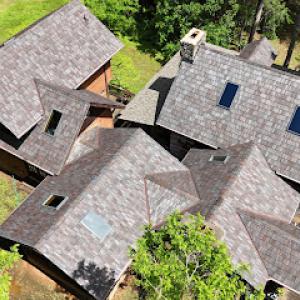
ProRoofing offers expert roofing services in Asheville, North Carolina and surrounding NC areas! Known for our commitment to quality and customer satisfaction, we offer comprehensive roofing solutions including roof installation, repair, and maintenance. Whether you’re dealing with storm damage or looking for a new roof, our skilled team in Asheville is equipped to help. Our local professionals understand Asheville’s unique roof styles and climate conditions, ensuring tailored roofing solutions for every home and business. Visit us in Asheville or contact our team to experience dedicated service and superior craftsmanship!
Black Bear Roofing
(828) 979-7663 blackbear-roofing.com
770 Patton Ave G, Asheville, North Carolina
4.7 from 73 reviews
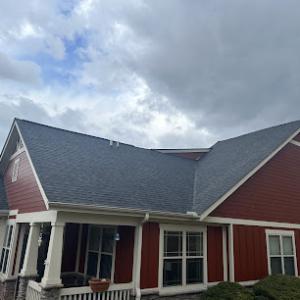
Black Bear Roofing is a trusted local roofer in Asheville, NC, specializing in residential and commercial roofing. We offer roof inspections, repairs, and new roof installations to keep homes and businesses safe. Our experienced team provides high-quality roofing solutions designed for North Carolina’s weather. Whether you need a quick roof repair or a full roof replacement, we’ve got you covered. Call Black Bear Roofing today for expert service you can count on!
Spring through early summer brings higher wind and hail exposure that can push a borderline aging roof into an insurance or emergency-repair issue. In the Blue Ridge foothills, a few violent afternoon gusts can lift loose shingles and expose underlayment, especially on steeper pitches. The practical approach is to begin pre-storm planning in late winter: identify vulnerable ridge caps, ensure proper nail line lines up with manufacturer specs, and verify attic ventilation is balanced so roof decks don't trap moisture after a hail event. If a claim looks possible, document wind-damaged areas with clear photos after each weather event and keep a simple timeline of wind speeds and hail reports. When scheduling, aim for a window with stable, dry days and avoid the typical week of back-to-back storms. Insurance-driven timing tends to hinge on dwelling condition and visible damage; the goal is to have a plan ready before a major claim is filed, not after.
Winter freeze-thaw cycles can widen existing cracks, stress flashing details, and interfere with sealants during repairs. In this climate, ice dams are not the only concern; even small cracks on the slope can propagate under repeated freezing and thawing. Before a repair or replacement, have the roof professionally resealed where flashings meet dormers, chimneys, and vent stacks. If a leak is detected during a warming spell, prioritize temporary measures to divert water away from interiors while preparation for a more permanent fix proceeds. During the coldest months, anticipate shorter daylight windows for work and higher moisture risk from melting snow; plan for a compact schedule that minimizes prolonged exposure of underlayment. Work crews should monitor fastener corrosion on metal edges and re-aim sealants after a few warm days to prevent gaps from reopening.
Heavy autumn rain in the region can slow tear-offs and leave drainage vulnerable on partially completed roofs, making scheduling especially important. The critical checkpoint is drainage: ensure downspouts and scuppers are clear before any rapid decking exposure, and stage tarps and temporary gutters to manage water runoff during partial removals. If a rain-heavy forecast is in the works, arrange for a temporary cover and a staged tear-off plan that completes the most critical areas first, so moisture intrusion stays minimal. Insurance-related decisions often hinge on documenting pre- and post-storm conditions; keep a dated photo record of roof surface conditions before work begins, including any existing drainage concerns. In practice, the best approach is to align the most weather-sensitive steps with the busiest dry spells in late summer, but stay flexible for an early autumn window if a storm season slows progress.
In this mountain climate, the timing of a roof replacement intersects with storm season, moisture management, and insurance requirements. Build a simple, geography-aware checklist: inspect after each big storm, photograph vulnerable flashing and ventilation details, and confirm that attic condensation is under control before work begins. Coordinate with a contractor who understands how to stage a tear-off on steep slopes without compromising drainage. When a claim seems likely, secure a provisional replacement plan that can be activated quickly once approvals arrive, so a lean-to or temporary repair does not become a longer-term moisture trap. This approach keeps the roof journey aligned with the fast-changing, weather-driven realities of the Blue Ridge.
Steeper rooflines on mountain neighborhoods, frequent rainfall, and rising humidity all shape the best choices for a roof that stands up to Asheville's moisture pattern. Asphalt shingles and metal roofing dominate the landscape, but higher-end homes often showcase tile, wood shake, or synthetic products for style or curb appeal. The combination of fast-change elevation, wind-driven storms, and a damp air mass means shedding water quickly and preserving underlayment integrity should be a central design and maintenance priority. That emphasis shows up in the way these roofs are selected, installed, and cared for after a heavy storm.
On slopes, metal roofing excels at rapid water shedding and wind resistance, especially when panels are properly lapped and the edges are sealed against wind uplift. For very steep sections, metal panels can provide a longer service life with fewer leak-prone joints than some asphalt configurations, given careful installation and edge detailing. Asphalt shingles, ubiquitous in the region, deliver reliable performance when paired with a solid synthetic underlayment and a well-sealed drip edge. Heavier materials such as clay or concrete tile bring a distinctive look and strong durability, but require solid structural support and careful assessment on older houses if the attic space or framing was not designed for substantial weight. In Asheville, tile systems are most common on higher-end or stylistic homes, where the frame and attic access can accommodate the load while maintaining a favorable balance between water shedding and overall weight.
Because humidity and rainfall are frequent, underlayment choices matter as much as the top covering. A high-quality underlayment that resists moisture intrusion and remains pliable during temperature swings is essential in mountain environments. When roofs include steeper planes, attention to waterproofing around hips, valleys, and roof penetrations becomes crucial, since those angles are prone to runoff challenges during heavy rain. For metal roofs, consider a hidden-fastener or standing-seam system with properly sealed fasteners and panel seams to minimize water tracking at joints. On asphalt, ensure the roof deck is clean, dry, and free of old residuals before installing roofing felt and shingles; lift hazards-such as wind-driven debris-should be mitigated with improved edge and valley protection. A well-designed ridge vent strategy helps with long-term moisture balance inside the attic, reducing condensation that can compromise sheathing in this climate.
Steeper slopes often demand different detailing for structural compatibility. Heavier tile systems can necessitate upgrades to the roof framing or shear support, particularly on older homes where original framing wasn't sized for substantial tile weight. For those properties, a careful engineering review is warranted to determine whether the existing structure can safely support the chosen material over the expected service life. Wood shakes or synthetic shingles offer a distinctive look that blends with mature neighborhood aesthetics but require careful maintenance to prevent moisture infiltration and surface deterioration in damp air. In more styling-driven homes, synthetic or composite shingles can combine a similar visual to wood or tile with improved moisture resistance and lighter weight, offering a practical compromise where structural limits exist.
Storm events and moisture patterns in these mountains often influence insurance documentation and roof replacement timing. Regular inspections after severe weather help verify roof integrity, track damage progression, and support claims for wind or hail events. Maintaining a careful record of roof age, material type, and repair history can ease documentation during claim processes and ensure that the roof remains resilient against the next round of mountain weather. Regular maintenance, prompt patching of flashing, and attention to drainage points near eaves and gutters all contribute to extending roof life in a climate where every inch of slope counts.
Explore specialists in steel, aluminum, and standing seam metal roofs built to last 50 years or more.
Lane Roofing & Restoration
(828) 490-1830 laneroofingasheville.com
5 Miller Rd S #2, Asheville, North Carolina
5.0 from 247 reviews
John McClung Roofing
(828) 658-5646 www.johnmcclungroofing.com
817 Starnes Cove Rd, Asheville, North Carolina
4.8 from 259 reviews
Southern Star Roofing Asheville NC
(828) 844-7663 southernstarroofing.com
28 Schenck Pkwy Suite 219, Asheville, North Carolina
5.0 from 39 reviews
Steep Blue Ridge terrain, rapid elevation changes, and frequent rain mean moisture doesn't just pass by-it lingers when drainage or ventilation stumbles. In this climate, fast-changing weather can stress shingles and underlayment, so small flashing or decking issues that would be easy to overlook elsewhere suddenly show up as leaks. The result is a pattern of moisture exposure that quietly accelerates wear, especially where roof lines tuck into valleys, where eaves are long, and where shade keeps surfaces damp into the afternoon. A roof that breathes poorly or drains unevenly can trap moisture against cold decking, inviting rot and a slower dry-out after storms. The reality is that you often notice problems after a heavy shower or a sudden warm-up that drives condensation to the surface.
Ventilation is the first line of defense against moisture buildup. An attic with good intake, through soffits or gable vents, paired with effective exhaust-ridge or roof vents-lets humid air escape before it soaks into sheathing. In the mountains, where humidity spikes in summer, and cool nights condense on daytime surfaces, even marginal ventilation can tip from adequate to marginal in a single season. Pair that with drainage that routes water away from the decking and flashing, and you cut the odds of leaks that start as barely perceptible damp spots. If you notice damp rafters, peeling paint from the attic side, or a musty smell after rain, check whether soffit vents are blocked by insulation or debris, and whether gutters and downspouts carry runoff away from the foundation and fascia. Standing water near eaves or along parapets is a warning sign that drainage needs attention.
Chimneys are a recurring detail in this housing stock, and chimney flashing becomes a common leak point when moisture exposure is persistent. If flashing around the chimney looks saturated, crumbling, or has taken on a dark, moldy sheen, it's not just an aesthetic issue-water can wick behind mortar joints and under shingles during a storm, finding its way into the attic or ceiling. In a mountain climate, wind-driven rain can push water up under flashing where roof slope intersects chimney contours. Regular inspection should focus on the transition zones: crown, step flashing at the sides, and the point where chimney and roof deck meet. If you've had a heavy or repeated wind event, or you've rebuilt or resealed masonry, take a closer look at flashing integrity and sealant conditions, because minor gaps that seem inconsequential now can become leaks after the next storm.
Start with a slow, careful walk of the attic after a rainstorm: look for dark staining, warped decking, or damp insulation. In the living space below, check for fresh spots or peeling paint near chimneys or along ceiling lines that align with roof intersections. Schedule a staged inspection if you can't access all the roof areas safely-an inspector can specifically assess vent integrity, drainage, and flashing details. When performing exterior checks, clear debris from gutters, ensure downspouts divert water away from fascia, and verify that roof vents aren't obstructed by nearby branches or vegetation. Small, timely fixes here prevent larger, more costly repairs later and keep moisture from turning into long-lasting interior damage.
Find contractors experienced in skylight installation, flashing, and leak repairs to bring natural light into your home.
Asheville Roofing
(828) 285-7663 ashevilleroofing.com
2231 Riceville Rd, Asheville, North Carolina
4.9 from 363 reviews
Elite Roof & Solar - Asheville
(828) 333-4818 eliteroofandsolar.com
257 Haywood Rd Suite 201, Asheville, North Carolina
5.0 from 81 reviews
Southern Star Roofing Asheville NC
(828) 844-7663 southernstarroofing.com
28 Schenck Pkwy Suite 219, Asheville, North Carolina
5.0 from 39 reviews
Costs in Asheville can rise on steep or hard-to-access mountain lots where staging, tear-off, and debris handling are more difficult than on flat suburban sites. Provided local pricing ranges run from about 350 to 650 USD per square for asphalt shingles, 700 to 1400 for metal, 900 to 2100 for clay tile, 800 to 1700 for concrete tile, 600 to 1100 for wood shingles or shakes, and 500 to 1000 for synthetic or composite shingles. Those ranges help you set a realistic playbook with your contractor, especially when the weather and elevation quickly complicate logistics after a heavy storm.
In practice, choosing a roof involves weighing both mission-critical performance and the easy answer on price per square. Asphalt shingles sit at the lower end, while metal gives a longer life but can come with higher install complexity on steep slopes. Clay and concrete tiles bring distinct durability in the mountain climate but add weight and roof framing considerations. Wood shingles or shakes offer a traditional look with higher maintenance in a moist climate, and synthetic or composite shingles provide a balanced modern option with a broad price band. The stair-step price ladder you'll see in quotes often reflects not just material, but the staged complexity of mountain installs, including precision underlayment and fastener choices suitable for wind-driven rain.
Storm-driven demand spikes in Western North Carolina can tighten labor availability and scheduling, while permit fees in Asheville are tied to project value rather than a flat re-roof charge. In practice, when a storm creates urgent needs, expect some lead time for crew availability and material delivery, even if the price quote looks solid. Plan for possible delays during peak season and confirm your contractor's process for sequencing tear-off, disposal, and new installation so you aren't caught with a partial roof during a wet spell.
Costs can rise with steep or difficult-to-reach roofs where staging platforms, crane or hoist coordination, and debris handling require extra setup. If your lot has limited space or a tight driveway, expect additional allowance for material drop zones and protective wrap, which helps prevent knock-on damage to landscaping and drive surfaces.
When you're evaluating bids, compare the same scope of work across contractors-underlayment, flashing, venting, and attic insulation considerations can swing final pricing. If insurance-driven timing is a factor, align your chosen window with storm season patterns and the contractor's typical scheduling rhythm to reduce the risk of weather-induced delays.
Get a clear picture of your project costs upfront - no commitment required.
Lane Roofing & Restoration
(828) 490-1830 laneroofingasheville.com
5 Miller Rd S #2, Asheville, North Carolina
5.0 from 247 reviews
Litespeed Construction - Asheville Roofing Contractor
(828) 505-6051 litespeedconstructionashevilleroofing.com
460 Weaverville Rd #6, Asheville, North Carolina
4.9 from 122 reviews
Southern Star Roofing Asheville NC
(828) 844-7663 southernstarroofing.com
28 Schenck Pkwy Suite 219, Asheville, North Carolina
5.0 from 39 reviews
Residential re-roofs in the area generally require a permit through the Building Safety Division rather than being treated as permit-free maintenance. This reflects the steep mountain terrain and moisture patterns that influence drainage, wind, and roof-load considerations. When planning a re-roof, you should assume a permit will be necessary and factor in scheduling with the Building Safety staff to avoid project delays. The process is designed to document the safety and wind-resistance features that matter for homes perched on Asheville's elevations and near dense tree canopies.
Standard re-roof projects usually face minimal plan review, but inspections are expected at key stages. A rough decking inspection confirms proper substrate preparation, eave and valley detailing, and underlayment transitions that matter in a mountain climate with rapid weather shifts. The final installation inspection verifies that flashing, ridge systems, ventilation, and drainage are correctly executed to handle heavy rain events and prevailing winds. If your roof uses unusual materials or a nonstandard slope, expect a slightly longer review window and be prepared to provide product data or installation details. Timely access for inspectors is essential, especially after storms when crews may be pressed for scheduling.
Because Asheville's permit fees are based on project value, homeowners should expect permit cost to scale with the scope and material choice of the job. To streamline the process, assemble a straightforward set of materials specifications, a roof plan showing fasteners and flashing details, and any prior permit approvals if this is a replacement in a previously permitted property. Keep a clear record of demolition and deck preparation timelines, since inspectors will want to see how moisture management and drainage are integrated into the re-roof sequence. Coordination with the roofing crew for access during the inspection windows helps reduce wait times during the seasonal storms.
The Blue Ridge weather in this region arrives with sudden shifts-thunderstorms, gusty winds, and hail rolling through at higher elevations. Those conditions translate into more frequent roofing claims and sharper carrier scrutiny after each storm season. A roof that looks fine can still carry undetected damage, especially where shingles meet hips and valleys on steep pitches. When a major hail or wind event hits, carriers tighten their review standards and may require detailed documentation to separate preexisting wear from new storm damage. In this climate, the roof's ability to shed moisture quickly and withstand wind-driven uplift matters as much as its overall age.
You should document the roof before storms so that age records and photos exist to anchor any claim discussion. This isn't just about a quick snapshot; it's about showing roof lines, flashings, shingles, and any prior repairs from years past. In practice, take wide shots of the entire roof, then close-ups of trouble spots like valleys, ridge caps, and around chimneys. If you notice curling, granule loss, or flashing gaps, photograph those areas. When a storm hits, insurers will ask for proof that recent wear isn't being mistaken for new damage, so a current baseline saves time and reduces dispute risk. Keep these records in a safe, organized place and update them after significant repairs or replacements.
Carrier availability can tighten after major regional events, and that squeeze can affect claim handling and even future policy terms for older roofs. If a large storm draws down local adjusters and underwriting staff, delays become more common and communications harder to decipher. That means proactive reporting and timely, precise documentation become more valuable. In Asheville's mountain pattern, staying prepared with current photos and a clear record of roof age helps you navigate the post-event period with less friction and clearer expectations.
The local contractor mix in this market is strongly centered on re-roofing rather than only new construction, reflecting homeowners' need to replace aging roofs exposed to repeated moisture and storm cycles. When talking with a crew, note who has recent experience handling steep slopes, complex edge details, and venting for damp conditions. Look for crews that speak specifically to drainage alignment and wind resistance, since those factors matter most in the Blue Ridge terrain.
Ask for portfolio examples of storm-damaged roofs the crew has repaired or replaced, with emphasis on moisture management and proper underlayment choices. Request a written scope that covers inspection findings, roof deck assessment, shingle or tile substrate, flashing around chimneys and skylights, and the plan for safeguarding your home during wet weather. Confirm who will supervise the project daily and what contingencies exist if weather alters the timeline. In Asheville, quick response to storm calls is a practical differentiator, so bring up expected call-back times and on-site arrival expectations.
Free inspections are common locally, but compare what is included in the inspection, the documentation produced, and the post-job cleanup. Ensure the crew provides a detailed condition report with photos, moisture readings if used, and a clear remedy plan that aligns with your insurance needs. Documented before-and-after measurements help support any claims and future resale considerations. Clarify how debris will be contained during the job and the plan for final cleanup, including gutter protection and removal of nails and rubble from driveways and landscaping.
Storm damage often drives timing, so ask how the crew coordinates with insurers and adjusters. The right team will offer a transparent timeline, staged communications, and a method to protect interior spaces during rapid weather shifts. Confirm their approach to temporary coverings, tarping, and quick mitigation if a downpour interrupts work. The crew should explain how they prioritize moisture control during re-roofing to prevent further interior damage while waiting for approvals or weather windows.
Prioritize an established Asheville crew with a track record of reliable response, solid cleanup, and thorough documentation. Check references for promptness after storms, accuracy of damage reports, and the quality of wind- and water-resilient installations. A thoughtful, neighborly crew that communicates well-and can demonstrate practical moisture management-will save headaches when the next storm rolls through.