
Last updated: Apr 19, 2026
Johns Island sits in coastal Charleston County, so roof work must be planned around the Atlantic hurricane season from June through November. That window isn't just a calendar label-it's when tropical storms and potential hurricanes can shift your project from a steady pace to emergencyMode in a heartbeat. If you can, target the early months of summer or the late fall shoulder seasons for major work like full replacements or large repairs. These calmer periods give you and your crew predictable weather, safer storm windows, and better chances to complete work before the next surge of Atlantic activity. Lock your start date well in advance and build a hard, flexible backup plan with your contractor.
Regular tropical storms can interrupt tear-offs and dry-in schedules, making calmer parts of the year more practical for full replacements when homeowners have flexibility. On Johns Island, a stray front or tropical wave can push a project behind by days or weeks, sometimes forcing partial work or interim coverings. Plan for a staged approach: complete the roof deck and underlayment in a single, dry stretch when possible, then schedule the final weatherproofing and interior protection in a dry window. Maintain daily communication with your crew about possible delays and keep a small buffer of contingency time to ride out passing systems without compromising the roof's integrity.
Because Johns Island is an island community connected by a limited road network, post-storm demand surges can tighten scheduling and slow material movement after regional weather events. After a storm, crews are in high demand and supplies can be delayed while roads recover from flooding or congestion. Build in lead times for orders on limited-availability materials and confirm delivery windows that won't conflict with mandatory safety holds or winding coastal traffic patterns. Consider stocking essential components during the off-season to reduce the risk of a material hold-up when a storm warning hits. Your contractor should have a tested plan for rapid mobilization that respects the island's access realities without compromising safety or quality.
Coastal air brings salt, humidity, and marsh moisture that accelerate corrosion and rot if not addressed with proper detailing. For Johns Island, choose roofing systems and accessories that perform under salt spray and humid heat, and insist on fasteners with corrosion-resistant coatings, sealed penetrations, and sealants appropriate for high-moisture environments. Wind resistance is non-negotiable: insist on reinforced seams, wind-rated underlayment, and secure fastener patterns that meet local variability in gusts. For tile or metal options, verify that coatings and coatings' renewability suit the island's exposure. For asphalt and synthetic shingles, demand high-wind ratings and enhanced nailing patterns. Your goal is to minimize callbacks after storms and maximize a solid envelope that can ride out a hurricane's first hours without damage.
Set clear milestones tied to realistic weather forecasts-start, intermediate dry-ins, and final sealing-so you're not caught mid-stage when a tropical system reorganizes. Maintain a dedicated contact channel with your contractor for weather-driven shifts, so you know exactly when to suspend work and when to resume. Keep a secure, covered space for vulnerable materials and ensure that temporary coverings stay intact through intermittent squalls. Finally, document all work with photos and notes after each storm window, so you have a clear record for storm recovery decisions and future resilience planning.
In this coastal market, the moment a storm passes, adjusters scrutinize every detail of a roof replacement more closely than inland clients typically see. Johns Island homeowners should expect that the claim review will focus on whether wind-rated components, proper installation, and upgraded deck and flashing details are in place. The goal is to ensure the roof can stand up to the repeated gusts and salt spray that ride in on the next front.
When you pursue a replacement, the documentation you present matters as much as the work itself. Insurers in this coastal area often want evidence that the chosen materials, fasteners, and layer setup meet recognized wind resistance standards. That means keeping manufacturer specifications at hand, verifying that the chosen underlayment and fasteners are appropriate for high-wind exposure, and confirming that flashing around chimneys, skylights, and eaves is compatible with a wind-rated system. If the project relies on retrofit features-like upgraded edge fasteners or reinforced decking-document those choices clearly with product data and installation notes. Without this the claim can stall or be trimmed during review.
On a practical level, the deck and the flashing details are as important as the shingles or metal panels themselves. The deck often bears the load directly after a storm, and if it's not adequately prepared or updated, insurers may question whether the roof was truly ready for a hurricane-season wind event. Expect inspectors to verify that fastener patterns, seam sealing, and flashing transitions are consistent with the wind-resistance rating of the chosen system. If the roof line or parapets exist in a high-wind zone, be prepared to demonstrate that those areas were addressed with compatible wind-rated components. A misstep here can become a sticking point in the claim, even if the visible surface looks new.
Photos taken immediately after tropical weather can be the difference between a smooth claim and a drawn-out process. Repeated wind and rain events can blur the line between a single storm loss and ongoing wear, so capture clear images of the entire roof surface, flashing details, and interior signs of any prior leaks. Include dates and weather context in captions, and if possible, photograph under bright daylight to avoid shadows that hide defect lines. Visual evidence should extend to attic or ceiling observations if interior staining or moisture is present, as these details can influence the insurer's assessment of damage versus wear.
Finally, be mindful that a wipe-clean, "new roof" look does not automatically resolve all questions about resilience. The underwriting conversation will pivot on whether the installed system is truly wind-rated and whether installation practices align with the chosen materials. If a contractor references wind-rated components, insist on written confirmation of their ratings and compatibility with existing structures. This approach helps you navigate the storm-recovery process with fewer delays and a stronger position when the next Atlantic front approaches.
Connect with contractors who help homeowners navigate the claims process from damage assessment to final approval.
Manning Roofing
3153 Maybank Hwy Suite F, Johns Island, South Carolina
5.0 from 33 reviews
Sea Island Residential
(843) 593-3049 www.seaislandresidential.com
3226 Maybank Hwy Unit E-7, Johns Island, South Carolina
4.9 from 83 reviews
We are a family-owned roofing contractor & exterior home services contractor serving the state of SC with much of our work coming from the Sea Islands that we call home. We have built our business and our reputation by treating our customers with the integrity and respect they deserve, and by standing by all of our work. For your roofing and exteriors, as well as your disaster restoration needs, we look forward to serving you with high quality work, and showing you why our customer service is second to none.
Manning Roofing
3153 Maybank Hwy Suite F, Johns Island, South Carolina
5.0 from 33 reviews
Manning Roofing, established in 2018, is a trusted service provider for all your residential and commercial roofing, siding, gutter, and window needs in Johns Island, South Carolina, and the surrounding areas. With a commitment to quality in both products and people, our licensed and insured team expertly handles projects of all sizes, from minor residential repairs to extensive commercial renovations. We prioritize adding value to your property, ensuring you receive exceptional service and unparalleled results.
Donnie Long Roofing
(843) 326-0076 www.donnielongroofing.net
3575 Old Ferry Rd, Johns Island, South Carolina
4.7 from 41 reviews
Donnie Long Roofing & Construction is Charleston’s trusted choice for roof repair, roof replacement, and other residential roofing services like roof inspections. Since 1996, we’ve delivered expert, affordable shingle roofing, metal roofing, and flat roof installation with honest pricing and quality craftsmanship. Whether you need emergency roof repair, routine maintenance, or a full exterior upgrade, we’ve got you covered. Our services also include siding, soffit and fascia, and exterior painting, such as painted decks and painted fencing. If you’re searching for residential roofing companies near me or reliable roofing contractors in Charleston, call Donnie Long Roofing today as he's the roofer you can count on.
Harper Roofing Company of Charleston
(843) 631-3496 www.harperroofingcharleston.com
3690 Bohicket Rd #1d, Johns Island, South Carolina
4.6 from 9 reviews
Established in 2009, Harper Roofing Company of Charleston is a trusted roofing contractor serving the Charleston, SC area. They are dedicated to providing top-quality roof repairs and replacements for residential properties. Their team of experienced professionals is committed to using the best materials and ensuring customer satisfaction throughout the entire process.
Coastal Carolina Roofing
(843) 410-8723 coastalcarolinaroofingco.com
Serving
5.0 from 23 reviews
Coastal Carolina Roofing is synonymous with top-notch roofing services in South Carolina. As South Carolina’s premier roofer, our promise is to deliver impeccable quality, whether it’s a simple roof repair or an extensive roof replacement. We pride ourselves on understanding the unique roofing needs of South Carolina residents, ensuring that your home or commercial property stands tall against the unpredictable South Carolina weather. Every roofing project, be it residential or commercial roofing, gets the same attention to detail, ensuring longevity and durability. With our in-depth understanding of South Carolina’s climatic conditions, our solutions are not just about fixing the current issues but also preparing for the future.
Charleston Roofing & Exteriors
(843) 203-5555 charlestonroof.com
Serving
4.8 from 281 reviews
Charleston Roofing and Exteriors stands as the premier choice for homeowners seeking reliable, high-quality exterior solutions. Serving Charleston, Dorchester, and Berkeley counties for a decade, the team specializes in roofing, windows, gutters, and insulation. Every project reflects a deep commitment to honesty, affordability, and aesthetic excellence. Clients receive expert craftsmanship paired with timely service, ensuring homes remain protected and beautiful. Whether installing a new roof or upgrading attic insulation, the focus remains on durable results and total customer satisfaction. Choosing Charleston Roofing and Exteriors means investing in reliability and exceptional value for your home’s exterior needs.
White House Roofing & Construction
(843) 509-7785 white-house-roofing-construction.com
Serving
5.0 from 35 reviews
White House Roofing & Construction has been bringing dedication and high quality roofing and craftsmanship to the Metro-Charleston, South Carolina area for over ten years. We are a one stop shop for all of your residential roofing and construction needs, offering a range of services from laying the foundation for a new home to cutting the grass after you move in, and everything in between. With expert roofing services offered to homeowners throughout the Charleston and Summerville area, mixed with a decade of experience in all aspects of construction and maintenance, White House Roofing & Construction is the only call you need to make for all your homes needs.
Absolute Construction & Roofing
(843) 647-6657 absoluteconstructionandroofing.com
Serving
5.0 from 72 reviews
As the first line of defense against the elements, your roof plays a crucial role in keeping you and your house safe. When your roof needs to be worked on, you can count on Absolute Construction & Roofing, Inc. We offer skilled roofing services for clients in Charleston, Johns Island, Mt. Pleasant, and nearby communities. Our dedicated crew can repair, replace, and inspect residential roofing systems. We can also help install new, high-quality roofs for local businesses. Contact your reliable Charleston roofing company today for a free estimate!
New Beginnings Construction
Serving
4.9 from 434 reviews
New Beginnings Construction is Charleston’s trusted expert in residential and commercial roofing, siding, and whole-home remodeling. With over 18 years of experience, we’re fully licensed, insured, and locally owned—serving Charleston, Mount Pleasant, West Ashley, Summerville, and the surrounding Lowcountry. Voted Charleston’s Most Reputable Roofing and Remodeling Company, we specialize in roof replacements, roof repairs, metal roofing, storm damage restoration, and insurance claim assistance. As an AtlasPRO+ Certified Contractor, our commitment to community, craftsmanship, and customer satisfaction ensures every project is built with trust, transparency, and excellence.
Storm Guard Roofing & Construction of Charleston
(843) 920-6089 www.stormguardrc.com
Serving
4.9 from 63 reviews
Storm Guard Roofing and Construction offers professional roofing services in Charleston, SC. Our team of roofing experts offer roof repair, roof replacement, roof installation, roof inspections, gutter installation, siding installation, window installation, and more. We are a top rated local company here in Charleston and look forward to working with our community to deliver great results. Storm Guard Roofing is dedicated to serving our clients and making an impact in the roofing world. If you're looking for a reliable roofing company that offers top-tier service, reach out to our team today.
Sunny Day Roofing - Charleston
(843) 212-7663 www.sunnydayroofing.com
Serving
5.0 from 44 reviews
We Are Sunny Day Roofing - a family-owned FULLY LICENSED AND INSURED roofing company located in the Charleston area. Roof replacement or repair is a big investment, so you need a roofing company that is responsive, trustworthy, and extremely knowledgeable. We have built our reputation on honesty and integrity - that means when you work with SDR, you can trust we will answer your calls, show up on time, and exceed your expectations. We are experts in residential roofing, roof inspections, roof replacements, roof repairs, and interior leaks. We will work with your budget and schedule to create a beautiful, durable roof that will protect your family, and your investment for many years to come. Remember a beautiful roof starts with a Sunny Day!
Big Bear Roofing
(843) 819-7650 www.bigbearrfg.com
Serving
4.8 from 795 reviews
At Big Bear Roofing, in Charleston, South Carolina, our skilled roofers are ready to transform your dream roof into a stunning reality. Whether you require roof repairs, re-roofing, or the construction of a brand-new roof for your residential or commercial property, we use only premium roofing materials and cutting-edge techniques to ensure your complete satisfaction. We pride ourselves on our unparalleled workmanship, emphasizing roof repairs and installations, while holding job safety as our top priority. Experience the true meaning of expert roofing services with Big Bear Roofing in Charleston, SC.
Johns Island's coastal salt air accelerates corrosion on exposed metal components, flashings, and fasteners, especially during warm humid months. This isn't a future worry-it happens in real-time with every sea breeze. Look for dulling, pitting, or small rust spots on edge metal, vent collars, and any metal accessories around the roofline. If a metal coping or vent flashing shows corrosion, replace it sooner rather than later and call out any surrounding fasteners that may have loosened or corroded as well. When choosing upgrades, prioritize corrosion-resistant metals and non-metallic alternatives for long-wived performance in this climate.
The island's hot, humid climate makes attic ventilation a frontline defender against roof failure from below as well as above. Inadequate ventilation traps moisture that can condense on sheathing, underlayment, and rafters, accelerating rot and reducing vented roof life. Check for a balanced system: sufficient soffit intake paired with ridge or gable vents, plus smarter placements for sea-facing exposures where humidity is heaviest. Pay attention to insulation gaps that create cold roof spots, which invite condensation. When upgrading, choose underlayment and barrier systems rated for high humidity and salt exposure, and consider vented roof decks or radiant barriers that help exhaust warm air without trapping moisture.
Afternoon summer showers in this coastal zone can expose weak flashing details quickly, especially around penetrations and transitions. Pay attention to step and counter-flashing at chimneys, skylines, vent pipes, and where roof planes meet walls. Loose sealant, misaligned flashing hems, or insufficient laps become obvious within a single heavy rainfall. After storms, inspect for active leaks or staining around penetrations, then re-seal with products compatible with salt-laden air. If flashing is older than a typical cycle for this climate, plan for a more thorough retrofit rather than a patchwork repair.
On a practical schedule, inspect after hurricane season and after any major summer downpour. Start at the eaves and work inward along the roofline to detect early corrosion, lifted shingles, or loose fasteners. If metal components show wear, address them first to prevent cascading issues into the attic or interior ceilings. For upgrades, select components with corrosion resistance and proven salt-air performance, and ensure proper installation with attention to sealant compatibility and correct flashing overlaps. Maintain a tidy attic access and clear any moisture-trapping debris that could obstruct ventilation paths. Consistent, targeted attention to these points keeps Johns Island roofs resilient through the salt air, humidity, and sudden afternoon showers.
On Johns Island, the roof market reflects a blend of coastal character and practical budgeting. Asphalt shingles remain a dominant choice because they fit a wide range of residential re-roof budgets in a market with frequent replacement demand. Metal roofing is especially relevant here because coastal homeowners weigh wind performance and corrosion resistance more heavily than many inland markets. The mix also includes clay tile, concrete tile, wood shakes, and synthetic/composite products, mirroring both coastal custom homes and varied architectural styles found across marsh edge neighborhoods.
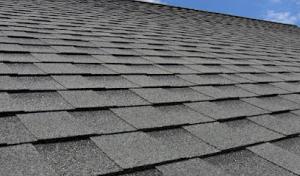
Asphalt shingles offer straightforward installation and predictable performance during storm season. In areas exposed to salt spray and high humidity, choose a fiberglass-based asphalt with a high wind rating and a good warranty. A careful professional should emphasize coastal compatibility-shielded eaves, proper nailing patterns, and sealed starter courses-to minimize wind-driven lift during a hurricane event. For homes with existing asphalt, a high-quality underlayment and strategic attic ventilation help manage moisture accumulation and temperature swings that follow a storm.
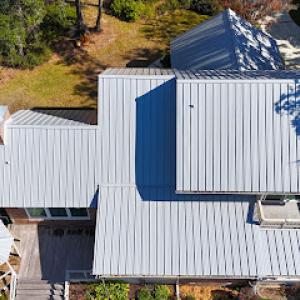
Metal stands out for wind resilience and salt tolerance. Look for options with corrosion-resistant coatings, such as certain zinc-aluminum blends or polymer-coated metals, and a standing-seam profile that reduces panels' exposure to gusts. In addition to wind performance, metal can reflect heat, helping with energy costs in hot months. The installation should feature proper roof-to-wall integration, corrosion-resistant fasteners, and attention to flashing around chimneys, skylights, and vents to prevent salt-laden moisture from compromising joints.
Clay tile and concrete tile bring a distinctive look to the island's coastal custom homes. They excel in longevity when installed on solid deck systems and with appropriate underlayment. However, their weight warrants structural verification, and coastal environments demand meticulous fastener selection and corrosion-resistant attachments. Expect routine inspection of tile edges for cracks or loosened pieces after storms, plus prompt replacement of any damaged units to maintain a seal against moisture intrusion.
Wood shakes deliver a textured, traditional silhouette that suits marsh-adjacent neighborhoods. In salty air, untreated wood can suffer faster wear, so consider pressure-treated or inherently durable finishes and robust sealing. Synthetic/composite shingles offer a low-maintenance alternative with good resistance to moisture and rot, while still pleasing varied architectural styles. When choosing these products, verify the color-fastness and the guaranteed performance under high humidity and wind exposure typical on the coast.
Regardless of material, prioritize a roof system designed for storm recovery: solid attic ventilation, a reliable underlayment, and corrosion-resistant flashing. Regular inspections after hurricane season help catch micro-cracks, loose fasteners, or tile displacement before leaks form. When storms threaten, a roof with clear, well-sealed seams and reinforced edge detail reduces the chance of wind-driven moisture entering the home. In all options, collaborate with a local installer who understands how salt air and humidity shape fastener choices, sealants, and warranty support.
On Johns Island, roofing costs are quoted per square (100 square feet) and vary by material. Asphalt shingles run about $350 to $550 per square, a range that reflects typical local thickness and shingle quality chosen to balance color, wind resistance, and coastal glare. Metal roofing commands roughly $700 to $1100 per square, often favored for its durability against salt air and wind-driven debris. Clay tile sits higher, at roughly $1200 to $1900 per square, with weight and wind calculations driving a sturdier install. Concrete tile follows closely at about $1100 to $1700 per square, providing robust hurricane resilience but heavier framing requirements. Wood shingles or shakes generally fall in the $650 to $950 per square band, valued for aesthetics but demanding regular maintenance in humid conditions. Synthetic or composite shingles sit between $700 and $1100 per square, offering a competitive balance of weight, wind performance, and longevity.
Prices on Johns Island reflect not only material choice but also local market pressure. After tropical storms, regional demand spikes as crews are pulled into emergency and insurance-driven work across coastal Charleston County, which can push outdates or substitute schedules and increase labor costs. For homeowners planning replacement, factors such as crew availability and surge pricing can elevate the project timeline and the total bill beyond the standard ranges. The sea-island setting intensifies these dynamics, particularly when a weather event narrows the window for weather-safe installation or forces expedited timelines.
Wind resistance and storm readiness are central to the decision. A replacement project should prioritize wind-rated underlayment, robust fasteners, and appropriate edge detailing to withstand quick gusts and salt-laden air. Ventilation and attic moisture management play a noticeable role here, given humidity and marsh-influenced moisture. If choosing heavier tile or metal, ensure the deck framing is adequate to support the load and that water management at valleys, edges, and penetrations aligns with coastal conditions. In practice, you'll want a clearly defined plan for material delivery sequencing and staged work windows that minimize exposure to storms and salt spray while construction is ongoing.
Get a clear picture of your project costs upfront - no commitment required.
A full roof replacement on Johns Island typically requires a permit through Charleston County's local building department process. Before any shingle or tile comes off, you or your contractor should file the permit and plan review package. The county's staff will check that the project aligns with current code, including standards that address coastal exposure and moisture conditions common to this area. Engaging early with the permitting office helps prevent hold-ups during later stages and keeps the project moving on the schedule you need after storms.
Plan review may focus on underlayment, ventilation, and wind-resistant installation details because Johns Island sits in a coastal wind-exposed part of the county. Your package should document underlayment choices that resist moisture intrusion and air gaps, as well as attic ventilation strategies that avoid heat buildup and interior condensation. Wind-resistant installation details are particularly scrutinized, so ensure fastener patterns and sealants meet the wind loads specified for this coastal environment. A thorough package includes product data for underlayment, underlayment overlaps, and the roof system's tie-ins to walls and penetrations.
Roof work is inspected in stages, and a final inspection is used to confirm code compliance and required wind-standard details before closeout. Expect inspections at critical milestones: after deck install, after underlayment and ventilation are in place, and again once the primary roofing material is installed. The final walkthrough confirms that flashings, vents, and ridge systems perform under typical storm conditions and that all wind-resistance features meet the approved plan. If any deviations are found, follow-up inspections or notes may be required to achieve a clean closeout and a compliant, storm-ready roof.
In this humid, rain-prone coastal climate, skylight flashings and low-slope transitions are especially exposed when wind-driven rain accompanies tropical weather. A small misstep here can lead to recurrent leaks that creep behind battens, into the attic, and finally into living spaces. When roofs have even modest slope changes, the transition zones around skylights, dormers, and valley intersections demand extra attention during installation and repair.
Homes on the island commonly feature additions, porches, and mixed rooflines that create tie-in areas where water can linger or pool. Simple gable-roof waterproofing often isn't enough at these junctions. Focus on continuous membrane presence under flashing, and verify that termination details extend beyond the flush plane to resist wind-driven infiltration. If a wrap-around porch or a side addition sits flush against the main roofline, treat the connection like a small, weathered seam that must shed water quickly and completely.
Shingle and panel edges near skylights can benumbed by heat and salt air, leading to edge curl and nail pop that compromise flashing seals. Low-slope runs are notorious for slow shedding during Carolina downpours; any mineral buildup, scoring, or puncture in underlayment becomes a weak link. Regular inspection after heavy storms is essential, especially at these transitions, where a single failed detail can multiply into a larger leak problem over time. Keep an eye on fastener patterns and sealant joints around every skylight and low-slope connection.
Find contractors experienced in skylight installation, flashing, and leak repairs to bring natural light into your home.
Manning Roofing
3153 Maybank Hwy Suite F, Johns Island, South Carolina
5.0 from 33 reviews

Charleston Roofs + Windows
(843) 350-6250 charlestonroofsandwindows.com
Serving
4.9 from 605 reviews
Because Johns Island sees recurring wind and storm exposure, you should separate manufacturer material coverage from workmanship coverage when comparing reroof proposals. Material warranties cover shingles, panels, or tiles you see, while workmanship warranties cover the labor, installation details, and any related callbacks. Make sure the proposal clearly itemizes both, with defined timeframes and conditions that reflect coastal use, salt air, and hurricane-season stress.
In a market with frequent emergency repairs and insurance-driven replacements, written scope details for flashing, deck repairs, and ventilation matter as much as the shingle or panel brand. Ensure the plan specifies sealant types, flashing junctions around chimneys and vents, deck replacement or repair if needed, and attic ventilation improvements. A comprehensive scope helps prevent later leaks or moisture buildup caused by poor flashings or inadequate soffit intake, which are common failure points after a storm on this shoreline environment.
Post-storm replacements in coastal Charleston County benefit from documentation showing what was upgraded to current wind-resistant standards at the time of installation. Request a written record that identifies the exact product lines, fastener types, and any uplift-rated features used. If the crew modifies decking or underlayment, secure notes on those materials as well. This documentation supports both warranty claims and future maintenance, and it assists adjusters during insurance-driven repairs.
After a storm, preserve every receipt, warranty card, and notice of work performed. Photograph before-and-after conditions, especially around the roof edges, penetrations, and deck connections. When possible, have the installer sign off on the completed scope and warranty terms, so you have a clear reference if a future issue arises.