
Last updated: Apr 19, 2026
Goose Creek sits in the Charleston-area storm path where summer hurricane season and frequent warm-season thunderstorms make wind-driven rain and lifted shingles a primary homeowner concern. The rhythm of thunderheads rolling in from the Atlantic means roofs endure rapid shifts between soaking downpours and high wind gusts, often in the same afternoon. That pattern drives accelerated wear on asphalt shingles, exposed fasteners, and weathered underlayment. When a storm hits, the risk isn't just a few missing shingles-it's sudden leaks, attic moisture, and hidden fascia or gutter damage that can escalate quickly in the humid Lowcountry climate. Being aware of how these storms behave locally helps you prioritize inspection timelines and water intrusion checks before mold or rot sets in.
After any significant shower or wind event, your first move is a rapid, site-wide check for active leaks. Look for dark streaks on ceilings, damp insulation, or stained walls in the upper levels and around exterior penetrations. If you see active dripping, contain it with temporary tarps or plastic in the affected area to limit interior damage while you arrange professional help. In this climate, wind-driven rain can sneak under edges of shingles even when the surface appears intact, so don't assume a clean exterior is leak-free. Schedule a roof assessment as soon as conditions permit; delays multiply the risk of structural rot and interior mold, especially in homes with southern exposure or tree shade that slows drying times after storms.
The local insurance environment is active for wind, hail, and hurricane-season claims, and carriers commonly want roof age records, dated photos, and a clear claim history before approving repair or replacement. Start gathering evidence the moment the crew arrives or the storm passes. Take dated photos of shingles lifted at edges, granule loss in gutters or downspouts, and any visible interior water marks near the ceiling or in the attic. Keep a simple log of each observation, the date, and the time of day you noticed it. If you have prior roof work or repairs, pull invoices or service notes to establish the roof's maintenance history. When you file, attach this one-page summary of storm impact along with the photos to help the adjuster quickly discern the scope. In a community where backlogs can form after major events, having precise, organized documentation is not optional-it's your fastest path to a timely settlement and a proper repair.
Because storm demand spikes regionally across Berkeley County and the wider Charleston metro, homeowners can face contractor and inspection backlogs after major weather events. Don't wait for a perfect window to begin remediation; contact reputable local roofers who are accustomed to surge periods and have experience with insurance adjusters. Ask for an on-site inspection as soon as weather allows, and request a written scope of work that includes emergency tarping, temporary leak mitigation, and a phased repair plan. When scheduling, try to align the inspection with your insurer's preferred timelines and provide the adjuster with your documented photos and notes to avoid duplicative visits. If access becomes limited due to high demand, set up a priority window with your contractor for the most urgent repairs to prevent interior damage from spreading.
In the most vulnerable areas, apply temporary waterproofing: heavy-duty roof tarps anchored away from vents and chimneys, sealed patches over obvious leaks from the exterior, and clear debris from the roof surface that could trap moisture. Ensure attic ventilation remains functional to prevent condensation buildup, which can worsen interior moisture during humid evenings. Keep gutters clear so that rainwater can shed properly away from the fascia and soffits. If you must climb onto the roof, use a sturdy ladder, harness if available, and never work during high winds or when shingles are slick. After a storm, routine inspections should focus on the most vulnerable sections-areas around chimneys, skylights, and roof-to-wall transitions-to catch damage before it spreads.
Find local contractors experienced in assessing and restoring roofs after hail, wind, and severe weather events.

RoofMeister
(843) 955-0554 roofmeister.com
100A Central Ave STE 207, Goose Creek, South Carolina
5.0 from 112 reviews
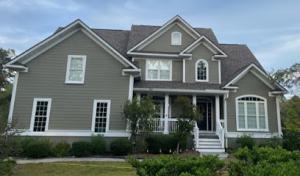
Paisano Roofing
(843) 323-1814 www.paisanoroofingsc.com
Goose Creek, South Carolina
4.9 from 39 reviews
RoofMeister
(843) 955-0554 roofmeister.com
100A Central Ave STE 207, Goose Creek, South Carolina
5.0 from 112 reviews
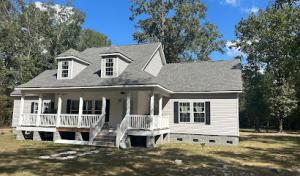
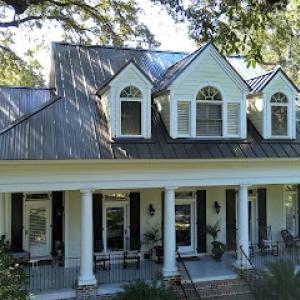
RoofMeister is a roofing contractor serving Charleston and the Lowcountry since 1993. We specialize in residential and emergency roofing services, including new installations and repairs. Our licensed team provides free inspections and serves customers throughout Charleston, Summerville, and surrounding areas. Available 24/7 for storm-related issues. RoofMeister has been the trusted roofing expert for Charleston and the Lowcountry. Specializing in residential roofing, their expert team handles everything from new installations to emergency repairs with skill and precision. Serving customers across Charleston, Summerville, and nearby communities. For storm-related roofing concerns, they're available around the clock.
Pioneer Roofing
(843) 810-9811 www.pioneerroofingsc.com
Goose Creek, South Carolina
4.9 from 57 reviews
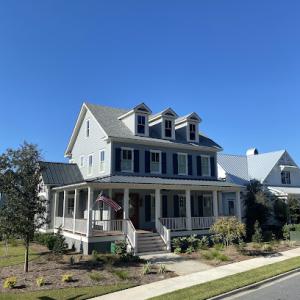
Pioneer Roofing is an established and trustworthy company in the Low Country. Pioneer Roofing provides residential and commercial roofing services, offering roof replacement, roof repair, siding, window replacement, and carpentry repairs. Give us a call today to schedule an appointment!
Paisano Roofing
(843) 323-1814 www.paisanoroofingsc.com
Goose Creek, South Carolina
4.9 from 39 reviews
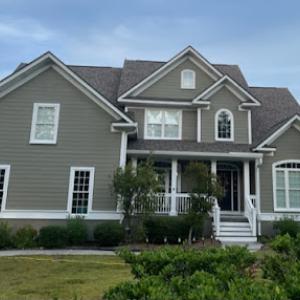
Locally owned and operated roofing contractor, offering fair prices and top notch service.

WT Contracting
(843) 296-1457 www.wtcontractingllc.com
1 Lighthouse Dr, Goose Creek, South Carolina
4.8 from 17 reviews
Veteran-owned roofing company proudly serving Charleston County and surrounding areas within a 75-mile radius — including Mount Pleasant, Summerville, North Charleston, Goose Creek, Walterboro, Moncks Corner, and more. We specialize in roof replacements, leak repairs, storm damage restoration, and insurance claims. Our team is known for quality workmanship, fast turnarounds, and honest service. Fully licensed and insured. Call now for a free estimate!
Integrity Roofing & Repair
(843) 704-5211 www.integrity20roof.com
Goose Creek, South Carolina
4.6 from 9 reviews
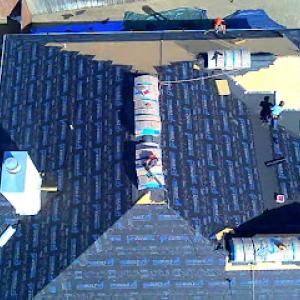
We will inspect your roof for free—a very competitive price building a high-quality roof at fair prices.
Enhanced Exteriors
(843) 730-3925 www.enhancedexteriors.net
Serving
5.0 from 23 reviews
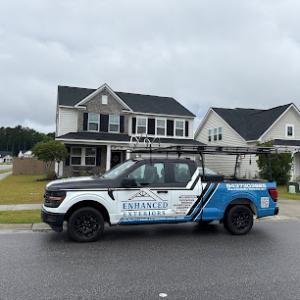
One of Charleston’s leading exterior and home remodeling companies. Enhanced Exteriors offers a wide range of exterior products and services. Whether it’s roofing replacement/repairs, siding, gutters, decking/doors, or windows, we have you covered. Call us today for a free estimate for all your outside home remodeling services.
Division 1 Roofing - Charleston, SC
(843) 625-8036 d1roofing.simplybook.me
Serving
5.0 from 44 reviews
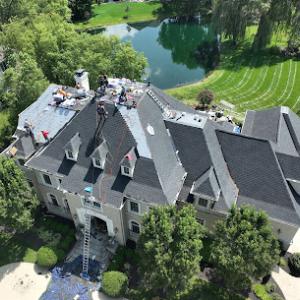
Division 1 Roofing stands out as an industry leader, offering exceptional roofing, siding, window, and gutter replacement services. Our Division 1 dedication extends beyond our expertise, prioritizing human connections and professional integrity. We are committed to providing the highest quality materials and workmanship while making a lasting, positive impact on the neighborhoods we serve.
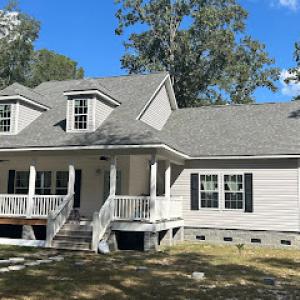
Deaville Roofing & Construction
(843) 548-3529 deavilleroofing.com
Serving
4.8 from 130 reviews
Deaville Roofing & Construction, a premier roofing contractor in North Charleston, SC, has been serving the community since 1987 with unparalleled expertise in roof repair, replacement, and installation. Located at 6650 Rivers Ave, we are your trusted local experts for residential roofing needs, including emergency roof repair and comprehensive roof inspections. As one of the leading roofing companies, we excel in asphalt roofing and offer detailed roofing estimates to ensure transparency and customer satisfaction. Our founder, John Deaville, ensures every project reflects our core values of honesty and integrity. Contact us today for a free inspection and experience quality craftsmanship that stands the test of time.
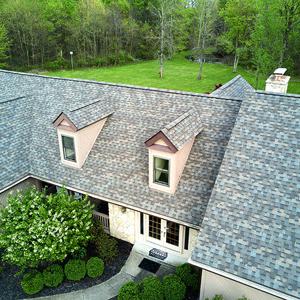
Patriot Roofing
(843) 350-2975 www.patriotroofingsc.com
Serving
4.9 from 147 reviews
Welcome to Patriot Roofing, your trusted roofing partner in North Charleston, SC, and the surrounding areas. With over 20 years of experience, we specialize in storm restoration, commercial roofing, roof repair, gutters, and siding. As a small, veteran-owned business, we take pride in putting people over profit and delivering exceptional services to our clients. Our journey in this field began with a passion for better employee care than what we had witnessed in our previous roles.
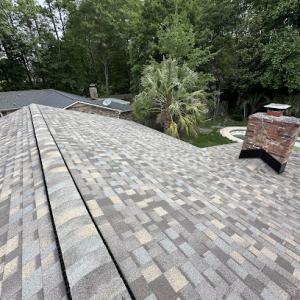
Hernandez Roofing & Repair
(843) 406-5487 hernandezroofingsc.com
Serving
5.0 from 100 reviews
Welcome to Hernandez Roofing and Repair, your trusted partner for all your residential roofing needs. With 22 years of experience in the industry, we are dedicated to providing top-notch roofing services including installations, repairs, replacements, and maintenance. Our team of skilled professionals is committed to delivering superior craftsmanship, using only the highest quality materials to ensure durable and long-lasting roofing solutions. Customer satisfaction is at the core of our business, and we strive to exceed expectations with our reliable service and attention to detail. Trust Hernandez Roofing and Repair for all your roofing requirements and experience excellence, reliability, and expertise in every project we undertake.
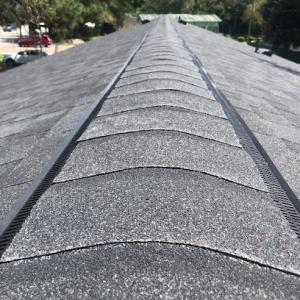
Charleston Roofs + Windows
(843) 350-6250 charlestonroofsandwindows.com
Serving
4.9 from 605 reviews
If you’re looking for a trustworthy company that offers roofing and window services in Charleston, look no further than Charleston Roofs + Windows. Founded in 2012, they have been providing the Lowcountry region of South Carolina residential roof services as well as gutter and window solutions they can trust. They can install or repair windows of every kind and roofs of every material. With a focus on customer service, they provide excellent workmanship and impeccable quality and only use the best materials in the industry. HomeAdvisor Approved and BBB Accredited, their local services also include help with insurance to guide them through the entire process from beginning to end.
Powell Roofing
(843) 270-2421 powellroofingllc.com
Serving
4.9 from 349 reviews
Powell Roofing specializes in Residential and Commercial Roofing, Metal and Shingles. Window Replacement, Siding replacement and Repairs. Free estimates from a roofing contractor you can trust. Fully licensed bonded and insured. Over 50 years combined experience. No job too small. Charleston's #1 residential roofer! Our services include: Roof Repair, Shingle repair, Storm Damage Repair, Roof Replacement, Metal Roofing, Shingle Roofing. We also offer expert vinyl siding and hardie plank siding replacement. Need your windows replaced? We offer window installation and replacement. All of our services are available in Greater Charleston to Orangeburg, SC. Check out our 5 star reviews around the web. Powell Roofing is your roofing expert!
In Goose Creek, the spring window is the sweet spot for reroofing projects. After the late-winter rain settles, there is typically a stretch of dry, mild days that lets crews set up ventilation and underlayment without fighting summer humidity. If you've just weathered a storm, spring gives you a practical runway to address any wind-related shingles or flashing issues while the deck is still clean and accessible. Planning to start in early spring also means you're less likely to run into blistering afternoon heat that can slow adhesive cures and harden timelines. Coordinate with the contractor to align delivery of materials with dry stretches and to schedule high-risk tasks, like attic ventilation adjustments, on cooler days.
The fall shoulder season offers another practical window for Goose Creek homes. Temperatures begin to ease, and the humidity drops enough to help sealants and underlayment perform as intended. Fall days are typically drier, reducing the chance of rain-driven delays late in the day. This period is especially helpful if the prior storm season caused deck or attic moisture that needs thorough drying before you seal everything up. Fall also provides a longer indoor-outdoor work rhythm-crews can push through tear-offs, re-nail checks, and ventilation tuning without fighting skyrocketing afternoon heat. Keep a short, decisive schedule for the crew to wrap up before any holiday weather shifts.
Summer heat and humidity in the Lowcountry can affect adhesive behavior and crew productivity, while sudden afternoon storms increase the risk of exposed-deck delays. If a reroof must occur in the summer, build in buffer days for potential moisture-related slowdowns and plan for frequent daily startup checks. Ensure workers have shaded rest areas and cooling breaks, so the crew maintains high-quality installation without rushing through critical steps. Coordinating morning starts and late-afternoon wrap-ups can help avoid the hottest hours, while still catching windows of dry weather between pop-up storms. Have an action plan for securing gaps quickly if a sudden shower interrupts the process to prevent moisture intrusion into the decking or underlayment.
Winter is milder than inland South Carolina but occasional freezes and persistent rain can still slow tear-offs, drying time, and ventilation-related adjustments. In wetter spells, aim to keep the roof dry and ventilated, since trapped moisture can compromise underlayment performance and nail-seconding accuracy. If temperatures dip into freezing ranges, allow extra time for adhesive cures and for materials to acclimate properly before installation. Use weather forecasts to forecast a solid block of dry days, and avoid pushing through back-to-back cold fronts. Even with milder winters, a well-planned sequence-tear-off, inspection, underlayment, ventilation tuning, and final fastening-succeeds best on days that stay consistently above freezing and dry.
Get a clear picture of your project costs upfront - no commitment required.
RoofMeister
(843) 955-0554 roofmeister.com
100A Central Ave STE 207, Goose Creek, South Carolina
5.0 from 112 reviews
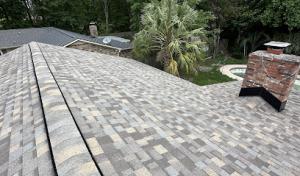
Asphalt shingles are common in Goose Creek and remain the most budget-flexible option, but prolonged humidity and storm exposure can accelerate granule loss and shorten the useful life of older roofs. In this climate, the key to extending life is choosing a shingle with a solid warranty and a granule-infused coating designed to resist algae staining and moisture pickup. When you inspect a shingle roof after a thunderstorm season, look for lifted edges, missing granules, or areas where discoloration suggests moisture intrusion. In shaded or north-facing spots, expect faster algae or moss growth, and plan for more frequent cleaning or preventative treatment. If you opt for asphalt, consider adding an underlayment with a moisture barrier and ensuring the nails are driven straight and fully through the roof deck to resist wind-driven rain. A well-ventilated attic and proper attic ventilation reduce heat buildup that can soften shingles and accelerate aging in the Lowcountry humidity.
Metal roofing is especially relevant in this market because local contractors actively specialize in it and homeowners often consider it for better wind performance and faster rain shedding during coastal storm patterns. Metal systems excel in thick, gusty showers and can resist the kind of wind-driven damage that leaves shingle granule trails on the gutters. When evaluating metal, look for coated panels with a durable, corrosion-resistant finish suitable for humid inland conditions. Pay attention to panel seams and fasteners; floating or poorly sealed joints can invite leaks during heavy downpours, so ask about sealed clips, micro-rib profiles, and proper edge detailing. Metal roofs also reflect more sun, which helps with glare and attic heat, but can be noisier during rain unless a solid deck and subpanel insulation are in place. In shaded areas, metal remains a favorable option because it sheds moisture quickly and reduces the chance of moss holding onto the surface.
Shaded roofs in Goose Creek's humid environment are more prone to algae or moss staining, which affects appearance and maintenance planning across shingle, wood, and some synthetic systems. If your home sits under mature trees or on a lot that stays damp longer, algae growth can dull the look of the roof and, over time, compromise surface longevity. For asphalt and synthetic shingles, choose products with built-in algae resistance and consider periodic treatment with a non-corrosive cleaner directed at the stained areas. Wood shingles or shakes demand extra vigilance in shaded spots, as moisture retention and shade promote moss. When you notice staining, prioritize a safe, low-pressure cleaning approach and address any underlying moisture sources, including roof ventilation, attic insulation, and gutter clearance. In all cases, ensure gutters and downspouts are clear to maintain proper drainage post-storm and to prevent water from pooling along eave lines.
Explore specialists in steel, aluminum, and standing seam metal roofs built to last 50 years or more.
RoofMeister
(843) 955-0554 roofmeister.com
100A Central Ave STE 207, Goose Creek, South Carolina
5.0 from 112 reviews
A full reroof in Goose Creek typically requires a permit through Berkeley County before work begins, and the contractor usually handles the application. The process is designed to verify that the project aligns with local code, especially given the area's inland Lowcountry humidity, thunderstorm-driven wind, and the county's focus on underlayment, ventilation, and nailing patterns. Expect the permit to cover material type, roof deck condition, attic ventilation plan, and eave and drip edge details. If the contractor does not provide paperwork promptly, ask for the permit number and a copy of the submitted plan so you can keep it handy during inspections. Ensure the contractor shows evidence of license and proof of required insurance before filing.
Inspections in this jurisdiction commonly occur during and after installation, with attention to underlayment, ventilation, and nailing patterns rather than only a final visual signoff. Prepare for at least one in-progress check while the roof is open, plus a final inspection after sheathing, underlayment, and flashing are in place. In humid conditions, inspectors will look closely at underlayment seams, attic vent placement, and the continuity of nailing patterns across the rafter bays. Have the contractor stage access to the attic and roof edges so inspectors can confirm ventilation in every area of the attic space. Keep roofing materials secured and organized on site to avoid delays caused by rechecking or rework.
During peak roofing demand periods, especially after storms or in busy seasons, Berkeley County building department backlogs can affect project start dates and closeout timing. If a storm-season spike hits, expect possible delays in both initial approvals and final signoffs. Communicate with the contractor about anticipated timelines and request a written schedule with milestone dates for submission, inspection, and final approval. If a backlogged window is anticipated, plan for contingency days in the calendar and coordinate access for inspectors ahead of critical milestones. Having a clear line of communication with the contractor and the county office helps minimize stalls and keeps the reroof on track despite the seasonal rush.
In this part of the Lowcountry, storm-driven demand can tighten crews quickly after tropical weather, pushing labor availability and progress timelines. When a hail or tropical rain event hits the Charleston-area market, you may see faster response to leaks but also tougher scheduling weeks later. That surge can nudge project timelines beyond the ideal spring and fall windows, with weather delays adding to the cost. Plan for a ramp in both crew availability and material lead times if a tropical system rolls through, and expect some variability in daily rates during peak storm season.
Material selection matters sharply here. Asphalt shingles are the entry-price leader and remain a practical, durable option for many Goose Creek homes. Metal roofing sits higher on the price ladder but pays off with storm performance and longevity in this climate. Clay and concrete tiles, wood shingles or shakes, and synthetic or composite shingles carry higher installed costs, not only for the material itself but for the added installation skill and specialized fasteners they require under heavy wind and humidity. In numbers, typical installed ranges per square (one square equals 100 square feet) tend to align with the local market realities: asphalt shingles around the low-to-mid range, metal climbing toward the upper mid, and tile or wood and synthetic systems further up. Concrete and clay tile often command the premium end due to heavier weight and more complex rafters and underlayment needs.
Storm-season timing is real here: heavier rains, moisture challenges, and the annual pace of permit checks (handled by the local market) can stretch timelines beyond the ideal March-May and September-November windows. Build a contingency into your budget for extended material deliveries, extended roof sheathing or underlayment inspections, and potential minor reuse or upgrading of flashing and ventilation due to humidity-related wear. If a claim is involved after a storm, document leaks and damaged sections promptly, photograph conditions, and coordinate with the adjuster to capture the scope before and after work begins.
Asphalt shingles offer a straightforward entry cost, while metal, tile, wood, and synthetic systems rise in cost partly because installation skill and storm-performance expectations are higher here. When storms are fresh in memory, you may encounter temporary price bumps for both materials and labor. Use this neighborhood context to gauge trade-offs: upfront savings with asphalt versus long-term resilience with metal or tile, balanced against anticipated storm cycles and the likelihood of scheduling interruptions.
Don't let upfront costs delay a critical repair - these contractors offer payment plans to fit your budget.
Paisano Roofing
(843) 323-1814 www.paisanoroofingsc.com
Goose Creek, South Carolina
4.9 from 39 reviews


Goose Creek homeowners face a high-claim coastal South Carolina environment where wind and hail losses are common enough that carriers may scrutinize roof age and prior claims closely. That scrutiny isn't just a step in the process; it can shape whether a claim is approved, limited, or denied after a storm. When the thunderheads roll in and you see shingles peeling or a dented vent cap, the clock starts ticking-not just for repairs, but for how your insurer will view the roof's history in the weeks that follow.
Statewide insurer tightening on storm-related exposure affects local roofing decisions, making documentation and prompt post-storm inspection more important before damage worsens. You should gather clear evidence while the memory is fresh: date-stamped photos of the roof from multiple angles, close-ups of damaged shingles, and records of any prior leaks or repairs. Keep a simple timeline of when leaks were first noticed and when professionals recommended action. This isn't about over-preparing; it's about preventing small issues from becoming a claim-defining dispute later.
Adjuster site visits are a normal part of the process in this market, so homeowners benefit from keeping pre-storm roof photos, maintenance records, and clear timelines of when leaks or visible damage appeared. On arrival, an adjuster will compare your documentation to what they see on the roof and in the attic. Consistency matters: gaps between photo reports, or missing dates, can complicate the claim. Have a trusted roofer ready to provide a professional assessment, note any ventilation or underlayment concerns, and help you articulate how a storm-related event impacted the roof's performance. In this climate, timely communication with your insurer is as essential as a prompt repair.
In this area, shingles often fail first at wind-exposed edges and around flashing transitions. Repeated thunderstorm cycles lift and curl edging shingles, widen sealant gaps, and pry flashing away from walls, chimneys, and vents. The result is gradual water intrusion that sneaks past the attic's first line of defense. Look for lifted tabs, loose nails, and dark staining near joints after storms. When a leak appears, don't chase a single droplet-trace it back to the most likely surge point and address the flashing or edge fasteners first.
High humidity accelerates algae or moss growth on shaded roof sections, which can mask wear patterns and make older roofs look worse before structural failure happens. Moss can trap moisture against shingles, speeding deterioration of the protective top layer and lifting granules loose. In practice, a roof that looks "green and healthy" on the surface may still be a ticking clock underneath if shaded areas are thick with growth. Regular brushing and selective cleaning, while preserving shingle integrity, becomes essential to honestly assessing remaining life.
Hot attic conditions collide with humid air, intensifying moisture stress on roof assemblies. Poor attic ventilation traps heat and dampness, which can warp decking, lift nails, and accelerate underlayment breakdown. Berkeley County inspectors pay attention to how ventilation is staged-intake and exhaust must work in harmony to move moisture out before it penetrates the sheathing. If attic air feels damp or smelling musty, or if insulation looks compressed near vents, intake more fresh air or improve exhaust paths as a practical step.
Storm-driven wind and rain cycles, not snow, shape failures here. Recurrent downpours can push water through already marginal seals and joints, especially around skylights, vents, and chimneys. The consequence is gradual interior staining and soft spots in decking that worsen with each storm. The prudent response is proactive resealing, targeted flashing upgrades, and staged replacements at suspected weak points before ongoing damage compounds.
In Goose Creek, the market leans toward reroofing and repair rather than new construction. Homeowners should expect contractors to emphasize replacement experience and storm response. Reroofing teams with strong stormeveryday know-how are more likely to address underlayment quality, ventilation, and steady workmanship during rain-soaked weeks. A contractor who has spent years in the area understands the common shingle and tile types found on local homes and the peculiarities of overhangs, hips, and valley lines that matter after a storm.
Cleanup and quick response are prominent hiring priorities. Ask how the crew handles active leaks, yard debris, and disruption to daily routines after a storm. Look for a project plan that includes rapid tarping on first visit, clear temporary fixes, and a scheduled cleanup sweep after work is complete. A sound team will map out containment measures to protect interior rooms and landscaping, especially during the heaviest late-afternoon downpours that so often follow a wind event.
Many local firms market affordability and long tenure, so comparison should extend beyond price. Confirm that the contractor will manage inspection walkthroughs, document storm damage, and coordinate any required follow-through with different crews. Check references from nearby homeowners who had similar roof types and weather challenges. Verify they can provide a clear sequence of work, from tear-off to final shingle or tile installation, with attention to ventilation and secure nailing patterns that meet local expectations.
Ask for a written plan that outlines temporary protections, expected timelines, and how damage references will be documented for insurance and repair purposes. Ensure the agreement includes post-installation checks, a dated warranty summary, and a point of contact for questions during the first storm season after completion. A reliable Goose Creek roofer will provide straightforward, dock-to-door follow-through without gaps.
Although the market is dominated by pitched residential reroofing, Goose Creek contractor signals show recurring demand for skylight work and some flat or low-slope expertise, indicating these details create enough local service calls to matter. In a thunderstorm-heavy climate, skylight flashing and low-slope drainage details are more vulnerable to leak complaints when installation quality is inconsistent or aging materials lose integrity. Expect higher sensitivity to wind-driven rain and rapid temperature shifts that stress sealants and seals around glazing, curb flashing, and counterflashing. A small misstep here can become a big, persistent leak.
Homeowners with additions, porches, or mixed-slope rooflines in Goose Creek should ask specifically how these transitions will be waterproofed and inspected. Transitions between different roof planes, or where a porch meets the main roof, are common trouble spots after heavy storms. The area's humidity compounds hidden rot and deterioration, so look for proven detailing of drip edges, valley detailing, and proper sealant compatibility across materials. Even minor gaps can channel water into attic spaces or ceilings during a North Atlantic-styled thunderstorm.
In a climate that routinely pairs humid air with driving rain, aging underlayment and deteriorating shingles show up fastest at vulnerable seams and penetrations. Regular inspection of vent boots, attic ventilation balance, and fastener corrosion is essential. Wind-driven strike zones-near chimneys, skylights, and dormers-merit extra attention. When you see recurring leaks in these zones, address underlying flashing integrity and material compatibility before a small drip becomes a ceiling stain.
After a strong storm, plan a quick, thorough check of visible flare points: flashing around skylights, chimneys, and vents; roof edges and drip edges; and any signs of peeled granules on asphalt or exposed fasteners on metal. Keep a record of damage reports and photos to simplify any insurance discussion and to guide timely repairs before moisture migrates into structural wood.
Find contractors experienced in skylight installation, flashing, and leak repairs to bring natural light into your home.
Charleston Roofs + Windows
(843) 350-6250 charlestonroofsandwindows.com
Serving
4.9 from 605 reviews
The inland Lowcountry setting brings heat, humidity, and frequent thunderstorms that steadily wear older roofing systems even outside named tropical storms. Asphalt shingles, under heat and wet air, curl and lose granules faster, while metal roofs can experience panel and fastener fatigue from rapid temperature swings and regular wind-driven rain. Clay and concrete tiles face prolonged moisture exposure that can stress underlayment and deck connections, and wood shingles or shakes are especially vulnerable to high humidity inviting mildew, rot, and insect pressure. In this climate, aging shows up not only as missing shingles but as subtle deterioration in ventilation and attic moisture management, which can silently undermine a roof's lifespan.
The broader Charleston-area weather pattern links roof planning to seasonal storms rather than inland freeze-thaw cycles seen elsewhere in the state. Even during calmer months, thunderstorm clusters push sudden downpours, flash floods, and wind gusts that expose weak spots in flashing, step/penetration seals, and ridge lines. A roof may look fine after a sunny spell, only to reveal leaks after an intense afternoon downpour. This means that assessing age in Goose Creek requires attention to how well the underlayment and drip edges were installed and how the attic ventilation handles humid air year-round.
Homeowners often face a narrower scheduling window for major roof work because weather, post-storm activity, and local demand collide. When a storm passes, contractors swing into high gear, and supply chains tighten. The timing challenge is real: roof failures identified after a storm may demand expedited attention, but limited windows for dry conditions and permit-related timing can slow repairs. In practice, proactive maintenance-seasonal inspections, prompt addressing of'.
Look for lingering damp spots on ceilings after rain, buckling shingles, or granule accumulation in gutters. Check drainage paths along valleys and around chimney flashing for signs of water infiltration. Attics should feel evenly ventilated with no musty odor. If a roof shows early aging signs in a year with moderate storms, treat it as a signal to evaluate the system holistically-shingles, underlayment, ventilation, and flashing-as a single, connected package rather than addressing components in isolation.