
Last updated: Apr 19, 2026
Frequent hail and wind events in Rapid City and western South Dakota drive unusually high roofing claim activity compared with calmer markets. A storm can drop hail the size of marbles or larger across neighborhoods in minutes, leaving dented shingles, barreled gutters, and dented metal flashing that looks minor at first but can snowball into leaks after freeze-thaw cycles. The window between damage being visible and water intrusion becoming obvious is narrow, especially once spring warmth returns and afternoon sun softens protective granules. You need to treat hail damage as a weather event with a concrete plan, not a vague problem that can wait.
Spring hail storms are a major local scheduling disruptor, so homeowners often need to separate emergency dry-in work from full replacement planning. After a storm, your first priority is preventing interior damage: tarping exposed roofs, securing loose shingles, and stopping water entry. That dry-in phase buys you time but is not a substitute for a full inspection and a documented evaluation of all affected areas. In Rapid City, where wind can lift edges and push moisture into attic spaces, the dry-in must be executed promptly, by experienced crews, and with materials that match the roof profile. Then, you set a plan for replacement or major repair that aligns with weather windows, contractor availability, and your insurer's timelines. Delays here amplify risk of accelerated deterioration during the next freeze-thaw cycle.
Recent insurer changes in this market have included tighter coverage options and deductible adjustments, making photo documentation and prompt inspection especially important after storms. After a hail event, inspectors focus on granule loss, cracked shingles, and dented metal components, but a delayed report can complicate claim approval or lead to partial replacements that don't address hidden damage. You should capture high-quality photos from multiple angles, note roof orientation and shading, and keep a detailed log of dates, weather conditions, and any observed leaks. When speaking with your insurer, present a concise damage map that includes skylights, penetrations, and edge-downs where wind damage is common. Prompt, thorough documentation helps ensure your claim reflects the full scope, reducing the chance of a later dispute or reduced settlement.
In practical terms, you need a staged plan: (1) immediate dry-in to protect the interior and prevent crawlspace or attic damage; (2) a rapid, professional roof inspection by a reputable local contractor who understands hail patterns and wind-driven damage typical of the Black Hills foothills; (3) a clear replacement or repair timeline that fits the spring storm calendar and the contractor surge that often follows large hail events; (4) ongoing coordination with the insurer to align documentation, scope, and approved materials. The downside of waiting is not just the weather; it's the contractor backlog, which can push you into the late-spring surge period when storms resume and schedules tighten.
If you notice new dents, granule loss, or curling shingles after a hail event, treat it as a signal, not a rumor. Arrange an expedited inspection, insist on near-term photos, and secure a written projection of dry-in versus full replacement tasks. In Rapid City, where weather swings are common, the safest strategy is to act quickly on the first clear window, align a trusted local crew, and keep the claim documentation tight and timely to avoid gaps that hamper coverage or extend surrender to another season.
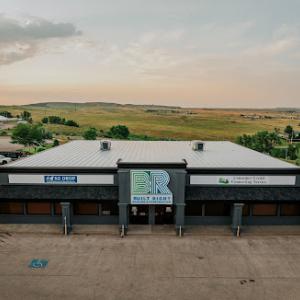
Built Right Roofing & Construction
(605) 484-1938 builtrightroofs.com
2310 N Maple Ave, Rapid City, South Dakota
5.0 from 445 reviews
Built Right Roofing and Construction serves Rapid City South Dakota and the surrounding communities with reliable roofing siding and window replacement. Homeowners and businesses trust our team for honest guidance quality workmanship and clear communication from start to finish. We are known for durable long lasting exterior solutions and a customer experience that puts your needs first. Our work includes major projects such as the South Dakota State Capitol Building and the University of Wyoming which reflects our commitment to excellence on every job.
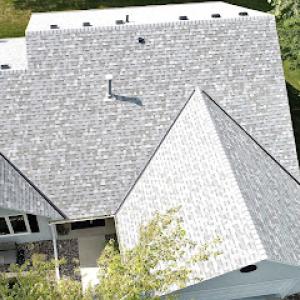
Star Exteriors
(605) 983-7050 www.starexteriorsllc.com
4219 Triple Crown Dr Suite 200, Rapid City, South Dakota
5.0 from 156 reviews
We believe that quality craftsmanship and customer service come first. Our team of highly qualified installers take great care to see that your project is completed in a timely and professional manner. We take the same pride in working on your home or business as we do our own.
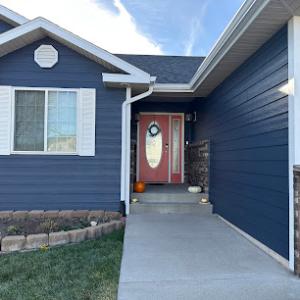
Black Hills Exteriors
(605) 716-7663 www.bhexteriors.com
2515 E Saint Patrick St Suite 101, Rapid City, South Dakota
4.9 from 377 reviews
Black Hills Exteriors is more than just a roofing company servicing Rapid City, Spearfish, Deadwood, Hot Springs, Sturgis, Custer, Hill City, Black Hawk, Box Elder, Piedmont, and all other areas of the Black Hills. We specialize in General Contracting Hail Claims and Maintenance-Free Exterior Remodels. We have in-house construction crews that also specialize in Siding, Seamless Gutters, Windows & Doors, Versetta Stone, Soffit & Fascia and more!
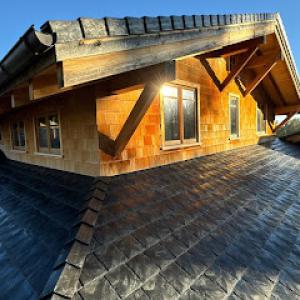
Weather-Tite Exteriors
(605) 939-0208 www.weathertite.com
1700 Seger Dr, Rapid City, South Dakota
4.8 from 432 reviews
Weather-Tite Exteriors is a general contractor specializing in exterior remodeling and restoration. We do everything on the outside of the home. Whether you need to repair storm damage, restore an historic home, add curb appeal, or build the deck of your dreams... you only need to make one call. From the roof down to the siding and windows, and your deck and other outdoor living spaces. Don't just repair the damage. Prevent damage...with a Weather-Tite Exterior!
Premier Systems Roofing
(605) 600-7663 www.premiersystemsroofing.com
3401 Cambell St Unit A, Rapid City, South Dakota
5.0 from 56 reviews
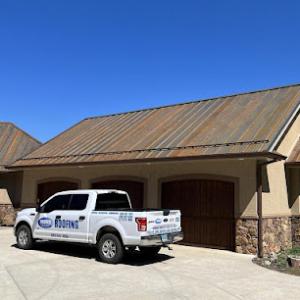
Premier Systems Roofing, established in 2002, safeguards Rapid City residences and businesses with reliable roof repair and replacement. Our expertise extends across various roofing materials including asphalt, metal, cedar shakes, composite and stone coated steel shingles, ensuring a perfect fit for your project. We efficiently navigate the complexities of hail insurance claims, prioritizing clear communication and exceptional workmanship throughout the process. We are certified with all major asphalt roofing manufacturers including GAF, Owens Corning, Malarkey, CertainTeed and TAMKO. We are a member of the Cedar Shakes & Shingle Bureau and the DaVinci Masterpiece Contractor Program.
Wegner Roofing & Solar
(605) 515-2004 wegnerroofing.com
1006 Jackson Blvd, Rapid City, South Dakota
4.9 from 335 reviews
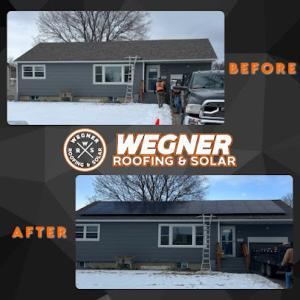
At Wegner Roofing & Solar in Rapid City, SD, we are a family-owned business offering top-quality residential and commercial services. Our expertise includes roofing repairs, inspections, insurance work, and solar installations. We also provide siding installations and repairs, as well as complete gutter installation services in Rapid City, SD. With a strong commitment to honesty, integrity, and customer satisfaction, we guarantee the best value for your investment. For dependable roofing, solar, siding, or gutter services, trust Wegner Roofing & Solar to deliver exceptional results at competitive prices.

Quality Roofing & Construction
(605) 355-0592 qualityroofingrc.com
635 Plum Tree Ln, Rapid City, South Dakota
4.8 from 160 reviews
Quality Roofing & Construction is a local, family-owned roofing company serving Rapid City, SD, since 1993. We offer a wide range of exterior home improvement solutions. As a certified GAF MasterElite Roofing Contractor, we are committed to providing high-quality services, including roofing, siding, gutter, and window installation for commercial and residential properties. We prioritize delivering exceptional service and products that fit our customers' budgets, offering options for those with or without insurance. At Quality Roofing & Construction, customer satisfaction is our top priority.
Black Hills Roofing
(605) 316-3615 www.blackhillsroofing.com
1840 Samco Rd, Rapid City, South Dakota
4.9 from 101 reviews
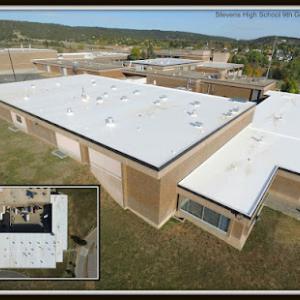
Black Hills Roofing in Rapid City, SD, has offered trusted roofing services since 1957. Our skilled team handles residential and commercial projects with care and quality materials. Whether you need repairs, metal roofing, or a full roof replacement, we provide reliable service tailored to local weather conditions. We offer free estimates and assist with insurance claims to make the process smooth. For those searching for roof replacement in Rapid City, Black Hills Roofing delivers durable and affordable solutions that protect your home or business. Call us today to experience a roofing company focused on lasting results and customer satisfaction.

Ty Construction
(605) 440-1333 www.tyroofingco.com
416 N Maple Ave, Rapid City, South Dakota
4.9 from 84 reviews
We specialize in hand- cut gutters. We also offer siding, roofing, remodels, deck construction and repair, metal wraps and garage door installation

Paramount Exteriors
(605) 595-7687 www.paramountext.com
925 Dilger Ave #10, Rapid City, South Dakota
4.9 from 83 reviews
Have a question? Contact us today by completing our form and we’ll respond to you within 24 hours. Paramount Exteriors is dedicated to providing you the best customer service in our industry.

Veteran Roofing
(605) 646-5510 veteranroofingrc.com
3612 Galt Ct, Rapid City, South Dakota
4.9 from 50 reviews
Veteran Roofing is Rapid City's leading home repair company, offering roofing services, siding installation, gutters, and so much more. With over 30 years of combined experience and unbeatable warranties available, you can count on us to complete your home repair efficiently and with care!

RainTite Roofing & Construction
(605) 381-2277 roofingrapidcity.com
1719 W Main St, Rapid City, South Dakota
4.8 from 70 reviews
We can handle all your roofing needs. We are your Rapid City roofing company. We can handle all aspects of the job, including repair and replacement. You'll be able to see how the project is progressing from the moment we answer your phone until the completion of the project. Christian Dietz, RainTite's founder and CEO, grew up in Southern California roofing with his dad back in the days when hot tar roofing was popular. In 2008, he left the IT industry with no plans to start a roofing business. He returned to his roots soon after and founded RainTite roofing. RainTite is named after his father's business. It has been serving the community well ever since. Contact us today for all of your Black Hills roofing needs.
Rapid City's unique position on the eastern edge of the Black Hills means you can feel a full weather spectrum in a single week. One afternoon may bring hot sun and gusty winds, and the next you're staring down hail or late snow. Your roof becomes a relay race of wind-driven debris, temperature shifts, and moisture intrusion. This pattern stresses shingles, flashing, and underlayment in ways a flat forecast can't capture. In practical terms, look for signs that the surface has adapted to rapid changes: curling edges, granule loss, and small granule pocks that weren't there after last season. If you've had a hail event, the likelihood of hidden underlayment or decking damage increases when a hot, windy day follows, expanding and contracting damaged areas. Plan inspections after major shifting weather, and don't assume a dry season means the roof is "good to go" for another year.
Cold winters with snow and ice create freeze-thaw stress on shingles, flashing, and underlayment, especially where minor storm damage was left unrepaired. Water can migrate into micro-cracks and refreeze, turning tiny breaches into larger leaks. In guard-rail fashion, address even small denting or lifted shingles from a spring hail event before snow piles up. Ice dam formation can back up under the shingles, initiating edge rot or fascia damage. When a winter storm strikes, the roof sees a pounding both from above (hail, wind-driven snow) and below (melting water refreezing at eaves). Your best protection is a proactive plan that targets vulnerable areas first: valleys, intersections around chimneys, and any flashing joints that show early signs of wear when temperatures swing from above freezing to below.
Hot summer heat and strong winds accelerate asphalt aging and can complicate installation windows, while autumn winds affect temporary coverings and site cleanup. Sun-baked shingles become brittle faster, which means a roof that survived last spring's hail might age more quickly if it sits through several heat waves. In addition, high winds can lift loose edges or minor damage into something more serious during a typical Monsoon-style afternoon. After long, dry spells, check for cross-fiber or granule loss that indicates the surface is thinning. As autumn approaches, winds pick up again and debris lands on the roof, stressing any existing weak spots. Temporary coverings should be secure, and contractor crews should dedicate extra attention to edge protection and fastener security during this season to avoid wind-driven blow-offs.
With rapid temperature shifts in mind, prioritize targeted inspections after major hail events, after heavy winds, and during the transition from winter to spring. Use visible cues-lifted shingles, flashing corrosion, granule loss, or damp spots along eaves-as red flags that a closer check is warranted. When planning any repairs or replacements, coordinate around the calendar's lull periods, recognizing that storm-season surges can affect timing. For existing roofs, establish a routine to re-seal exposed fasteners and to reseal around penetrations before a predicted freeze-thaw window. For new work, ensure materials are staged under cover and shaded when possible, and that installation sequences account for anticipated temperature swings to protect underlayment and adhesive seams. These actions align with Rapid City's climate fingerprints and help maintain roof integrity through the black-hill weather wear patterns.
In Rapid City, asphalt shingles are a familiar sight across many neighborhoods, and they remain a practical option when matched with proper sealing and wind uplift considerations. The frequent hail events and hot summer days demand shingles with strong impact resistance and a robust underlayment to control moisture entry after a blow or freeze-thaw cycle. When selecting asphalt, look for advanced granule adhesion and high wind-rated architectural profiles that help resist cupping and edge lift during storm surges. A well-sealed ridge cap and accurate attic ventilation are essential to reduce heat buildup that can accelerate aging, especially on homes with southern exposures or metal flashings that heat quickly. Maintenance now-clean gutters, inspect for lifted tabs after storms, and promptly replace damaged sections-helps preserve the integrity of an asphalt system through Rapid City's volatile spring and summer weather.
Metal is a strong local fit because repeated hail, snow, and wind cycles test the roof continuously. In this market, metal choices range from standing-seam to exposed-fastener profiles, and most installations emphasize airtight seals at penetrations and along eaves where wind-driven moisture enters. Metal roofs excel at shedding hail impacts without denting the deck, but the edge detail and fastener spacing need careful attention to resist wind uplift in high-velocity gusts. Choose coatings with good solar reflectance to mitigate heat gain during the July sun and to keep attic temperatures more moderate. Local specialists can tailor panel widths, seam types, and color selections to balance storm performance with long-term maintenance. A careful installation plan that includes secure snow guards and proper insulation will help maintain a quiet, energy-efficient home through Rapid City's winter months.
Tile, wood shake, and synthetic products exist locally, but these options require careful evaluation for storm exposure, weight, and maintenance because Rapid City's weather can punish brittle or aging roof systems. Clay and concrete tiles bring lasting durability in milder climates, yet their weight demands structural checks and sometimes reinforcement to withstand heavy hail impacts and freeze-thaw cycles. Wood shakes and shingles offer a traditional look, but they can be vulnerable to hail, wind-driven debris, and moisture, leading to faster decay if not properly treated and maintained. Synthetic or composite shingles provide a lighter-weight alternative with enhanced impact resistance and color stability, yet their performance hinges on the resin chemistry and the installation detail-especially around hips, ridges, and penetrations. If you pursue these materials, work with a contractor who has proven experience in storm exposure, confirms compatibility with your roof deck, and plans for regular inspection after hail season to address micro-cracks, loose granules, or sealant failures before they escalate.
In Rapid City, a re-roof boils down to weather swings, hail-driven claims, and the timing of crews who are packed tight after spring storms. When you price a job, you'll see asphalt shingles run roughly 350 to 700 USD per square, metal 700 to 1200, clay tile 900 to 1700, concrete tile 1000 to 1800, wood shingles or shakes 600 to 1100, and synthetic or composite shingles 550 to 1000. Those ranges reflect local choices, install complexity, and how the material holds up through our freeze-thaw cycles.
Hail and wind drive the pricing picture up quickly. After a spring hail event, storm-demand concentrates labor, crews get booked out, and material suppliers face tighter allocations. That means a Rapid City re-roof can jump in price or slip on the schedule even for straightforward replacements. If your roof was damaged but the claim process lags, you might see a later window with higher crew costs or rush fees to keep storms from delaying the project.
Cold-weather tear-off and snow-season protection add real cost pressure too. In winter, roofing crews deal with snow removal, ice barriers, and shorter workdays. Protecting decks, gutters, and landscaping from wind-driven debris takes extra time, and that pushes labor hours upward. You'll also notice staging and cleanup costs rise when wind is a factor, since crews set up more precautions to keep materials secure and minimize wind-blown debris.
Timing strategy matters for insurance-driven replacements. If an insurer is approving a claim mid-season, you may be forced into a tight schedule window with peak crew availability. Plan for a buffer: ask about nearby project workloads, confirm delivery windows for your chosen material, and be prepared for a potential price uptick if a spring hail event has recently drained local inventories. In any case, the true cost and timing hinge on weather, demand, and the material you select.
Get a clear picture of your project costs upfront - no commitment required.
Black Hills Roofing
(605) 316-3615 www.blackhillsroofing.com
1840 Samco Rd, Rapid City, South Dakota
4.9 from 101 reviews
Homestead Roofing & Exteriors
(605) 791-5663 www.homesteadroofingexteriorsllc.com
1709 Mountain View Rd, Rapid City, South Dakota
4.6 from 32 reviews
Straight Line Construction
(605) 389-1344 www.straightlineconstructionsd.com
Rapid City, South Dakota
5.0 from 9 reviews
In Rapid City, a building permit is generally required for a full re-roof rather than treated as a no-permit maintenance item. That distinction matters most after a hail event, when rapid assessment and replacement are common. Keeping the permit process in mind helps prevent delays that complicate post-storm timelines. Your contractor should confirm permit requirements before lifting the first sheet of decking, since some jurisdictions treat certain cosmetic repairs differently, but a full roof replacement almost always triggers a formal permit in this market.
Local inspectors typically perform an initial inspection after decking and underlayment are installed. This check ensures solid deck support, proper underlayment placement, and that no structural issues have surfaced during the teardown. A final inspection occurs after the roof is completed and all flashing, ventilation, and seal details are in place. Knowing this sequence helps you plan access for crews and reduces the chance of rework flagged during the second visit. The timing of these inspections aligns with the practical realities of Rapid City's weather windows, especially when spring storms demand quick turnarounds.
Permit processing commonly runs about 1 to 3 weeks depending on department workload. That window matters when homeowners are trying to rebuild after a hail event, because delays can extend exposure and complicate weather-related scheduling. Your contractor should coordinate with the building department early, submitting the required plans, elevations, and permit forms promptly to minimize backlog. Stay in touch with the permit office if weather shifts push deadlines, and ask for status updates so you're not surprised by a hold that could push work into a stormier part of the season.
Begin with a clear scope of work and a validated permit plan before any sheet metal comes off. Schedule the initial inspection for decking and underlayment as soon as it's safe to access the roof, and set a tentative date for the final inspection once the roof is nearing completion. If a hail event has driven the project, keep documentation of damage claims and decisions so the permit office and insurer aren't caught off guard by changes to the planned materials or roof line. Have your contractor provide the permit numbers and inspector contact information to you for direct communication if questions arise during weather-driven delays.
Seasonal surges can strain scheduling, but a well-timed permit and inspection plan helps you navigate Rapid City's fast-changing conditions. Coordinating around snow, freeze-thaw cycles, and storm-season contractor surges reduces the risk of weather interrupting inspections or forcing rework after a hail-damaged roof has been installed. Keeping all parties aligned on the inspection milestones helps ensure a smooth, compliant re-roof that stands up to the Black Hills climate.
When a hail or wind event hits, the claim environment shifts quickly and push comes to shove with adjusters. Insurers often expect more complete damage documentation and a clearer separation between old wear and storm-created loss. That means you need to organize evidence so it's easy to see what was there before the storm and what the storm actually created. A tidy, itemized photo log that spans every angle of the roof, gutters, vents, and flashing helps prevent disagreements later about what existed prior to the claim.
Because western South Dakota weather and coverage factors tighten up after a heavy storm season, deductible changes and coverage tightening can affect whether a homeowner repairs, patches, or fully replaces a roof after a storm. This isn't only about the roof surface; it includes interior impacts that might signal broader damage or hidden vulnerabilities. If the scope shifts toward patchwork, the adjuster will be looking for evidence that temporary fixes were necessary and that they align with the policy's terms. Prepare to justify why a full replacement becomes the prudent choice when more than one storm has taken a toll.
The local claim environment makes it important to document elevations, soft-metal hits, interior leaks, and temporary mitigation before adjuster visits and before weather changes again. Elevation details help establish damage progression on steeper sections or higher eaves that aren't easily visible from ground level. Soft-metal impacts can leave dent marks or thinning that may not be obvious behind shingles. Interior leaks, even minor ones, can reveal roofline failures that mail-in photos won't capture. Temporary mitigation-tarps, boards, or securing loose flashing-demonstrates proactive risk management and can influence the adjuster's assessment.
Think ahead to the timing of the visit. Weather in this region can turn quickly, and another round of hail or wind could complicate the inspection or compound losses. Schedule documentation efforts so they're complete before any forecasted storms and before wear accelerates or new damage develops. Clear, chronological records paired with undisturbed samples from affected areas create a stronger narrative for the adjuster and reduce the chance of out-of-pocket surprises.
Connect with contractors who help homeowners navigate the claims process from damage assessment to final approval.
Built Right Roofing & Construction
(605) 484-1938 builtrightroofs.com
2310 N Maple Ave, Rapid City, South Dakota
5.0 from 445 reviews
Star Exteriors
(605) 983-7050 www.starexteriorsllc.com
4219 Triple Crown Dr Suite 200, Rapid City, South Dakota
5.0 from 156 reviews
Black Hills Exteriors
(605) 716-7663 www.bhexteriors.com
2515 E Saint Patrick St Suite 101, Rapid City, South Dakota
4.9 from 377 reviews
Rapid City's hail and wind pattern means many homeowners need same-day tarping or temporary dry-in before full replacement can be scheduled. If you see fresh dripping, attic staining, or ceiling bulges, set up a sturdy tarping solution as a temporary seal right away. Prioritize securing tarps with real fasteners, not just tarp clips, and double-check corners and penetrations around vents, chimneys, and edges. The goal is to keep more water from following the storm path into living spaces while you arrange a longer-term plan with a contractor or insurer.
Autumn winds can undermine temporary coverings, so short-term repairs in Rapid City need secure fastening and follow-up rather than assuming a tarp will hold for weeks. If a wind gust tears or loosens the seal, resecure immediately and add extra weighting or tie-downs. Schedule a follow-up inspection as soon as practical, because a loose cover becomes a water funnel when the next gusts hit.
Winter snow and ice can turn a small storm opening into an interior leak quickly, especially if a spring or summer impact point was never fully repaired. Monitor for fresh water intrusion after every storm, and treat any new or expanding signs of damage as urgent. Quick, targeted temporary fixes-paired with a confirmed plan for a proper roof patch or replacement-minimize the chance that a minor opening turns into a major headache when temperatures drop.
When you can't wait, these contractors offer fast response times to stop leaks and prevent further damage.
Black Hills Exteriors
(605) 716-7663 www.bhexteriors.com
2515 E Saint Patrick St Suite 101, Rapid City, South Dakota
4.9 from 377 reviews
Weather-Tite Exteriors
(605) 939-0208 www.weathertite.com
1700 Seger Dr, Rapid City, South Dakota
4.8 from 432 reviews
Veteran Roofing
(605) 646-5510 veteranroofingrc.com
3612 Galt Ct, Rapid City, South Dakota
4.9 from 50 reviews
Although Rapid City is primarily a pitched-roof market, some homes and additions have low-slope sections that become vulnerable when snow, ice, and wind-driven rain combine. In these spots, check for edge pooling, torn membrane, or hail-cut granules that expose underlayment. When inspecting, focus on transitions where the low-slope area meets a steeper main roof or a vertical chase. If your area experiences heavy spring wind and hail, plan for extra attention after storms, since wind-driven water can travel under small gaps and reveal itself later as a damp ceiling or interior staining. A practical approach is to walk the flashings and note any loose sealant, corner gaps, or lifted edges after a storm cycle, then address promptly before freeze-thaw cycles freeze any water into place.
Skylight penetrations are a recurring weak point in a climate with freeze-thaw movement and hail exposure, especially when older flashing details are left in place during re-roofs. Inspect skylight boot seals and flashing where the rim meets the roof plane. In Rapid City's spring weather, hail can dent flashing or dislodge sealant that seems minor at first glance but leaks after a few freeze-thaw cycles. During reroof planning, consider upgrading to reinforced flashing around skylights and re-sealing with silicone or membranes designed for cold climates. If a skylight sits on a lower-slope pocket or near junctions with a porch or garage roof, pay special attention to the transition details where water can travel along a fast path toward interior ceilings.
Mixed rooflines common in re-roof projects can require different detailing strategies on steep main roofs versus porch, garage, or addition sections. On a typical Rapid City lot, the main roof may shed ice and snow differently than flatter porch lines, so flashing, drip edge, and fastener patterns should be tailored to each section. When planning, map each section's exposure to wind-driven rain and hail-from the ridge to eave-and adjust the drainage and sealant strategies accordingly. Ensure roof-to-wall transitions have continuous, compatible sealant colors and profiles to minimize gaps that water can exploit during storm surges and rapid temperature swings.
Find specialists in TPO, EPDM, and built-up flat roofing systems for residential and commercial properties.
Black Hills Exteriors
(605) 716-7663 www.bhexteriors.com
2515 E Saint Patrick St Suite 101, Rapid City, South Dakota
4.9 from 377 reviews

River City Roofing
(605) 863-2142 roofrivercity.com
2693 Commerce Rd, Rapid City, South Dakota
4.7 from 27 reviews
All American Roofing & Sales
(605) 393-2524 www.allamericanroofinginc.com
Serving
4.8 from 34 reviews
In a hail-heavy market like Rapid City, you need to read warranties with two distinct lenses: what the manufacturer covers on the roofing material itself, and what the installer warrants for workmanship. Material warranties can be lengthy, but they don't fix leaks from flashing failure or improper installation. If a shingle bows or looks cupped years after a storm, the issue may be tied to how the roof was installed more than to the shingle itself. That distinction matters when a storm claim is settled and a new roof is pitched as "all in one warranty." If the installer skimps on underlayment, nail patterns, or sealants, the workmanship warranty may not honor those claims, even if the shingles are still under manufacturer coverage.
After a major hail event, the urgency to replace roofs can flood the market with rushing crews. A hurried install often leaves flashing incomplete or mismatched, ice barriers cut short, and improper venting seated. Those shortcuts become latent warranty disputes once snow returns or spring wind unsettles a seam. Your takeaway: demand a clear, written scope that covers flashing replacement, attic ventilation checks, and a complete underlayment install. If the contract glosses over flashing or air sealing, you may be inviting future leaks regardless of material quality.
A smaller but meaningful share of local contractors emphasize warranty-backed or manufacturer-certified work. This can matter when comparing re-roof proposals after a claim, especially if the insurer's settlement requires certain installation standards to keep coverage intact. Look for explicit language about what is covered under warranty, the process for making a claim, and the conditions that void coverage (such as improper wind uplift fasteners or improper nailing patterns). A written guarantee from a contractor who stands behind their crew and materials can reduce post-storm friction.
Ask for both manufacturer and workmanship warranty documents in one package, and request a specific installer warranty term that aligns with the expected rapid pace after hail events. Require a thorough pre-installation inspection checklist, including flashing, ice barrier placement, venting, and attic insulation considerations. Keep a copy of all warranty papers and note any deviations from standard practice agreed upon in writing. In a town where storms drive claims, clarity today avoids disputes later.