
Last updated: Apr 19, 2026
Spring hail and severe thunderstorms are a recurring roofing threat in this area, with a rhythm that can upend nearby roofs in a flash. The combination of humid air, frequent rain, and the Mississippi embayment's weather patterns means small storm-created openings can become interior leaks in a hurry if tarping and documentation are delayed. In this market, the clock starts ticking the moment a storm passes, not when a homeowner finally notices a drip. Quick action minimizes interior damage, reduces claim friction, and speeds up recovery.
After a regional storm event, adjuster schedules and contractor availability tighten at roughly the same time, which affects claim timing and replacement scheduling more than in lower-claim markets. Local adjusters juggle high volumes, and reputable roofers often line up on a first-come, first-served basis. Don't assume a later day will be easier-often it's harder. Plan to document promptly, and reach out to trusted contractors within the first 24 to 48 hours to secure a rapid inspection window. If a storm track is visible on the radar, anticipate higher demand in the subsequent days and weekends.
Begin with a visual inspection from ground level, noting any hail impact marks, punctures, or visible displaced shingles. If safe, carefully check for lifted edges or granule loss in the affected sections. Apply temporary tarping or roofing plastic over exposed roof seams to buy critical time, especially on roofs with sun-exposed slopes or valleys where water can pool quickly. Document every angle of the roof and any interior signs of leakage, including ceiling stains, bubbling drywall, or warped wood. Clear a path for the contractor to access the roof-snag-free access speeds up the entire process.
Choose a local contractor who understands the area's typical storm patterns and can demonstrate recent, verifiable work in similar weather conditions. Ask for before-and-after photos of comparable Dyersburg projects, references from nearby neighborhoods, and a clear plan for temporary protection if a claim is approved. When speaking with the insurer, provide a concise storm timeline: date of impact, observed damage, tarping status, and the date you first reported the loss. A precise timeline helps avoid a drawn-out back-and-forth that can stall repairs during peak storm season.
Keep a current, dated set of photos showing the damage from multiple angles, both exterior and interior signs of water intrusion. Save any weather reports or storm warnings that corroborate the timing. If you've already received an adjuster's visit or a contractor's inspection, preserve those notes and reports for reference. Having a well-organized file speeds up claims processing and helps ensure the most critical repairs aren't delayed by missing paperwork or misremembered dates.

Southern Roofing & Renovations
(731) 506-4644 southernrnr.com
1661 US-51 BYP, Dyersburg, Tennessee
4.6 from 26 reviews
At Southern Roofing & Renovations, we proudly serve homeowners across the Southeast United States with high-quality roofing and renovation solutions built to last. With years of regional experience, our team is known for skilled craftsmanship, dependable service, and attention to detail. Whether you need a roof replacement, repair, or renovation, we deliver personalized solutions and a guided experience from start to finish. As an Owens Corning Platinum Preferred Contractor, we meet the highest standards in the industry and can offer exclusive extended warranties and comprehensive system protection. Backed by our A+ rating with the Better Business Bureau, Southern Roofing & Renovations is committed to integrity, professionalism and 100%

Prime Roofing
345 US-51 BYP, Dyersburg, Tennessee
3.8 from 10 reviews
The Forrester Family Started Roofing in 1972. Leslie’s Grandfather Buck & Grandmother roofed homes all over West TN & West Memphis AR. We serv from Memphis Tn to Fulton KY and Jackson Tn to Pocahontas Ar. We understand that your home is more than just a shelter; it's a sanctuary, a reflection of your hard work and aspirations. That's why we are committed to providing top-notch roofing solutions that not only protect your investment but also enhance the beauty and integrity of your property. Whether it’s repair, replacement, or installation, we’ve got you covered. We are not just another roofer; we live in and support our community. Prime sponsors Baseball, Softball, Soccer Teams, Homes for Veterans & Habitat for Humanity. Call Today!!
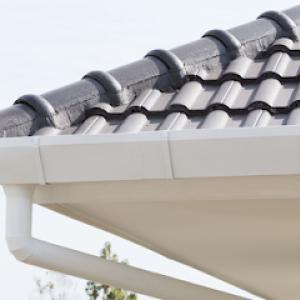
Sollis Seamless Gutters
(731) 676-9865 sollisseamlessgutters.com
Dyersburg, Tennessee
5.0 from 2 reviews
Sollis Seamless Gutters provides gutter and leaf guard installation services to the Dyersburg, Tennessee and surrounding areas.
Roofing on a Budget
(731) 676-6403 www.roofingonabudget.com
Serving
4.8 from 6 reviews
Roofing on a Budget specializes in residential roofing. We value projects of all size. Whether you want to repair or replace your roof, we can do it. We have experience in working with various products, including composition shingles, asphalt shingles, metal roofs, and flat roofs. Please get in touch with any inquiries. Be sure to include your contact information as well as any important details about your needs.

Prime Roofing
(731) 589-7663 www.primepros.org
Serving
4.5 from 8 reviews
The Forrester Family Started Roofing in 1972. My Grandfather Buck & Grandmother (Lester and MaryAnn Forrester) roofed home all over West TN & West Memphis AR. We pride ourselves in putting top-quality roofs on for a competitive price. We do not cut corners. We do not do layovers. We always take the roof down to the decking and replace all bad wood as needed. We put on the best roof possible. We are a GAF Master Elite Installer. We can offer through GAF at Golden Pledge Warranty 25 year labor 50 year material through GAF.
Dyersburg's hot, humid subtropical climate translates into extended periods of high humidity and frequent rain. That combination accelerates shingle aging, promotes algae staining on lighter colors, and wears down sealants around flashings and penetrations faster than in milder climates. In a place where summer heat lingers and humidity never truly loosens its grip, you'll see softer substrate after a few seasons if the deck has even modest moisture intrusion. The result is a roof that looks fine from the ground but is quietly deteriorating at the seams, under the shingles, and along the drip edge where moisture tends to pool and evaporate slowly. That moisture exposure also increases the risk of wood components swelling, warping, or delaminating, especially in attics where ventilation isn't perfect.
The low-elevation, flat surrounding terrain offers little natural shielding from wind-driven rain during thunderstorms and fall storm systems. When a powerful front moves through, rain hits with added force and can find its way under edges, through minor gaps, or around imperfectly sealed joints. In practice, this means that even well-installed roofs can suffer accelerated wear at fastener points, edge boards, and details where hail and wind-driven rain cause micro-damage that isn't immediately visible. A roof that seems solid after a storm can harbor small gaps or lifted granules, which, over a few seasons, compromises weatherproofing and accelerates aging. The practical takeaway is that storm-season vigilance pays off: after a severe event, inspect more closely than usual, especially around chimney flashing, vent stacks, and any previously repaired areas.
Spring and fall are the most practical replacement windows locally because summer heat can complicate adhesive performance and winter freeze-thaw can interrupt installation. In heat, asphalt shingles and some synthetic products can tack or cure too quickly, reducing seal strength and long-term adhesion. In winter, cold can hinder the proper setting of sealants and mastics, leaving vulnerable seams. Concrete and clay tiles contend with similar timing issues, as their own adhesives and fasteners respond differently to temperature swings. For homeowners, choosing a replacement window in the calmer shoulder seasons helps ensure that nailing, sealing, and flashing seats properly and that the roof system reaches its intended lifespan without installation-induced weaknesses.
Algae staining tends to appear sooner in this climate, especially on north-facing or shaded slopes, creating a perception of aging even when the roof is structurally sound. Granule loss from hail or abrasion can leave the felt exposed earlier than expected in storm-prone years. Pay close attention to hairline cracking along shingle tabs, loose or lifted edges, and sections where staining or dark streaks indicate moisture retention. A roof that ages faster often exhibits an interaction between environmental stress and the roofing material itself-shingles that are otherwise sturdy may fail at adhesives or around flashings because heat and humidity have softened their protective coatings. Regular, careful seasonal inspections focusing on these telltales can catch problems before they compound and protect the home's interior from moisture intrusion.
Asphalt shingles are the common call in this area, and for good reason: they're familiar to local crews, repair-friendly, and widely available. In a climate with persistent humidity and frequent rain, it helps to choose a high-quality self-sealing strip and a shingle with better granule adhesion. Expect granule loss to show up sooner than in drier markets, so regular inspections after heavy storms are smart. Algae streaking is not unusual on north- or shaded-facing slopes, especially in humid springs, so consider a algae-resistant blend and a light, reflective cap to reduce heat buildup near eaves. Install details matter here: ensure proper venting in the attic to minimize condensation, and confirm that the flashing at walls, chimneys, and vents is continuous and well-sealed to resist long, soaking rains. When choosing underlayment, pick a high-quality synthetic option that can handle the local humidity and frequent temperature swings.
Metal performs well against heavy rain shedding, a frequent concern after severe storms, and can look striking after multiple hail seasons. The key is correct fastening and flashing: metal panels should be anchored beyond the wood deck with corrosion-resistant fasteners, and every seam needs a durable sealant that stays effective through cold snaps and humidity. In this region, flashing around chimneys and skylights must be precise, because storm-driven rain pushes moisture pressure at joints. A standing-seam system often provides the best weatherproofing, but ensure the roofing contractor accounts for seismic considerations in attachment and substrate preparation. A metal roof benefits from a solid, continuous soffit and attic ventilation plan to prevent condensation that can mimic leaks after long wet spells. If color and finish choices matter, select coatings that resist chalking and hail abrasion, then verify the fasteners' corrosion resistance for decades of service.
Clay and concrete tile are available options, but they're less typical for the local housing stock. They demand careful structural review because the weight is substantial, and a roof deck designed for lighter materials may not handle the load without reinforcement. In a region influenced by New Madrid seismic design considerations, the attachment strategy needs to address potential ground movement and uplift during earthquakes. Tile attachment must be reviewed for proper lacing and fastener spacing, while underlayment should be rated for long-lasting moisture exposure. If choosing these materials, plan for a thorough assessment of the existing roof structure and confirm that the fasteners and battens are rated for seismic-friendly performance and wind-driven rain resistance.
Wood can provide a distinct look, but humidity and heavy rain raise concerns about accelerated wear, rot, and mold. In Dyersburg's climate, expect shorter service life unless the roof deck and ventilation are excellent, and regular maintenance becomes a larger factor. If wood is selected, high-grade, treated shingles with a moisture-resistant finish are essential, along with a robust ventilation strategy and a proactive maintenance plan to monitor for cupping, splitting, and microbial growth after storms. Flashing and drip edge installation should be meticulous to prevent moisture intrusion during the frequent storm cycles.
Synthetic or composite options can balance durability with a lighter weight profile and improved resistance to hail compared to traditional asphalt. Look for products with strong warranties, proven hail performance, and UV-stable coloring that won't chalk in humidity. System-wide attention to underlayment and flashing remains crucial, especially at roof-to-wall transitions and around penetrations, to keep moisture from seeping in during the region's stormy seasons.
A full roof replacement typically requires a permit, but the issuing authority can vary depending on whether the property sits inside city limits or in the Dyer County jurisdiction. Before any shingles start flying, check with the local building department to confirm whether you need a city permit or a county one, and whether additional permissions are needed for storm-damage claims or large-scale repairs. Have the property address, the scope of work, and the anticipated start date ready to avoid delays. In practice, many homeowners in this area find that the city office processes damage-related permits a bit differently from county offices, so verify the exact office and the required forms early.
Inspections in this region commonly occur after tear-off and again after installation. The first inspection focuses on the roof deck condition, underlayment, nails, and proper fastener patterns. The inspector will look for adequate ventilation, proper flashing at hips, valleys, and chimneys, and evidence that the roof has been secured to handle northwest Tennessee storms. The second inspection centers on the finished surface, but it still emphasizes the details that weatherproof the roof: the continuity of flashing, sealing around penetrations, and the integrity of ventilation within the attic space. Don't assume that a visually clean shingle surface will satisfy requirements; the inspector will trace the work back to deck preparation and attachment methods.
During peak storm and replacement seasons, inspection backlogs can affect project timing locally. Plan for potential delays and have documents ready to expedite reviews. Some offices may ask for added documentation before final approval-think photos of the tear-off process, a clear site plan showing the venting arrangement, and a letter from the contractor detailing underlayment type and nail spacing. Keeping a thorough photo log from tear-off through installation helps prevent back-and-forth requests and speeds up the final sign-off.
Coordinate with the contractor to schedule the tear-off and installation windows to align with calmer weather days when possible. Maintain clear access for inspectors, and ensure the attic is ventilated to allow a proper inspection of the underside. If a post-storm claim is involved, have the claim number and the adjuster contact information ready to share with the permit office to avoid delays. Staying proactive on documentation and timing can make the permit and inspection steps straightforward despite the seasonally busy workflow.
In this area, the typical cost ranges you'll see are concrete and predictable for each material, but real-world bids can tilt based on local labor dynamics. Asphalt shingles run about $350 to $650 per square, metal is $800 to $1400 per square, clay tile ranges from $1200 to $2200 per square, concrete tile from $700 to $1400 per square, wood shingles or shakes $600 to $1100 per square, and synthetic or composite shingles $700 to $1200 per square. Those figures reflect the common stock you'll encounter from local crews who know the humidity, frequent storm exposure, and the way decks deteriorate when moisture sits on framing.
Storm activity in northwest Tennessee can upend schedules after hail or high-wind events, as many homeowners file claims at once. When that happens, labor wait times push out and prices can rise for several days or weeks while crews balance emergency repairs with new work. If a storm just passed, you should expect shorter windows for material drops and more aggressive pricing on short-notice bids. Having a plan for rapid decision-making and a preferred contractor lined up helps keep costs from creeping beyond the local ranges during peak periods.
The home's configuration matters. If the house sits in a city or county jurisdiction for inspections, costs can shift accordingly, even if not directly tied to permitting rules. More moisture exposure in this humid climate can mean more decking replacement needs, which adds to the overall price. Steeper, gable-heavy rooflines common in the area increase labor time and, therefore, the bid. When a bid includes deck or fascia replacement, expect adjustments to the base material cost to reflect the increased complexity and safety requirements.
Dyersburg is part of a wind-and-hail claim environment where insurers often expect detailed photo evidence, contractor bids, and clear documentation of pre-existing versus storm-related damage. That means when a storm rolls through, the first steps you take after safety come first, but the next priority is meticulous records. Photo angles should cover gaps along edges, outlets, and eaves, with dated shots that show the roof's condition before and after any event. Ask your chosen contractor for a written scope that differentiates what was there before the hail versus what was added by the storm, and keep that alongside the claim notes in a dedicated folder.
Because adjuster review timing can control settlement pace after severe weather, homeowners benefit from documenting elevations, soft metal impacts, interior staining, and temporary mitigation immediately. Elevations captured with a standard ladder and a timer-assisted shot help prove where hail struck the most. Soft metal impacts on flashing, gutters, and drip edges are easy to overlook but critical when evaluating wind-related damage. Interior staining from roof leaks can surface days or weeks later; record these signs promptly and correlate with any roof area you suspect was compromised. Temporary mitigation-tarps, boards, or secure covers-should be documented as well to show proactive steps.
In a claim-heavy regional market, material choice can be influenced by how often roofs are exposed to hail and wind events rather than by appearance alone. Durable options that resist pitting, denting, and rapid granule loss tend to perform better under repeated events, especially when attic pressures and seismic considerations are part of the mix. The goal is a roof that keeps interior damage minimal and supports a smoother appraisal, even when weather records show back-to-back storms.
Storms in the area often arrive with a wall of wind that can lift shingle tabs and crack ridge caps. When spring and fall storms collide with heavy rains, flashing at penetrations and roof-to-wall joints take the worst of it. You'll notice loose or missing tabs along the eave line or near vents, and hail can leave pockmarks that accelerate moisture intrusion if the underlayment is compromised. Regular inspections after windy weather are essential to catch these issues before sneaking water finds its way into attic spaces.
Persistent humidity indoors and out pushes the roof system to work harder. Moisture at the deck can soften sheathing, especially if the attic isn't properly ventilated, leading to soft spots and hidden rot. Sealants around penetrations may fail prematurely when exposed to continual dampness, inviting slow leaks that feel minor at first but grow over time. Check around dormers, chimneys, and vent pipes for discolored caulk or tar that has broken down.
Although not as dominant as storm damage, freeze-thaw cycles and occasional ice dams tug at the edges of the roof. Eaves and underlayment edges are particularly vulnerable, and gutter lines can develop small leaks where ice builds up and then refreezes. In winter, icicles can pull at gutters and loosen fasteners, while moisture can creep under shingles at stressed seams. A proactive approach-clear gutters, ensure proper insulation, and address any moisture staining quickly-helps mitigate costly damage when temperatures swing.
After a heavy storm, walk the roof if safely possible to verify ridge caps and flashing look intact. Look for lifted tabs or shingles with a edge curl, and inspect the attic for any signs of unusual humidity, condensation, or staining near penetrations. If any doubt remains about salt-and-pepper granule loss or adhesive failure, call a local pro to resecure problematic areas before a problem becomes a leak.