
Last updated: Apr 19, 2026
Cape Girardeau sits in southeast Missouri where spring severe weather regularly brings hail, straight-line wind, and heavy rain that can trigger roof claims. When a storm rolls through, the clock starts ticking on both damage assessment and filing a claim. Hail can leave granular dents, granule loss, and micro cracks that aren't obvious at first glance, while high winds can peel shingles or lift edges. The window to document, inspect, and begin repairs is narrow because storm damage can worsen with subsequent weather and because local availability for inspections and installations tightens right after a big event. Treat each hail or wind event as a potential claim trigger and start gathering evidence promptly.
Local replacement timing is strongly influenced by spring storm season, when demand spikes after hail events and homeowners compete for inspection slots and installation dates. If a major hail event hits your neighborhood, every roofer in town is booked within days for inspections and dozens of claims pile up at the same time. That means delays are not a sign of indifference-they're a product of demand. Plan for a longer lead time for inspections, approvals, and work once your claim is accepted. If possible, line up a preferred contractor early, but avoid committing to signing work before you've reviewed the scope and your insurer's documentation requests. Staying flexible on start dates helps you secure a solid window for weather-safe installation without rushing into subpar workmanship.
Because insurers in Missouri often request photo evidence, prior-condition records, and detailed estimates, Cape Girardeau homeowners benefit from documenting roofs before and after spring storms. Start with clear photos of the entire roof and each side, focusing on any damaged shingles, granule loss, flashing issues, and vent or chimney seals. Capture close-ups of edges where wind damage tends to initiate, and photograph interior attic signs like discoloration or moisture stains that indicate hidden leaks. Maintain a dated file, so when the claim is filed, the adjuster has a straightforward before-and-after record to reference. Keep dated notes on any observed changes post-storm, including after-effects from subsequent weather events. If you have recent contractor bids or inspections, store those as part of the claim folder to support estimates and replacement decisions.
When the storm is fresh, contact your insurer promptly to initiate the claim, and ask for a claim number you can reference in all correspondence. Request guidance on preferred documentation formats and whether the insurer requires an on-site adjuster visit. If the insurer schedules a photos-and-virtual-review option, provide high-quality images, then offer an on-site inspection if required. After the adjuster visits, compare the written scope with the contractor's estimate to confirm the repair plan covers all damaged areas, including ventilation and underlayment where needed. If a disputed item arises, you'll want to address it quickly-repair decisions, especially in spring, can have long-term effects on roof performance and energy efficiency.
Create a storm-damage readiness folder that includes recent roof photos, a log of prior repairs, and contact information for a few local, reputable roofing teams. If a hail event just occurred, prioritize securing temporary protection for vulnerable areas to prevent water intrusion while awaiting the claim process. Don't assume a claim will be automatically approved or that the first inspection is comprehensive-coordinate with your insurer to ensure all gatekeeping documents are satisfied and that the contractor's scope aligns with the adjuster's assessment. The goal is to move from damage recognition to durable, code-compliant repairs as quickly as possible, without sacrificing quality or safety.
Find local contractors experienced in assessing and restoring roofs after hail, wind, and severe weather events.

Old Town Roofing & Paint
(573) 228-5412 www.oldtownroofingandpaint.com
2728 Co Rd 634, Cape Girardeau, Missouri
5.0 from 88 reviews
Todt Roofing & Construction
(573) 275-3168 www.todtroofing.com
856 N Kingshighway St, Cape Girardeau, Missouri
4.8 from 233 reviews
MO Roofing & Construction
(573) 335-3380 moroofingandconstruction.com
24 N Sprigg St Suite 101, Cape Girardeau, Missouri
5.0 from 20 reviews

Old Town Roofing & Paint
(573) 228-5412 www.oldtownroofingandpaint.com
2728 Co Rd 634, Cape Girardeau, Missouri
5.0 from 88 reviews
We are a local family owned company striving for the top in workmanship and customer service. We provide roofing repairs, maintenance, and complete installs with great warranties on products and labor. We also offer seamless gutters, siding and exterior paint.

1st Choice Roofing & Construction
(573) 587-1013 www.1stchoiceroofingconstruction.com
1925 William St, Cape Girardeau, Missouri
4.9 from 128 reviews
1st choice roofing and construction is a licensed and fully insured businesses, we are known for our professional services and quality work, We will give you the roof you deserve.
Todt Roofing & Construction
(573) 275-3168 www.todtroofing.com
856 N Kingshighway St, Cape Girardeau, Missouri
4.8 from 233 reviews
Todt Roofing & Construction has protected homes and businesses in Southeast Missouri for over 20 years with uncompromising craftsmanship and integrity. As a GAF Master Elite® contractor, we deliver roofs backed by the strongest 50-year product and labor warranties in the industry. From emergency repairs to large-scale commercial projects, our team combines local trust with national-level expertise to keep your property safe, secure, and built to last.
MO Roofing & Construction
(573) 335-3380 moroofingandconstruction.com
24 N Sprigg St Suite 101, Cape Girardeau, Missouri
5.0 from 20 reviews
MO Roofing & Construction is a locally owned and operated roofing and construction company proudly serving homeowners and businesses across Southeast Missouri. We specialize in roof replacement, roof repairs, storm damage restoration, siding, gutters, and general construction services. Our team is committed to high-quality craftsmanship, honest pricing, and dependable service you can trust. Whether you need a small repair or a full roof replacement, we work efficiently and stand behind our work. Call today for a free estimate and experience reliable Missouri craftsmanship done right.
Missouri Commercial Roofing
(573) 388-0383 www.missouriroofingco.com
Cape Girardeau, Missouri
5.0 from 13 reviews
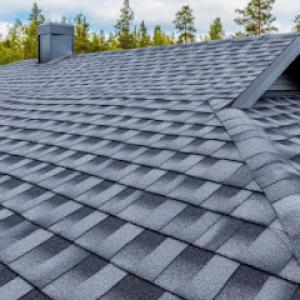
Missouri Commercial Roofing in Cape Girardeau specializes in high-quality commercial roofing solutions, offering installation, replacement, leak detection, and roof coatings. With over 20 years of experience, our team provides dependable service for all roofing types, including metal, shingle, and flat roofs. As a trusted, locally owned company, we’re proud to serve Cape Girardeau and surrounding areas with durable, energy-efficient roofing systems that protect your business.
Sears Appliance Repair
(573) 381-0184 www.searshomeservices.com
11 S Kingshighway, Cape Girardeau, Missouri
4.4 from 108 reviews
Sears Appliance Repair is the top choice for fast and reliable appliance repair near you in Cape Girardeau, MO. Our local technicians are trained to fix all major home appliance brands and their service comes with a workmanship guarantee. With convenient same-day and next-day appointments and repair and maintenance services that cover a wide range of home appliances, including refrigerators, washers, dryers, stoves, ovens, dishwashers, and more, Sears Appliance Repair in Cape Girardeau makes it easy to get your home appliance fixed quickly and efficiently. Call or visit our website to schedule your appliance repair today!
Riverside Roofing Company
(573) 803-4028 www.riversideroofingcompany.com
813 Progress St, Cape Girardeau, Missouri
4.7 from 6 reviews
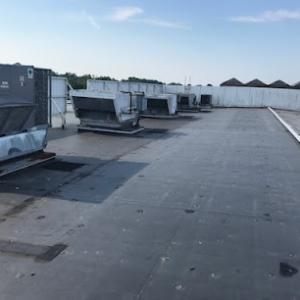
Riverside Roofing is a Commercial and Industrial Roofing Contractor specializing in flat roof systems. We are licensed, insured and bonded. Riverside Roofing services many commercial buildings in the Southeast Missouri Region with total roof replacement and roof patching.
Daniel's Roofing
(573) 238-3131 www.danielsroofingestimates.com
Serving
4.8 from 328 reviews
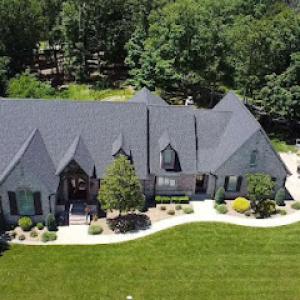
Daniel's Roofing provides residential and commercial roofing repairs, installations, and replacements throughout the Southeast Missouri area.
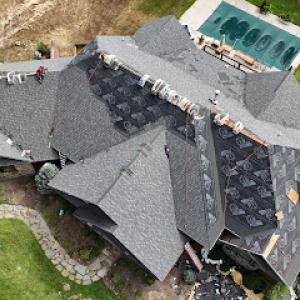
Rivertown Roofing & Exteriors
(573) 987-8102 rivertownroofing.com
Serving
5.0 from 10 reviews
Local roofing contractor specializing in reliable roof repairs and replacements with professional, high-quality service.
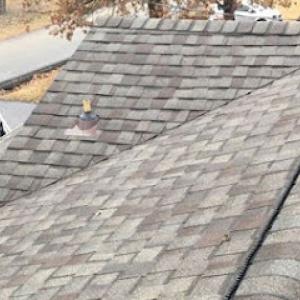
Cardwell Roofing
(573) 318-0733 www.cardwellroofing.net
Serving
5.0 from 44 reviews
Cardwell Roofing offers quality affordable roofing services in Southeast Missouri and Southern Illinois. We install Landmark Certainteed roofing products and are fully licensed and insured.
Bradley Roofing & Construction
Serving
5.0 from 6 reviews
At Bradley Roofing and Construction, we understand the importance of a strong and reliable roof that protects your home or business. Our team of skilled professionals is committed to providing top-notch roofing solutions tailored to meet your specific requirements. Whether it's a minor repair, a complete roof replacement, or a new construction project, we've got you covered
Two Guys with a Hammer
205 Albert Ln, Cape Girardeau, Missouri
Hand Nailed Roofing - Veteran Owned and Insured
Cape Girardeau's hot, humid summers can slow installation pace and affect crew scheduling, especially on dark asphalt roofs that heat up quickly. On a steep bluff where sun bounces off the river, shingles soften sooner, and handling materials needs closer monitoring to avoid warping or misalignment. Plan for longer days with more frequent hydration breaks and temporary shade for crews working on mid-afternoon heat. If a crew is juggling two jobs, stagger start times to keep afternoons from turning into heat hazards. Roofs with reflective or lighter-color shingles can help the crew stay on track, reducing heat soak and keeping sealant temperatures within acceptable ranges. Talk through ventilation needs with the crew early-more effective attic ventilation reduces heat transfer and helps the whole system seal sooner after installation.
Spring and fall are the preferred replacement windows locally because they avoid the worst summer heat and the winter freeze conditions that can halt work. Early spring slows the first push of projects as storms reload, but the milder days minimize heat-related delays and reduce the risk of sealant curing too quickly on sunny afternoons. Fall offers a clearer path before winter sets in, but late-season schedules face the Mississippi River corridor's wind and rain patterns. Coordinate with the crew to target mid-September through early November when temperatures are moderate and humidity trends downward. Have a contingency plan for late-season rainfall that can pause sealing, forcing an orderly back-to-back sequence of steps once dry weather returns. Expect shorter daily production windows as days shorten; make sure material deliveries align with anticipated weather blocks to avoid material exposure that could compromise shingle adhesion or underlayment.
Spring hail and wind in this river-bluff climate demand a proactive stance. Assess the roof for pre-existing weaknesses after winter and before the first big hail season, paying particular attention to edge fasteners, flashing around chimneys, and vents. A minor dent or loose shingle edge can become a bigger issue with spring storms. Have a plan to stage temporary protective measures for vulnerable valleys and ridges during peak hail weeks. If a hail event is forecast, secure loose items in the yard and cover sensitive roof components when possible. After a hail event, schedule a quick inspection to identify burst nails, lifted shingles, or granule loss before installing new materials, to prevent premature wear.
Fall wind and rain in the Mississippi River corridor can interfere with shingle sealing and project scheduling, making late-season timing more sensitive than homeowners expect. Wind-driven rain can lift or undermine temporary flashing, so ensure that temporary protections are in place between daily work stops and weekend gaps. When forecast calls for strong gusts, consider delaying sections that depend on precise adhesive cures or temporary seals, especially on newer installations. Communicate with the crew about elevating work around ridge lines and ensuring proper attic venting to prevent moisture buildup during those damp fall fronts. By planning around the typical storm patterns, late-season projects can finish with a durable seal and a solid, long-lasting roof without rushing through critical steps.
Maintain a weather calendar focused on the spring and fall transition periods, noting expected hail episodes, wind advisories, and typical humidity swings. Schedule inspections and material deliveries ahead of forecasted windows to minimize exposure and delays. Keep a short, flexible sequence of work that allows quick adjustments if a sudden storm arrives. For distinctive Cape Girardeau patterns, ensure a trusted local crew with experience handling river-adjacent rooflines, where sun exposure and wind exposure interact with attic ventilation to influence overall performance.
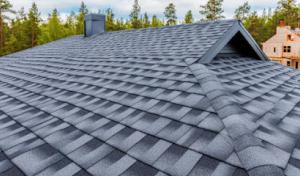
Asphalt shingles anchor most Cape Girardeau homes because they fit the area's re-roofing-heavy market and offer a favorable per-square cost. When spring hail and wind sweep through the region, asphalt's proven durability and ease of repair become practical strengths. A standard asphalt roof can handle the frequent freeze-thaw cycles and high humidity of the Mississippi River bluff area, provided the installation is meticulous and the attic is well vented. For single-story and multi-story houses alike, shingles with good wind resistance and impact ratings are a prudent starting point. Look for a roof system that includes a solid underlayment, sealed seams, and properly matched starter and ridge shingles to minimize wind-driven leaks after a hail event. In neighborhoods with older, taller homes and steeper slopes, ensure the shingles' overhang and valley detailing are reinforced to protect against wind-driven water. If your home has existing insulation or ventilation gaps, address those during installation; a well-vented attic reduces heat buildup that can accelerate shingle degradation and helps maintain shingle longevity in humid springs.
Metal roofing has a meaningful local specialty presence and is often considered by homeowners looking for better performance against repeated hail and wind exposure in southeast Missouri. In Cape Girardeau, metal panels can offer notable benefits: strong impact resistance, lighter weight than many heavy tile options, and a longer service life with modern coatings designed to withstand the region's UV and moisture. For homes with taller profiles, steep pitches, or older structures where roof deck condition matters, metal can be a smart upgrade because it tends to shed hail impacts more cleanly and resists wind uplift well when properly installed. Attention to detailing is crucial: secure fasteners, proper panel alignment, and a durable sealant plan around penetrations reduce the risk of leaks after severe storms. If a home has historical features or architectural lines that favor a particular metal profile, discuss trim compatibility and color fading expectations with a local installer who understands Cape Girardeau weather patterns and how coatings hold up in this climate.
Clay tile, concrete tile, synthetic/composite shingles, and slate are available in this market, but their weight, detailing, and repair complexity matter more on older Cape Girardeau homes and steeper rooflines. Clay and concrete tiles bring a distinctive look and excellent longevity, yet their heavier weight requires a capable structural assessment and may demand reinforcement on mid-century frames. Steeper roofs with generous overhangs show these materials at their best, where wind and hail resistance is paired with a visually striking silhouette. Synthetic or composite shingles can mimic the appearance of natural products while offering lighter weight and easier installation, which makes them a practical alternative on certain remodels, but aging performance and color retention should be considered for the long haul. Slate provides exceptional durability and a timeless aesthetic; however, it demands careful roof framing, precise fastener work, and a high level of maintenance discipline when transitions occur around vents, chimneys, and skylights. Each option benefits from an experienced local roofer who can evaluate existing roof structure, attic ventilation, and the roof's exposure to wind corridors along the bluff lines. In areas where shading or tree coverage is heavy, selecting a material with reliable color stability and a robust underlayment becomes especially important, since moisture control in the attic will influence how well any durable, weight-conscious roof performs after spring storms.
Explore specialists in steel, aluminum, and standing seam metal roofs built to last 50 years or more.
Todt Roofing & Construction
(573) 275-3168 www.todtroofing.com
856 N Kingshighway St, Cape Girardeau, Missouri
4.8 from 233 reviews
Missouri Commercial Roofing
(573) 388-0383 www.missouriroofingco.com
Cape Girardeau, Missouri
5.0 from 13 reviews
In Cape Girardeau, the typical per-square costs for reroofing tilt toward the storm-resilience market. Asphalt shingles sit at the lower end, commonly around 320 to 560 USD per square, which is a practical baseline if you're replacing a standard asphalt roof after hail or wind damage. Metal roofing runs higher, roughly 600 to 1,100 USD per square, and can pay off when wind resistance and long service life are priorities. For premium or specialty choices, clay tile and concrete tile carry higher ranges, about 900 to 1,600 USD per square and 800 to 1,500 USD per square respectively. Synthetic or composite shingles land between, at roughly 420 to 780 USD per square, while slate sits at the top end, from about 1,100 to 2,000 USD per square. Local decisions will hinge on the existing roof's condition, the level of storm reinforcement needed, and how much of the deck and ventilation system must be refreshed.
Spring hail and wind events can tighten labor markets quickly. After a major hail event, crews often shift from new projects to storm repairs, pushing scheduling pressure and sometimes elevating lead times. This dynamic can nudge final pricing higher than the baseline per-square ranges, especially if timing pushes you into a tighter window where crews are in high demand or if expedited disposal is required. If a storm damages not just the shingles but the deck or insulation, those costs rise as well, because more materials and labor are needed to restore a sound, weather-tight structure.
Costs can move when the project includes storm-related decking repairs, ventilation corrections, or disposal work reviewed during inspections. Deck repairs add material and labor, and proper ventilation changes may require upgraded soffit or ridge vent work to maintain moisture management and attic air flow. Disposal charges tend to escalate after storms because contractor crews handle more debris and more trips to the disposal site in a compressed time frame. When you receive an bid, ask the contractor to itemize decking, ventilation, and disposal line items so you can see where the premium is coming from and compare with other quotes. In practice, a straightforward re-roof will stay closer to the lower end of the ranges, while a project needing decking and ventilation fixes will push toward the higher end-or beyond-of the listed per-square costs.
Get a clear picture of your project costs upfront - no commitment required.
MO Roofing & Construction
(573) 335-3380 moroofingandconstruction.com
24 N Sprigg St Suite 101, Cape Girardeau, Missouri
5.0 from 20 reviews
A full re-roof in this city typically requires a permit through the local building department rather than being treated as informal maintenance. That permit process is not a hurdle to trip over, but it does set expectations for documentation, such as material specifications, roof venting plans, and disposal methods for old roofing. When a contractor applies for the permit, you will be looked at to confirm that the proposed work aligns with current code, especially for roof ventilation and moisture-control strategies that matter in this climate. Treat the permit as a contractual milestone, not a bureaucratic afterthought, because it signals upfront that attic space and ventilation will be part of the project's review.
City inspections are staged during and after installation, with particular attention to underlayment, ventilation, and disposal of removed roofing materials. During the in-progress inspections, expect the inspector to verify that the underlayment is correctly installed to handle spring hail and wind, and that vent paths and soffit-to-ridge ventilation zones are maintained or improved. After installation, the final inspection focuses on that ventilation balance and moisture-control details, ensuring no lingering pockets of humidity or improper sealing around eaves and penetrations. If any issue is flagged, unplanned extra work can arise, so plan for a realistic timeline and replacement decisions that accommodate corrections rather than seeing them as a failure.
Because inspectors review ventilation and moisture-control details, homeowners should expect attic-related corrections to come up during replacement projects. In practice, this means that an old attic baffle or undersized venting could be flagged, prompting upgrades that improve airflow during the hot Missouri springs and the freeze-thaw cycles of late winter. Attic access and insulation levels also come under scrutiny to ensure that heat transfer and condensation are managed effectively. If insulation needs topping up or if baffles require repositioning, repairs may be scheduled in tandem with the roof work, rather than as a separate follow-up. A careful contractor will anticipate these checks and coordinate them with your replacement timeline, so the project proceeds smoothly and moisture risks stay minimized. Be prepared for questions about attic moisture sources, such as bathroom fans or kitchen vents, and have those systems evaluated as part of the overall plan to prevent future issues.
Missouri's regular hail and wind losses make Cape Girardeau a documentation-heavy roofing market where claim files often need photos, prior-condition records, and line-item estimates. Before a storm season, organize clear photos of the roof from multiple angles, attic shots if accessible, and any prior repair receipts. Keep notes on hail impact patterns and any satellite or nearby property damage that might corroborate the claim. The goal is to present a cohesive story your adjuster can verify quickly.
Adjusters in this region may look beyond visible shingle damage and examine attic ventilation and moisture barriers when evaluating roof-related claims. In Cape Girardeau, moisture movement and ventilation quality influence long-term performance during humid springs and rapid freeze-thaw cycles. Provide documentation of attic vents, baffles, and any moisture issues from recent seasons. If you have infrared or contractor notes on insulation and vapor barriers, include them to show whether the roof system is still performing as designed.
Regional weather risk can influence premiums and deductible structures, so homeowners should review wind and hail deductibles before storm season. Have a current inventory of roof components, including vents, flashing, and underlayment, with approximate ages. After a hail event, capture rapid-on photos of gutters, downspouts, and edge metal, and obtain contemporaneous weather reports if possible to anchor your timeline.
Keep a centralized folder of contractor estimates with line-item breakdowns, property photos annotated for damage locations, and notes on any preexisting conditions that could affect scope. If a repair was made previously, store receipts and dates to help the adjuster distinguish new damage from wear. Clear, organized records shorten processing time and minimize back-and-forth during settlement.
Spring storms in this area bring hail and gusty winds that strain common roof types from asphalt shingles to metal and tile. The contractor market here tends to focus on re-roofing and repair rather than boutique, new-construction work. That means when hail hits, you'll often find teams that are practiced at quick tear-offs, patching, and full roof replacements on a tight schedule. Expect emphasis on rapid assessment, accurate shingle matching, and dependable leak response after a storm.
Emergency leaks are a frequent call-in in this market, so when a leak shows up, treat it as urgent but controlled. Step one is to locate and stop the water entry without creating additional interior damage-placing a tarp over the affected area can buy time if weather remains unsettled. Step two is to document the damage with photos from multiple angles and note the date and any storm indicators. Step three is to contact a contractor who can on-site assess roofdecks, flashing, and valleys, and who has a history of prompt emergency service. In Cape, expect crews that can mobilize quickly, assess whether a full roof replacement is needed, and communicate clearly about temporary repairs versus long-term fixes.
The decision between patchwork and full re-roof hinges on deck condition, exposure, and the extent of hail impact. In this area, shallow hail damage on asphalt often warrants a full or near-full roof replacement to avoid hidden rot and gutter leaks. For metal, look for denting and fastener issues; a controlled panel-by-panel evaluation can prevent future leaks. Tile roofs require careful inspection of tile integrity, underlayment, and flashing. A reliable contractor will walk you through ventilation checks, attic condensation, and attic insulation as part of the plan.
Cleanup is a visible hiring priority locally, and disposal practices matter during tear-off projects because the city pays attention to debris handling and waste streams. Confirm with the contractor how shingles, underlayment, and old fasteners will be collected, sorted, and hauled away. Ask about on-site containment, dumpster placement, and sweep-out standards to minimize rooftop and yard debris, especially in wind-prone spring conditions. A clear cleanup plan helps align expectations and speeds up inspections after the job finishes.
When you can't wait, these contractors offer fast response times to stop leaks and prevent further damage.
Todt Roofing & Construction
(573) 275-3168 www.todtroofing.com
856 N Kingshighway St, Cape Girardeau, Missouri
4.8 from 233 reviews
After storms, response time matters more here than in many places. Look for a contractor who can schedule a rapid roof inspection, provide a temporary dry-in if needed, and document damage quickly for insurance purposes. Roofers who keep a mobile crew and pre-stocked materials tend to be more reliable when weather windows are tight and the Mississippi bluff drives rapid changes in wind and hail risk.
Cape Girardeau homeowners often juggle mixed roofing needs, from asphalt shingles to metal or concrete tile on older homes. Ask specifically if the contractor regularly handles the exact roof type and scope in question. Some outfitters focus on residential work, while others market to larger commercial jobs; the important detail is hands-on experience with the roof system, ventilation, and the local climate's freeze-thaw cycles.
In a storm-driven market, clear expectations matter. Request a written timeline that includes inspection, repairs or replacement, dry-in steps, and cleanup. A trusted roofer will outline what can be done in stages, how debris will be disposed of, and who will oversee each milestone. Local residents value crews that stay on task, keep neighbors informed, and minimize disruption to yards and driveways during cleanup.
Ask for recent Cape-area references and a quick look at nearby homes with similar roof types. A nearby project offers evidence that the contractor understands local shingle wear patterns, venting needs, and drainage behavior on bluff-adjacent properties. On-site assessments should emphasize proper attic ventilation and fluttering in wind, which often surfaces as high-priority during spring hail and wind events.
Ensure the contractor carries current insurance and a clear plan for warranty coverage that matches the local climate. In the wake of a storm, a contractor who demonstrates accountability-binding estimates, documented changes, and responsive communication-reduces the risk of miscommunication and post-job surprises once gutters, downspouts, and roof valleys are inspected for residual damage.