
Last updated: Apr 19, 2026
In this confluence region where the Ohio and Tennessee rivers meet, storm systems roll in with heavy rain and gusty winds that can drive water right under shingles and flashing. You should treat any rapid loss of shingles, lifted tabs, flashing gaps, or interior damp spots as a red flag. If you observe sudden wet ceilings after a storm, map the damage with clear, timestamped photos from multiple angles and note how wind directions correspond to where leaks occur. This is not business as usual weather; it's the kind of pattern that triggers insurance scrutiny and the need for solid documentation before any repairs are billed as temporary fixes or full replacements.
Local insurance activity relies on two essentials: roof age and current condition, plus wind or hail exposure history. Start a simple log: when the damage happened, the storm's approximate intensity, and any prior repairs. Take bright, wide photos showing the overall roof line and close-ups of damaged areas, plus interior photos of water intrusion on ceilings or attic insulation. If a contractor or public adjuster has already seen the roof, secure their written assessment or notes. In Paducah, where storm-driven water intrusion is a recurring concern, the insurer will want to connect the dots between the claim and the actual roofing exposure that produced the damage. Keep copies of all communications, including estimates, even if you're not ready to approve work.
Because post-storm demand surges can affect scheduling and pricing in Paducah, prompt action matters. You should arrange an independent roof evaluation as soon as possible after the event, especially if shingles are missing, flashing is compromised, or there is visible buckling or granule loss. A quick, third-party inspection helps establish a defensible condition snapshot that insurers can rely on when considering temporary repairs versus full replacement. If temporary tarping or limited repairs are suggested, insist on written scope and photos that clearly show what remains at risk and what will be completed later under a full replacement plan.
Temporary measures are sometimes necessary to stop ongoing water intrusion, but they should not be treated as a settlement. Document any temporary repair with dates, the scope of work, and the contractor's contact information. Request a separate, final assessment to verify that the roof is able to protect the home through the next storm season. In a region prone to river-associated weather, the insurer will scrutinize how well the work restores the roof's integrity against wind-driven rain. If the claim pivots toward replacement, use the independent evaluation as the baseline for choosing material and a durable, storm-resilient installation.
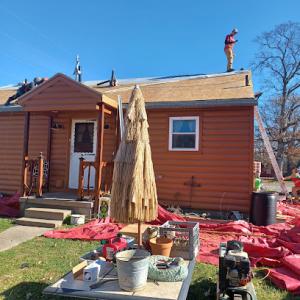
Integrity Roofing & Exteriors
(270) 898-7663 www.ourintegritymatters.com
1020 Joe Clifton Dr, Paducah, Kentucky
5.0 from 739 reviews
Residents of Paducah, KY: Let Integrity Roofing Exceed Your Home Improvement Expectations. Integrity Roofing and Exteriors has a goal to serve our valued commercial and residential customers throughout Paducah with the best service and materials possible. Our respectful, skilled, timely and highly trained professionals strive for 100 percent customer satisfaction every time when it comes to roofing and more.
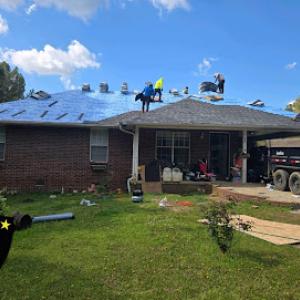
Titan Roofing
(270) 415-5561 www.titanontop.com
3551 Park Plaza Rd, Paducah, Kentucky
4.9 from 78 reviews
Titan Roofing & Restoration is a locally owned roofing contractor serving Paducah, KY, and surrounding areas. Specializing in both residential and commercial roofing solutions, they offer services including roof inspections, repairs, replacements, and insurance claim assistance. With over 75 years of combined experience, their team is well-versed in various roofing systems such as asphalt shingles, metal, TPO, EPDM, and spray coatings. Recognized as a Top Rated Local® contractor and a 2019 “Best Of” award winner, Titan Roofing is committed to quality craftsmanship, transparent communication, and customer satisfaction.
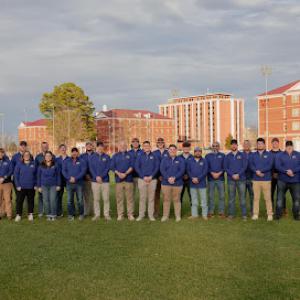
Woodall Roofing & Exteriors
(270) 761-7663 www.woodallcompanies.com
601 N 4th St Ste A, Paducah, Kentucky
5.0 from 33 reviews
Founded in 2005 and based in Murray, Kentucky Woodall Roofing & Exteriors is ready to give your home or building the roofing and exterior services it needs. Woodall Roofing & Exterior delivers hassle-free roofing with no deposit upfront, clear communication, and a seamless experience from start to finish.
B&R roofing
(270) 201-8436 www.paducahroofers.com
5810 Merrydale Dr, Paducah, Kentucky
4.7 from 27 reviews
Roofing contractor serving paducah and surrounding counties

West KY Roofing
(270) 559-7997 westkyroofing.com
1015 Broadway St, Paducah, Kentucky
4.5 from 49 reviews
Quality Roofing Contractor!!
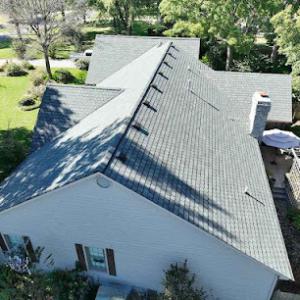
Resistant Roofing LLC ️
(270) 534-5556 www.resistantroofing.com
922 Mc Guire Ave, Paducah, Kentucky
4.4 from 51 reviews
Resistant Roofing®️ specializes in residential and commercial shingle roofs. Our services include removing existing roofs, preparing decking surface, replace all flashings, install underlayment (such as ice/water shield and synthetic felt paper), install a variety of vents, replacing drip edge, installing shingles that meet manufacturer’s specifications, clean up job site, run magnets over site to pick up nails/metals, and hauling construction debris away from site.
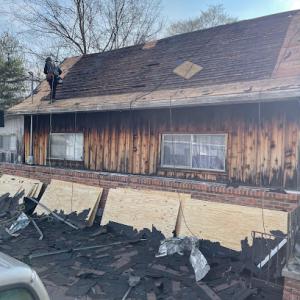
Paducah Roofing
626 Kentucky Ave Suite B, Paducah, Kentucky
5.0 from 8 reviews
Paducah Roofing, LLC is a roofing contractor providing services to the Western Kentucky region. As your roofing and roofing repair company our goal is professional quality and service. We provide complete residential and commercial shingle installation, roof replacement, and repair services for buildings of all shapes and sizes. Our highly experienced and fully licensed & insured roofing crews seek to provide the best possible roofing experience for our customers with a roof that gives complete weather protection for your home or commercial building.
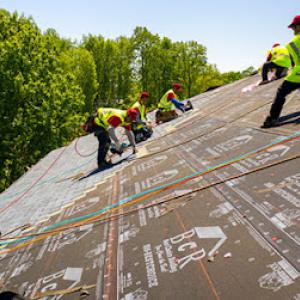
Best Choice Roofing
(270) 747-6951 bestchoiceroofing.com
2850 Lone Oak Rd # 1, Paducah, Kentucky
4.2 from 61 reviews
Best Choice Roofing is your trusted roofing expert and the Best Choice when it comes to choosing a roofing company with a commitment to impeccable customer service in Paducah, KY. In business since 2009, Best Choice Roofing’s industry-leading contributions to the roofing industry include a customer-first mentality, a dedication to top-quality products and a leadership team focused on the growth of its people. Because of this framework, we have created a loyal base of customers all over the United States.
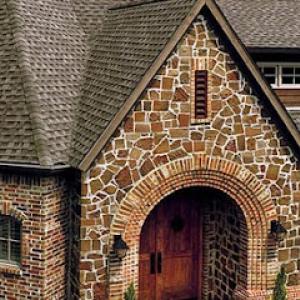
R&L Roofing
(270) 519-8913 www.randlroofing.com
1136 Rutter St, Paducah, Kentucky
4.5 from 16 reviews
45 years experience Free estimates Competitive prices Face to face communication 24 hour contact
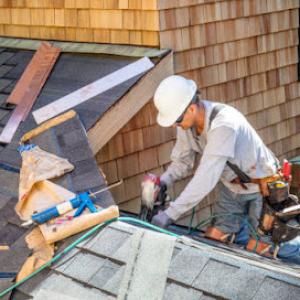
Chambers Roofing
(270) 442-8326 www.rooferpaducah.com
2605 Cairo Rd, Paducah, Kentucky
3.8 from 34 reviews
Since 1943 and three generations strong, Chambers Roofing is known to be Paducah's most trusted roofing contractor. Our vast experience and quality products means that you are getting a roof that lasts. Customer satisfaction is guaranteed with our lifetime warranty on residential homes and a 20 year warranty on commercial roofs. As residential and commercial roofers, we are ready to fix leaky roofs, repair gutters, install copper flashing, or fully replace your roof. We can repair and replace all kinds of roofs, including slate, shingles, low slope roofs, and specialty/luxury roofs. Whether it's simple patch work, a new roof coating, or a complete roof replacement, we guarantee a seamless experience. Contact us for a free estimate!
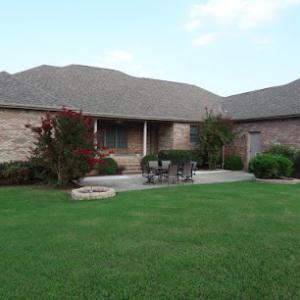
R&S Roofing
1326 Rudy Ave, Paducah, Kentucky
5.0 from 3 reviews
R&S Roofing is a quality roofing contractor serving the Western Kentucky and Southern Illinois area, specializing in all commercial and residential roofing systems.
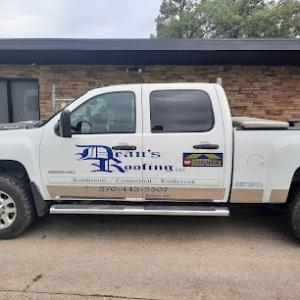
Deans Roofing dean brown
1432 Old Mayfield Rd, Paducah, Kentucky
3.6 from 17 reviews
GAF Master Elite Certified Installers. Factory trained workers. Workmans Comp, General Liability, Home Insurance. Weatherbond rubber roofing contractor. A+ rating with BBB.
Spring brings the common Paducah pattern of quick-moving storms and heavy rainfall. That combination can delay tear-offs, especially if rain keeps the crew off the roof for days. If a project is not tightly sequenced, lingering moisture in the decking can be exposed once the old roof comes off, increasing the risk of board warping or hidden rot being revealed mid-renovation. A practical approach is to plan a tightly staged sequence: install roof sheathing and underlayment promptly after the old layer is removed, then move to the new roofing surface as soon as possible. Protect the interior with high-quality tarps and seal penetrations to minimize water intrusion between daily shifts. In this climate, it helps to pre-stage materials in a sheltered area and coordinate weather windows so that the critical phases-sheathing, underlayment, and final shingle application-occur during a stretch of drier weather. If spring storms push the schedule, expect temporary leak mitigation measures to be required in the meantime, and ensure adequate interior protection for ceilings and attics.
Summer heat and humidity change how materials behave. Shingle handling becomes more challenging when heat softens asphalt products and expands metal components, increasing the risk of distortion or scuffing if crews rush through a long day. Adhesive strength and roof sealants can be heat-sensitive, so proper storage away from direct sun, and timely application during cooler parts of the day, reduces waste and rework. Plan for longer days only if shade and hydration are abundant, and ensure fasteners are driven with the correct torque to avoid cupping or loose edges. Humidity can also slow curing times in underlayment and roofing cement, so your crew should monitor moisture-sensitive layers closely. A practical rhythm is to start at first light, target the mid-morning lull, and return for late-day work only if a shaded, ventilated workspace is available. Keep gutters clear during this season to prevent heat-related water backup behind the roof edge, and secure all tools and materials to withstand potential gusts.
Winter work stalls occur when temperatures drop or unstable precipitation interrupts exterior tasks. Frozen decking or underlayment complicates installation and can compromise the integrity of moisture barriers. If a replacement begins in cooler months, ensure underlayment and flashing are installed with attention to thermal movement and ice-damming risk. Temporary heat might be needed for adhesive cures or to keep membranes pliable in the cold, but equipment must be carefully managed to avoid fire hazards. Schedule critical sealant work during periods of milder days and use windbreaks to reduce heat loss from exposed roof lines. Short, focused work blocks help prevent prolonged exposure of open decking to winter moisture, and keeping a ready plan for rapid tarping and temporary leaks reduces damage to interior spaces. The goal is to preserve roof integrity through the cold season while waiting for the most stable weather window to complete flashing and shingle installation.
When you can't wait, these contractors offer fast response times to stop leaks and prevent further damage.
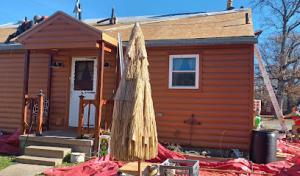
Integrity Roofing & Exteriors
(270) 898-7663 www.ourintegritymatters.com
1020 Joe Clifton Dr, Paducah, Kentucky
5.0 from 739 reviews

Asphalt shingles are a dominant choice in this area because they fit the city's common residential re-roofing market and are priced below premium systems in a storm-prone replacement environment. For many homeowners, asphalt delivers reliable performance at a practical pace, especially when paired with a quality starter course and mid-range adhesive sealants. In a climate marked by humid summers and sudden storm systems, consider those shingles with improved algae resistance and a thicker asphalt layer to extend life in moisture-prone conditions. The simplicity of installation and a broad selection of profiles help homeowners match a home's character without overmatching the neighborhood aesthetic. When inspecting a roof for damage after a storm, look for lifted tabs, granule loss, and any signs of moisture beneath the shingles, particularly along roof edges and in valleys where water concentrates during heavy rainfall.
Metal roofing is also used locally and can appeal to homeowners looking for durability against repeated seasonal weather swings in western Kentucky. Metal panels excel in wind resistance and can shed moisture quickly, which is helpful during prolonged rain events or rapid thaw cycles. The material's longevity matters when storm damage happens, because damaged sections are often easier to access and repair without disturbing adjoining shingles. For Paducah homeowners, metal can be a sensible upgrade if the roof line includes strong overhangs or a simple layout that suits panel installation. A metal roof can also contribute to a tighter enclosure, reducing the chance that wind-driven rain penetrates the attic space during severe storms. When evaluating finishes, prioritize coatings that resist corrosion and fading, and consider color choices that reflect summer heat to help manage attic temperatures.
Paducah endures hot, humid summers and cold winters that accelerate wear across materials, so material selection here should focus on moisture management, wind resilience, and how quickly damaged sections can be repaired after storms. The floodplain-influenced environment means that any reliable moisture barrier and roof-to-wall interface matters, particularly around penetrations, skylights, and chimney zones. In storm events, undetected moisture intrusion can escalate into costly interior damage, so a roof with robust underlayment and a dependable venting plan helps maintain attic dryness. For many homes, a well-sealed roof deck paired with a durable top layer reduces the risk of wind uplift and water infiltration when gusts push through eaves or break along flashing lines. Consider how a chosen material responds to debris impact and whether additional protective features-such as impact-resistant shingles or reinforced flashing-will shorten post-storm repair timelines without sacrificing overall aesthetics.
A practical Paducah-specific approach emphasizes the ability to address damaged sections promptly. Materials that allow for faster section replacement without heavy disruption to the rest of the roof can shorten downtime after weather events and support a smoother insurance-driven replacement process. In areas with frequent storm activity, choosing a system that permits staged repairs, rather than full replacement at once, can reduce stress and keep the home protected while claims are processed. The right choice blends durability, ease of maintenance, and a resilient response to the region's seasonal swings, ensuring the roof remains a reliable barrier through many years of Paducah weather.
In this river-facing community, cost awareness starts with material type. Asphalt shingles run about 350 to 550 USD per square. Metal roofing generally sits from 700 to 1100 USD per square. Clay tile is heavier and more costly, commonly 1100 to 2100 USD per square. Wood shingles or shakes typically range from 600 to 1100 USD per square. Synthetic or composite shingles fall around 500 to 1100 USD per square, and slate can run 1200 to 3000 USD per square. These ranges reflect local supplier pricing, labor availability, and the region's moisture-driven needs. When estimating, multiply the square footage by these per-square figures, then add a contingency for waste and disposal.
Storm-driven demand spikes can push scheduling pressure and labor availability after severe weather. In Paducah, that means replacements may be pushed back or priced higher during late storm seasons or after significant events. It is common to see a longer window between the decision to replace and the crew arriving, especially for higher-end materials. Planning ahead for possible weather-related delays helps protect a timeline and budget, since peak periods will stretch crew calendars and may affect material lead times.
A full replacement tends to be a larger investment than simple roof repairs, and timing can influence final pricing. Moisture in the environment, floodplain considerations, and the local supply chain can contribute to variation from one project to the next. When budgeting, consider the chosen material's cost range, the roof's size in squares, the need for underlayment or upgraded decking, and the potential for extended labor due to weather-related scheduling shifts. For most homeowners, a realistic plan accounts for a material-led budget with a buffer for unforeseen moisture-related issues that can surface during tear-off and installation.
Get a clear picture of your project costs upfront - no commitment required.
R&L Roofing
(270) 519-8913 www.randlroofing.com
1136 Rutter St, Paducah, Kentucky
4.5 from 16 reviews
A full roof replacement in Paducah typically requires a permit through the City of Paducah Building Department. The permit process is there to ensure the work meets local building codes and floodplain considerations, especially given the moisture exposure from the river corridor and the heavier storm activity common to the area. Before any nail is driven, your contractor should check with the City's permits desk to confirm what is needed for your address, the roof type you're installing, and any surrounding repairs that may accompany the project. If the job requires structural alterations or changes to ventilation, these will typically rise to the level of permit scrutiny, so plan for the extra check-in time.
Contractors are generally expected to submit project scope information and proof of licensure as part of the local permit process. This means you should anticipate a formal outline of the planned materials, underlayment, ventilation, and flashings, along with the contractor's license verification, insurance, and any required hold-harmless documentation. In a climate with humid summers and frequent storm systems, inspectors may pay particular attention to flashing details around chimneys, skylights, and intersections with existing gutters. Ensure your contractor provides precise drawings or descriptions for any upgrades to meet current code or floodplain considerations. If you switch material choices mid-project, re-check permit coverage and obtain any necessary amendments to avoid non-compliance or delays at inspection.
Paducah inspections commonly occur after roof removal and again after final installation, and inspectors may request adjustments or clarifications before sign-off. The post-removal inspection confirms deck integrity, proper underlayment installation, and ventilation adequacy, while the final inspection verifies flashing, penetrations, and perimeter details are secure under a variety of weather conditions typical in this river-adjacent region. It is not unusual for inspectors to require minor corrections-sometimes re-sealing flashing or adjusting ridge vents-before issuing a sign-off. Prepare by coordinating closely with your contractor to address any noted items promptly, as delays in re-inspection can extend the overall project timeline and complicate post-storm repairs or insurance-related milestones.
Insurers serving the Paducah area commonly want records showing roof age, present condition, and evidence of wind or hail exposure when evaluating claims. The humidity, storm frequency, and floodplain conditions around the river systems can accelerate wear, so a file with clear history helps adjusters separate new damage from existing issues. The risk of a difficult or delayed payout increases when documentation is incomplete or inconsistent.
Because claim volume can rise after regional storms, underwriting and premiums may be affected by recent roof loss history in the area. Homeowners should assemble a concise timeline: original installation or last major replacement, past repairs, and any prior wind or hail events that affected the roof surface. Photos matter-capture the entire roof, close-ups of shingles or flashing, and any interior signs of moisture. Keep copies of contractor invoices and any independent evaluations, since adjusters in this market may ask for photos and independent roof evaluations.
Document damage before cleanup begins, if safely possible. After a storm, photograph roof surfaces from multiple angles and note tree limbs, debris, and visible granule loss. Record dates of suspected wind or hail exposure and any noticeable leaks in the attic or ceiling. Maintain a simple log of weather events and service calls. If a prior repair exists, note its location and method; insurers often want to see how existing hardware or materials have held up under new stress.
Independent roof evaluations can speed claim decisions, so consider arranging a professional assessment promptly. A well-organized file reduces back-and-forth with adjusters and supports timely decisions, helping avoid gaps in coverage when renewal or remediation timelines loom. In this climate, proactive documentation is a practical safeguard against post-storm uncertainties.
In this river-rich area, heavy rain events can linger on a roof longer than you'd expect. Low-slope sections, especially near eaves and transitions, become more consequential because water can pool or slow to move toward gutters after a storm. Inspect these zones after the worst rain and look for mildew edging, damp spots on sheathing, or tired flashing sitting under repeated exposure. When you're evaluating a replacement or repair, prioritize proper slope, channeling, and robust transitional details that move water off the roof quickly and reliably.
Skylight penetrations are a frequent trouble spot when humidity cycles through the seasons. Recurrent storms stress flashing, pitch edges, and sealant joints more than you might expect. If a roof already serves a skylight, plan for extra attention to flashing under the skylight curb, intersection with adjacent shingles, and the sealant around the glass. During inspection, test for small drips after rain and check for any dried or cracked sealant that could hint at recurring leakage paths. A proactive approach here saves more than weathering a single storm.
The local contractor signal mix shows limited specialization in flat roofs, roof coatings, and skylights. Do not assume every roofer handles these features routinely. When you have a flat-to-dormer transition, a roof with a coating, or a skylight-heavy layout, ask for documented experience and project photos from similar configurations. Request references who can confirm leak-free performance after storms and humidity cycles typical to the area.
Find specialists in TPO, EPDM, and built-up flat roofing systems for residential and commercial properties.
Titan Roofing
(270) 415-5561 www.titanontop.com
3551 Park Plaza Rd, Paducah, Kentucky
4.9 from 78 reviews