
Last updated: Apr 19, 2026
Springfield homeowners face a relatively high-claim roofing environment because Tennessee sees frequent hail and high-wind events. That combination isn't rare here-it's a normal part of local weather swings, especially during peak storm season. When a hail core rolls through or a wind gust tears up shingles, the damage may look minor at first glance, but it can hide widespread underlayment and flashing issues. That hidden damage is the kind that climbs the insurance ladder quickly, driving a claim from "maybe" to "needs full replacement" in a hurry. The dynamics here are different from more temperate regions: the hail isn't gentle, and the wind isn't a mild annoyance. This is why many roofs in this area move straight from assessment to replacement discussions rather than just patch work.
In Springfield, near-record summer heat and occasional hailstorms are a major reason many homeowners replace roofs in spring or fall instead of peak summer or winter. Heat accelerates aging of roofing components, dries out sealants, and can complicate ventilation and underlayment performance during a replacement. A spring or fall timing window aligns with calmer conditions, better access for crews, and a more predictable insurance review process after a storm. If a hail event hits in early spring or late fall, plan for a prompt inspection by a local contractor who understands how the local climate stresses different roof systems. Fast decisions about shingle compatibility, underlayment choices, and ventilation can make the difference between a durable repair and a repeated cycle of damage.
Storms in this market tend to expose more than what the eye sees. After a hail or wind event, inspect for curling or missing shingles, dented vents, damaged flashing around chimneys and valleys, and granule loss along gutters and downspouts. Warmer days can mask subtle issues, but the combination of heat and wind can push moisture into the decking if flashing isn't fully sealed. Look for interior signs as well: attic warmth or moisture that isn't explained by a normal leak. If you notice staining, telltale daylight through the attic, or rising utility bills without a clear cause, schedule a professional inspection immediately. The sooner a qualified local roofer surveys the system, the more accurately the claim will reflect true damage rather than a patchwork fix that invites repeat calls.
Local contractor demand is strongly storm-oriented, with insurance-claims, storm-damage, and emergency-repair specialties appearing far more often than niche roof types. In this environment, the fastest path to a reliable, durable result is choosing a contractor who is seasoned with Springfield's climate realities: proper attic ventilation, robust flashing details, and wind-uphold requirements that align with the common roofing assemblies. Ask for a real-world reference list of projects completed after last year's storms, and verify that the crew routinely coordinates with insurance adjusters to ensure the scope matches what the policy covers. A trusted local firm will walk you through temporary protections if a storm is imminent, explain the sequence of claim approvals, and deliver a full replacement plan that holds up under repeated summer heat and seasonal hail.
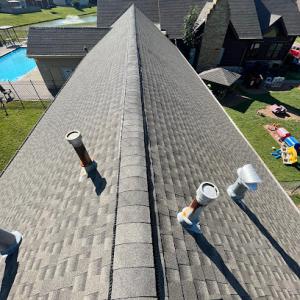
Sortos Roofing & More
(615) 492-8581 www.sortosroofingandmore.com
2414 Memorial Blvd, Springfield, Tennessee
4.9 from 283 reviews
Sortos Roofing is a family owned and operated business where honesty, quality, craftsmanship and reputation is the foundation we have built our company on to insure 100% customer satisfaction. We take pride in having a successful relationship with our clients and that stems from the reputation our company has built over the last 10 years. Our services include Roofing, Metal Roofs, Siding, Gutters, Drywall & Paint.
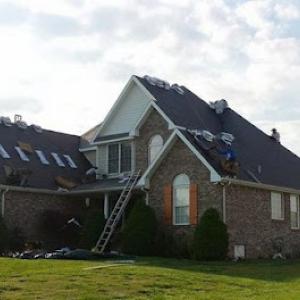
My Roofing Crew
(615) 200-6870 www.myroofingcrew.com
3610 Kelton Jackson Rd, Springfield, Tennessee
4.9 from 73 reviews
My Roofing Crew sets the standard for roofing services in the Southeast USA, combining quality, integrity, and exceptional customer satisfaction. With over 300 years of combined experience, we serve Tennessee, Kentucky, Alabama, Arkansas, and beyond. Our team handles repairs, new installations, and reroofing with dedication and professionalism, ensuring peace of mind. Our flawless safety record and 10,000+ satisfied customers confirm our reliability. Contact us today for your next roofing project. Residential & Commercial Contractor licensed in 11 states across the Southeast ready to install your new roof!
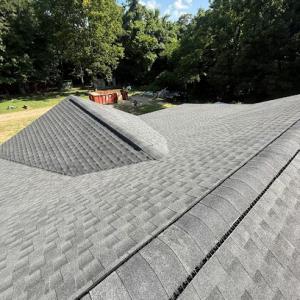
Heisman Roofing & Construction
(615) 390-1515 www.heismanroofing.com
1015 Bradley Dr, Springfield, Tennessee
4.8 from 124 reviews
Heisman Roofing & Home Improvement is your trusted general contractor based in Springfield, TN, proudly serving Middle Tennessee, Southern Kentucky, and Northern Alabama. We specialize in residential and commercial roofing, siding, window installation, kitchen and bathroom remodeling, home additions, and full-scale renovations. With decades of combined experience and a reputation for quality, we're committed to craftsmanship, customer service, and helping you protect and enhance your home, inside and out.
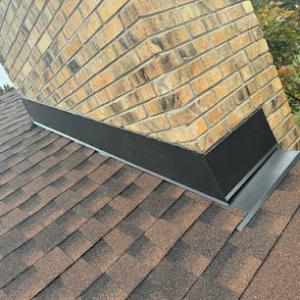
Jaguar Roofing
(615) 957-2468 jaguarroofingservices.com
4383 Benson Rd, Springfield, Tennessee
4.8 from 61 reviews
At Jaguar Roofing, our goal is to provide top-quality roofing services to our valued customers. Our team is dedicated to delivering exceptional results, using the latest techniques and materials to ensure the longevity and durability of your roof. We value honesty, integrity, and hard work, and strive to exceed expectations with every project we undertake. Our experienced professionals are committed to delivering personalized solutions that meet your specific needs and budget. As a trusted roofing company, we take pride in our attention to detail and commitment to customer satisfaction.

My Team On The Roof
(615) 568-1104 www.myteamontheroof.com
3995 Memorial Blvd, Springfield, Tennessee
5.0 from 29 reviews
Our services help you to experience the difference in roofing. My Team on The Roof makes sure to keep your family safe and dry. We value the opportunity you give us to collaborate and participate in your project to renovate your home whether it's from the inside or outside that includes roofing, gutters, siding, and repairs.
Briarwood Roofing & Exterior
(615) 210-3298 briarwoodroofingexterior.com
4134 Hwy 49 W W, Springfield, Tennessee
4.9 from 15 reviews
Protect your largest investment with our reliable roofing services. We are a locally owned and operated roofing company currently serving Springfield, TN and surrounding communities. If you want to make your roof last as long as possible, it is vital that you never put off a roof repair. Small issues with roofing become big issues in a hurry. No matter how major or minor the repair you need, we are here to help. We offer roof contracting, siding installation, and gutters installation.

Maven Roofing
(866) 786-2836 www.mavenroof.com
618 S Main St, Springfield, Tennessee
4.5 from 35 reviews
Maven Roofing is a roofing and solar company that is owned and run by veterans. We are known for providing both residential and commercial customers with high-quality roofing, solar, and roof restoration services. Our team of highly skilled "Mavens" is dedicated to providing excellent roofing contractor services. We offer a variety of roofing materials, such as metal, F-Wave Revia synthetic, TPO, EPDM, flat roofing, and asphalt shingles. We are highly proficient in repairing or replacing roofs that have been damaged by hail and wind, as well as rejuvenating and restoring older roofs to extend your roof's lifespan and save you money.
Spark's Roofing
(615) 382-8312 www.sparksroofingtn.com
104 Elder Dr, Springfield, Tennessee
4.4 from 64 reviews
Sparks Roofing Company is a leading Springfield roofing contractor that constructs and fixes roofs across Middle Tennessee. We help homeowners by putting strong roofs on their houses, protecting families and property. For business owners, our work secures commercial buildings, helping protect their assets. As a roofing company in Springfield, we put on asphalt shingle roofs, synthetic roofs, and metal roofs. We also put in gutters and repair damage from storms. Each service provides significant worth by shielding buildings from weather, adding to property appearance, and upholding building value. Whether you need a new roof or an inspection, Sparks Roofing is here to help. Call today for a free estimate!
White House Roofing & Construction
(615) 394-8574 whitehouse-roofing.com
5061 New Chapel Rd, Springfield, Tennessee
4.1 from 7 reviews
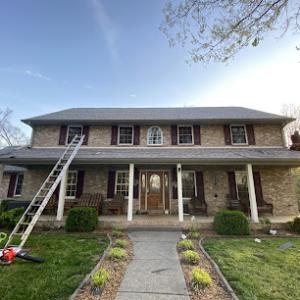
You and your home are incredibly important. Your satisfaction is our priority. We value your trust and your business.
HC Construction
(615) 766-6180 hcconstructioninc.com
245 Elder Dr, Springfield, Tennessee
5.0 from 1 review
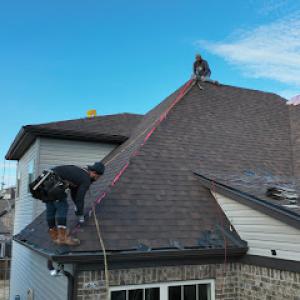
Welcome to HC Construction, your premier residential and commercial roofing experts proudly serving Nashville, TN, and surrounding areas. As a veteran-owned company, we honor those who serve by offering a 10% discount to military personnel, police, and firefighters. At HC Construction, our commitment is simple: to deliver exceptional craftsmanship and personalized service tailored to your needs. From new home construction to renovations and additions, we’re dedicated to exceeding your expectations with integrity and professionalism.
JRC: Nationwide Commercial Roofing & Construction
(615) 851-1725 www.jrcinco.com
Serving
5.0 from 339 reviews
Since 1990, JRC has been a symbol of commitment, quality, and family values in the roofing and construction industry. Rooted in family bonds and genuine relationships, JRC is built on a foundation of trust, care, and dedication to our clients and employees alike. That spirit fuels our passion for excellence, and it’s what makes us stand out in an industry where relationships matter. With licenses in roofing, general contracting, and building construction nationwide, JRC is equipped to meet the diverse needs of commercial facilities across the country. We specialize in commercial roofing, exterior renovations, and facility services, delivering comprehensive solutions that are meticulously crafted for each project.
Goodlettsville Home Maintenance Company
Serving
5.0 from 8 reviews
Family owned and operated since 1987
Typical Springfield pricing runs about $450 to $750 per square for asphalt shingles. This is the entry point for many homes in older neighborhoods with existing deck systems that are sound enough to use standard asphalt overlays. In storm seasons, you may see temporary price bumps as local crews move to meet higher demand after hail and wind events. If you're replacing after a wind-driven event, expect a quicker turnaround but be prepared for possible schedule fluctuations as crews bunch up work across the region.
Metal typically lands in the $700 to $1100 per square range here. Metal is favored when you're facing repeated hail exposure or when you want a longer lifespan with lower maintenance. In Springfield's climate, metal can help shed heat and resist wind uplift better than many alternatives, but installation quality matters more than with some other materials. Storm-driven surges in replacement demand can compress lead times and push material and labor costs upward temporarily, so planning ahead in the weeks following a major hail event can save money and stress.
Clay tile tends to run $1400 to $2100 per square locally. It's a durable, weather-tolerant option that can handle the region's heat well, but it's heavier and requires a solid roof structure and qualified installers. Aesthetically, clay tile suits certain older brick or stucco homes common to the area. Spring and fall are common timing windows, but heavy rains in fall can slow maneuvering of large tiles and crane work. If you're evaluating clay tile after a storm, expect potential delays and ensure ventilation and flashing meet higher standards during replacement.
Concrete tile usually sits in the $900 to $1700 per square range. It combines durability with a weight and cost profile between clay tile and asphalt. In Springfield, this material works well for those wanting a long-lived roof that still behaves well in wind. Climate-driven scheduling shifts come into play after hail and wind events, often tightening crews and increasing labor costs temporarily. Fall and spring windows remain the most common for concrete tile projects to avoid summer heat slowdowns.
Wood shingles or shakes run about $900 to $1500 per square. They can deliver a classic look but demand careful maintenance, particularly in humid months when shoulder seasons can accelerate wear. In storm years, wood options may face longer lead times as crews balance availability with specialty installation requirements. The spring and early fall periods often provide a steadier pace for wood, though you'll want to keep an eye on moisture and ventilation details during full replacements.
Synthetic or composite shingles price out roughly $800 to $1400 per square. This option blends durability with a modern aesthetic and can handle heat and wind relatively well. In Springfield, storms can spike interest in composites after hail events, which may temporarily affect scheduling and pricing. A practical approach is to consider composite when you want quicker installation windows and more consistent pricing through variable weather pockets, especially in late spring or early fall.
Seasonal installation windows matter locally because extreme summer heat, fall rain interruptions, and winter material and deck limitations can all change labor pace and project timing. If a hail or wind event just after spring or late fall hits, expect a surge in demand that can tighten scheduling and influence pricing. Conversely, milder stretches in early spring or late winter can offer steadier crews and smoother permitting coordination. For best results, align material choice with your timing window, ensuring the roof deck and ventilation are prepared to support the specific installation demands of the selected material.
Get a clear picture of your project costs upfront - no commitment required.
My Roofing Crew
(615) 200-6870 www.myroofingcrew.com
3610 Kelton Jackson Rd, Springfield, Tennessee
4.9 from 73 reviews
Spark's Roofing
(615) 382-8312 www.sparksroofingtn.com
104 Elder Dr, Springfield, Tennessee
4.4 from 64 reviews
Quality Refurb Roofing/Construction
(615) 887-7323 www.roofrepairsnashville.com
Serving
5.0 from 54 reviews
A building permit is typically required for a full roof replacement in Springfield. This isn't a "one-and-done" task; the permit ensures the project aligns with Robertson County codes on ventilation, flashing, and wind uplift. If you're hiring a contractor, they should recognize that the county allows either the contractor or the homeowner to handle the application, but the responsibility for meeting code standards rests with the project as a whole. Expect the permit process to be part of the timeline you discuss upfront, not an afterthought.
The permit application is generally handled through the Robertson County Building Department by either the contractor or the homeowner. If you choose to pursue it yourself, you'll need to gather the typical details-address, project scope, and a basic plan for ventilation and flashing. If the contractor submits on your behalf, confirm that they are submitting the exact scope of work, and that the materials and method align with county expectations. In Springfield, the person submitting should coordinate any required documentation, such as system ventilation details and flashing configurations, to avoid delays.
Springfield roof work is typically inspected during construction and again after completion, with local attention to ventilation, flashing, and wind uplift standards. Plan for at least one intermediate inspection while the roof is out and exposed, especially in seasons prone to wind events. The final inspection emphasizes that ventilation paths are not blocked, flashing around chimneys, vents, and perimeters is properly integrated, and the ridge and eaves meet wind uplift criteria. If inspections reveal gaps, expect a corrective action window that could extend timelines, so build in buffer.
Ventilation details matter in this climate to prevent moisture buildup and attic heat, which can shorten roof life. Ensure the plan includes proper soffit and ridge ventilation, with adequate intake and exhaust balance. Flashing should be continuous and sealed where required around walls, vents, skylights, and chimneys. The county is attentive to whether the roof system's ventilation and flashing will withstand typical Middle Tennessee wind gusts, so verify that your chosen materials and installation approach meet or exceed local standards.
Have the project scope, measured roof area, and a simple ventilation plan ready for submission. If you're coordinating through a contractor, request that they provide the permit package and confirm that it includes updated ventilation calculations and flashing details. After approval, keep your permit card accessible on site during work, as some inspections may require you to display it publicly or have it available for the inspector. In Springfield, staying proactive with documentation helps minimize delays and keeps the project on the expected timeline.
The roofscape in this town blends asphalt shingles, metal roofing, clay tile, concrete tile, wood shingles or shakes, and synthetic or composite shingles. Asphalt remains the everyday workhorse for many homes, balancing cost, ease of installation, and a broad range of shingle profiles. Metal roofs show up on newer builds and renovations, offering strong wind resistance and cool-touch potential when properly vented. Clay and concrete tiles bring a regional aesthetic and robust durability, though their weight and installation nuances demand careful structural prep. Wood shingles or shakes add character on older homes, but require diligent maintenance to prevent moisture intrusion. Synthetic or composite shingles provide a modern compromise, mimicking natural materials with easier handling in heat. Each option has a role, and the choice should align with roof slope, attic ventilation, and expected climate stress.
The dominant summer heat can push material handling toward cooler parts of the year, but in this climate, heat-sensitive scheduling matters more than in milder markets. High daytime temperatures affect adhesive performance, installment pace, and the condition of underlayment and starter courses. When heat spikes, crews might adjust daily start times, pause during peak heat, and plan for closer-on-site coordination to keep shingle tabs and sealants from becoming brittle or losing alignment. Expect some projects to begin earlier in the season or after a spell of cooler nights, with workers prioritizing proper alignment and ventilation clearances over speed.
Inspections in this area emphasize ventilation as a driver of performance and life span. Attic heat management links directly to how well a roof system survives hail, wind, and seasonal temperature swings. If attic temperatures rise, underlayment and flashing can deteriorate faster, and ridge or soffit vents must be appropriately sized to balance moisture control with wind exposure. The material choice interacts with ventilation: metal roofs, for example, pair well with reflective coatings and well-planned eave and peak venting, while tile systems benefit from lighter, well-ventilated deck assemblies to prevent heat buildup under the tile. In all cases, plan for adequate attic airflow, proper insulation, and a ventilation strategy that supports long-term performance against the region's typical weather stressors.
Explore specialists in steel, aluminum, and standing seam metal roofs built to last 50 years or more.
Sortos Roofing & More
(615) 492-8581 www.sortosroofingandmore.com
2414 Memorial Blvd, Springfield, Tennessee
4.9 from 283 reviews
Jaguar Roofing
(615) 957-2468 jaguarroofingservices.com
4383 Benson Rd, Springfield, Tennessee
4.8 from 61 reviews

My Team On The Roof
(615) 568-1104 www.myteamontheroof.com
3995 Memorial Blvd, Springfield, Tennessee
5.0 from 29 reviews
Spring storm season in Springfield brings both hail risk and project delays, so you often face a balancing act. If a hail event hits your neighborhood, the urgency to replace can be high, but sudden rain and gusty fronts can stall crews mid-shingle lift or delay material deliveries. The best approach is to pencil in a tight window after the worst of the storms pass and before heavy spring showers become unreliable workdays. Expect occasional weather-induced halts, and build in buffer days to avoid tying up crews during a stretch of unreliable weather. Planning with a local crew that understands how hail patterns tend to cluster in Robertson County helps minimize wasted downtime.
Hot summer conditions in Springfield can slow crews and complicate material handling, which is why many local replacements are pushed out of peak heat. As temperatures climb, you may see slower progress due to safety breaks, increased adhesive times, and handling issues with bundles of shingles or metal. If possible, schedule the bulk of the work in mornings with a clear afternoon wrap-up, and ensure crews have ample shade and water. High heat can also affect roof decking and underlayment, so consider a plan that prioritizes ventilation checks and flashing inspections when the attic and eave lines are most accessible.
Fall rains and winter temperatures in Springfield can interrupt drying, slow work, and affect roofing materials and deck conditions. Humidity and cooler nights extend drying times for any underlayment or sealant and can make decking slick or warped, complicating overhead work. Align start dates with forecast patterns that favor dry spells and avoid late-season storms that push work into a compressed window. Clear communication with the crew about daily moisture risks helps prevent missteps that could compromise ventilation reviews or flashing integrity.
Keep a flexible plan that allows for small weather gaps without derailing the entire project. Have a contingency week buffered into the calendar and arrange access to sturdy staging areas for material sorting when heat or rain interrupts the day. Coordinate with a local crew familiar with Springfield's wind uplift considerations to ensure once work resumes, the roof system can be finished with the proper attention to flashing and edge details. A well-timed window can protect interior spaces and neighboring homes from exposure, while still respecting the local climate rhythm.
Springfield homeowners operate in a Tennessee market where hail and wind claims are common enough that insurers often expect detailed loss documentation. When a storm hits, the difference between a smooth claim and a delayed payout can hinge on how thoroughly the roof is photographed, measured, and dated, especially after hail events that leave only subtle bruising in soft light. If multiple roofs in a neighborhood are involved, insurers will look for a clear, consistent narrative across properties, and any gaps in records can slow decisions about replacements or repairs. The practical consequence is that the quality and timeliness of the documentation you assemble now can affect how your claim unfolds later, even if the house appears superficially fine.
Coverage terms and pricing can vary by insurer and neighborhood, making documentation quality especially important after storm events. The most reliable files show a logical progression: pre-storm visuals, clearly dated damage notes, and post-storm updates from a licensed roofing professional. In Springfield, where wind uplift and impact resistance are common risk drivers, insurers tend to scrutinize flashing details, attic ventilation, and attic-to-roof transitions. Inaccurate measurements or missing close-up shots of gutter and fascia damage can invite questions about scope and cause, slowing the approval process or prompting partial denials. Prepare for an insurer's review by organizing a simple, portable file that can be reviewed quickly by adjusters, contractors, and agents.
After a storm, document with purpose: photos taken from multiple angles, timestamps, and a written note about where damage is most evident. Keep a log of conversations with agents or adjusters, and request written estimates that spell out materials, dimensions, and installation details. If a contractor is involved, ensure they provide a scope of work that aligns with the photos and notes. Finally, anticipate follow-up requests for more information and respond promptly to keep the process moving, because delays can translate into extended exposure to ongoing weather and potential secondary damage.