
Last updated: Apr 19, 2026
Hopkinsville homeowners face the most concentrated roof risk during spring, when hail-producing thunderstorms and strong wind events are a recurring western Kentucky pattern. Those bursts can leave hidden damage under shingles, flashing, and vents that isn't obvious from the ground. A roof that looks sound after a hail event can still harbour dented aluminum, punctured underlayment, or lifted granules that accelerate wear. The key here is urgency: a damaged roof doesn't improve with time, and your long-term comfort hinges on catching issues before the heat of summer sets in and weather cycles into a different stress pattern.
The city's roof decisions are often driven less by age alone and more by whether spring storm damage is severe enough to justify an insurance-backed replacement before summer heat arrives. If you've recently experienced a hailstorm or a strong wind event, documenting damage promptly matters. Your insurer may look for visible leaks, curling shingles, bruised panels, or compromised flashing during a claim assessment. Expect a pause in optimal repair windows if a full replacement is involved; insurers may prefer to grant a fresh warranty and curb future risk by replacing rather than patching. In this climate, that insurance-backed decision is not just about current leaks-it's about setting a roof up to survive the next heat wave, which can accelerate aging on a fragile repair.
Because Hopkinsville also sees autumn rain and storm activity, temporary repairs made after spring events can be tested again before winter if replacement is delayed. If a full replacement isn't pursued in spring, the roof should be evaluated again after the cotton-cool shock of fall rain and wind. Those late-season tests reveal whether patchwork held or if new damage surfaced under cooler, damper conditions. If winter moisture is found able to penetrate, that becomes a practical signal to revisit a full replacement sooner rather than later. Delays carry the risk of a sudden, high-stress failure once winter storms roll in again, especially on homes with older pitch in light debris-laden neighborhoods.
If a spring storm hits, do a rapid, candid walk around the roof with a flashlight after daylight. Look for lifted tabs, granule loss, or dark spots that indicate moisture penetration. Photograph and date the evidence, then contact a local roofing professional who understands Western Kentucky storm patterns and Christian County's typical roof shapes. Request a same-season assessment if you've had a significant hail or wind event, and ask about how temporary repairs will interact with potential insurance-backed replacement. If you're on the fence about a full replacement, plan a spring-to-summer review with your insurer and contractor to align the best long-term outcome with the unique Hopkinsville storm cycle.
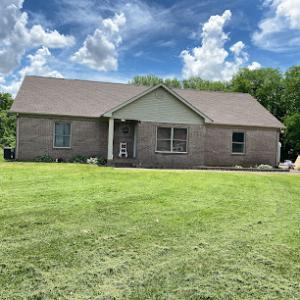
Integrity Roofing & Exteriors
(270) 874-4013 www.integrityroofingclarksville.com
1910 S Virginia St Suite 204, Hopkinsville, Kentucky
4.9 from 72 reviews
Integrity Roofing and Exteriors is a roofing company that does more. We are the professionals who are dedicated to offering customers top-quality services at affordable prices. Our mission is to help our customers protect what matters most by serving with character and purpose that brings honor to God. We truly are on a mission to make a difference!
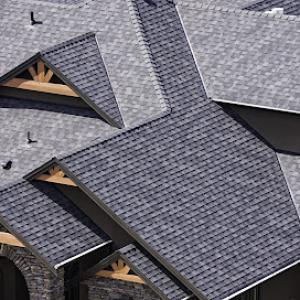
True Line Roofing
(270) 978-0239 www.kentuckytruelineroofing.com
758 W 15th St, Hopkinsville, Kentucky
5.0 from 12 reviews
We've Got You Covered! Your Local Family-Owned Roofing Experts—Here for You Every Step of the Way, Even After the Job is Done. Call Today for a Free, No-Obligation Quote!
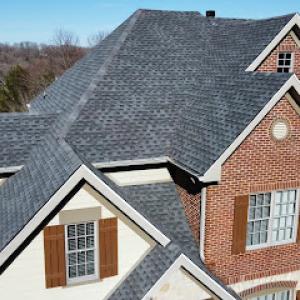
Alliance Roof & Fence
(270) 484-7008 www.allianceroofandfence.com
1408 S Clay St, Hopkinsville, Kentucky
4.1 from 98 reviews
Alliance Roof and Fence provides roofing services, fencing services, decks, and storm damage services to the Hopkinsville, KY area.
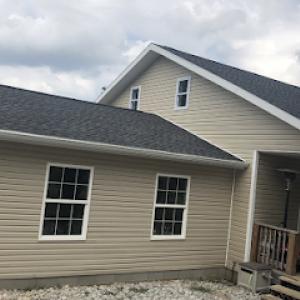
Legacy Construction & Roofing
931 Skyline Dr, Hopkinsville, Kentucky
4.8 from 11 reviews
Hail Damage & Insurance Claims Specialists Call Legacy Construction & Roofing today to schedule your FREE roof inspection by one of our trained professionals. We will inspect and report any damage, and handle the insurance company.
Superior Commercial Coatings
4496 Pembroke Rd, Hopkinsville, Kentucky
5.0 from 2 reviews
We are Commercial Roofing Company that specializes in Roof Coating Restoration using the Uniflex Silicone 44 Roof Coatings. We service all of Kentucky, Clarksville, TN, & Indiana
The Clarksville Roof Guys
(352) 715-2553 theclarksvilleroofguys.com
Serving
5.0 from 93 reviews
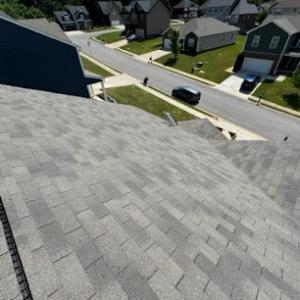
The Clarksville Roof Guys provide reliable, professional roofing services in Clarksville, TN. We specialize in roof repair, replacement, and inspections for residential and commercial properties. Whether you're dealing with storm damage, leaks, or aging shingles, our experienced team delivers quality workmanship using durable materials. Locally owned and committed to honest service, we’re here to protect your home or business. Call today for a free roof estimate from one of Clarksville’s trusted roofing contractors.
Flora Roofing
(931) 249-3393 sites.google.com
Serving
4.8 from 26 reviews
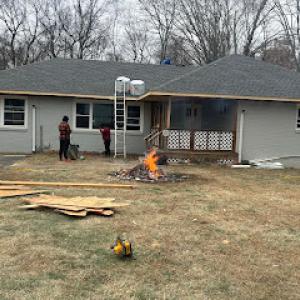
Flora Roofing is a Clarksville-based roofing contractor specializing in residential and new construction roofing projects. With years of experience and expertise, they offer a wide range of services, including shingle and metal roof repair and installation, leak detection and repair, chimney repair, soffit and fascia installation, home remodeling, vinyl siding installation, and door and window replacement. Additionally, they handle minor repairs such as fixing damaged pipe boots, replacing missing shingles, and addressing valley issues. Call today to schedule a free estimate on your new home project.
Best Choice Roofing
(931) 283-2548 bestchoiceroofing.com
Serving
4.7 from 342 reviews
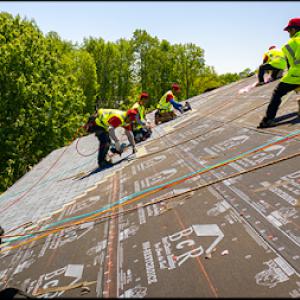
Best Choice Roofing is your trusted roofing expert and the Best Choice when it comes to choosing a roofing company with a commitment to impeccable customer service. In business since 2009, Best Choice Roofing’s industry-leading contributions to the roofing industry include a customer-first mentality, a dedication to top-quality products and a leadership team focused on the growth of its people. Because of this framework, we have created a loyal base of customers all over the United States.
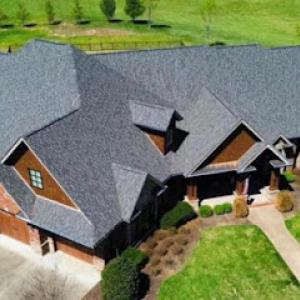
Big Timber Roofing
(931) 472-5055 bigtimberroofing.com
Serving
5.0 from 183 reviews
Big Timber Roofing is a licensed and insured roofing contractor with the expertise to do large and small roof replacements. A company you can truly count on.
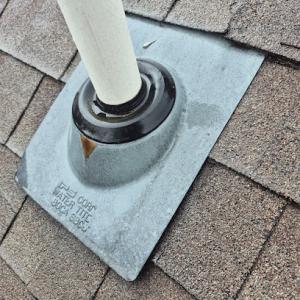
JJ Roofing
(931) 216-5607 www.jjroofingtn.com
Serving
5.0 from 24 reviews
At Jj Roofing, we specialize in providing top notch roofing solutions that protect your home and add value for years to come! Whether you need a new roof installation, repair, or maintenance, our team of experts has you covered with the highest quality materials and impeccable craftsmanship. 💼🔧
Bedstone Exteriors
(931) 338-5519 bedstoneexteriors.com
Serving
5.0 from 16 reviews
Clarksville premier roofing contractor
Jackson Roofing & Remodeling
(931) 906-0041 www.jacksonroofingclarksvilletn.com
Serving
4.6 from 50 reviews
Jackson Roofing & Remodeling in Clarksville, TN, provides dependable roofing solutions backed by skilled craftsmanship and premium materials. As a trusted rubber roofing contractor, we deliver durable systems built to withstand the elements. We specialize in asphalt shingle roofing, metal roofing, roof replacement, and roof installation for homes and businesses. Our team focuses on precision, transparent communication, and long-lasting results. With competitive pricing, efficient timelines, and high-quality workmanship, we ensure every project meets the highest standards. Contact Jackson Roofing & Remodeling today to schedule your inspection or request a free estimate.
Spring hail and wind can leave small, chronic damage that isn't obvious at first glance. In this climate, shingles age faster when heat and humidity amplify the effects of sun exposure and attic moisture. If attic ventilation is weak, hot air and dampness work together to soften asphalt shingles and accelerate granule loss. That makes every spring storm season a test: a roof may look intact after a hail flicker, but the underlying matting could be compromised, setting the stage for leaks later in the year.
Summer in this area brings long, humid days that push roofs to their limits. When ventilation gaps aren't doing their job, warm air becomes trapped under the deck, and moisture levels climb in the attic. This is especially noticeable on roofs with only a few soffit vents or a cramped attic space. You'll notice faster aging of shingles, more frequent insulation dampness near vents, and a higher likelihood of sweat-like staining along overhead lines and near penetrations where water tends to pool. The practical step is to confirm that attic fans, ridge vents, and soffits work in harmony to vent moisture before the calendar heat peaks.
Cool, wet winters here repeatedly load the roof with moisture. When flashing, valleys, or underlayment are already stressed from storm seasons, that moisture finds the weakest points and can creep in. Ice damming isn't always the headline issue, but consistent moisture intrusion at compromised flashings or along eaves becomes the quiet culprit. The takeaway: inspect valleys and transitions after storms, and look for damp spots along eave lines or around roof penetrations. A small patch now can prevent a larger leak when winter rain returns.
Deep snow loads are less of a concern than the way a freeze-thaw cycle can exploit weathered penetrations and eaves. Freeze events act like a lever, pushing a tiny crack into a bigger leak. If flashing has pulled away or sealant has cracked, a freeze-lriendly cycle can widen the gap. The practical approach is to treat any hail or wind damage as a warning sign: if water is observed near penetrations after a storm, don't wait for the next thaw to check it again.
After a storm, walk the perimeter with dry feet and eyes on the ridges, vents, and eaves. Look for lifted shingles, torn underlayment, or granule loss in the gutters. In the attic, check for dark spots, musty smells, or damp insulation near penetrations and along the ridge line. If any red flags appear, address them promptly to minimize the risk of accelerated aging and leak events through the spring and into early summer. When in doubt, a professional inspection focused on ventilation balance, flashing integrity, and underlayment condition can head off more costly repairs later.
Asphalt shingles remain the dominant practical choice in Hopkinsville because they fit the area's common residential roof forms and lower upfront budgets while still being widely serviceable after storm events. Given the spring hail and wind that can sweep across Christian County, asphalt shingles offer a forgiving balance between affordability and repairability. They handle the region's humid summers and cool, wet winters reasonably well, and many local contractors are well-versed in rapidly replacing damaged shingles after a hail event. For homeowners facing a mix of typical gable and hip rooflines, asphalt shingles are a straightforward option that keeps roofing projects predictable in scheduling and execution. When choosing this material, look for a format with good wind resistance and a robust one-piece shingle design, and confirm that the color selection aligns with your home's style and the local appearance norms.
Metal roofing is especially relevant around Hopkinsville because the city sits in a rural-agricultural county market where homeowners often compare residential performance with nearby farm and outbuilding metal systems. Metal responds well to the kind of hail sparsity and wind bursts that can occur during spring storms, and it tends to shed rain and snow more efficiently than many other options. The long-term durability can translate into fewer replacement events, which is appealing in a community with a broad inventory of older homes and outbuildings. If choosing metal, consider standing-seam panels for better seam protection against wind-driven rain and a color scheme that resists fading from bright summer sun. Proper underlayment, correct fastening patterns, and attention to attic ventilation remain critical, as a well-ventilated roof is a key partner to metal's performance in both heat and moisture cycles.
Heavier materials such as clay tile and slate are available in Hopkinsville's market but are less typical choices and require closer attention to structure, installer availability, and replacement logistics in a smaller regional labor pool. Clay tile brings aesthetic appeal and excellent longevity, yet its weight demands a structural assessment to ensure the existing framing can carry the load over the full roof plane. Slate offers exceptional durability and a refined appearance, but like clay tile, it places higher demands on both the structure and the local workforce capable of working with such material. In practice, homes with solid years of construction that already use reinforced framing may support these options better, but the cost, installation window, and replacement logistics should be discussed with a handful of experienced installers who understand the local storm patterns and seasonal scheduling realities. If a homeowner is drawn to these heavier choices, plan for a careful inspection of attic supports and consider staged replacements if the roof span has matured or is tied to other structural improvements.
Ultimately, the best roof type for a given Hopkinsville home aligns with the roof's form, the expected storm exposure, and the available installer network. Asphalt shingles offer a resilient baseline that fits many existing houses and delivers broad serviceability after hail events. Metal roofing adds strength and a potential long-term advantage in agricultural or rural-adjacent settings, especially when wind resistance and ease of maintenance are priorities. Clay tile and slate can elevate curb appeal and extend longevity, but their weight and labor demands require careful evaluation of structure and local crew availability. When evaluating options, consider how each material handles wind-driven rain, hail impact, and temperature swings, along with the ease of repair after a spring storm. A practical choice balances performance, maintenance, and the realities of Hopkinsville's housing stock.
In Hopkinsville, asphalt roofs commonly show granule loss, bruising, and tab damage after hail and wind cycles rather than failing from age alone. That pattern matters because you can mistake granule loss for normal wear and delay a critical inspection after a big storm. After a hail event, look for bare spots, exposed underlayment, and rough patches where granules have scoured away. These telltale marks aren't just cosmetic; they can accelerate sun damage and membrane breakdown if left unchecked. If you see darkened patches or curling edges following a storm, plan a thorough roof assessment rather than assuming everything is fine because the shingles aren't yet brittle.
Metal roofs in the Hopkinsville area are often chosen for durability, but fastener, flashing, and trim details become critical because repeated storm exposure can exploit installation shortcuts. Over time, fasteners can loosen, flashing may bend, and trim edges can lift under high winds. In practice, regular inspection after severe weather is essential: check for loose screws, gaps around chimney or vent penetrations, and any seam movement that wasn't there before the last storm. A metal roof that shows loose panels or wind-driven leaks is signaling that small defects can escalate quickly under the next round of hail or heavy rain.
Wood products in this humid climate face elevated moisture-related wear and maintenance demands compared with drier regions, making long-term upkeep a bigger local consideration. Expect faster grain swelling, paint or stain breakdown, and potential rot in areas with persistent shade or poor drainage. In a spring or early summer cycle, inspect for mildew, surface checking, and softened edges near eaves and soffits. Prolonged moisture exposure can undermine fastener security and roof deck health, so proactive sealing, cleaning, and resealing become practical habits rather than chores to skip.
Provided local cost ranges are Asphalt Shingles 350-520 USD per square, Metal Roofing 600-900, Clay Tile 1000-1900, Wood Shingles/Shakes 520-900, Synthetic/Composite Shingles 500-800, and Slate 1200-2000. In Hopkinsville, those numbers are the practical starting points for planning a replacement or large repairs. The cheaper end is common for straightforward, low-hip roofs with standard pitch, while steeper or more complex geometry drives the higher end. If a home sits on the older steep-slope neighborhoods, expect more labor time and potentially higher material waste, which shifts the cost toward the upper ends of the ranges.
Spring storms push costs upward in Hopkinsville due to regional demand spikes. When hail or high-wind events sweep through western Kentucky, crews and materials become scarce for a window of days or weeks, and scheduling slips matter. In practical terms, if a replacement is timed to ride out the off-season, you can often lock in better crew availability and avoid premium storm-season rates. For a mid-sized ranch or a two-story traditional roof, expect the variation from a mild spring to a busy window to be tens of dollars per square, but for complex rooflines the delta can be more noticeable.
Asphalt shingles remain the most economical option, with a broad range to accommodate simple to moderate designs. Metal roofing offers durability that suits long Kentucky summers and storm exposure, but it comes with a higher per-square price and sometimes longer lead times. Clay tile and slate hold up well against hail and wind but bring steep costs and weight considerations, which can affect underlayment needs and framing. Wood shingles and synthetic composites sit between options, with wood carrying maintenance implications if your area sees frequent moisture or pests. In a neighborhood with established homes and older structures, the roof geometry-steep pitches, multiple ridges, and complex valleys-will push installation time and waste, nudging prices upward within those bands.
Costs in Hopkinsville are influenced by permit fees in the low hundreds for full replacements, the smaller local labor market for specialty materials, and whether a home's roof geometry reflects older steep-slope residential construction common in established neighborhoods. When budgeting, consider not just the per-square rate but also the added labor from steep pitches, additional fasteners for wind resistance, and any reinforcing needed for old trusses. If insurance-driven timing is a factor, aim to align material selection with your desired longevity and local climate resilience to avoid premature replacement after the next spring storm.
Full roof replacements in Hopkinsville typically require a building permit through the Hopkinsville/Christian County building department. This is a local, homegrown process designed to ensure storm-damaged roofs get properly inspected and tied into the surrounding construction. The department's stance reflects the mix of older pitched homes and rural-edge properties found across the area, where a solid permit trail helps prevent future leaks and code issues.
The local process involves plan or scope submittal review, permit issuance, and both rough-in and final inspections rather than a purely over-the-counter reroof. Start by documenting the scope: the number of layers to be removed, types of underlayment, and the new roofing material. Submit this information, along with a site plan and any required structural notes, to the building department. Once reviewed, a permit is issued with specific inspection dates or windows. During construction, a rough-in inspection confirms proper deck, underlayment, ventilation, and roof penetrations. After installation, a final inspection verifies the new roof meets current codes and weatherproofing standards. Rely on the inspector's checklist to guide material choices and fastening methods.
Inspection timing in Hopkinsville can be affected by department workload and weather, which matters during storm-recovery periods when many roofs are being replaced at once. Expect some variability if a storm has driven a surge of permit applications. Plan for potential delays, and coordinate with the contractor to ensure the rough-in is scheduled promptly after permit issuance. Weather windows matter, so align material deliveries with inspection targets to avoid rework or staging holds.
Begin early by gathering documentation of damage and a clear scope of work. Talk to the contractor about inspection expectations and how they will handle any required venting or decking repairs. If a storm-damaged roof is under construction during a busy recovery period, confirm appointment times with the building department and the contractor to minimize downtime and ensure all inspections occur within the allotted windows.
In this town, the mix of spring hail, windy afternoons, and long humid summers shapes a claim environment that honest neighbors recognize. Roof losses are common enough that insurers and adjusters pay close attention to the overall condition of a roof, not just the last storm. A roof that's seen years of weather may come under closer scrutiny for pre-existing wear, which can influence how coverage decisions are framed. Understanding that context helps you stay steady when a claim is opened after a thunderstorm or a hail event.
Homeowners should expect insurers to consider roof age and pre-existing condition, making pre-storm photos and maintenance records especially important. Before the next storm season, keep a current set of exterior and attic photos, plus notes on prior roof work or repairs. After a storm, clear and organized documentation helps prevent surprises. In Hopkinsville's climate, elevations, soft metal impacts, and interior leaks often tell a fuller story than shingles alone. Your records become a practical map for the adjuster to follow during review.
After area storm events, claim progress can depend on adjuster scheduling timelines, so Hopkinsville homeowners benefit from documenting elevations, soft metal impacts, interior leaks, and temporary mitigation immediately. Quick evidence of potential water intrusion, buckling underlayment, or displaced granules can steer timely decisions. If you can, photograph any temporary fixes you implement to limit damage, such as tarping or debris removal. Keeping a clear trail of these details helps the process stay on track and reduces the chance of back-and-forth delays.
In Hopkinsville, the practical replacement window is often driven by getting work completed after spring storm assessments but before peak summer heat and humidity complicate labor conditions. If a hailstorm or high-wiber wind has damaged the roof, start with a professional inspection as soon as the weather allows. Prioritize scheduling during the lull between storms and the hottest days, when crews can move efficiently and material handling stays safer. If inspectors confirm widespread damage beyond cosmetic shingle replacement, line up the project promptly so the roof isn't left vulnerable through the hottest stretch of summer.
Autumn can still be workable in Hopkinsville, but homeowners must account for renewed rain and storm interruptions that can stretch project timelines. The shoulder season offers milder temperatures and more predictable workdays, but late-season weather can roll in quickly. When planning a fall replacement, set a firm target window and build in contingency days for rain delays. If a storm disrupts the start of a project, stay in close contact with the crew to reset the schedule promptly and avoid letting damaged decking or underlayment sit exposed through early winter transitions.
Waiting into winter increases the chance that a storm-damaged roof enters freeze-thaw conditions with existing vulnerabilities. If there are exposed fasteners, torn underlayment, or compromised decking, freezing temperatures can exacerbate leaks and create additional repair needs. If a replacement extends into winter, ensure a weather-aware plan with temporary protections and a clear path to finish before the most severe cold snaps. In cases where winter weather is unavoidable, align with a contractor who can adapt the sequence, preserve interior protection, and complete critical details first to limit prolonged exposure.