
Last updated: Apr 19, 2026
Nacogdoches sits in East Texas, where spring hail and strong thunderstorms are a recurring roof-loss driver. The local climate blends hot, humid days with sudden, high-energy storms that throw hail stones and drive rain through even small roof openings. In this setting, roof damage can hide quickly-preventing interior moisture from showing up until water has already found its way into attic spaces, ceilings, and walls. The risk is compounded by pine-shaded neighborhoods where branches and debris can accelerate impact points and clog gutters, amplifying moisture problems during long wet stretches.
When a storm rolls through, the first move is to inspect with caution. From ground level, look for obvious dents, lifted shingles, or granule loss, especially on the higher elevations and slopes most exposed to hail. If conditions permit, a cautious rooftop check from a safe vantage point can reveal soft spots or loose flashing that a quick eye may miss. Document everything with dated photos or video, focusing on hail impact patterns, wind-driven rain intrusion, and any visibly displaced components. Do not climb onto a damaged roof if shingles are loose or plywood edges appear exposed; instead, hire a local pro to perform a formal assessment. In Nacogdoches, where moisture can travel from attic to living space quickly, act fast on signs of water intrusion-staining, musty odors, or damp insulation are red flags that should trigger a professional inspection.
Texas insurers commonly scrutinize hail and wind claims, so ready documentation matters. Gather age information for the roof, original installation details if available, and a pre-loss condition record that shows what the roof looked like before the storm. Collect a log of dates when storms occurred, with any accompanying weather reports from reliable sources. Keep receipts for temporary repairs intended to prevent further damage, such as tarping or board-up work, and capture before-and-after photos of any mitigation efforts. If there are nearby residences that experienced similar damage, note those observations as they can support pattern evidence for the claim. Having a single, organized file with dated photos, roof age, and pre-loss condition data can help a claim move more smoothly through the adjuster's review.
Insurance adjusters will expect a clear narrative: what happened, when it happened, and how damage progressed. In humid subtropical East Texas, small storm openings can turn into interior moisture problems quickly, so emphasize how wind-driven rain may have exploited minor pre-existing flaws. When the adjuster arrives, point out any pre-existing issues that may have worsened from the storm, and provide copies of the roof age and prior condition records. If the initial assessment misses hidden moisture or failed flashing, request a re-inspection or a roof-only engineering evaluation to verify the extent of damage. In this market, independent third-party roof inspectors who understand East Texas moisture behavior can be valuable allies to ensure that roofing systems are evaluated for both surface damage and hidden intrusion.
Following a storm, the highest priority is controlling moisture ingress and stopping further deterioration. Ensure attic vents and soffits are clear to facilitate airflow, and address any roof penetrations promptly with temporary coverings while awaiting permanent repairs. In humid, rain-prone periods, lingering moisture can escalate into ceiling staining, mold growth, or compromised insulation. A plan that sequences tarping, quick repairs to critical flashing, and a thorough interior moisture assessment will reduce the chance of long-term interior damage and help safeguard the home's structure. After the immediate crisis, document the mitigation steps taken and their dates to reinforce the claim's timeline and support reconstruction decisions.
Encore Roofs
(936) 274-0474 www.encoreroofs.us
1411 NE Stallings Dr, Nacogdoches, Texas
5.0 from 132 reviews
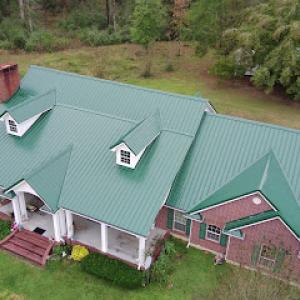
With over 600 five-star online reviews and A+ rated by the Better Business Bureau, Encore Roofs is a locally owned and family operated roofing company specializing in residential metal roofing. Metal roofing is better than shingle because; - it costs the same or less ( in some cases) than shingle roofing - lowers insurance costs in many cases - lasts 50 - 75 years - 40% cooler and more energy efficient - has 2 to 3 times better wind resistance - increases the homes’ resale value - hail resistant - is less likely to leak, especially with leaf build-up - it is NOT noisier, heavier, more expensive, nor does it effect cell phone usage or Internet. We look forward to working for you and making you another one of our happy customers :-)
M & M Roofing
(936) 305-3487 www.mandmroofingtexas.com
212 North St, Nacogdoches, Texas
5.0 from 51 reviews
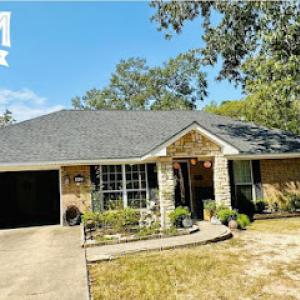
Ensure your roof is in tip-top shape with our roofing services. Whether you're facing urgent repairs after a storm or considering an upgrade, our team is ready to help. We're familiar with a wide range of materials and home designs, allowing us to quickly fix most problems. With a focus on quality, reliability, and customer satisfaction, we've built a reputation for excellence in the Nacogdoches area. This is reflected in our reviews on numerous platforms. Contact us to schedule an inspection and learn how our experts can enhance the safety and value of your home.
Rafter S Roofing & Construction
(936) 645-8016 raftersroofingandconstructiontx.com
2723 Co Rd 260, Nacogdoches, Texas
5.0 from 10 reviews
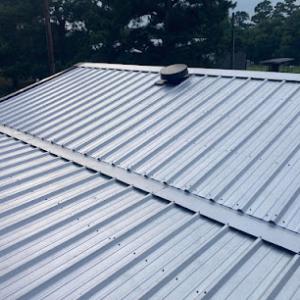
Providing top-quality residential and commercial roofing services in Nacogdoches and surrounding areas with an experienced team dedicated to excellence, integrity, and customer satisfaction. Contact for a free inspection.
Discount Roofers
(936) 554-9100 discountrooferstx.com
2410 SE Stallings Dr, Nacogdoches, Texas
4.2 from 17 reviews
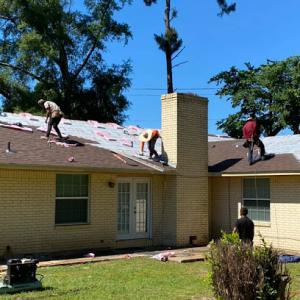
Founded in 1999, Discount Roofers has been at the forefront of the roofing industry, catering to both residential and commercial clients in Nacogdoches, TX, and the surrounding areas. With 24 years of unmatched expertise, we pride ourselves on our keen attention to detail and the premium materials we use. But it’s not just about the materials – it’s about the commitment, the craftsmanship, and the genuine care we pour into every project.

Soto's Roofing & Remodeling
(936) 615-6386 sotosroofing.com
Nacogdoches, Texas
4.3 from 6 reviews
Soto's Roofing and Remodeling is your local roofing and remodeling contractor serving Nacogdoches, TX and surrounding communities. It is our mission to improve the homes and buildings within our community by providing quality remodeling and roofing services. Our fully licensed home remodeling contractor guarantees all of our services. Your new remodel will flow seamlessly into your home design. Get started on your home remodeling or roofing project today; call 936-615-6386.
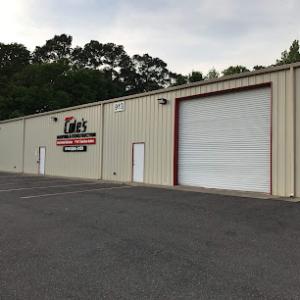
Cole's Roofing & Construction
(936) 564-0151 www.colesroofingandconstruction.com
913 Park St, Nacogdoches, Texas
3.8 from 12 reviews
We offer residential and commercial full service roofing and construction, seamless gutters, and sheet metal fabrication. Serving East Texas for 3 generations, we stand behind our work. Free roof inspections, and free estimates. If you want it done right the first time, give Cole’s Roofing andConstruction a call.
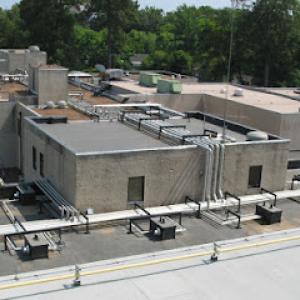
Carney Roofing Company
(936) 569-8241 carneyroofing.com
2305 Center Hwy, Nacogdoches, Texas
3.4 from 5 reviews
Carney Roofing Company has been providing the East Texas area with outstanding roofing services since 1962! We’re an accredited business with the Better Business Bureau of Brazos Valley and Deep East Texas, and a member of the National Roofing Contractors Association. Our company specializes in professional commercial roofing services that are always completed in a timely manner. Whatever type of roofing services you are looking for, Carney Roofing Company is your one-stop solution.
Deep East Texas Roofing & Construction
Serving
4.9 from 120 reviews
Deep East Texas Roofing & Construction has been servicing the greater Lufkin area for over nine years now. They offer a wide range of services from shingle and metal roof replacements to emergency roof repairs and tarping. They also offer other contraction services. DETR is owned by Justin Schlichter, who holds his Professional Home Inspector License from the State of Texas (TREC#21950). Justin has a history in construction, including former employment as Project Manager by a custom home builder in the Houston area. In 2015, Justin moved to East Texas and established Deep East Texas Roofing & Construction, LLC.
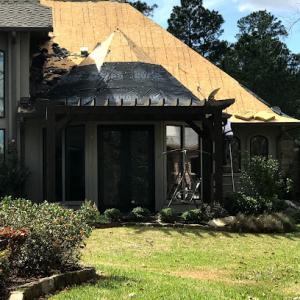
America's Best Contractor (BobbyBasham)
(936) 899-5000 americasbestcrew.com
Serving
4.9 from 32 reviews
More Than Just a Local Roofing Contractor HIRE AN EXPERT IN LUFKIN, TX WITH OVER 40 YEARS OF EXPERIENCE It's no secret that construction projects can be stressful. That's why it's important to hire professionals you can trust to do the job right. For over 20 years, America's Best Contractor Crew has been a leading provider of hassle-free new construction, remodeling and roofing services in Lufkin, TX.
Strata Roofing & Construction
(936) 219-4369 www.strataroofingandconstruction.com
Serving
5.0 from 19 reviews
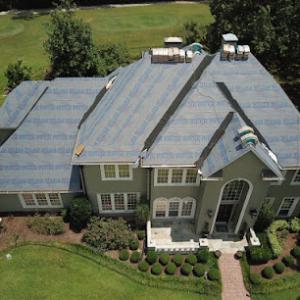
At Strata Roofing and Construction, we are proud to serve our community as a superior Texas based roofing company. Our portfolio of successful projects and happy homeowners shows our dedication to quality construction and customer satisfaction. Our highest priority is to make sure that you are happy with your residential or commercial roof. Strata Roofing and Construction’s expert roofers understand that your roof serves two purposes, to be both functional and beautiful. Choosing the right Houston roofing company will make all the difference. Give us a call for an estimate and consultation today!
Johnny Walker Roofing & Construction
Serving
5.0 from 11 reviews
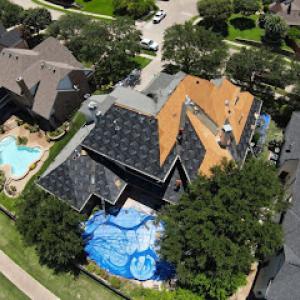
Johnny Walker Roofing & Construction specializes in storm, hail damage, and new roof installation. We work with insurance companies to get the best outcome for our customers. We serve the Greater Lufkin area and surrounding counties. With over 14 years of experience, we are considered the go-to source for reliable, affordable roofing services in the area. We understand the importance of restoring your home back to its original condition after a storm, and we are dedicated to making sure your roof is done right. No job is complete unless our customer is 100% satisfied. Contact us today to schedule a free estimate!
Metal Mart #17
Serving
4.1 from 53 reviews
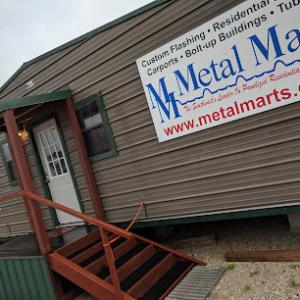
In 1985, Metal Mart began as a retail outlet for our parent company McElroy Metal, a third generation family owned business. The first Metal Mart location was located in Austin, TX in a dirt floor pole barn. We have since grown to our current 44 locations in 5 states. Our growth is a testament to our dedicated customers and to the quality products and services that we offer. Whether you are looking for the highest quality or the lowest price, Metal Mart can help with all your metal needs; no job is too big or too small! Visit or call your local store today for a free quote or to learn more about how we have the right materials for the right price!
Nacogdoches is heavily treed and known for mature pine cover, which can keep roofs shaded longer and slow drying after rain. That persistent shade means moss and algae can gain a foothold where moisture lingers on shingles, decking, and underlayment. In such spots, check for dark staining or a greenish tint after a soaking rain, especially on north- or east-facing slopes and toward the valley bottoms where airflow is more stagnant. The result is a roof that stays damp longer than in sunnier parts of the state, accelerating aging and inviting hidden rot if early signs are ignored.
Because humidity stays high, surveillance after storms is essential. Look for damp spots along the ridge line, near penetrations, and at the transitions where the roof meets walls. Peeling granules, curling edges, or lifted shingles can indicate moisture intrusion that may worsen under continuous humidity. A practical step is to inspect after a heavy rain or hail event, focusing on valleys, drip edges, and around flashings. If moisture is detected behind the shingles or on soffits, address it promptly to minimize decking deterioration and potential mold growth in attic spaces.
Leaf litter, pine needles, and branch debris are a bigger maintenance issue here than in more open West Texas cities, especially in valleys and roof-to-wall transitions. Debris can trap moisture against the roof deck, promoting algae formation and wood rot. Create a routine: clear debris at least twice a year, with an extra pass after storms when the canopy drops more litter. Use a soft-bristle brush or a roofing-only blower to avoid damaging shingles, especially on darker, shaded surfaces where fibers can become brittle in older roofs.
Shade and humidity together favor materials that resist moisture and algae better than others. In sheltered spots, coatings that inhibit algae growth and smooth, closed-cut profiles help reduce moisture retention on the surface. During replacement or upgrades, consider vented soffits and ridge vents to improve circulation under the roof deck, which helps keep the attic cooler and reduces humidity buildup that can accelerate decking deterioration over time. In pine-dense areas, ensure roof lines have adequate drainage and avoid low-slope pockets where water can pond, even briefly.
A practical maintenance cadence for this climate is to plan a focused inspection after each significant rainfall or hailstorm, with emphasis on backside slopes and shaded areas. Document any algae staining, suspected decking softness, or compromised flashings, and address issues before they cascade into widespread damage. The goal is to preserve the deck's integrity long before moisture intrusion sneaks into framing or insulation, preserving roof lifespan in a humid, pine-rich landscape.
Asphalt shingles remain common because they fit the city's typical residential stock and lower upfront budgets. In the humid East Texas climate, summer heat can accelerate wear, and repeated storm exposure can shorten service life compared to drier regions. When you evaluate asphalt options, look for longer warranties and asphalt shingles with improved asphalt resins or ceramic granules designed for heat reflection. A tight, well-sealed underlayment and proper attic ventilation help mitigate moisture buildup during the hot, humid months. In neighborhoods with tall pines and frequent afternoon storms, a shingle color with lighter reflectance can meaningfully reduce heat gain on the roof surface, easing the load on attic cooling and reducing condensation risks inside the attic space.
Metal roofing performs well in this area for shedding heavy rain and resisting humidity-related wear, which makes it a strong choice for storm-prone, moisture-heavy seasons. The material responds quickly to heat and can last longer under repeated downpours if properly installed. The key here is edge detailing: fasteners should be correctly placed and sealed, and flashing around chimneys, skylights, and transitions must be meticulous. In a city where hail can occur and storms test edge details, a high-quality sealant and continuous fastening pattern reduce the chance of leaks after a hail event or strong gusts. Metal can also be a cooler option if installed with a reflective coating and a batt or insulation strategy that minimizes heat transfer into the attic.
Clay and concrete tile appear on some higher-end homes, but their weight and breakage risk during hail events or foot traffic make structure and repair logistics more important here. Proper structural assessment is essential before choosing tile, as the framing must accommodate a heavier roof. Tile roofs provide excellent durability and a distinctive look, but in areas with frequent hail, the risk of cracked or displaced tiles increases, which can complicate quick storm repairs and moisture management. If clay or concrete is selected, ensure adequate attic ventilation and reinforced eave edges to help resist wind uplift and to manage heat-driven expansion and contraction. Regular inspections after major storms help catch hairline cracks before moisture penetrates the decking.
Across these options, moisture intrusion is a central concern in this climate. Regular inspections after heavy rains or hail, especially along roof edges and around penetrations, help catch problems early. Documentation of storm damage, including photos and notes on any hail impact or wind-driven debris, is essential for insurance discussions and timely repairs. When choosing among these roof types, consider how each one handles heat, humidity, and repeated storms while aligning with the home's existing structure and aesthetic. A well-installed roof that accounts for edge details, ventilation, and proper flashing will perform better under the frequent East Texas deluges. In turn, that enhances resilience, supports moisture control indoors, and provides a clearer record for insurance needs should a severe storm occur.
In East Texas humidity and the frequent spring storms, timing a roof replacement is as critical as the materials chosen. Scheduling tear-off and installation during calm windows helps prevent wind from lifting exposed decking and reduces the risk of hail damage interrupting the work. In this area, a rushed job during a sudden storm can leave vulnerable decking exposed to soaking rain, which invites moisture intrusion and complicates dry-in.
Spring in this part of Texas can bring hail and severe weather that disrupts tear-off crews and delays dry-in. If a replacement is feasible, target a stretch of dry, mild weather with forecasts that show several consecutive days without rain. When a storm system looks likely, the crew can stall the project to protect the interior while keeping the roof deck dry. This consideration is especially important for homes with older underlayment or compromised sheathing.
Hot East Texas summers can make asphalt installation conditions harsher for crews and can scuff or mark shingles more easily during installation. To minimize handling damage and long-term warranty risk, plan for installation during cooler parts of the day or in a cooler week within the season. Adequate shade and water for crews help maintain quality, but you should recognize that prolonged heat can push completion timelines and affect material handling. If possible, schedule the bulk of work for early mornings.
Fall and spring rains can delay dry-in windows, so homeowners benefit from planning replacements outside prolonged wet periods when possible. The goal is a continuous dry-in period long enough to seal and vent properly, without repeated interruptions. Consider windows that avoid late-season remnants of spring storms and early autumn fronts, which tend to bring damp air and slower curing times for underlayment and sealants.
Before the crew arrives, clear overhanging branches and ensure access for staging. Confirm a sheltered path for material deliveries and a plan for tarp placement if a sudden shower appears. In this climate, you get the best result when the project aligns with predictable weather gaps, protects decking, and minimizes exposure to moisture between tear-off and final shingle laydown. This approach helps maintain the roof's long-term performance under humid, storm-prone conditions.
Typical local pricing ranges are Asphalt Shingles 350-650 USD per square, Metal Roofing 750-1500, Clay Tile 1100-2100, Concrete Tile 900-1700, Wood Shingles/Shakes 700-1200, and Synthetic/Composite Shingles 700-1300. In East Texas, those numbers are a good starting point, but you'll notice prices move with roof complexity and local demand after big storm events. Concrete and clay tiles, for example, come with higher material and handling costs when your attic has unusually steep pitches or a large, multi-angled roof.
Storm-driven demand spikes in East Texas can push labor scheduling and pricing upward after hail events, especially when many homeowners file claims at once. In Nacogdoches, you'll often see a burst of activity after hail or heavy rains, which can tighten crews and raise day rates for a week or two. If you're planning a replacement in a broad storm window, expect some variability in mid-project crew availability and potential delays on scheduling.
Costs in Nacogdoches can also move based on roof complexity, steep pitches common on traditional detached homes, tear-off of moisture-damaged decking, and permit/inspection requirements through the city. Steep, multi-level roofs increase both material waste and labor time, driving the total square price up. Moisture-damaged decking requires more disposal and replacement materials, so the initial quote should accommodate decking costs separately. When hail leaves behind soft spots or new leaks, the project scope grows, and with it, the price tag.
If you're weighing material options, start with the base ranges above and adjust for pitch, tear-off needs, and whether decking must be replaced. In a humid East Texas season, you'll also want to plan for moisture management costs-underlayment and proper ventilation-since these factors directly impact long-term performance and insurance documentation readiness after a claim.
Roof replacement in the City of Nacogdoches typically requires a building permit rather than being treated as a no-paperwork maintenance item. This matters because missing a permit can delay repairs, complicate insurance claims after a storm, and create potential code issues if questions arise later. Before starting, you should confirm that your chosen contractor will submit the project details, including scope, materials, and timelines, to the city. This process helps ensure the work aligns with East Texas climate realities-humidity, pine shading, and heavy rain patterns that affect ventilation and moisture management. Expect the city to verify licensing status and to document the contractor's current credentials as part of the record.
The local process generally involves submitting project details, paying a permit fee, and providing contractor information, with the city potentially verifying licensing status. Do not assume forms are optional or that a quick call will substitute for formal paperwork. Keep copies of all submittals, including any endorsements from the contractor about underlayment choices, flashing details, and venting plans. In this climate, where moisture and storm exposure are ongoing considerations, the permit package should clearly reflect how drainage, attic ventilation, and flashing transitions will be addressed to withstand frequent downpours and humidity.
City inspections commonly focus on underlayment, flashing, venting, and final completion, so homeowners should confirm inspection timing before the roof is fully closed in. Arrange for at least one interim inspection when the roof deck is in place but before covering with material, and another once finishing work is complete. Delays can occur if inspections are skipped or if interpretations of code standards differ, which is especially consequential after a severe storm season when rapid repairs are common. Plan ahead to coordinate with your contractor and the inspector to avoid backtracking and moisture-related setbacks.
In East Texas, leaks often start at flashing transitions, penetrations, and valleys where wet debris from surrounding trees can hold moisture. That debris acts like a sponge, keeping moisture against deck and underlayment long after a storm passes. In a neighborhood with pine canopies, gutters and downspouts can get clogged with needles, magnifying the risk. If you notice damp spots near chimneys, vent pipes, or where two roof planes meet, inspect for loose or lifted metal, worn sealant, or missing fasteners. Addressing these trouble spots promptly reduces the chance of hidden rot and mold that can creep into attic spaces.
Asphalt roofs in this region commonly show granule loss, lifted tabs, and bruising after hail and repeated summer heat exposure. Granule loss dulls the shingle surface and accelerates aging, while lifted tabs invite wind-driven water under the surface. Bruising can create micro-cracks that let moisture seep deeper over time. In practice, a storm season may leave a roof that looks intact from ground level but harbors damage that undermines granule retention and adhesion. If you see bald patches, curling edges, or bright exposed felt, treat it as a warning sign rather than cosmetic wear.
Poor attic ventilation is especially costly here because trapped heat and humidity can accelerate shingle aging and contribute to condensation-related deck problems. A hot, humid attic accelerates plywood and underlayment deterioration and can worsen ice-dam-like effects during rare cold snaps. Ensure soffit intake and ridge or exhaust vents are functioning, unobstructed, and appropriately sized for the attic. In summer, this helps keep deck temperatures lower, dampens peak humidity, and reduces the likelihood of accelerated aging and moisture-related failures.