
Last updated: Apr 19, 2026
Spring in this area brings powerful hailstorms and severe thunderstorms that can abruptly halt active reroof projects. Athens homeowners should expect unpredictable bursts that can trap crews on the roof or force work to pause for safety. Because insurance activity surges when hail hits, claim processing and scheduling can shift quickly. Plan on a replacement window that accounts for potential storm override days and allows a few backup days for weather resets. Have a clear line of communication with the roofing crew to receive weather alerts, wind advisories, and hail watches that could push work back by a day or two. If a storm is forecast, you need a rapid decision path to protect interior spaces and shingles from additional weather exposure, rather than letting a leak worsen over a weekend. The idea is to lock in a core sequence of days for each phase-inspection, tear-off, underlayment, and shingle laydown-and keep a flexible buffer to absorb delays caused by spring storms.
Hot summers in Athens increase the heat load on both crews and materials, which shifts the pace of work and can make long days on a pitched roof uncomfortable or unsafe. Heat can also affect adhesive-backed products and sealants, so timing becomes critical: you want the most protective materials installed during the cooler parts of the day and cooler days overall. Delaying a storm-damaged replacement into peak heat is not ideal, because heat amplifies wear on exposed underlayment and accelerates shingle set-up times, sometimes reducing your window for a clean, quality install. Coordinate with the crew to begin early and finish before the afternoon heat peak, and build in contingency days for heat-driven slowdowns or short storm holds. Ensure there is a reliable shaded staging area and a plan for daily wrap-ups that protect open roof lines from sun exposure and sudden downpours.
Fall wind events and winter rain with occasional freezes compress the best scheduling window after the spring storm season. Once spring storms subside, a stretch of stable weather becomes critical for a proper reroof, but Texas winters can deliver冷 fronts and brisk gusts that complicate deck work and shingle seating. If a replacement drifts into late fall, the risk of wind-driven debris and moisture intrusion increases. The window narrows further when cold snaps arrive, since roofers must avoid work during freezing conditions or after a rain event that leaves the deck slick. Homeowners should aim to complete the major steps before late fall, then use the remaining days for final checks, detailing, and protective sealing before winter settles in. Keep an eye on late-season storms and be prepared to advance or pause the schedule to maintain material integrity and crew safety.
Establish a forward-looking timeline anchored to anticipated spring storm activity, with a build-out plan that includes approximate milestones: the initial roof assessment, board-up or tarp placement if leaks are present, tear-off, underlayment installation, and roofing installation. Document storm damage promptly-photos per day, notes on hail impact patterns, and any interior water intrusion-as insurance communication will often hinge on timely, precise records. Maintain a single point of contact for weather alerts and project updates so every delay or weather window change is conveyed quickly to you and the crew. If a heavy hail event occurs, set expectations for how the claim activity could surge and how that may affect your replacement timeline, ensuring the crew can adapt without compromising safety or workmanship.
Keep a flexible backup date strategy that aligns with forecasted storm likelihood, heat indices, and typical Athens wind patterns. When a window is compromised by weather, have a plan to stage materials safely, guard interior spaces, and reschedule with minimal disruption. If a claim is involved, prepare essential documents in advance, and track communication with the insurer to avoid gaps that push the project past your optimal replacement period. The goal is to secure a solid, efficient replacement window that withstands spring hail volatility, thrives under summer heat, and gracefully transitions through fall and winter constraints.
Absolute Roof Restoration
(903) 477-6138 www.absoluteroofrestoration.com
11863 Co Rd 3900, Athens, Texas
5.0 from 119 reviews
We’re a roof restoration company that serves homeowners in and near Athens, TX. Our team of highly trained professionals can help you with any kind of roofing problem, from minor issues to full tear-offs and replacements. We’re committed to providing our customers with the highest quality workmanship, materials, and customer service available anywhere. Once we’ve worked out all the details, we’ll get started right away so that you can enjoy your newly restored home with as little hassle as possible!
Silver Line Roofing & Construction
(903) 636-8638 www.silverlinerc.net
904 W Corsicana St, Athens, Texas
5.0 from 24 reviews
Your roof is your property's first line of defense against the unpredictable Texas weather. At Silver Line Roofing-Construction, we provide dependable, high-quality roofing solutions to keep your home and business safe, secure, and looking its best.
J&S Roofing & Remodeling
8152 Co Rd 3918, Athens, Texas
5.0 from 5 reviews
Roofing repair ECT.. remolding ECT..

Aguilera Roofing
(903) 386-5919 aguileraroofingllc.com
125 Tillison St, Athens, Texas
4.3 from 6 reviews
We do all roofing,metal ,and all remodeling, painting etc
Athens Best Roofing & Construction
(903) 203-9822 athensbestroofing.com
Serving
5.0 from 4 reviews
Roof work is best left to the professionals, which is why you should hire us to complete it properly. If you're looking for a reliable roof company in Athens, TX, you've come to the right place. Athens Best Roofing & Construction is a primary provider of roof installation, repair and replacement services for local property owners.
Brilliant Home Works
(214) 808-6126 brillianthomeworks.com
Serving
5.0 from 4 reviews
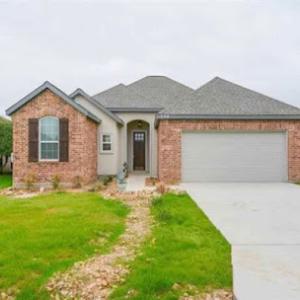
Do you need to fix up your leaky roof? Maybe you need to replace it entirely or install one on a new building. No matter your roofing needs, Brilliant Home Works is here for you if you're on residential property. You can rely on our roofing services because: We're experienced. After more than 10 years in the roofing industry, we're ready for anything. We provide a 100% satisfaction guarantee. Our job's not done until you're happy with your roof. We offer warranties. Our results will last for many years to come. You can depend on us when you need home improvement services like bathroom or kitchen remodeling services. We can even repair or replace your siding, windows and doors.
Roberts Roofing & Construction
(214) 980-4570 www.robertsroofingtx.net
Serving
4.9 from 30 reviews
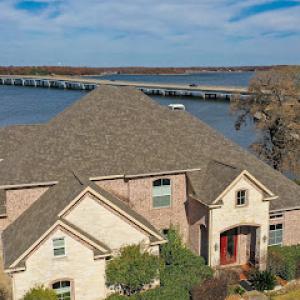
With over 20 years of experience in residential roofing and construction, not only are we experts in the roofing trade but we pride ourselves on our excellent customer service. We strive to make our customers feel safe and at peace with honest, friendly communication and efficient, quality roofing work.
Athens Gutter Company
(903) 477-1312 www.athensguttercompany.com
Serving
4.6 from 18 reviews
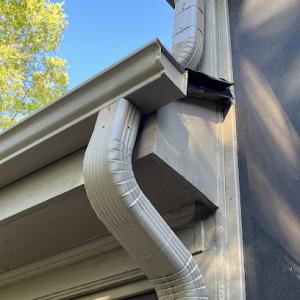
Athens Gutter Company prides ourselves on being a local, friendly, and dependable company that you can rely on for all your gutter needs. 5" and 6" seamless gutters, leaf guards, and over 27 colors to choose from. Serving all of East Texas including Athens, Canton, Mabank, Malakoff, Larue, Frankston, Gun Barrel City, Palestine, Corsicana, Tyler, Brownsboro, Chandler, Ben Wheeler, and Eustace.
Advantage Roofing & Solar
(903) 939-3168 www.advantageroofingcompany.com
Serving
4.9 from 414 reviews
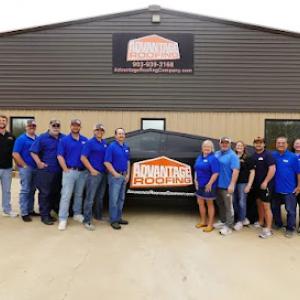
TRUST EXPERIENCED ROOFING CONTRACTORS TO COMPLETE YOUR PROJECT When you need top-notch roofing services, turn to Advantage Roofing Company in Tyler, Longview, and all of East Texas, as well as, North Texas and the DFW Metroplex. Our contractors know you’re busy running a household or business. That’s why we’re committed to installing your roof quickly and efficiently.
Elite Roofing
(903) 515-0992 eliteroofingetx.com
Serving
5.0 from 7 reviews
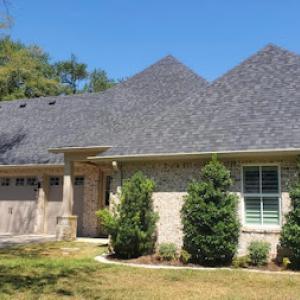
Your roof is a critical component of your building. Make sure it’s in tiptop shape with Elite Roofing. We’re proud to provide everything from roof replacements to storm damage repairs to property owners in Tyler, TX and the surrounding area. Our owner-operated local roofing company works with a fully insured team. You can have peace of mind knowing that your property’s in good hands.
Persistence Roofing
Serving
5.0 from 1 review
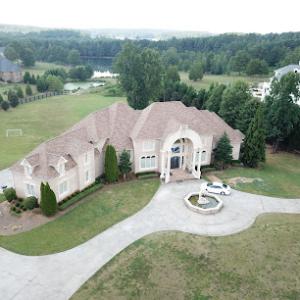
We know the ins and outs of working with your insurance company and mortgage company. We give all of our roofs a lifetime warranty to ensure your comfort. Our customer service is impeccable and we will make sure this is a stress free and hands free process to the homeowner. Thank you for your interest in our company. Have a blessed day.
S&A Roofing
Serving
5.0 from 1 review
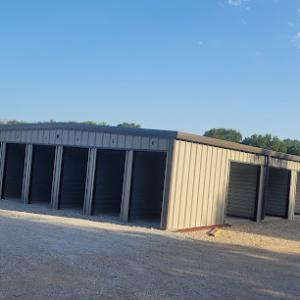
We specialize in steel buildings / barndominium/ metal roofs / shingle roofs and much more
In a city shaped by East Texas heat and spring storm cycles, the insurance landscape after hail and high winds can feel like a moving target. Texas is a high-claim hail and wind market, and Athens homeowners may see higher deductibles or stricter carrier terms after active hail seasons. The moment a storm passes, understanding how your carrier handles a claim can influence every step from inspection to replacement. Expect that adjusters will review multiple properties in the area, which can translate into longer wait times and a slower overall process than you might anticipate.
You should gather and preserve precise, verifiable records early. Dated photos of roof conditions before and after each storm help establish a timeline that insurers expect to see, especially when multiple losses are involved regionally. Contractor findings from initial inspections-notes about shingle granule loss, lifted edges, or internal water intrusion-become part of the claim narrative, not just a quick assessment. Keep affidavits from any third parties who witnessed damage, such as neighbors or nearby property owners, and make sure dates and observations align across documents. In Athens, where repeated regional storm losses can trigger closer adjuster review, consistent documentation is not a courtesy-it's a practical safeguard against gaps that could slow a settlement.
Spring thunderstorm activity in this area tends to cluster, which means claim volume can spike quickly after a round of hail or a derecho. That surge affects inspection scheduling and the tempo of work from damage review to replacement. If you wait too long to file, or if several neighbors file in the same week, you may experience a back-and-forth with the insurer about scope, timelines, and prioritized replacements. Planning with your roofing contractor to stage repairs or replacements around anticipated inspection windows can help you avoid being caught in a backlog when the next storm chain hits.
Coordinate your contractor's findings with the documentation you've gathered so the claim file presents a unified, credible narrative. When an adjuster visits, having a pre-assembled packet-photos, dates, copies of contractor assessments, and signed affidavits-can expedite the review. If a discrepancy arises about what constitutes hail damage versus wear, rely on the contractor's assessment paired with the historical storm activity calendar for the season. In Athens, the reality is that the best results come from preparedness and clear, corroborated records rather than waiting for later explanations to fill gaps in the claim file.
Connect with contractors who help homeowners navigate the claims process from damage assessment to final approval.
Silver Line Roofing & Construction
(903) 636-8638 www.silverlinerc.net
904 W Corsicana St, Athens, Texas
5.0 from 24 reviews
Advantage Roofing & Solar
(903) 939-3168 www.advantageroofingcompany.com
Serving
4.9 from 414 reviews
Asphalt shingles are the workhorse of Athens homes, easy to repair and widely available. In this market, they're familiar to the crews, and you'll see plenty of neighborhoods with the familiar layered look. The local climate-hot East Texas summers and repeated spring hail-puts a spotlight on impact resistance and granule retention. When selecting asphalt, look for higher impact resistance ratings and longer granule life, and begin conversations with the roofer about shingle warranties that cover hail-related granule loss. Consider the roof's exposure and alignment; east-facing slopes tend to take a steadier sun (and sometimes more hail-driven impact) than shadier exposures. Maintenance matters: after a hail event, inspect for loose granules and check gutters for accelerated granule shedding, which can signal early wear. If a hail season is heavy, expect more frequent micro-damage on asphalt, and plan for a cautious inspection cadence after major storms so small issues don't turn into leaks. In homes with shallow roof pitches, asphalt may be the simplest, fastest route back to weather protection, provided the chosen product emphasizes impact resistance and adequate granule adhesion.
Metal roofing is a relevant upgrade path in Athens because local contractor signals show active metal specialization, and homeowners are comparing durability against recurring thunderstorm damage. Metal panels or standing-seam systems offer excellent wind resistance, hail resistance, and a longer service life in hot, sun-soaked conditions. The trade-off to weigh is weight and installation complexity; some mid-sized remodels benefit from metal's lighter long-term maintenance profile, but a roof deck assessment is essential to ensure existing structure handles the load without reinforcement. When evaluating metal, prioritize coatings that resist corrosion in humid East Texas air and reflectivity that mitigates heat buildup under attic spaces. A properly installed metal roof also improves attic ventilation dynamics if the underlayment and flashing are matched to the panel profile. If choosing metal, ask for a profile that minimizes panels exposed to direct hail impact and verify the color and finish hold up under repeated sun exposure, as fading can be more noticeable in this climate. Local crews often emphasize precise sealant selection at seams and penetrations to prevent water intrusion during intense spring storms, so insist on a detailed flashing plan and a continuous edge treatment for wind-driven rain events.
Clay tile, concrete tile, synthetic/composite shingles, and slate are available in this market, but their weight, breakage risk under hail, and installation complexity matter more in a storm-prone East Texas setting. Clay and concrete tiles deliver distinct aesthetics and excellent life spans, yet hail can crack or shatter tiles, leading to localized leaks if not captured by a robust underlayment and accurate tile orientation. Synthetic or composite shingles offer some hail resistance advantages over traditional asphalt, but they still rely on a compatible underlayment system and careful installation to prevent wind uplift and water intrusion in high-wind storms. Slate presents a premium option with impressive longevity, but its substantial weight demands structural study and may necessitate reinforcement; breakage risk during hail events remains a necessary consideration, especially on roofs with limited overhangs. In any non-asphalt choice, insist on a thorough assessment of roof deck condition, the suitability of underlayment for East Texas rains, and a methodical plan for skylights, chimneys, and vents where water intrusion is most likely during heavy spring storms. For all alternative materials, engage a local contractor who routinely handles storm-related damage, as their experience with hail patterns and seasonal weather swings translates into better long-term performance and fewer surprise leaks.
In this area, you'll see cost ranges that reflect the local market: asphalt shingles from 400 to 700 USD per square, metal from 700 to 1100, clay tile 900 to 1500, concrete tile 800 to 1400, synthetic/composite 450 to 800, and slate from 1200 to 2000 per square. After a busy spring, those numbers can shift higher as contractors juggle inspections, tear-offs, and full reroofs in the wake of storm damage. Knowing these ranges helps you set a realistic budget and compare bids without overpaying.
Spring hail in this area often drives a spike in demand for inspections and roof work. You may see more extended wait times for assessment, and crews may tier bids based on urgency. If a contractor recommends a full reroof after a hail event, expect prices to reflect the higher demand for materials and labor. In practice, plan for a cycle where you get one thorough inspection, a documented damage report, and a clear timeline that aligns with favorable weather windows to avoid repeat weather delays.
Material choice matters more here because storm durability and upfront cost balance differently than in milder climates. Asphalt shingles offer the lowest upfront cost, but metal and concrete or clay tiles provide stronger hail resistance and longer lifespans, which can save money over time in a storm-prone area. Synthetic or composite options sit in the middle for cost and performance. If insurance is involved, consider how each material type affects resale value, curb appeal, and potential future insurance assessments.
If your claim is approved after a hail event, budgeting should factor in the timing of payments and any potential gaps between inspection, bid, and installation start. Because material costs can drift after storms, you'll want to lock in a price window with your chosen roofer and confirm what is included in the bid-tear-off, disposal, underlayment, flashing, and ice/water shield. For Athens homeowners, the ideal plan pairs rapid damage documentation with a material choice that balances immediate protection against long-term resilience, all within the scope of your insurance settlement.
A full reroof in this area typically requires a permit through the City of Athens Building Department. That means before any shingle removal starts, the project plan needs to be filed, reviewed, and approved. The permit process helps ensure that materials, ventilation, and fastening methods meet local code standards and the unique demands of East Texas weather, including spring hail and hot summer days. Expect that the permit becomes part of the job's formal record, and that the permit number should be kept readily visible on the job site. If a contractor tries to proceed without it, stop and verify with the Building Department. The city's aim is to minimize post-storm failures and to help homeowners document repairs for insurance or future resale.
In practice, inspections are scheduled at key milestones rather than as a single walkthrough. Typical checkpoints include after roof deck installation or underlayment work, giving the inspector a first sightline into attic ventilation, hail-rated underlayment, and nailing patterns. A second inspection usually follows final completion, when the visible work-shingles, flashing, and venting-has been installed. These inspections are designed to catch issues early, such as improper deck preparation, inadequate underlayment overlap, or flashing that doesn't seal well against chimney or vent stacks. If corrections are needed, the city will outline what must be addressed before final approval, so accuracy at each stage saves time later.
Homes and crews in this area commonly post the permit on site where it is visible to the inspector and neighbors alike. This visibility is part of the city's process to verify that the project stays within scope and adheres to the approved plan. If corrections are missed during an inspection, a reinspection will be scheduled, and the clock can restart on the agenda depending on the department's workload. The best approach is to address any noted issues promptly and clearly document that changes were made. Working with a contractor who understands Athens' expectations can help minimize the number of trips inspectors must make.
Processing or inspection timing varies with department workload and seasonal demand. In peak storm seasons and after hail events, inspections can experience backlogs. Build checks into the schedule so that a delay in an inspection doesn't push your project into a weather-related setback-especially given the spring hail cycles and the heat that follows, which can influence asphalt and synthetic shingle performance if exposure is prolonged. Maintain open lines of communication with both the contractor and the Building Department, and reserve a buffer for potential reinspection if corrective work is required.
Athens summers bring heat and humidity that accelerate expansion, drying, and aging stresses on roofing materials. Shingles and underlayment flex and relax with the daily cycle of scorching afternoons followed by cooler evenings, but the repeated strain wears faster than a milder climate. In this environment, small granule loss, microcracks, or loose flashing can quietly develop into leak paths if not caught early. Regular attic checks after peak heat periods help, since radiant heat can reveal mismatches between century-old roof lines and modern coverings.
In this East Texas climate, storm-driven damage can combine with heat-related wear, making small defects more likely to turn into active leaks between thunderstorm cycles. Hail strikes during spring play off stressed surfaces, and heat drives faster aging of sealants, gutters, and vent boots. When a storm arrives, look for damp spots that appear suddenly on ceilings after a thunderhead passes. If a patchwork of repairs exists from a prior event, that patchwork is now a fragile spine that may fail again under a fresh blow.
Winter rain and occasional freezing temperatures in Athens can expose weaknesses left behind by incomplete storm repairs or delayed replacements. Freeze-thaw cycles push water into compromised seams, freezes widen cracks, and the resulting spalling or delamination can intensify under the weight of snow or high wind. If a roof shows inconsistent staining after winter rains or sounds hollow when tapped, a closer inspection by a qualified contractor is prudent before the next storm season.
After a storm, quick response matters for leak mitigation and scheduling speed. Local indicators show homeowners value a fast triage, tarp deployment, and a clear plan to limit interior damage. When you hire, ask for a defined response window, a single point of contact, and an on-site assessment within 24 to 48 hours of a storm event. In this market, a contractor who can mobilize crews and equipment promptly often saves you time and reduces days of disruption.
Cleanup is a meaningful hiring factor in this city. Roofing crews should remove debris, protect foundation beds and landscaping, and haul waste promptly. Request a cleanup checklist and insist on daily progress notes during teardown and disposal. A tidy work area helps neighbors, keeps dust contained, and minimizes late-day hazards in driveways and street gutters. If you have detached sheds, porches, or a fence line near the work zone, confirm temporary protection measures that prevent rafter or siding damage during debris removal.
Warranty offerings appear in the local market but are not universal, so Athens homeowners should compare workmanship coverage and manufacturer-backed material warranties carefully. Clarify whether coverage remains if the contractor experiences insolvency or changes ownership, and identify who handles warranty claims. Read the fine print for exclusions related to hail and wind events, as those conditions are a common part of spring and early summer cycles in this area. Seek a balanced package that includes both strong workmanship protection and solid material warranties from reputable manufacturers.
When negotiating a repair or replacement, insist on a written warranty schedule that specifies the duration of workmanship coverage and what constitutes a claim. Confirm transferability of the warranty if you sell and verify whether the manufacturer's coverage travels with the home or is tied to the original installer. A clear document set helps during insurance discussions and potential future ownership transitions, reducing disputes down the line.
Timing matters most during spring hail season. If a claim is filed, the contractor should provide documented assessment photos, a temporary leak-mitigation plan, and a realistic project timeline. A responsive crew keeps the mess controlled, documents work orders for the insurer, and coordinates with adjusters to keep the process moving toward a timely resolution.
Skylight repair appears as a niche but active specialty in Athens, and the leak points often become more obvious after hail and heavy thunderstorm rain. When a storm hits, look for framing moisture, peeling interior paint, or damp spots near ceiling fixtures. In this climate, fast-spreading moisture can compromise attic insulation and lead to mold if left unattended. You'll notice drips along skylight edges, swollen drywall around vents, or a persistent musty scent after a heavy downpour. Treat any sign as a warning: prompt attention keeps damage from expanding into structural rot.
During an intense burst, you need a clear, action-oriented plan. Cover a leaking skylight with a sturdy tarp secured to surrounding roof planes, and place a bucket beneath active drips to protect ceilings. If access allows, gently remove any loose glazing debris to prevent further puncture. Photograph the scene from inside and outside, noting date and storm characteristics. Time is critical in Athens when storms cluster; the goal is to minimize water intrusion until a long-term roof or skylight repair can be scheduled.
Decisions in Athens often hinge on the gap between storm impact and full insurance or reroof scheduling. A temporary seal or patch can buy time after initial assessment, but a lasting fix should address flashing, skylight housing, and shingle or tile integrity around the unit. Prioritize fixes that restore a weather-tight barrier to guard against repeat bursts during the next front.
Document every issue with clear photos and notes, including dates of storms and observed leaks. Keep a simple log of calls, responses, and promised timelines from contractors and insurers. When possible, align a skylight-focused repair with any nearby roof work to streamline permits, scheduling, and communications, reducing the chance of gaps that let the next storm find its mark.
Find contractors experienced in skylight installation, flashing, and leak repairs to bring natural light into your home.