
Last updated: Apr 19, 2026
In East Texas, spring hail and severe thunderstorms hit with little warning, and the roofing season never truly resets until the sky clears. This area's humidity can mask subtle roof problems, so damage can accumulate beneath the surface before a homeowner notices it. Post-storm inspections should happen promptly, because what starts as a few granules or a small dent can evolve into leaks or accelerated wear after a few days of soaking rain. Because this region leans into active weather, the risk profile for every storm is higher than in drier parts of Texas, and every hour counts when you're evaluating a potential repair or replacement.
Wind-driven debris is a recurring issue in the Piney Woods setting around Lufkin, with edge metal, ridge caps, and exposed roof slopes especially vulnerable. A narrow hallway of hail impact can punch through shingles or lift fasteners, while gusty winds around a thunderstorm can loosen underlayment and allow water to migrate toward the attic. The most exposed edges tend to fail first, and those failures often travel along the roofline as wind-driven debris is kicked up by the breeze. If you notice lifted shingles, displaced edge metal, or loose ridge caps after a storm, treat it as an urgent signal to inspect further rather than a cosmetic issue.
Because insurers in this region commonly scrutinize hail and wind claims, homeowners in Lufkin benefit from date-stamped photos, repair history, and documentation of prior storm events before filing. A clear, timestamped record of visual damage, including the masthead and eaves where debris collects, can shorten claim review and help establish a pattern if multiple events occurred over a season. Keep a simple log of when damage was first observed, the date of any professional inspection, and any temporary shoring or tarping done to mitigate leaks. This isn't about fear-mongering; it's about creating a reliable trail for third-party adjusters who may review the claim many months after the storm.
Spring weather in this area can swing from calm and sunny to punishing in hours. If a storm stained your roof with hail or produced a visible breach, initiate the claim process soon after the storm passes and the roof is calm enough for a safe inspection. Waiting too long invites questions about the extent of pre-existing wear or unrelated damage. A rapid claim submission paired with a scheduled inspection helps ensure the insurer sees the current state of the roof rather than concluding that problems grew after the fact. If shingles are missing or edges show obvious lifting, treat that as a red flag that warrants professional evaluation and timely documentation before any roof work begins.
Choose a contractor who understands how East Texas humidity amplifies roofing moisture risks and who has a track record with post-storm claims. A trusted roofer in this area will perform a thorough exterior and attic inspection to identify hidden leaks, ventilation issues, and flashing malfunctions that often accompany storm damage. They should also help you capture the condition of the attic ventilation, underlayment integrity, and any prior repairs so that the documentation supports your claim. In the aftermath of a hail event, scheduling a timely, comprehensive assessment is not just prudent-it's essential to prevent minor damage from escalating into costly restoration.
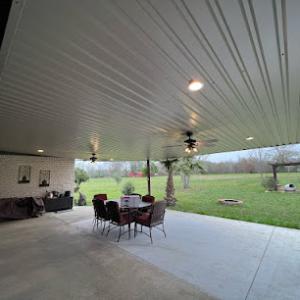
Deep East Texas Roofing & Construction
3213 S Medford Dr #316, Lufkin, Texas
4.9 from 120 reviews
Deep East Texas Roofing & Construction has been servicing the greater Lufkin area for over nine years now. They offer a wide range of services from shingle and metal roof replacements to emergency roof repairs and tarping. They also offer other contraction services. DETR is owned by Justin Schlichter, who holds his Professional Home Inspector License from the State of Texas (TREC#21950). Justin has a history in construction, including former employment as Project Manager by a custom home builder in the Houston area. In 2015, Justin moved to East Texas and established Deep East Texas Roofing & Construction, LLC.
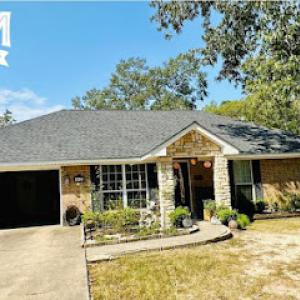
M & M Roofing
(936) 259-0501 www.mandmroofingtexas.com
2216 N Timberland Dr, Lufkin, Texas
4.9 from 138 reviews
Ensure your roof is in tip-top shape with our roofing services. Whether you're facing urgent repairs after a storm or considering an upgrade, our team is ready to help. We're familiar with a wide range of materials and home designs, allowing us to quickly fix most problems. With a focus on quality, reliability, and customer satisfaction, we've built a reputation for excellence in the Lufkin area. This is reflected in our reviews on numerous platforms. Contact us to schedule an inspection and learn how our experts can enhance the safety and value of your home.
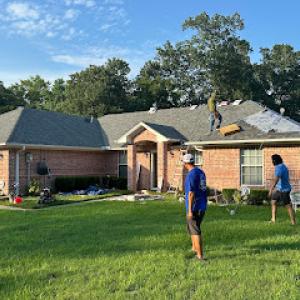
Patriot Roofing Tx
(936) 404-6168 patriotroofingtx.net
202 Innisbrook Dr, Lufkin, Texas
5.0 from 38 reviews
Patriot Roofing TX is a veteran-owned roofing contractor based in Lufkin, TX, serving East Texas with top-rated roof repair, replacement, storm damage restoration, and insurance claims assistance. We specialize in asphalt, metal, and flat roofing systems and pride ourselves on high-quality craftsmanship, integrity, and unbeatable customer service. Whether you’re dealing with storm damage, a leak, or planning a full roof upgrade, our expert team is ready to help. Proudly serving Lufkin, Nacogdoches, Diboll, and beyond.
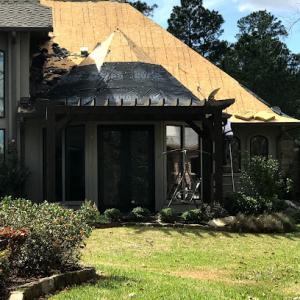
America's Best Contractor (BobbyBasham)
(936) 899-5000 americasbestcrew.com
311 Herndon St, Lufkin, Texas
4.9 from 32 reviews
More Than Just a Local Roofing Contractor HIRE AN EXPERT IN LUFKIN, TX WITH OVER 40 YEARS OF EXPERIENCE It's no secret that construction projects can be stressful. That's why it's important to hire professionals you can trust to do the job right. For over 20 years, America's Best Contractor Crew has been a leading provider of hassle-free new construction, remodeling and roofing services in Lufkin, TX.
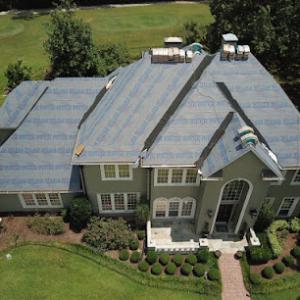
Strata Roofing & Construction
(936) 219-4369 www.strataroofingandconstruction.com
207 E Frank Ave #107, Lufkin, Texas
5.0 from 19 reviews
At Strata Roofing and Construction, we are proud to serve our community as a superior Texas based roofing company. Our portfolio of successful projects and happy homeowners shows our dedication to quality construction and customer satisfaction. Our highest priority is to make sure that you are happy with your residential or commercial roof. Strata Roofing and Construction’s expert roofers understand that your roof serves two purposes, to be both functional and beautiful. Choosing the right Houston roofing company will make all the difference. Give us a call for an estimate and consultation today!
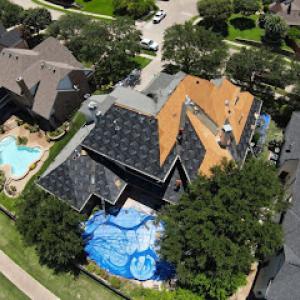
Johnny Walker Roofing & Construction
221 Sawmill Ln, Lufkin, Texas
5.0 from 11 reviews
Johnny Walker Roofing & Construction specializes in storm, hail damage, and new roof installation. We work with insurance companies to get the best outcome for our customers. We serve the Greater Lufkin area and surrounding counties. With over 14 years of experience, we are considered the go-to source for reliable, affordable roofing services in the area. We understand the importance of restoring your home back to its original condition after a storm, and we are dedicated to making sure your roof is done right. No job is complete unless our customer is 100% satisfied. Contact us today to schedule a free estimate!
Metal Mart #17
4118 US-69, Lufkin, Texas
4.1 from 53 reviews
In 1985, Metal Mart began as a retail outlet for our parent company McElroy Metal, a third generation family owned business. The first Metal Mart location was located in Austin, TX in a dirt floor pole barn. We have since grown to our current 44 locations in 5 states. Our growth is a testament to our dedicated customers and to the quality products and services that we offer. Whether you are looking for the highest quality or the lowest price, Metal Mart can help with all your metal needs; no job is too big or too small! Visit or call your local store today for a free quote or to learn more about how we have the right materials for the right price!
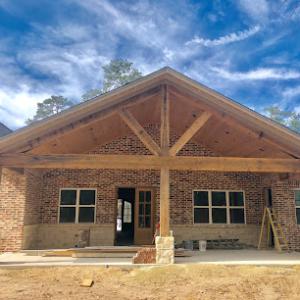
Aimco Roofing & Construction-Lufkin
305 Traylor St, Lufkin, Texas
5.0 from 3 reviews
Professional roofing contractor and general builder.
All Seasons Roofing - Roofing Contractor, Roof Repair, Roofing in Lufkin TX
Lufkin, Texas
3.2 from 9 reviews
With over 25 years of experience as a roofing contractor All Seasons Roofing provides customers in Lufkin, TX with quality roofing repair and service!
Encore Roofs
(936) 274-0474 www.encoreroofs.us
Serving
5.0 from 132 reviews
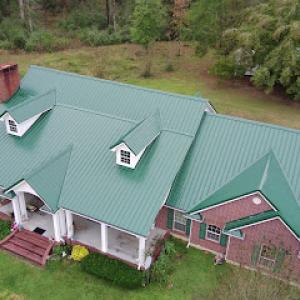
With over 600 five-star online reviews and A+ rated by the Better Business Bureau, Encore Roofs is a locally owned and family operated roofing company specializing in residential metal roofing. Metal roofing is better than shingle because; - it costs the same or less ( in some cases) than shingle roofing - lowers insurance costs in many cases - lasts 50 - 75 years - 40% cooler and more energy efficient - has 2 to 3 times better wind resistance - increases the homes’ resale value - hail resistant - is less likely to leak, especially with leaf build-up - it is NOT noisier, heavier, more expensive, nor does it effect cell phone usage or Internet. We look forward to working for you and making you another one of our happy customers :-)
Discount Roofers
(936) 554-9100 discountrooferstx.com
Serving
4.2 from 17 reviews
Founded in 1999, Discount Roofers has been at the forefront of the roofing industry, catering to both residential and commercial clients in Nacogdoches, TX, and the surrounding areas. With 24 years of unmatched expertise, we pride ourselves on our keen attention to detail and the premium materials we use. But it’s not just about the materials – it’s about the commitment, the craftsmanship, and the genuine care we pour into every project.

Soto's Roofing & Remodeling
(936) 615-6386 sotosroofing.com
Serving
4.3 from 6 reviews
Soto's Roofing and Remodeling is your local roofing and remodeling contractor serving Nacogdoches, TX and surrounding communities. It is our mission to improve the homes and buildings within our community by providing quality remodeling and roofing services. Our fully licensed home remodeling contractor guarantees all of our services. Your new remodel will flow seamlessly into your home design. Get started on your home remodeling or roofing project today; call 936-615-6386.
Hot, humid summers and frequent spring and fall moisture cycles accelerate aging for asphalt shingles, especially when attics are poorly ventilated. In this market, sun exposure combined with high humidity can cause the adhesive tabs to soften and the enamel to break down sooner, leading to faster granule loss and curling edges. Homes with shaded or poorly vented attics tend to exhibit these signs earlier in their life. The result is a roof that develops leaks not just from major weather events but from gradual deterioration that sneaks up between inspections. Pay attention to the attic surface: dark spots, mold, or a musty odor signal that moisture isn't exiting the attic as it should.
The permit-and-inspection process in this area emphasizes attic ventilation because moisture management is a bigger roof-life issue here than in arid Texas cities. A well-ventilated attic helps keep roof deck temperatures closer to ambient air and slows shingle aging. If soffit returns or ridge vents are blocked by insulation or debris, expect faster deterioration. In homes with cathedral or poorly insulated lofts, even a perfect roof deck can still age rapidly if air movement is restricted. Consider upgrading soffit intake and adding ridge or directional vents to improve air exchange. A balanced approach-adequate intake and exhaust, plus insulation that reduces thermal bridging-will extend shingle life and help maintain the integrity of underlayment and flashing.
Wet springs and falls increase leak risk when flashing details or underlayment are already compromised. In this climate, flashings near chimneys, vents, and transitions must be examined with care after each spring storm season. If the underlayment shows any signs of wear, or if flashing seems corroded or loose, moisture can bypass the shingles and threaten the roof deck beneath. When performing a roof inspection, test for lift near joints and inspect sealant beads for cracking or adhesion loss. Addressing flashing and underlayment issues promptly is crucial, because in East Texas the combination of humidity and rainfall can exploit even small gaps quickly.
A practical approach is to schedule a mid-season check after the most humid months and again after the spring storm window. During visits, focus on ventilation pathways, attic insulation density, and any signs of condensation on the underside of the sheathing. Keep gutters clear to prevent water backup, and ensure downspouts direct runoff away from the eave edges. If the local climate shows a pattern of delayed leaks around flashings after heavy rain, prioritize resealing or flashing customization in those vulnerable spots. This proactive stance aligns with the stronger emphasis on moisture management that characterizes the area's typical residential roofs.
Dry spring and fall windows are typically the best times for re-roofing in Lufkin because they reduce weather delays and exposure during tear-off. Plan for a stretch of dry days, ideally when the forecast shows a week of steadier weather. If a spring storm rolls in, you may need to shift to a dry window later in the season to avoid accelerated wear on exposed roof edges and attic spaces. Scheduling with a local crew who understands the timing quirks of East Texas springs helps keep projects on track.
Scheduling immediately after major spring storm periods can be difficult in Lufkin because regional demand spikes after hail and wind events. When a hail event hits, many roofs are flagged for replacement, and crews get booked up quickly. If your roof shows clear signs of damage and your insurer has issued a claim, expect a short aerial inspection window followed by a compressed repair timeline. Communicate your preferred start date as soon as practical, but stay flexible to accommodate the post-storm workload that locals already anticipate.
Summer installations in Lufkin require extra attention to heat-related shingle handling and crew productivity because East Texas heat and humidity are both high. Metal flashing expands with heat, and certain shingles may become brittle if left in direct sun for extended periods. Plan work for the coolest hours of the day when possible, and ensure crews have shaded staging areas and adequate hydration. If you must schedule in peak summer, ask about early-morning tear-off and late-afternoon installation windows to minimize heat exposure on the roof deck.
A smooth re-roof in this climate relies on solid attic ventilation and well-sealed flashing. In dry periods, verify that soffit and ridge ventilation remain unclogged and that any underlayment installation accounts for the direction of prevailing winds-especially after wind events. Good attic ventilation reduces condensation risk and extends the life of the new roof system. Expect crews to inspect flashing around chimneys, vents, and skylights as an integral part of the tear-off process, ensuring watertight seams before new shingles go on.
Coordinate the project so delivery and material staging occur during the lead-in days of dry weather. Have a clear-access plan for equipment and no-obstruction zones around the perimeter. On the final day, perform a basic roof-check from the ground and attic to confirm that flashing is secure and ventilation paths are unobstructed, then schedule a quick follow-up after a rain to verify there are no hidden leaks. This approach helps keep a re-roof anchored to the local climate realities while limiting disruption to a busy East Texas spring.
Asphalt shingles are a familiar sight on many homes in this area, and they pair well with the typical East Texas rooflines. The heat and humidity in spring and summer press shingles hard, so the quality of ventilation and underlayment becomes a deciding factor in how long the roof survives high humidity and storm exposure. When choosing asphalt, look for a well-sealed underlayment system and an attic vent strategy that keeps the roof deck closer to ambient temperature. A properly ventilated attic helps prevent cupping, deterioration of the shingles' adhesive, and premature wear from heat buildup. In short, the performance of asphalt depends as much on the attic details as on the shingles themselves.
Metal roofing stands out for its storm resilience in East Texas, offering solid wind resistance and a long service life. However, the quality of fastening and flashing matters just as much as the metal itself. Wind-driven rain can exploit even small gaps around penetrations or at roof-to-wall transitions, so meticulous flashing and sealant work are essential. If a metal roof is installed over existing shingles, ensure a proper underlayment and moisture barrier are in place to handle any moisture that can come through during heavy spring showers. With careful detailing, metal can be a durable choice in this climate.
Clay tile, wood shakes, fiber cement shingles, and synthetic slate appear in the market, but their performance in this area hinges on moisture management and storm resistance rather than appearance alone. Clay tile is vulnerable to cracking under hail and can suffer from trapped moisture if underlayment and ventilation are not adequate. Wood shakes bring a natural aesthetic but can suffer from rot in high humidity without proper ventilation and a durable moisture barrier. Fiber cement and synthetic slate can offer good wind resistance, yet still need proper flashing and attic ventilation to withstand the local moisture cycle and spring storm exposure. In all cases, a breathable, well-sealed underlayment paired with continuous ventilation helps the roof stand up to the humidity and hail-prone springs characteristic of the area.
Provided local cost ranges are Asphalt Shingles 350 to 700 USD per square, Metal Roofing 600 to 1800, Clay Tile 1200 to 3000, Wood Shingles/Shakes 800 to 1800, Fiber Cement Shingles 500 to 900, and Synthetic Slate 900 to 1800. These figures reflect the mix of material choices common in East Texas homes and the specialized labor that follows spring storm activity. In practice, the lowest end usually covers simple roof shapes with standard underlayment and basic flashing, while the high end accounts for steeper pitches, complex geometry, and premium underlayment or ventilation improvements tied to inspection findings after a storm. When you're budgeting, expect labor to climb a bit during peak storm season and when crews are juggling multiple repair jobs in town.
Spring hail and wind events generate surges in demand after the storms. That rush can push crew availability into tighter windows and push prices higher for a short period. If you're facing damage from a recent hail event, you'll likely see quicker mobilization on a replacement, but the trade-off could be a tighter scheduling window and a premium on expedited service. If you're delaying a full replacement until after the season, you'll still want to lock in a qualified roofer early to avoid the spring playoff of bids and to ensure you have a plan that fits cash flow and insurance timing.
In this market, underlayment quality and attic ventilation become practical cost levers. An inspector's note about improved underlayment, upgraded flashing, or better attic venting can shift a project from a straightforward shingle swap to a more involved rebuild-especially on existing single-family rooflines common here. Geometry matters too: hips, valleys, and dormers add complexity, which tends to push both materials and labor higher. If a roof needs an additional attic vent or a ridge vent retrofit to satisfy a cooling and moisture balance, expect a modest but meaningful bump in total cost.
Asphalt Shingles remain the most common, with a predictable range of 350 to 700 USD per square. Metal Roofing, while pricier, can offer stronger wind resistance in this climate and may justify its 600 to 1800 USD per square price tag in the right home. For homes with Mediterranean textures or older tile-compatible structures, Clay Tile or Fiber Cement Shingles might be the preferred route, bearing in mind slopes and weight considerations. Wood Shingles/Shakes and Synthetic Slate provide aesthetic options but tend to sit at the higher end of the cost spectrum, especially when underlayment and ventilation upgrades are part of the plan.
Before lifting any shingles after a spring storm, you should know that residential re-roofs usually require a building permit through the City of Lufkin, or for some properties outside city jurisdiction, Angelina County. Planning and permit offices carry real-world consequences for timing, so don't assume a quick, over-the-counter approval will cover a full replacement. If your home sits just outside the city limits, verify which authority handles permits in your area to avoid last-minute hold-ups when insurance approval lands on your desk.
Permits are generally issued after plan review, not through a simple reroof approval. This means your project lead time can stretch beyond a typical weather window, especially if the contractor is coordinating underlayment choices, ventilation layouts, and flashing details that meet local expectations. In practice, that means aligning your storm-damaged timeline with permit processing is essential. Start conversations early with your contractor about the sequence: damage assessment, plan submission, permit approval, and then the installation window. Waiting for permit clearance can impact how quickly a roof can be replaced after a claim is approved.
Inspections occur during and after installation, with local review specifically checking underlayment, ventilation, flashing, and compliant installation details. The emphasis on these elements reflects Texas humidity, pine-country conditions, and the need for robust attic ventilation to prevent future issues. A proper inspection will verify that underlayment is continuous and properly lapped, that intake and exhaust ventilation are balanced, that flashing around chimneys and skylines is integrated and sealed, and that fasteners and shingle placements comply with local standards. If an inspector flags any deviation, scheduling follow-ups or corrections can delay occupancy of the new roof and complicate insurance claims.
If a storm claim is active, coordinate closely with your insurer, contractor, and the permitting authority to avoid misalignment between approvals and materials delivery. Delays in permit review or rework prompted by inspection findings can extend the project beyond favorable weather windows. A straightforward, documented plan that anticipates these steps helps reduce the risk of regulatory snags and keeps the replacement on a steady track.
Lufkin is a high-claim roof market because East Texas hail and wind losses are common, so insurers closely scrutinize roof age, prior repairs, and maintenance history. That scrutiny isn't about picking sides against you-it's about predicting how long a roof will hold up after the next spring punch of hail or a gusty storm. When the roof shows aging signs or a patchy repair history, expect the adjustment to be more conservative, with extra questions and tighter conclusions about what can be repaired versus what must be replaced.
Homeowners in this region should expect requests for photographs, contractor findings, and evidence separating fresh storm damage from older wear in humid conditions. Photos taken both before and after a storm, plus clear notes from a trusted local contractor, help the adjuster distinguish between a weather event and ongoing deterioration from humidity and age. Keep a simple maintenance log: missing shingles, loose flashing, attic condensation, and any previous patchwork-these details can tilt a claim toward practical, durable outcomes or toward more extensive replacements.
Insurance decisions in Lufkin can directly influence whether owners choose repair versus full replacement after spring storm seasons. A few timely, well-documented findings showing fresh damage may keep repairs feasible; conversely, evidence of widespread aging or prior shortcomings can push toward replacement to prevent repeated claims and ongoing vulnerabilities. In practice, you'll find that the agreed path hinges on the clarity of the damage narrative and the credibility of the maintenance history as presented to the adjuster.
In Lufkin, edge and ridge areas are common trouble spots because wind-driven debris and storm gusts repeatedly stress those details. If gutters are full or fascia boards are loose, wind can peel shingles away from the eave and ridge lines first. Inspect after each strong storm: look for lifted tabs, exposed nail heads, or gaps where roof decking shows. When repairing, prioritize reinforcing edge components with properly sealed fasteners and matching sealant to defeat wind-driven uplift. Regularly clean debris from ridges and eaves to prevent moisture from lingering and accelerating deterioration around fasteners.
Flashings do most of the heavy lifting when rain starts pouring. Flashing failures become more consequential in East Texas because repeated wet periods can turn small defects into active leaks faster than in drier climates. Pay attention to chimney and vent flashings, valleys, and along transition points where the roof meets walls. Look for loose, bent, or corroded metal, and for sealant that has cracked or pulled away. If you notice staining on ceilings near ceiling lines or damp insulation in the attic, recheck flashing promptly. When resealing, use compatible sealant and counterflashing to ensure a watertight bend around any protrusions.
Underlayment and attic ventilation deficiencies are recurring local concerns, which is why they are specifically emphasized during reroof inspections. If underlayment shows wear, tearing, or loose edges, or if attic vents are blocked or undersized, moisture can accumulate and accelerate rot behind the scenes. In practice, verify that underlayment coverage is continuous and overlaps properly at every seam, and that roof vents, soffit intakes, and exhausts provide balanced airflow. During reroof checks, ensure attic insulation is not blocking vents and that soffit and ridge venting work in concert to carry moisture out efficiently. Address any signs of moisture buildup in the attic before shingles age out, and plan for improved ventilation if current capacity is marginal.