
Last updated: Apr 19, 2026
After a storm strikes, you're in a high-pressure window where quick, accurate decisions protect your home and your finances. In this area, you're dealing with a mix of spring hail, severe thunderstorm wind, and Gulf-driven tropical weather disruptions rather than a single-season roofing threat. That means the first 24 to 72 hours are critical: visible damage can be intermittent, and leaks may not appear until rain returns. Prioritize safety first-avoid stepping on a wet, slick roof and keep children and pets away from the work zone. Even seemingly minor dented shingles, lifted edges, or granule loss can signal deeper issues that compromise your roof's ability to shed water. When in doubt, err on the side of securing the structure with temporary measures and documenting what you see before the next system arrives.
Louisiana's high roof-claim environment means documentation is not optional. You should compile clear photo and video records that cover multiple angles of all affected areas. Capture the roof from ground level with a wide shot, then zoom into damaged shingles, flashing, vent pipes, and any signs of water intrusion on ceilings inside the attic or ceilings below. Date stamps matter, so ensure your device time is accurate. Note the exact location of any damage, especially around hips, valleys, and chimney areas, where wind-driven debris tends to concentrate. Keep a simple diary of when you first noticed leaks or visible damage, and record weather conditions at the time of the loss. This trio-photos, date-of-loss detail, and internal condition records-helps insurers assess severity quickly and reduces back-and-forth after assessments begin.
Because local contractor signals heavily favor storm damage, insurance claims, and emergency repair, post-storm triage is a primary roofing concern in this city rather than a secondary service. When contacting your insurer, provide a concise loss notice that includes the date of the storm, the address of the property, a summary of observed damage, and a request for an inspector. If an adjuster appointment is delayed, document interim conditions with photos and notes, then request approval for temporary repairs that prevent further damage-such as tarping or boarding open roof sections-while you await a full assessment. Be prepared to present your documentation package, including the date-of-loss details and the internal condition records, at the time of the claim review. Clear, specific descriptions minimize back-and-forth and help prioritize your case in a crowded storm-claims environment.
Post-storm triage focuses on preventing further damage and stabilizing the roof before a full replacement is decided. Temporary repairs should be documented with photos after they're completed, including the materials used and the date of service. Insurers often require proof that these measures were necessary to mitigate escalating damage. If a full replacement becomes the outcome, the same documentation trail-before, during, and after repair-supports your claim and helps ensure it moves through the process without unnecessary delays. When choosing temporary fixes, rely on reputable local contractors who understand the typical wind and hail patterns, and who can provide rapid, safe work that won't compromise your next insurer inspection.
In this environment, selecting a contractor who understands how storm damage presents on local homes is essential. Look for those who can coordinate closely with your insurer, provide prompt on-site assessments, and supply a clear scope of work aligned with the claim. A reliable contractor will walk you through the triage steps, help you document damage comprehensively, and stay accessible throughout the claims process to address evolving conditions. Quick, accurate communication reduces the risk of coverage disputes and accelerates getting your home back to a dry, secure state.
In this area, asphalt shingles sit in the roughly $350 to $700 per square range, making them the most common option for suburban homes that show up with hip-and-valley layouts or basic gable designs. Metal roofs run higher, typically from $700 to $1500 per square, and can be a solid long-term choice if you anticipate frequent post-storm remediation or hail concerns. For clay tile, expect roughly $900 to $1800 per square, which suits homes with a shaped roof and higher ceiling of expectations on curb appeal. Concrete tile follows at about $800 to $1500 per square, offering durable performance with moderate weight considerations. Wood shingles or shakes come in around $600 to $1100 per square, often chosen for a distinctive look but requiring more maintenance in humid summers. Synthetic or composite shingles are in the $500 to $1000 per square band, providing a balance of cost, weight, and weather resistance. These ranges reflect typical Bossier City housing stock and the regional climate, and they're a practical starting point when you're pricing a re-roof after a storm.
When hail or high-wind events strike North Louisiana, storm-driven demand spikes can push reroof pricing upward. Crews, materials, and scheduling tighten as homeowners chase fast-turn replacements. In practical terms, you may see modest delays or premium labor charges during the peak storm season. If you're evaluating bids, ask how soon crews can commit to a start date, and whether the quote includes expedited removal, expedited disposal, and a guaranteed weather window for roofing and flashing work.
Neighborhoods with mixed roof designs-hips and valleys, attached garages, multiple penetrations for venting or skylights-add labor hours, which can push costs within the typical ranges for your chosen material. If the design includes complex valley intersections or numerous penetrations, plan for higher labor portions of the estimate. Perimeter copper or specialty flashing can also influence price, though these are less common in mid-range homes. If you're weighing synthetic versus traditional shingles, consider the local humidity and potential hail risk; synthetics often carry lower weight and installation complexity, which can translate to faster installation and fewer structural considerations in storm-prone zones.
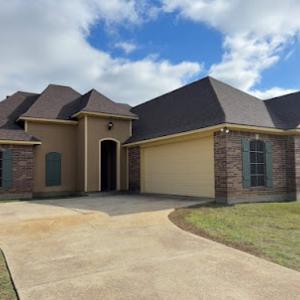
Magnolia Roofing & Construction Group
(318) 658-5866 magnoliastateroofing.com
2750 Shed Rd Suite D-2, Bossier City, Louisiana
5.0 from 757 reviews
Your go-to roofing experts in Shreveport/Bossier and surrounding areas! With years of experience, we handle all roofing replacements, repairs, and general construction needs. Contact us today!
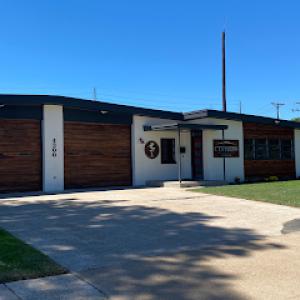
Cypress Solar & Roofing
(318) 550-5800 cypressroofingpros.com
4300 Parkway Dr, Bossier City, Louisiana
5.0 from 170 reviews
Cypress Solar & Roofing is a trusted roofing and solar company serving Bossier City, Shreveport, and surrounding areas. With nearly five years of industry experience, we specialize in residential roofing, commercial roofing, roof repairs, and solar instalation. Our team is committed to delivering quality craftsmanship, durable materials, and long-lasting roofing solutions that protect homes and businesses for years to come. Whether you’re upgrading your roof or adding solar panels, Cypress Solar & Roofing delivers dependable service with honesty and precision every step of the way.
Champion Roofing
(318) 490-6949 championroofinflatx.com
Bossier City, Louisiana
5.0 from 93 reviews
Locally owned roofing and storm restoration company. If you are in need of any storm related repairs please don't hesitate to reach out.
Alpha Roofing
(318) 310-8221 alpharoofingla.com
6124 Kateland Dr, Bossier City, Louisiana
4.9 from 131 reviews
When you have a roof leak or storm related roof damage you need a local roofing contractor you can trust. Alpha Roofing has been a trusted Bossier City, and Shreveport LA roofer for nearly 10-years. With services like roof repair, new residential roof replacement, commercial roofing, leaky skylight repair and replacement, Alpha wants to be your go-to Bossier City roofing company. At Alpha Roofing our #1 goal is customer experience. Alpha Roofing always puts customers first. Call CertainTeed Select Shingle Master roofing contractor, Alpha Roofing, today if you have a roof leak or need a new roof on your home anywhere in Bossier City or Shreveport LA.
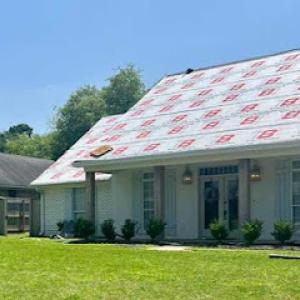
Brown's Roofing
(318) 666-9960 brownsroofingla.com
2285 Benton Rd # A201, Bossier City, Louisiana
5.0 from 29 reviews
Brown’s Roofing is a trusted residential and commercial roofing contractor in Shreveport, proudly serving Bossier City, Blanchard, Stonewall, Keithville, and surrounding Northwest Louisiana communities. Our roofing company provides expert roof installation and roof repair services, including asphalt shingle roofing, metal roofing, and commercial roofing solutions. We also offer professional siding, gutter, window, and door services to protect and enhance your property. Customers choose Brown’s Roofing for our comprehensive warranties, affordable financing options, and industry-leading credentials, including GAF Gold Elite, Owens Corning Platinum Preferred, and NRCA membership. Contact your reliable Shreveport roofing company today!
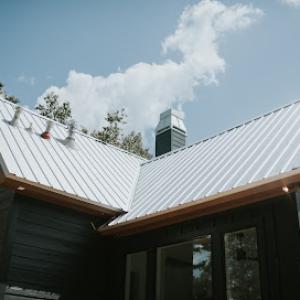
AMARK Metals
(318) 752-6600 www.amarkmetals.com
3853 Industrial Cir, Bossier City, Louisiana
4.8 from 50 reviews
AMARK Metals in Haughton fabricates custom residential and commercial metal roofing. With a custom metal roof from AMARK Metals, you can get a high-quality roof that truly makes your property stand out from the rest. If you’ve been exploring the idea of replacing your roof or want to equip your new home or business in Shreveport and Bossier City, LA with the best available, call AMARK Metals today. WHY CHOOSE CUSTOM METAL ROOFS? ENJOY THE BENEFITS OF A METAL ROOF IN SHREVEPORT AND BOSSIER CITY, LA Roofs on your home or business shouldn't be an afterthought. With a custom metal roof from AMARK Metals, you'll get a high-quality roof that makes your property stand out from the rest.
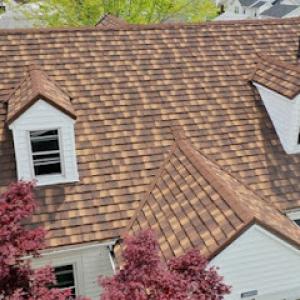
Erie Home
4859 Shed Rd suite 700 Suite 700, Bossier City, Louisiana
4.7 from 43 reviews
Since 1976, Erie Home has manufactured, supplied, and installed the best-performing roofing on the market. By providing ironclad warranties and convenient financing, we ensure that every homeowner we work with receives top quality service and value for their homes and properties. Erie Home professionals are the roofing company of choice in the greater Shreveport, LA area. Whether you need roof inspections or roof damage repair services, Erie Home has been the go-to roofing contractor for nearly 50 years because of our attention to detail and dedication to making sure our customers are satisfied with their results. Contact us today for a quote and see why we're the trusted roofing company Shreveport counts on.
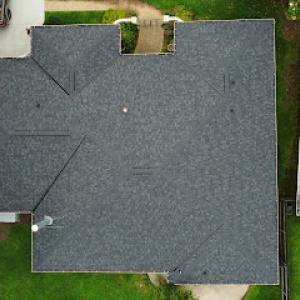
Buenfil's Roofing & Construction
(318) 458-1023 buenfilsroofing.com
2613 Northside Dr, Bossier City, Louisiana
4.6 from 9 reviews
At Buenfil's Roofing & Construction, we are dedicated to providing reliable, high-quality roofing and construction services that have made a difference for our clients in Bossier City, LA, for the past ten years. Our experienced team understands that your home is your sanctuary, and we take great pride in offering solutions that not only protect but also enhance the beauty and value of your property. Our roofing solutions cover everything from minor repairs to complete roof replacements, always focusing on durability and resilience against the elements. We know that every project is unique, which is why we personalize each job to meet your specific needs, whether you're looking to improve your home’s aesthetics or require critical
PRC Roofing
2400 Old Minden Rd Suite 5 West, Bossier City, Louisiana
5.0 from 3 reviews
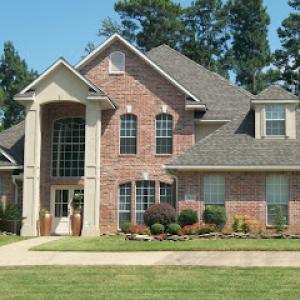
Established in 2011, PRC Roofing has served Shreveport and Bossier City for over a decade. They specialize in residential and commercial roofing services, including asphalt shingle roofs, storm restoration, gutters, siding, stucco, and even interior drywall work. PRC Roofing prides itself on offering free roof inspections after hailstorms and providing competitive bids to minimize client costs.
Louisiana Roof Coatings
(318) 207-0220 www.louisianaroofcoatings.com
2202 Hickory Ridge Dr, Bossier City, Louisiana
4.7 from 3 reviews
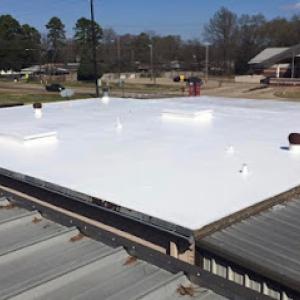
Louisiana Roof Coatings is a general contractor that specializes in all types of roofing. Our Roof Coatings division has been applying roof coating for over 15 years. Our service area is Louisiana, Mississippi, Texas, Arkansas, Oklahoma, Alabama, and Tennessee.
MRC Roofing
(318) 455-6593 www.mrcroofing.co
Serving
4.9 from 127 reviews
Welcome to MRC Roofing, your trusted local roofing experts in Shreveport, LA. With years of experience, we specialize in providing top-notch roofing services all over Louisiana, from inspections and repairs to full roof replacements. Our team is dedicated to delivering exceptional craftsmanship and customer service, ensuring your home is protected during harsh Louisiana storms and damages. As a locally-owned business, we understand Shreveport homeowners' unique challenges and are committed to providing tailored solutions that meet your specific needs. We also work closely with insurance agencies to help you navigate the claims process after storm damage.
Hudco Roofing & Exteriors
(318) 584-0044 hudcoroofing.com
Serving
4.9 from 155 reviews
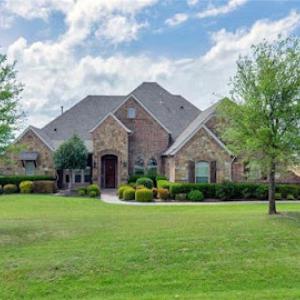
If you have a roofing problem or storm related roof damage you need a Louisiana roofing contractor you can trust. HUDCO Roofing has been a trusted Shreveport LA roofer for many years, servicing the entire state of Louisiana. With services like roof repair, new residential roof replacement, leaky skylight repair and replacement, HUDCO Roofing wants to be your go-to Shreveport roofing contractor. At HUDCO our #1 goal is client experience. HUDCO always puts customers first. Call HUDCO Roofing today if you have a roof leak, need a new roof anywhere in Louisiana including Shreveport, New Orleans, Lafayette, Baton Rouge, and surrounding areas.
Asphalt shingles remain a dominant local choice, but in this market the hot humid summers and frequent storms accelerate granule loss, seal-strip fatigue, and shortened service life when ventilation is poor. If you stick with asphalt, prioritize a layered approach: a solid underlayment, proper attic ventilation, and a ridge or continuous soffit system to move heat and moisture out. Look for architectural or laminated shingles from reputable brands, which better resist uplift in strong winds and offer longer life in storm-prone periods. In practice, pairing asphalt with a well-ventilated attic and a quality drip edge helps your shingles hold up longer through Louisiana's tan-inside-the-tan storms and humidity swings.
Metal roofing has a meaningful local specialist presence and is especially relevant in a wind-and-hail exposed market where homeowners weigh durability against higher upfront cost. If choosing metal, you'll find options that maximize hail resistance and wind uplift performance, but confirm the installer's track record with local storms and provide a precise attic ventilation plan to prevent condensation and ice-dam-like issues in cooler spells. Metal can be excellent for long life and fire resistance, and it often performs well under repeated hail events, provided the system is installed with proper edge detailing and sealants designed for Louisiana temperature cycles.
Tile and wood products exist in the market but are less prevalent locally, making installer availability and repair matching more important in this market than in tile-dominant regions. Clay and concrete tiles deliver strong wind resistance when installed with appropriate fasteners and underlayment, yet they demand careful roof geometry and regular inspection after hail events. Wood shingles or shakes offer a classic look but can suffer more quickly from humidity-driven rot and insect exposure if ventilation or flashing isn't up to the task. If you pursue these styles, ensure you have access to skilled local contractors who can perform timely repairs and color-matched replacements to maintain performance and curb appeal.
In storms and after hail, a quick but thorough inspection routine matters. After a dramatic weather event, check for lifted edges, exposed fasteners, and granule accumulation in gutters. Prioritize systems with proven wind uplift performance and accessible repair options given local installer networks. Wherever you land on material choice, ensure the roof and attic are paired with effective ventilation, robust underlayment, and a maintenance plan that accounts for Bossier's climate and storm patterns.
A full re-roof in Bossier City typically requires a permit through the City of Bossier City Building Department. Before swinging a hammer, you'll want to confirm that a tear-off and replacement roof will be counted as a full re-roof by the permit desk. Pulling the permit early helps avoid delays if inspectors notice deviations from the approved plan or if weather pushes work into the inspection window.
Roofing inspections are generally scheduled during rough-in and final phases. During rough-in, inspectors verify proper underlayment, ventilation, and flashing details, which matters when humidity and wind events are common. The final inspection confirms that the roof is completed to code and ready for issuance of the occupancy-related certificates. If you're coordinating a larger project, expect plan review to be triggered before work proceeds; this step ensures that truss spacing, roofing material specifications, and installation methods align with local code expectations.
Larger projects may require plan review prior to any work starting. Plan review helps catch potential issues with structural support, ventilation calculations, and drainage design in advance. If your contractor is handling this, ask for a copy of the approved plan and the review notes. Keep the approval number handy for inspections and any future permit verifications.
Some neighborhoods may require additional approvals beyond the city permit. Before tearing off, check subdivision or HOA requirements to avoid overlapping approvals or timing conflicts with exterior changes. If you belong to a neighborhood association, obtain a copy of the HOA's architectural guidelines and any mandated pre-approval process. Missing an HOA consent can stall a project after the permit is issued, so align approvals early.
1) Contact the Building Department to confirm permit needs for a full re-roof and to obtain the correct forms. 2) Schedule rough-in inspection after underlayment and ventilation are in place. 3) Secure any HOA or subdivision approvals in parallel with city permit processing. 4) Plan for a final inspection once the roof is completed and flashing is sealed. In a city with storm-driven activity, timely coordination between permit, plan review, and inspections helps keep your project on track.
Bossier City sits in a Louisiana insurance market where frequent wind and hail losses have increased claim scrutiny and documentation demands. That reality isn't distant or theoretical-storm events can trigger rapid claim activity, and insurers may press for thorough records to justify each replacement. The result can be a faster-moving process that feels more transactional than it should be when a roof is still kicking up memories of the last storm. Understanding that pressure helps you stay proactive rather than reactive after a storm.
Some carriers in Louisiana have tightened availability or raised premiums, making roof age, condition reporting, and mitigation records more important for homeowners shopping or renewing coverage. Keep a careful folder of any inspection notes, photos, and timelines from the day damage is noticed through the repair work. After a replacement, hold onto installation invoices, material details, and any warranty documents. These items aren't just for the claim; they can shape future policy decisions and underwriting conversations if the roof is questioned later due to wear or new hail events.
Wind-mitigation documentation can affect underwriting conversations, so Bossier City owners should keep inspection records, installation invoices, and material details after replacement. Insurance companies often look for proof that a roof meets or exceeds wind-resistance standards, especially after severe weather seasons. If you had upgraded underlayment, straps, or a higher-rated shingle system, ensure those details are clearly documented with dates and installer information. A concise, organized set of records reduces back-and-forth during claim reviews and can support more favorable consideration if a policy renewal comes with questions about risk.
Begin by creating a dedicated file for storm-related documentation and keep it in both digital and physical formats. After any wind or hail event, snap wide-angle comparisons of your roof before and after repairs, note notable damage on vents, soffits, and flashings, and request a written inspection report from a qualified roofer. When you replace or repair, insist on detailed invoices that list material grades, installation methods, and installer qualifications. By treating documentation as part of the repair itself, you reduce the chance that the next claim-if there is one-gets stalled by missing details or ambiguous records.
Connect with contractors who help homeowners navigate the claims process from damage assessment to final approval.
Magnolia Roofing & Construction Group
(318) 658-5866 magnoliastateroofing.com
2750 Shed Rd Suite D-2, Bossier City, Louisiana
5.0 from 757 reviews
Cypress Solar & Roofing
(318) 550-5800 cypressroofingpros.com
4300 Parkway Dr, Bossier City, Louisiana
5.0 from 170 reviews

In this area, mild winters create workable reroof windows, but cold fronts and occasional freezes can still slow installation and seal-down timing. If your shingles show widespread curling, lose granules, or you notice leaks that appear only after heavy rains, plan for an evaluation in late winter or early spring when temperatures are steadier and crews can work without frequent weather interruptions. Look for mismatched flashing, lifted edge tabs, or attic moisture that isn't explained by ventilation. These issues mean a replacement will likely save you more trouble than a prolonged patch job.
Summer projects in this region often contend with heat, humidity, and frequent afternoon storms that interrupt tear-off and dry-in schedules. If you're coordinating a replacement during July or August, expect possible delays from sudden storms and heat-related work stoppages. Ensure a robust dry-in plan and confirm where tarping will be kept secure during pop-up rain showers. If your roof displays widespread wind-induced damage after a passing storm, prioritize a quick triage assessment to distinguish urgent leaks from cosmetic wear, so you don't miss a window for full replacement when the weather cooperates.
Autumn scheduling can be disrupted by Gulf tropical activity even this far inland, while spring hail season can suddenly shift contractors from planned replacements to emergency response. If you're facing a suspected hail impact, document damage promptly for insurance-related decisions, but keep a flexible plan for a fall or late-winter install if storms push your project back. Use a trusted contractor who can adapt the schedule without sacrificing membrane and seal-down quality.
After each hail or wind event, shingles can lift at the edges or near the ridge cap, creating quick pathways for water. In this area, high humidity and heat can accelerate deterioration of exposed tabs and adhesive seals. When shingles peel or curl, the underlying deck becomes exposed to sun and moisture longer, increasing the risk of rot and shingle failure before the next inspection window. Regular checks after storms help catch lifted edges early, before you notice interior staining.
Where components meet around chimneys, vents, and skylights, flashing can separate or corrode with time and heat cycles. In storm-prone neighborhoods, flashing gaps are a common leak source even if the visible shingles look fine. Roofing failures often trace to these junctions during wet seasons, when moisture rides along the flashing and finds a line into the attic. Pay particular attention to abutting transitions and any signs of rust, corrosion, or loose step-flashing.
Penetrations for plumbing, satellite dishes, and vents create natural leakage routes as sealants age or get stressed by wind-driven rain. In Bossier's climate, attic moisture can worsen sealant breakdown, especially on older asphalt systems. Inspect around penetrations for soft or darkened decking, staining, or mold odors. A small, persistent drip often points to a need for resealed or replaced flashing and underlayment beneath the penetration.
Skylights and low-slope areas deserve extra scrutiny after storms because they combine flashing complexity with water-shedding risk. In humid air, sealants around skylight frames can degrade faster, inviting condensation and small leaks that worsen with sun exposure. Look for cracked glazing, loose curb mounting, and stained ceiling spots beneath these features. Early intervention prevents larger interior damage.
Find contractors experienced in skylight installation, flashing, and leak repairs to bring natural light into your home.
Alpha Roofing
(318) 310-8221 alpharoofingla.com
6124 Kateland Dr, Bossier City, Louisiana
4.9 from 131 reviews
Local market signals show homeowners in this area commonly prioritize quick response and cleanup after a storm. When you're triaging a roof post-storm, look for crews that can be on site within 24 to 48 hours and that can establish a defensible tarping plan while you pursue insurance. Ask for a written response window and a clearly defined cleanup protocol, including how debris will be contained and removed from the yard and driveway.
Because both residential and commercial roofing are strongly represented here, it matters that the crew's core work aligns with steep-slope residential re-roofing rather than general, non-specialized work. Focus on contractors who routinely handle typical Bossier City homes with pitched roofs, underlayment, and common shingle systems. Check recent projects and references from nearby neighborhoods with similar houses to gauge consistency in workmanship and detail.
The contractor base includes many long-established, locally owned and family-owned firms, which matters when post-storm follow-through and warranty service come into play. Ask how warranty claims are handled if the shingle system or underlayment components fail after installation. A locally rooted crew should offer a straightforward service timeline for inspections and any necessary repairs that fall under warranty.
A practical neighbor approach is to evaluate how the crew manages site control during the project. Look for established containment practices, protected landscaping, and a plan for protecting vehicles and driveways from equipment tracks. Reputable crews will assign a dedicated foreman to communicate daily progress, address debris, and confirm roof area protection before work starts.
In a storm-repair environment, the right crew understands how to document damage for insurance purposes. Ask for a pre-loss and post-loss photo log, a clear scope of work, and a written project plan that aligns with insurance expectations. This clarity helps keep the project moving and minimizes back-and-forth after the initial agreement.