
Last updated: Apr 19, 2026
Tyler sits in the humid East Texas pine belt, where shade from tall trees, lingering moisture, and pine debris can subtly accelerate roof aging in ways that dry, western climates do not. The shade keeps some shingles cooler, which helps with heat-related wear, but the moisture retention and frequent leaf litter can trap dampness in eaves and valleys. That combination can encourage premature granule loss on asphalt shingles and faster underlayment deterioration if gutters and downspouts aren't moving water away quickly enough. In this climate, roofs that are properly vented and have robust drainage tend to age more gracefully, while those with limited ventilation or clogged systems show wear sooner. You'll want to pay attention to moss or mildew in shaded patches, as these cues signal moisture retention that can promote rot in wood components or soft spots in underlayment over time.
Spring in Tyler often brings severe weather and hail activity, followed by long, hot summers that keep blasting away at any weakened roofing material. Hail impacts can cause cosmetic dents and microcracks, but the real trouble lies in hidden damage to shingles, underlayment, and flashing that may not be immediately visible. After a storm, it's prudent to perform a careful visual inspection for missing granules, lifted shingles, and granule buildup in gutters. If any damage is suspected, a professional roof inspection should occur promptly, because heat and sun intensify existing flaws and can turn minor issues into costly problems. Insurance documentation tends to hinge on timely, well-documented damage reports, so comprehensive records and clear photos taken soon after a storm are especially valuable in this climate.
Ventilation plays a critical role in Tyler's conditions. A roof that breathes well-adequate soffit intake, ridge or soffit vents, and an unobstructed attic-reduces heat buildup and minimizes the risk of accelerated aging in shingles and deck boards. Tree debris adds another layer of consideration: leaves and needles can trap moisture along the eaves and in valleys, inviting mold and early deterioration if not cleaned regularly. Regular inspections should include checking for clogged gutters, dislodged flashing, and any ponding water around low spots or valleys. In pine-dense neighborhoods, squirrels and birds can also stress roof systems by chewing on vulnerable vent seals or gaining access to attic spaces, so wildlife-proofing may be a worthwhile precaution in some homes.
Replacement timing in Tyler often works best in spring or fall, when crews can avoid the worst summer heat while still addressing storm-season damage. Mid-spring and early fall provide moderate temperatures that extend both material life and crew productivity, reducing the risk of heat-related delays or material handling issues. If an inspection reveals significant storm-related damage, coordinating a repair or replacement window during these seasons helps maintain a steady workflow and minimizes exposure to extreme heat during ongoing work. Consider aligning maintenance cycles with the typical hurricane of debris drop in late spring through early summer, so you can tackle sanctuary areas like ridge vents and attic insulation ahead of the hottest stretch.
Tyler's housing stock often features asphalt shingles, wood shingles or shakes, and metal options that respond differently to the local climate. Asphalt responds quickly to wind and hail but can suffer from rapid granule loss if damaged, and metal roofs can show denting that requires a closer look to assess fastening and seal integrity. Clay or concrete tiles deliver long-term durability but demand careful evaluation of underlayment compatibility and structural support, especially in older homes with mixed roof lines. When evaluating a roof in this area, prioritize a thorough assessment of flashing around chimneys and dormers, as well as seal integrity at all vent penetrations, where heat and pine debris can expose vulnerabilities over time.
Spring hailstorms and severe weather are a primary trigger for sudden roof replacement decisions in Tyler. The mix of East Texas heat, humidity, and pine-dense neighborhoods creates vulnerable roof edges and rapidly deteriorating seals during storm season, making rapid assessment critical. When a storm hits, a decision window opens fast: repair may be temporary, but hail damage can compromise decking, ventilation, and attic spaces in days. Stay ahead by confirming your roof's condition while the sky is still clear and storms are receding, so you're not wrestling with a rushed choice when the next front arrives.
Texas insurers commonly require photo documentation, inspection notes, and adjuster review after hail and wind events, which directly affects homeowners making repair-versus-replace decisions. After a storm, gather timestamped photos showing hail impact, cracked shingles, and any interior leakage near ceilings or walls. Keep an ongoing log of all inspection notes from any professional assessments. When an adjuster arrives, provide the documentation promptly, and note any discrepancies between your records and the adjuster's findings. This documentation directly links to the coverage decision and the pace at which a claim moves.
Because Tyler is an active storm-claim market, post-storm contractor demand can surge quickly, affecting scheduling and how fast temporary protection is needed. Rising demand means slots fill fast, so securing a qualified local roof team early matters. If shingle granules accumulate in gutters or bubbling appears on the surface after wind, temporary measures-like plywood or tarping-should be in place promptly to limit further water intrusion. The sooner protection is installed, the less risk of interior damage while awaiting a final outcome.
Document thoroughly before any repair work begins, using high-resolution photos from multiple angles and times of day. Schedule a storm-damage inspection with a reputable local roofer who understands East Texas conditions, including pine needle fallout and hail patterns. Create a simple file: photos, notes, and dates, plus a calendar of expected claim milestones. If you aren't certain about the roof's integrity, treat it as potentially replaceable and plan for a durable, storm-resilient option that aligns with your attic ventilation and attic moisture control needs. Stay proactive, stay protected, and stay coordinated with your insurer and contractor throughout the process.
Find local contractors experienced in assessing and restoring roofs after hail, wind, and severe weather events.

Hargrove Roofing
(903) 747-8206 www.hargroveroofing.com
5755 Eagles Nest Blvd Suite 2, Tyler, Texas
5.0 from 142 reviews
Advantage Roofing & Solar
(903) 939-3168 www.advantageroofingcompany.com
16678 State Hwy 155 Suite 300A, Tyler, Texas
4.9 from 414 reviews
Stonewater Roofing
(903) 266-1205 stonewaterroofing.com
924 W Houston St, Tyler, Texas
4.9 from 720 reviews

Hargrove Roofing
(903) 747-8206 www.hargroveroofing.com
5755 Eagles Nest Blvd Suite 2, Tyler, Texas
5.0 from 142 reviews
The certified roofers at Hargrove Roofing have years of experience providing high-quality roofing services in Louisiana and Texas. As a BBB-accredited company, their team is proud to be your trusted partner for reliable roofing solutions. From roof inspections to roof installation to roof repair, their skilled contractors are fully trained and equipped to keep the roof over your home or business. When you choose Hargrove Roofing, you’re choosing peace of mind with 24-hour emergency services, flexible financing options, and their satisfaction guarantee! With a reputation for exceptional craftsmanship and top-notch products from industry-leading brands like GAF® and Owens Corning®, you can rest assured that your roof is built to last.
Advantage Roofing & Solar
(903) 939-3168 www.advantageroofingcompany.com
16678 State Hwy 155 Suite 300A, Tyler, Texas
4.9 from 414 reviews
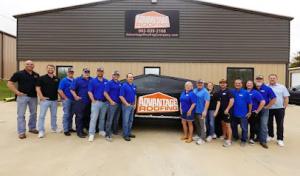
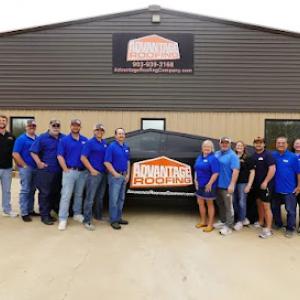
TRUST EXPERIENCED ROOFING CONTRACTORS TO COMPLETE YOUR PROJECT When you need top-notch roofing services, turn to Advantage Roofing Company in Tyler, Longview, and all of East Texas, as well as, North Texas and the DFW Metroplex. Our contractors know you’re busy running a household or business. That’s why we’re committed to installing your roof quickly and efficiently.
Stonewater Roofing
(903) 266-1205 stonewaterroofing.com
924 W Houston St, Tyler, Texas
4.9 from 720 reviews
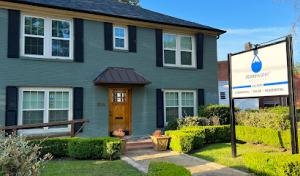
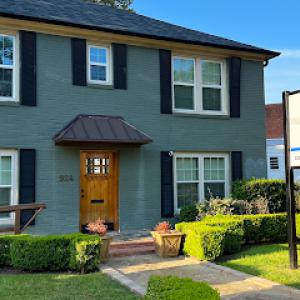
Stonewater Roofing in Tyler, TX is Smith County’s industry-leading provider of residential and commercial new construction roofs, roof replacements, roof repairs, storm damage repair, and many other roofing services including gutter repair and replacement. Our certified professionals also handle the entire process of solar panel installation and maintenance, helping you transition to clean renewable energy and save big on your electric bills. For a free quote, contact (903) 266-1205 for your roofing service!

Firehouse Roofing
(903) 352-3202 firehouseroofing.com
2515 W SW Loop 323, Tyler, Texas
5.0 from 84 reviews
Founded in 1997, Firehouse Roofing is the area’s leading expert in roof repairs. We provide the highest quality shingles, insulation, ventilation, gutters, and solar stock to make sure you are getting the best products installed in your home or business. Our knowledgeable team specializes in roof repairs, roof replacements, metal roofing, residential roofing, commercial roofing, gutter installation, and offers in-house financing. Firehouse Roofing stands by a 100% Satisfaction Guarantee 24/7. Whether it be residential or commercial roofing, Firehouse has got you covered. Call today to schedule a FREE inspection!
BXC Roofing
3074 Texas Spur 124, Tyler, Texas
4.9 from 195 reviews
BXC Roofing is locally owned and operated, serving all of East Texas and surrounding areas. We provide pristine roofing services to both residential and commercial properties, with great pride in our quality customer service. Specialized in roof repair, roof replacement, insurance restoration, and much more!
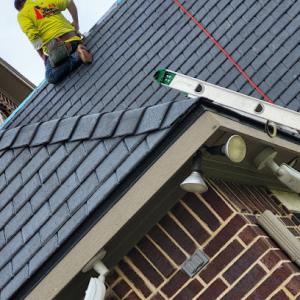
ASAP Roofing
(903) 287-5729 asaproofing.com
13026 Kallan Avenue, Tyler, Texas
4.9 from 502 reviews
Residential and Commercial Full-service roofing contractor serving all of East Texas. Our expert roofers specialize in new roofs, roof repair, and seamless rain gutters for both your home and offices. We offer free emergency tarp services, annual roof maintenance programs, and year-round free inspections and estimates. When you need a professional roof company, call ASAP Roofing & Construction.

Shepherd Commercial Roofing
(903) 339-0882 www.shepherdcommercialroofing.com
5221 S Broadway Ave #6C, Tyler, Texas
5.0 from 64 reviews
Shepherd Commercial Roofing has been protecting businesses across the Dallas-Fort Worth area since 2012. Specializing in commercial roofing services, we offer expert solutions for roof maintenance, repair, replacement, storm damage, and restoration. Our team uses the latest technology, including thermal imaging and drone inspections, to provide efficient, high-quality services. Whether you need a new roof or emergency repairs, we ensure your business stays safe, dry, and operational. At Shepherd Commercial Roofing, we treat every roof as a shield, guarding your business with the highest standards of craftsmanship and care.
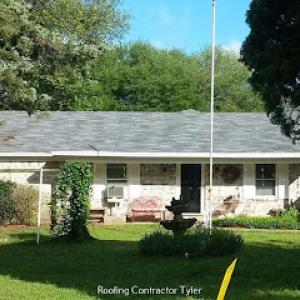
East Texas Roof Works & Sheet Metal
(903) 749-5883 easttexasroofworks.com
14697 Rock Rd, Tyler, Texas
4.9 from 78 reviews
We are a established roofing company with over 25 years in Tyler TX. Serving all of East Texas. Specializing in all roofing systems. Roof coating, Metal roofs, Screw replacement, Shingle installs, Any type of flat roof, TPO, Modified torch down. Any type of residential , commercial or Industrial roofing project. We give a minimal 10 year material warranty an up. Also a lifetime workmanship warranty. We also specialize in Insurance claims. Hail, Wind, Water or Fire damage. Painting, carpentry, Remodeling. Offices in Tyler TX & Palestine TX .
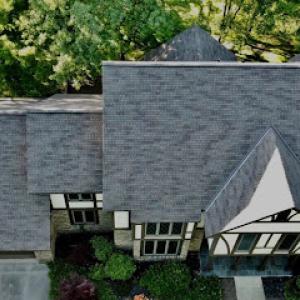
Priority Roofing
(903) 920-6524 priorityroofs.com
15424 FM 849, Tyler, Texas
4.9 from 96 reviews
Replace or repair your residential roof with Priority Roofing where customer service is our #1 priority! We’re local, professional Tyler TX roofers, our bids are competitive, and we’ll find a great solution for your residential roof. Unlike some other roofing companies in Tyler TX, we specialize in home roof installation and roof repair, as well as emergency roofing service for leaks and damage. From dozens of shingle systems, to metal, tile and slate roofing options, we have roofs to fit nearly every budget. Our company inspects your roof and provides an honest assessment of what needs to be done, all at no cost to you. Priority Roofing is family owned and locally operated.
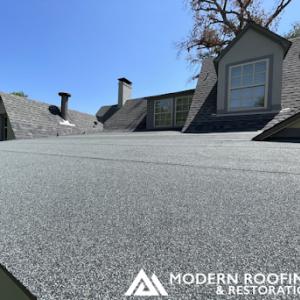
Modern Roofing & Restoration
(903) 636-3606 www.modernroofingtx.com
16075 Old Jacksonville Hwy, Tyler, Texas
4.9 from 68 reviews
Modern Roofing & Restoration, located in Tyler, Texas, offers premier roofing services for homes and businesses. Since 2022, we have specialized in roof replacements, storm damage repairs, and professional maintenance to ensure durability and longevity for your property. Our skilled team provides emergency roofing solutions and water damage mitigation to protect your property promptly and effectively. With a focus on customer satisfaction, we strive to keep your roof strong, secure, and looking its best.
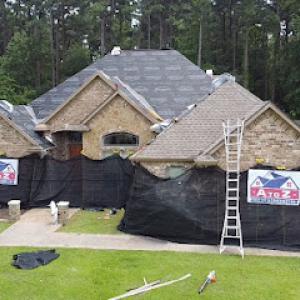
A to Z Roofing & Construction
510 Limerick Dr, Tyler, Texas
5.0 from 67 reviews
At A to Z Roofing and Construction, we elevate roofing to new heights. We're your go-to source for residential and commercial roofing solutions. Our skilled team ensures top-quality work using premium materials. Trust us for lasting protection and a secure investment. Contact us today for a free roof inspection.
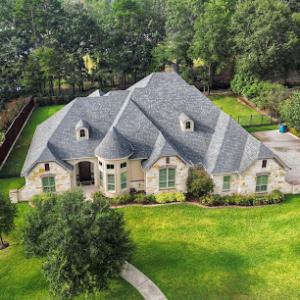
Yosemite Roofing Tyler TX
(903) 326-7255 yosemiteroofing.com
13739 State Hwy 155, Tyler, Texas
4.8 from 188 reviews
Yosemite Roofing is your locally owned and operated roofing company here in East Texas. Our experience in roofing has allowed us to become experts in all types of roofs, including tile, metal, standing seam, asphalt shingle, TPO, Modified Bitumen, and coatings roof systems. We also offer a full line of Roof Maintenance Programs for the East, Texas area. Yosemite roofing should be your first call for home improvements!
Tyler's mix of intense summer heat, high humidity, and frequent hail means roof choices should prioritize heat resistance, storm durability, and proper ventilation. Asphalt shingles are common, but their life in this climate hinges on attic ventilation and precise installation. Metal roofing stands out for heat management and storm resilience, particularly after repeated hail cycles. Clay and concrete tiles, wood shakes, and synthetic shingles appear in local neighborhoods too, yet their performance is tightly linked to roof structure, moisture exposure, and how well the system handles impact and wind-driven rain. When evaluating options, imagine how each system behaves after a hail event, not just on a calm, sunny day.
Asphalt remains a practical baseline for many Tyler homes because it fits typical roof lines and budgets. The key to longevity here is venting and ventilation-in-year-round operation. In a hot, humid climate, poor attic ventilation accelerates shingle degradation and can soften under UV exposure, shortening service life after a severe storm. If choosing asphalt, pair with an upgraded starter course, proper nailing patterns, and a well-sealed ridge or vented soffit system to keep attic temperatures down and reduce shingle curl after a hail event. Look for shingles rated for higher impact resistance and ensure installation follows local best practices for fastener depth and spacing.
Metal is a meaningful local specialty in Tyler because it handles heat well and shows durability after repeated storm cycles. It reflects a higher portion of solar radiation, reducing attic heat gain and often improving year-round comfort. For hail-prone periods, metal's surface can resist impact better than some three-tab shingles, though installation quality remains crucial-especially underlayment choices, panel seam sealing, and edge protection. If you expect severe weather, consider a system with reinforced fasteners, correct overlapping, and a proven paint or coating that resists chalking and fading in bright East Texas sun.
Clay and concrete tiles offer excellent inertia against heat, but their weight and brittle nature can become liabilities after hail storms if the roof is not structurally prepared to carry the load or if fasteners allow micro-movement. Wood shakes provide a classic look but are susceptible to moisture infiltration, rot, and hail damage unless properly treated, spaced, and ventilated. Synthetic shingles attempt to blend resilience with ease of installation, yet performance hinges on the specific formulation and the roof's backing structure. In all cases, hail risk, moisture exposure, and wind drive must be considered when assessing long-term durability on East Texas roofs.
When evaluating options, think about how the system handles a direct hail strike, subsequent wind-driven rain, and the heat cycle that follows. A roof with robust underlayment, well-sealed seams, and a ventilated attic tends to fare better in this climate. If the plan includes replacing or retrofitting after a severe storm, ensure reinforcement of the roof deck, proper fastener selection, and attention to valley and flashing integrity. This isn't about a single storm; it's about repeated cycles and the moisture-loaded humidity that East Texas brings to every season.
Explore specialists in steel, aluminum, and standing seam metal roofs built to last 50 years or more.
Stonewater Roofing
(903) 266-1205 stonewaterroofing.com
924 W Houston St, Tyler, Texas
4.9 from 720 reviews
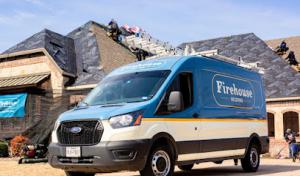
Firehouse Roofing
(903) 352-3202 firehouseroofing.com
2515 W SW Loop 323, Tyler, Texas
5.0 from 84 reviews
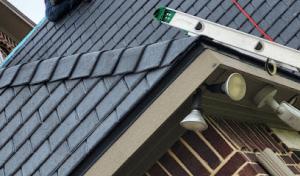
The combination of scorching days and high humidity makes attic ventilation more than a comfort issue in this area. When attic spaces heat up, shingles and underlayment lose strength faster, and that accelerated aging shows up as more noticeable wear along the roof edge and near joints. If soffit vents are blocked by insulation or debris, the hot air has nowhere to escape, creating a stagnant pocket that bakes roof components from the inside out. In a home with wood or shingle roofing, the result can be premature curling, blistering, or accelerated granule loss. A venting plan that moves a steady current of air through the attic reduces heat buildup, increases the lifespan of the roof, and keeps interior living spaces cooler.
Tyler's fall rains and Gulf moisture patterns push attic humidity higher at times when air conditioning isn't actively pulling moisture out of the attic. Undersized or poorly located vents struggle to relieve that moisture, allowing condensation to form on decks, rafters, and the underside of the roof deck. Over time, this condensation invites mold growth, wood rot, and faster deterioration of decking and underlayment. If rafters or sheathing show a damp feel or musty smell after rain, that's a signal that ventilation isn't moving enough air to keep humidity in check. Regular checks after heavy rainstorms can catch this early before noticeable attic odor or visible mold appears.
Look for warm ceiling zones or attic hotspots during hot afternoons, especially over closets or rooms near the peak of the roof. If attic temperatures stay uncomfortably high even with ceiling fans running, or if insulation appears compressed on one side and not the other, ventilation is likely not performing as designed. Blocked soffits, clogged attic vents, or insufficient exhaust vents can all contribute. Practical steps include clearing obstructions, resealing any noticeable air leaks around attic hatch doors, and ensuring an appropriate balance of intake and exhaust vents. In homes with metal or clay tile roofs, the impact of poor ventilation can be more pronounced because heat transfer interacts with the roofing materials differently, amplifying the need for a well-planned venting strategy. Address ventilation issues promptly to protect both comfort and roof longevity.
In this area, many homes sit beneath dense canopies, so roofs stay shaded longer after rain. That lingering dampness slows drying, which can promote moss and fungal growth on organic surfaces. If your roof stays wet for days, check for micro-holes or tiny leaks near flashing and vents that may have developed while moisture lingered. Boost long-term performance by ensuring you have adequate ventilation intake and exhaust to move humid air from the attic even when the roof is shaded. Regularly inspect ridge and soffit vents for blockages caused by pine needles and leaves.
Branches and organic debris are a practical concern because storm winds in the area can scatter limbs across many homes in a single event. Debris accumulation on shingles acts like a damp blanket, accelerating deterioration and hiding small damages until a rainstorm reveals them. After a storm, walk the perimeter and visually inspect the roof for lodged branches, resin droplets, and pine needles. In shaded sections, debris tends to remain longer, so plan a thorough clean two to three times per year and after major wind events. Use a soft-outlet blower or a roof rake to move debris without gouging shingles.
Wood shingles and shakes must be monitored more closely because the East Texas humidity is less forgiving than dry inland climates. Moisture cycles can cause cupping, cupping, and faster granule loss on asphalt-adjacent areas if mixed with organic debris. On wood roofs, look for cracked or splitting boards, warped areas, and raised nails after storms. Check sealant around flashings and penetrations; humidity can cause subtle shrinkage and gaps that invite leaks. Consider proactive drying strategies during humid stretches, and schedule maintenance in late spring and early fall when temperatures moderate and humidity levels shift.
Hail storms compound the risk when shaded roofs delay drying and debris shields the surface. Post-storm damage may not be immediately obvious, especially on shaded planes where granule loss is less visible. After a hail event, conduct a careful, daylight inspection focusing on impact marks, dented flashing, and damaged soffits. If a survey reveals even small bruising on shingles or shakes, mark the area and arrange a professional assessment promptly to prevent moisture intrusion from a slow, hidden leak. Keep an eye on valleys and joints, where shading and debris can conceal subtle damage.
Typical Tyler pricing by material is about $350 to $700 per square for asphalt shingles, $600 to $1100 for metal, $800 to $1500 for clay tile, $850 to $1500 for concrete tile, $500 to $900 for wood shingles or shakes, and $450 to $850 for synthetic or composite shingles. In practice, you'll see these ranges shift with roof complexity, pine-needle debris in nearby yards, and the condition of decking after a hail event. For a homeowner facing a full re-roof, the material choice drives most of the upfront cost, and mass-market options like asphalt remain the most common in East Texas neighborhoods with mature shade and storm-drenched canopies.
Storm-driven demand spikes in Tyler can push pricing and scheduling pressure higher after hail events, especially for full re-roofing work. When a severe thunderstorm leaves damage across a block, good crews move fast, but aluminum-turned quotes and crew availability can stretch weeks. If the roof shows widespread dented metal, crushed shingles, or lifted edges, expect quicker turnover for approvals but tighter windows for scheduling. Your best defense is to have a clear contractor timeline and a battalion of preferred suppliers who understand the local hail patterns and the urgency of debris cleanup.
Costs in Tyler can also shift based on material choice, roof complexity, cleanup needs in tree-covered lots, and whether the project is a straightforward re-roof or involves storm-related decking and accessory repairs. Steep pitches, multiple ridges, or tricky eaves add to labor time. Tree coverage increases debris haul and disposal costs. If decking needs replacement or a skylight/vent rework accompanies the job, the total can rise quickly, particularly after damaging storms when crews are in high demand.
Begin with a realistic scope: confirm square footage, material preference, and whether any decking or vent work is required. Gather three local bids with line-item breakdowns for materials, labor, and disposal. Schedule work during periods when weather is mild to minimize weather-related add-ons. In a hail-prone window, expect some variability, and build a modest contingency into your budget to cover expedited material delivery or temporary repairs that protect interior spaces.
Know your material range, anticipate storm-season scheduling pressure, and account for debris cleanup in piney lots. If you're weighing asphalt against metal or tile, prioritize longevity against upfront cost, but factor in Tyler's humid climate and hail likelihood. Keep a file of photos from the hail event, and ensure your claim supports any decking or structural repairs that show up in bids.
Get a clear picture of your project costs upfront - no commitment required.
Stonewater Roofing
(903) 266-1205 stonewaterroofing.com
924 W Houston St, Tyler, Texas
4.9 from 720 reviews
Referred Roofing & Construction
(903) 920-4786 referredroofingtylertx.com
240 S SW Loop 323 Suite B, Tyler, Texas
4.9 from 109 reviews
When planning a full roof replacement, you will typically need a building permit issued by the local authority. This is not just a formality; having the permit in hand during a storm-repair season helps protect you if an insurer or a neighbor questions the work. The permit process signals that the planned materials and installation meet current code requirements and ventilation standards for the attic and roof deck in this area. Before applying, prepare contact information for your contractor, the proposed scope of work, and the anticipated start date. If a hail event prompted the project, keep copies of any hail damage assessments and the contractor's scope so the permit review can move smoothly.
Roof work follows a clear sequence of checks. Roof inspections in Tyler are scheduled through the city building department, with an interim or rough-in check when needed and a final inspection after completion. The interim check verifies that structural elements, underlayment, and ventilation are correctly installed before covering with final roofing material. The final inspection confirms that the entire system aligns with code, flashing details, attic ventilation, and proper insulation. Schedule each inspection with the building department in advance, and coordinate your contractor's timeline so that the inspection windows aren't missed. Having a licensed contractor who understands the local compliance requirements helps prevent delays.
Permit processing times can vary with department workload, which matters more during busy storm-repair periods. If a large hail event drives many roof replacements, expect some back-and-forth on documentation and plan reviews. It helps to submit complete drawings, product specifications, and a clear sequence of work. Communicate any weather-related delays to the department as soon as possible, since approvals and inspections may be rescheduled around storms. For best results, align your start date with the expectation of a few days for permit approval and an inspection window after materials arrive. Keeping your contractor's permit liaison informed reduces the risk of miscommunication and keeps the project moving through the Tyler system smoothly.
Hail and wind storms are a daily drumbeat in this climate, and that reality shapes how insurers view the roof over your head. Coverage options and claim outcomes aren't just about the shingles you chose; they're influenced by how long the roof has been in service, what material sits on top, and whether the installation was done right. When a carrier weighs risk, age and assembly quality often matter more than a pretty color or a flashy warranty. Expect underwriting to scrutinize your roof's current condition alongside its history, especially after a major hail event that leaves visible damage on peak lines and ridges.
Documenting storm events and the ensuing damage isn't extra credit-it's essential in this market. Keep a timeline of hail dates and wind surges, plus photos taken from multiple angles after each event. Exterior damage is easy to point to, but interior leaks tell a closely watched story for insurers, especially if water has traveled along rafters or into attic vents. Have a qualified contractor or licensed inspector note any concerns about previous repairs, flashing integrity, or signs of poor ventilation, as these details frequently influence coverage outcomes. This isn't guesswork; it's the documentation that supports a solid claim.
When a claim starts, insurers often request a packet of evidence rather than a single report. Collect contractor inspection findings that detail shingles or tiles displaced by hail, dented metal, or compromised seals around penetrations. Include a completed assessment that notes roof age, material type, and any observed installation issues. Remember, the goal is to present a clear, cohesive story: what happened, when it happened, the visible consequences, and the professional opinion on workmanship and current condition. A well-organized file reduces back-and-forth and helps protect the settlement you rely on after a storm.
While steep-slope residential re-roofing dominates Tyler, the local contractor market also shows active work on flat or low-slope sections, coatings, skylights, and some solar-integrated roofing. In practice, that means you should plan for careful handling at transitions between slopes, along eaves and vents, and around skylight flashing. Insist on a detailed leak-path map from your contractor before work begins.
These specialty details matter in Tyler because leak points often show up first at transitions, penetrations, and accessory installations after severe weather. Look for reinforced flashing where shingles meet metal valleys, around chimney and vent stacks, and at skylight perimeters. A properly sealed transitional strip, plus a test through a controlled water flow during installation, helps catch issues before the rain returns.
Commercial and mixed-use properties in Tyler add to demand for low-slope and coating expertise beyond standard shingle replacement. For flat and low-slope roofs, choose coating systems proven to bond with the substrate you have, and verify compatibility with any existing insulation. Ensure proper surface preparation, drainage checks, and long-term UV protection to extend life under East Texas sun and humidity.
Skylights and solar-integrated roofing require special attention to penetration details and sealant compatibility with heat and humidity. After installation, conduct a thorough water-hollow test by simulating wind-driven rain at multiple orientations. For coatings, verify warranty terms and ensure the system accommodates expansion and contraction from rapid temperature swings.
Find specialists in TPO, EPDM, and built-up flat roofing systems for residential and commercial properties.
East Texas Roof Works & Sheet Metal
(903) 749-5883 easttexasroofworks.com
14697 Rock Rd, Tyler, Texas
4.9 from 78 reviews
Yosemite Roofing Tyler TX
(903) 326-7255 yosemiteroofing.com
13739 State Hwy 155, Tyler, Texas
4.8 from 188 reviews