
Last updated: Apr 19, 2026
Longview homeowners face recurring spring hail and severe storm exposure that can turn a marginal roof into an insurance-driven replacement candidate in a single season. The combination of East Texas heat, humidity, and vivid spring hail events means decisions after a storm are not theoretical-they impact comfort, safety, and the home's value in short order. A roof that looks fine from the street can hide structural failures or compromised ventilation that only show up once the weather heats back up and rain returns. Treat every notable hail event as a potential trigger for inspections, especially if the roof is more than a decade old or has visible wear.
Heavy spring and fall rainfall in Longview makes flashing, valleys, and drainage details especially important immediately after storm events. After hail or heavy rain, walk the perimeter with a flashlight at dawn or dusk to spot lifted shingles, lifted flashing, or water stains on ceilings below attic spaces. Pay particular attention to valleys and exhaust vent penetrations, where compromised flashing invites leaks that propagate quickly with the next round of rain. If an attic reveals condensation or a musty smell after a storm, treat it as a warning flag even if the surface looks intact. Quick, careful documentation-photos of hail impact patterns, damaged flashing, and any rooftop debris-can translate into stronger insurance negotiations and a targeted repair plan.
The local contractor market strongly emphasizes storm damage and insurance claims, showing that post-storm inspections and repair-versus-replacement decisions are a central homeowner concern here. If a claim is opened, the assessment should distinguish between repairable damage and a replacement scenario. Scattered hail hits on asphalt shingles may be repairable, but extensive edge damage, lifted shingles, or compromised underlayment can push toward a full re-roof. In practice, build a short, storm-focused file: dated photos, a simple damage map, the roof age, and notes on attic insulation and ventilation status. When a claim exists, request a licensed adjuster visit promptly and insist on a thorough roof evaluation, not just surface repair estimates. If the claim argument hinges on life expectancy, bring in an independent roofer for a second opinion to avoid under- or over-replacement conclusions.
Springtime heat and humidity magnify the consequences of insufficient ventilation. A roof that runs hot in the attic accelerates wear on decking and underlayment, increasing the risk of hidden leaks after a storm. Focus on ensuring proper attic ventilation and a well-sealed attic entry-especially around gable ends and eave vents. After a storm, inspect for warped decking or missing underlayment in accessible attic spaces or through a careful in-situ roof inspection if safe access exists. In Longview, where storms are a recurring pattern, a well-ventilated roof deck with an effective drainage system reduces the chance of accelerated wear, which strengthens both repair outcomes and insurance narratives.
When a storm hits, the decision window is tight. If multiple roof sections show damage, or if there is visible deterioration around flashing, valleys, and penetrations after a hail event, replacement often becomes the safer, longer-lasting choice. A replacement aligned with insurance timelines can minimize future leaks and ensure a more robust warranty against repeated weather hits. If there is uncertainty, pursue a targeted, temporary repair to bridge through the current season while a comprehensive assessment and claim negotiation proceed. The goal is to land on a plan that preserves the home's integrity through the next spring hail cycle, not just the next rainfall.
Find local contractors experienced in assessing and restoring roofs after hail, wind, and severe weather events.
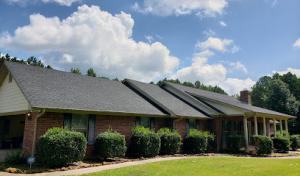
Langford Roofing
(903) 790-1964 langfordroofingservice.com
1727 Clearwood Dr, Longview, Texas
5.0 from 220 reviews
Stonewater Roofing
(903) 266-1205 stonewaterroofing.com
304 E Loop 281 ste C, Longview, Texas
4.9 from 359 reviews
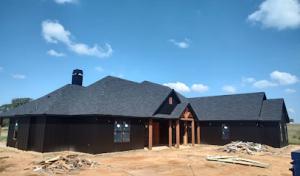
Gordy Roofing Longview
(903) 636-7464 gordyroofinglongview.com
712 Glencrest Ln Ste C2, Longview, Texas
5.0 from 53 reviews
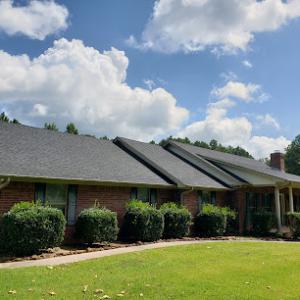
Langford Roofing
(903) 790-1964 langfordroofingservice.com
1727 Clearwood Dr, Longview, Texas
5.0 from 220 reviews
We Go Above and Beyond to Restore Your Roof CHOOSE OUR GILMER, TX-BASED ROOFING CONTRACTOR FOR ROOFING SERVICES The roof is an essential feature of any building. Don’t wait another day to repair your roof if it’s damaged. Langford Roofing offers the residential and commercial roofing services you need. The Longview, TX-based roofers at Langford Roofing restore roofs at homes and businesses throughout the area, including Longview, Tyler and Gladewater, TX. We’ll travel up to an hour from our home office to serve you. You can trust us to get your roofing job done safely and efficiently. Reach out to us now to schedule your roofing project.
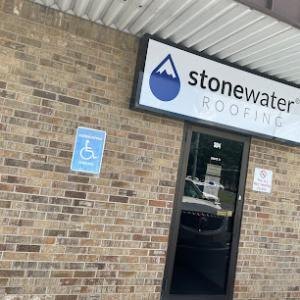
Stonewater Roofing
(903) 266-1205 stonewaterroofing.com
304 E Loop 281 ste C, Longview, Texas
4.9 from 359 reviews
Stonewater Roofing in Longview, TX is the premium provider of residential and commercial roof replacements, roof repairs, storm damage repair, and solar roofing services. We offer free roofing inspections and free quotes on replacement roof projects. As your top roofing company in Longview, Gregg County, and surrounding areas, we go above and beyond to offer peace of mind from assessment to clean up. Let our team provide the friendly service and expertise you need to repair, replace, or upgrade your home or business’ roof on-time and on-budget For a free quote, contact (903) 266-1205 for your roofing service!
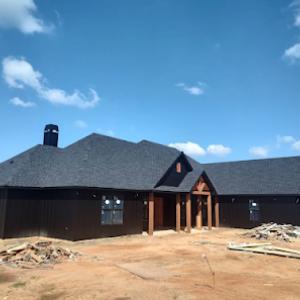
Gordy Roofing Longview
(903) 636-7464 gordyroofinglongview.com
712 Glencrest Ln Ste C2, Longview, Texas
5.0 from 53 reviews
Gordy Roofing Longview is your trusted local roofing contractor proudly serving Longview, TX and surrounding East Texas communities with expert roofing and exterior solutions. We specialize in roof repair, roof replacement, roof installation, and roof inspections for both residential and commercial properties. Our team works with asphalt shingles, metal roofing, tile, slate, and flat roof systems like TPO and EPDM. We also handle storm damage repair, emergency leaks, energy-efficient roofing, and silicone roof coatings. Additional services include siding installation, window replacement, gutter repair, and fence and gate installation. Count on Gordy Roofing for honest service, durable results, and free roof inspections.
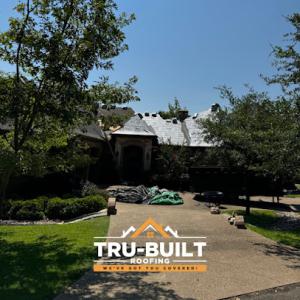
Tru-Built Roofing
(903) 932-7419 www.trubuiltroofing.com
445 N Fredonia St, Longview, Texas
4.9 from 77 reviews
Tru-Built Roofing is a Family-owned-and-operated company that proudly serves the ETX & DFW areas. Call us at anytime for any of your roofing needs or visit our website to book an appointment. 24/7 EMERGENCY TARP SERVICES.
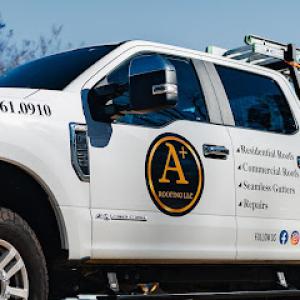
A+ Roofing
(903) 261-0910 aplusroofingetx.com
11817 TX-149, Longview, Texas
5.0 from 33 reviews
East Texas premier roofing contractor.
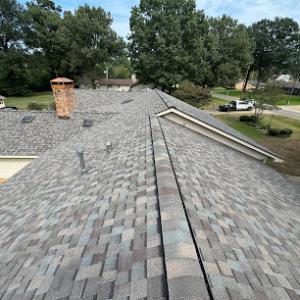
Five Sons Roofing
(903) 500-2505 www.fivesonsroof.com
4120 W Marshall Ave, Longview, Texas
5.0 from 32 reviews
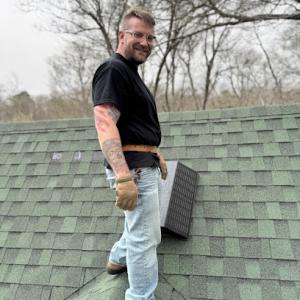
Our motto is simple: We will do good work. At a profit if we can, at a loss if we must, but always good work! We're a family owned roofing company servicing the East Texas area for all residential and commercial roofing needs! Thank you for the opportunity! We are pleased to now offer financing starting at 0% interest for your roof project!
Wilco Premium Roofing
(903) 241-6991 wilcopremiumroofing.com
2700 Gilmer Rd #4, Longview, Texas
4.9 from 62 reviews
Our growth and success are the result of our outstanding customer service, quality product, professional workmanship and our integrity. We are dedicated to providing the best quality materials on the market and the best quality installation by the most qualified installers in the industry. Don’t be fooled by the name though, we are also a capable general contractor as well. Whether you are in need of gutters, a roof replacement, or fence or even a remodel Wilco Premium Roofing is the company for you!
True Roofing
(903) 424-8446 trueroofinginc.com
600 S Fredonia St, Longview, Texas
4.9 from 46 reviews
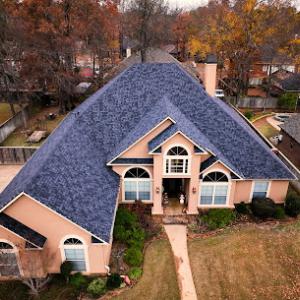
At True Roofing our mission is to build long-term relationships with our clients and the community by providing both residential and commercial roofing systems, as well as restoration projects and new home build. Our mission statement is “We would rather over serve than over promise”
PeeWee Roofing
(903) 500-7174 www.peeweeroofing.com
14746 TX-322, Longview, Texas
4.9 from 43 reviews
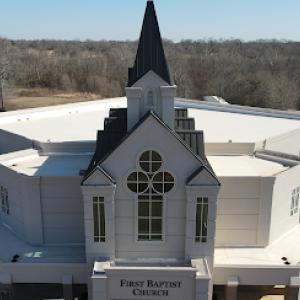
PeeWee Roofing is a skilled commercial roofing company in Longview, Tyler, and all of East Texas with over 35 years of experience. We are also a veteran and family owned company that is committed to building relationships with you through our outstanding services, ethics and workmanship.
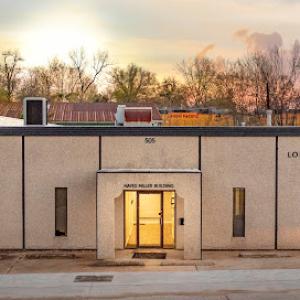
Longview Roofing
(903) 238-8841 www.longviewroofingllc.com
505 E Cotton St, Longview, Texas
4.8 from 62 reviews
Longview Roofing is a local, family owned and operated full service roofing company, that is licensed, bonded, and insured. In addition to liability insurance, Longview Roofing also carries Workers Compensation Insurance; protecting our employees’ safety and minimizing risk exposure to our customers. We specialize in residential, commercial, and sheet metal services, and are committed to a standard of excellence. Longview Roofing has an unrelenting dedication to quality control and customer service, providing value to our customers; which is why all personnel are full-time, in-house, and properly trained. We are persistent in direct training as well as continuing education with all our employees. Our team has the most current training, c
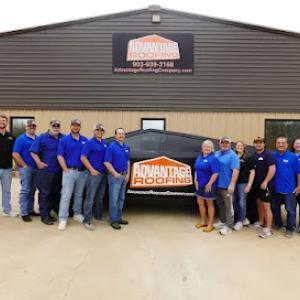
Advantage Roofing & Solar
(903) 804-7663 advantageroofingcompany.com
1011 W Loop 281 # 1, Longview, Texas
4.9 from 38 reviews
Advantage Roofing Company is a trusted Longview, TX roofing contractor serving East Texas since 2008. We provide residential roofing, roof repair, roof replacement, and commercial roofing services for homes and businesses. Advantage Roofing is one of the only Owens Corning Platinum Certified roofing company in East Texas, offering premium shingles and Lifetime Workmanship Coverage on most residential roof installations. We are also Versico Certified for flat roofs and commercial roofing systems. When you need a reliable roofing company in Longview, Texas, trust Advantage Roofing for quality materials, expert craftsmanship, and long-term protection.
Juarez C&M Services
(430) 267-2510 www.juarezcmservices.com
1189 Meadows Ln, Longview, Texas
5.0 from 23 reviews
Juarez C&M Services is a proud veteran-owned general contracting company serving East Texas with integrity, precision, and a commitment to excellence. We specialize in residential and commercial construction, including roofing, renovations, spec homes, and fix & flip projects. Whether you're looking to build from the ground up, upgrade your property, or restore storm damage through insurance claims, our experienced team delivers quality craftsmanship and dependable service.
Longview's hot, humid summers accelerate asphalt shingle aging and can shorten underlayment life compared with drier climates. The heat pushes dimples and cupping on shingle surfaces faster, and moisture in the air can seep into the underlayment when attic ventilation isn't doing its job. In practical terms, that means you should expect more frequent minor repairs in the attic and more careful attention to the deck's condition after heavy rain or hail. The goal is to keep attic temperatures closer to outdoor air on hot days and to minimize moisture buildup that invites rot, mold, or warped decking. This is not just comfort-it's a longevity strategy for the whole roof system.
Roof ventilation in this climate isn't a luxury; it's a performance feature tied directly to roof life. Local review notes commonly emphasize roof ventilation and drainage, reflecting attic airflow's critical role here. When intake and exhaust are balanced, attic temperatures stay lower, which reduces shingle brittleness and slows underlayment degradation. If intake is weak or exhaust is blocked by insulation or storage, you end up with hot, moist pockets that accelerate aging and can void certain warranty provisions after a hail event. Think of ventilation as the first repair to consider after a storm: a well-ventilated attic helps the whole roof survive repeated Texas springs.
Moisture load in Longview's humid conditions makes balanced intake and exhaust ventilation more than a comfort issue; it directly affects roof longevity and deck condition. Start by verifying that soffit vents are free of debris and that ridge or roof vents aren't obstructed by insulation or fascia obstructions. If the attic feels stuffy or warm in the evening, measure airflow at the soffit and at the ridge with a simple smoke or tissue test to confirm pattern. Ensure that vents are sized to the attic volume and that there are no dead zones where moisture can accumulate. In humid spells, add a small, controlled exhaust option (like a powered vent) if natural ventilation proves insufficient, but only after sealing any obvious leaks into the attic space.
Spring hail events can push moisture into decks via smallcant patches or through degraded underlayment. The moisture load compounds heat-related wear, so post-storm inspection should include both the exterior surface and the attic side. Look for damp spots on decking, stained or softened plywood, and unusual attic condensation. If you spot moisture, address it promptly: reseal suspect seams on the underlayment, improve ventilation where needed, and consider an interior dehumidification check during the dry season. A well-vented attic reduces the risk of slow-developing rot beneath the shingles and helps maintain deck integrity against the next round of Texas weather.
Develop a simple, seasonal routine: clear vent paths in the spring, confirm attic airflow during the hottest month, and inspect after hail for any signs of moisture intrusion or compromised decking. When you're inspecting after a hail event, don't overlook the attic-shingle damage that seems superficial on top can translate to moisture exposure below if underlayment mattered. Keeping the ventilation path open and balanced is a practical, ongoing step that protects not just the roof surface, but the deck and the attic structure that support it. This routine aligns with Longview's climate realities and helps extend the roof's effective life across spring storms and the long hot summers.
In this market, asphalt shingles dominate the replacement scene after spring hail. They're familiar to crews, widely available, and straightforward to install on the typical East Texas home. You'll find a broad range of styles and warranties that align with the need to get back under a solid roof quickly after a storm. For many homeowners, asphalt shingles offer a reliable balance of performance, ease of repair, and a familiar maintenance footprint that suits the heat, humidity, and storm cycles that Longview experiences.
Metal roofs have carved out a meaningful niche here because they handle heat and repeated storm exposure well. In East Texas conditions, a well-sealed metal system can resist hail impact better than some traditional shingles, while also delivering favorable ventilation and long-term durability in humid summers. When considering metal, look for panels and detailing that prioritize careful flashing around chimneys, vents, and ridges to prevent water intrusion during heavy spring rainfall. A metal roof can be a smart upgrade if the home is prone to frequent hail events or if an energy-conscious, weather-resilient solution is a priority.
Clay tile and concrete tile bring a distinct architectural character to many houses here, but their performance must be weighed against hail exposure and humidity. Tile can shed or crack under hail, and East Texas humidity can influence underlayment longevity and roof deck condition over time. Wood shingles or shakes offer a natural look but require rigorous maintenance to resist moisture-related issues and insect pressure, which are more pronounced in humid springs. If choosing these, ensure a robust underlayment and a roof-to-wall detailing plan that accommodates the local wind uplift and temperature swings. Synthetic or composite shingles exist as an alternative that blends some of the resilience of tile or wood with the lower maintenance profile of modern composites.
Regardless of material, preparedness for spring hail is paramount. A roof that can be quickly and cleanly documented after a storm helps with insurance claims and repair timelines. In practice, this means maintaining clear, dated records of prior hail events, photos of the roof before and after incidents, and a straightforward plan for temporary protection if a hailstorm is forecast. Materials that offer consistent hail performance, manageable access for inspections, and clear flashing details tend to simplify post-storm assessment and claim processes. For homes with more complex detailing, ensure the chosen roof system accommodates thorough ventilation and moisture control in the attic, since heat and humidity intensify wear on underlayment and decking during the long East Texas summers.
After spring hail and the resulting storm activity, you'll notice pricing and scheduling can shift in this market. Weather-driven demand pushes full-roof replacements and emergency dry-in work to the forefront, and crews that can move quickly often command a premium. Homeowners should expect some lead time for material availability and crew routing, especially during peak spring-through-summer windows.
Material-by-material cost ranges are your first anchor. Provided local cost ranges run from about 350 to 700 USD per square for asphalt shingles, 700 to 1300 for metal, 900 to 2100 for clay tile, 800 to 1500 for concrete tile, 600 to 1000 for wood shingles or shakes, and 450 to 900 for synthetic or composite shingles. In Longview, those figures hold steady but can shift upward if specialty products or premium underlayments are added to address heat, humidity, and moisture movement. If your roof shows extensive hail damage, a full re-roof with a complete tear-off may land toward the higher end of these ranges, especially when you factor in the cost of upgrading ventilation and drainage components.
Ventilation upgrades, drainage corrections, flashing replacement, and inspection-related scope all influence final numbers. Good ventilation helps Texas heat and humidity move air properly, reducing long-term wear on underlayment and shingle edges. Drainage corrections prevent water pooling on flatter slopes and in eaves, which is more common with older homes in the area. Flashing around chimneys, skylights, and transitions to other roof planes often needs replacement after a hail event, and inspections tied to the project scope can add modest but meaningful costs. Expect these items to push an overall project toward the upper end of the material ranges when responding to storm-driven damage.
Storm response timelines and insurance-backed planning shape the week-to-week. After hail events, scheduling can be tight, especially for full roof replacements and dry-in work needed to protect interiors during rain delays. A practical approach is to secure a contractor with a track record of swift mobilization and transparent communication about staging, especially for attic ventilation upgrades and flashing replacement. Plan for a phased approach if the roof is mid-season and crews need to coordinate with weather windows, permits, and material delivery schedules.
To estimate, start with your existing roof area in squares, multiply by the local per-square ranges above, and add expected extras for ventilation, drainage work, and flashing. For a hail-damaged home, prioritize a written scope that covers dry-in readiness, ventilation improvements, and a clear sequence for replacing damaged underlayment and flashing before final shingle installation. A trusted local roofer can help align timing with insurance adjustments and ensure you're within the typical cost envelope for Longview.
Get a clear picture of your project costs upfront - no commitment required.
Stonewater Roofing
(903) 266-1205 stonewaterroofing.com
304 E Loop 281 ste C, Longview, Texas
4.9 from 359 reviews
PeeWee Roofing
(903) 500-7174 www.peeweeroofing.com
14746 TX-322, Longview, Texas
4.9 from 43 reviews
Re-roof projects are typically treated as a permitted job rather than maintenance-only work in this community. A full re-roof triggers the local permit process, and skipping or delaying the permit can lead to compliance issues, stop-work orders, or trouble with insurance claims down the line. The permit act is not merely bureaucratic; it sets the foundation for a code-compliant installation that stands up to East Texas heat, humidity, and spring hail. Expect that the permitting authority will want to see a plan that covers materials, roof coverage, and a basic ventilation approach. The aim is to document that the roof will perform as intended across seasons, not just on the first sunny day after installation.
The approval conversation in this market often centers on ventilation design as part of the replacement plan. Ventilation isn't an optional flourish; it's a key factor in moisture management and long-term shingle performance. A typical submittal will include vent locations, a plan for ridge or soffit vents, and an outline showing how attic air will flow to prevent condensation and ice-damming risks during cooler spells. Work with the contractor to map out drainage considerations too, because improper drainage design can undermine a fresh roof's lifespan and invite leaks after a heavy storm. Your plan should demonstrate a coherent system that coordinates with existing attic geometry and roof slopes, rather than a generic one-size-fits-all sketch.
Inspections tend to be staged at critical milestones: before any new material goes on, at mid-progress points, and after installation is complete. Local review notes frequently emphasize proper ventilation, along with ensuring that drainage channels, eaves, and gutters are prepared to handle heavy spring hail runoff. Expect the inspector to verify that decking is sound, underlayment is properly installed, and flashing details are correct around chimneys and vents. Failing to meet these checkpoints can delay the project, even if the visible work looks finished from the ground.
Plan for a realistic window between permit approval, material delivery, and weather-ready installation. Wet springs and rolling storms can compress timelines, so align your contractor's calendar with anticipated weather gaps and permit clearance timelines. Keep a clear line of communication with the building department regarding any required supplemental drawings or revisions. Once the project passes the key milestones, ensure that the final inspection confirms ventilation performance and drainage integration, so that coverage and warranties remain valid.
Hail and wind losses in this market often trigger insurer scrutiny, and the variability of Texas storm activity means claim outcomes can swing from season to season. The roof's visible wear may not tell the full story-the insurer will weigh recent storm hits against prior conditions and maintenance history. In practice, that means a straightforward hail dent can become a tangled evaluation if the roof shows older issues or mixed damage from multiple events. Homeowners should expect that adjusters will compare the current claim against a broader picture of the roof's history, and a sudden, high-stress hail season can lead to longer processing times or tighter coverage decisions.
Insurers serving this market may ask for prior-loss history, detailed roof condition reports, and photo documentation to support replacement decisions. Gather records from recent years, including any previous hail impacts, repairs, or partial replacements. A well-kept photo trail showing the roof condition before and after storms helps. The objective is to construct a clear, chronological narrative that aligns with the adjuster's process. Because Longview has an active storm-repair contractor base, homeowners need clear date-stamped documentation before temporary repairs and before adjuster visits. Delays or mismatches between your photos and the adjuster's timeline can complicate the decision to replace rather than repair.
When a storm hits, the impulse to act fast with temporary fixes is strong. Yet, temporary repairs can complicate proof of pre-storm condition if not timestamped and documented carefully. Before any patchwork, photograph the area, note the date, and keep receipts for materials. If an adjuster is scheduled, ensure you have a current, professional roof assessment on hand to juxtapose with the insurer's findings. The goal is to present a transparent, verifiable case that withstands scrutiny, especially during spring hail swings.
Connect with contractors who help homeowners navigate the claims process from damage assessment to final approval.
Langford Roofing
(903) 790-1964 langfordroofingservice.com
1727 Clearwood Dr, Longview, Texas
5.0 from 220 reviews
Stonewater Roofing
(903) 266-1205 stonewaterroofing.com
304 E Loop 281 ste C, Longview, Texas
4.9 from 359 reviews
Gordy Roofing Longview
(903) 636-7464 gordyroofinglongview.com
712 Glencrest Ln Ste C2, Longview, Texas
5.0 from 53 reviews
In Longview, repeated heavy rain events push water through drainage paths, valleys, and flashing transitions more than elsewhere. During storm season, misdrained valleys or splayed flashing can begin to seep or pool, accelerating wear on underlying decking. When inspecting, focus on whether water sheds cleanly toward the gutters and whether valley metal shows signs of omega or ridge wear. If you see debris buildup that blocks flow, clear it promptly and confirm downstream downspouts aren't splashing onto fascia or siding. Addressing these points early keeps leaks from creeping into attic spaces and soft spots along the seams.
Hot, humid summers accelerate granule loss and brittleness in aging asphalt systems, especially when ventilation is weak. Shingles may curl at edges or curl along rakes, and granules that wash away often reveal matting underneath. In Longview's climate, poor attic ventilation compounds this, letting heat hammer the roofing from below. Check soffit intake and attic venting for blockages or insufficient airflow. If you notice sudden patchy loss of granules after a hail event or a long heat spike, plan for targeted resealing or shingle replacement where the granule loss is concentrated, rather than replacing entire sections when only isolated areas are damaged.
Rare winter freezes are not the main design driver, but they can expose weaknesses at roof edges and in already-compromised materials. Ice buildup at eaves or along fascia can force water under edge flashing, especially where shingles have begun to lift. Inspect edges for loose or lifted shingles and for dented or cracked drip edges. In spring, verify that edge flashing remains sealed to prevent seepage during heavy rain cycles, and note any suspect spots that might fail under successive hail events. Prioritize resealing and edge repairs before softer substrates deteriorate further.
Find contractors experienced in skylight installation, flashing, and leak repairs to bring natural light into your home.
Langford Roofing
(903) 790-1964 langfordroofingservice.com
1727 Clearwood Dr, Longview, Texas
5.0 from 220 reviews
Stonewater Roofing
(903) 266-1205 stonewaterroofing.com
304 E Loop 281 ste C, Longview, Texas
4.9 from 359 reviews
Wilco Premium Roofing
(903) 241-6991 wilcopremiumroofing.com
2700 Gilmer Rd #4, Longview, Texas
4.9 from 62 reviews
Longview features a notable fraction of homes with porch roofs, garage bays, and additions that sit on low-slope or flat sections. These areas behave very differently from steep, fully pitched roofs when heavy spring rainfall comes through. Water movement is less forgiving on marginal slopes, and the drip edge, transitional flashings, and edge detailing become critical to prevent minor leaks from turning into interior moisture problems after hail season or a heavy storm. When assessing a property, focus on any porch overhangs, breezeways, or roof-to-wall transitions where water sits or slows down, and verify that decked or supported areas have reliable slope and adequate scuppers or internal drains.
In this climate, drainage details on low-slope sections deserve special attention. Ponding is more than a cosmetic concern; it can accelerate membrane wear and cause fast-tracking of hail-hit damage. Check for uniform pitch across the surface, verify that membrane seams are intact, and ensure that edge drainage paths lead water away from foundations and into functional downspouts. While coatings and restoration play a niche role here, they are rarely the default fix for persistent ponding. For retrofit projects, prioritize maintaining clear internal drains, robust scuppers, and properly sealed penetrations such as vents and skylights that sit on or near flat planes.
Add-ons often combine multiple roof types, which means flashing details must be coordinated across transitions. Regular inspections after spring hail events help identify compromised closures where hail damage can hide under parged surfaces or membrane laps. If a flat section has reflective or light-colored coatings, use them sparingly and only as a supplementary measure, not a substitute for sound flashing and proper drainage. In homes with flat porches or garages, plan for targeted sealant checks around penetrations and ensure fasteners remain secure after seasonal wind and hail cycles.
Find specialists in TPO, EPDM, and built-up flat roofing systems for residential and commercial properties.
Gordy Roofing Longview
(903) 636-7464 gordyroofinglongview.com
712 Glencrest Ln Ste C2, Longview, Texas
5.0 from 53 reviews
PeeWee Roofing
(903) 500-7174 www.peeweeroofing.com
14746 TX-322, Longview, Texas
4.9 from 43 reviews
Advantage Roofing & Solar
(903) 804-7663 advantageroofingcompany.com
1011 W Loop 281 # 1, Longview, Texas
4.9 from 38 reviews
After a hail event or strong spring storm, you're looking for a crew that can handle rapid assessment, temporary tarping, and thorough cleanup. In this market, quick response isn't just convenience-it helps prevent secondary damage from wind-driven rain and humidity. Look for a contractor who outlines a clear plan for hail-damaged areas, streamlines insurance photo documentation, and commits to timely debris removal. The goal is to get the roof secured and protected while the insurance steps are in process.
The contractor mix in this area includes both residential specialists and larger commercial outfits. You want a company whose core work is single-family re-roofing, not primarily commercial projects. Ask for project examples that resemble your home's size, roof shape, and material. Request references from recent Longview-area homes and, if possible, site visits. A focused residential background reduces the risk of misaligned scope, warranty gaps, or schedule delays after an insurance claim.
Long-established, family-owned, and locally owned firms maintain a visible presence here, and that consistency matters when insurance-backed work is involved. Favor crews that explain how they coordinate with adjusters, document damage, and manage post-installation cleanup. Check how they handle lingering questions after the job is done, including warranty follow-up and any needed repairs. The right company will demonstrate a track record of completing projects to the homeowner's satisfaction well after the ink dries on the paperwork.
Ask for a written outline of the process: initial inspection, temporary covering if needed, debris containment, material ordering windows, and final installation sequencing. In a storm-recovery market, timing and communication are as critical as the quality of workmanship. Confirm how they will minimize disruption to your daily life and how they will protect your landscape and exterior during the re-roof. A practical, transparent plan saves stress when nerves are frayed by spring weather events.
Get a clear picture of your project costs upfront - no commitment required.
Stonewater Roofing
(903) 266-1205 stonewaterroofing.com
304 E Loop 281 ste C, Longview, Texas
4.9 from 359 reviews
PeeWee Roofing
(903) 500-7174 www.peeweeroofing.com
14746 TX-322, Longview, Texas
4.9 from 43 reviews