
Last updated: Apr 19, 2026
You're in a higher-claim East Texas market, where insurers often want roof age, maintenance history, and current photos before or after a claim. Start gathering documentation that proves the roof's timeline and upkeep: service invoices, previous inspection notes, and a simple maintenance log. When a storm rolls through, have clear, timestamped photos showing the roof before the event if possible, or immediately after if not. Insurers in this region scrutinize whether damage is storm-induced or the result of heat and UV wear, so you want an honest view of condition and age up front.
Carriers here may scrutinize whether damage is storm-created versus heat-aged because roofs also endure intense summer UV wear. If you notice granule loss on shingles, curled edges, or exposed underlayment shortly after a hail or wind event, document those findings with close-up images and a wide shot that shows surrounding roof lines. A trained claim adjuster will compare new damage to the roof's known condition prior to the event, so include photos of a recent inspection or maintenance that demonstrates any prior repairs or protections (like tree trimming or moss control) that can affect performance.
Detailed photo documentation after hail and wind events matters more here because insurers have tightened underwriting and documentation expectations in some markets. Take a series of photos from ground level and from the peak line, ensuring every plane of the roof is visible. Capture attic and interior evidence of leaks if present, along with chimney flashing, dormers, and vents. When submitting the claim, label images by date, location, and the specific issue shown. Cloudy or glare-free shots help adjusters assess material condition and context more reliably than random snaps.
Coordinate a professional roof inspection as soon as it's safe after a major event, then have the inspector's report, photos, and a brief summary ready for the insurer. If repairs or replacements were performed previously, include documentation that confirms the scope and timing. Prepare a simple, factual history that shows the roof's performance over the last several years, including any previous weather-related incidents and the outcomes of those claims. The goal is to present a coherent story: when the roof was installed, how it has aged, and what the most recent storm impact looks like in relation to its baseline condition.
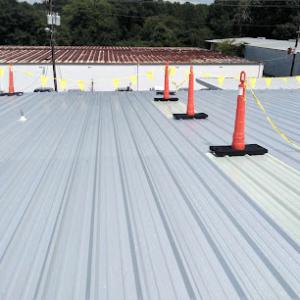
Cherokee Roofing
Jacksonville, TX
4.8 from 17 reviews
Cherokee Roofing takes pride in being different than most roofing contractors. We take our time with your needs as a customer, to ensure that your goals become our goals. We establish a great working relationship before we ever start your project! Trust is not easily earned, but is lost in the blink of an eye. Have faith in our team of experts and you will trust the Cherokee Difference!

Built-Rite Construction & Roofing
Serving
5.0 from 4 reviews
Have it Built-Rite! Call today for a Free Inspection and Estimate! (903)285-7155 Here to serve you with 20+yrs premier metal roofing experience on some of the biggest and most complicated roofs in the East Texas area! Highest quality at best pricing! We do ALL construction and remodeling! Specializing in: *Metal Roofs *Metal House Shells *Metal Shops *Metal Barns *Leak Repairs *Metal Carports & Covers *Custom Design Porches *Pole Barns *Exterior & Interior Remodeling
Nichols Roofing & Construction
(903) 277-9811 www.nicholstx.com
Serving
5.0 from 26 reviews
Nichols Roofing & Construction brings over a decade of experience delivering high-quality roofing and construction services to Cherokee County, TX, and surrounding areas. From durable roof replacements and repairs to comprehensive interior and exterior remodeling, we’re committed to enhancing the functionality and appeal of your home or business. Our skilled team handles a wide range of projects, including renovations, installations, and improvements, always prioritizing quality craftsmanship and customer satisfaction. Whether you need a reliable roofing solution or a complete property transformation, Nichols Roofing & Construction is here to make your vision a reality.
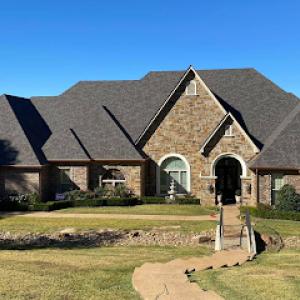
Dickson Roofing
Serving
4.9 from 54 reviews
At Dickson Roofing, our goal is to create lifetime customers. The highest form of praise we can receive is repeat business or a referral because of a job done right. By consistently putting our client's needs and expectations above our own, we are able to build our most valuable asset – truly satisfied customers.
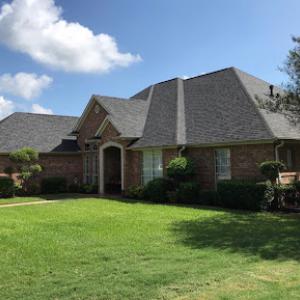
Premier Roofing of East Texas
(903) 724-1511 www.premierroofingetx.com
Serving
5.0 from 21 reviews
Your local professional roofing contractor that brings personal service, high quality products, and attention to detail with an emphasis on the customer, not profits. We can help you with your next roofing project, no matter the size. We have extensive experience working with insurance companies and can help you navigate the sometimes complicated claim process if your roof was damaged by a storm. If you are looking for a roofing company built on honesty and integrity, look no further. Call us today!
Project One Roofing
(903) 534-3979 projectoneroofing.com
Serving
5.0 from 339 reviews
Project One Roofing is a roofing contractor in Tyler serving Brownsboro, Whitehouse, Bullard, and nearby areas. Our roofing company offers residential roofing, roof repair, asphalt shingle roofing, metal roofing and more. Customers love us because of our comprehensive roof warranties and our affordable roof financing options. We also have industry affiliations and certifications such as Certainteed, GAF, TAMKO, Malarkey and Owens Corning. If you want to experience how your most trusted Tyler roofing company embraces our motto “Buliding Trust in Roofing, One Project at a Time. ", call us now for a free estimate!
Simply Construction
(903) 570-2220 www.simplyconstructiontx.com
Serving
5.0 from 37 reviews
The most honest roofing company in Whitehouse, TX. We also provide remodeling, gutter, tree and stump grinding services, and provide a variety of other construction services for your home or business primarily in the East Texas region. Office location hours are by appointment only.
Accurate Roof Systems
(903) 894-6418 accurateroofsystems.com
Serving
4.7 from 124 reviews
Accurate Roof Systems specializes in residential and commercial roof repair, replacement, and preservation. We have been family operated since 2007. We are licensed and insured to serve all of Texas and Oklahoma with a wide range of roofing services. We are highly skilled and capable of handling any project, from a minor roof leak to a complete roof replacement or restoration! We are a second-to-none roofing company that provides services such as TPO roofing, silicone roof coatings, R-Panel, standing seam, architectural shingles, and solar. We have a five-star google rating with over 85 reviews, and we are Google Guaranteed. Therefore you are secure that your residential or commercial roof will be done "Accurately."
A to Z Roofing & Construction
Serving
5.0 from 67 reviews
At A to Z Roofing and Construction, we elevate roofing to new heights. We're your go-to source for residential and commercial roofing solutions. Our skilled team ensures top-quality work using premium materials. Trust us for lasting protection and a secure investment. Contact us today for a free roof inspection.
Advantage Roofing & Solar
(903) 939-3168 www.advantageroofingcompany.com
Serving
4.9 from 414 reviews
TRUST EXPERIENCED ROOFING CONTRACTORS TO COMPLETE YOUR PROJECT When you need top-notch roofing services, turn to Advantage Roofing Company in Tyler, Longview, and all of East Texas, as well as, North Texas and the DFW Metroplex. Our contractors know you’re busy running a household or business. That’s why we’re committed to installing your roof quickly and efficiently.
Spartan Exteriors
(903) 262-5842 spartanexteriors.com
Serving
4.9 from 88 reviews
Spartan Exteriors is a roofing contractor specializing in shingle roofing, metal roofing, tile roofing, commercial roofing, and more. We offer Drone Aerial Photography to inspect your home or business for any damage. Roof Replacements, Roof Repairs, Re-roofs, New Construction, Roof Installs, Flat Roofs, TPO, Commercial Roofing, and more!
Modern Roofing & Restoration
(903) 636-3606 www.modernroofingtx.com
Serving
4.9 from 68 reviews
Modern Roofing & Restoration, located in Tyler, Texas, offers premier roofing services for homes and businesses. Since 2022, we have specialized in roof replacements, storm damage repairs, and professional maintenance to ensure durability and longevity for your property. Our skilled team provides emergency roofing solutions and water damage mitigation to protect your property promptly and effectively. With a focus on customer satisfaction, we strive to keep your roof strong, secure, and looking its best.
Spring and fall are the preferred reroof windows in Jacksonville because they avoid the worst summer heat and the most disruptive storm periods. In practice, that means planning your project to start after the wet season eases and before the heat of July settles in. When storms loom, crews slow down, materials dry-in slows, and a single thunderstorm can push a full tear-off back by a day or more. Aligning the schedule with milder temperatures helps shingles lay flat, underlayment stay protected, and the installation crew maintain steady progress without heat-related fatigue.
Heavy spring rains in Cherokee County can delay tear-off and dry-in schedules, which affects contractor availability and project sequencing. If a storm front rolls through during tear-off, crews may pause until the roof is dry to prevent moisture damage to underlayment and new shingles. In Jacksonville, that means you should prepare for potential gaps in days rather than a single continuous block of work. The best approach is to target a window with a few dry, moderate-temperature days back-to-back, and have contingency buffers in the plan for weather-induced delays.
Jacksonville's hot summers accelerate shingle handling issues and underlayment exposure during installation, making peak-heat scheduling less desirable. Shingle material can become overly pliable in the heat, increasing the risk of damage during transport and on the roof. Heat can also shorten the workday for crews, pushing more work into the late afternoon when light and air conditions are poorer. To mitigate this, coordinate a start time that leverages cooler mornings, ensure daily teardown and reseating routines keep underlayment protected, and allow for mid-project inspections to catch any heat-related issues early.
1) Pick a spring or fall start with a weather-backed plan. Choose a window that minimizes exposure to late-season storms and the hottest days.
2) Build a flexible schedule. Talk with the roofer about buffer days for rain and wind, especially in spring, so a delay doesn't cascade into weeks of downtime.
3) Schedule dry-in targets for mild days. Ensure the dry-in phase occurs during temperatures that keep underlayment and felt from becoming brittle or overly stretched.
4) Align with wind-sensitive work. Since Jacksonville experiences wind-driven episodes, coordinate installation to avoid high-wind forecasts during critical tear-off phases.
5) Prepare the site for late-day heat. Plan for material staging in shaded or sheltered areas and maintain access for crews to keep the work moving even as temperatures climb.
6) Communicate storm-response plans. Have a clear protocol with the contractor for what happens if a storm interrupts work, including temporary tarping and drainage considerations to protect interior spaces.
If the forecast shows an abrupt weather shift, confirm with the contractor the expected timeline and any mobilization notices. Ask how delays affect sequencing for shingles, underlayment, and ventilation components. A well-timed reroof in this climate balances avoiding peak heat with navigating spring rainfall, ensuring the project finishes with a durable, properly dried-in roof that stands up to East Texas hail and summer wind.
Asphalt shingles are common in Jacksonville, and that familiarity matters when choosing a roof for a pine-heavy neighborhood. Prolonged summer heat and UV in East Texas can shorten appearance life and increase granule loss, so you want a premium shingle with better UV resistance and wind uplift ratings. In shade-dense areas, moisture can linger on roof surfaces, which accelerates algae growth and granule wear if the attic ventilation isn't keeping up. When you're evaluating shingles, look for longer warranty terms on fade resistance and a factory-applied algae inhibitor. A well-ventilated attic helps keep the underside of the shingles cooler, which extends the look-and-life of the roof, especially where tree canopies drip moisture onto the roof deck after heavy rains. In wooded streets, a shingle with a durable shadowed appearance can help preserve curb appeal longer, even under frequent sun exposure and periodic hail impacts.
Metal roofing performs well against heat and sheds pine needles and rain efficiently, which matters in residential areas shaded by tall pines. The reflective surface reduces heat absorption, potentially lowering cooling loads inside the home during hot months. Metal panels also shed leaves and needles more reliably than many alternatives, minimizing gutter clogs and algae-prone debris buildup. In Jacksonville's climate, proper installation matters: a tight, well-sealed seam system and appropriate underlayment are keys to resisting wind-driven debris and hail scuffs. If choosing metal, consider panel profiles and coatings engineered for high-UV environments and pine-laden yards, plus a roof-to-wall detailing plan that minimizes water entry at transitions. A thoughtful fastener pattern and attic ventilation strategy reduce the risk of heat buildup behind the panels and help maintain long-term performance in a tree-rich street landscape.
Clay and concrete tile appear on some higher-end homes, but their weight and wind-detailing needs make installation quality especially important in a city where wind documentation may be reviewed during full-replacement reviews. These tiles can deliver excellent longevity and a distinct look, but they demand a strong structural framework and precise fastener placement to handle uplift during storms. In pine-dense neighborhoods, pine sap and debris can accumulate in tile valleys if the roof is not properly sloped and filtered with adequate drainage. Work with a contractor who can verify that the deck structure is rated for tile weight and that the installation includes appropriate wind-rated detailing, especially around hips, ridges, and eaves. Consider tile color and texture choices that mitigate heat gain while preserving the home's architectural character, and plan for additional maintenance to keep fasteners free of corrosion in this climate.
East Texas pine cover casts a persistent shade over many roofs and fills gutters with needles, tiny limbs, and twigs that seem to multiply after every windy front. In this area, roofs don't dry as quickly as they do in towns with less tree canopy, so damp patches linger along valleys and around flashing. That combination of shade and organic debris creates a slow-burning schedule of wear that isn't immediate, but it is steady-and it helps explain why some roofs show signs of trouble sooner than expected after a hail or wind event.
Persistent shade keeps sections of the roof damp well after a rain, especially on southern and western exposures where branches still block sunlight for longer. When moisture sits on shingles, underlayment, or flashing, the edge of the roof becomes a magnet for algae, moss, and mildew. This isn't just cosmetic: organic growth holds moisture against the roof structure, can lift granules from asphalt shingles, and can corrode metal flashing over time. In practice, shaded roofs near mature pines often exhibit accelerated edge wear and soft spots where moisture has had more time to seep in between layers.
Pine needles accumulate most where two planes meet-valleys, around vents, and along flashing. The debris acts like a sponge, soaking up rain and expanding during cycles of wet/dry weather. Over the years, this can trap moisture and promote localized deterioration at seams and lap joints. Regular debris management matters more in this climate than in drier regions: a single season of neglect can translate into unnecessary flashing fatigue, clogged drainage, and slow-dly interior leaks that show up after heavy wind-driven rain.
Set a practical schedule for more frequent roof and gutter clearing if the yard is heavy with pines. Focus attention on valleys, around flashing, and near penetrations where debris tends to accumulate. When harvesting branches, aim to clear within a few feet of the roof edge to reduce shade pockets that hold moisture. If a tree limb overhangs the roof, consider trimming it back to improve sun exposure and airflow, which helps dry sheets after a storm. Small, consistent maintenance today can prevent localized deterioration that escalates after the next hail-wind event.
A full re-roof in Jacksonville typically requires a permit through the City of Jacksonville Building Department. The process is designed to verify that the replacement matches local codes for wind, moisture, and structural support, given East Texas hail-and-wind exposure. Expect the permit counter to ask for basic project details and roofing type.
Inspection stages commonly include checks during installation and at completion, with attention to underlayment, ventilation, and final roof conditions. The roofer should coordinate pull-through inspections to verify decking, flashing, and venting align with code requirements. If there are any deviations, corrections must be documented and re-inspected before that phase passes.
Local permit review is often relatively short, but some projects may need wind-related documentation depending on roof type and scope. If a reroof involves heavier materials, unusual framing, or a high wind exposure zone, be prepared to supply wind-load information or contractor certifications. Coordinating with the builder or inspector early can prevent delays.
Submit plans through the Building Department and expect follow-up questions on ventilation, attic access, and code-compliant fasteners. An approved permit will come with conditions you must meet during installation. Keep a copy of the permit on-site and display permit numbers when inspectors arrive for checks.
Have your contractor pre-check attic ventilation and underlayment choices for moisture-prone pine-shaded neighborhoods. Arrange access for inspectors and ensure debris containment is in place to minimize wind-driven debris concerns near yards and driveways. If wind-related documentation is asked for, supply it promptly to keep the project moving.
Asphalt shingles run about $350 to $650 per square in this market. Metal roofs typically fall between $600 and $1,200 per square. Clay tile is commonly $1,000 to $2,000 per square, while concrete tile runs from $900 to $1,800 per square. Wood shingles or shakes usually land in the $600 to $1,100 per square range, and synthetic or composite shingles come in around $450 to $900 per square. These bands reflect Jacksonville's East Texas exposure and the mix of pine-covered neighborhoods that can influence ventilation and roof access during installation.
Storm-driven demand spikes in this area can push labor scheduling and pricing upward after hail events. When hail or high winds pass through, roof crews tend to book back-to-back in nearby weeks, and some crews may add a premium for quick turnarounds or for work that must be staged around existing outages. If a hail event hits your block, plan for potential delays in material delivery and a tighter crew window. Having a window of several days for a crew to fit you in after the storm can help avoid inflated temporary surge costs.
Costs can shift locally based on tree-related tear-off complexity, especially in neighborhoods with dense pines where branches and sap slow debris removal. Ventilation corrections found during inspection can also add to the bill if interior attic spaces or vents need upgrading to meet modern airflow and moisture control standards. Keep these factors in mind when reviewing bids after a hail event, and ask for itemized quotes that separately list tear-off, ventilation, and any incidental repairs.
In the Cherokee County area, repeated heat cycling and storm exposure often show up first at flashing transitions, ridge caps, and penetrations. Those small failure points tolerate weather for years, then spray leaks or wind-driven rain finds a path. When you notice cracked sealant, loose shingles at the edge of a valley, or a gap around a vent, you're seeing the early stages of problems that can escalate quickly after a big hail event or a strong gust.
Hidden hail bruising on asphalt roofs is a recurring regional issue because the roof may look serviceable until leaks appear after later rains. Bruises weaken the shingle surface and allow moisture to migrate beneath, where it can grow mold or rot in hidden pockets. Regular inspections after hailstorms are essential, even if the surface looks fine.
Ventilation deficiencies become more costly in the area's long hot season because attic heat buildup accelerates shingle and underlayment aging. If the attic runs hot, shingles dry out and curl faster, while underlayment can delaminate or sag. Check for adequate soffit intake, exhaust vent balance, and unobstructed pathways for air to move through the attic. A modest investment in attic cooling can pay off through longer roof life and fewer mid-season surprises.
In practice, a Jacksonville roof benefits from semiannual checks, especially after storms. Look for lifted granules, dark stains, or granule loss on shingles; feel for soft spots when walking; inspect around skylights and chimney flashing after wind events; check attic insulation for damp spots. Missing or damaged drip edge can invite water under shingles. Keeping gutters clean reduces standing water that accelerates wear at eaves. If you notice frequent patching or repeated leaks, it may indicate a broader issue that warrants professional evaluation before it worsens. Regular, cautious inspections save costly surprises over time.
Jacksonville's roof life is shaped by East Texas heat and frequent storm activity, all layered over pine-shaded lots that keep roofs damp and shaded in spots. That combination accelerates wear in different ways than coastal or desert environments. The inland setting means primary concerns are hail, wind, UV exposure, and the way steady rain and falling pine debris interact with existing shingles. Flat, wooded streets can create microclimates where moisture lingers longer on shingles and attic vents, inviting moss, algae, and edge deterioration if drainage isn't optimal. Understanding these local factors helps homeowners anticipate gaps in performance between the hottest afternoons and the following wet days.
In Jacksonville, asphalt shingles tend to show granule loss and curling sooner after several hail events or hard freezes, while metal roofs may exhibit fast wear around fastener points if installed with insufficient sealant coverage. Clay and concrete tiles handle sun well but can crack under hail impacts and wind uplift, especially on slopes with partial shade. Wood shingles and shakes display accelerated weathering in pine-dense neighborhoods where shade and humidity linger; they're more prone to cupping and splitting in wet springs. Synthetic or composite shingles can hold up longer in this climate, but harsh UV can still cause color fading and surface wear over time. Each material ages along a distinct path, so recognizing the telltale signs-granule loss, curling edges, cracked tiles, or moisture staining-helps target maintenance before leaks appear.
Roof life in this city often threads between visible weather windows and insurance response after spring storm activity. A dry spell after a hail event is a practical window to assess and plan replacements, while wind-prone conditions may push the need for faster action to prevent further damage. When choosing a replacement or major repair, pairing a thorough inspection with documented wind-related observations speeds up any insurance review and reduces the risk of missed damage. Regular inspections after spring storms, and before the peak of summer heat, help keep lifespan on track and prevent small issues from turning into costly repairs.