
Last updated: Apr 19, 2026
Late spring through summer brings the highest-risk period for hail, high winds, and heavy rainfall that can damage shingles, flashing, and roof penetrations. In this window, a routine afternoon downpour can turn minor wind effects into a full-blown leak before a repair crew can reach your home. The immediate consequences aren't just cosmetic-water intrusion can travel along rafters, saturate attic insulation, and invite mold growth if left unaddressed. Expect rapidly changing conditions from one afternoon to the next, with fast-moving storms that blanket neighborhoods in a handful of hours. Plan for shorter response times on those sultry storm days, and treat any new or expanding stain as a potential emergency.
Northwest Louisiana homeowners often deal with insurer scrutiny because the region is a high-claim severe-weather market, so photo documentation, date-stamped leak evidence, and records of temporary protection matter more here than in lower-claim regions. When a storm hits, take clear, well-lit photos of hail impacts, damaged flashing, and any cracked or lifted shingles from multiple angles. Keep a dated video record of your attic if you can, showing any condensation, staining, or moisture intrusion. Save all receipts for temporary measures such as tarping, boards, or weatherproof barriers. A simple, organized file with weather data, storm dates, and the sequence of damage helps support a claim when insurers review the incident.
In Shreveport, fast post-storm tarping can be critical because repeated thunderstorm rounds can hit before a full repair is scheduled, turning minor wind damage into interior water loss. If shingles are lifted or flashing is compromised, cover the affected area promptly with a sturdy tarp anchored to solid structure. Do not rely on a temporary fix alone; document the tarping with dated photos and keep the tarp in place until a licensed roofer can assess and repair. Coordinate with your insurer to ensure the tarping is recognized as a protective measure, since delayed protection can complicate claim timelines and response expectations.
Weather gives no warning when a storm will stretch over weeks, so plan for staggered repairs rather than a single mega-fix. Contact your insurer promptly after a damaging event, and follow up with a written summary of the damage timeline, including storm dates and any subsequent weather that worsened conditions. When talking to the adjuster, reference the documented photos, date-stamped evidence, and tarping actions; this framing helps demonstrate urgency and accountability. Keep a steady rhythm of communication: confirm receipts, request written repair timelines, and maintain a running log of all contact attempts and responses.
Once the roof is tarp-protected and a professional assessment is scheduled, monitor for signs of ongoing intrusion-dark spots on ceilings, musty odors, or peeling paint. If water damage expands under attic insulation or into ceilings, prioritize a quick interior mitigation plan to limit secondary damage. In communities facing recurrent storm cycles, establishing a rapid-response routine with your roofer and insurer can reduce overall disruption, shorten downtime, and help restore protection before the next round of storms.
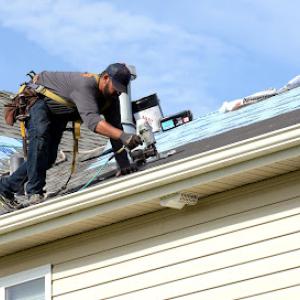
Priority Roofing
(318) 202-2123 priorityroofingllc.com
5741 St Vincent Ave, Shreveport, Louisiana
5.0 from 283 reviews
At Priority Roofing, LLC, we are proud to serve property owners throughout Northern Louisiana. As Shreveport’s most trusted roofing professionals, we offer a comprehensive catalog of roof replacement & repair solutions for residential & commercial property owners alike. Whether you're facing a roofing emergency or you’re simply looking to update your aging roof, we have you covered. Get in touch today to schedule your free, no-obligation roofing inspection and discover why we are the go-to roofing experts in Shreveport, LA and beyond!
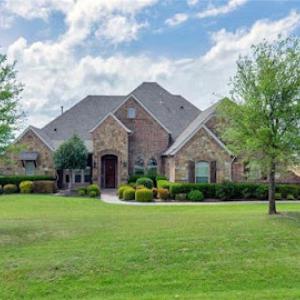
Hudco Roofing & Exteriors
(318) 584-0044 hudcoroofing.com
1201 Hawn Ave, Shreveport, Louisiana
4.9 from 155 reviews
If you have a roofing problem or storm related roof damage you need a Louisiana roofing contractor you can trust. HUDCO Roofing has been a trusted Shreveport LA roofer for many years, servicing the entire state of Louisiana. With services like roof repair, new residential roof replacement, leaky skylight repair and replacement, HUDCO Roofing wants to be your go-to Shreveport roofing contractor. At HUDCO our #1 goal is client experience. HUDCO always puts customers first. Call HUDCO Roofing today if you have a roof leak, need a new roof anywhere in Louisiana including Shreveport, New Orleans, Lafayette, Baton Rouge, and surrounding areas.
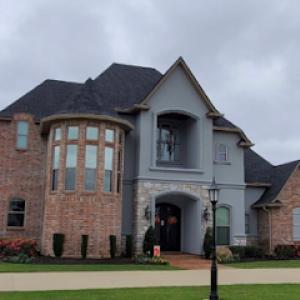
Custom Exteriors
(318) 389-9938 www.custom-exteriorsllc.com
4120 Metro Dr Suite 200, Shreveport, Louisiana
5.0 from 96 reviews
Custom Exteriors provides roofing, remodeling, and painting services to the Shreveport, LA area.
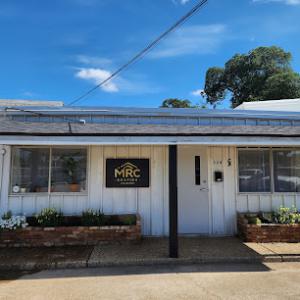
MRC Roofing
(318) 455-6593 www.mrcroofing.co
504 Anderson Ave, Shreveport, Louisiana
4.9 from 127 reviews
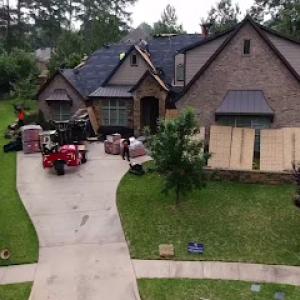
Welcome to MRC Roofing, your trusted local roofing experts in Shreveport, LA. With years of experience, we specialize in providing top-notch roofing services all over Louisiana, from inspections and repairs to full roof replacements. Our team is dedicated to delivering exceptional craftsmanship and customer service, ensuring your home is protected during harsh Louisiana storms and damages. As a locally-owned business, we understand Shreveport homeowners' unique challenges and are committed to providing tailored solutions that meet your specific needs. We also work closely with insurance agencies to help you navigate the claims process after storm damage.
Indemnity Roofing
(888) 334-9155 indemnityroofing.net
9140 Newcastle Dr, Shreveport, Louisiana
4.9 from 48 reviews
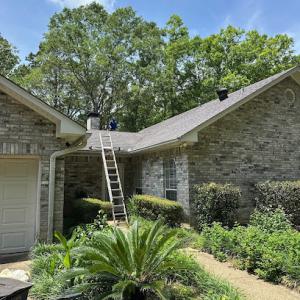
Your insurance company has their roof guy. Now, you have yours. Your insurance adjuster doesn’t work for you—he works for your insurance company. And your insurance company makes money by charging a lot and paying a little. So, they’re not incentivized to note all of your roof damage. In fact, we’ve seen insurance companies send checks for minor roof repairs to businesses & homeowners who needed whole roof replacement! So, we'll make sure you get the roof you need. And our roofing pros will help you choose the roofing materials that fit your needs, personality, and budget. Plus, we'll even show you a 3D model of your preferred roofing materials on your house—before you make your final decision. Call now for your free roof inspection.
Triumph Roofing & Construction
(318) 674-7767 www.triumphroofs.com
9710 Paxton Rd Unit G, Shreveport, Louisiana
5.0 from 41 reviews
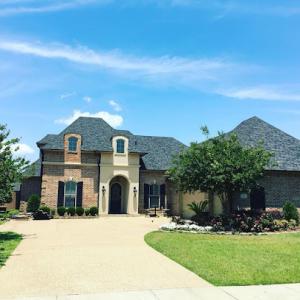
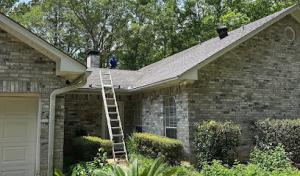
Triumph Roofing and Construction is your go-to roofing contractor in Shreveport, LA, located at 9710 Paxton Road, Unit G. We deliver top-notch roof repair, roof leak repair, roof replacement, and storm damage repair services, specializing in both asphalt shingle and metal roofing. Our expert roofers handle everything from emergency roof repair to new roof installations, and we pride ourselves on providing exceptional customer service and guaranteed satisfaction. Serving Shreveport and nearby areas, we assist with insurance claims and offer financing options to make your roofing needs accessible. Contact us 24/7 for reliable, professional roofing solutions that protect your home against the elements.
Smart Roofing
4650 Greenwood Rd, Shreveport, Louisiana
5.0 from 34 reviews
Smart Roofing is your trusted roofing expert in Shreveport, LA, specializing in insurance restoration, commercial roofing, and residential roofing solutions. With a focus on quality and reliability, we provide comprehensive roofing services tailored to your needs, from durable installations to efficient repairs. Our free roof inspections ensure transparency and peace of mind, helping you address potential issues early and maximize the longevity of your roof. Whether you're a homeowner or a business owner, Smart Roofing is committed to delivering top-notch service and durable results that protect your property and investment. Contact us today for roofing you can rely on.
Gold Star Construction & Roofing
(318) 688-3035 www.goldstarroofingla.com
9506 Linwood Ave, Shreveport, Louisiana
4.8 from 163 reviews
Gold Star Construction & Roofing, Inc. Provides Roofing Contractors, Residential Roofing, Shreveport Roofing, Bossier Roofer And Commercial Re-Roofing To The Shreveport, LA Area.
Hodge Roofing
(318) 946-8093 hodgeroofing.net
9275 Youree Dr Suite 3, Shreveport, Louisiana
5.0 from 32 reviews
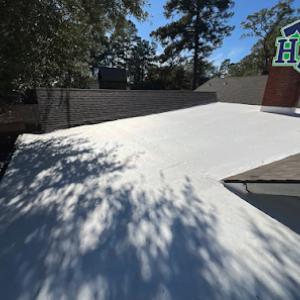
Hodge Roofing is a family-owned, faith-based roofing contractor based in Shreveport, Louisiana. We specialize in high-quality residential and commercial roofing services across Louisiana, Texas, and Arkansas. Whether you need a new installation, repair, or full replacement, our team delivers expert workmanship and unmatched customer service. Currently serving Residential, Multifamily Apartments, and Commercial roofing projects.

Phoenix Roofing Solutions
(318) 759-7691 www.phoenixroofingsolutions.com
9710 Paxton Rd Unit B, Shreveport, Louisiana
5.0 from 26 reviews
TOP RANKED Local roofing contractor serving Shreveport, LA, TX and surrounding areas. We specialize in residential and commercial roof replacement, roof repair, and insurance claims resolution Phoenix Roofing Solutions is a full service construction company specializing in roofing, gutters, windows, siding. We have quickly grown into one of the largest residential roofing companies in the State. Our craftsmanship comes with an industry leading lifetime workmanship and shingle manufacturer warranty!
Alchemy Roofing & Sheet Metal
(318) 426-8628 alchemyroofing.com
6125 Interstate Drive Bay 11 & 12, Shreveport, Louisiana
5.0 from 23 reviews
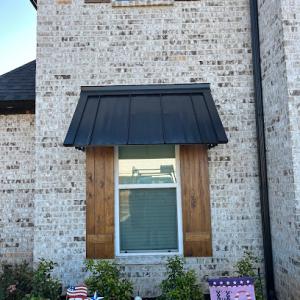
Alchemy Roofing & Sheet Metal has 17+ years experience and wants to make the process of getting a new roof as easy as possible for you. We are fully licensed and insured. Call us today with the satisfaction of knowing a licensed professional is on your roof. Thank you!
CPR Roofing
506 W 67th St, Shreveport, Louisiana
4.7 from 49 reviews
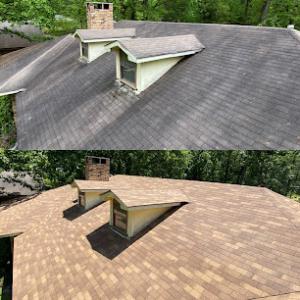
At CPR Roofing, we have expertise in the replacement of various roof types, including asphalt shingles, metal panels, and flat roofing for both commercial and residential properties. In addition to our roofing services, we are excited to introduce seamless aluminum gutter installations, with a width of 6 inches. Our range of services extends beyond this, and we have much more to offer! Take advantage of our current service sale by reaching out to us today.
In this corner of the country, spring and fall are the most favorable reroofing windows. Mild temperatures help crews keep heat stress down and reduce adhesive and handling issues that show up when the afternoon sun bakes a dark asphalt roof. If you're aiming for a solid, fast install with fewer weather surprises, plan for a spring or fall project and coordinate your crew's arrival to avoid the peak heat hours. For durable results, pick a period with a predictable rain pattern and enough dry days on the forecast to keep underlayment and fasteners performing as designed.
Extreme summer heat in this area can affect material staging and installation pace, especially on dark asphalt roofs that become much hotter during afternoon work hours. If a summer reroof is unavoidable, target early-morning work starts and stage materials to minimize trips up and down steep pitches. Communicate with the contractor about heat-related pauses and shade strategies, like temporary awnings or reflective tarps on the roof deck. This helps protect sealants and ensure the crew can lay shingles or metal panels without overheating, which otherwise invites workmanship gaps and delayed curing of protective coatings.
Periodic winter cool fronts and freeze-thaw swings in north Louisiana can affect sealants and underlayment behavior. Timing reroof work around dry spells matters more than homeowners expect. Look for windows that promise several consecutive dry days, plus a day or two of mild temperatures after rainfall to help backfill and bed underlayment smoothly. If temperatures plunge near the end of a project, ensure the contractor has a plan to cover exposed edge details and to protect valleys and fasteners from freezing conditions that can compromise performance.
When a thunderstorm hits and damage is suspected, the fastest path to minimizing interior leak damage is a rapid response window. Have a reputable contractor on call who can perform a temporary tarp or quick cover to divert water while a full roof replacement plan is finalized. In storm-damaged situations, accuracy in documenting the damage becomes essential for insurance discussions. Take dated photos of hail impacts, lifted shingles, and wind-driven debris from multiple angles. Keep notes on the timing of leaks inside the attic or ceiling, along with any backup water intrusion in basements or closets after storms.
Choosing a local roofing pro who understands the common housing stock here-hip roofs, long slopes, and multiple tree-based debris sources-can save time during cleanup and installation. When you contact a roofer, ask about their approach to storm damage documentation and how they'll coordinate with your insurer. A contractor who routinely documents impact points, hail marks, and the extent of underlayment wear can streamline the claim process. Ensure they provide a clear leaky-water plan for the first 24 to 48 hours after a storm, so you know exactly when to expect temporary protection and when the final roof system will be installed.
Asphalt shingles remain the most practical fit for many Shreveport homes because they balance upfront cost with replacement demand in a market where storm losses are common. This material handles hail and wind testing reasonably well when installed with a solid underlayment and correctly sealed edges. For homeowners facing frequent thunderstorm activity, asphalt shingles offer predictable performance, a straightforward repair path, and a wide range of color and profile options that can mimic more durable materials without exchanging a substantial chunk of your budget for each storm season. In areas with dense tree cover, you'll want a shingle line that provides durable granule protection and a sturdy adhesive strip to help resist lifting during gusts. Routine maintenance-clearing debris after storms and inspecting for lifted tabs-stays essential to preserve the look and the long-term protection of your roof edge.
Metal roofing has a meaningful local specialist presence in Shreveport and appeals to homeowners looking for better wind performance and faster rain shedding during frequent thunderstorms. The metal profile-whether standing seam or exposed fastener-tends to shed water quickly, reducing the chance of ponding and related leakage between panels. When a storm rattles the area with hail or hail-driven debris, metal can stand up well, provided seams and fasteners are sound and the substrate is prepared to resist denting and corrosion. A key consideration is proper underlayment and flashing, especially around chimneys, skylights, and roof-to-wall transitions, where wind-driven rain can find its way in if gaps develop. If you value long-term durability with lower maintenance visits and you're prepared for a higher initial install, metal offers a compelling combination of performance and aesthetics that can suit contemporary or traditional rooflines alike.
Heavy materials such as clay tile, concrete tile, and slate are available in the market but are less common choices for typical storm-driven replacement jobs, where structure, cost, and repair complexity can be limiting factors. Clay and concrete tiles are attractive and long-lasting in dry climates, yet in a storm-heavy setting they demand strong roof decks, careful weight calculations, and careful handling during installation and repairs. Slate delivers a natural, premium appearance and excellent longevity but can impose significant structural and repair considerations if hail or wind compromise multiple areas. For most homes facing frequent thunderstorms, these heavy options are best reserved for retrofits where the existing structure is evaluated for load capacity and where architectural intent aligns with the material's weight and installation needs. In the end, the decision often comes down to matching roof shape, attic space, and access for maintenance with the material's weight and the anticipated storm loading-together guiding whether these heavier choices are a fit that won't complicate future repairs.
One characteristic to track is how materials perform during rapid, localized downpours that accompany thunderstorm activity in this region. The right choice balances resilience, ease of repair after hail incidents, and the ability to document storm-related damage promptly for insurance purposes. Consider how each option handles debris impact from nearby trees and how fast a roof can shed rain after a heavy shower. A thoughtful choice also accounts for the typical home style in the neighborhood, so the roof not only protects efficiently but also preserves curb appeal when you're ready to document the storm story for your insurer.
Typical Shreveport material pricing runs about $350 to $650 per square for asphalt shingles, $700 to $1200 for metal, $800 to $1800 for clay tile, $800 to $1600 for concrete tile, $600 to $900 for wood shingles or shakes, and $1500 to $2300 for slate. Those ranges reflect common residential stock and the local supply chain, including roofing crews who see a steady stream of replacements after storm events. When planning a project, you'll want to translate those per-square figures into your roof's actual size, plus an allowance for waste. If the roof has complex features like multiple valleys, dormers, or a steep pitch, expect the price to tilt toward the higher end of the range.
Storm-driven demand spikes in Shreveport can push scheduling and pricing pressure higher after hail and wind events, especially for full tear-offs and emergency dry-in work. After a thunderstorm, crews may be booked weeks out, and insurers often push for rapid dry-in to prevent interior water intrusion. In practice, this means you could see price swings tied to crew availability, material deltas, and expedited timelines. If an insurer or adjuster requests a quick turnaround, factor in potential surcharge costs for additional labor hours, overtime, and temporary protections while the roof is opened up and dried in.
Costs in this market can also move based on roof complexity, storm-related decking repairs, ventilation corrections flagged during inspection, and whether the home has steep sections, chimneys, skylights, or low-slope tie-ins. A roof with a tall chimney or multiple skylights typically requires more flashing, detailing, and protective membranes, which elevates both material and labor expenses. Damaged decking that needs replacement adds significant value to the final bill, since plywood and related components are priced higher during post-storm demand. Ventilation fixes-such as ridge vents, soffit care, and attic baffles-also contribute to the bottom line, especially when retrofits are needed to meet proper performance.
Preparation helps mitigate risk: obtain multiple written quotes, request itemized line items for labor, materials, and waste disposal, and confirm whether tear-off and haul-away are included. For a typical storm-affected season, allocate a contingency of 5-15% to cover unexpected decking repairs or ventilation corrections. If the project includes steep sections or complex geometry, budget for higher-per-square prices tied to the added precision work and safety requirements. In the end, the price swing is most pronounced after hail and wind events, when scheduling pressure collides with demand for full tear-offs and rapid dry-in.
Get a clear picture of your project costs upfront - no commitment required.
Triumph Roofing & Construction
(318) 674-7767 www.triumphroofs.com
9710 Paxton Rd Unit G, Shreveport, Louisiana
5.0 from 41 reviews
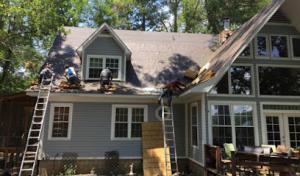
Southern Roofing
(318) 295-4555 shreveportbossierroofing.com
6654 St Vincent Ave, Shreveport, Louisiana
4.4 from 26 reviews

In Caddo Parish, the scope of a roof project determines whether a permit is required. A full re-roof typically requires a building permit handled through the Caddo Parish Building Safety Department. The distinction between a full re-roof and a repair matters, because only the former usually triggers formal permitting and inspections. The local authority focuses on ensuring the roof structure, flashing details, ventilation, and other critical components meet current code standards. For homeowners facing storm damage, this means confirming early on whether your project is a full replacement or a localized repair before work begins.
Permitting and inspections are managed at the parish level, not by a standalone city office. In practice, this means the permit application, tracking, and final approval flow through the Caddo Parish Building Safety Department. The process can involve plan reviews, project scope documentation, and scheduling inspections at key milestones. Because oversight is local, rules and interpretations can vary by the neighborhood and the specific flat of the parish inspector's route. Start with a call or visit to confirm the exact documentation needed for your address and project type.
Post-install inspections verify several critical elements after the roofing work is completed. Expect the inspector to check flashing around chimneys, vent stacks, skylights, and roof-to-wall terminations. Ventilation adequacy and attic air sealing are also reviewed to prevent indoor moisture issues and ice-dam risks in colder periods. General code compliance covers fastener patterns, underlayment, drip edge placement, and proper alignment with roof deck contours. Being prepared with clearly labeled roof sections, photos of damaged areas, and a straightforward scope statement helps the inspector assess quickly.
Before work starts, confirm with the contractor whether the project is a full re-roof or a repair and secure the appropriate parish paperwork. Gather any required supporting documents, such as project plans or material specifications, and keep communications with the Building Safety Department documented. After installation, arrange the required inspections promptly and have access ready for the inspector to review flashing details, ventilation, and overall code compliance. In the storm-prone environment of this region, timely permitting and inspection acceptance can streamline claim settlements and reduce the risk of overlooked code issues. In Shreveport, a full re-roof typically requires a building permit handled through the Caddo Parish Building Safety Department.
Shreveport homeowners are buying roofs in a Louisiana insurance market shaped by frequent severe-weather claims, which can affect underwriting, renewal terms, and how insurers evaluate older roofs. That environment makes storm resilience more than a matter of comfort-it directly shapes what gets approved, how quickly, and for how long. When storms hammer the region, insurers scrutinize the roof's current condition, age, and documented history, and they often view replacement decisions through the lens of insurability as much as leak prevention. Understand that the same roof protecting your family can also influence future coverage terms.
In practice, insurers pay close attention to roof age, wind-mitigation details, and the quality of repair history. If a claim is filed, the file will ride on a well-documented narrative: recent inspection reports, dated photos showing hail hits or wind damage, interior evidence of leaks, and receipts for emergency tarping or immediate temporary measures. For many homeowners, a robust file reduces the risk of claim disputes later and helps keep you in a position where the insurer can assess the full scope of damage without vague summaries. Collecting and organizing this information now is an investment in smoother processing later.
After a severe storm, focus on rapid leak control while you gather records. Cover affected areas to minimize interior damage, photograph both the exterior and interior impact, and note the time and weather conditions. If a roofer is brought in, request a written assessment that clearly links observed damage to the event, and keep copies of all invoices. Even small, practical actions-temporary tarps, secure debris, and timely reports-become part of a credible claim narrative when the file heads to underwriting or an adjuster review. Keeping a dedicated storm file helps you move from damage to resolution with clarity.
Connect with contractors who help homeowners navigate the claims process from damage assessment to final approval.
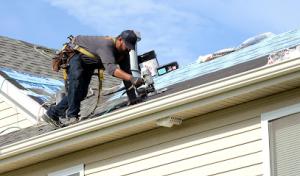
Priority Roofing
(318) 202-2123 priorityroofingllc.com
5741 St Vincent Ave, Shreveport, Louisiana
5.0 from 283 reviews
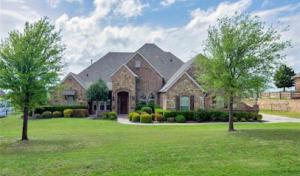
Hudco Roofing & Exteriors
(318) 584-0044 hudcoroofing.com
1201 Hawn Ave, Shreveport, Louisiana
4.9 from 155 reviews
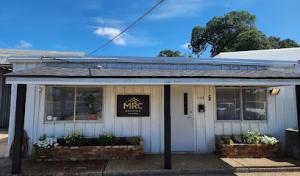
MRC Roofing
(318) 455-6593 www.mrcroofing.co
504 Anderson Ave, Shreveport, Louisiana
4.9 from 127 reviews
When a thunderstorm rolls through the area, wind-driven gusts can peel back shingles and lift shingles along the edges, especially on older roofs or those with imperfect sealant courses. Damaged ridge and hip caps are a frequent consequence, and once cap shingles crack or detach, water can follow the ridge line inward. In a city that sees repeated severe storms, a small opening here becomes a fast conduit for leaks that spread across the roof plane. You'll notice wind damage first at high corners or along transitional edges where shingles meet flashing, so inspect with caution after a storm and target the ridges and hip lines for any loose or missing pieces.
Heavy rainfall in this climate often reveals weaknesses around valleys, around chimneys, and near skylights long before broad field damage becomes obvious. Valleys can fail where metal flashings have warped or where sealant degrades, allowing water to back up and seep into attic spaces. Chimneys and skylights introduce penetrating joints that endure heat cycling and storm exposure; damaged step flashing or counter-flashing can create slow drip patterns that worsen with each new downpour. Roof-to-wall transitions are another choke point, where misalignment or improper flashing invites water intrusion into the interior and attic, often masking the real extent of surface damage until interior staining appears.
Tree debris and clogged drainage paths are a recurring local issue because storm-season limb drop can compound water intrusion even when the main roof covering is still mostly intact. Debris can trap moisture, clog gutters, and overwhelm downspouts, forcing water to back up at eaves or overhangs and find quieter entry points along fascia lines. Regular clearing after storms helps, but the real risk sits at valleys, around penetrations, and where roof planes meet walls, where a stubborn clog or a small opening becomes a lasting leak source. If a storm drops a lot of debris, reassess the roof and drainage system promptly.
Find contractors experienced in skylight installation, flashing, and leak repairs to bring natural light into your home.
Hudco Roofing & Exteriors
(318) 584-0044 hudcoroofing.com
1201 Hawn Ave, Shreveport, Louisiana
4.9 from 155 reviews
Hodge Roofing
(318) 946-8093 hodgeroofing.net
9275 Youree Dr Suite 3, Shreveport, Louisiana
5.0 from 32 reviews
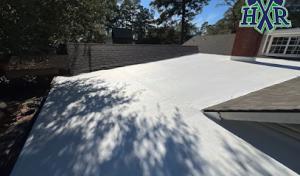
Low-slope and flat-roof work is a strength in this market, thanks to a robust mix of residential and commercial builders. In many parts of town, you'll find crews who can transition between shingle assemblies and low-slope systems without hesitation. Repeated heavy rain events stress drainage and seam integrity, so emphasis on proper drainage layout and robust detailing becomes a practical differentiator in everyday projects.
When you're evaluating a low-slope roof, start with drainage first. Ensure the primary drains, scuppers, and any scupper-to-downspout connections are sized for the local downpours and debris load. Slope targets should be verified, and temporary or permanent crickets should be integrated at transitions to prevent water from pooling near walls or at penetrations. Seams and transitions demand careful attention: roof-to-wall details, curb penetrations for vents or skylights, and any roof-access hatches should be sealed with compatible, weather-appropriate materials. In homes with additions or porches, double-check transitions where low-slope sections meet shingle areas; mismatches here are common failure points after heavy rains.
Shreveport properties often feature additions, carports, or porches that involve mixed-slope transitions. A contractor comfortable with both shingle and low-slope assemblies makes the most sense for these projects. Expect some projects to require a unified drainage strategy across different roof types, plus careful flashing at hip joints and transitional curbages. For these jobs, insist on a single detailing approach that treats the entire roof as an integrated system, not two separate roofs bolted together.
Given frequent deluges, establish a rapid diagnostic routine after storms: check for pooling, displaced flashing, clogged drains, and hail-related dents near penetrations. Keep a ready-to-go patch plan for minor leaks and document every repair thoroughly; clear photos and notes simplify insurance conversations and future projects. A local contractor with a track record across both low-slope and steep-slope work can guide you through long-term maintenance and staged upgrades as conditions evolve.
Find specialists in TPO, EPDM, and built-up flat roofing systems for residential and commercial properties.
Priority Roofing
(318) 202-2123 priorityroofingllc.com
5741 St Vincent Ave, Shreveport, Louisiana
5.0 from 283 reviews
Gold Star Construction & Roofing
(318) 688-3035 www.goldstarroofingla.com
9506 Linwood Ave, Shreveport, Louisiana
4.8 from 163 reviews
Hodge Roofing
(318) 946-8093 hodgeroofing.net
9275 Youree Dr Suite 3, Shreveport, Louisiana
5.0 from 32 reviews