
Last updated: Apr 19, 2026
Palestine sits in East Texas, where spring hailstorms and heavy rains are a primary trigger for roof inspections, repairs, and full replacements. After a severe hail event or a heavy downpour, shingles can look intact from the ground but be cracked, cupped, or delaminated underneath. In this climate, moisture moves fast through aging roofs, and humidity can trap that moisture inside roof decks and underlayment. The result is accelerated rot, mold risk in attic spaces, and faster degradation of flashing and seals. Acting quickly after the first signs of damage minimizes the chance of interior leaks that creep into ceilings, walls, and insulation.
Inspection timing should be immediate after a hailstorm or one of those heavy, soaking rains that arrive with thunder. Look for soft spots, granule loss on shingles, or granules backing in gutters and downspouts. In the attic, check for dark staining, musty odor, or damp insulation around penetrations and along the ridge line. Heat and humidity magnify these issues: a roof that already has micro-cracks or worn sealant will absorb moisture faster in the Triangle of East Texas sun, then trap it during the muggy afternoons. If you notice any dampness on ceilings after a storm, treat it as an urgent flag, even if the surface still looks fine.
Replacement timing in this area often favors milder months because summer installation conditions are harsher and winter freezes or wet periods can delay tear-off and dry-in. In practice, that means prioritizing the shoulder seasons-early spring when storms have passed and the roof has had a chance to dry, or late fall when cooling temperatures reduce heat stress on crews and materials. If damage is severe or multiple shingles are displaced, start coordinating replacements before the heat of July, recognizing that torrential rains can push projects back and weather windows can narrow quickly. The goal is to complete tear-off, with proper drying time, before the hottest weeks return, so new roofing is not forced to endure peak summer moisture buildup during installation or setup.
In this climate, inspections can be slowed by weather, creating a domino effect on timing. Schedule a primary assessment soon after any significant hail or heavy rain, and request a documented findings report. If a full replacement becomes necessary, align the project window so the roof can be torn off, vents sealed, and underlayment and shingles installed during a dry spell, followed by a prompt dry-in. Maintain open lines with the contractor about anticipated weather disruptions and set contingency milestones. In East Texas humidity, an efficient plan minimizes exposure of warm wood decks to moisture and reduces the risk of rapid mold growth inside the attic during extended dry-in delays. Stay proactive: urgent post-storm action now prevents longer-term damage later.
East Texas hail and wind events keep claim activity higher for homeowners in this area than in calmer parts of the state. When a storm rolls through, shingles can take a beating in minutes, and saturated roofs can show wear quickly in the weeks that follow. The result is a steady cycle of inspections, estimates, and repairs that can stretch a storm season well into late spring and early summer. Understanding that pattern helps you align expectations and protect your home before a leak or mold sneaks in.
Carriers serving this market expect thorough documentation after a storm, not vague notes or blurry memories. Gather date-stamped photos of the roof from multiple angles-before and after if possible-and keep a written record of every hail hit and wind-wind event you experienced. Ask your roofing contractor to provide a clear scope of work, showing the materials, the extent of damage, and the steps to reach a code-compliant repair or replacement. When you file, attach those contractor estimates and ensure the documentation ties to the actual storm date. In this area, a well-documented file reduces back-and-forth and helps the adjuster see the real scope quickly, which otherwise can stall a claim for weeks.
After wind or hail losses, insurers may require code-compliant repairs and may rely on field adjuster or inspector visits before finalizing the scope. Expect the adjuster to compare your existing roof against current code standards and manufacturer requirements. If the inspect-and-approve process reveals needed upgrades-like underlayment, fastener patterns, or flashing improvements-these gaps can shift the repair path from patchwork to a full replacement. A reputable contractor can accompany the adjuster when requested to explain the visible damage, present the written scope, and answer technical questions on materials and installation methods. While that collaboration can feel formal, it's designed to protect your home's long-term resilience in a climate that punishes moisture and wind.
Weather in East Texas can create slowdowns that echo into the claim timeline. Rainy spells can delay temporary repairs, and hot, humid days complicate rapid venting and sealant work. If weather stalls the project, your insurer may extend review windows or request updated photos and measurements to verify ongoing conditions. Plan for a staged approach: first address critical leaks and flashing, then tackle secondary repairs once the weather window allows. If a field inspector flags a need for materials or a particular installation method, delaying the second phase isn't a failure of your claim-it's a guardrail against a future failure in a storm-prone year.
Secure your claim file with a concise timeline: storm date, damage observed, and every visit from the adjuster or contractor. Maintain a single point of contact with the insurance company, and ensure your contractor's scope is well-aligned with the insurer's notes. If an adjuster minimizes visible damage, request a second opinion or provide the contractor's assessment to corroborate the need for certain repairs or a full replacement. In a market where weather-driven claims are routine, having organized records, a clear scope, and timely communication can prevent small misalignments from turning into costly delays when you need coverage most.
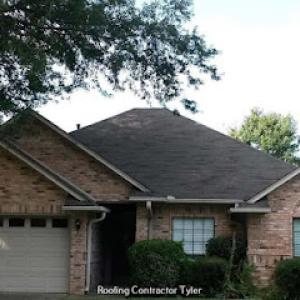
East Texas Roof Works & Sheet Metal
(903) 723-4095 www.easttexasroofworks.com
135 Southview St, Palestine, Texas
4.7 from 24 reviews
East Texas Roof Works & Sheet Metal in Palestine Texas provides complete roofing solutions for homes, businesses, and industrial properties. Servicing the entire East Texas region with features such as Poly glass roof coatings. certified single-ply roofs to expertly replacing screws in metal panels, Metal roof installation. Shingle replacement, no project is too big or small! Our comprehensive services include any type of re modeling. WE specialize in wind damage ,hail storms , water & fire damage. Call us today for a free quote.
Affordable Roofing
(903) 729-7919 roofingaffordable.com
307 5th St, Palestine, Texas
5.0 from 2 reviews
Locally owned and operated. Our business has been located in Palestine, Texas since 1996. We are experienced in Residential and Commercial Roofing Installation and Repairs (all types). Service Area: Anderson County, Henderson County, Leon County, Freestone County, Houston County and Cherokee County Palestine, Texas as well as Elkhart, Jacksonville, Frankston, Buffalo, Whitehouse, Athens, Tyler, Crockett, Lufkin and more. This is not an extensive list of the towns we service. Please give us a call to see if we travel to your town.
Lucas Roofing & Sheet Metal
Palestine, Texas
3.7 from 3 reviews
With our 25 years of experience, we can help you make a solid choice for your Palestine, TX business or home roofing. Lucas Roofing Contractors in Palestine TX by Lucas Roofing & Sheet Metal, Our family-owned business offers 25 years of roofing experience. Whether you’ve experienced severe weather or just want to be sure your roof will meet your needs for years to come, we’re here to help. Whether you’re looking for a new roof or simply repairing your present one, there are a wide variety of roofing options available. You can create just about any look and style, and there’s sure to be a product that meets your needs and your budget.
Asap Roofing
(903) 363-9160 asaproofingpalestine.com
501 N Church St, Palestine, Texas
5.0 from 1 review
ASAP Roofing Palestine, TX Professional Commercial Roofing And Residential Roofing Contractor Company, new roofs, re-roofs, and roof repairs- ASAP Roofing (430) 800-5418
Nichols Roofing & Construction
(903) 277-9811 www.nicholstx.com
Serving
5.0 from 26 reviews
Nichols Roofing & Construction brings over a decade of experience delivering high-quality roofing and construction services to Cherokee County, TX, and surrounding areas. From durable roof replacements and repairs to comprehensive interior and exterior remodeling, we’re committed to enhancing the functionality and appeal of your home or business. Our skilled team handles a wide range of projects, including renovations, installations, and improvements, always prioritizing quality craftsmanship and customer satisfaction. Whether you need a reliable roofing solution or a complete property transformation, Nichols Roofing & Construction is here to make your vision a reality.
LBG Roofing
Palestine, Texas
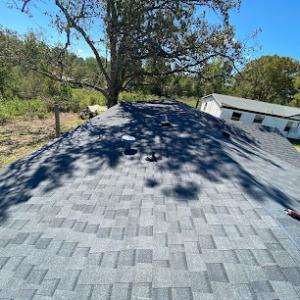
At LBG Roofing, we are committed to building and maintaining lasting relationships with our clients and our community through personalized residential roofing services. Rest assured that your project is in the most experienced hands, with our long-standing commitment to quality workmanship and exceptional customer service.
Budget Roofing
8248 TX-19, Palestine, Texas
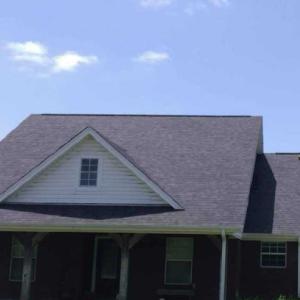
Over 23 years of quality roof work Free Estimates
Asphalt shingles are common in this area, and wind, hail, and summer humidity can accelerate granule loss and aging. For a Palestine roof, expect those granule losses to reveal accelerated aging after repeated hail events or long stretches of heat and humidity. When choosing asphalt, look for products with thicker granule coats, impact-rated options, and wind-resistance ratings that match local gusts. A practical approach is to plan for regular inspections after hail season and mid-summer heat spikes, since curling edges and accelerated granule wear tend to show up first along the eaves and in shaded ridges. If replacement happens after a hail event, consider upgrading to a premium asphalt shingle with a sturdier surface that tolerates wind-driven debris and high humidity without excessive staining or moss growth.
Metal is well suited to East Texas storm conditions, including strong winds and rapid temperature swings, and it tends to resist hail better than asphalt in many cases. However, the upfront cost and the need for proper underlayment and flashing are important considerations for local homes. In Palestine, metal roofs can become especially attractive after repeated shingle claim cycles, because metal tends to maintain its appearance longer between replacements and can accelerate a post-storm recovery process. When selecting metal, prioritize panels with a robust coating system, proper ventilation under the panels to manage humidity, and secure fastening patterns that reduce wind uplift risk on exposed slopes. A professional installation that abides by local weather patterns helps prevent rattling and noise issues during heavy storms.
Clay and concrete tile appear on some higher-end homes in the region, but hail impact risk, roof weight, and repair complexity matter more where thunderstorms are frequent. In this climate, tile can deliver long service life if the roof structure is reinforced to bear the additional weight and if the underlayment is carefully chosen to handle humidity. Hail can bruise or crack tile surfaces, and damaged tiles increase the chance of water intrusion during heavy rains. Repairs can be more involved than with shingles, so consider tile options only if the structure is already prepared for heavier roofing and if a reliable maintenance plan is in place to monitor for cracked or displaced tiles after storms.
With frequent summer humidity and seasonal hail, inspecting the roof after each severe storm is a practical habit. Look for loose fasteners, lifted edges, and granule accumulation in gutters. In planning replacements, coordinate with the typical thunderstorm window, allowing for weather gaps to avoid roofing work being paused by rain. For a home that endures repeated hail cycles, a material choice that minimizes ongoing maintenance-whether upgraded asphalt, metal with a protective coating, or reinforced tile-offers the most predictable performance through the changing East Texas seasons.
Typical material pricing in Palestine runs about 350 to 550 USD per square for asphalt shingles, 650 to 1100 USD per square for metal, 900 to 1800 USD per square for clay tile, 850 to 1500 USD per square for concrete tile, 450 to 900 USD per square for wood shingles or shakes, and 450 to 800 USD per square for synthetic or composite shingles. Those ranges reflect what you'll see from local suppliers and crews who are used to East Texas humidity and the pine belt's moisture cycle. In areas that chase a quick, economical fix, asphalt shingles stay common, but when you face strong hail or frequent wind events, many homeowners tilt toward metal or the thicker tile options, which push the square-foot cost up accordingly.
Storm-driven demand spikes in East Texas can push Palestine roofing schedules and pricing upward after hail or wind events, especially when many homes need inspections at once. When a batch of homes hits the same weather window, crews get booked solid, and material lead times can stretch. In practical terms, that means your project might slide from a two-week window into a longer run if the pickup or delivery lineups are clogged, and daily crew hours can shift to align with favorable weather gaps. If a storm comes through during tear-off or deck work, you may see temporary pauses, which can complicate pricing due to idle labor time and re-mobilization.
Tear-off complexity and weather delays can affect labor efficiency and total project cost more here than in low-storm markets. A typical re-roof includes careful disposal of old material, deck inspection for moisture, and re-nailing or underlayment adjustments. If roof pitch, attic ventilation, or skylight integration adds steps, the square cost climbs. Dry, multi-day stretches help crews stay on track and minimize waste, while sudden rain or hail resets can introduce additional startup costs. Expect a modest premium during peak storm seasons if multiple bids are solicited within a tight window, and remember that longer project timelines increase the chance of weather-caused delays, which can influence overall price and scheduling.
In Palestine, residential re-roofs are handled as a building project that requires a permit through the local building department, not as a casual maintenance task. This means your contractor will file for a building permit before any tear-off begins, and you should expect the permit to cover both the tear-off and the new roof installation phases. The permit process is designed to ensure the structure can carry the chosen roofing system and to document the work for future inspections and records.
The plan review stage is where expectations and specifics are locked in. You will submit project details, including the proposed roofing material, the fasteners and underlayment, and any structural considerations if rafters or sheathing need upgrading due to hail or wind exposure. A typical review looks for compliance with local wind resistance and moisture handling standards, as well as clean boundaries for any deck or overhang work. Have your contractor provide accurate roof dimensions and a scope that clearly states whether tear-off will be partial or full, and whether attic ventilation or insulation changes accompany the upgrade.
During tear-off, staged inspections are conducted to verify the safety and scope of the removal, and to confirm that the deck and underlying structure are solid before the new roof goes on. After installation is complete, another inspection confirms that the new system is installed according to plan and code, including fasteners, underlayment, and flashing details. Weather can slow these inspections in Palestine, so factor in potential delays when planning your project timeline. If storms spike permit volume or interrupt field inspections, expect temporary bottlenecks in scheduling.
Coordinate with the building department early to understand when inspections are likely to occur, especially during busy storm seasons when rain, hail, and high humidity push more jobs through the queue. Ask your contractor about typical inspection windows and who to contact if an inspection is delayed by weather. It helps to have contingency dates in mind for each staged inspection and to ensure access for inspectors to the roof and attic spaces. Keep a clear line of communication open among you, the contractor, and the permitting office to minimize back-and-forth that can stall progress.
When a storm rolls through, hail bruising and wind-lifted shingle edges are a recurring post-storm sight. You may miss these flaws at first glance, especially on a steep pitch or after a windy night when debris hides the damage. The real trouble shows up later as leaks around penetrations or along underlayment seams, long after the thunder has faded. In this area, a quick visual check after a hail event isn't enough; run a careful near-surface inspection along the valleys, ridge lines, and edge courses. If you see lifted or curled edges, or tiny dimples that look like fasteners have been pushed up, treat it as a warning sign. Unaddressed, those micro-issues can migrate into reservoir leaks that drip inside walls and ceilings, often during the first heavy rain of the season.
East Texas humidity accelerates moisture ingress around roof penetrations, decking transitions, and attic assemblies that aren't vented properly. In practice, that means corroded flashing, ruined sealants, and softened wood around around vent pipes, chimneys, and skylights. The most insidious damage tends to sit behind the scenes: damp decking that stays cool and dark invites mold and wood rot, weakening the roof's core over time. If attic vents are undersized or blocked by insulation, moisture lingers where you can't see it, promoting deterioration that weakens the entire roof system. Regular checks should include re-sealing around penetrations and confirming flashing lies flat with no gaps in the joints, especially after seasonal storms.
Autumn brings a flurry of leaves and stronger winds, and that combination can compound wind-blown edge wear on already-weakened roofs. Debris collects at the eaves and in gutters, forcing water to back up and creep under shingles at vulnerable seams. When wind re-energizes bare or frayed edges, edge granules shed, and shingles become brittle sooner. If spring storms already compromised the roof, autumn wind and debris can accelerate edge curling, flashing loosening, and drainage problems. A thorough edge inspection after leaf fall helps you spot signs of accelerated wear and address them before a small issue turns into a larger, more costly leak.
In Palestine, replacement decisions are driven less by age alone and more by cumulative hail, thunderstorm, and humidity exposure over multiple seasons. East Texas has a way of testing roofs with sudden hail, heavy rains, and muggy days that heat up attic spaces. Dry spells between storms can tempt delays, but the real measure is how often the roof has to endure impacts and moisture infiltration year after year. Replacement often lines up with a stretch of mild weather after spring storms, when crews can work without the dual pressure of heat and storm risk.
After spring hail and thunderstorm activity, you should inspect or have a professional inspect for dents, missing granules, hairline fractures, and moisture in attic spaces. In this market, you need to document damage quickly before temporary repairs or heat exposure obscure evidence. Take clear photos from ground level and from the attic if accessible. Note any staining, soft spots, or mildew in roof deck areas. This documentation helps preserve the condition picture when weather and humidity later complicate claims or installation windows.
Scheduling replacement in milder periods reduces installation stress on crews and materials compared with peak summer heat. Aim for a window when daytime temperatures allow safe handling of shingles or panels and when potential storms are less frequent. If a sequence of wet days follows a hail event, wait for a dry lull to prevent moisture from compromising the new roof's underlayment and deck. Coordination with the typical East Texas thunderstorm pattern helps ensure materials arrive and are installed with minimal weather-related risk.
Start with a documented damage review after the next significant spring system. If multiple seasons show persistent impacts and moisture issues, plan for a replacement during a calm, dry period in late spring or early fall. Keep the project footprint clear of shade and heat buildup to speed up curing times and reduce heat-related stresses on underlayment and fasteners. Stay ahead of weather windows and align scheduling with expected heat and humidity cycles to avoid extended exposure during installation.