
Last updated: Apr 19, 2026
Spring in this fast-growing lakeside community brings more than pollen and sunsets; it brings hailstorms that leave a lasting mark on roofs. The repeated hail and severe thunderstorms drive inspections and replacements far more often than you'd expect in other parts of the metro. After every major storm, examiners and adjusters set their sights on whether the roof has sustained wind-driven damage, dented or displaced shingles, and compromised underlayment. If you've got a roof that's seen a few seasons already, that hail can accumulate unseen damage under the surface, creating leaks that only show up after a few hot or windy days. Don't wait for a leak to announce itself-proactive inspection after the storm season is how you avoid costly interior damage and the aggravation of a rushed, last-minute replacement.
The local insurance environment carries high hail and wind claim activity, so a careful record is your best ally. When the adjuster arrives, you want to show a clear, well-documented narrative of what happened and what you found on the roof. Take dated photos from multiple angles after each significant hail event, focusing on curled or broken shingles, granule loss, and swollen flashing. Keep notes of where the roof shows signs of water intrusion or interior staining. If a contractor or roofer has already prepared an assessment, request a copy and compare it to your own photos and notes. In this market, a strong documentation package speeds up the review, helps with claim approval, and minimizes back-and-forth between you and the insurer. If you've already filed, stay in touch with your adjuster and provide any supplemental photos or video that illustrate new issues discovered after the storm. A complete package reduces the chance of a partial denial and keeps your project moving forward.
The rhythm of Rockwall's storm season creates a real scheduling crunch. After a North Texas hail event, demand surges and reputable contractors can be booked weeks or even months out. That means urgent decisions aren't merely practical; they're necessary to avoid exposure to the elements and to lock in a preferred crew before the next wave of storms. If you're navigating an insurance-driven or full-replacement scenario, aim to secure a contractor immediately after damage is confirmed and documented. Temporary protection-like tarps or quick shingle replacements-may be essential to weather-proof the home while you wait for the full replacement window to open. Your goal is to establish damage priority with the insurer, then align it with contractor availability so that the project can proceed without extended delays. The timing difference between a rushed post-storm replacement and a thoughtfully paced plan can impact the long-term performance of your roof and the protection of your interior.
Start a dedicated storm file that lives in one place and is easy to share with your insurer and contractor. After the next hail event, photograph the roof from multiple vantage points, focusing on high-risk areas like ridges, valleys, and flashing, and note any gutting of granules or visible denting. Schedule a professional inspection promptly to confirm hail damage and determine the scope of replacement or repair. If you're in a claim process, coordinate with your adjuster on a timeline for a site visit and a written damage estimate, and push for a firm inspection window so your project can progress without slipping into the next storm season. In this region, speed paired with thorough documentation is not just helpful-it's essential to safeguard your home against battering spring weather.

Tejas Roofworks + Restoration
(469) 502-7533 tejasroofworks.com
109 E Bourn St Suite 109, Rockwall, Texas
5.0 from 259 reviews
Tejas Roofworks + Restoration, located in Rockwall, TX is your top choice for all roofing needs in the area. Specializing in roof replacement, roof repair, and comprehensive roofing services, our skilled roofing contractors are committed to delivering the highest quality craftsmanship for residential and commercial roofing. We're not just another Texas roofer. We have built a company you can trust. We excel in all roofing services from roof repairs to roof replacements. No matter the project—big or small—our team believes in honest work, clear communication, and treating you like family from start to finish. Let’s create a safer, more beautiful home together!

JML Roofing Solutions
(972) 244-3168 www.jmlroofingsolutions.com
110 S Goliad St, Rockwall, Texas
5.0 from 208 reviews
Local & Trusted Roofing & General Contractor
Phil The Roofer
(214) 771-1946 philtheroofer.com
1115 Vista Wy, Rockwall, Texas
5.0 from 213 reviews
Phil The Roofer is a trusted roofing contractor located in Fate, TX, offering top-quality roofing services for both residential and commercial properties. With years of experience, we specialize in roof repairs, replacements, and inspections, ensuring that your roof remains secure and durable. Our team is committed to providing reliable, professional service, whether it's fixing storm damage, installing a new roof, or conducting routine maintenance. Choose Phil The Roofer for all your roofing needs in Fate, TX, and experience quality craftsmanship and excellent customer service.

HAUS Roofing & Restoration
(833) 444-4287 hausroofingus.com
Rockwall, Texas
5.0 from 67 reviews
Contact us for top-quality roofing services in the Dallas-Fort Worth area. From repairs to replacements, we offer everything you need for a reliable roof.
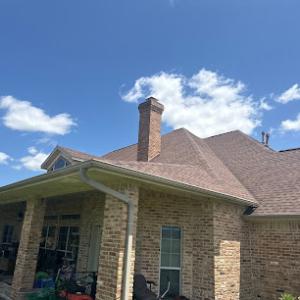
Graves Roofing & Restoration
(214) 205-3274 www.gravesroofing.com
2026 TX-66, Rockwall, Texas
4.9 from 122 reviews
Graves Roofing & Restoration is a trusted roofing contractor based in Rockwall, TX, specializing in expert roof replacement, roof repair, and insurance claims assistance. Serving Rockwall and surrounding areas such as Garland, Murphy, and Sachse, we provide high-quality roofing services to both residential and commercial clients. Our team of skilled professionals is dedicated to ensuring that your roof is not only structurally sound but also aesthetically pleasing. Whether you need a roof replacement, emergency repair, or assistance with roof insurance claims, Graves Roofing & Restoration is here to provide reliable, affordable solutions.
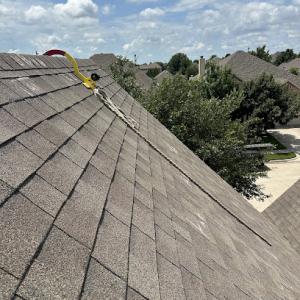
Maverick Roofing & Home Solutions
(214) 764-1334 roofsbymaverick.com
2233 Ridge Rd #202, Rockwall, Texas
5.0 from 46 reviews
Roofing and repairs done right. We serve all of North Texas and offer F R E E estimates and consults

HeavenSent Exterior Solutions
(469) 371-7650 www.rooferrockwall.com
Rockwall, Texas
4.9 from 61 reviews
HeavenSent Exterior Solutions provides emergency roof repair services throughout Rockwall, TX. Call us for storm or hail damage repair at (469) 371-7650. We also continually exceed out customer’s expectations with seamless gutters, exterior painting, fencing, and window installation. If it is on the exterior of your home, we deal with it.
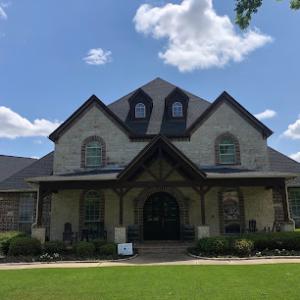
G.O.A.T. Roofing
(866) 505-4628 www.goatroof.com
903 Davy Crockett Dr, Rockwall, Texas
4.8 from 82 reviews
G.O.A.T. Roofing was formed in 2019 in Rockwall, Texas, after tornadoes ripped through North Texas and left so many of our friends and their families’ homes and businesses destroyed. For most, this was their first experience dealing with storm loss and insurance claims, which can be overwhelming in a time of crisis. Our mission is to guide and educate our customers about the insurance claim and roof replacement process and provide them with great products and quality service they deserve. Throughout our success, G.O.A.T Roofing has grown into G.O.A.T. General Contracting, LLC with a new branch located in south central Oklahoma.

Roofit
Rockwall, Texas
5.0 from 21 reviews
Crafting Quality Overhead, Securing Texas Homes, and Shielding Dreams Since 1994. With a commitment to excellence, integrity, and top-tier craftsmanship, we specialize in providing superior roofing solutions tailored to the unique needs of the Lone Star State. From traditional to modern designs, our seasoned team ensures every project reflects our dedication to quality, durability, and customer satisfaction. With Roofit, your home is not just protected; it's adorned with the finest craftsmanship Texas has to offer.
Dugout Roofing
(888) 998-5713 www.dugoutroofing.com
3021 Ridge Rd Suite 26, Rockwall, Texas
5.0 from 18 reviews
At Dugout Roofing, our mission is really simple, focus more on customer service than any other roofing company. By doing this, our customers & team will always end up with the win. Our vision is that we can help turn our baseball themed roofing company and utilize this to help local baseball & softball teams with uniforms and renovating fields. A portion of all profits goe toward local baseball programs. Our people work with company clothing with numbers for accountability. "The batting order of success in roofing, is planned in the dugout

Eagle GC - Roofing & Construction
(972) 640-5373 www.eaglegc.org
130 Willow Ridge Cir, Rockwall, Texas
5.0 from 18 reviews
We are a roofing contractor. Serving Rockwall, Dallas and the surrounding DFW area, we also offer all types of construction from renovations, site prep, exteriors, roofing and Gutters, outdoor living, and other construction projects.
Red Dirt DFW
102 S Goliad St Ste 102, Rockwall, Texas
4.8 from 35 reviews
Red Dirt Roofing is a locally owned and locally-based company. We have built our companies reputation on honesty and integrity. We take on each job as if it were our own home. We specialize in Roofing, gutters, fencing, window screens, and painting. We are able to handle almost anything you need to restore your home. We strive for 100% complete customer satisfaction. We are insured for 2 million dollars which allows you the homeowner to feel assured that we are covered if anything were to happen while on your job site. We specialize in residential roofing and restoration. What that means is we stay up to date on new materials and new trends on your residential needs.
Asphalt shingles remain a dominant choice in Rockwall, chosen for quick replacement and familiar installation. In this climate, repeated hail exposure and long hot summers can shorten service life compared with milder climates, so you'll want to select a higher-impact II or III shingle and plan for shorter cycles between eyeing maintenance and replacement. Look for shingles with good wind resistance and a stout granule distribution to minimize surface wear after hail events. Consider a hail-damage inspection after major storms to catch granule loss early, when cosmetic damage might still be addressed without a full roof replacement.
Metal roofing is common enough to be a meaningful upgrade path for homeowners prioritizing impact resistance and heat performance after storm losses. In this market, metal can sharply improve hail resistance and reflectivity, which helps keep attic temperatures down on those extended Texas summers. If choosing metal, prioritize thick panels and engineered fasteners, and verify underlayment compatibility to preserve insulation value. Metal can also add longer-term durability against repeated hail cycles, but weight and attic structure should be checked in advance to avoid surprises during installation or retrofit.
Clay tile, concrete tile, synthetic/composite shingles, and slate all appear in the Rockwall market, but hail vulnerability, weight, and replacement complexity matter more here because storm claims are so frequent. Clay and concrete tiles bring distinct curb appeal and durability, yet they are heavier and more fragile under direct hail strikes, making wind and hail design considerations essential. Slate and synthetic options offer a balance of look and resilience, but slate carries substantial weight and higher replacement logistics if hail damage occurs. Synthetic or composite shingles can present a middle ground, combining some hail resistance with easier maintenance than natural tiles. In hail-prone seasons, prioritize options with impact resistance ratings and compatible underlayment systems to simplify any future repairs.
Rockwall's spring hail and thunderstorm pattern means planning around the storm season matters. When evaluating a roof type, consider your home's structural capacity, attic ventilation, and the typical heat load your attic experiences. A roof that holds up well to hail but fails to shed heat efficiently can create comfort and energy issues inside the home. Conversely, a roof with excellent heat resistance but weak impact performance may lead to frequent hail-related repairs. The best choice balances impact resistance, weight, and ease of replacement, tailored to the home's existing structure and the way storms have repeatedly tested it.
Provided local pricing ranges run from 350 to 700 USD per square for asphalt shingles, 700 to 1100 for metal, 1100 to 1900 for clay tile, 900 to 1500 for concrete tile, 450 to 900 for synthetic/composite shingles, and 1200 to 2600 for slate. After a spring hail event, those ranges can shift quickly as suppliers and crews squeeze into a tight window. If your home is a typical mid-century or newer build with standard attic access and no complex geometry, you'll still be staring at the same per-square bands, but the final tally often lands higher after surge demand and limited on-site daylight hours.
In Rockwall, post-hail demand spikes can push scheduling pressure and labor competition higher than in slower-claim markets, especially during spring and early summer. That pressure shows up as shorter timelines, weather windows that force weekend crews, and occasional premium charges for extended project days. If your insurance timeline compresses, the contractor may prioritize quicker turnover, which can affect material choices and sequencing of tear-off versus on-strike replacement. The result is a tighter schedule and, sometimes, a higher upfront mobilization cost to secure a crew and material stock.
Costs can also shift based on whether the project is a straightforward re-roof or includes structural repair that triggers additional inspection steps through the City of Rockwall. A simple re-roof with no decking damage tends to stay near the lower end of the pricing bands, but if hail has compromised rafters, decking, or flashings, the job level rises. In those cases you may see extra labor charges for decking replacement, rafters, or underlayment refinishing, plus potential additional materials for improved wind uplift resistance. The final quote will reflect not just the roof covering, but the extent of any structural remedies identified during the process.
If a hail event is in the forecast, your best defense is a detailed, written scope that covers replacement versus repair decisions, and a clear expected sequence for inspection and mitigation. Start with a price range based on the typical per-square bands above, but add a realistic contingency of 10-15 percent for expedited scheduling and potential decking work. Request itemized quotes that separate material costs, labor, removal, and any anticipated structural repairs. Keep in mind that synthetic/composite shingles and metal can offer favorable long-term performance if you're balancing initial cost with durability against Texas spring hail. If a broader repair is needed, ask for a phased plan that aligns with both insurance timelines and the local weather outlook, so a roof can be completed before the next storm-triggered spike in demand.
Get a clear picture of your project costs upfront - no commitment required.
Tejas Roofworks + Restoration
(469) 502-7533 tejasroofworks.com
109 E Bourn St Suite 109, Rockwall, Texas
5.0 from 259 reviews
Maverick Roofing & Home Solutions
(214) 764-1334 roofsbymaverick.com
2233 Ridge Rd #202, Rockwall, Texas
5.0 from 46 reviews

TCC Construction Co, LLC (Rockwall)
1435 E Quail Run Rd, Rockwall, Texas
4.7 from 13 reviews
A full roof replacement in Rockwall typically requires a permit issued by the City of Rockwall Building Division. Before any new shingles or underlayment are installed, you or your contractor should submit the project for review and obtain the permit. The permit ensures the work meets local building codes, wind resistance requirements, and drainage considerations that are important for this area's spring hail and thunderstorm activity. If you're working with a storm-damaged roof that will be fully replaced, the permit process remains the same, and having the permit in place helps avoid delays during insurance claim settlements and inspection callbacks.
Rockwall inspections usually include a final inspection after the roofing work is complete. The final inspection confirms the new roof's installation, fastener pattern, attic ventilation, and underlayment quality align with code and the weather conditions typical of your season. To keep things moving, coordinate the inspection date with the contractor and the Building Division so that sheathing, underlayment, and shingle installation are finished but accessible for the inspector. If hail damage extends beyond the roof covering and involves structural elements or decking, plan for an intermediate inspection to verify structural repairs before the final roof covering is closed in.
Some Rockwall projects require an intermediate inspection when structural work is involved. This matters in storms where damage reaches rafters, trusses, gutters, or decking. An intermediate check helps ensure framing repairs, bracing, and any necessary deck replacements meet code before the final roof layers are installed. If your project includes replacement of roof sheathing or structural repair due to hail impacts, you should expect this extra step. Having documentation from the contractor, including photos of damaged areas and any brace or spacer adjustments, helps the inspector verify that the structural work aligns with the permit scope.
Work with a licensed roofing professional who is familiar with Rockwall's permit timelines and inspection expectations. Keep a clear file of all insurance correspondence, permit documents, and any change orders that affect the scope. After the job, be ready for the final inspection by ensuring all penetrations are sealed, attic access is unobstructed, and ventilation components are in place. If a weather event triggers storm-related damage, document timing and sequence of repairs to help the inspector evaluate whether the project complies with permit conditions and meets the city's safety standards. In Rockwall, aligning this workflow with the city's inspection cadence helps keep your replacement on track and avoids holding up a solution during the spring storm season.
In this hail- and wind-prone environment, insurers expect a precise trail of damage and a clear plan for replacement before they approve any claim. Rockwall sits in a hail- and wind-claim environment where insurers often require detailed photo sets, date-stamped damage records, and clear scope documentation before approving replacement. That means your first phone call after a storm should be followed by a careful, methodical photo log that captures shingles, gutters, vents, and any exterior damage from multiple angles. A cautious homeowner will keep a dated record of all harmed areas, especially on elevations visible from ground level, so adjusters can see the scope without climbing every roof line themselves. When a carrier requests information, respond promptly with organized angles, notes on observed leaks, and a straightforward description of the anticipated repair or replacement.
Some carriers serving North Texas have tightened roof coverage terms or raised deductibles in response to repeated weather losses, which directly affects replacement decisions. To avoid delays, document collateral damage-siding dings, fascia wear, and any interior leaks that trace back to roof issues. Elevation-by-elevation conditions matter: start at the lowest roof plane and move upward, noting shingle wear, granule loss, and flashing integrity on each ridge, valley, and vent. Interior signs such as staining or mold near ceiling joints should be dated and mapped to specific roof sections when possible. If an adjuster visits, a concise binder with this elevation-by-elevation narrative helps the specialist see the full picture quickly, reducing back-and-forth and the risk of misalignment between observed damage and recommended scope.
Because claim volume is high in Rockwall-type storm markets, homeowners benefit from documenting collateral damage, interior leaks, and elevation-by-elevation roof conditions before adjuster visits. A proactive approach minimizes misinterpretation and supports a coherent replacement plan. Have a reliable, weather-friendly method for capturing images-time-stamped photos from a smartphone often do the job, provided they cover every slope and critical components. When possible, coordinate with your contractor to produce an itemized scope that mirrors the observed conditions, so the adjuster sees a ready-to-review plan rather than a list of vague problems. In storms that bring heavy hail or sudden wind events, knowing what to photograph and how to present it can cut through ambiguity and help protect a fair outcome.
Connect with contractors who help homeowners navigate the claims process from damage assessment to final approval.
Tejas Roofworks + Restoration
(469) 502-7533 tejasroofworks.com
109 E Bourn St Suite 109, Rockwall, Texas
5.0 from 259 reviews
JML Roofing Solutions
(972) 244-3168 www.jmlroofingsolutions.com
110 S Goliad St, Rockwall, Texas
5.0 from 208 reviews
Phil The Roofer
(214) 771-1946 philtheroofer.com
1115 Vista Wy, Rockwall, Texas
5.0 from 213 reviews
Autumn high-wind events in Rockwall can lift shingles and tear at ridge components long after the last hailstorm has faded. This is real: gusts push edge tabs upward, loosen nails, and create micro-leaks that aren't obvious until a heavy rain arrives. Debris from nearby trees can pile up and work under flashing or into valleys, accelerating wear. The practical consequence is a roof that looks fine after a sunny afternoon but leaks after a late-season wind burst. You should inspect after storms, focusing on the ridge line, along hip areas, and any spots where shingles are curling, cracked, or missing granules. If you notice lifted corners or exposed fasteners, plan for a targeted fix before the next weather event. Even small breaches can become true water channels during a heavy rain, so timely attention matters.
Skylights are a frequent source of alarm in the local contractor landscape. Leaks often trace back to flashing that has pulled away, deteriorated sealant, or improper flashing transitions where the skylight meets the roof plane. In many cases, storm-driven wind pressure can bend lightweight flashing or reveal aging sealant joints. If a storm brings a rapid drip or visible condensation around the skylight, treat it as a warning rather than a nuisance: flashing and seals fatigue, and small failures can become larger leaks under sustained rain. Regular checks around the skylight crown, flashing collars, and surrounding shingles help prevent costly interior damage.
Emergency response matters because severe thunderstorms can turn small flashing or penetration failures into interior water damage before a full replacement is scheduled. Keep a readily accessible roof-access plan for emergencies, and identify a trusted local contractor who can perform rapid temporary fixes to stop leaks. Prioritize prompt attention to any visible gap where flashing meets roofing, and don't delay addressing ventilation hoods or vent boot deficiencies that show signs of aging. A proactive pair of hands with the right sealant and flashing tools can reduce the risk of a fast-moving interior issue when a storm rolls in.
Find contractors experienced in skylight installation, flashing, and leak repairs to bring natural light into your home.

In Rockwall, steep-slope residential re-roofing dominates the housing stock, but there is still an active local niche for flat or low-slope roof work. Acknowledge that spring storms and hail can leave underlying deck and flashings vulnerable, even if the visible roof surface appears intact. Low-slope sections often bear the brunt of wind-driven hail and pooling water during heavy spring showers, so inspections should go beyond the visible curb appeal. A roof assessment that includes underlayment, edge flashing, and transitions between low-slope areas and steep sections helps prevent surprises after the work is done.
Projects that combine storm restoration with low-slope sections, skylights, or solar components require careful sequencing. Start with a phased plan: secure and tarp exposed areas first to manage weather quickly, then address the primary roof surface before adding penetrations. When skylights or solar mounts are involved, coordinate flashing and sealant schedules to avoid rework as weather windows tighten. In this climate, a precise build order minimizes repetitive access and reduces the risk of tracking damage during the remodel.
Flat or low-slope roofs in this market favor membranes or mechanically fastened systems designed for hail resistance and long-term seam integrity. Choose materials with proven hail performance and compatible flashing details at transitions to steeper pitches. Pay extra attention to any existing parapets, vents, and edge details-these are common failure points when a nearby storm shifts load or accelerates deterioration of sealants.
Solar-integrated roofing appears in the market but at low prevalence, making it a specialized path for homeowners here. If considering solar elements, ensure solar supplier and installer coordinate with any skylight or vent work to prevent sealant degradation over time. A dedicated plan for penetrations, wiring routes, and roof-structure load compatibility helps maintain warranty continuity and long-term performance.
Find specialists in TPO, EPDM, and built-up flat roofing systems for residential and commercial properties.
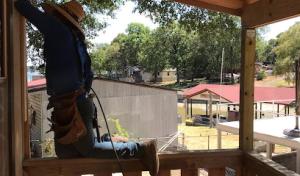
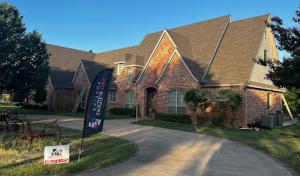
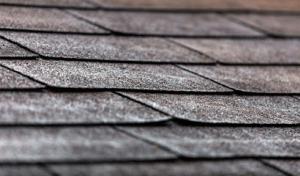
In this lake-adjacent market, Rockwall contractor signals show homeowners strongly prioritize quick response and cleanup included. If a roofer arrives promptly after a hail event and brings a crew to secure loose shingles and tarp exposed areas, that momentum matters. Look for crews that can articulate a concrete cleanup plan-bitten gutters, exposed decking, and any debris removal-within the same day of service. A firm that treats storm response as a workflow, not a one-off visit, aligns with the local pace and expectations.
Re-roofing is far more prevalent than niche specialty work, so homeowners should evaluate how well a contractor handles insurance paperwork and scheduling. A dependable Rockwall pro lays out the steps for filing, documents each damage trace, and provides a transparent lien-free scope of work. Ask for a written plan that covers roof deck inspection, shingle replacement strategy, and communication cadence with the insurer. The right contractor keeps you informed about weather windows, material deliveries, and the sequence of roof removal and replacement.
The local market includes both long-established and family-owned firms, which gives homeowners a meaningful choice between deeply rooted operators and high-volume storm-response companies. Plan for potential backlogs after a major hail event. Prefer firms that schedule in small, manageable phases to minimize street disruption and ensure quality control. A practical approach is to confirm a firm's anticipated timeline and how they handle inclement-week contingencies so work can progress even when rain interrupts the plan.
Rockwall homeowners benefit from a mix of traditional, neighborhood-based contractors and larger storm-response outfits. Weigh the value of a long-standing relationship against the efficiency of a high-volume crew. Ask for local references and proof of consistent insurance coverage. The right choice blends dependable service with the capacity to manage the surge of post-storm demand while keeping your home protected and your property restored.