
Last updated: Apr 19, 2026
Bryan homeowners face frequent spring thunderstorms with hail and high winds, making storm damage the dominant trigger for inspections and full replacements. When a hail event or a strong gust packs the peak of the season, the roof becomes a high-priority concern for insurers and for neighbors watching out for each other. That means your roof is not a quiet, gradual project but a reaction to the weather calendar, with inspections often piling up as the next round of storms rolls in. If a claim starts, expect an early wave of activity: adjusters, contractors, and claim documentation turning your quiet summer project into a neighborhood-wide rush to secure appointments and get components in place before the next front arrives.
The local insurance environment stays active after hail seasons, and carriers commonly require detailed photo documentation and may send independent adjusters. After a major storm, a typical claim path includes rapid site visits, high demands for clear, timestamped photos of every surface, and a need to prove pre- vs. post-damage conditions. An independent adjuster can bring a second set of eyes to confirm hail hits or wind-induced damage on soffits, fascia, and the underlayment. Your goal is to present a complete before-and-after narrative: wide-angle roof shots capturing the overall condition, close-ups of impacted shingles or tiles, and a precise timeline of when the damage appeared. Delays or gaps in documentation translate into slower decisions, which can push a replacement into the next weather window and affect contractors' scheduling.
Storm-driven demand surges can affect scheduling and replacement timing across Bryan after major weather events. Local crews know the rhythm: when hail hits, trucks fill up fast, and even reputable crews can be booked weeks out. If the first claim is accepted, storm season can cascade into a domino effect where multiple homes compete for the same crew slots, material lead times tighten, and secondary damage surfaces begin to get attention only after the lift is completed on the primary home. This cycle pushes homeowners to actively coordinate with their insurer, adjuster, and contractor to secure a solid start date. A practical consequence is that communication becomes the project's backbone: timely responses to requests for photos, access, and scheduling are as critical as the physical repairs themselves.
Immediate actions reduce the risk of claim denial or coverage disputes. Photograph the entire roof line from multiple angles after every wind event, including attic and soffit areas for signs of moisture or insulation damage. Keep a dated log of storm dates, complaints from family members about leaks, and any changes in interior or exterior water intrusion. If an adjuster is on-site and notes discrepancies, address them promptly with the contractor and insurer, offering to supply additional photos or documentation. Transparent, proactive communication lowers the chance of back-and-forth delays and helps move the project from assessment to replacement with fewer hold-ups when the next storm front approaches.
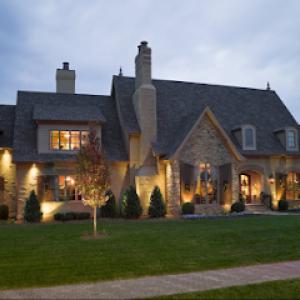
United Roofing & Sheetmetal
(979) 268-7663 www.united-inc.com
3211 S Texas Ave, Bryan, Texas
5.0 from 165 reviews
At UNITED, we are committed to providing the highest quality of materials and craftsmanship for the customer. UNITED is among the premier commercial roofers in the Southwest. As a dealer contractor of Duro-Last Roofing System, we have received awards for both outstanding sales and outstanding quality in commercial roofing, having installed millions of square feet over the past several years. Our clients include many hospitals, banks, restaurants, schools, churches, manufacturers, retailers, and governmental entities.
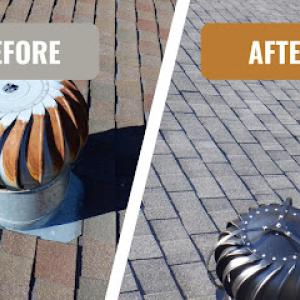
RocStout Roofing & Construction
214 Rustic Oaks Dr, Bryan, Texas
5.0 from 56 reviews
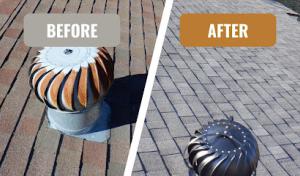
RocStout: Your trusted roofing experts in Bryan, TX. We provide durable, long-lasting roofing solutions, from new installations to repairs. Boost your home's value and curb appeal with our quality materials and expert craftsmanship. Contact us for a free estimate.
Grandchamp Roofing
(979) 215-7330 grandchamproofing.com
5918 E State Hwy 21, Bryan, Texas
5.0 from 61 reviews
Voted best residential roofing company in Bryan and College Station by our customers. Let us show you why with a free, no obligation quote on your next roofing project needs. Whether replacing your old roof or a brand new roof installation, Grandchamp Roofing is your best choice for a roofing contractor. Our repairs are meant to last the life of your roof. We will identify and correct design flaws or natural wind and hail damage to match your existing roof. Water leaks? We hunt them down and eliminate them with extreme prejudice! Our roof maintenance crews can be at your property in no time flat. Maintenance packages are offered on every job
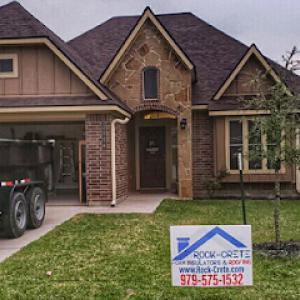
Rock-Crete Foam Insulators & Roofing
6100 FM1179 Suite 100, Bryan, Texas
4.8 from 114 reviews
Rock-Crete Foam Insulators & Roofing has proudly served Bryan, TX, and nearby areas for over 30 years. We started out building and remodeling homes, then in 2005 became one of the first in the region to bring spray-foam insulation to local homeowners. As the benefits caught on, spray foam became a major part of our business. About six years ago, firefighter Aaron Pruitt—who serves at the Bryan Fire Department—took over the roofing division and built it into a strong, trusted service of its own. Today, Rock-Crete continues to deliver quality roofs and insulation with honest work, fair prices, and results that last.
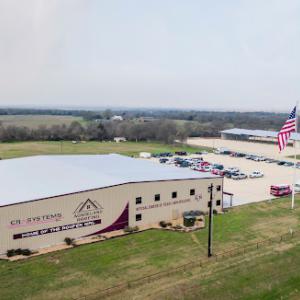
Aggieland Roofing
(979) 704-3266 www.roofergirl.com
12730 Hwy 6, Bryan, Texas
4.7 from 88 reviews
New roofing and roof repairs
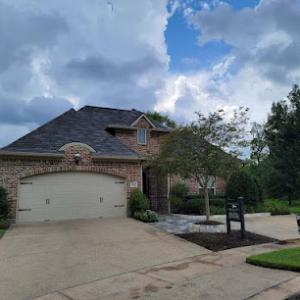
Stinson & Stinson Roofing
(979) 329-8743 www.stinsonroofs.com
5969 Jones Rd unit 4a, Bryan, Texas
4.9 from 37 reviews
At Stinson & Stinson Roofing, we specialize in high-quality roof replacement and repair services, backed by over 12 years of experience. Our team is dedicated to providing reliable solutions, including insurance claims assistance and emergency tarping to protect your home. We take pride in delivering exceptional craftsmanship and personalized service, ensuring your roofing needs are met with expertise and care. Trust us to keep your property safe and secure, rain or shine.
Top Notch Roofing Brazos Valley
(979) 446-8612 topnotchroofbv.com
874 Deer Hill Dr, Bryan, Texas
5.0 from 11 reviews
We are a locally owned and operated roofing company dedicated to providing high quality residential and commercial roofing services. Including installation, repair and maintenance of all major roofing systems, utilizing the latest technology and materials while prioritizing customer satisfaction and transparent pricing.

Lucas Construction
(979) 219-4326 www.lucasconstructionbcs.com
806 S Gordon St, Bryan, Texas
5.0 from 10 reviews
Lucas Construction is locally owned and operated. Servicing the Brazos Valley and surrounding areas. Give us a call for your Free Inspection, we specialize in all shingle and metal roofs. Fully Insured. Lucas Construction is locally owned and operated. Servicing the Brazos Valley and surrounding areas.

Heritage Roofing & Construction Company - College Station
(979) 459-2727 heritagecctx.com
3801 Old College Rd, Bryan, Texas
4.5 from 30 reviews
Nestled in the vibrant town of Bryan, Texas, since 2011, Heritage Roofing & Construction Company is the go-to for residential and commercial roofing solutions. Boasting exceptional customer service and a commitment to transparency, this leading roofing contractor specializes in expertly navigating homeowners and businesses through the complex process of roof repair and restoration. With certified, licensed, and insured professionals, Heritage Roofing & Construction is dedicated to providing personalized attention, superior craftsmanship, and assistance with storm damage restoration. Whether seeking routine maintenance or extensive repairs, their clients are assured of the highest quality services tailored to their specific needs.
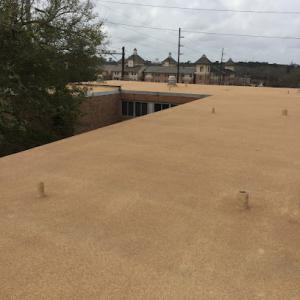
CR Systems
12730 Hwy 6, Bryan, Texas
5.0 from 7 reviews
Providing exceptional commercial roofing solutions in Brazos Valley, Texas since 1996
Elite Roofing Services
(979) 250-3469 elite-roofingservices.com
Bryan, Texas
5.0 from 5 reviews
Elite Roofing Services provides top-notch roofing services in Bryan, TX, specializing in roof replacement and repair. With over 30 years of combined experience and knowledge, we offer high-quality residential and commercial roofing solutions, including storm damage roof repair and insurance restoration jobs. Our skilled team handles everything from new roof installations to roof leak repairs, backed by a 10-year workmanship warranty to ensure lasting quality. Trust our dedication to delivering superior craftsmanship and dependable service. Contact us today to learn more or schedule a consultation!
Riteway Construction Services
345 Greenleaf Ln, Bryan, Texas
4.5 from 8 reviews
The roof of your home is one of the most, if not the most important part of your home. It is your first line of defense against all kinds of weather. It’s just right for your roof to be made with the highest quality materials and must be inspected and maintained regularly to ensure that it is in its best condition. For your roofing needs in Bryan, TX and the surrounding areas, contact Riteway Construction Services.We have been serving residential and commercial roofing clients for over 20 years now. We perform roof installation, roof maintenance, roof repairs, roof replacement, roof inspections, and more. Through the years, we have worked on different types of roofing materials and projects of all scopes and sizes.
When a thunderstorm blasts through the Brazos Valley, wind-driven rain can slam against a roof that looks fine from the ground but has had hail impacts or shingle blow-off. The result is often interior water finds its way through gaps and damaged spots, turning a nighttime storm into a same-day leak emergency. This is not theoretical here: hail can fragment asphalt tabs, lift edges, or push moisture through weakened sealant any time the wind shifts and rain intensifies. The moment you notice damp spots on ceilings, dark streaks along walls, or drips near light fixtures, treat it as urgent. Waiting can let hidden roof damage worsen, creating more interior damage and higher repair complexity later.
Storm clusters in this climate are notorious for stacking rain events before a full replacement slot opens in the schedule. That means a temporary dry-in is often the fastest, most practical bridge between storms and a long-term fix. Focus on securing vulnerable areas first: tarping or using heavy-duty plastic sheeting over exposed valleys, vents, and parapet edges can buy you crucial hours. Keep gutters and downspouts clear so water has a clear path away from the fascia, and place sandbags or towels at the highest anticipated leak points to prevent pooling near electrical fixtures or outlets. The goal is to minimize active water intrusion while the next available repair window is being arranged. This approach isn't cosmetic-it preserves insulation, framing, and interior finishes from escalating damage.
Emergency response is a meaningful part of the Bryan contractor market because storm damage reliably creates urgent repair needs. Local crews are accustomed to rapid responses, on-the-ground assessments, and triage-style repairs that buy time until a full replacement can occur. When choosing help, prioritize contractors with a reputation for swift, transparent communication and documented dry-in measures. A reliable crew will walk you through what they can safely do the same day to stop the leak, what requires waiting for weather or materials, and what a realistic timeline looks like for the next steps. In Bryan, knowing you have a trusted contact can mean the difference between a minor inconvenience and a months-long battle with water intrusion.
Document the damage with photos from multiple angles, including the interior spread of the leak and any ceiling staining. Keep a log of weather conditions and the times when the leak is active, as this helps technicians pinpoint entry points. If you suspect compromised attic ventilation or flashing, note those details and share them with the contractor so they can plan effective dry-in strategies. Maintain clear access to the affected area and move valuables away from potential water exposure. Finally, confirm the emergency contact window with the contractor-knowing when a crew can arrive and what immediate actions they will take reduces stress and accelerates the protection of your home.
When you can't wait, these contractors offer fast response times to stop leaks and prevent further damage.
RocStout Roofing & Construction
214 Rustic Oaks Dr, Bryan, Texas
5.0 from 56 reviews
Stinson & Stinson Roofing
(979) 329-8743 www.stinsonroofs.com
5969 Jones Rd unit 4a, Bryan, Texas
4.9 from 37 reviews
Bryan experiences hot summers and intense sun, and that combination accelerates the aging of roof systems between storm seasons. Asphalt shingles, metal, and clay or concrete tiles all respond differently to heat, but the common thread is that prolonged sun exposure dries out protective edges, softens fasteners, and increases the risk of surface granule loss. In practical terms, look for accelerated granule wearing on asphalt shingles, chalky fading on coatings, and metal panels that feel hotter to the touch at noon. This isn't just a cosmetic issue-drier materials become more brittle and more prone to micro-cracking during hail season. Regular inspections after the peak heat of July and August can catch early signs before wind events amplify damage.
Extreme summer heat affects both material handling and installer efficiency, so many projects are better scheduled in Bryan's milder spring and fall windows. If a claim is involved, align the timing with a window where crews can work consistently without overheating. Cooler morning temperatures plus afternoon shade reduce the risk of softening underlayment, warped decking, or missed nailing standards. For homeowners, planning around these windows helps ensure faster completion, cleaner workmanship, and fewer heat-related delays that can push projects into peak storm periods. Consider coordinating cleanup and waste removal during cooler days to avoid heat-related material handling hazards.
Rare winter cold snaps are not the main driver locally, but they can still affect some roofing products after long heat exposure cycles. When roofs have endured repeated heat cycles and then cool down sharply, some materials may experience thermal contraction stress. This is more about gradual fatigue than immediate failure, so post-heat inspections are wise after a cold spell. If a hail event follows a heat-heavy period, it can compound existing micro-cracks or weaknesses. In practice, that means a closer look at flashing seals, ridge caps, and sealant joints is prudent after the first cold snap of the year, especially on roofs that spent the previous summer baking in full sun.
Bryan's residential roofs are dominated by asphalt shingles and metal, with many homes receiving a practical shingle overlay during replacements. In neighborhoods where structure and budget align, these two options cover a wide range of house styles-from traditional brick-and-stone façades to newer ranch designs. Asphalt shingles offer straightforward installation and broad color choices, while metal brings a lean, durable profile that can weather the Brazos Valley's spring hail with less risk of cosmetic damage. Tile, wood, and slate show up on select homes, but typically where budget allows or where a specific architectural statement is desired. In practice, you'll notice metal systems often lean toward longer service life with clean lines and lighter roof decks, while shingle-driven upgrades are common because they fit most existing structures with relative ease.
The climate in this area pushes homeowners to weigh hail resistance against attic heat gains. Metal roofing stands out for hail resilience and a cooler attic at certain orientations, which can help reduce cooling loads in high-summer months. When paired with a proper underlayment and ventilation, metal can keep interior temperatures steadier and minimize rapid temperature swings that stress decking. Asphalt shingles, especially those rated for higher wind and impact resistance, remain a practical choice for many Bryan homes because they pair well with standard roof decks and provide a reliable, familiar look. The decision often hinges on how much hail protection is prioritized, how the structure handles solar exposure, and the anticipated frequency of storm-related repairs in relation to long-term maintenance expectations.
Tile work appears selectively in Bryan, most commonly on homes with the right structural support and a willingness to invest in a heavier roof system. Clay or concrete tiles offer excellent longevity and a distinctive aesthetic, but they require careful assessment of roof framing and roof-to-wall integration. Wood shingles or shakes bring a warm, rustic texture that suits certain architectural cues but demand attention to moisture exposure and maintenance in a hot, hail-prone climate. Where these materials make sense, they are typically chosen on homes with enduring architectural goals and the budget to handle the incremental weight and specialized installation. Tile's presence is notably less common than shingle-focused re-roofing, yet it remains a viable path for reinforced structures that aim for a unique curb appeal. In all cases, the roof should align with the home's existing lines, eaves, and potential insurance considerations, so the chosen material performs well under Bryan's spring storm cycles while delivering reliable protection for years to come.
Typical Bryan pricing ranges are about $350 to $700 per square for asphalt shingles, $600 to $1100 for metal, $900 to $1600 for clay tile, $700 to $1200 for concrete tile, $600 to $1000 for wood shingles or shakes, and $1200 to $2600 for slate. Those bands reflect a mix of material quality, local labor rates, and the way crews price storm work after a hail event. When you're evaluating bids, look at the line items: shingle or tile type, underlayment, flashing, venting, and the speed of material delivery. In most Bryan homes, a straight asphalt reroof tends to be the most common, with metal and tile gaining traction after hail damage drives up demand and contractor backlogs.
In Bryan, costs can rise after hail events when local demand spikes for re-roofing, emergency dry-in, and insurance-related replacement work. That spike can show up as shorter lead times, higher rush charges, or limited material options in the immediate aftermath of a storm. If your roof was damaged in a spring hailstorm, anticipate some escalation in pricing as the market works through the demand surge. A careful bid comparison becomes essential because a low price on paper can become costly if it delays dry-in, scheduling, or the choice of a higher-maintenance underlayment.
Project timing in Bryan also affects labor efficiency because extreme summer heat can slow installation pace compared with spring and fall scheduling. In intense heat, crews pace themselves, which can extend a project timeline and potentially raise daily labor costs. If you're choosing between two windows, a spring or shoulder-season replacement often yields steadier crews and more consistent crew performance. For insurance-driven replacements, align your schedule with the expected dry-in window and permit filing timelines to minimize delays caused by heat-related hold-ups or storm recovery backlogs.
Start with a material preference and a bid that itemizes waste and disposal. Compare material lifespans against Bryan's climate: asphalt for value, metal for longevity, tile for heavy-duty weather resistance. Don't overlook underlayment quality, venting, and flashing-these can swing long-term maintenance costs. If hail damage is suspected, request a separate line item for potential roof deck repairs or replacements, since unseen damage can affect both price and performance after the job starts. Keep a close eye on post-storm scheduling windows to avoid payable delays and to maintain a steady, safe installation pace.
Get a clear picture of your project costs upfront - no commitment required.
RocStout Roofing & Construction
214 Rustic Oaks Dr, Bryan, Texas
5.0 from 56 reviews
Grandchamp Roofing
(979) 215-7330 grandchamproofing.com
5918 E State Hwy 21, Bryan, Texas
5.0 from 61 reviews
Heritage Roofing & Construction Company - College Station
(979) 459-2727 heritagecctx.com
3801 Old College Rd, Bryan, Texas
4.5 from 30 reviews
A full re-roof in Bryan typically requires a permit through the City of Bryan Building & Development Services. Before any shingle peel-back or decking work begins, confirm that the project will go through permit review and follow the city's permit workflow. This helps ensure the replacement aligns with local codes, especially after spring hail and wind events that can drive inspection focus.
Bryan permit submissions generally include plans, roofing material type, and the scope of work for the project. Have clear documentation ready: a simple schematic of the roof layout, the chosen material system, and notes on ventilation and attic details. If the scope includes decking or structural adjustments, include those details as well. An organized submittal helps avoid delays once the city review starts.
The city performs a final inspection after completion, and some projects may also receive intermediate inspections related to ventilation or roof decking depending on scope. Plan for any required ventilation checks-these can surface if the attic needs better airflow or if deck work is involved. The timing of inspections can influence project calendars, so coordinate with your contractor to align installation milestones with the expected inspection windows.
Start by visiting the Building & Development Services office or their online portal to confirm exact submittal requirements for your address. Gather and label all documents: permit application, plan sheets, material spec sheets, and a brief scope narrative. Schedule inspections in advance with your contractor, ensuring access for the inspector and readiness of ventilation and decking details if applicable. Maintain copies of all approvals and inspection passes for your records.
This market is a high-claim hail and wind environment, and insurance considerations often shape whether a roof is repaired or fully replaced after a storm. When spring hail rattles the gutters and the shingles, expect a quick review cycle that can favor full replacement for larger damage. Your documentation posture during and after a storm can influence recovery speed and scope, so approach claims with clear, organized records.
Independent adjusters are commonly involved in storm claims here, and their findings can hinge on what you present. It's essential to photograph damage from multiple angles, cover the entire roof surface, and capture adjacent components like vent pipes, flashing, and gutters. Keep dated notes on when you observed new damage, how it progressed after each storm, and any temporary fixes you made to prevent further interior exposure. A well-documented file helps the adjuster separate what existed pre-storm from what occurred in the storm window.
Some carriers have adjusted premiums after major hail seasons in this market even though coverage remains available. Even if a claim seems straightforward, a thorough record of damage, repairs, and communications can mitigate later disputes or unexpected premium changes. Retain correspondence with the insurer, the contractor, and the adjuster, and store photos with timestamps. Consistent, accurate documentation reduces ambiguity and supports a smoother, more predictable claims process.
Connect with contractors who help homeowners navigate the claims process from damage assessment to final approval.
United Roofing & Sheetmetal
(979) 268-7663 www.united-inc.com
3211 S Texas Ave, Bryan, Texas
5.0 from 165 reviews
RocStout Roofing & Construction
214 Rustic Oaks Dr, Bryan, Texas
5.0 from 56 reviews
Grandchamp Roofing
(979) 215-7330 grandchamproofing.com
5918 E State Hwy 21, Bryan, Texas
5.0 from 61 reviews
In this storm-prone climate, roof penetrations like skylights and solar attachments are routinely stressed by spring hail and high-wind events. A small flaw here becomes a telling weak point after a thunderstorm season, especially when multiple events occur in quick succession. The local housing stock often features standard skylines and retrofit solar kits, which means attention to detail around these penetrations can save headaches during the insurance-driven re-roof cycle. The goal is to keep the important daylight and energy gains intact without inviting moisture pathways that mirror exposed attic temperatures and ice dams in rare cycles.
After a hailstorm or strong wind, plan for a focused inspection of all roof penetrations, not just the membrane. Start with skylights: check for broken glass or scored frames, bubbling or lifting sealant, and displaced flashing. Solar attachments require equal scrutiny-mounting rails, clamps, and sealants should be tight, with no corners showing rust or crushed shims. Look for granule loss around the skylight curb or any discoloration on the surrounding shingles that hints at flashing wear. In Bryan's climate, repeated thunderstorms can stress the sealant over time, so a careful follow-up within a few weeks of the event is often justified.
Flashings around skylights and solar penetrations should lay flat and integrate with surrounding decking. Lifted edges, gaps, or misaligned flashing are red flags. Pay attention to the transition from a skylight curb to the shingle line and the condition of caulk or butyl tape. If there is any algae or moisture staining on the underside or in vented areas near penetrations, address it promptly. Local contractors report that small leaks here tend to reveal themselves only after another storm, so a proactive, tactile check is worthwhile rather than waiting for a visible drip.
Active service signals from Bryan contractors show ready support for skylight and solar work without delaying core storm re-roofing. When selecting, prioritize specialists with documented experience on hail-affected roofs and a track record of resealing around penetrations. Ask for a site-specific inspection that includes flashing integrity, curb stability, and the compatibility of any new sealants with Bryan's typical shingle profiles. A clear warranty path for penetrations helps align expectations through the next storm season.
Find contractors experienced in skylight installation, flashing, and leak repairs to bring natural light into your home.
Top Notch Roofing Brazos Valley
(979) 446-8612 topnotchroofbv.com
874 Deer Hill Dr, Bryan, Texas
5.0 from 11 reviews
Cleanup is a visible homeowner priority in Bryan's contractor market, reflecting the volume of tear-off and replacement work after storms. After a major hail event or a fast-moving thunderstorm, crews can leave residual debris, shingles, and nails scattered across driveways and yards. A practical expectation is that the crew will haul away old materials, but the final sweep and nail removal may be staged as a last-day step rather than completed mid-project. You should insist on a thorough windy-day clean sweep and a final walk-through before sign-off.
Warranty offerings exist in Bryan but are less prevalent than storm-response and insurance-claim services. Most homeowners encounter workmanship warranties that cover installation issues for a defined period, plus material warranties from manufacturers. Note that a few contractors bundle cleanup guarantees with their warranty, but not all contractors in the market do. Reading the fine print helps to separate cosmetic touch-ups from structural coverage, especially after the heavy spring hail cycle.
Because Bryan has a strong re-roofing market, homeowners often compare contractors on post-job cleanup and how clearly warranty coverage is explained. A reliable contractor will provide a written cleanup checklist that includes nail removal, waste disposal, and any debris left from temporary weather protection. The contractor should designate who will address any stray nails found days after completion and how debris from storm-related work will be handled if additional damage is discovered.
Clear warranty language matters more in this climate, where storm-related concerns can blur between workmanship issues and material performance. Ask for a separate section that explains what triggers coverage, how to file a claim, and the required steps if a warranty concern arises after a severe hail event. Having a documented contact point and response timeline helps prevent miscommunication after wind-driven inspections.
Before signing off, request a final walkthrough focusing on cleanup and visible workmanship details. Confirm there are no loose nails, shingles, or fasteners in driveways or yard beds. Ensure flashing, vent boots, and ridge caps align with the surrounding roof surface and that any temporary coverings are removed. The goal is a clean, hazard-free result with clearly explained warranty terms.