Last updated: Apr 19, 2026
Grand Prairie sits in the Dallas-Fort Worth hail corridor, so spring thunderstorms are the most common trigger for sudden full-roof replacement decisions. When a storm tears through the area with bright hail and strong winds, the window to act tightens quickly. This isn't a hypothetical risk-it's a real, recurring pattern that homeowners see year after year. The combination of hail-driven damage and the high heat of a Texas summer means a seemingly minor impact today can become a costly, intrusive problem tomorrow. In short, there is urgency to assess and respond promptly after each hail event, not to let damage linger and fester.
The local contractor market strongly clusters around insurance claims and storm damage work, reflecting how often homeowners here deal with hail and wind events rather than purely age-based replacement. That cluster creates both opportunity and risk: strong local knowledge can speed a fair settlement, but it also invites aggressive sell-through if due diligence is skipped. Homeowners in this area often need photo documentation, contractor estimates, and date-specific storm evidence because insurers in the wider DFW market scrutinize hail and wind claims closely. If a storm hits, collect clear photos from multiple angles, close-ups of dented gutters, shingle edges, and any granule loss in the yard. Note the exact date of the hail event and the time of day you discovered the damage, since insurers often correlate that with rainfall patterns and tree debris. Keep a simple, chronological file: photos dated, a written log of observations, and copies of any communications with neighbors who observed the same hail.
In Grand Prairie, reputable local roofers are accustomed to fast responses after spring hail. Seek contractors who can demonstrate recent, verifiable storm-damage work and who understand the insurer review process. Begin with a phone call that sets expectations: you want a thorough roof assessment, a written damage summary, and a storm-date reference. If an estimate arrives unusually fast or feels overly aggressive, press for a second opinion from another local firm-two independent assessments help prevent pressure tactics. When scheduling, coordinate a mutually agreeable time to inspect the interior as well for signs of leaks, attic staining, or warped decking that could indicate hidden damage. Ensure the contractor walks the roof carefully but avoids unnecessary foot traffic on fragile areas, and asks for a copy of the assessment to keep in your storm file. In this climate, rapid documentation paired with calibrated estimates is not just helpful-it's essential to prevent overpaying for unneeded work or missing valid hail claims entirely.
After the hail, insurers in the broader market will want to see a clear, evidence-backed case. Your neighborhood network can be a resource: speak with neighbors who weathered similar storms about their claim timelines and what documentation helped move their process forward. Gather witness statements if neighbors observed damage at the same time, which can corroborate your claim. This local approach tightens the timeline, reduces back-and-forth, and minimizes the risk of disputes that stall repair needs during the peak of summer heat. Stay proactive, stay precise, and keep the focus squarely on getting a fair determination that reflects the true scope of the damage.
Most full replacements in Grand Prairie are scheduled in spring or fall to avoid peak summer heat and recurring storm disruptions common across North Texas. The combination of hot, dry summers and sudden spring hail means a roof that survives hail may still show accelerated aging from heat exposure. If a replacement drags into the dog days of July or August, expect faster underlayment wear, higher crack risk, and more heat-related complications during tear-off and installation. Planning for a window that avoids the hottest weeks helps ensure shingle or panel performance stays true to the installation, and it reduces the chance of heat-related delays impacting the job.
Spring in this region is typically when hail storms and strong winds hit hardest, but those events can spill into May and early June, creating a rush to schedule or re-schedule work. Fall brings its own weather uncertainties with cooler nights and stronger wind fronts that can disrupt tear-off operations and debris control. When you're coordinating a replacement, aim for a mid-to-late season slot in spring or early fall with a weather backup plan. That means choosing a window with at least a few dry days in a row and a forecast that trends cooler than peak summer days. This approach helps maintain dry-in integrity and reduces the likelihood of shingles shrinking or lifting once the roof is sealed.
Start with a weather buffer: select a start date that sits a full week away from projected heavy rain or wind events, and confirm a plan for wind debris containment if a front moves through. If a spring storm threatens, have a concrete backup date in late May or early June, or push to early October when temperatures are milder and humidity is lower. In fall, check the forecast for moderate winds and avoid periods when arctic fronts are sweeping through, since rapid temperature swings can affect underlayment adhesion and nailing schedules. Communication matters: insist on a written schedule with a clearly defined tear-off duration, dry-in timing, and a contingency plan if a storm interrupts work.
Shingles and underlayment react to heat, so a crew that can work during cooler parts of the day often yields better results. If a replacement must occur during warmer stretches, plan for strategic roof ventilation and protective measures to minimize heat buildup in the attic space during the tear-off. Consider staggered work hours to reduce heat exposure for crew and to protect seal integrity on the new roofing system. Ensure crews have access to shade breaks and ample water, especially on larger or multi-peak rooflines common in subdivisions with flat-roof accents or architectural features.
Fall wind events can complicate debris control and dry-in timing even outside hail season. Have a plan for rapid removal of loose debris after each day's work and a tarp or containment system ready to secure any exposed areas if a sudden gust arrives. If a storm interrupts installation, limit exposure time for open sheathing and underlayment by prioritizing the most critical areas first and resealing sections as soon as the weather permits. This practical readiness minimizes risk and keeps the project progressing toward a reliable, long-lasting roof.
Get a clear picture of your project costs upfront - no commitment required.
Morales Roofers
(469) 363-9649 www.moralesroofers.com
2022 113th St Suite 104, Grand Prairie, Texas
4.9 from 235 reviews
Mitchell Roofing & Remodeling
(817) 880-7663 www.mitchellroofingtx.com
Grand Prairie, Texas
5.0 from 34 reviews
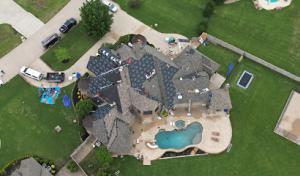
In this market, costs are defined by material choice and local conditions. Asphalt shingles remain the dominant lower-cost option in Grand Prairie, while metal, tile (clay or concrete), synthetic/composite, and slate sit at higher price points and appear more selectively across the local housing mix. The typical cost ranges you'll see are: Asphalt Shingles from 350 to 700 USD per square; Metal Roofing from 900 to 1400 USD per square; Clay Tile from 1000 to 1800 USD per square; Concrete Tile from 700 to 1200 USD per square; Synthetic/Composite Shingles from 550 to 1000 USD per square; and Slate from 1600 to 2800 USD per square. These figures reflect standard installations on common Grand Prairie roof geometries and reflect regional labor and material market conditions after spring hail events.
Asphalt shingles remain the most cost-effective and commonly requested option for many homes in Grand Prairie. The combination of heat tolerance, widespread familiarity among crews, and broad availability helps keep prices relatively stable, even after hail storms. For most ranch and two-story homes with simple rooflines, asphalt delivers reliable performance at a price point that aligns with typical homeowner budgets. When HOA color or granule color options are restricted, asphalt can still offer ample variety in styles that look clean and local-weather-ready.
Metal roofing tends to be selected on a subset of homes where hail-resilience, lighter weight, or a modern aesthetic are priorities. In Grand Prairie, metal roofs can handle intense hail exposure better in some installations, but the upfront cost is higher and the installation timeline can be longer during storm-driven demand spikes. Clay and concrete tile raise the bar further: clay tiles bring a classic look and strong hail resistance but require a solid structural assessment and careful installation, especially on steeper roofs. Concrete tile offers similar durability with its own weight and installation considerations. Synthetic/Composite shingles provide a middle ground, delivering durable performance with easier handling and a broader design palette, which can help in HOA-governed subdivisions with color or texture restrictions. Slate, while offering premium longevity and a distinctive premium aesthetic, sits at the top of the cost spectrum and is typically reserved for upscale projects or specific architectural goals.
Storm-driven demand spikes across the Dallas-Fort Worth metro can raise labor wait times and pricing after major hail events. In Grand Prairie, full reroofs often see longer scheduling windows and higher crew rates if damage appears widespread. This effect is more pronounced in neighborhoods with rigid HOA overlays that dictate reroof timing and coordination with other exterior work. When hail hits, expect fluctuations in both material availability and labor lead times, which can push project timelines and total cost beyond the base quotes. Planning ahead for a potential storm season can help mitigate these spikes.
Consider the existing roof's complexity, including multiple ridges, valleys, penetrations, and any previous repairs. A complex roof will push costs higher across all materials, but some options may still offer better value by reducing the risk of future leaks after hail. If color restrictions exist in a subdivision, aim for materials that deliver the desired curb appeal within those limits to avoid costly rework. In areas where shading or tree cover creates uneven wear patterns, factor in potential extra underlayment or insulation improvements. Finally, balance initial cost with long-term performance: a higher upfront investment in hail-resistant materials can reduce future maintenance and replacement cycles in a climate of frequent spring storms.
Morales Roofers
(469) 363-9649 www.moralesroofers.com
2022 113th St Suite 104, Grand Prairie, Texas
4.9 from 235 reviews
Morales Roofers is a family owned roofing company that offers, residential multi-family, and commercial roofing services. We specialize in roof replacement, storm restoration, repair and general contracting in all of DFW and all surrounding North Texas areas. Morales Roofers is local and family owned with more than 25 years of roofing experience in the roofing trade. At Morales Roofers we are committed to one hundred percent customer satisfaction and are dedicated to providing you with top tier workmanship no matter how big or small the project. In a marketplace full of "roofers", Morales Roofers is a family owned company composed of tradesmen ready to get to work.
Dalco Contractors & Roofing
(214) 632-7177 www.roofingdalco.com
1326 Ashbrook Dr, Grand Prairie, Texas
4.9 from 130 reviews
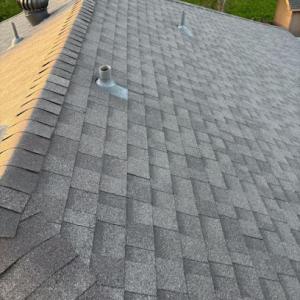
Dalco Contractors and Roofing is one of the top rated roofing companies in Dallas/Ft. Worth for roofing repairs, installation, and maintenance. We service the greater DFW area and beyond and we offer both residential and commercial roofing services. Dalco is fully insured and registered with the Better Business Bureau of Dallas with an A+ rating. We have years of experience in the industry and quality relationships with top rated roofing vendors and suppliers in the state of Texas. Our expert roofers have experience with virtually every type of roofing system and deliver quality, timely service every time. If you are in need of roofing repairs, maintenance or installation on any roofing system, we are the contractor for you.
SK Elite Roofing Corporation
2922 Alouette Dr Suite A, Grand Prairie, Texas
5.0 from 74 reviews
At SK Elite Roofing, we specialize in providing high-quality roofing solutions for residential and commercial properties. With years of experience in the industry, our skilled team is dedicated to delivering exceptional craftsmanship, reliable service, and innovative roofing solutions. We offer a range of services, including roof installations, repairs, maintenance, inspections, gutters, solar detach and reset, fence, exterior and interior work using only the best materials to ensure durability and longevity. Customer satisfaction is our top priority, and we work closely with each client to understand their needs and provide personalized solutions. Trust SK Elite Roofing for all your construction needs!
Northern Texas Roofing & Construction
(817) 938-9879 ntrconstruction.com
Grand Prairie, Texas
5.0 from 49 reviews
From the basement to the roof – we are your competent partner for your beautiful and functional commercial and residential home needs. Our perfectly coordinated offer helps ensure you receive a reliable overall concept from a single source. Northern Texas Roofing & Construction operates in the North Tx area (DFW metroplex): Arlington Tx, Fort Worth, Dallas and surrounding areas. As an affordable roofing company, we offer residential and commercial roofing services: roof repair, roof replacement, roof installation. We also offer other services from driveways to remodeling. As a roofing, carpentry, flooring, and plumbing specialist, Northern Texas Roofing & Construction is committed to excellence in every aspect of our business.

Blue Nail Roofing & Construction
(855) 255-1975 bluenailroofing.com
217 S Belt Line Rd, Grand Prairie, Texas
4.8 from 322 reviews
Blue Nail Roofing & Construction, established in 2009, safeguards North Texas properties with expert repairs and replacements for roofs, siding, windows, and gutters. Their FORTIFIED Wise, GAF Master Elite, and Owens Corning Preferred Contractor certifications guarantee quality and peace of mind.
ACC Roofing
Grand Prairie, Texas
5.0 from 45 reviews
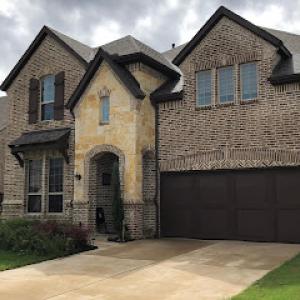
#1 Most Trusted Roofing Company In DFW! We Are Your Local Roofing Contractors Offering Roof Replacement, Roof Repairs, New Roofs In Arlington, Irving, Dallas, Fort Worth, Coppell, Southlake, Not All Roofers Are The Same. Check Out Our 5 Star Reviews!
Mitchell Roofing & Remodeling
(817) 880-7663 www.mitchellroofingtx.com
Grand Prairie, Texas
5.0 from 34 reviews
Mitchell Roofing & Remodeling, Inc. is a trusted residential & commercial roofing contractor based in Grandview, TX, serving Hill County and surrounding communities. With expertise in roof repair, replacement, storm damage restoration, and full remodeling services, we deliver durable solutions using high-quality materials suited for Texas weather. Our experienced team handles shingle, metal, tile, and composite roofing systems, backed by integrity, professionalism, and excellent customer care. Proudly BBB-accredited with an A+ rating, we are committed to protecting your investment and enhancing your home’s value. Call Mitchell Roofing & Remodeling, Inc. for a free inspection or quote today!

PMR Roofing
2006 N Hwy 360, Grand Prairie, Texas
4.8 from 78 reviews
Roofing with a STRONG foundation. With millions of square feet of roof systems designed and tailored to our clients needs, each of our projects are thoroughly supervised from start to finish to ensure the site is kept clean, residents are safe, and the property staff is kept in the loop at all times. We are the leading roofing company in Plano, Allen, McKinney, Frisco, Richardson, and the rest of DFW looking to serve your roofing needs!
Texas Builders
(817) 241-4862 texasbuildersinc.com
Grand Prairie, Texas
4.8 from 63 reviews
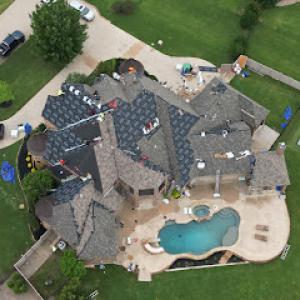
For over 65 years Texas Builders has helped hundreds of customers save thousands of dollars with their assistance programs. The company specializes in storm restorations and roofing services for both residential and commercial. Their main mission is to leave customers always in a better position than before by using superior workmanship and over the top quality products. Currently the company is managed by Ryan who is a fourth generation member from the Bumpas family. Ryan believes that a successful business foundation is to treat your customers like you would treat your family which is why Texas Builders keeps providing the same great customer support since 1953.
3E Roofing & Exteriors
Grand Prairie, Texas
5.0 from 23 reviews
We are a roofing company that specializes in re-roofs hail damage, wind damage and storm damage. We also do new construction roofs. We use the latest technology for ventilation. Leak repairs 24 hour service. Specialize with insurance companies and how to handle insurance claims.
Salinas Construction
(469) 558-9238 www.salinasroofingflooring.com
wescott dr, Grand Prairie, Texas
5.0 from 23 reviews
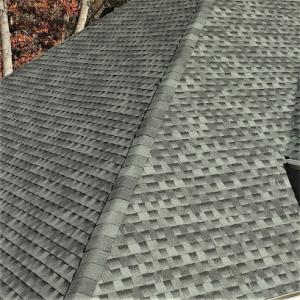
Salinas Roofing Construction is your trusted expert for roofing and flooring services. Owned and operated by Nicolas, who brings over 10 years of experience, we specialize in Roof Installation, Roof Repair, Roof Replacement, Flooring Installation, and Flooring Repair. Whether you need a new roof to protect your home or beautiful, durable flooring to transform your space, our skilled team delivers top-quality craftsmanship and reliable solutions. As a locally owned business, we pride ourselves on honest communication, personalized service, and results that exceed expectations. From fixing leaks and replacing worn-out roofs to installing or repairing all types of flooring, no job is too big or small.
Cornerstone General Contracting
(682) 330-0577 www.cornerstonegctx.com
2474 McKensie Ln, Grand Prairie, Texas
5.0 from 22 reviews
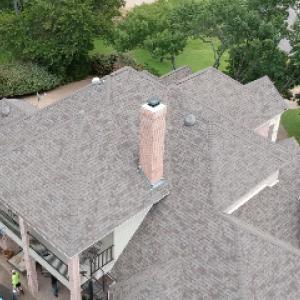
3rd Generation in the roofing business and after seeing the need for honest Contractors, we decided to start Cornerstone General Contracting, LLC. Our Techs have decades of experience and our company specializes in Roofing, Insulation, and other repairs! We hope to serve you a solution, rather than just selling you a service!
Most full reroofs in this area require a permit issued through the City of Grand Prairie Building Inspections department. Before any roof work begins, you or your contractor should pull the permit and confirm which plans and documents are required. Expect the process to involve plan review, property setbacks checks, and confirming that the roof system materials meet local code and HOA overlays where applicable. Since the city's review can slow or accelerate scheduling, it helps to align permit timing with material deliveries and weather windows typical for spring hail seasons.
The reroof process typically includes inspection after installation and again upon completion, so scheduling with the city is part of the project timeline. Plan for a provisional inspection right after the roof deck, underlayment, and flashing are installed, then a final inspection after all coverings, vents, and penetrations are in place. In practice, this means coordinating with the inspector to avoid back-to-back weather delays and ensuring the roof is secured and weatherproofed for the interim. If an HOA is involved, the timeline can stretch further, so confirm any external approval windows early and factor in potential wait times for shared or gated communities.
Contractor license information may need to be shown during permitting, and some Grand Prairie neighborhoods add HOA approval requirements on top of city review. Have your contractor's license, business address, and project qualifications ready for both the permit packet and any HOA submittals. If the HOA requires additional documentation, gather authorization letters, color schemes, and contractor contact details to streamline both the city review and HOA approval. A smooth permit experience often hinges on a clear line of communication between the homeowner, the contractor, and the permitting staff.
Keep a copy of the permit application, approved plans, and any addenda you submit to the city. Schedule inspections with at least a 48-hour buffer and confirm the inspector's route and access needs if the property has limited drive-up access or a gated entrance. If weather or storm activity interrupts the schedule, request interim inspections or reschedule as soon as feasible to prevent hold-ups in the project timeline. Finally, document hail damage promptly with dated photos both before and during work; that documentation can simplify both permitting and any subsequent claim processes.
In Grand Prairie, asphalt shingles are common because they fit the dominant reroof market, but they are also the material most exposed to hail bruising and granule loss after North Texas storms. That means you should look for shingles with higher impact resistance ratings and a generous granule embedment. When inspecting after a storm, focus on bruising, lifted edges, and bald patches where granules have torn away. A practical approach is to keep the same shingle profile you already have if you're pursuing a patch or full replacement to preserve the roof's visual weathering and the wind-driven adhesion you rely on during hot Texas summers. If you see repeated hail hits in a single area, talk through reinforcing the edges and penetrations around vent stacks and chimneys, where wind-driven impacts tend to cause the most trouble. In addition, consider a sealant plan-prompt resealing of any exposed fasteners or nail penetrations helps avert moisture entry during spring thundershowers.
Metal roofing has a meaningful specialist presence locally and is often considered by homeowners trying to improve performance against repeated DFW hail and heat cycles. Steel or aluminum panels with proper coatings hold up well under hail impact and expand-then-contract cycles from extreme heat. If you lean toward metal, prioritize panels with a factory-applied protective coating and a secure fastening system designed for high-wwind environments. A local-oriented benefit is that metal often accepts roof penetrations and fittings with less risk of leaks, provided flashing is correctly integrated around ridge lines and valley areas. Aesthetics matter in the neighborhood mix, so choose profiles that complement typical Grand Prairie homes while maintaining a seam layout that minimizes water intrusion during heavy spring rainstorms. Consider late-season inspections after hail events to verify panel alignment and fastener integrity, especially in areas with strong sun exposure that can stress sealants over time.
Clay tile, concrete tile, synthetic products, and slate appear in the market but require attention to impact vulnerability, weight, and repair matching after storm events common in this region. Clay and concrete tiles can crack or spall under hail, while their weight may require structural checks or updated supports before retrofit. Synthetic shingles and slate alternatives often promise improved impact resistance and easier repair matching, but they still introduce weight and substrate considerations that differ from standard asphalt. If choosing these options, work with a local contractor who understands how to stagger panels for wind uplift resistance and how to source matching textures and colors that blend with neighboring homes after a storm. For replacements and repairs, document the exact material, color, and profile to ensure a seamless repair match should a future hail event necessitate partial replacement.
Explore specialists in steel, aluminum, and standing seam metal roofs built to last 50 years or more.
Morales Roofers
(469) 363-9649 www.moralesroofers.com
2022 113th St Suite 104, Grand Prairie, Texas
4.9 from 235 reviews
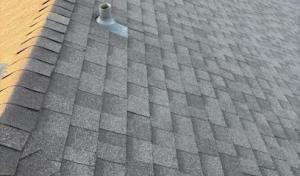
Dalco Contractors & Roofing
(214) 632-7177 www.roofingdalco.com
1326 Ashbrook Dr, Grand Prairie, Texas
4.9 from 130 reviews
Mitchell Roofing & Remodeling
(817) 880-7663 www.mitchellroofingtx.com
Grand Prairie, Texas
5.0 from 34 reviews
In this region, repetitive hail and wind exposure tends to reveal itself first at ridge caps, exposed slopes, flashing transitions, and older shingle fields. You may notice finer granule loss or shingle edges curling before other areas show obvious trouble. Vigilance at these typical failure zones pays dividends when a storm cycle ends and the sun comes back out. If you see lifted or loose pieces at the ridge line, address them promptly to prevent water intrusion behind the fascia or underlayment.
Summer heat in the Dallas-Fort Worth area can shorten the life of underlayment and ventilation-sensitive assemblies even when the outer surface still appears serviceable from the ground. The hottest months push attic spaces to blistering highs, which can bake roof components and accelerate deteriorations unseen from below. If attic ventilation seems insufficient during peak days, or you notice increased indoor attic temperatures after a storm, plan a targeted check of ventilation paths, soffit intakes, and exhaust vents before the next season stress test.
Skylights and roof penetrations are recurring leak points after storm cycles, aligning with the local specialty in skylight-related roof work. After a hail event, inspect skylight shims, seals, and surrounding flashing for micro-movements or microcracks. Even small gaps around penetrations can channel water across a ceiling during a heavy rain. Treat any irregularity as a potential warning sign and stage a careful, thorough seal and flashing assessment.
Older shingle fields can accumulate slow-mo wear that foreshadows bigger failures once hail fatigue compounds with heat. Look for granule bedding loss in patches and staining along drip edges, where water could begin to funnel in behind the gutter line. A measured approach-addressing minor leaks early and tracking storm-related damage over multiple cycles-helps manage the local wear patterns that tend to accumulate in this climate.
Find contractors experienced in skylight installation, flashing, and leak repairs to bring natural light into your home.
Morales Roofers
(469) 363-9649 www.moralesroofers.com
2022 113th St Suite 104, Grand Prairie, Texas
4.9 from 235 reviews
In this corner of the DFW metro area, hail and wind losses are common enough to nudge underwriting decisions and claim scrutiny. Insurers serving the region watch spring storms closely, and a broad pattern of high-claim activity can influence how quickly and how thoroughly a roof claim moves through the process. That reality means every roof condition, every impact mark, and every mitigation step after a storm may come under closer review than in calmer markets. The result is that timing, documentation, and consistency become as important as the physical damage itself.
Because the typical claims flow in this area leans on solid evidence, expect thorough photo sets that show the roof's condition before and after the event, clearly labeled angles, and close-ups of granule loss, punctures, and edge damage. Contractors' documentation matters too: written estimates, scope of work, and notes on temporary protections demonstrated after a storm help bridge the gap between damage and approval. Material condition evidence-what the roof looked like prior to the event and how it has responded since-often weighs as heavily as the visible damage when an adjuster reviews the file.
Roofing decisions here hinge not just on damage, but on how well a homeowner can document storm timing and sequence. Being able to verify when hail struck, and how quickly mitigation steps were taken (like tarping or temporary protection), can influence claim outcomes. In practice, this means keeping a dated diary of storm events, saving weather reports, and organizing a clear visual record that ties to calendar dates. The more coherent your documentation, the smoother the claim review tends to be.
If a storm is underway or just passed, establish a consistent documentation routine: photograph the roof from multiple vantage points, capture attic and interior evidence if leaks exist, and preserve all contractor communications. When engaging a roofer, request detailed, timestamped notes and before-and-after imagery that align with the claim timeline. In this high-claim environment, clarity and traceability are as valuable as the physical work itself.
Connect with contractors who help homeowners navigate the claims process from damage assessment to final approval.
Morales Roofers
(469) 363-9649 www.moralesroofers.com
2022 113th St Suite 104, Grand Prairie, Texas
4.9 from 235 reviews
Dalco Contractors & Roofing
(214) 632-7177 www.roofingdalco.com
1326 Ashbrook Dr, Grand Prairie, Texas
4.9 from 130 reviews
SK Elite Roofing Corporation
2922 Alouette Dr Suite A, Grand Prairie, Texas
5.0 from 74 reviews
Grand Prairie's contractor mix includes a meaningful commercial segment, which makes low-slope and flat-roof expertise more relevant here than in purely single-family markets. This means that when a standing seam, modified bitumen, or built-up roof is involved on additions, porches, or mixed-use properties, you can encounter a broader range of installation practices and repair strategies than in neighborhoods dominated by steep-slope homes. The same spring hail, blistering heat, and windy afternoons that strain steep roofs also tax these flatter surfaces, but the failures tend to show up at seams, fasteners, and drainage points rather than in ridge lines.
Flat and low-slope sections in this region often share the same stressors as steep roofs: hail impacts that dent edges or flashings, heat cycles that loosen fasteners and degrade sealants, and high winds that peel at seams. However, failures here present differently: pooled water at transitions, compromised edge details along parapets, and seam breaches around flashing or penetrations. Additions and porches can push water toward unusual drain paths, so paying attention to scuppers, interior transitions, and emergency patching access is crucial for timely repairs.
Roof coatings exist in the local market but are a much smaller specialty than full reroofing, storm repair, and emergency response. A coating can buy a temporary margin of weather resistance on a flat section or a secondary roof, but it does not replace a proper membrane system where seams and penetrations are critical. For properties with multiple roof planes or mixed-use layouts, coatings are most effective as a supplemental measure, not a substitute for durable primary roofing.
Regular inspections should emphasize drainage efficiency and seam integrity. Inspect near parapets, along transitional curbs, and around skylights or HVAC penetrations where movement is common. Clear debris from gutters and scuppers before severe weather arrives, and document any hail impacts with timestamps and photos. For HOA-driven properties or commercial-adjacent structures, create a simple quarterly check routine that flags slow drains, unusual ponding, or early signs of membrane wear.
Because low-slope work blends residential and commercial practices in this market, choosing a contractor with proven flat-roof experience and a track record of storm response is essential. Look for technicians who can provide a comprehensive evaluation of seam integrity, flashing details, and drainage performance, not just surface appearance. For additions or mixed-use projects, verify that the crew has access to appropriate repair crews and materials for multi-plane systems, and confirm they can coordinate with property managers for timely scheduling and documentation.
Find specialists in TPO, EPDM, and built-up flat roofing systems for residential and commercial properties.
Morales Roofers
(469) 363-9649 www.moralesroofers.com
2022 113th St Suite 104, Grand Prairie, Texas
4.9 from 235 reviews
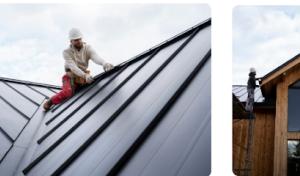
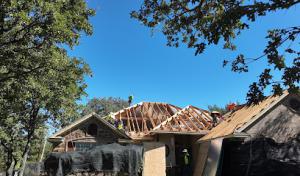
In this market, a visible solar-roofing specialty exists, so homeowners often need reroof planning that accounts for panel removal and reinstallation. The timing and sequence of work matter because panels sit on a functioning system that stays energized or is temporarily shut down during reroofing. When evaluating a replacement, consider whether the existing solar array shares mounting hardware with the roof or uses integrated rails. If panels are slated to stay in place, plan access routes for crews to work around panel zones without stepping on shingle surfaces. In practice, you want a staggered schedule that minimizes panel downtime while ensuring the roof is structurally ready for every phase of the job.
If panels must come off, a dedicated solar contractor should perform removal and reinstallation, not the roofing crew. The process should include a documented panel count, wiring map, and a clear sequence for disconnecting and reconnecting the system. In Grand Prairie, where spring hail can stress both roof and solar components, having the panel contractor coordinate with the roofing crew reduces miscommunication and weather-related delays. Make sure there is a plan for temporary protection of wiring and inverters during roof deck work, and confirm who assumes liability for potential panel damage during removal.
Permit and inspection sequencing in Grand Prairie matters more when reroofing intersects with additional rooftop systems. If there are vent ducts, skylights, or HVAC condensers integrated with the roof, coordinate installers so that weatherproofing, flashing, and sealants are completed in logical order without re-entering finished areas. Ensure the solar permit, if applicable, remains synchronized with the roof permit timeline, and confirm who signs off on each phase to avoid rework. Clear communication between the roofing crew and solar professionals helps maintain warranty integrity and minimizes post-install issues.
Find contractors who integrate solar panels or solar shingles into your roof for long-term energy savings.
SK Elite Roofing Corporation
2922 Alouette Dr Suite A, Grand Prairie, Texas
5.0 from 74 reviews