
Last updated: Apr 19, 2026
This section covers hail-driven damage, insurance documentation, and timing a full roof replacement around the Central Texas storm cycles that define the local roofing scene. The pattern of spring hail storms and severe thunderstorms sets a relentless pace for wear and sudden damage, so recognizing risk and acting quickly is essential.
Spring in this area arrives with a series of big hits - not a single event but a recurring pattern that can leave multiple roof issues clustered in a short window. Hail can compromise shingles, granules, underlayment, and flashings, and the effects aren't always obvious from the ground. In many cases, a roof that looks fine after a storm hides moisture intrusion or micro-cracks that only show up after heat and rain cycles. The risk isn't just physical damage; it's the hidden pathways for leaks that threaten interiors, attic insulation, and ceiling finishes. A neighborly approach is to treat every significant hail event as a potential claim trigger, document damage promptly with dated photos, and secure a professional assessment before the next weather swing. Delays create compounding risk as weeks slip by between storms and the roof endures additional UV exposure from long, hot days.
Local replacement schedules are often disrupted by spring storm clusters, which can create demand surges for inspections, tarping, and full re-roofs after major weather events. When a cluster hits, many crews are booked, materials are in higher demand, and appointment windows shrink. If you notice lifted shingles, bruised granules, or visible granule loss after a hail event, prioritize a same-season inspection to prevent secondary damage. Coordinating with your chosen contractor early in the post-storm window helps lock in a path forward, including temporary measures like tarping to minimize water entry during peak storm activity. Be prepared for potential follow-up inspections as crews confirm the extent of damage after the initial aftermath settles.
Because the city sits under long hot summers, homeowners often have to balance storm-season urgency against extreme heat that affects installation pace and material handling. Extreme temperatures can slow crew throughput, complicate adhesive cures, and stress moisture-sensitive products. Scheduling between heat peaks, when feasible, can reduce on-site delays without sacrificing urgency. When a roof is flagged for replacement, plan for trimmed timelines that reflect both the need to capture insurance scope accurately and the reality of scorching days that can slow practical work. A practical mindset is to stage urgent tasks (like temporary protection) early in the season while reserving final installation for cooler daytime windows when possible.
Keep all storm-related documentation organized: dated photos from multiple angles, recent weather reports, and any prior repair notes. When talking to your insurer, present a coherent timeline that links the hail event to observed damage and the planned replacement approach. Clear, consistent communication with the contractor regarding weather forecasts, storm timing, and your preferred sequencing helps smooth the process through the busiest weeks of spring and early summer. The clock starts with the first credible hail impact and runs through to the finish, so act with deliberate urgency to protect your home and avoid preventable water intrusion.
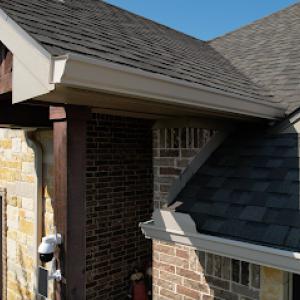
Texas Built Roofing
(254) 717-2736 texasbuiltroofing.com
911 E Johnson St, Waco, Texas
5.0 from 161 reviews
When seeking trusted roofing professionals, it's essential to look for a company like Texas Built Roofing, servicing Waco and all of Texas since 2010. Boasting over a decade of experience and as a fully insured, licensed and bondable roofer, you can rely on their team's expertise for residential and commercial roofing needs. Specializing in various roof types and offering professional installation, servicing, and repairs, including asphalt, specialty shingles, tiles, coatings, and metal roofing solutions, clients are ensured to receive high-quality and reliable roofing solutions for their properties.

Clark Roofing
(254) 374-4477 www.clarkroofingtx.com
221 Cotton Dr, Waco, Texas
5.0 from 130 reviews
Clark Roofing specializes in small, medium, large, ultra large commercial and residential roof systems, Superior quality and customer service at a reasonable cost. We treat every roofing job as you would – a customized project. Our customer service is based on the standards of J. Michael Clark Builders, Inc, a custom home and commercial general contractor. Mike Clark has built a number of iconic homes in Central Texas and helped revitalize downtown Waco. It’s because of this custom construction background that we are able to provide the most personal construction manager for your roofing project. No detail is too small. Whether you are looking for the most energy efficient roof
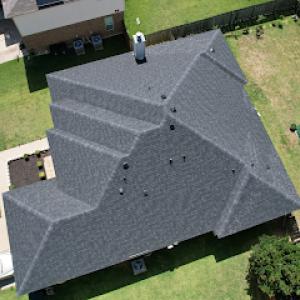
Castex Roofing
(254) 749-1579 www.castexroofingco.com
4112 Kendall Ln, Waco, Texas
5.0 from 134 reviews
CASTEX ROOFING CO. is an eager business looking to please customers with the utmost satisfaction to gain friendships for a long-lasting business relationship. Our company is locally owned around the Waco area providing prompt response times with quality workmanship. We offer competitive pricing. Our company will provide a service that is reputable and apply good character with great cleanliness that is not always available with roofing companies. Our 24/7 service will truly be available anytime if a customer has a leak at 2:00 A.M. we will be there to resolve the problem and keep the owners properly safe. We serve all Central Texas Waco,Round Rock, Georgetown, Austin, Belton, Temple-Killeen areas
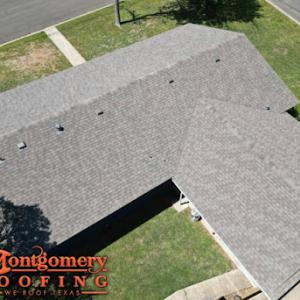
Montgomery Roofing - Waco Roofers
219 S 4th St, Waco, Texas
4.9 from 133 reviews
Montgomery Roofing is a family owned and operated roofing contractor based out of Waco, Texas, but we serve the entire State of Texas. We are confident you will be impressed by our work, but you do not have to take our word for it -- Visit our Testimonials page today to read what satisfied customers have to say about Montgomery Roofing.
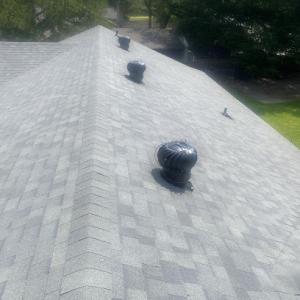
Wortham Construction Roofing
(254) 242-9959 www.worthamconstructionroofing.com
345 Owen Ln Suite 144A, Waco, Texas
5.0 from 75 reviews
For over a decade, Wortham Construction Roofing has been providing expert roofing, gutter and interior/exterior remodeling services to Central Texas. A locally owned and operated business, they pride themselves on delivering quality and professionalism on every project. Their skilled team is committed to keeping their community covered, with a focus on delivering exceptional customer service and long-lasting results.
Manuel Chavez Professional Roofing & Remodeling
(254) 498-0906 proroofingwaco.com
1609 Monte Vista St, Waco, Texas
4.9 from 114 reviews
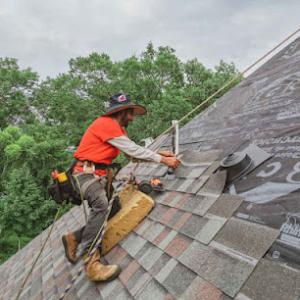
Manuel Chavez Professional Roofing & Remodeling is a professional general contractor located in Waco, TX. However, we have always aimed to offer our excellent service to a wider circle of people. That is why, we can provide you with our service, even if you live in the surrounding areas within 100 miles. This is a sure sign of our dedication to providing not only superior quality but also be available for as many clients as possible! As a top-quality general contractor in Waco, TX, we are fully insured. However, we are most proud to say that we care about our customers.
Honey's Roofing
(254) 662-9900 www.honeysroofingllc.com
3712 W Industrial Blvd, Waco, Texas
4.9 from 176 reviews
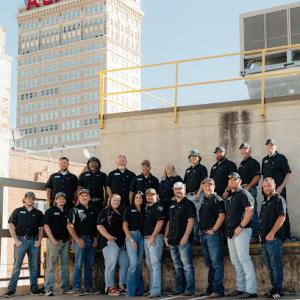
A locally owned company, Honey's Roofing offers Central Texas home & business owners professional roofing services.
Artisan Roofing & Solar Central Tx
(254) 447-8414 acsroofingwaco.com
3901 W Waco Dr, Waco, Texas
5.0 from 43 reviews
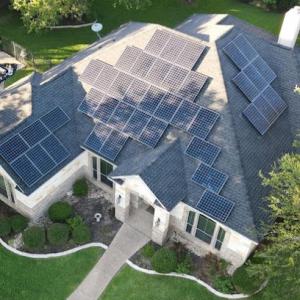
Artisan Roofing & Solar Central TX is a locally owned roofing company based in Waco, serving homeowners throughout Waco, Hewitt, Woodway, Robinson, and surrounding Central Texas areas. We specialize in roof repair, roof leak repair, storm and hail damage inspections, emergency roof repairs, and roof replacement. Our experienced roofing contractors provide honest inspections, clear recommendations, and dependable workmanship using quality roofing systems designed for Texas weather. Whether you’re dealing with a roof leak, storm damage, or need a full roof replacement, we’re committed to protecting your home with reliable, long-lasting roofing solutions.

The Roof
(254) 236-5764 www.theroofcowaco.com
3605 Franklin Ave, Waco, Texas
4.9 from 71 reviews
The Roof Waco provides residential and commercial roofing services to Central Texas and surrounding communities. Whether addressing minor leaks or undertaking full-scale replacements, timely attention to roofing needs is essential. Regular monitoring ensures that small issues do not escalate into costly and disruptive problems. A comprehensive approach to roof care supports structural integrity and maintains aesthetic appeal over time. The Roof Waco is available to discuss your needs and provide guidance tailored to your home or business. Reach out to our roofing company today to ensure that your property is equipped with durable solutions and ongoing support.
Birdcreek Roofing Belton
(800) 693-6041 www.birdcreekroofing.com
Waco, Texas
5.0 from 25 reviews
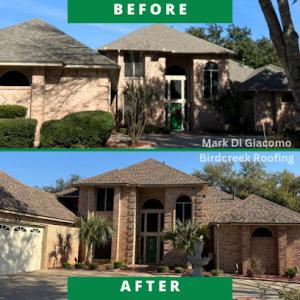
Since 2013, we've provided trusted roofing services to over 24,000 Texas Homeowners with local offices in DFW, Waco, Belton, Austin, & down to San Antonio. Replacing or repairing your roof can be stressful & confusing. We’re here to help Texas Homeowners make sense of the process with prompt & reliable service. Services - Residential Roofing (Shingles, Metal, Standing Seam, Tile) - Commercial Roofing - Repair & Replacement Partnerships - GAF Master Elite Contractor (Less than 3% of contractors) - GAF Three-Star Presidents Club (Top 1% of Contractors) - A+ Rating with BBB - Roofing & Solar Reform Alliance Committee Members - Certified installers with Tamko, IKO & Owens Corning We are grateful for the opportunity to help with your home!
Inspire Roofing & Home Improvement
(254) 379-8080 inspireroof.com
2820 Dutton Ave, Waco, Texas
4.9 from 33 reviews
Inspire Roofing & Home Improvement Serving Texas for over 20 years & BBB A+ rated our stellar customer satisfaction record is par none. Family Owned & Established in Waco, we specialize in storm damage repair, shingle replacements, and emergency roof fixes. Give us the opportunity to meet your roofing needs starting with a no obligation free roof inspection!
IronHorse Roof Systems
(254) 733-8645 ironhorseroofsystems.com
Waco, TX
5.0 from 20 reviews
For over 13 years, IronHorse Roof Systems has been proudly serving the Waco community with honest, top-notch service. Our journey began with a simple yet ambitious goal: to make a positive impact by delivering impeccable workmanship and using only the highest-quality materials for every roofing project. As time went on, we expanded our expertise into full remodeling and painting services, all while maintaining an unwavering commitment to excellence. Today, we are dedicated to being your one-stop shop for all your home needs.
Asphalt shingles are common in Waco, and they respond predictably to local conditions: a hot, humid summer and strong UV exposure accelerate granule loss, curling, and aging compared with milder climates. In practice, that means you may see faster color fade, more frequent edge cupping, and a shorter cushion for hail impacts than you'd expect in cooler regions. If asphalt is your default, choose a higher-quality impact-resistant option and consider a reinforced underlayment to buy a few extra years of performance. A dotted line of granule loss along the eaves can be a telltale sign that the sun and heat are taking their toll. For storm-prone seasons, ensure the system has a robust attic ventilation plan so heat does not compound shingle stress.
Metal roofing has strong local relevance in Waco because it handles heat and storm exposure differently than shingles, making it a frequent upgrade discussion after hail events. The metal choice offers rapid shedding of hail impact and better resistance to wind-driven rain. When considering metal, look for panels with a protective coating that reduces surface heat absorption and minimizes thermal expansion gaps that could loosen fasteners over time. A raised seam or standing-seam profile often pairs well with modern Waco home styles and tends to hold up through multiple storm cycles. If hail damage has occurred, metal can sometimes be installed over existing roofing framing, but inspect the deck for any moisture intrusion first. In hot weather intervals, metal's reflective properties can noticeably reduce attic heat, which pays off in interior comfort and HVAC load over the long run.
Clay tile and concrete tile appear in the Waco market, and their long-lasting performance can be strong in dry heat; however, both are heavy and may require structural checks before installation. In hail-prone periods, tile can crack or fracture, so consider impact-rated tiles or additional underlayment if hail history is significant on your street. Wood shakes bring a distinctive look but tend to weather quickly under heavy sun and can require more maintenance to prevent moisture-related issues; high-grade pressure-treated shakes or cedar alternatives plus a protective coating can extend life. Synthetic products offer versatile shapes and lighter weight with mixed results under heat and hail. When evaluating any tile or synthetic option, pay attention to impact ratings, fastener systems, and manufacturer guidance on heat exposure and hail cycles. In neighborhoods with traditional home styles, clay or concrete tiles can harmonize with existing architecture, while metal or synthetic options often suit newer builds with clean lines.
To align material choice with your storm history, inspect your current roof's performance after a major hail season and note any granule loss, ridge damage, or edge curling. If hail shocks the system regularly, a material with high impact resistance and good wind uplift ratings tends to be more forgiving in spring storms. Consider how the local sun and heat will influence color longevity and thermal performance, especially for dark or heavy-profile options. Finally, balance the visual style of the home with a material that can reliably withstand summers and the cyclic hail events that define the area. Here in Waco, the best choice often blends resistance to heat and hail with compatibility to established neighborhood aesthetics.
For a full re-roof, a building permit is required rather than leaving it strictly to contractor discretion. That means a homeowner should expect the project to follow a formal approval path with the City of Waco's Building Inspection Department. The practical outcome is that the permit process creates a documented record of the work and its scope, which can matter when storm damage claims and roof system warranties are involved. The contractor is typically responsible for pulling the permit and handling the submittals, but you should confirm that this step is completed before any materials arrive on-site.
Before work starts, verify that the contractor has both submitted the permit package and scheduled the pre-work intake with the inspection office. In Waco, coordinating with the Building Inspection Department is a routine checkpoint, not an afterthought. A homeowner should ask for the permit number, the anticipated inspection dates, and the name of the project supervisor who will be present for inspections. If any part of the permit process stalls, it can delay framing, underlayment installation, or the final closeout, so having a concrete timeline is essential.
Re-roof projects commonly involve a rough inspection during installation and a final inspection after completion. The rough inspection usually occurs after the roof deck, underlayment, and initial weatherproofing are in place, with the goal of catching issues early. The final inspection verifies that the entire system is installed to code and meets the approved plans. In a Central Texas climate cycle that includes hail and heavy summer sun, weather delays are not unusual. Allow for possible rescheduling windows and plan around storm forecasts to minimize knock-on delays.
Keep a copy of the permit application, the contractor's proof of license, and any inspector notes that pertain to corrective actions. After each inspection, maintain the written disposition from the Building Inspection Department. This documentation is not just bureaucratic; it can impact insurance interactions, warranty coverage, and your ability to close out the project smoothly with the city.
Coordinate start dates with anticipated weather windows to reduce the chance of a forced pause during the rough inspection or the final walkthrough. If a storm front is forecast, discuss with the contractor the best approach to protect exposed decking and underlayment, while keeping in mind the imperative to advance the permit-driven sequence. Finally, confirm that the inspector's contact information and the preferred method for submitting requested corrections are established early, so closeout does not hinge on last-minute logistics.
In Yard-to-Home terms, the local pricing bands for common roof replacements run about $350 to $700 per square for asphalt shingles, $700 to $1100 for metal, $1000 to $1800 for clay tile, $900 to $1500 for concrete tile, $600 to $1100 for wood shingles or shakes, and $500 to $900 for synthetic or composite shingles. Those figures reflect labor, materials, and average removal, typical for mid-century and newer homes in this market. When you're comparing bids, use these ranges as a reality check rather than a ceiling or floor for what a contractor might quote for your specific home. Concrete and clay tiles push higher, while asphalt and synthetic options stay on the lower end.
After a major hail or wind event, scheduling tightens quickly and crews can surge across town to cover new jobs. In such windows, you'll see bids come in hotter and lead times stretch longer. Expect certain materials to be more affected than others, with metal and tile projects sometimes absorbing premium pricing due to demand and logistics. If a storm hits late in the season, the ripple effect can push a typical replacement timeline from weeks into a month or more, depending on availability and weather windows.
To maximize value after the season, assemble at least three detailed bids from reputable local contractors. Ensure each bid itemizes the same scope-underlayment, flashing, vent work, and any necessary repairs-to avoid mismatched apples-to-apples comparisons. Prioritize bids that demonstrate a clear storm-damage assessment, staged workmanship, and predictable material delivery timelines. If a proposal promises unusually fast scheduling or unusually low prices, probe for hidden costs or material substitutions that could affect long-term performance.
Get a clear picture of your project costs upfront - no commitment required.

Inspire Roofing & Home Improvement
(254) 379-8080 inspireroof.com
2820 Dutton Ave, Waco, Texas
4.9 from 33 reviews
Excel Construction Group Waco
(254) 271-5300 www.excelcg.com
1525 Washington Ave, Waco, Texas
4.8 from 33 reviews
Rodriguez Roofing & Home Improvement Services
1911 Herring Ave, Waco, Texas
5.0 from 10 reviews
In this market, the likelihood of hail and wind events shaping roof claims is real enough to influence material and contractor choices. Waco is part of a Texas hail and wind claim environment where roof damage claims are common enough to shape how homeowners choose materials and contractors. That means your decision about a replacement isn't just about today's weather - it can affect how insurers view future storms and wear patterns over years. A practical mindset is to expect that insurers will compare current storm-caused damage against the roof's age and pre-existing wear, which can influence coverage decisions.
Insurers handling Waco-area claims often want detailed photo sets, clear timelines, and prior-condition documentation because storm causation and pre-existing wear can become central coverage questions. Start gathering a robust photo record as soon as storms roll through: roof angles, gutters, and any interior signs of leaks. Keep a dated file of all communications with the insurer, including the initial report, inspector notes, and any adjustments to the claim. When a claim is filed, be prepared to present a concise narrative of what happened, when, and how that sequence connects to observed damage. The more you can anchor causation to recent events while clearly distinguishing pre-existing deterioration, the smoother the process tends to be.
After severe weather in this area, adjusters may request appraisals or additional documentation to separate fresh hail or wind damage from older heat- and age-related deterioration. That distinction matters because it can shift coverage responsibility and reimbursement timing. A careful approach is to document the roof's condition before the storm season starts and after a storm event, noting any granule loss, metal flashing dents, or suspect shingle curling that aligns with a specific episode. If a dispute arises over what's newly damaged versus what's worn from heat or age, stay organized with date-stamped photos, inspector reports, and a clear timeline of events linking the damage to a specific weather occurrence.
When a claim is in play, choose a contractor who understands how to document hail-driven damage and who can provide a detailed, itemized scope with photos. Request your insurer's preferred method for submission and any specific photo angles they require. Be cautious about accepting a quick, broad assessment that isn't tied to storm causation, and insist on independent documentation if there's disagreement. In this climate, the goal is to protect your home's integrity while ensuring the claim accurately reflects recent events, not just general wear.
Connect with contractors who help homeowners navigate the claims process from damage assessment to final approval.
Texas Built Roofing
(254) 717-2736 texasbuiltroofing.com
911 E Johnson St, Waco, Texas
5.0 from 161 reviews
Castex Roofing
(254) 749-1579 www.castexroofingco.com
4112 Kendall Ln, Waco, Texas
5.0 from 134 reviews
In this city, hot, humid summers create real installation constraints, especially for crews handling shingles and adhesives during peak afternoon heat. When the sun climbs, surfaces can reach temperatures that slow curing times, reduce adhesive tack, and make safety a higher priority for workers. That means more frequent pauses, shorter daily work windows, and a need for cooler parts of the day to advance key steps like sealing, shingle alignment, and starter strip placement. Expect crews to plan around the daily heat curve, not simply push through morning to afternoon without regard to surface temperature.
The climate note about UV-related aging isn't just a long-term concern for older roofs; it affects how effectively a new roof cures and seals when heat is at its peak. In practice, that translates to coordinating installation to avoid the hottest hours, so you don't compromise the lifespan of newly laid materials. UV exposure can accelerate aging of some sealants and tape products if installed during peak sun. Scheduling trades to start earlier or late in the day, and allowing proper cure periods for any moisture-managed products, helps maintain that initial performance you expect from a new roof.
Material staging in prolonged heat hinges on avoiding overexposure and maintaining clean, dry work surfaces. In the field, you'll notice crews preferring shaded staging areas and timed deliveries to prevent materials from softening or warping under the sun. Sealing products and underlayment may require cool-down periods between applications, which can compress the number of squares installed per day. For homeowners, this often means tighter work windows and the potential for a few more days on-site than in milder climates.
Because summer storms can interrupt progress, a flexible schedule becomes part of the plan. Communicate with the crew about preferred start times, especially on days forecasted for late-afternoon heat or hail risk. If possible, align a portion of the work to cooler morning hours and use the hottest part of the day for non-heat-sensitive tasks, like interior inspections or inventory checks. Clear, proactive communication helps ensure that a summer installation keeps moving while safeguarding the quality of the roof components and the install itself.
In fall, frontal systems sweep across Central Texas with enough bite to interrupt active roofing work. Those high winds can shove loose shingles, tear-offs, and debris into yards or driveways, delaying crews and complicating cleanup before rain returns. For a neighborhood experienced with quick weather shifts, this means a project can swing from productive to paused in a matter of hours. Planning around the forecast matters, because a sudden gust can push a lift or rolled underlayment into a vulnerable spot and force a temporary halt while crews secure materials.
These wind events matter locally because they arrive after the main summer heat period but before winter adhesive slowdowns, making fall both productive and risky for scheduling. Tear-offs generate a volume of debris that needs efficient containment, especially when gusts pick up loose shingle fragments and dust. Wind sensitivity is not just about live-work safety; it directly affects cleanup expectations and the final appearance of the project. A fall sequence can leave loose debris at the curb if containment isn't tight, and that can become a homeowner's headache the moment the first winter cold snaps set in.
For homeowners, wind exposure is not just a storm-season issue; it also affects post-install cleanup expectations and fastening quality on replacement projects. After a roof is stripped, lingering wind can test fasteners and flashing as they settle, and any wind-driven debris during overlay or reseal can jeopardize a neat, long-lasting finish. The result is a clearer picture of what a completed job should look like and how well it will stand up to the next gust.
A practical approach centers on upfront scheduling flexibility and clear communication with the contractor about potential weather delays, wind thresholds, and storm-ready containment plans. Have a plan for securing tarps and stacks of shingles during forecasted gusts, and verify that debris nets and edge protection are in place before work resumes after a wind event. This helps protect the project timeline, the surrounding property, and the final fastening quality on the replacement roof.
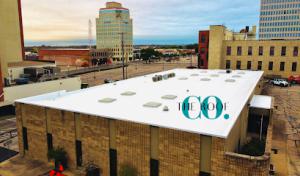
Although Waco is primarily a pitched-roof residential market, local contractor signals show meaningful demand for flat-roof and low-slope work, indicating these assemblies are a recurring specialty need. In practice, this means two things: first, flat sections that aren't continuously slope-draining can trap heat and moisture; second, the detailing around edges, terminations, and transitions to steeper roofs tends to drive most callbacks after hail events. When planning a low-slope replacement or repair, verify that the chosen membrane system has compatible accessories for transitions to nearby pitched areas, and insist on a multi-layered approach at terminations to resist wind uplift.
Skylight-related repair demand is also present in the market, which matters because leak tracing after hail and wind events often becomes more complicated around penetrations. Start with a targeted water test that follows a storm during daylight hours when you can watch for active seepage around flashing, fasteners, and curb joints. Pay particular attention to the sealants around skylight curbs and the condition of any surrounding decking; in older homes, backer rods and sealant joints may need replacement before membrane work to avoid future leaks. If a skylight is set into a low-slope section, ensure the flashing integrates tightly with the roofing membrane and that the flashing is reinforced with self-adhering strips on the upslope side to prevent wind-driven water entry.
On low-slope sections, summer heat and winter cold snaps can both affect how membranes, sealants, and transition details perform over time. Heat can soften and sag lightweight membranes, especially under heavy UV exposure, while cold snaps can make sealants brittle and prone to cracking. Practical steps include inspecting edge details for proper drainage and ensuring that sealants are rated for the full temperature range experienced in this climate. Regular seasonal checks after spring hail and late-summer storms help catch seam or flashing issues before they become active leaks, particularly around skylights and roof-to-wall transitions.
Find specialists in TPO, EPDM, and built-up flat roofing systems for residential and commercial properties.
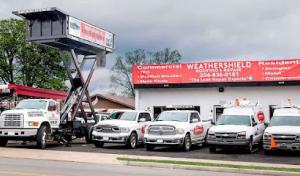
Weathershield Roofing & Repair
(254) 836-8181 weathershieldinc.com
2321 Franklin Ave, Waco, Texas
4.1 from 23 reviews
Texas Elite Commercial Roofing
(254) 332-1717 texaselitecommercialroofing.com
13 W Hwy 6, Waco, Texas
5.0 from 1 review