
Last updated: Apr 19, 2026
Mesquite sits in the North Texas hail and wind corridor, so spring storm damage is not a "maybe"-it's a near-certainty for many homes. High heat amplifies asphalt shingle aging, and fast-moving storms bring both hail and strong winds that can lift shingles, crack flashing, and loosen ridges in a single event. When a storm hits, the combination of hail impact, wind gusts, and nearby debris becomes a domino effect: a few compromised spots can lead to hidden leaks that show up after the next rainfall. This means every storm should be treated as a potential trigger for a roof examination, not a routine checkup.
Storms don't just nick a roof-they can set off a cascade of damage that isn't visible from the ground. Hail can create micro-damage along shingles' surface, and wind can peel laps or expose flashing around chimneys and vents. In homes with ridge vents and older flashing, repeated hail strikes can loosen critical seals, inviting water intrusion during the first heavy rain after a storm. A neighborly, roof-focused post-storm check becomes essential: look for curled or cracked shingles, lifted edges, loose flashing, and granule loss in gutters and downspouts. In Mesquite, where insurance-driven repairs are common, documenting every damaged area with clear dates, photos, and written notes helps prevent gaps in coverage.
Start with a rapid exterior scan from ground level, noting obvious damage and debris-filled eaves. If anything looks disturbed or raised, plan a professional inspection within 24 to 72 hours if possible, especially after a severe event. If potential damage exists, arrange for a licensed roofer to conduct a careful, honest assessment; a thorough check should cover shingles, flashing, step and counter-flashing, ridge components, and any nearby roof sections impacted by debris. Document the condition of the entire roof and any visible interior signs of leakage, including stains on ceilings or walls near the affected areas. Prompt documentation supports timely decisions and reduces the risk of weather-related surprises in the following months.
Insurance-driven roof replacement timing is a practical reality in this market. A responder's first move is to verify that the claim scope matches the observed damage and that sustained losses aren't limited to cosmetic issues. When a contractor arrives after a storm, expect a focus on damage evaluation, hail-damage photos, and a clear plan for the replacement sequence if a claim is approved. It's crucial to resist pressure to sign off on repairs that don't address underlying issues, especially around flashing, vent ends, and ridge lines. A steady, measured approach-documenting damage, engaging a reputable, storm-focused contractor, and staying aligned with the insurer's process-helps ensure a properly lasting roof that withstands the next round of springweather.
Elias Roofing & Home Improvements
(844) 992-7663 voyagedallas.com
Mesquite, Texas
5.0 from 70 reviews
Home improvements
Fetch Roofing
(972) 749-9911 fetchroofing.com
4111 US-80 Suite 107, Mesquite, Texas
5.0 from 102 reviews
Fetch Roofing is your trusted local roofing partner proudly serving Dallas, Rockwall, Heath, Rowlett, Mesquite, and Garland, TX. As “Man’s Best Roofer,” we specialize in high-quality roofing services, including repairs, replacements, and gutter protection. With a commitment to exceptional customer service and community support, we ensure every roof we work on stands strong against the Texas weather. At Fetch Roofing, we’re passionate about protecting your home and your furry friends! We even provide dog treats during roofing calls and offer pet boarding services to keep your pets safe and comfortable during noisy projects. Our expert team is dedicated to delivering reliable and professional roofing solution
MGC Roofing & Solar
(214) 484-1401 www.mgcroofingandsolar.com
2533 Franklin Dr # 16A, Mesquite, Texas
5.0 from 40 reviews
When it comes to your roof, you want a company you can trust. Fortunately, MGC Roofing & Solar has the experience you want for the services you need. Our roofing contractors specialize in repairs, replacements, new installations and reroofing. We offer free roof inspections to determine the quality of your roof and even help with insurance claims. No matter your request, you can trust that we'll provide the highest quality and durability for every project.

180 Roofing & Contracting
3939 US-80 390 D2, Mesquite, Texas
4.7 from 46 reviews
180 Roofing & Contracting, LLC is dedicated to serving the restoration roofing needs of homeowners, commercial building owners and multi-family communities in the area. When hail or wind causes damage to roofs in our area, we go to the impacted neighborhoods to help homeowners get their roofs assessed and restored as quickly as possible. We work with all insurance carriers, ensuring the only out of pocket cost to homeowners is their deductible. We are proud to be a Preferred Contractor for Owens Corning and provide top craftsmanship, great customer experience and the best workmanship and material warranties in the industry. Together we weather the storm!
Divine Path Construction
(972) 310-0123 www.divinepathconstruction.com
Mesquite, Texas
5.0 from 18 reviews
Imagine stepping into a world where your property's potential is fully realized, where every detail of your roofing and painting needs is handled with professionalism and care. Welcome to Divine Path Construction in Kaufman, TX, where our commitment to excellence is a standard we live by. Our roofing expertise is unparalleled, offering a wide range of services, from the essential roof repairs to the comprehensive installations that safeguard your property. Our asphalt shingle roofing is a popular choice for its balance of durability and affordability. Another option is metal roofing for its longevity.
JRR Classic Construction
(214) 334-8907 www.jrrclassicconstruction.com
Serving
5.0 from 18 reviews
Roofing company,roofing reepairs, construction company, roofing & construction company

Mini Tex Roofing
(972) 435-9658 minitexroofing.com
Serving
5.0 from 10 reviews
Your trusted roofing contractor based our of Sunnyvale, TX. We offer roof repair, roof inspections, roof maintenance, roof replacements and roof installations.
Firehouse Roofing
(214) 531-6944 firehouseroofing.com
Serving
4.9 from 55 reviews
For nearly three decades, FireFounded in 1997 and voted Best Roofer in DFW, Firehouse Roofing is the area’s leading expert in roof repairs. We provide the highest quality shingles, insulation, ventilation, gutters, and solar stock to make sure you are getting the best products installed in your home or business. Our knowledgeable team specializes in roof repairs, roof replacements, metal roofing, residential roofing, commercial roofing, gutter installation, and offers in-house financing. Firehouse Roofing stands by a 100% Satisfaction Guarantee 24/7. Whether it be residential or commercial roofing, Firehouse has got you covered. Call today to schedule a FREE inspection!
Storm Roofing Heroes Dallas
(214) 809-8078 stormroofingheroes.com
Serving
5.0 from 51 reviews
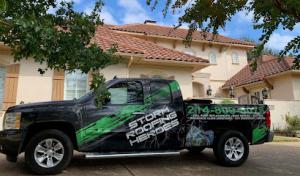
Since 2000, Storm Roofing Heroes Dallas has been safeguarding Dallas homes and businesses. Specializing in roofing and water damage restoration, we've earned our reputation for reliability across Dallas, Highland Park, and Oak Cliff. Trust our experienced team to deliver quality craftsmanship and protect what matters most. We are your local roofing company.
Inspiration Roofing & Construction
(214) 799-4793 www.inspirationroofing.com
Serving
5.0 from 128 reviews
We are a General contracting company working out of Forney, TX and surrounding communities. We focus on Roofing systems as well as interior and exterior remodel. We are a top rated roofing service provider, and from the first nail to the final creative touches our contractor and crew will turn your home into a modern, unique, and comfortable place to live. We proudly offer all types of roof replacement, full remodel, interior & exterior painting, fences, gutters, windows, garage doors, & more!
Smart Donkey Construction
Serving
5.0 from 13 reviews
Roofing and General Contractor. Emergency service available. Free roof inspection. Fence repair and installation. A/C service and repair. Concrete. Landscaping. Power washing. Plumbing. Windows. We handle everything from the foundation up on your home and property.
Thunderstorm Roofing & Construction
Serving
4.8 from 38 reviews
Roofing done with integrity. Insurance claim specialist. Call today for your free inspection. Roofing you can trust.
Mesquite homeowners navigate a high-claim environment shaped by East Dallas influence and North Texas hail-prone springs. Hail and wind losses are common, and after a storm you may feel the pressure to move quickly. Adjusters in this region often distinguish storm damage from prior wear, which means a careful, detailed documentation trail matters just as much as the visual inspection. The goal for a DIY step is to recognize that a rushed claim can leave you with gaps later when the contractor momentum fades and the dust settles. Being prepared with clear evidence of what changed after the storm helps you stand on firmer ground when the evaluation begins.
Carriers in this region commonly ask for photo documentation, date-of-loss details, and a clear scope of work before approving roof-related claim items. That means you should compile a before-and-after photo set that shows shingles, flashing, vents, and any granule loss or dented metal, as well as any interior signs of leakage. Document the exact date the hail or wind event occurred and note any immediate steps you took to protect the property, such as tarping or boarding openings. A thorough, itemized scope that outlines what you expect the insurer to cover-shingles, underlayment, flashing, skylights, and related components-can help reduce back-and-forth once the claim enters the estimation phase. Failing to provide precise scope and timing often invites delays or partial approvals, especially when a contractor rush is involved.
In Mesquite, the timing of documentation can influence how quickly a claim moves from filing to approval. Take fresh photos after each major step-initial inspection, temporary protection measures, and the finalize installation-so there is a transparent record of progress and decisions. Write down any conversations with the adjuster, including whom you spoke with and the guidance given, and keep copies of all correspondence. If a replacement is approved, the insurer will want to see a clearly defined scope of work and consistent evidence that the roof's condition meets the hail-season needs in North Texas. The more you can demonstrate correlation between the storm event and the current damage, the less room there is for questions later about wear and age.
Regional underwriting changes and claim scrutiny in North Texas can affect approval timelines, depreciation handling, and coverage decisions for a roof replacement. It helps to approach the process with realistic expectations about how quickly decisions can unfold and how depreciation may factor into payout. Keep in mind that adjustments to the scope can stem from updated storm data, local weather patterns, or new internal guidelines. If a contractor suggests additional work beyond immediate hail damage, ensure every item is justified with photos and notes that tie directly to the storm event. When you encounter a denial or a partially denied item, request a detailed explanation in writing and, if needed, seek a professional appraisal of the damage that aligns with the documented storm impact. This approach keeps the claim grounded in the specific conditions that drive risk in this part of North Texas.
Connect with contractors who help homeowners navigate the claims process from damage assessment to final approval.
Elias Roofing & Home Improvements
(844) 992-7663 voyagedallas.com
Mesquite, Texas
5.0 from 70 reviews
Fetch Roofing
(972) 749-9911 fetchroofing.com
4111 US-80 Suite 107, Mesquite, Texas
5.0 from 102 reviews
MGC Roofing & Solar
(214) 484-1401 www.mgcroofingandsolar.com
2533 Franklin Dr # 16A, Mesquite, Texas
5.0 from 40 reviews
In this climate, hot, sunny days and wide temperature swings accelerate roof aging when attic ventilation is inadequate. The attic acts like a greenhouse during peak summer, and if the underside of the roof isn't vented properly, heat and humidity buildup can shorten shingle life, warp decking, and complicate nail patterns during installation. This is a neighborhood reality: a roof that breathes well lasts longer, and a roof that cooks in place ages faster.
Start with a clear plan for intake and exhaust vents that match the attic's size, not merely the roof's surface. In this market, the attic needs balanced airflow to keep decking cooler and to reduce moisture buildup after storms. Ensure soffit vents are free of obstruction and pair them with ridge or gable vents that are appropriate for the roof geometry. If soffit vents are blocked by insulation or debris, add baffles so air can travel from intake to exhaust without short-circuiting. For steeper or larger Mesquite homes, consider additional attic fans or a powered vent with a thermostat that activates only when temperatures climb. The goal is steady, modest ventilation rather than a loud, constant blast.
Before any reroof, walk the attic with detail. Look for signs of heat damage or moisture: curled or cupped shingles seen from the attic, dark staining on sheathing, or condensation on ductwork in winter fronts. If shingles show high granule loss after a hail season, inspect decking for soft spots or splitting. If insulation is damp or compacted in any area, the underlying ventilation may be inadequate. A quick test is to measure airflow at the vents on a calm day-visible flow at the ridge vent and a continuous breeze at the soffit are good indicators. Documentation of attic condition helps during claim discussions after severe weather, because the timeline from heat exposure to visible aging can matter for warranty reviews.
The hottest part of the year can influence both installation comfort and performance. In practical terms, choose materials that tolerate heat without excessive expansion and contraction. Lighter colors reflect more sun and help reduce attic heat transfer, which in turn protects decking and flashing. If a roof will encounter rapid temperature swings, a material with a forgiving installation window and resilient sealing is beneficial. For some homeowners, that means material options with reinforced underlayment and robust nail-fin connections to resist wind-driven uplift after a summer storm. Remember that proper ventilation remains a co-equal factor; even premium materials under poor ventilation will age more quickly.
Replacement during peak summer heat can make tear-off and installation physically demanding for the crew and tougher on materials being moved and stored on the ground. Plan around the hottest weeks and aim for cooler mornings when possible. On the flip side, periodic cold snaps in winter fronts around here can interrupt scheduling and alter how certain roofing materials perform during installation. If a cold front arrives mid-project, expect temporary adjustments to adhesive cure times or setting temps for sealants. A flexible schedule helps maintain progress without compromising the quality of the job.
Storm response hinges on having solid documentation of the attic's ventilation state, corroborated by photos taken before and during the reroof. If hail damage triggers an insurance claim, clear records of existing ventilation and any pre-existing moisture concerns support a smoother claim process and a longer-lived roof. Finally, when evaluating a replacement or repair, consider how the attic's ventilation plan will scale with future weather patterns and occasional cold snaps, ensuring the system remains effective across seasons.
In this area, residential roofs are built to handle intense summer heat, spring hail, and rapid post-storm demand for replacements. Mesquite's dominant roof materials include asphalt shingles, metal roofing, clay tile, concrete tile, wood shingles or shakes, and synthetic or composite shingles. That mix reflects both the historical housing stock and the realities of a hail-prone climate, where impact resistance, heat performance, and ease of repair after a storm drive the decision-making process. When evaluating options, you'll find asphalt remains a core reroofing category due to its broad compatibility with suburban layouts and supply chains, while metal and tile offer compelling advantages in specific homes and neighborhoods.
Asphalt shingles stay a practical choice for many Mesquite homes because they pair well with various roof lines and often fit into existing budgets and schedules. In hail-prone conditions, the key consideration is impact resistance ratings and the ability to repair localized damage without a full tear-off. Look for high-performance asphalt products with good impact resistance, especially on roof faces exposed to sustained hail hits. If a storm reveals soft spots or bruising on shingles, you'll typically be able to stage a repair without immediate full replacement, depending on the extent of damage and the insurer's documentation requirements. However, repeated hail events can still lead to quicker depreciation of the roof's protective layer, so monitoring the condition after each storm matters.
Metal roofing offers notable hail resilience when installed with proper underlayment and corrosion-resistant fasteners. It tends to shed hail more cleanly than asphalt, reducing dent propagation in some cases, and it stands up well to heat, which can help in energy performance during hot Texan summers. Clay and concrete tiles, while heavier, bring excellent impact resistance when properly installed and spaced. They also provide long-term durability in high-heat environments. For homes with moderate to steep pitches, these tiles can be an appealing long-term investment, but the weight and installation specifics demand professional assessment to ensure the structure can support the load. In hail-prone zones, tile and metal roofs typically require careful inspection of fasteners and edge conditions after storms, since damage can localize at seams and penetrations.
After a hail event, the ability to quickly document damage for insurance and to implement efficient repairs becomes central. Shingle edges, flashing, and vent seals are common fault lines that benefit from prompt, targeted attention. Metal and tile roofs can complicate quick repairs if underlying decking or underlayment is compromised; in such cases, staged repairs or partial replacements may be preferred to preserve the remaining roof life. A roof that balances impact resistance, heat performance, and repairability tends to weather spring storms with less disruption and can streamline the insurance-driven replacement timeline.
For a typical suburban roof profile, asphalt shingles remain a familiar baseline option that accommodates many layouts while still delivering acceptable hail performance when upgraded. If your home features a more exposed location or a steeper pitch, metal or tile options can offer enhanced resilience and potentially longer service life, provided the installation is tailored to the structure and climate. In any case, prioritize systems with robust impact resistance ratings, sound warranties, and a clear plan for post-storm inspections to support faster, claim-ready documentation.
After major North Texas hail events, Mesquite tends to see a surge in demand that tightens local labor markets. That bidding environment can push both materials and contractor pricing higher than typical months. When a storm hits, it's common to see a rush on scheduling, which can squeeze minor delays into longer lead times and channel more attention to insured jobs. Plan for a window where contractors may be more selective about start dates and may require some flexibility. In practical terms, have a few preferred contractors lined up and be prepared for a short, concentrated window of activity rather than a drawn-out, staggered project. This is especially true for larger or more labor-intensive reroofs, where crews are pulled from nearby communities to cover the surge.
Mesquite reroof costs are best evaluated against the city's common options. Asphalt shingles sit in a modest range of roughly 350 to 700 USD per square, offering a balance of price and performance for homes with standard framing and underlayment. Metal roofing, known for resilience in heat and hail, costs about 800 to 1200 USD per square, with installations sometimes benefiting from lighter weight and faster crew turnover when available. For clay tile, a premium option in this market, expect 1000 to 2100 USD per square due to weight and specialty fastening needs. Concrete tile tends to fall in the 900 to 1500 USD per square range, offering solid durability with heavier handling requirements. Wood shingles or shakes range from 600 to 1000 USD per square, providing a traditional look but more maintenance considerations in this climate. Synthetic or composite shingles are typically 450 to 900 USD per square, delivering a mid-range option with improved hail resistance compared to some organic products. When estimating, multiply the square footage by the price per square and add a contingency for fast-moving labor markets after a storm.
After a hail event, scheduling is frequently the biggest driver of overall cost, not just material price. Short, intense project windows can shift crews from one job to the next, sometimes delaying long-range planning or complicating phased reroofs on larger homes. Factor in possible early-morning or weekend work to keep the project moving during peak demand. If a claim is involved, documentation readiness-photos, inventory lists, and a clear scope-can help avoid gaps that stall start dates. In practice, you'll often see roofing projects that move from inspection to teardown to replacement in compressed timelines, with costs susceptible to quick changes driven by available crews and weather windows.
In this market, choosing a material should balance upfront cost with expected lifespan and maintenance needs under Mesquite's heat and storm cycles. Asphalt remains the most economical for shorter terms, while metal and concrete or clay tiles offer extended resilience against hail and heat, potentially lowering long-term risk. Synthetic options can provide a favorable middle ground if hail resistance and weight are priorities. Concrete and clay tiles, while pricier, may also influence resale value and homeowner insurance conversations in the aftermath of spring storms.
Don't let upfront costs delay a critical repair - these contractors offer payment plans to fit your budget.
A full reroof in Mesquite typically requires a building permit through the City of Mesquite Building Department. That permit isn't just a formality; it creates a formal record that the work is planned, inspected, and meets local code requirements. Before lifting the first shingle, your contractor should pull the permit, and you should receive a project road map with inspection milestones. The building department looks for code-compliant installation practices that cover weather protection, ventilation, and structural considerations specific to North Texas's climate and typical Mesquite roof assemblies.
inspectors verify roofing details including underlayment, flashing, drip edge, and final installation rather than treating reroofing as a no-contact paperwork item. Expect multiple touchpoints during the project: an initial construction inspection to confirm roof deck integrity and underlayment installation; a mid-project inspection to review flashing at penetrations, valleys, and step-flashing around chimneys; and a final inspection to verify full roof coverage, venting, and drip-edge compliance. The emphasis here is on the actual mounting and integration of the roof system, not just the siding or interior work. If your home has skylights, vents, or complex detailing, prepare to show the inspector how each component integrates with the underlayment and flashing.
The permit and inspection timeline in Mesquite usually needs to be coordinated with the contractor's production schedule so required inspection stages are not missed. Weather windows, spring hail activity, and post-storm demand can compress or extend timelines, so align your start date with a clear plan for each inspection. Have the contractor mark upcoming milestones on a shared calendar and confirm who will accompany inspectors on the property. Scheduling ahead reduces the risk of rework or delayed occupancy approvals caused by missed or rescheduled inspections. Stay proactive about documentation, keeping copies of permit notices, inspection clearances, and any corrective actions requested by the City.
Keep access clear to the entire roof and attic space in advance of inspections, including eaves, vents, and ladder points. If you receive a notice of necessary corrections, address them promptly; inspectors favor timely compliance to keep the project on track. Maintain open lines of communication with your contractor about inspection readiness and any city-generated questions. Finally, recognize that the permit process is a collaborative, city-led guarantee that the reroof integrates with local wind uplift, heat exposure, and aging infrastructure typical of Mesquite homes, ensuring long-term performance and claim-ready documentation.
Because Mesquite roofs are frequently hit during spring storm cycles, temporary dry-in measures can be critical before full replacement crews are available. Wind-driven rain after hail events can turn small punctures or lifted shingle areas into interior leak problems long before an adjuster visits. A single fast-moving storm can expose attic spaces to moisture, mold risk, and interior water damage if a tiny opening remains unchecked. Quick action lowers the chance of long-term repair headaches and helps protect ceiling, drywall, and personal belongings.
When a leak starts, target the highest-priority areas first: any active drip, sagging ceiling, or active wind-driven rain near the eaves. Place a sturdy tarp or roofing ground cloth over the exposed area, weighed down along the edges, to buy time for a professional crew. If interior water is present, place buckets under the drip and protect valuables with plastic sheeting. Photograph every affected area from multiple angles for the claim file, and keep a simple log of storm dates and symptoms.
The local contractor market shows strong prevalence of emergency repair services, indicating that fast leak response is a real homeowner need in Mesquite rather than a fringe offering. Call an emergency crew as soon as a leak is detected, then contact the insurance adjuster with your documentation. Once a dry-in is in place, schedule a timeline-aware plan for permanent roof restoration, aligned with weather windows and claim progress.
When you can't wait, these contractors offer fast response times to stop leaks and prevent further damage.
In this market, the path from inspection to debris removal can vary as much as the weather. Some crews offer rapid responses and quick debris cleanup, but may cut corners on the documentation that drives a smooth claim and a solid repair plan. You should ask to see how a roofer handles the full workflow: initial inspection, drone or visual assessments, the claim scope they generate, the repair plan, and the final cleanup. A thorough, transparent process protects you from gaps that delay claim settlements or leave partial repairs unresolved after the hail passes through.
Long-established, family-owned and locally owned firms are common in Mesquite, and that continuity matters after a hail event. Those businesses often carry a steadier service cadence, clearer warranties, and longer-term accountability. When storms surge through town, these firms tend to understand neighborhood roof types, common substrate conditions, and the best ways to coordinate with insurance adjusters. Choose a contractor whose roots and references you can verify, especially if they show up in a surge market right after a storm.
Free inspections and some drone-based inspections are common, but the quality and usefulness of their reports can vary. You should insist on documentation that translates directly into a claim scope and a repair plan you can reference with your insurer. Ask how photos, wind/sail and hail impact assessments, and debris-removal plans are captured and organized. If a report leaves questions, request a written addendum that ties findings to concrete repair steps and timelines, so you're not left guessing about what will be replaced and why.