
Last updated: Apr 19, 2026
Spring hail storms and strong wind events routinely target shingles, ridge components, vents, gutters, and soft metals in the same claim cycle. The damage patterns you'll see aren't just cosmetic-granule loss, exposed underlayment, and dented metal flashing set up a cascade of failures once heat arrives. A bruised shingle can look fine from the ground, but the impact zones weaken the mat and spacing, inviting water intrusion under high winds or heavy rain. In this climate, immediate, thorough inspection after a storm is non-negotiable. If any hail or wind damage is suspected, assemble a quick plan to document the affected areas, map compromised components, and schedule an exterior check while the debris is still visible and the roof looks "off" from a ladder view. Waiting for a perfect dry day is a trap that lets hidden damage fester.
Heavy spring rains in Dallas can delay inspections and replacement scheduling right when storm demand surges across the metro. Roofing teams come under urgent pressure from homeowners chasing rapid restorations, which can drive suboptimal assessments if not kept in check. Hire a reputable inspector who can do a focused roof evaluation within a single visit: confirm shingle integrity, look for exposed underlayment, test ridge vent health, and check gutters for granule accumulation. If leaks are present, don't wait for a miracle weather window; document them with photos, and flag attic signs like dark damp spots or mold growth. When the weather clears, demand a candid, itemized repair plan that prioritizes structural integrity before cosmetic fixes. In this market, a well-timed inspection equals a faster, more accurate restoration path.
Because Dallas also has intense summer sun, roofs with prior hail bruising or granule loss can deteriorate faster once extreme heat arrives. Darkened areas that absorbed impact and shed granules will heat up more quickly, accelerating mat aging and accelerating moisture penetration risk. A roof that looked only superficially damaged after spring storms can reveal deeper issues as days climb past the 90s. Expect hail-damaged sections to show accelerated wear, including faster shingle curl, blown granules in gutters, and degraded vent collars. Plan proactive replacements for those zones rather than delaying until the next storm cycle. Heat-ready materials with strong UV resistance and reflective properties can markedly extend service life when paired with timely repairs.
In this climate, insurance-driven decisions often shape the replacement cycle more than in other markets. The combination of spring hail and wind creates multi-area damage that may span roof, gutters, and soft metals in a single claim. When an adjuster arrives, deliver a precise, itemized damage report and a consistent narrative across all affected components. If the claim covers both shingle replacement and ancillary components like ridge caps and vents, align the scope to address all weak points in one coordinated installation. Do not permit fragmented repairs that leave tiny but critical areas unprotected. A cohesive plan, executed promptly, reduces the risk of re-inspection delays and minimizes the chance of re-opened claims due to overlooked damage.
First, establish a storm damage checklist and keep it accessible just after a hail event: photograph all hail-hit zones, note any disturbed ridge lines, and document edge damage along eaves and gutters. Reserve a trusted local roofer with a proven Dallas track record who understands how heat accelerates deterioration after hail bruising. Schedule a same-day or next-day exterior inspection during daylight and avoid waiting for perfect weather windows. If any moisture is detected in the attic or ceiling, escalate to emergency triage-temporary measures can prevent further water intrusion while the restoration plan is crafted. Finally, coordinate with your insurer to ensure the scope includes all components in the claim cycle, from shingles to flashing, vents, and gutters, so the final installation stands up to Dallas summers and the next spring's hail threat.
Find local contractors experienced in assessing and restoring roofs after hail, wind, and severe weather events.

White Rock Roofing
(972) 362-9647 roofwhiterock.com
3500 Oak Lawn Ave #460, Dallas, Texas
5.0 from 201 reviews
We Roof Dallas
(972) 600-8259 weroofdallas.com
1112 N Riverfront Blvd, Dallas, Texas
5.0 from 200 reviews
Sunshine Roofing
(214) 532-8878 sunshineroofingtx.com
17215 Marianne Cir, Dallas, Texas
5.0 from 170 reviews
This city is a high-claim hail and wind market where insurers commonly expect photo documentation, line-item estimates, and before-and-after evidence tied to storm dates. When a hail event hits, the claim moves fastest for homeowners who can show a clear trail from the roof to the yard: photos of dented vents, dented flashing, and shredded granules, paired with detailed notes about when the storm occurred. Insurers often want to see how the damage lines up with the dates of the hail swaths and wind spikes. If the sequence of photos or the timing of the storm isn't nailed down, the file can slow dramatically or be questioned later in appraisal or determinations.
Claim outcomes in Dallas often turn on whether collateral damage to vents, flashing, gutters, and other metal components supports the roof damage narrative. A roof replacement claim must justify that the structural and cosmetic harm isn't limited to cosmetic surface issues. Missing or bent flashing around chimneys, cracked vent boots, or dented gutters can shift the interpretation from minor repairs to a full replacement in the eyes of adjusters. The more you can tie these metal and vent components to the reported hail impact, the stronger the claim's narrative becomes. Keep a close eye on whether shingles themselves show hail divots or bruising that aligns with the storm's path, and document any resulting leaks or blow-off patterns inside the attic.
Homeowners in Dallas should expect settlement discussions to include code-related items and the possibility of appraisal when scope or pricing is disputed. If the initial estimate seems to underrepresent the required scope, an appraisal can become part of the process to reconcile differences. This is not a sign of weakness; it's a common step in ensuring the replacement accounts for the full extent of storm-driven damage and the necessary components to bring the roof back up to current standards. In practice, expect that the most persistent disagreements arise from discrepancies between what was perceived as damage and what the adjuster's estimate shows for materials, underlayment, and flashing upgrades. Having a consistent set of photos, a clear storm-date record, and an itemized list of affected components makes appraisal and negotiation more straightforward.
Prioritize a rapid, organized response after a hail event: collate dated storm photos, document all affected roof components, and obtain a line-item estimate that enumerates each element-shingles, underlayment, vents, flashing, gutters, and any repairs to fascia or metalwork. If a dispute arises, approach the insurer with your documentation and be prepared to discuss how collateral damage contributes to the overall roof claim. The goal is to move toward an outcome that reflects the full scope of the storm's impact, while keeping the focus on the realities of this market and the likelihood that appraisal could be a part of the process.
Connect with contractors who help homeowners navigate the claims process from damage assessment to final approval.
White Rock Roofing
(972) 362-9647 roofwhiterock.com
3500 Oak Lawn Ave #460, Dallas, Texas
5.0 from 201 reviews
We Roof Dallas
(972) 600-8259 weroofdallas.com
1112 N Riverfront Blvd, Dallas, Texas
5.0 from 200 reviews
Sunshine Roofing
(214) 532-8878 sunshineroofingtx.com
17215 Marianne Cir, Dallas, Texas
5.0 from 170 reviews

White Rock Roofing
(972) 362-9647 roofwhiterock.com
3500 Oak Lawn Ave #460, Dallas, Texas
5.0 from 201 reviews
We are your local roofing and general contracting company providing roofing solutions. We offer roof repair & replacement as well as detailed roof inspections & reports. Hail or Wind Damage? Leaky roof? Don’t know what to do or who to call?… Well look no further! Unfortunate weather events can cause a lot of property damage and dealing with an insurance claim can be a stressful process. White Rock Roofing prides itself in having the building expertise and property loss experience to guide you through the entire claim and reconstruction process… from A to Z.
We Roof Dallas
(972) 600-8259 weroofdallas.com
1112 N Riverfront Blvd, Dallas, Texas
5.0 from 200 reviews
Our generational experience in the roofing industry serves as the backbone of We Roof Dallas, and we are now the leading roofing contractor in the Dallas, Texas region. Specializing in metal roofing, flat roofing, commercial roofing, re-roofing, repairs, metal building application overall exterior repairs, our work speaks for itself. Our focus on our customer’s satisfaction being one of our main trademarks in the roofing industry, we’ve forged a loyalty of repeat business with nearly every client we’ve been hired to complete roofing installations or repairs for. We treat each and every roofing project differently in the sense that each and every roofing client has a unique requirement. Don't hesitate to contact us today!
Sunshine Roofing
(214) 532-8878 sunshineroofingtx.com
17215 Marianne Cir, Dallas, Texas
5.0 from 170 reviews
Sunshine Roofing & Remodeling, located at 17215 Marianne Circle, is your go-to roofing contractor in Dallas & Plano, Texas. Specializing in roof replacement and roof inspection, we are dedicated to being the best roofing company in the area. Our expert team is here to handle roof insurance claims effortlessly and provide top-notch service at your convenience. If you're searching for the "best roofer near me" or a "roofing company near me," look no further. Our commitment to quality, reliability, and customer satisfaction sets us apart as the best roofing contractor in Dallas & Plano. Trust Sunshine Roofing & Remodeling for all your roofing needs and experience excellence today! Roofing in Dallas, Plano, Allen, McKinney, Frisco, & Prosper.
J&K Roofing & Construction
(972) 805-6773 www.jkroofingtx.com
Dallas, Texas
5.0 from 161 reviews
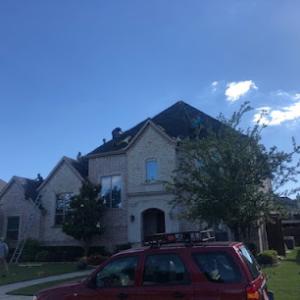
At J & K Roofing and Construction, we are a family owned business dedicated to providing the most exemplary roofing services to both homeowners and businesses throughout the Dallas- Fort Worth Metroplex. We are a full service qualified contractor offering construction management for repairs, replacements, renovations, and remodeling projects. Our goal is to become the most reliable roofing contracting company in the DFW area. At J & K Roofing and Construction, we listen and seek to understand customers’ needs. We work with our customers to solve their problems and repair any damages to their roofs.
Firehouse Roofing
(214) 310-0958 firehouseroofing.com
5414 Forest Ln Suite B, Dallas, Texas
5.0 from 271 reviews
Established in 1997 and voted Best Roofer in Dallas-Fort Worth, Firehouse Roofing is the trusted choice for residential and commercial roofing. We provide expert services, including roof repairs, replacements, installations, and inspections. Our team specializes in shingles, metal roofing, solar roofing, gutters, insulation, and ventilation to enhance durability and energy efficiency. Based in Dallas, we are experts in storm damage repairs, leak fixes, and hail damage solutions. With in-house financing, 24/7 availability, and a 100% Satisfaction Guarantee, we make roofing stress-free. Call Firehouse Roofing today for a FREE inspection and experience why Dallas homeowners and businesses rely on us for quality roofing services!
Knox Roofing
(214) 646-6625 www.knoxroofingpros.com
1835 Empire Central Dr Ste. O, Dallas, Texas
5.0 from 197 reviews
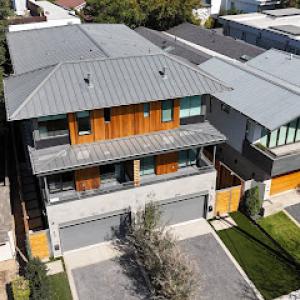
Knox Roofing provides residential and industrial roofing services to the Dallas-Fort Worth Metroplex.
TC Roofing & Restorations
(833) 799-7663 www.tcroofingexperts.com
Dallas, Texas
5.0 from 190 reviews
TC Roofing & Restorations offers a wide range of services to meet our clients' needs during their project. We specialize in helping clients save both time and money by utilizing state of the art technology, equipment, and the latest industry techniques. We provide quality exterior and interior home improvement services in the greater Dallas/Fort Worth. Call us today for a free inspection and complimentary upgrade of your current roofing system.
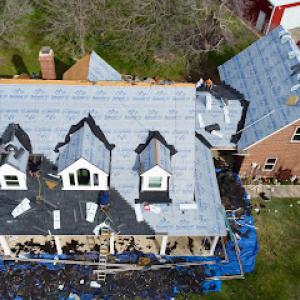
Qualis Roofing & Construction
6115 Owens St, Dallas, Texas
5.0 from 121 reviews
Qualis Roofing & Construction is your trusted roofing company serving the Dallas, TX, area. With a strong presence since our establishment in 2019, we've dedicated ourselves to providing exceptional residential roofing services. From a thorough roof inspection to precise installation and reliable repairs, our skilled team ensures your home is protected with the highest quality craftsmanship and materials. Whether you're in need of a minor repair or a complete roof overhaul, we're here to assist you every step of the way. Schedule your FREE roof inspection or discuss your roofing needs with our friendly team. Let us help you protect your home and ensure its longevity for years to come!
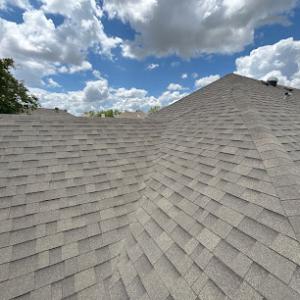
Firefighter Roofing
(972) 587-0514 firefighterroofing.com
6060 N Central Expy Suite 584, Dallas, Texas
5.0 from 118 reviews
Founded by a retired DFW firefighter, Firefighter Roofing brings over 9 years of experience serving the Dallas–Fort Worth community with honesty, reliability, and craftsmanship you can count on. Built on the same values that define the fire service—integrity, hard work, and a commitment to protect—we provide top-quality roofing for homes and businesses across North Texas. From inspections and repairs to full roof replacements and insurance claim support, our team delivers professional service with the heart of a first responder. Call today for a free inspection and discover why DFW homeowners trust Firefighter Roofing to keep their homes safe and secure.
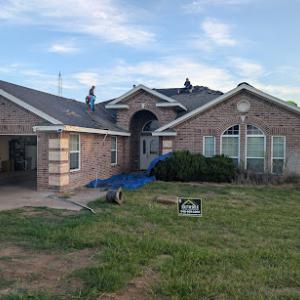
Network Roofing & Construction
(972) 299-3070 networkroofingconstruction.com
12222 Merit Dr Suite 130, Dallas, Texas
5.0 from 164 reviews
We're experienced and Better Business Bureau A+ accredited roofing repair and replacement company, serving Dallas-Fort Worth Metroplex area and surrounding communities in Texas. We provide free no-obligation multi-point roof inspection with recommendation to keep as is, repair, or replace your roof. We work with homeowners to help fill out insurance claim paperwork and we file all city and county permits. We utilize brand name products and provide warranty with our work. As veteran owned and BBB A+ rated company, I focus on my customers to be completely satisfied with our work so we can continue to receive positive google reviews and referrals. We work on Asphalt, Flat roofs, Gutter and Siding replacement and Storm Damage. Contact us today
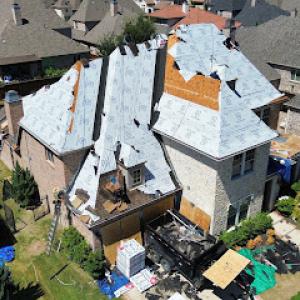
Sali's Roofing
(469) 677-0239 salisroofing.com
10930 Switzer Ave #123, Dallas, Texas
5.0 from 110 reviews
Sali's Roofing are trusted roofing contractors in Dallas delivering dependable roofing services in Dallas. We provide roof maintenance, roof installations, roof repairs, and complete roof services by skilled roof experts focused on safety, quality, and lasting protection.
Zeus Exteriors
(469) 771-0988 www.zeusexteriors.com
2815 Valley View Ln #210, Dallas, Texas
5.0 from 161 reviews
Zeus Exteriors is a Family owned business striving for 100% excellent Customer experience. Serving the DFW metroplex.
Asphalt shingles dominate many Dallas neighborhoods because they balance upfront cost with broad installer availability after storms. For hot summers, choose a radiant-heat resistant shingle with a tight nail line and good wind uplift ratings. In spring hail events, impact-resistant ("AR" rated) shingles can help slow granule loss and reduce immediate shingle damage. When evaluating a replacement, verify the underlayment is up to handling rapid temperature swings, and ask for a roof deck inspection to catch hidden moisture or cupping from prior storm activity.
Metal roofing is a meaningful Dallas specialty for homeowners trying to improve heat performance and long-term durability under intense sun exposure. Look for profiles that maximize air channeling under the panels, and consider lighter colors to reflect radiant heat. A standing-seam system tends to perform well in hail, but ensure the installation includes a continuous underlayment with proper flashing around chimneys and vents. For attic comfort, pair metal with adequate ridge vents and, if possible, a reflective attic insulation strategy to minimize cooling loads on hot days.
Clay and concrete tile appear in higher-end Dallas-area homes but require attention to impact vulnerability, underlayment condition, and structural suitability during replacement. Tile can be fragile during hail events, so ensure the tile roof is paired with a reinforced underlayment and proper nailing patterns to resist wind uplift. Check rooftop framing for shear and seismic compatibility, especially on older houses. Tile roofs need meticulous maintenance of seals around penetrations and high-quality sealants, since heat can accelerate deterioration of flashings and gaskets.
Concrete tile offers durable performance in heat and hail but shares similar caveats with clay: weight and underlayment quality matter. Confirm the structure can bear the load and that the replacement includes a robust underlayment system designed for extreme sun exposure. In hail-prone years, ensure the chosen concrete tiles have a proven impact resistance rating and that fasteners are corrosion-resistant to stand up to Dallas humidity and occasional storms.
Wood shingles or shakes bring a classic look, but in Dallas heat they require careful maintenance of underlayment and venting to prevent premature drying and cracking. Synthetic or composite shingles can blend heat resistance with hail durability, but verify the manufacturer's warranty and compatibility with existing roof geometry. In any replacement, insist on a full deck and vent check so the roof breathes properly through peak heat and storm seasons.
Start with a storm history for your home and inspect shingles for granule loss after hail; identify sections that show granule bruising or curling. Then assess the underlayment-Dallas heat and hail demand a robust layer beneath the surface to guard against moisture intrusion. Finally, align material choice with your home's framing capacity, the existing roofline, and your preferred balance of aesthetics, maintenance, and long-term performance under intense sun.
Explore specialists in steel, aluminum, and standing seam metal roofs built to last 50 years or more.
White Rock Roofing
(972) 362-9647 roofwhiterock.com
3500 Oak Lawn Ave #460, Dallas, Texas
5.0 from 201 reviews
We Roof Dallas
(972) 600-8259 weroofdallas.com
1112 N Riverfront Blvd, Dallas, Texas
5.0 from 200 reviews
Firehouse Roofing
(214) 310-0958 firehouseroofing.com
5414 Forest Ln Suite B, Dallas, Texas
5.0 from 271 reviews
Spring hail events in this market can push labor, scheduling, and material availability into tight windows. After a major hail season, crews often book out weeks in advance, and local suppliers may run low on common shingle and metal stock. That dynamic translates to higher material costs and longer timelines for tear-off, staging, and waste-haul. If you're facing a claim, expect bids to reflect not just the roof's size but the pressure in the trades market that follows a hail year.
Steeper rooflines and larger suburban homes are a routine part of Dallas neighborhoods, and they come with tangible cost implications. Tear-off and staging time increases with slope and overall roof area, and waste-haul charges rise when the crew has to haul off more debris from high, multi-level rooftop lines. In practical terms, a bigger job often means more ladders, more safety gear, and longer setup and breakdown times, all of which tick up the total price above a basic square-by-square estimate.
Material costs in Dallas vary widely by system. For asphalt shingles, you can expect roughly 400 to 800 USD per square. Metal roofing sits higher, at about 700 to 1400 USD per square. Clay tile brings a premium, typically 1000 to 2500 USD per square, while concrete tile runs about 1000 to 2100 USD per square. If you're choosing wood shingles or shakes, plan for 600 to 900 USD per square, and synthetic or composite shingles generally range from 500 to 1100 USD per square. These bands reflect both material availability after storms and the general demand for faster, storm-related installs.
In Dallas, many homeowners use the post-storm window to align replacement timing with insurance consultations. Even with a favorable coverage outcome, the process can drag if the adjuster delays or if the contractor's schedule fills quickly after a hail event. A proactive approach is to line up a preferred contractor early, gather documentation (photos, measurements, and prior hail claims), and be prepared to move quickly on approval and scheduling once the claim settles.
Start with a detailed roof assessment focused on hail-damages that aren't immediately visible; attic moisture and hidden decking issues can complicate a claim and affect pricing. Compare multiple bids that clearly itemize tear-off, disposal, and waste-haul charges, plus staging and safety costs for steeper pitches. If you're dealing with an upgraded material (for example, a clay or concrete tile), budget for longer installation times and potential structural adjustments, which can add to labor and equipment needs.
Get a clear picture of your project costs upfront - no commitment required.

Swordsmen Roofing & Construction
(972) 979-6197 swordsmenroofing.com
1380 River Bend Dr STE 124, Dallas, Texas
5.0 from 154 reviews

KPost Roofing & Waterproofing
(469) 898-8099 kpostcompany.com
1841 W Northwest Hwy, Dallas, Texas
4.9 from 813 reviews
Reformed Roofing & Contracting
5639 Dyer St Suite 200, Dallas, Texas
5.0 from 69 reviews
A full roof replacement in Dallas typically requires a building permit issued by the City of Dallas. That permit process ensures the work meets local codes, wind uplift standards, and structural provisions particular to Texas roofs. Expect the permit to cover both the deck and the roofing material, plus any related venting, flashing, and underlayment choices. The city's rules can differ depending on whether the project includes any associated additions, skylights, or changes to roof pitch, so verify scope precisely before applying. Having the permit in hand before work begins helps avoid penalties and insurance delays if an inspection reveals discrepancies.
Dallas inspections commonly occur at installation stages and again at final, so scheduling and closeout matter for project timing. Typical practice is to inspect after roof deck protection and underlayment are in place, then again once all roofing materials, flashing, and penetrations are finished. The second, final inspection confirms the system's weatherproofing and adherence to code. If an issue arises, the inspector will note it and require a corrective action before final approval. Planning around inspection windows helps keep your project on track and minimizes extended downtime for crew access or rework.
Permit processing in Dallas can take several days to a couple of weeks depending on backlog and whether plan review is triggered. Seasonal demand-particularly after hail events-can extend wait times. To speed things along, ensure the permit package is complete with accurate roofing plans, venting details, and any required calculations. If plan review is triggered, expect additional time for city staff to assess structural implications, attic ventilation, and wind-resistance provisions. Early coordination with the contractor and, if applicable, a licensed engineer can reduce back-and-forth and keep the project moving.
Before filing, gather a clear scope of work, including photos of the existing roof, a list of proposed materials, and any architectural or HOA requirements that might influence permitting. Submit all documents through the City of Dallas permit portal and confirm the assigned plan reviewer. When scheduling inspections, lock in a date range that aligns with weather windows, since Dallas springs bring unpredictable hail and wind. Finally, maintain open communication with the contractor about any weather-related delays that could impact inspection timing and final closeout.
During Dallas summers, the heat is not just uncomfortable-it changes how installation crews handle shingles and underlayment. Prolonged high temperatures mean asphalt shingles become more pliable, and underlayment can stretch or tear if flapped or walked on for long periods. Crews commonly stagger rows to avoid overheating materials in direct sun, and scheduling windows narrow to the cooler parts of the day. If a project plan shows work extending into the hottest hours, expect temporary slowdowns or field-adjusted sequences to protect both material integrity and workmanship.
Extreme sun exposure accelerates aging on shingles, particularly on roofs already weakened by hail or wind loss from previous storms. Shingles that have endured hail strikes or wind lift tend to blister, crack, or lift sooner when heat drives moisture out and expands edges. A roof replacement aimed at long-term performance should factor in the condition of existing deck and flashing, since heat can magnify preexisting vulnerabilities. Consider timing and sequencing that minimizes exposing vulnerable layers to peak sun, aligning with a plan that preserves warranty conditions where applicable.
Spring and fall are favored for planned replacement because they avoid the hottest stretch while still dodging peak storm-season demand. In practice, this means coordinating with insurance-driven timelines to balance material availability, crew schedules, and the chance of another hail event. If a replacement must occur in summer, prepare for flexible scheduling, shaded work zones, and hydration strategies for crews. For properties with limited shade or steep pitches, the risk of sun-related installation challenges increases, so pre-planning with your contractor becomes essential to keep the project on track.
When heat is a factor, build a phased plan that prioritizes critical layers first: quick, weather-guarded roof deck inspection, secure underlayment in shaded runs, then staged shingle installation to minimize hot-exposure time. Communicate with the contractor about curb-to-eave progression and temporary protective measures for surrounding landscaping and walls. In hot conditions, frequent breaks for crews aren't negotiable; they help maintain quality and safety without rushing materials into failure-prone positions.
Dallas storm patterns create leak risk at low-slope transitions, penetrations, and drainage points when heavy spring rains follow wind-driven damage. A roof may look intact after hail, but water can seep where two planes meet or where drainage leads funnel water toward vulnerable edges. That water can travel under shingles and flashing, then suddenly appear as interior staining or active dripping long after the storm has passed. The risk is not only during the immediate storm-it's during the short window when rain returns and catches you off guard.
Skylights in this market often become a troubleshooting point after hail and wind events because surrounding flashing and seals can fail before the main field of roof does. If a skylight sits at a low-slope transition, even a small wave of wind-driven moisture can lift flashing and expose seal failures. After a hail hit, test each skylight by pouring a controlled drip from the edge of the frame while the area is dry to pinpoint slow leaks. Don't assume interior moisture equals a roof-wide problem-solving the skylight flashing may end the drip you've been chasing.
Emergency leak response matters in Dallas because rain can arrive quickly after a hail event, leaving little time between damage discovery and interior water intrusion. If you notice damp ceilings, bubbling paint, or stained walls after a storm, place buckets under visible drips and protect valuables. Then call a local pro who specializes in storm-driven damage to stage a rapid ingress assessment, prioritizing low-slope transitions and skylight flashing first. Quick triage minimizes interior damage and guides cost-effective, targeted repairs.
Find specialists in TPO, EPDM, and built-up flat roofing systems for residential and commercial properties.
We Roof Dallas
(972) 600-8259 weroofdallas.com
1112 N Riverfront Blvd, Dallas, Texas
5.0 from 200 reviews
Network Roofing & Construction
(972) 299-3070 networkroofingconstruction.com
12222 Merit Dr Suite 130, Dallas, Texas
5.0 from 164 reviews

Built To Last Roofing
(469) 364-8198 btolroofing.com
6537 Lyndon B Johnson Fwy, Dallas, Texas
4.9 from 269 reviews
In Dallas, warranty value is closely tied to whether the roof was installed correctly during high-volume post-storm replacement periods. When crews are rushing to replace roofs after a hail event, corners can get cut, and fast turnarounds may mask hidden mistakes. The result is a warranty that looks solid on paper but can crumble under a few seasons of sun, heat, and heavy rainfall. The right installer will document every step, from lip detail and underlayment choices to nail spacing and ventilation, so the warranty isn't just a promise on paper but a safeguard that actually sticks when the heat and hail come back.
Because Dallas sees frequent insurance-funded re-roofing, homeowners should distinguish manufacturer material coverage from contractor workmanship promises. Material warranties can cover shingle or tile manufacture defects, but they don't automatically stand behind installation quality. A common pitfall is assuming one warranty covers what the other excludes. The practical check is to read the fine print: does the policy explicitly cover leaks caused by installation errors, or does it limit coverage to material failure only? A solid plan pairs a reputable product warranty with a workmanship warranty backed by a local contractor who has earned a track record of standing behind their crew.
Established Dallas contractors often compete on cleanup, responsiveness, and post-install service because storm-driven volume can make warranty follow-through a real concern. If a hailstorm hits, the initial fix is only part of the battle; the follow-up-addressing corrective work, securing flashing, and resolving warranty claims-tests the longevity of any roof. Look for clear response times, documented inspection reports, and a defined process for addressing leaks or material issues that appear after the dust settles. A dependable contractor will treat warranty work as ongoing service, not a one-time promise.
Starting with roof work before adding solar panels is a practical move for Dallas homeowners. The hail-prone springs and intense summer sun mean that a newly installed solar array sits on a robust, well-sealed roof from day one. Coordinating reroof timing with solar planning helps avoid reinstalling panels around a leaking or aging roof deck. In short, complete the roof replacement first if the existing structure shows signs of wear or if the roof line and penetrations aren't up to a fresh solar installation.
The same intense Dallas sun that powers panels also accelerates roof aging on older systems beneath future layouts. Panels do not prevent UV or heat from transmitting to the roofing substrate, and heat buildup under modules can magnify wear on shingles, tiles, or underlayment. When evaluating roof condition, consider the slope, orientation, and the expected panel layout to determine how long the roof must last beyond the solar life. A durable, heat-tolerant roof that matches the panel plan reduces the risk of future service interruptions.
Storm documentation in Dallas should account for both roofing components and any roof-mounted solar attachments when damage occurs. If hail or wind impacts the roof and solar equipment, capture comprehensive photos of the roof surface, penetrations, flashings, and mounting hardware. Include clear images of any dents, degraded sealants, or damaged racking. This dual focus ensures insurance documentation reflects the full scope of the repair or replacement needed, and helps streamline the claim process.
Develop a repair plan that prioritizes a solid roof deck before panel installation, then aligns with the solar project timeline. Schedule inspections to confirm deck integrity, ventilation, and flashing continuity across both the roof and mounting areas. Ensure contractors coordinate to prevent misaligned penetrations or compromised waterproofing as panels are added.
Find contractors who integrate solar panels or solar shingles into your roof for long-term energy savings.
Firehouse Roofing
(214) 310-0958 firehouseroofing.com
5414 Forest Ln Suite B, Dallas, Texas
5.0 from 271 reviews
TC Roofing & Restorations
(833) 799-7663 www.tcroofingexperts.com
Dallas, Texas
5.0 from 190 reviews
Zeus Exteriors
(469) 771-0988 www.zeusexteriors.com
2815 Valley View Ln #210, Dallas, Texas
5.0 from 161 reviews