
Last updated: Apr 19, 2026
Spring in the Dallas-Fort Worth storm corridor brings a relentless sequence of hail and severe thunderstorms. The local roof sees the most stress when these events ride the storm pattern across southern Tarrant County, not as a one-off freak event but as a recurring cycle you'll likely endure year after year. In this neighborhood fabric, HOA-driven reroofing and storm claims spike in the wake of large hail swaths. Understanding that rhythm helps you prepare before the next gusts and hail slam hits your street. A roof that experiences a hard hail impact can suffer granule loss, dented metal components, compromised underlayment, and accelerated shingle aging long before visible leaks emerge.
Regional hail swaths move quickly through the southern DFW area, and that wave travel means inspections and repair scheduling often lag behind the initial claim. In practice, this translates to a scramble after the storm passes: residents wait for adjusters, crews line up for temporary repairs, and replacement timelines extend as the next neighborhood's claims compete for the same local resources. This timing reality is especially true after multi-block hail events, where even a well-protected home can suffer micro-impacts that complicate the assessment. Plan for a window where you may have to hold pattern with weather delays, and be ready to coordinate multiple moving parts-insurance adjusters, contractors, and HOA requirements-so your project doesn't drift into a prolonged lull.
Because insurers in the DFW market commonly require thorough photo documentation and many policies carry separate wind or hail deductibles, Mansfield homeowners need damage records before emergency patching or full tear-off begins. Take clear, dated photos of every angle of the roof, gutters, vents, and any interior signs of water intrusion. Photograph visible hail hits on shingles, dented flashing, and correlated roof line damage from ground level and from a ladder if safe. Keep a written log of storm dates, wind speeds if available, and neighbor observations that corroborate the timing of the damage. When possible, arrange a quick, professional roof inspection after the storm to capture professional notes and measurements that strengthen the claim. Do not begin wide-scale patching or a full roof tear-off without this documentation and a qualified evaluation that aligns with the insurer's expectations.
If a storm rolls through and hail lammers the neighborhood, your first move is to secure essential photos and notes from the property exterior before any temporary fixes, then contact your insurance rep or agent with the documented evidence. Ask for an in-home claim review and request a detailed scope that differentiates wind from hail damage, if both are present. You'll want a contractor who understands that the schedule in this market can shift with each regional hail swath, so lock in a plan that threads the needle between rapid temporary repairs and the systematic, safe tear-off and replacement sequence. Keep your HOA communications in the loop and align your timing with the anticipated inspection cycles to minimize downtime and ensure the project stays on track.
Spring and fall are the most practical reroofing windows in this area, because North Texas spring storms and fall winds bring hail and gusts that can coincide with roofing work. When selecting replacement windows, consider how heat, UV exposure, and wind interact with Mansfield summers. South- and west-facing windows age faster if shading is poor, so prioritize glazing with integrated UV protection and low-E coatings on those exposure faces. This helps control interior temperature swings during long August days and reduces strain on the roof by keeping attic temperatures from driving excessive venting or moisture movement.
In neighborhoods with mature trees and frequent summer sun, vinyl frames with reinforced corners or fiberglass options tend to weather the Texas heat better than basic vinyl. For homes with shallow overhangs or strong wind gusts, opt for impact-resistant glass or laminated glass where permitted by HOA guidelines, especially on upper floors or near open eaves. Double- or triple-pane assemblies with argon or krypton fill improve energy efficiency and limit rapid interior temperature changes that stress roofing systems after a storm. Keep in mind that darker exterior trim on some homes can magnify heat absorption; pairing darker tones with reflective exterior finishes can mitigate heat transfer to the interior.
High winds during storm seasons can interrupt tear-off days, material staging, and shingle handling even when rain totals are limited. Plan installation during calmer windows in late spring or early fall, aligning with milder temperatures and lower wind risk. When scheduling, confirm that the chosen crew can secure materials promptly during any stray gusts and that weather forecasts show a dry period long enough to complete a safe, orderly installation. A well-coordinated crew will stagger deliveries to keep the job site clear of debris and prevent wind-driven windrows from impacting existing roofing work.
HOA-driven reroofing and window projects often follow shared standards for appearance and performance. Before finalizing selections, review neighborhood guidelines on glazing styles, frame colors, and any required glare restrictions. Consistency with adjacent homes helps maintain curb appeal, especially in fast-growing suburban blocks where new roofs and windows are common after spring storms.
If the home faces strong late-afternoon sun on the west, prioritize solar control features and edge-to-edge flashing that integrates with the roofline. For homes with upper-story windows or rooms directly below the roof peak, enhance weather sealing around the frame and ensure sash operation remains smooth after temperature fluctuations. In areas prone to wind-driven debris, request a tested impact-rated option and verify that installation details address wind loads at the eave and rake lines.
Asphalt shingles dominate many subdivisions because they fit mainstream suburban home styles and are the most common replacement choice after DFW hail events. In this market, you'll find a wide range of shingle brands and profiles designed to maximize curb appeal while balancing wind resistance and hail performance. When you're evaluating options after a storm, focus on shingles labeled to handle impact resistance and heat aging well, and confirm warranty coverage for granular loss, staining, and wind uplift. A practical strategy is to align shingle color and granule density with your roof's exposure to southern sun, ensuring the finish remains visually uniform after rapid cooling or heavy hail impact.
Metal roofing is an active specialty in this market and is often considered by homeowners looking for stronger performance against repeated hail, wind, and intense summer sun. If you're weighing metal, inspect panel seams, fastener systems, and coating warranties tailored to Texas heat. Standing-seam options typically offer robust wind resistance and easier inspection after storms, while ribbed panels can deliver edge-to-edge protection along overhangs and gable ends. Expect greater resilience against hail and thermal expansion, but plan for careful assessment of roof-detector measurements and potential local adjustments to flashing and vent penetrations. In homes with existing architectural lines, a metal roof can blend with the neighborhood character while delivering long-term durability.
Clay tile, concrete tile, synthetic/composite, and slate are present in the local material mix, but their weight, repair complexity, and replacement cost matter more in a storm-impacted plan when damage affects only part of a roof system. Clay and concrete tiles deliver distinctive curb appeal and strong hail resistance when installed with proper underlayment and fastener patterns, yet they require a structurally sound deck to bear their weight. Synthetic or composite shingles offer a lighter alternative that can mimic the look of natural materials while simplifying inspection and repair after hail events. Slate provides a premium, high-durability option but can pose challenges in partial replacements due to color-matching, breakage risk, and the need for precise shake alignment. In mixed-age roof lines, partial replacements should be coordinated with existing geometry to avoid inconsistent appearances and weight discrepancies.
In this region, HOA-driven reroofing often follows storm claims and inspection cycles, so choosing a material that aligns with neighborhood aesthetics while addressing practical storm performance matters. When evaluating replacement in homes with mixed roof lines, consider how trim, fascia, and gutters will wear with different materials under heavy hail exposure and sun exposure. For a cohesive outcome, plan a phased approach to replacement if only portions of the roof require attention after a storm, ensuring color and texture transitions are intentional and compatible with adjacent homes. A deliberate, neighbor-aware selection helps preserve property values and reduces the likelihood of cosmetic disputes after a hail event.
Provided local cost ranges are $350-$600 per square for asphalt shingles, $650-$1200 for metal, $1300-$2400 for clay tile, $1200-$2300 for concrete tile, $450-$900 for synthetic/composite shingles, and $1800-$3600 for slate. In practice, homeowners in this market often see asphalt still as the baseline for a full reroof, with metal and tile climbing quickly when the project includes higher-end details or longer lead times after a big hail event. When a tear-off exposes hidden decking or damaged flashing, the price can move toward the upper end of the anticipated range, especially if ventilation or skylights are involved.
Storm-driven surges in regional demand can push pricing and scheduling pressure higher after major DFW hail events, particularly for full reroofing rather than small repairs. Roofing crews may face tighter windows to complete jobs before the next round of weather, and some crews adjust quotes to cover risk and overtime. The cost spread for each material category reflects not only material cost but also labor intensity, roof complexity, and the pace of permit-related scheduling in neighborhoods with HOA documentation needs.
In multi-gable suburban homes common here, roof complexity and higher potential for flashing, vent, and skylight issues are the norm. Start by budgeting for the base material and add a contingency for tear-off discoveries, which can push costs toward the upper end of the ranges. If an HOA review or documentation is required, expect additional review time that can influence both price and scheduling. When reviewing bids, compare not only per-square costs but also whether quotes include disposal, flashing replacements, ventilation checks, and decking inspection, all of which can change the final total during the tear-off phase.
Don't let upfront costs delay a critical repair - these contractors offer payment plans to fit your budget.
Best Choice Roofing
(817) 592-3368 bestchoiceroofing.com
305 Regency Pkwy STE 605, Mansfield, Texas
5.0 from 17 reviews
Storm Guard Roofing of Mansfield
(682) 337-9100 www.stormguardrc.com
400 Industrial Blvd suite 408, Mansfield, Texas
5.0 from 147 reviews
Storm Guard Roofing of Mansfield delivers Exterior Confidence through trusted roofing and exterior services across Tarrant, Johnson, Dallas, and Hill counties. As a member of The Good Contractors List, every job we perform is backed by a $25,000 guarantee. We provide roof inspections, installations, repairs, siding, windows, gutters, and painting for residential and commercial properties. Our team is committed to quality craftsmanship, transparent communication, and reliable service. Contact us for all your roofing and exterior needs.
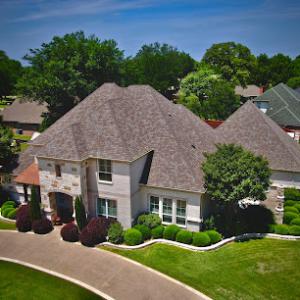
KG Roofing & Renovations
(817) 368-5115 www.kgroofs.com
1906 Lone Star Rd Suite B, Mansfield, Texas
5.0 from 161 reviews
At KG Roofing & Renovations, we want our customers to get the very best product, at a competitive price and through unmatched attention to detail and unparalleled customer service. The value we deliver along with our exceptional ethics will provide you with the best overall experience. Not only will you have an outstanding involvement working with us, but we can 100% guarantee your satisfaction. We WILL NOT leave your property until you are satisfied with our work. We stand by our craftsmanship and our vigorous attention to detail, and with that, warranty all of our work. We are two brothers building excellence, one home at a time.
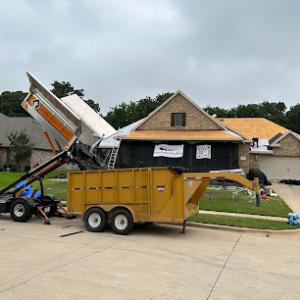
First United Roofing & Construction
(817) 769-8660 www.firstunitedroofing.com
2206 Forest Park Cir, Mansfield, Texas
5.0 from 95 reviews
Established in 2012, First United Roofing & Construction is a roofing and general contracting company based out of Mansfield, TX. Our team serves the entire Dallas-Fort Worth area with residential, commercial and industrial roofing and general contracting projects. We are here to be the best (not necessarily the biggest) roofer and general contractor for your needs. We have a supervisor at each of our jobs from start to finish to ensure all work meets our exacting standards. First United Roofing & Construction is proud to be an A+ rated company with the Better Business Bureau. We believe in personal service. We will work with you during every step in your project to facilitate a positive and streamlined experience.
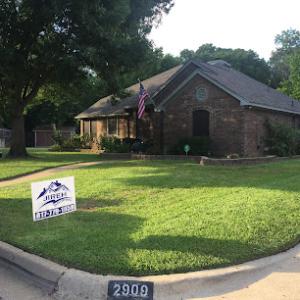
Jireh Roofing
(817) 779-1658 www.jirehroof.com
Hollyberry Dr, Mansfield, Texas
5.0 from 87 reviews
HAVE A SAFE ROOF MEANS A LOT!! LET US TAKE CARE OF YOUR PROJECT / NOW OFFERING FINANCING OPTIONS TO QUALIFYING PROPERTY OWNERS HFS home improvements loans
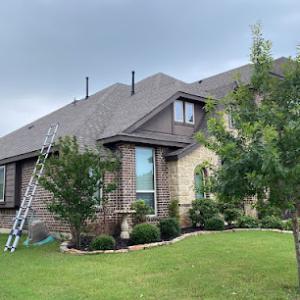
Berry Good Roofing & Efficiency
(682) 882-3779 www.berrygoodroofs.com
Mansfield, Texas
5.0 from 81 reviews
Berry Good Roofing and Efficiency sprouted to be the Green Roofing Company that does the Most Good in our community. We go green by installing Malarkey shingles. We do the most good by caring about our community, giving back and cleaning up. From roofs to gutters to screens to interior work we can be the one stop spot to hit all your needs. 🏠 We want you to have a sweet experience with any project we undertake for you! Our BERRY core values lead and helps to separate us from the other roofers out there. At the end of the day it comes down to people, education and energy, We have the best bunch of them. When it needs to be good make it BERRY GOOD! We look forward to giving you a Berry Good Experience. 🍓
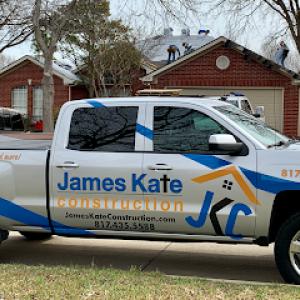
James Kate Roofing & Solar
(972) 400-4707 www.dallasftworthroofer.com
2364 U.S. 287 Frontage Rd # 119, Mansfield, Texas
4.9 from 273 reviews
Discover excellence in roofing with James Kate Roofing & Solar, the premier roofing contractor in Mansfield, Texas. Serving the local community and the wider Dallas-Fort Worth region since 2008, we specialize in expert roof repair, roof replacement, and comprehensive roofing solutions for both residential and commercial clients. Known for our premium materials and 25-year workmanship warranty, we ensure durability and energy efficiency. Searching for a "roof repair near me" or "roofing company near me"? Look no further. We also provide cutting-edge solar installations, contributing to sustainable energy solutions. Contact us today for a free inspection!
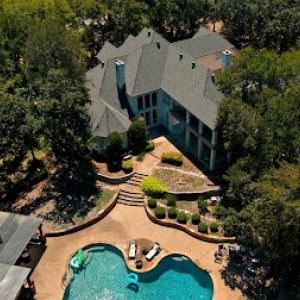
TDC Roofing & Remodeling Inc - Affordable Roofing Contractor in Mansfield, TX
(972) 955-5908 tdcroofingpros.com
1275 N Main St #411, Mansfield, Texas
5.0 from 56 reviews
TDC is one of the best choices for Texas homeowners with insurance damage claims. We provide some of the best quality roofs and gutters. Our policy is to do the job right, the first time, with devotion, excellence, thoroughness and integrity. TDC Roofing and Remodeling started as a small venture and has now evolved into one of the Metroplex’s top roofing and remodeling companies. TDC has become one of the best choices for homeowners with insurance damage claims. We provide some of the best quality roofs, gutters, and sidings together with a fresh coat of paint on the interior or exterior. Our policy is to do the job right the first time with devotion, excellence, thoroughness and integrity.

Trinity Roofing & Construction
(817) 225-6120 www.trinityroofingconstruction.com
1315 FM1187 Suite 107, Mansfield, Texas
4.9 from 97 reviews
Trinity Roofing & Construction began in 2011. We’ve built our reputation on honesty, reliability, and completing each project right the first time. We take care of our customers with the right heart and a big smile, so they start as new friends and become family. At Trinity Roofing & Construction, quality, service, and workmanship are the heart of our business! We want you to be completely satisfied with the work we perform whether it’s a new roof or any of the other services we provide. Trinity Roofing & Construction is here to build a relationship with you so your home protects and brings enjoyment for years to come.
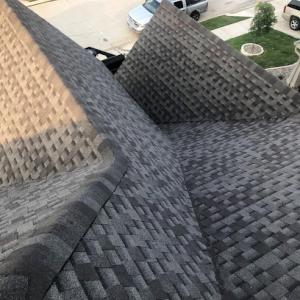
Magic Roofing & Construction
1104 Stonewall Dr, Mansfield, Texas
5.0 from 42 reviews
Welcome to magic roofing & construction corp." You've come to the right place if you need premium roofing services that exceed your expectations. At magic roofing & construction corp, we take pride in being your go-to roofing partner in the industry. Our team is based in Mansfield, Texas, and we're proud to serve in Texas and nearby areas; we specialize in all roofing services, from classic shingles to modern metal roofs. Our experts have years of experience, so you can trust us to provide you with the highest precision, durability, and craftsmanship. We've covered you, from roofing installation to roof replacement, Gutter Repair, Gutter Systems. We also specialize in all interior remodeling - drywall/texture, painting. So call us now...!
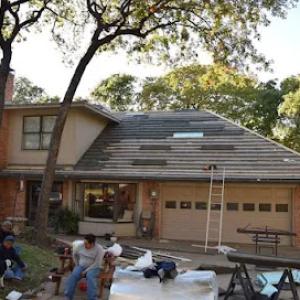
Helps-U-Roof
(817) 600-2395 www.helpsuroof.com
Mansfield, Texas
5.0 from 41 reviews
At Helps-U-Roof, we are a family-owned and operated roofing business founded by David and his son Jesse, backed by over 20 years of industry experience. We take immense pride in offering a wide range of roofing services to meet all your needs, from commercial and residential roofing to roof replacement, repair, and assistance with insurance claims. Our commitment to quality and excellence is unwavering. Whether you're in need of a robust commercial roof, a reliable solution for your home, or require expert guidance on insurance claims, we've got you covered. Helps-U-Roof is your trusted partner for all things roofing, ensuring that your investment is protected and your property remains sheltered from the elements.
Steep Roofing & Construction
(972) 863-1126 www.steeproofing.com
1301 E Debbie Ln, Mansfield, Texas
4.9 from 58 reviews
We are able to tackle any residential or commercial roofing task or project from flat roofing to guttering replacements, from full roof installations using slate, tile, asphalt and rubber (single ply) to fibreglass. In short, we can manage any roofing project regardless of size or complexity. At Steep Roofing & Construction, we take pride in providing top-notch services that enhance and protect your property. Specializing in Roofing, Siding, Gutters, and Fences, we also offer expert solutions in Solar panel installation, Windows, and both Interior and Exterior Painting. Our team is dedicated to delivering exceptional craftsmanship and personalized service, ensuring every project exceeds expectations.
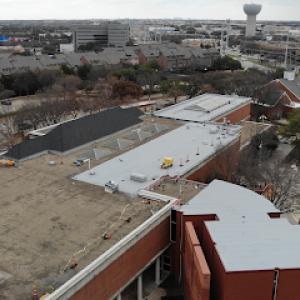
24-7 Restoration & Roofing
(682) 999-8732 www.247roofingsolutions.com
400 Industrial Blvd # 202, Mansfield, Texas
4.8 from 83 reviews
When you have a problem and need a trusted contractor to guide you through the process, 24-7 Restoration is here to help assist you in anyway we can!
A building permit is generally required for a full roof replacement, and permit issuance is handled by the City of Mansfield Building Department. This means you will file through the city's permitting process rather than a private intermediary. Reroofs bundled with other exterior projects, such as fascia work, gutters, or siding, can sometimes trigger additional documentation or streamlined review, so plan for potential cross-department coordination. For a smooth experience, have a clear scope, site plan, and the project timeline ready when you apply, and verify that your contractor is prepared to submit any required forms on your behalf. City rules are designed to ensure proper material installation, venting, and drainage, which matter a lot in the local spring wind and hail cycle.
Mansfield inspections are typically scheduled after rough-in and after completion. The rough-in review focuses on roofing components installed up to that stage, with particular attention to the underlayment and attic ventilation strategy. Expect the inspector to verify that roof vents, soffit vents, and ridge vents are properly integrated and that the underlayment installation adheres to current code standards. The final inspection concentrates on flashing around chimneys, skylights, vents, and transitions, ensuring the installation is weather-tight and flashing details meet code requirements. The goal is to confirm that the roof system will perform under North Texas spring wind and hail conditions, with no hidden gaps or improper sealants. Clear access to the attic and roof edges can expedite the process, so prepare the site accordingly.
Some Mansfield projects also run into HOA approval requirements or added documentation when roofing is bundled with other exterior work. Homeowners should check their HOA covenants early, as approvals can take additional time and may require plans or color samples for the roof and associated exterior elements. If your project pairs roofing with fascia, gutters, or venting upgrades, assemble a unified submission package that reflects the entire scope. Keeping the HOA and city documentation aligned reduces delays and helps ensure that the permit path and inspections proceed smoothly, even during the busy spring storm season.
In this city's high-claim, Dallas-Fort Worth environment, hail and wind losses are common enough to draw extra scrutiny from carriers. That reality means claims can be delayed or questioned if the roof's condition before a storm isn't clearly documented. A storm can trigger a fast-moving claim, but carriers may push back if pre-loss records aren't solid, so solid documentation matters.
Pre-loss photos matter as much as post-storm images. Carriers serving this region often want both angles: a clear record of the roof's condition before damage and a detailed gallery after a storm. Keep dated photos that show shingles, flashing, chimneys, and any existing wear. A simple monthly snapshot habit becomes a valuable file when a hail event occurs, reducing the chance that a later dispute stalls a claim.
Post-storm documentation should be comprehensive and timely. If hail or high winds hit, record the day's date, weather specifics, and any observed damage from ground level and, if safe, from your attic or adjacent elevations. Include interior signs like ceiling stains or attic leaks, which can appear before exterior damage is obvious. Written notes about the roof's age, previous repairs, and any known issues help insurers assess the scope without surprises.
Understanding policy structure is essential because wind and hail deductibles, as well as coverage terms, vary by carrier and plan. The way a claim is handled-whether it leads to a repair or full replacement-can hinge on those deductible specifics as much as the roof's actual condition. When shopping for coverage or evaluating a claim, be prepared to explain how the storm unfolded, what a typical repair would involve, and how long the roof has been in service.
For homeowners in this market, building a routine documentation habit now pays off later. A well-organized file with clear dates, photos, and notes reduces ambiguity for adjusters and helps align expectations with what the policy actually covers during the post-storm process. This approach matters more than ever when hail and wind losses are a common factor in claim decisions.
Connect with contractors who help homeowners navigate the claims process from damage assessment to final approval.
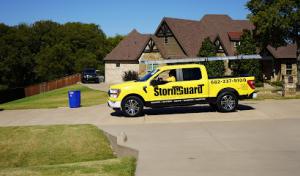
Storm Guard Roofing of Mansfield
(682) 337-9100 www.stormguardrc.com
400 Industrial Blvd suite 408, Mansfield, Texas
5.0 from 147 reviews
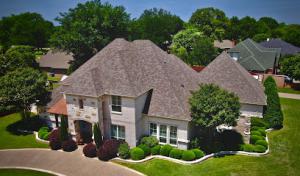
KG Roofing & Renovations
(817) 368-5115 www.kgroofs.com
1906 Lone Star Rd Suite B, Mansfield, Texas
5.0 from 161 reviews
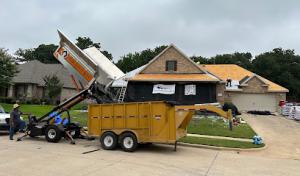
First United Roofing & Construction
(817) 769-8660 www.firstunitedroofing.com
2206 Forest Park Cir, Mansfield, Texas
5.0 from 95 reviews
In the storm-prone DFW climate, repeated hail and wind exposure commonly show up first at ridge caps, flashing transitions, and other uplift-prone details before a full leak appears indoors. Those elevated points catch impact and wind-driven movement, then slowly degrade, letting moisture creep in over time. When inspecting or planning repairs, you'll want to prioritize proper sealing and secure anchoring at these junctions, because a small, well-hidden gap can become a larger entry during the next spring storm. Be wary of brittle sealant, loose fasteners, and mismatched flashing material that can fail under repeated hail impacts.
City inspections in Mansfield specifically emphasizing ventilation and flashing reflect two of the most consequential failure areas for long-term roof performance here. Poor or undersized venting creates a thermal stack that encourages premature shingle aging or deck deck warping, especially after heavy rain events push underlayment moisture into vulnerable seams. Flashing around chimneys, vents, and transitions must tolerate expansion and contraction from rapid temperature swings. If flashing has been pecked by hail or shows signs of bubbling or lifting, the risk of hidden moisture increases quickly, and attic air quality can suffer as a consequence.
Skylight penetrations deserve extra scrutiny in this market because they combine flashing complexity with hail exposure and are a meaningful local contractor specialty. With skylights, the flashing needs to accommodate both the curved framing and the constant movement of wind. A failed seal here often leads to localized leaks that travel along rafter pockets before showing up as staining far from the original penetration. Regular field checks for cracked glazing, loose curb mounting, and stressed sealants help prevent interior damage that compounds through the ceiling and drywall.
Find contractors experienced in skylight installation, flashing, and leak repairs to bring natural light into your home.
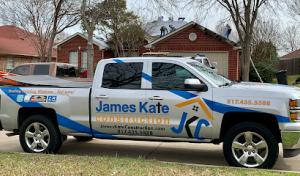
James Kate Roofing & Solar
(972) 400-4707 www.dallasftworthroofer.com
2364 U.S. 287 Frontage Rd # 119, Mansfield, Texas
4.9 from 273 reviews
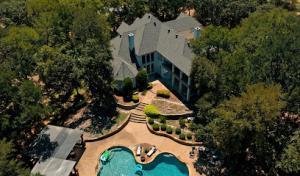
TDC Roofing & Remodeling Inc - Affordable Roofing Contractor in Mansfield, TX
(972) 955-5908 tdcroofingpros.com
1275 N Main St #411, Mansfield, Texas
5.0 from 56 reviews
Trinity Roofing & Construction
(817) 225-6120 www.trinityroofingconstruction.com
1315 FM1187 Suite 107, Mansfield, Texas
4.9 from 97 reviews
In the Mansfield-area contractor market, reroofing and fast storm response are the norm after spring wind and hail events. Homeowners should expect many companies to emphasize insurance help, cleanup, and rapid inspections, often bundled with tarping and debris removal. This local pattern means you will encounter contractors who arrive with crews ready to start, but it also increases the chance of pressure to sign quickly. Look for a company that clearly explains what will be done first, what the crew will remove, and how cleanup will be handled so the street stays safe and neighbors aren't blocked by work zones.
Because quick-response signals are prevalent, prioritize how a contractor handles tarping, debris, and neighborhood disruption in occupied subdivisions. Ask for a detailed plan: who handles tarps during rain, how ladders and debris are contained, and how access will be managed so driveways and sidewalks stay clear. A local firm with a long-standing presence tends to provide smoother warranty follow-up after a storm-season replacement, since the same team or owners are known to the community. Verify they have a solid track record with HOA guidelines, which frequently govern timing, cleanup standards, and street-closure concerns after a major event.
Long-established, family-owned, and locally owned firms are common in this market, and that matters for warranty follow-through years later. Seek references from neighbors who had similar roofs replaced after a storm, and ask how the company handled post-install service. If a contractor offers to coordinate with your insurance carrier, verify that the scope of work mirrors the insurer's approved replacement and that any changes are documented in writing. This alignment helps maintain a clean, on-schedule replacement in a busy, storm-affected season.
Get a clear picture of your project costs upfront - no commitment required.
KG Roofing & Renovations
(817) 368-5115 www.kgroofs.com
1906 Lone Star Rd Suite B, Mansfield, Texas
5.0 from 161 reviews
TDC Roofing & Remodeling Inc - Affordable Roofing Contractor in Mansfield, TX
(972) 955-5908 tdcroofingpros.com
1275 N Main St #411, Mansfield, Texas
5.0 from 56 reviews
Best Choice Roofing
(817) 592-3368 bestchoiceroofing.com
305 Regency Pkwy STE 605, Mansfield, Texas
5.0 from 17 reviews