
Last updated: Apr 19, 2026
Cedar City combines hot, dry summers with cold, snowy winters, creating repeated expansion-contraction stress on shingles, flashings, and sealants. The daily temperature swings can push shingles beyond their comfortable working range, especially when a roof faces full sun on the south-facing slope and holds heat into the attic space. In practical terms, expect accelerated granule loss on asphalt shingles and more frequent micro-cracks in sealants around vent boots and roof-to-wall flashings. The dry air also matters: it can drive faster drying of underlayment laps, but it reduces protective humidity in crevices that would otherwise help with sealant pliability. The result is a system that works hard year-round and needs attention to joints, terminations, and edge details just a bit more than in more temperate climates.
Roof replacement timing in Cedar City is typically best in spring or fall because winter snow and freezing temperatures disrupt installation while peak summer heat can make shingle handling and underlayment exposure more difficult. The shoulder seasons provide the most conducive conditions for installers to manage underlayment, adhesives, and ventilation details without weather-induced delays. When planning upcoming work, align material deliveries and crew availability with a window that avoids the heart of summer heat and the coldest winter days. A tight, dry fall can still support a solid installation, but misty mornings or late-season snow events can shift schedule feasibility. The key is to protect both new materials and the interior space from sudden temperature swings during the first days after install.
Late-summer monsoon-related rain can create short scheduling delays even though the city is generally dry for much of the year. Thunderstorms can push work crews off the roof to address leaks or wind-driven debris, and concrete work around vents or skylights might be postponed until roofs are completely dry. For homeowners, this means a practical expectation: plan for potential quick re-sequencing of tasks and keep a flexible timeline buffer around the critical stages of install, such as underlayment application, nail fastening in dry seams, and flashing integration. A proactive approach is to coordinate with the contractor for contingency days and to confirm weather-driven safety precautions ahead of a projected window.
The combination of UV exposure, snow load, and seasonal timing constraints produces three primary wear mechanisms to watch: first, UV-driven oxidation and granule loss, which reduces the roof's protection against sun damage and can accelerate asphalt degradation; second, freeze-thaw cycles that stress joints, sealants, and the integrity of valley and step flashings; third, wind-driven debris and snow shedding that can pry loose shingles along edges and in high-wan area transitions. In Cedar City, where high elevation intensifies UV and accentuates winter constraints, flashing around chimneys, vent stacks, and skylights deserves extra scrutiny during biannual inspections. Flag any lifted tabs, loose granules, or compromised sealant beads early to avoid accelerated deterioration through the next season.
After the thaw in spring and again after the last heavy snow in late winter, conduct a focused walkabout of the roof. Look for high-traffic areas around hips and ridges, where expansion-contraction cycles tend to concentrate wear. Pay special attention to edge fasteners and to any shingle cuts at penetrations. In fall, before winter sets in, verify that flashings are firmly seated and that downspouts and gutters are clear to prevent ice dam buildup if a late storm arrives. For severe weather years, consider a mid-winter inspection if safe access is available, to verify that no fasteners have loosened and that sealant joints have retained their integrity through temperature extremes.
When choosing a roof system in this climate, consider materials with proven performance under UV exposure and freeze-thaw conditions. While asphalt shingles remain common, metal roofing offers excellent reflectivity and resilience against wind-driven rain and hail, particularly on slopes with strong sun exposure. Clay and concrete tiles bring durability in dry heat but require careful assessment of attic ventilation and insulation to manage snow loads and expansion-contraction stresses. Synthetic or composite shingles can balance weight, UV resistance, and installation tolerances, making them a practical option in high-elevation climates where cycle stress is a constant factor.
The Cedar City area bears a harsh combination of high desert sun and thin air, where hot summer sun accelerates aging of asphalt shingles and roofing underlayment. In this climate, brittleness shows up sooner, and granule loss can accelerate, leaving the roof surface more porous to sun and weather. That accelerated aging isn't just cosmetic; it reduces the shingle's protective layer and shortens the roof's ability to shed heat and water. If your roof looks chalky or has rough, granule-spotted valleys, that's a red flag that UV damage is already creeping in. Protecting against this requires timely attention to any hairline cracks, cupping, or curling shingles, and prioritizing timely replacement of severely degraded sections before leaks gain an unexpected foothold.
Winter snow load and freeze-thaw conditions can stress roof penetrations, valleys, and eaves, especially where drainage slows and refreezing occurs. When snow sits on the roof and repeatedly refreezes, fasteners, flashing, and valley joints take repeated thermal shock. As a neighbor would say, you'll notice small leaks or damp spots near penetrations after a few warm afternoons cause thaw and refreeze cycles. Ice dam risk grows where overhangs shed slowly or where attic insulation isn't keeping heat where it belongs. Look for ice buildup along eaves, cracked sealant at vent flashings, or damp rafters in the attic after a thaw. The best defense is proactive inspection after storms and before the spring melt, focusing on flashing, seals at chimneys and vent pipes, and the condition of underlayment at exposed eaves.
Spring wind events in the Cedar City region can expose weaknesses at ridge caps, perimeter shingles, and vent flashing after winter wear. Wind-driven damage often starts as lift at the ridge or along the eave line, then propagates to adjacent shingles or metal flashings. After winter, a single gust can peel back a corner or loosen a nail line, creating pathways for water intrusion during the spring rains. You may notice cracked cement on ridge caps, loose perimeter shingles, or ruffled underlayment at the edge of the roofline. To mitigate, inspect ridge vents and cap shingles for tight seating, check that vent flashing remains sealed along all seams, and reseal or replace wind-damaged components promptly.
Begin with a brisk roof walk after any significant storm or warm spell. Look for brittle or missing shingles, loose granules, lifted edges, and damaged flashing around vents, chimneys, and skylights. If you see bare or exposed underlayment, or if granule loss is concentrated in sun-facing areas, plan an inspection with a roofing pro who can assess UV damage, underlying deck condition, and the integrity of valley joints. Don't delay on suspicious spots: small issues compound quickly under spring winds and spring thaws, and early attention often prevents costly leaks and more extensive repairs later.

Cedar Valley Roofing
(833) 323-3280 www.cedarvalleyroofing.com
369 N 100 W #8, Cedar City, Utah
4.9 from 156 reviews
Our company was built with the commitment to ensure cost-effectiveness and high quality in every construction service project we are hired to work on for the community of Cedar City, UT. Our company was founded under the great values of: Professionalism Commitment Diligence Cost-Effectiveness Contact our team today for any of the services that we offer. If you hire us to do the job, we will work hard and smart until your expectations are exceeded. Contact our professional and reliable company today to save time and money on your construction services.
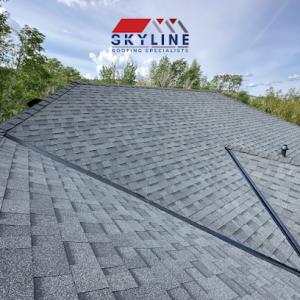
Skyline Roofing Specialists
(435) 263-3059 skylineroofingspc.com
3013 W 5125 N, Cedar City, Utah
5.0 from 51 reviews
Welcome to Skyline Roofing Specialists. We are here to help you with all your roofing needs. When it comes to new construction, roof repairs, storm damage, & roof tear-off / replacement we are the company you have been searching for. Give us a call today to let us know your roofing situation and we will walk you through the simple steps to get your roofing needs taken care of.
Unified Roofing
(435) 865-0900 www.unifiedroofing.net
3185 W 500 N, Cedar City, Utah
5.0 from 29 reviews
Unified Roofing is a trusted, family-owned roofing company in Cedar City, UT, serving Hurricane, St. George, and surrounding areas. With over 25 years of experience, we specialize in RESIDENTIAL & COMMERCIAL ROOFING, including ROOF INSTALLATION, REPAIRS, METAL ROOFING, SEAMLESS RAIN GUTTERS, SHINGLES, and TPO LOW-SLOPE ROOFING SYSTEMS. Our expert ROOFING CONTRACTORS provide high-quality workmanship, honest service, and reliable roofing solutions. We work with insurance adjusters to make the process seamless. Get a FREE ESTIMATE today! #Roofing #CedarCity #StGeorge #RoofRepair #MetalRoofing #TPO #UnifiedRoofing
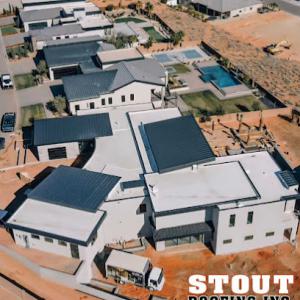
Stout Roofing, Inc. | Cedar City
(435) 210-6468 stoutroofing.com
2393 W 580 N, Cedar City, Utah
4.8 from 75 reviews
Stout Roofing was founded in 1998 in St. George, Utah, and is now proudly operated by a family of third-generation roofers. Roofing is in our blood—passed down from grandfather to father to sons. We grew up on rooftops, learning the value of hard work, craftsmanship, and doing things right the first time. That tradition of quality and integrity continues to guide us every day. From day one, Stout Roofing built a reputation for expertise in a variety of roofing systems, especially concrete tile and re-roofs. Our headquarters in St. George naturally positioned us to serve nearby Arizona, Nevada, and communities such as Cedar City, Utah
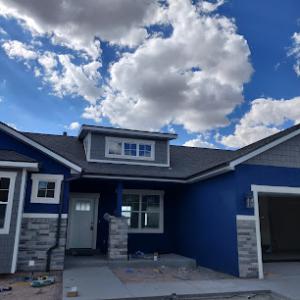
Zenic Industries
(435) 233-6052 www.roofingcedarcityut.com
704 S 300 E, Cedar City, Utah
5.0 from 5 reviews
Locally owned and operated in Cedar City, UT, we pride ourselves on delivering top-quality craftsmanship and personalized service. With years of industry experience, we’ve built a reputation for excellence and integrity. From roof installations and siding replacements to gutter repairs and maintenance, we enhance your home’s curb appeal and offer lasting protection. Whether it’s a minor repair or a major renovation, Zenic Industries makes the process smooth, efficient, and stress-free.
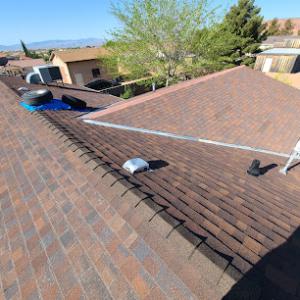
Edwards Roofing Repair
(435) 590-1705 www.edwardsroofingrepair.com
Serving
4.9 from 33 reviews
We are a local family run business that provides comprehensive roofing repair and new roof services. You name it, if it's a problem you're having with your roof then we can fix it. Leaks, wind damage, defective material, and everything in between. We work with all materials from standard asphalt shingles, tile, metal, and rubberized EPDM synthetics. Call now for a fast free assessment. No more waiting weeks just to hear back from other companies too big to pay attention to you.
Lone Star Roofing ,LLC
(435) 592-2669 lonestarroofing.online
1260 N 650 W, Cedar City, Utah
We might be a small town roofing company but we're able to keep up with the big dogs. Over 8 years of roofing experience. New roof, roof repairs, shingles, metal roofs, new or existing home service. Call or text to set up a time for your free quote today.
Asphalt shingles are common in Cedar City, but they are especially vulnerable here to heat-driven aging during dry summers and to cold-weather brittleness during winter service life. When selecting an asphalt roof, choose warranties that reflect rapid UV exposure and consider higher-grade, algae-resistant options to keep granules from washing away in monsoon-triggered rains. Regular inspections after the hottest weeks can catch edge wear before it cascades into leaks.
Metal roofing fits the local pattern of snow and temperature swings well, but detailing around fasteners, penetrations, and thermal movement matters because the city sees both summer heat and winter cold. Use through-fastened or standing-seam systems designed for expansion and contraction, and pair with cladding colors that minimize heat buildup. Pay attention to where gutters, vents, and chimneys meet the panels; proper flashing and sealants slow streaking and ice dam issues in shoulder seasons.
Clay tile and concrete tile appear in the local market, and they bring a long service life when the structure can carry the load. Heavier tile systems require attention to structural loading in a city that also deals with winter snow. If considering tile, have a structural assessment done and ensure the roof deck is reinforced for the additional weight. Tiles perform well under bright sun, but brittle fractures can occur after sudden cold snaps; plan for extra fasteners and high-quality underlayment.
Wood shakes or shingles bring a classic look, yet Cedar City's sun and wind can accelerate drying and checking, while winter moisture cycles can promote surface wear. If choosing wood, select fast-growing, treated options with a durable seal and plan for regular re-coatings. Synthetic or composite options often blend the visual appeal of wood with improved UV resistance and lower maintenance, though apparent color fade can still occur under intense desert sun.
Regardless of material, ensure a roof system is designed for high-elevation desert cycles: UV exposure, snow loading, and seasonal wind shifts. Local maintenance should target exposed edges, penetrations, and flashings, with attention to thermal movement and snow shedding design. A well-sealed edge detail and a thoughtful venting plan keep attic temperatures closer to outdoor conditions, reducing thermal stress on the roof shell. In this climate, timely maintenance and appropriate material choice prevent accelerated aging.
For planning, use these local price bands per square (100 sq ft) as a starting point: asphalt shingles 300 to 550, metal 700 to 1200, clay tile 900 to 1800, concrete tile 900 to 1750, wood shingles or shakes 600 to 1100, and synthetic or composite shingles 500 to 900. Those figures reflect Cedar City's mix of high-elevation exposure and a housing stock that often presses higher performance materials. Expect some variation based on roof pitch, attic ventilation, and the number of penetrations or skylights.
In this climate, timing matters as much as material choice. Projects can be delayed or delayed-started by snow, freezing temperatures, spring winds, or late-summer monsoon interruptions. If a contractor has to wait for a dry stretch, the replacement may push into a narrower window, driving crew callouts and potentially costs up. To minimize disruption, aim to align removal and installation with a solid stretch of dry weather and longer daylight, typically late spring or early fall, while avoiding the peak of wind-prone monsoon periods.
Material choice has an outsized cost impact locally because homeowners often weigh higher upfront spending for metal, tile, or synthetic systems against Cedar City's strong UV exposure and winter weather stress. Metal roofs tend to perform well in sun and snow, but upfront costs are higher. Clay and concrete tiles tolerate UV and cold well but add weight and require a sturdy structure. Asphalt shingles remain the most economical upfront, yet UV wear and freeze-thaw cycles can shorten their life in this climate. Synthetic options strike a middle line, balancing resilience with cost.
Plan for a staged replacement if the calendar or budget requires it. If snow season or monsoon risk surfaces during preferred installation slots, consider a temporary protective layer or phased work to protect the structure and interior while bringing the project to completion in a favorable window. In any case, confirm a clear sequence with the contractor, including weather contingency plans and haul-away logistics, to avoid surprise charges or delays.
In this climate, a full roof replacement is typically a permitted project. The local code environment emphasizes ensuring structural integrity, proper ventilation, and durable underlayment to withstand high-desert UV, snow loads, and seasonal winds. The permitting process helps verify that the new roof meets local moisture barriers, attic ventilation standards, and fire-safety requirements. Keep in mind that the timing of the permit can influence scheduling, especially if weather windows narrow in late fall or early spring when Cedar City experiences shoulder-season swings.
Permits are generally handled through the Cedar City Building Department or the Iron County Building Department, depending on jurisdiction and the exact location of the residence. It's common for a home built within city limits to go through Cedar City channels, while some surrounding or county-adjacent properties follow Iron County procedures. Start by confirming the responsible office at the project outset to avoid delays. Having plan details ready-roof type, attic venting plan, underlayment choice, and any structural recommendations from the roofing contractor-streamlines the review.
Inspections unfold in logical progression to confirm installation integrity throughout the project. The underlayment inspection ensures that the vapor barrier and moisture control layer are correctly installed before any shingles or panels go on. A separate venting inspection checks that soffit, ridge, and roof vents provide adequate exchange to manage hot summer heat and winter moisture buildup. A final inspection confirms that the work meets code requirements, including workmanship quality and overall roof venting performance. If reinforcement or bracing was required for slope or snow load considerations, those elements will be reviewed during the structural portion of the inspection.
Coordinate the permit timeline with the anticipated weather window, since heavy snows or high heat can complicate scheduling. Ask the inspector or permitting clerk for a concise checklist that aligns with Cedar City climate needs-tight attic ventilation, proper underlayment, and secure vent placement all matter in this high-elevation setting. Prepare documentation: architectural plans or contractor specifications, product data for underlayment and vents, and a clear ventilation strategy. Communicate any deviations from standard details up front, as deviations can trigger additional review time. Finally, ensure the roofing crew understands the inspection sequence to avoid rework and potential delays on the day of inspection.
Storms here bring a relentless mix: spring winds, winter snow, and summer UV that accelerates wear. After a wind or hail event, insurers expect photo documentation and clear evidence of storm-related damage. You should capture wide shots of the roof as it sits, close-ups of damaged shingles or granules, and any interior signs like water stains. In this high-desert climate, sun-exposed surfaces can mask or exaggerate damage, so careful angles and timestamps help, especially when the incident occurred during a gusty day or a sudden storm front.
Adjusters often ask for contractor estimates as part of the claim package. Documenting damage before making temporary repairs is crucial for credible support. Take photos of flashing around valleys, chimneys, and vent pipes, then note any fallen debris or cosmetic deflection. Keep a dated log of what you observe, even if you plan immediate shingle resealing or tarp placement. Clear, dated evidence reduces questions later, because Cedar City homeowners can face wind-driven spring issues that mimic age-related wear.
Because the climate swings from winter to summer highs, separating sudden storm damage from age-related deterioration can influence claim outcomes. A roof section with clean tearing or impact marks around hail spots may count as storm damage, while uniform granule loss and curling over large areas could reflect long-term exposure. When you suspect both, document their locations distinctly and avoid ambiguous terminology. This clarity helps the adjuster determine whether a repair or replacement is warranted, rather than attributing everything to natural aging.
Before any temporary repairs, photograph from multiple elevations and document any attic or ceiling stains that align with attic vent lines or roof penetrations. If you have already made quick fixes, photograph those repairs as well and note the date and what was done. Keep a simple, organized folder of images and notes so the claim path is straightforward for the claim reviewer. In a high-desert climate where wind, snow, and sun all press on the same roof, precise evidence can help you navigate the process with less confusion and more confidence.
In this high-elevation desert, you're balancing intense summer UV, winter snow, and shoulder-season winds. Spring and fall are the preferred replacement seasons because they avoid the worst of both snow season and peak summer heat. If a tear-off is planned in early spring, finish before the late spring heat ramps up; if in the fall, wrap before crowds of winter storms arrive. Use these windows to pace material orders and crews so they can complete a clean, dry install.
Winter projects face added risk from snow load, freezing temperatures, and inspection or dry-in delays. Schedule ahead of storms with a contingency plan for pauses if a front brings new snow or icing conditions. Rely on dry-in procedures that can be paused safely, and keep a backup crew ready for a rapid resume when the ground dries and temperatures rise above freezing. Recognize that shorter daylight hours reduce daily progress, so set realistic daily targets.
Late-summer monsoon moisture can interrupt tear-off and installation schedules even when the broader climate is dry. Build in a weather buffer for potential rain days, and coordinate with crews to protect exposed decking and underlayment during any sudden showers. If a monsoon swing hits, prioritize securing underlayment and venting areas first, then resume full tear-off when conditions improve.
Every year, align major replacements with a favorable season by listening for early storm trends and heat spikes in late spring. For homes with aging underlayment or around valleys and penetrations, pre-schedule inspections in late winter or early spring to catch UV-damage and micro-cracks before they propagate. Use a steady, staged approach rather than rushing a full roof in a single window, to reduce the risk of weather-related delays.