Last updated: Apr 19, 2026
The hot, arid desert climate with year-round UV exposure relentlessly ages roofing components. Exposed surfaces bake under strong sun, and tiles themselves absorb heat that transfers to underlayment and decking. In practice, this means underlayment materials can break down sooner than in cooler Utah markets, especially when used under clay or concrete tile. The harsh mix of sun, dust, and high daytime temperatures accelerates aging of synthetic underlayments and can cause slow, incremental failures that are easy to miss until leaks appear after a heat spike or monsoon season.
Tile roofs are abundant in this region, and the underlayment beneath them often ends up as the critical life-limiter. Worn underlayment beneath otherwise reusable clay or concrete tile is a common driver of replacement. Even when the tiles themselves are structurally sound, a aging or degraded underlayment can permit moisture intrusion, wind-driven rain entry, or gradual deck damage. A careful inspection should treat underlayment as the first line of defense, since tile failures alone don't always reveal the true condition of the roof system underneath.
Spring and fall are the practical replacement windows for most Saint George projects. Summer heat can limit safe work hours and complicate installation conditions, so plan around the schedule when temperatures are milder. In late spring, once the worst heat has not yet arrived, or in early fall when the heat has begun to ease, crews can complete underlayment work with more predictable adhesion, curing, and seam sealing. Pushing into peak summer increases risk for workers and can compromise material performance, especially for synthetic underlayments that rely on stable heat cycles to set or cure correctly.
When tiles are the visible element, it's easy to overlook the underlayment until a leak or stain appears. A targeted inspection should verify the condition of the underlayment, the integrity of moisture barriers, and the presence of any mold or rot in the decking. Look for softened or crumbling underlayment, gaps at roof penetrations, and misalignment of seams. In tile installations, flashing around chimneys, vents, and transitions deserves particular attention, because heat-driven expansion can stress seals more than you'd expect.
Choose underlayment materials designed for hot climates with strong UV resistance and high vapor permeability. When replacing tile, consider upgrading to underlayments with better heat tolerance and robust seam adhesion. Ensure fasteners and clip systems are compatible with the chosen underlayment and tile type, and verify that eaves and soffits provide adequate ventilation to reduce heat buildup beneath the tiles. Regular mid-season inspections after the first year can catch creeping degradation before it compromises a full roof replacement, keeping the system durable under Saint George's persistent sun.
Pierce Roofing & Siding
(435) 599-7053 pierceroofingandsiding.com
Serving
5.0 from 54 reviews
Pierce Roofing & Siding is owned and operated by two local brothers Mason & Austin Pierce. We run a big enough business with multiple crews to take on plenty of work in all areas of roofing & siding, but still small enough to where both Pierce brothers manage and oversee every job/project being performed to maintain top quality work. We use the best roofing & siding materials available in the industry and perform all work following the correct & current methods according to construction code. We're happy to help with any roofing or siding need you have, from the smallest repairs to an entire new roof. We can professionally work with all types of roofing & siding products available. Call, text, or email to for a free inspection/estimate!
Ultra Roofing
(435) 535-7770 ultraroofingco.com
Serving
4.9 from 90 reviews
Ultra Roofing is a locally owned roofing company in St. George, Utah, specializing in re-roofs, inspections, tile roof repair, leak repair, and storm damage fixes. We help homeowners identify issues early and make precise repairs that extend the life of their roof without unnecessary replacements.
RoofTek
Serving
4.5 from 8 reviews
Welcome to RoofTek, your premier residential and commercial roofing and solar company in St. George, UT. Our mission is to provide you with peace of mind, allowing you to sleep worry-free during any storm, knowing your most valuable assets are safe from the unpredictable weather. With years of expertise, our skilled team has successfully completed thousands of rooftop installations, ranging from cost-effective re-roofs to intricate solar setups on steeply pitched, custom-designed homes.
Blue Collar Roofing
(435) 414-4320 bluecollarroof.com
Serving
4.6 from 10 reviews
Are you searching for roofers in St. George, Utah? From our location, we offer roof replacements to home and building owners in the area. If you have any questions about your roof, call us for fast answers and accurate quotes. We work on roofs of any style and made of any material, so stop by our office to see what we can do for you.
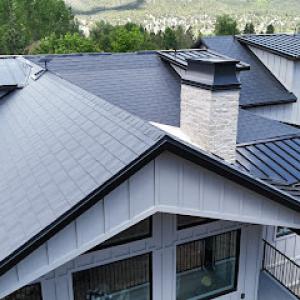
Rio Roofing
(435) 319-0022 www.rioroofingutah.com
Serving
5.0 from 177 reviews
Rio Roofing is a family-owned and operated roofing company serving St George and all of Southern Utah. Our services include free inspections and estimates, roof repairs, entire roof replacements, and roofs for new buildings and homes. We work with shingle, tile, metal, flat roofs, and coatings. We work on both residential and commercial roofs. Call or text today! Integrity meets quality at Rio Roofing! ☎️ 435.319.0022

Dixie Roof Repairs
(435) 359-9386 www.dixieroofrepairs.com
Serving
4.2 from 22 reviews
Dixie Roof Repairs is here for you! We service Southern Utah, and Mesquite, NV. We are licensed, insured, and provide superior service. With over 30 years of experience in all roof types, we bring quality work, and great pricing. For any of your tile, shingle, metal, membrane/flat-roof repairs, think Dixie Roof Repairs for quality workmanship, and fair pricing! 435.359.9386
Hirschi Roofing & Insulation
(435) 673-6667 hirschiroofing.net
Serving
4.2 from 80 reviews
Hirschi Insulation is one of the oldest and best known roofing companies in the St. George, Utah area. We do roof repairs, new roofs, roof replacements and more.
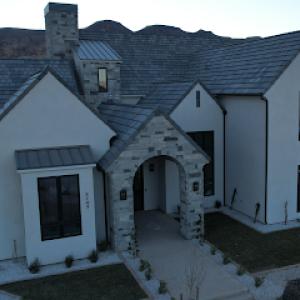
Black Rock Roofing
(435) 773-3857 www.blackrockroofingutah.com
Serving
4.9 from 90 reviews
Thank you for visiting Black Rock Roofing online! David Coello and our team of roofing professionals are here to help with all of your roofing needs in St. George, Utah and in St. George, Washington Apple Valley and Sunset. From beautiful roofs that will protect your new construction to replacing existing roofs; from making repairs to helping you with your insurance claims, you can trust us to help you protect your biggest investment: your home. No job is too small for our team and we will be happy to give you an estimate and discuss your options with you.
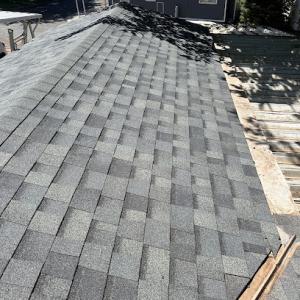
Z Rohde Roofing & Construction
Serving
4.2 from 5 reviews
Local roofing and general construction business. Licensed and Insured. New and pre-existing construction. Specializing in roof leak repair.
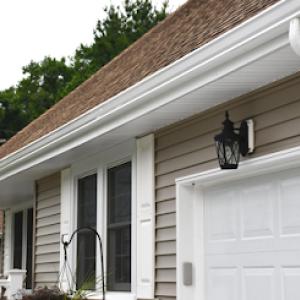
RH Roofing
(435) 619-5716 www.rhroofingutah.com
Serving
5.0 from 2 reviews
RH Roofing is a roofing company that started in 1996 and has been serving southern Utah for more than 25 Years! We provide high-quality roofing services for commercial and residential buildings in St. George and the surrounding Southern Utah areas. Our team is committed to setting the standard for quality roofing. With so much experience in the roofing industry, we have built a reputation for excellence and reliability.
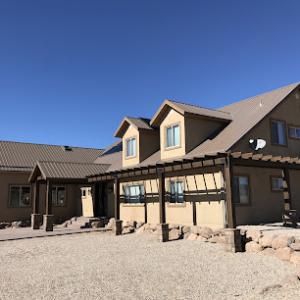
Fortified Roofing
(435) 256-2282 fortifiedroofinginc.com
Serving
5.0 from 2 reviews
3rd generation roofing company in southern utah
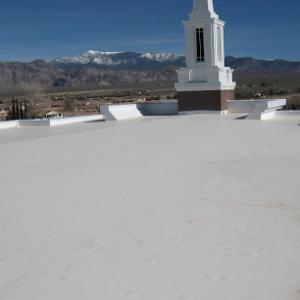
Skyline Roofing
(435) 635-3172 skylineroofusa.com
Serving
5.0 from 21 reviews
Roofing Contractor for installation of new roofs on existing buildings and new construction
The desert setting sets a unique stage for roofing choices. In this area, asphalt shingles, metal, clay tile, concrete tile, wood shakes, and synthetic/composite shingles are the common players, with tile standing out more than in many Utah cities. The choice you make should balance heat tolerance, UV resistance, and long-term performance under relentless sun. In a neighborhood where tile homes are frequent, the way underlayment and flashing hold up under intense heat becomes as critical as the roof covering itself. The goal is to minimize heat buildup, reduce UV-driven aging, and prevent early material fatigue that can start at the underlayment and vents long before the visible surface shows wear.
Clay and concrete tiles are particularly relevant in this climate. Their mass helps moderate attic temperatures and can contribute to cooler interior spaces when paired with proper ventilation. However, the desert sun can take a toll on color fastness and surface glaze, accelerating UV-related fading and micro-cracking at fastener points if the tile isn't supported and installed correctly. When evaluating these options, pay attention to tile profiles that shed water effectively and to fastener patterns that resist thermal expansion. Proper underlayment selection becomes crucial here, as the combination of high heat and solar loading can stress underlayments sooner than expected if ventilation is inadequate or if the roof deck experiences trapped heat. If a tile layout emphasizes curved or interlocking configurations, ensure the roof deck has robust nailing or clipping methods to maintain integrity as temperatures swing daily.
Asphalt shingles are common and familiar to many homeowners, and in this market they pair well with reflective underlayments and well-sealed vent penetrations. The key heat-related concern is mat granule adhesion and fiberglass mat stability under sun exposure. With proper ventilation and a high-quality underlayment, asphalt can perform reliably, but in surfaces with intense sun, look for options with added UV stabilizers and infrared-reflective granules to slow heat-related degradation. Metal roofing, on the other hand, excels in heat resilience when installed with a cool-roof coating or a reflective color palette. The metal's surface can reflect a large portion of radiant heat, reducing attic temperatures and shortening the life cycle of surrounding underlayment if ventilation is neglected. In hot-dry climates, metal's combination of rigidity and low weight can outperform traditional shingles, provided the system is designed to handle thermal expansion and appropriate sealants at seams.
Wood shakes offer a distinctive texture that suits the region's desert subdivision aesthetics, but they demand meticulous maintenance to resist UV-driven drying and color fading. In sun-soaked settings, wood products may require more frequent refinishing and careful moisture management to prevent warping. Synthetic or composite shingles can provide a UV-stable alternative with lower maintenance, while still delivering a varied appearance. Look for products formulated with UV inhibitors and high-temperature performance grades, and verify that the chosen system includes reliable edge detailing and weatherproof sealing to counteract sun-induced brittleness over time. The installation approach should emphasize adequate attic ventilation and a breathable, yet weather-tight, underlayment.
Across all material types, the overarching message is clear: the roof's performance hinges on more than the cover itself. In a climate characterized by relentless desert UV and long heat exposure, the combination of roof assembly components-underlayment, flashing, vents, and attic insulation-must work in harmony to manage heat transfer and moisture control. A well-chosen roof type only proves its value when paired with an effective ventilation strategy and a durable, UV-stable underlayment system. The result is a roof that resists fading, maintains structural integrity, and keeps interior comfort steadier throughout the hottest months.
Late-summer thunderstorms and hail are a real roofing disruption, even though the city is better known for heat than for prolonged wet weather. When a storm rolls through, a moisture-driven impact on tile roofs becomes a priority. Look for bruised, cracked, or displaced tiles, but also inspect underlayment at eaves and ridges where heat-softened adhesives can fail. If hail or high winds hit, your first move is to assess and protect. Document the damage with clear photos from multiple angles before any tarping happens, and keep a log of times and conditions. Rapid documentation helps you communicate clearly with a contractor and, if needed, insurance.
Because summer daytime heat can constrain work, emergency leak response timing in your area often depends on both storm conditions and safe temperature windows. If active leaks show moisture intrusion, place a sturdy tarp over the affected area as soon as you can safely access the roof. Secure edges with weight or fasteners, ensuring the tarp extends beyond the damaged zone to prevent wind uplift. If access is dangerous due to heat, seek shade, hydrate, and schedule tarping for the next safe window rather than delaying until dark. Tarps should stay in place until permanent repairs are underway under cool conditions, since extreme heat accelerates roofing material stress and can tear tarps loose.
Tile-heavy roofs magnify heat-driven aging, so repairs during the hottest part of the day should be avoided when possible. Plan staged fixes for early morning or late afternoon when surface temperatures are lower and ladder work is safer. For clay or concrete tiles, ensure replacement tiles match the original profile to preserve ventilation and waterproofing. Underlayment bearing the brunt of desert UV needs inspection beneath lifted or cracked tiles; even small perforations can become a slow leak channel on a hot day. A quick, temporary seal against water entry buys time, but a proper tile and underlayment repair is essential to a long-term fix.
After a hail or wind event, set expectations with a contractor who understands Saint George's drying cycles and heat constraints. Share the damage photos promptly, highlight any displaced flashing, ridge caps, and gutter connections, and ask for a phased plan that fits inside safe temperature windows. Quick triage-tile stabilization, tarping, and underlayment checks-can prevent water damage from cascading into wood or ceiling interiors, especially where attic space traps heat. Communication and timing matter as much as materials.
In this market, you'll see a clear split between material choices and how they age under relentless desert sun. Local cost ranges run from 350 to 700 USD per square for asphalt shingles, 900 to 1700 for metal, 1700 to 3400 for clay tile, 1000 to 2100 for concrete tile, 600 to 1300 for wood shingles or shakes, and 550 to 1000 for synthetic/composite shingles. Tile systems, which are prominent here, push project totals higher because tile setups are among the most expensive local roof types and often involve labor-intensive tear-off and reset work. The heat and UV exposure here accelerate underlayment degradation and can amplify fasteners and flashing wear, so the longer-term durability hinges on more than just the surface layer.
Clay and concrete tiles take the brunt of this climate, with higher upfront costs but long service life when paired with a compatible underlayment and venting strategy. Expect careful edge detailing and a robust drip edge to manage sun-exposed eaves, where UV can age the underlayment faster than the visible tiles. asphalt shingles remain a viable option for some homes, but the heat can reduce their effective lifespan if ventilation and insulation aren't up to par. Metal roof panels shed heat efficiently, yet installation quality matters just as much as material selection, since improper seam work or panel alignment can trap heat and promote accelerated wear around fasteners.
Seasonal demand can affect pricing and scheduling because spring and fall are preferred replacement periods, while summer heat and storm interruptions can reduce production efficiency. If you're weighing a tile replacement during the peak heat season, plan for longer job durations and potential schedule shifts due to heat-related labor limits or material handling challenges. Conversely, a spring window can offer lower risk of heat stress on crews and more predictable teardown and reinstallation timelines. For tile, anticipate more meticulous tear-off and reset work, which translates into higher labor hours and a higher total price than less labor-intensive options.
When you're calculating a project, start with the base material cost and factor in the condition of the existing roof deck and underlayment. A tile roof often requires a staged budget that accounts for underlayment replacement, flashings, and venting upgrades, in addition to the tile itself. If you're upgrading to a heavier tile type, verify that the supporting structure can handle the load; the extra labor and reinforcement can push totals higher, especially in homes with older framing. In short, the desert sun makes heat-driven aging and underlayment failure a real concern, so plan for material and labor synergy that supports prolonged performance.
Get a clear picture of your project costs upfront - no commitment required.
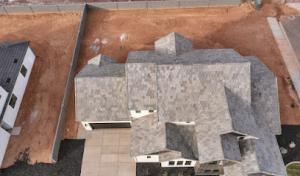
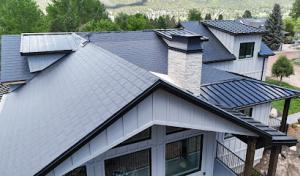
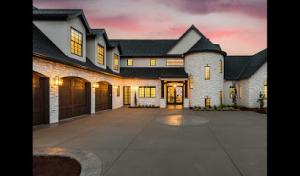
Before you lift a tile or pull off an old roof, know that a permit is required for a full roof replacement. That means your project should be treated like a official job from day one, not a casual DIY teardown. In this desert climate, the additional scrutiny helps ensure the underlayment and ventilation are up to the heat and UV load, which helps prevent premature failures that are all too common in tile-heavy homes. The permit process isn't a hurdle meant to slow you down; it's a safeguard against hidden issues that can surface after a scorching season or a record heat wave.
Permit applications are handled by the City of Saint George Building Department. They'll ask for plans, material specs, and a proposed timeline, so have these ready when you apply. Working with a licensed contractor who understands the local climate realities-especially how tile roofs respond to intense sun-can make the process smoother. A stamped set of drawings and an accurate scope can avoid delays that come from mismatched details or missing information.
Inspections are not one-and-done. Saint George inspections occur at tear-off and again at final installation. The tear-off inspection ensures that old layers won't trap heat or moisture beneath the new layer, and that the new underlayment and venting configuration are suitable for the desert heat. The final installation inspection confirms that the roof is properly sealed, fastened, and flashing is correct for the tile system you chose. Because you'll be dealing with heat and UV exposure that accelerates aging, those checks matter more here than in cooler climates.
During the project, the permit number should be accessible on site. Keeping the number visible helps inspectors confirm compliance quickly and reduces the chance of delays if questions arise during or after installation. A clear on-site display also helps when any subsequent work is needed-future repairs or ventilation upgrades benefit from a straightforward reference.
Coordinate your project timing to avoid peak heat periods when possible; hotter days amplify heat-related stresses on underlayment and fasteners. Budget for additional time if a tear-off reveals moisture or delamination in the decking, which can happen beneath tile when heat exposure is extreme. Finally, verify your roofer knows how tile-specific ventilation and underlayment choices perform under the Saint George sun, since improper combinations accelerate aging and costly repairs down the line.
Saint George sits in Utah's periodic hail and wind claim environment, so insurers often want detailed photos, documentation, and roof condition records after storms. The desert sun accelerates aging, and tile roofs especially can show heat-driven wear long before leaks show up. If a hailstorm pings the area, expectations shift quickly from "surface damage" to "condition and age-related integrity." When a storm hits, there is a natural moment to document what stands up to sun and wind as well as what breaks. A roof with intact tiles but brittle underlayment can surprise homeowners later, so status matters just as much as visible impact.
Claim activity in the region can lead to more adjuster scrutiny when homeowners renew policies or report damage. That scrutiny isn't personal; it reflects a market where high-desert conditions stress roofing materials faster than many homeowners expect. Roof certifications and clear storm-date documentation can matter more in this market because insurers may ask for proof of condition after hail or wind events. Keep dated photos of the entire roof, notes on tile displacement or cracked underlayment, and any visible signs of heat-aging around hips, valleys, and eaves. If you have prior inspection or maintenance records, keep those handy.
If a hail or wind event occurs, avoid rushing into replacements based solely on yesterday's visible dents. Have a licensed roofer assess both surface damage and the underlying layers, especially underlayment and flashing. Ask for a written condition report that includes the roof's current age-related weaknesses and any recommended remediation. When the insurer arrives, present a concise file: storm date, comprehensive photos, and a recent condition certificate. This approach reduces surprises later and helps align expectations with the desert climate-specific stresses that shape roof life here.
In this desert climate, flashing around skylights and other roof penetrations takes more abuse than on milder roofs. UV exposure hardens sealants, and heat cycles can separate sealant beads quicker than you'd expect. Use flashing that integrates with the tile system and choose high-temperature, UV-stable sealants rated for continuous sun exposure. Inspect the kaggle of flashing where tile edges meet penetrations-benign gaps can widen rapidly in July. Have the crew verify this area on multiple visits during peak sun months to catch slow leaks before they become active leaks.
Heat, UV, and sudden thunderstorm runoff all conspire to stress transitions between roof planes. Tile roofs often reveal weak spots where valleys, eaves, and parapets meet flat sections. Pay special attention to the apron flashing at low-slope transitions and ensure a continuous waterproof membrane under the tile or shake. In practice, look for a tight saddle at every change of plane and verify that fasteners for underlayment are corrosion-resistant and set per spec for hot environments.
Even though pitched tile dominates, flat or low-slope sections appear on porches and additions. These areas require careful attention because runoff can pool briefly and then shear off during a sudden storm. Use a compatible underlayment system designed for low-slope use beneath tiles, with edge detailing that terminates properly at transitions to steeper planes. Ensure drainage at the roof-to-wall interface is clear and that seals around parapets stay free of debris that could trap heat and degrade sealants.
Choose installers who explicitly address desert-specific wear: heat- and UV-rated components, long-life flashings, and proven integration with tile systems. Demand test cuts and a robust inspection plan that targets penetrations, seams, and transitions after the hottest weeks of the year. A careful handover should include documented maintenance tips for skylight seals and vent flashings, so the system stays resilient across rapid weather shifts.
Find contractors experienced in skylight installation, flashing, and leak repairs to bring natural light into your home.