Last updated: Apr 19, 2026
Washington sits in Utah's hot, dry southwest desert environment, where prolonged summer heat is a primary aging factor for asphalt-based roofing. When a shingle or tile sits in that furnace all day, the asphalt compounds soften, then lose oils, and become brittle after a few hot seasons. This accelerates granule loss, curling, and micro-cracks that quietly undermine surface protection. In asphalt-shingle roofs, expect accelerated granule shed and accelerated wear along the southern exposure slopes. Clay and concrete tiles also bake, but their brittleness and weight mean failures show up as cracked tiles or fasteners working loose after heat cycles. The key move is proactive inspection after heat waves, especially if the roof is aging or has visible weathered patches. Look for hairline cracks, exposed nails, and sealant gaps around penetrations. If you're seeing dark staining or wet-looking spots on dry days, that can indicate moisture trapped under brittle shingles. Regular, targeted checks in late summer save bigger headaches when monsoon-season storms roll through.
Winter here brings cold snaps and occasional snowfall, creating freeze-thaw cycles that matter more than in lower-elevation deserts. Water that penetrates small gaps or microcracks can freeze, expand, and push apart shingles or tiles. Over time, that cycle loosens fasteners and loosens edge-metal, causing leaks around eaves and vent pipes. For asphalt roofs, the most vulnerable spots are near roof-to-wall intersections, around exhaust vents, and along the eaves where icing can back up water under the cap shingle. Tile roofs show stress as cracked edges, displaced fasteners, or broken field tiles after a cold stretch with a sudden thaw. The practical response is dusting off a simple post-winter check: walk the perimeter with a good flashlight, spot any lifted shingles, and plan a quick edge inspection for loosened metal. If any moisture stains show up in the attic or along interior walls after a freeze-thaw event, treat it as an urgent signal to check the roof's hidden deck and underlayment condition.
Spring hail and transitional-season wind are locally relevant because they can trigger sudden inspections, edge-metal repairs, and insurance documentation needs. Hail damage often hides under granule loss or dented shingles, and wind can peel back edges or loosen flashings, especially on older roofs. After a hail event, the first step is a focused inspection of shingles along the gutters and eave lines, along with ridge caps and any exposed fasteners. If dents, creases, or granule exposure are found, do not delay a professional assessment; heat and sun can accelerate water intrusion through compromised areas. Edge-metal, flashing, and vent boot integrity are critical weak points in this climate. Promptly address even minor lifting around penetrations to prevent leaks during the next storm. Insurance documentation typically requires photos of impact damage and a clear timeline of repairs. Capture close-ups of dented shingles, cracked tiles, and any displaced metal to support a smooth claim.
In Washington, clay tile and concrete tile are unusually important for matching the area's Southwestern and desert residential architecture. When choosing a roof, that look isn't just aesthetic-tile shapes and colors can reflect heat, shed light, and pair well with shade structures you already have. If you're replacing a roof or building anew, a tile that imitates arid-region textures can integrate with your landscape and neighborhood without sacrificing performance in the heat.
Clay tile and concrete tile bring distinct advantages in the hot high-desert climate. Clay tends to stay cooler on sunny surfaces and resists color fading, which helps maintain curb appeal in the long run. Concrete tiles can be engineered with better impact resistance and a wider range of shapes, which matters when dealing with hail and wind in this market. Both types rely on a sturdy underlayment and a solid roof deck, so inspecting the substrate before installation is a practical step-look for signs of prior water intrusion, cracked sheathing, or any delamination that could compromise tile performance. In addition, you'll want to ensure proper installation details for ventilation and thermal expansion to prevent cracks and water infiltration over time.
Asphalt shingles remain common, but extreme summer heat in Washington can shorten their service life faster than in milder Utah markets. If asphalt is your plan, choose a high-temperature-rated shingle with a dense granule mat and a thicker laminate layer. A cool roof coating or lighter shingle color can help deflect heat and ease the burden on the attic when attic ventilation is not optimal. Remember that shingles in this climate benefit from a meticulous valley and ridge detailing to resist wind uplift and hail impact. Routine inspections after storm events focus on shingle edges, lifted tabs, and granule loss, which, if left unchecked, can accelerate deterioration in heat-prone days.
Metal roofing and synthetic/composite shingles are relevant alternatives here for homeowners balancing heat performance, wind resistance, and appearance. Metal panels can reflect a substantial portion of solar radiation, especially when finished with reflective coatings and lighter colors. If choosing metal, pay attention to panel seams and fasteners-salt and mineral dust from occasional dust storms can accelerate corrosion in exposed areas. For synthetic or composite shingles, look for products that blend the appearance of traditional tiles or shakes with enhanced hail resistance and lower weight. These options often come with warranties that specifically address heat aging and wind loads, which is helpful in a market with strong monsoon winds and sudden storms. When evaluating aesthetics, consider how closely the material mimics local tile and how it integrates with your surrounding architecture and landscape.
Practical installation tips for this climate start with a meticulous design for venting and underlayment. High-desert heat can warp undersides and degrade underlayment if airflow is restricted. Choose underlayment with a proven track record for heat resistance and moisture management, and verify that flashing around chimneys, vents, and skylights is tailored to tile or metal systems. For tile installations, ensure appropriate spacing to allow for thermal expansion and for ice dam risk reduction in shoulder seasons, even if temperatures stay high overall. For metal or synthetic options, confirm that fastening patterns are specified for your roof pitch and exposure, since Washington's wind events can create uplift along ridgelines and eave zones.
Finally, coordinate color and texture with your landscape and neighborhood character. The Southwestern look is not just about color-it's about scale, rhythm, and material coherence across structures, fences, and other features. A well-chosen tile or desert-inspired synthetic can tie your home together while offering durable performance against heat, hail, and wind.
Hail and wind events in the Washington area contribute to roof-related property claims, making photo documentation and date-stamped condition records especially important. When a storm rolls through, you can't predict when the next wind gust will peel up a shingle edge or leave granules in the gutter. Start a simple habit: take dated photos from multiple angles after the storm, close-ups of damaged areas, and a wide shot of the entire roof line. If you can, map the damage with a quick sketch and note any fallen branches or tree contact. This isn't about sensationalizing a problem; it's about creating an accurate baseline so your adjuster isn't guessing what existed before the event.
Local claim handling often involves adjusters asking for separate estimates or pre-authorization before full replacement is approved. Some carriers want you to obtain two independent estimates or to authorize a specific scope of work before they release funds for repairs. If an adjuster appears to want a quick "personal opinion" estimate on-site, request that they return with a formal inspection and documented scope. Keep records of who you spoke with, the date, and what was discussed. That level of detail helps prevent a back-and-forth that can slow your recovery when the weather window is short and the next storm could arrive on the horizon.
Some carriers in this market may require updated decking or venting as part of a claim-related replacement scope, which can change project cost and timing. This is particularly true if the underlying substrate has sustained hail impacts, moisture intrusion, or aging vents that are no longer serviceable. Expect questions about attic ventilation effectiveness, decking integrity, and roof-penetrating hardware. If decking or venting must be refreshed, coordinate early with your contractor to understand how the additional work intersects with roof exposure time and any weather-driven scheduling constraints. The goal is a sound, enduring repair, not a rushed fix that invites future leaks.
Begin a storm-damage photo log with a clear timestamp for each image, including the property's exterior and interior attic views where you can notice moisture or mold signs. Compile a short list of notable roof features-the type of roofing and any recent repairs-which helps an adjuster gauge pre-existing conditions. When you receive an adjuster's visit, request written scope language that spells out whether decking or venting updates are included or required. Finally, keep a calendar of expected milestones: inspection, estimate submission, approval, and the anticipated start date for replacement, so you're not caught flat-footed if a second storm targets the same neighborhood.
Connect with contractors who help homeowners navigate the claims process from damage assessment to final approval.
Rio Roofing
(435) 319-0022 www.rioroofingutah.com
236 Stonehedge Dr, Washington, Utah
5.0 from 177 reviews
Rio Roofing
(435) 319-0022 www.rioroofingutah.com
236 Stonehedge Dr, Washington, Utah
5.0 from 177 reviews
Rio Roofing is a family-owned and operated roofing company serving St George and all of Southern Utah. Our services include free inspections and estimates, roof repairs, entire roof replacements, and roofs for new buildings and homes. We work with shingle, tile, metal, flat roofs, and coatings. We work on both residential and commercial roofs. Call or text today! Integrity meets quality at Rio Roofing! ☎️ 435.319.0022

Dixie Roof Repairs
(435) 359-9386 www.dixieroofrepairs.com
2224 Salt Cedar Drive, Washington, Utah
4.2 from 22 reviews
Dixie Roof Repairs is here for you! We service Southern Utah, and Mesquite, NV. We are licensed, insured, and provide superior service. With over 30 years of experience in all roof types, we bring quality work, and great pricing. For any of your tile, shingle, metal, membrane/flat-roof repairs, think Dixie Roof Repairs for quality workmanship, and fair pricing! 435.359.9386
RH Roofing
(435) 619-5716 www.rhroofingutah.com
187 W 300 N, Washington, Utah
5.0 from 2 reviews
RH Roofing is a roofing company that started in 1996 and has been serving southern Utah for more than 25 Years! We provide high-quality roofing services for commercial and residential buildings in St. George and the surrounding Southern Utah areas. Our team is committed to setting the standard for quality roofing. With so much experience in the roofing industry, we have built a reputation for excellence and reliability.
Pierce Roofing & Siding
(435) 599-7053 pierceroofingandsiding.com
Serving
5.0 from 54 reviews
Pierce Roofing & Siding is owned and operated by two local brothers Mason & Austin Pierce. We run a big enough business with multiple crews to take on plenty of work in all areas of roofing & siding, but still small enough to where both Pierce brothers manage and oversee every job/project being performed to maintain top quality work. We use the best roofing & siding materials available in the industry and perform all work following the correct & current methods according to construction code. We're happy to help with any roofing or siding need you have, from the smallest repairs to an entire new roof. We can professionally work with all types of roofing & siding products available. Call, text, or email to for a free inspection/estimate!
Black Rock Roofing
(435) 773-3857 www.blackrockroofingutah.com
Serving
4.9 from 90 reviews
Thank you for visiting Black Rock Roofing online! David Coello and our team of roofing professionals are here to help with all of your roofing needs in St. George, Utah and in St. George, Washington Apple Valley and Sunset. From beautiful roofs that will protect your new construction to replacing existing roofs; from making repairs to helping you with your insurance claims, you can trust us to help you protect your biggest investment: your home. No job is too small for our team and we will be happy to give you an estimate and discuss your options with you.
Ultra Roofing
(435) 535-7770 ultraroofingco.com
Serving
4.9 from 90 reviews
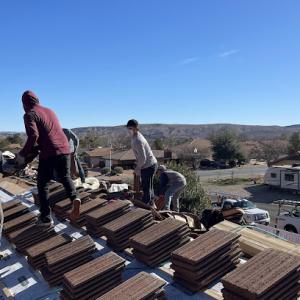
Ultra Roofing is a locally owned roofing company in St. George, Utah, specializing in re-roofs, inspections, tile roof repair, leak repair, and storm damage fixes. We help homeowners identify issues early and make precise repairs that extend the life of their roof without unnecessary replacements.
Blue Collar Roofing
(435) 414-4320 bluecollarroof.com
Serving
4.6 from 10 reviews
Are you searching for roofers in St. George, Utah? From our location, we offer roof replacements to home and building owners in the area. If you have any questions about your roof, call us for fast answers and accurate quotes. We work on roofs of any style and made of any material, so stop by our office to see what we can do for you.
Skyline Roofing
(435) 635-3172 skylineroofusa.com
Serving
5.0 from 21 reviews
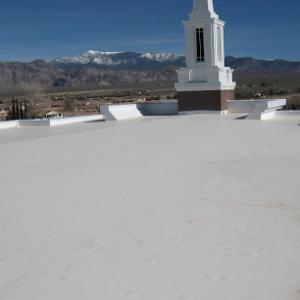
Roofing Contractor for installation of new roofs on existing buildings and new construction
Hirschi Roofing & Insulation
(435) 673-6667 hirschiroofing.net
Serving
4.2 from 80 reviews
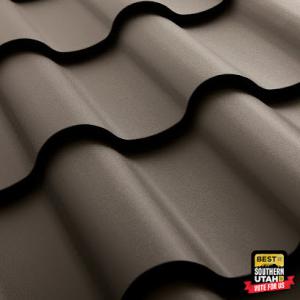
Hirschi Insulation is one of the oldest and best known roofing companies in the St. George, Utah area. We do roof repairs, new roofs, roof replacements and more.
RoofTek
Serving
4.5 from 8 reviews
Welcome to RoofTek, your premier residential and commercial roofing and solar company in St. George, UT. Our mission is to provide you with peace of mind, allowing you to sleep worry-free during any storm, knowing your most valuable assets are safe from the unpredictable weather. With years of expertise, our skilled team has successfully completed thousands of rooftop installations, ranging from cost-effective re-roofs to intricate solar setups on steeply pitched, custom-designed homes.
Zion Roof Repair
(435) 879-3016 www.zionroofrepairs.com
Serving
5.0 from 18 reviews
Trust your roofing needs to Zion Roof Repairs We have years of experience to make sure you are satisfied with your project. We stand behind our products and offer a lifetime warranty. Don't leave your most valuable asset in the hands of amateurs. Zion Roof and Repair hires only professionals with years of dedicated training to ensure your roof will stand up over time.
Z Rohde Roofing & Construction
Serving
4.2 from 5 reviews
Local roofing and general construction business. Licensed and Insured. New and pre-existing construction. Specializing in roof leak repair.
Asphalt shingles run roughly from 350 to 550 USD per square, a comfortable baseline for many Washington homes. Metal roofing sits higher, about 500 to 900 USD per square, reflecting lighter weight installation and specialized fasteners. Clay tile and concrete tile push higher still, with clay at 700-1100 USD per square and concrete at 650-1100 USD per square. Wood shingles and shakes hover around 500-900 USD per square, while synthetic or composite shingles land around 450-750 USD per square. In practice, the local mix leans toward tile systems, which raises project pricing above shingle-only neighborhoods because of weight, accessory needs, and dedicated labor. When the neighborhood features Southern Utah-style decorative rooflines, steeper pitches and ornate creases become more common, driving both material and labor costs upward.
Tile systems bring heavier loads and more complex attic venting and decking considerations. If a home has clay or concrete tile, expect higher loose-assembly costs for battens, underlayment, and enhanced fasteners, as well as potential framing or decking reinforcement. This means even in the same block, a tile reroof can exceed a typical shingle job by several thousand dollars due to specialty products and careful tile layout. Conversely, asphalt shingles stay straightforward: fewer height restrictions and simpler nailing patterns can keep labor efficient, though hot-desert sun still challenges adhesive performance and color longevity. In markets with strong storm activity, tile replacements also need meticulous sealing and flashing to stand up to hail and wind, nudging cost upward.
Storm-driven demand spikes after hail or wind events can affect scheduling and pricing pressure in this market. After a severe hail season, crews may be booked weeks out, pushing temporary housing or re-roof timelines. Insurance-driven rapid-response scenarios can add rushed materials orders or prioritized shipments, compressing lead times and potentially increasing material waste or pickup fees. When planning, expect variability around peak storm months, with higher labor rates and possible surcharge windows if crews are working overtime to secure a quick dry-in.
Costs can also move based on whether the home has steep decorative rooflines common in Southern Utah subdivisions or requires decking and ventilation updates tied to insurance or assessment concerns. Steep or multi-faceted roofs demand more scaffoldings, longer labor hours, and careful tile or shingle fastening, all of which elevate the project price. If decking or ventilation upgrades are advised, budget for those components as part of the reroof, since inadequate ventilation under a new roof can shorten system life and complicate warranties. In sum, the Washington landscape-tile prevalence, storm cycles, and distinctive roof geometry-shapes a reroof project from start to finish, with material choice setting the ceiling early in the planning process.
Get a clear picture of your project costs upfront - no commitment required.
Rio Roofing
(435) 319-0022 www.rioroofingutah.com
236 Stonehedge Dr, Washington, Utah
5.0 from 177 reviews
In this high-desert climate, a full roof replacement is typically managed through the local Building Department rather than being handled informally. Before any tear-off begins, you must obtain a permit that covers the new roof system, underlayment, ventilation, and any related flashing or decking work. The Building Department expects your contractor to provide accurate project details, including roof type, square footage, and timelines. If there are any structural changes, venting upgrades, or attic modifications, those items should be included in the permit package to avoid delays.
Prepare a complete packet with a scope of work, material specifications, wind and seismic considerations, and proof of contractor licensing and insurance. In Washington's market, inspectors will look closely at underlayment choices for the exposed desert heat, as well as proper fastener patterns for the chosen roof type. If tile or metal components are involved, ensure the plan notes any overlaps, edge metal, and valley treatment. Your contractor can help assemble these documents, but the homeowner should verify accuracy and keep copies on site during the project.
Inspections are conducted during and after the roofing work to verify compliance with code requirements and the permit scope. Expect at least one intermediate inspection during tear-off and decking replacement, followed by a final inspection once the new roof is in place and weatherproofed. In this climate, inspections frequently focus on ventilation, insulation continuity, and proper drainage details to prevent heat buildup and moisture issues.
Inspection timing can vary with department workload, so scheduling is a practical consideration in Washington. Municipal calendars often reflect seasonal peaks, and conversations with both the Building Department and the contractor should align to minimize delays between teardown, decking repair, and the new roof installation. If a storm front or heat wave hits during planned inspections, you may see temporary rescheduling; planning early with a window of availability helps keep the project on track.
Keep a detailed record of all permit numbers, inspection receipts, and communication with the Building Department. Ensure your chosen roofer isn't delaying a required inspection by postponing work outside the permitted scope. For high-desert conditions, confirm that the permit includes provisions for venting and insulation considerations suitable for hot days and strong sun exposure. If a variance or supplemental approval is needed for unusual roof lines or overhangs, address that early to avoid the risk of a rejected final inspection. Finally, on days nearing an inspection, ensure access is clear to the roof, and that any temporary utilities or contractor vehicles don't obstruct the inspector's ability to evaluate the work.
Although Washington is strongly associated with pitched residential roofs, some homes and additions still include low-slope sections that need different detailing than the main roof. In high-desert heat, those flat or near-flat planes cook the sun and expand differently, which can loosen fasteners and stress edge details. Pay close attention to drain placements, membrane exposure at overlaps, and field-delamination signs near wall interfaces. When a low-slope area connects to a steeper roof, the transition must be carefully flashed and sealed to prevent slow leaks that worsen after hail or wind events.
Occasional strong winds in the area can expose weaknesses at skylight flashing, roof-to-wall transitions, and perimeter edges. Skylights are tempting weak points after a hail event, when hail marks can force a hail-impacted seal to fail later under heat cycles. Inspect flashing bases, sealant lines, and curb collars after storms, and watch for condensation or tiny drips that point to a vapor and water path along the flashing. Reinforcement or replacement of aging strips is often needed to keep the interior dry through hot afternoons and windy days.
Mixed roof designs in newer and remodeled homes can create leak paths where tile or shingles transition to lower-slope membranes. Conspicuous seams along tile-to-membrane transitions and at roof-to-wall joints demand extra attention. Over time, heat-softened membranes can sag, revealing gaps under tile clips or shingle tabs. A careful inspection should map these transition zones, confirm proper slope adequacy, and verify that edge details and terminations remain watertight after seasonal wind gusts. Regular checks help prevent slow, cumulative damage that compounds after hail.
Find specialists in TPO, EPDM, and built-up flat roofing systems for residential and commercial properties.
Rio Roofing
(435) 319-0022 www.rioroofingutah.com
236 Stonehedge Dr, Washington, Utah
5.0 from 177 reviews

Dixie Roof Repairs
(435) 359-9386 www.dixieroofrepairs.com
2224 Salt Cedar Drive, Washington, Utah
4.2 from 22 reviews
During Washington's hottest summer periods, shingle and tile installations become more heat-sensitive. Daytime work can slow curing, affect sealants, and raise the risk of worker heat exposure. Plan to schedule the bulk of roof work for cooler mornings or late afternoons when possible, and aim for shade-supported staging if you're replacing asphalt shingles or tile. If heat waves hit, consider pausing heavy work on the hottest days and using reflective tarps or temporary ventilation to keep materials from warping or drying too quickly.
Tile and asphalt materials in this climate react differently to intense sun. Tile crews may favor mornings to set materials and avoid mid-afternoon expansion that can complicate lap joints, underlayment, or flashing. For metal or composite products, anticipate faster curing in the heat, which can affect adhesive-backed components or coatings. Schedule arrivals when crews can monitor material temps directly, and ensure interior staging areas stay shaded. If a roof is steep or long, arrange for steady water and material haul strategies to minimize repositioning in the heat.
Winter is not as severe as northern Utah, but cold snaps and occasional snow still affect seal-down, staging, and inspection timing. Cold temps slow the curing of sealants and can delay shingle adhesion. Plan around temperature thresholds that allow proper seal and warranty-compliant installation. Even in cooler months, daylight hours are shorter, so ensure crews have ample time for inspections, flashing checks, and edge transitions before ice and frost risk sets in.
Spring hail creates sudden demand and can back up schedules quickly. Because storm-season backlogs are common, consider arranging non-emergency replacements to avoid rushed work after storms. If hail damage is suspected, have an early inspection window with a trusted local contractor to verify whether immediate action is needed or if you can safely stage repairs to a calmer period.
Coordinate with a contractor to target flexible start times when temperatures are moderate. For tile-heavy neighborhoods, confirm crew experience with Southern Utah-style homes and their typical roof slopes. Keep drainage and debris containment clear during the planning phase, and set up clear communication for weather-triggered last-minute changes so work can proceed efficiently when the forecast rewards it.
The local contractor market shows a strong quick-response pattern, which matters in Washington because hail, wind, and active leaks can create urgent repair demand. In this climate, damage can appear suddenly after a storm, and a timely visit often means prevention of further interior water intrusion. A rapid crew also reduces the window for weather-related setbacks, minimizing risk to your home and your surrounding neighbors' properties. The right roofer understands how heat and sun sequence with hail events, and they will prioritize the most vulnerable sections of your roof first.
Residential projects dominate locally, so a dependable crew that handles homes end-to-end-decking, underlayment, flashing, and shingles or tile-will align with typical Washington builds. Look for a contractor who can estimate quickly, communicate clearly about scheduling, and bring a crew that can mobilize within days after you call. Cleanup is a real differentiator here; the practical market expects debris removal and a tidy job site as part of the service, not an afterthought. Ask how they manage storm-related access in tight neighborhoods and how they protect landscaping during a quick turnaround.
Start by confirming the roofer can provide a written timeline with milestones from inspection to project completion. Request their plan for securing a temporary fix if a leak is actively dripping, and ask who handles insurance communications in case of sudden damages. Check references from nearby homes hit by hail or wind, and verify responsiveness-return calls within the same business day. If possible, have the contractor walk the roof with you so you can see their priority areas and understand their cleanup protocol before work begins.
Get a clear picture of your project costs upfront - no commitment required.
Rio Roofing
(435) 319-0022 www.rioroofingutah.com
236 Stonehedge Dr, Washington, Utah
5.0 from 177 reviews
The hot high-desert climate and the big sun in this area mean solar panels often ride along with roof work. When a roof replacement lines up with panel removal and reinstallation, the timing can reduce sun exposure risk to attic and roof deck, prevent drilling near energized equipment, and keep the project moving smoothly without weather delays disrupting panel work. This is a secondary niche in the local market, so homeowners may need to coordinate between trades to avoid missteps and rework.
Start with a clear plan that aligns roof teardown, deck prep, and flashing renewal with the solar crew's schedule. If panels must come off, confirm who handles safe disconnection and temporary removal of racking, wiring, and inverters. Plan for a window where the roof is exposed but protected, so insulation and underlayment can be installed without creeping moisture or debris into the system. For hot sunny days, afternoon schedules with ample shade or tarping can reduce heat buildup on exposed roof sections and keep the solar components shielded when not in use.
A roof replacement exposes all penetrations that the solar system used to pass through the deck. Before reinstalling panels, ensure all flashing around vents, skylights, and any rafter-to-sheathing transitions is refreshed and watertight. The boundary where the solar rails meet the roof is a common leak spot if flashing details aren't carefully re-created. The installer should verify sealing around screw heads, gasket continuity, and the condition of any underlayment near mounting points. If any deck or flashing is compromised, address it during the replacement so the solar system can be reinstalled without rushing.
Coordinate a single project lead who can field questions from the roof crew and the solar technician. Keep a simple, shared plan for access points, equipment staging, and drop-off zones for panels and racking components. Have the roof crew prepare the deck with a clean, dry surface and verify all penetrations are archivally marked so the solar team can align mounting points accurately. After the replacement, confirm that all penetrations used by the solar system have been resealed and tested for water tightness, with straps and rails re-secured to spec.
In this climate, solar and roof systems both face strong sun and wind-driven debris. When reassembling, ensure that the roof warranty scope and the solar installation's warranty are compatible, and that any overlay flashing around panel edges is flush with the roof plane. Proper alignment and sealing now save headaches during the next season's heat surges and potential hail impact.
Find contractors who integrate solar panels or solar shingles into your roof for long-term energy savings.