Roofing in Utah
Last updated: Feb 28, 2026
Utah roofs endure a unique trio of challenges: heavy winter snow on the northern valleys, blistering summer sun, and springtime hail that can sting shingles. In Salt Lake City, Park City, or out toward the high desert, you'll feel how the seasons demand thoughtful design and regular care. The climate means roofing isn't a set-it-and-forget-it kind of job—ice dam issues, UV wear, and constant temperature swings are all part of the picture. Getting the right materials, solid sealing, and proper ventilation can save you real money and a lot of headaches down the road.
On this Utah page, you'll find practical, neighborly guidance grounded in local conditions. We're not selling hype—we're sharing tips you can trust. You'll get an honest read on how Utah's climate influences material choices, what roofs are most common here and why, what to expect for costs in our market, and the permits and regulations you'll actually deal with. You'll also see practical ideas for avoiding common problems, a straightforward maintenance routine, and clear guidance on when to repair versus replace—and when it's time to bring in a professional.
All advice is tailored to Utah's conditions and backed by local resources—from state and county permitting guidelines to familiar suppliers and qualified local roofing pros you can call on. We lean on real-world Utah experiences to help you plan, compare options, and move ahead with confidence.
Now, let's start by looking at what makes Utah roofs unique and how to keep yours in top shape year-round.
Local Climate & Its Impact on Roofs
Utah climate snapshot
- Much of Utah sits in an arid to semi-arid zone, with alpine conditions in the mountains and dry heat in the valleys.
- Temperature swings are common: hot summers, cold winters, and strong sun exposure year-round.
- Snow is a major factor in northern and central Utah, with heavy snow loads on roofs during winter storms.
- Hail, gusty winds, and rapid melt–freeze cycles occur, especially in spring and during frontal systems.
Snow, ice, and freeze-thaw cycles
- Ice dams form when warm attic air melts roof snow, which refreezes at eaves, backing water up under shingles.
- Freeze–thaw cycles push and crack roofing materials, loosening fasteners and flashing over time.
- Ventilation and insulation matter: inadequate attic ventilation and insulation increase heat transfer to the roof deck, accelerating damage.
- Practical tips:
- Ensure attic insulation meets or exceeds local code and is evenly distributed.
- Use an ice and water shield along eaves and valleys in cold-season areas.
- Keep gutters clear so meltwater can drain away.
Heat, sun exposure, and UV impact
- Intense sun and UV rays can cause shingle granule loss, fading, and accelerated aging.
- Dark roofs absorb more heat, influencing attic temperatures and HVAC loads.
- In spring and fall, rapid cooling after hot days can stress roofing components.
- Practical tips:
- Choose high-reflectance or longer-lasting materials in sun-drenched zones.
- Maintain proper attic ventilation to reduce heat buildup.
- Inspect flashing and sealants for drying or cracking after hot spells.
Hail, wind, and storm risks
- Utah experiences hail events that can crack, dent, or puncture roofing surfaces, especially in spring.
- High winds can lift shingles, flashing, or vent seals, particularly on exposed ridges and along edges.
- Regular storm cycles mean more opportunities for micro-damage that compounds over time.
- Practical tips:
- Consider impact-resistant shingles (UL 2218 rating) in hail-prone areas.
- Use continuous underlayment and reinforced flashing around chimneys, skylights, and vents.
- After a severe storm, inspect for missing or damaged shingles and dented metal components.
Material considerations by climate
- Asphalt shingles: common and affordable; look for high wind resistance and impact resistance ratings if you're in hail-prone zones.
- Metal roofs: durable and good for shedding snow; watch for denting from hail and ensure proper fastening and corrosion resistance.
- Clay/concrete tiles: excellent for heat but heavy; ensure structure can support weight and address possible cracking from cold snaps.
- Wood shingles/shakes: attractive but more maintenance, susceptible to moisture and UV damage; ensure proper sealing and ventilation.
Maintenance recommendations for Utah homeowners
- Schedule a yearly roof inspection, plus after major winter storms or hail events.
- Inspect for damaged shingles, loose flashing, and clogged gutters; clear debris from roof and valleys.
- Verify attic insulation and ventilation; address drafts and seal penetrations around vents, pipes, and chimneys.
- Proactively address ice dam risk with insulation upgrades and ice barriers where needed.
- Step-by-step winter readiness:
1) Assess attic insulation level and seal gaps.
2) Install or repair ice and water shield along eaves and in valleys.
3) Ensure proper attic ventilation (baffles or soffit vents) and ridge venting.
4) Schedule hail and wind damage checks after storms and before major seasonal transitions.
Warnings about local risks
- Hail damage can occur even on seemingly intact roofs; granule loss or hairline cracks may appear after storms.
- Ice dams are common in snowy winters; unchecked water intrusion can lead to ceiling stains and mold.
- Extreme temperature swings can accelerate material aging and flashing failure; prioritize proper installation and ventilation.
Official resources
- National Weather Service, Salt Lake City: hazards and storm safety guidance (weather.gov/slc and weather.gov/slc/hazards)
- Utah Division of Emergency Management: preparedness and post-storm guidance (dem.utah.gov)
- Local building codes and snow-load guidelines: check your city or county building department pages for Utah-specific design loads and retrofit recommendations.
Recommended Roofing Materials for Utah
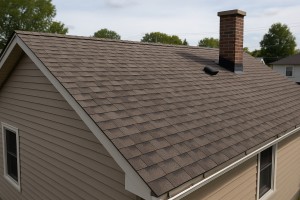
For many Utah roofs, asphalt shingles offer a balance of cost, availability, and performance. They're easy to install and repair, with a wide range of styles to fit different house designs.
- Durability and value: Architectural/dimensional shingles provide better wind resistance and a longer life (roughly 30–50 years with proper care) than basic 3-tab shingles.
- Ratings to look for: Class A fire rating and a high wind uplift rating (often 110 mph or more). If you live in hail-prone areas, choose impact-resistant (IR) shingles with Class 3–4 impact resistance.
- Sun and heat considerations: Cool-roof or lighter-colored shingles reflect more sun, reducing attic heat in summer.
- Underlayment and installation: A quality synthetic underlayment with nail-guards adds protection in Utah's temperature swings and occasional heavy rain.
- Maintenance: Inspect after severe storms for loose or damaged shingles; replace promptly to prevent leaks.
Metal Roofing: Long-lasting and resilient for Utah's extremes
Metal is a strong fit for many Utah climates, offering durability and energy efficiency.
- Materials and coatings: Choices include steel or aluminum with PVDF/Kynar finishes for lasting color and performance.
- Pros: Lifespan often 40–70 years, excellent hail resistance, lightweight, and good reflectivity that can reduce cooling loads.
- Cons: Higher upfront cost and potential noise in rain if attic insulation isn't adequate; some homes require careful flashing and fastener details to prevent leaks.
- Best use: Sloped roofs, exposed fastener or standing-seam systems, and homes in areas with heavy sun or hail exposure.
- Solar compatibility: Easy integration with rooftop solar or solar panels.
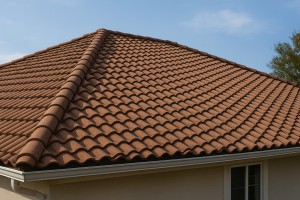
Clay and concrete tiles perform well in Utah's hot sun and dry climates, especially in southern regions.
- Pros: Excellent fire resistance, good insulation properties, and long life when the structure is capable of carrying the weight.
- Cons: Very heavy; requires structural reinforcement and a competent install. Higher upfront cost and more specialized labor.
- Ideal homes: New or retrofits on well-ventilated, sturdy roof decks where weight isn't an issue.
- Maintenance: Low overall maintenance, but occasional cracked tiles should be replaced promptly to prevent leaks.
Slate and Synthetic Slate: Premium durability and elegance
Slate is the top-tier choice for longevity and curb appeal, while synthetic slate offers a lighter, more affordable alternative.
- Natural slate: Lifespan often 100+ years; extremely durable under Utah's climate. Weight and cost are the main trade-offs.
- Synthetic slate: Mimics the look of natural slate with much lower weight and cost, while still offering good durability and wind resistance.
- Considerations: Both require a roof deck that can handle the load and professional installation for proper flashing and fastening.
Composite and Shingle Alternatives: Flexible options for different budgets
Composite shingles and other high-performance options blend strength, affordability, and style.
- What they are: Fiberglass or polymer-based products with asphalt-like aesthetics or natural-look options.
- Benefits: Good impact resistance, varied textures, and often better wind performance than some traditional shingles.
- Use case: Great middle-ground choice when you want a look between asphalt and premium materials.
Underlayment, Ventilation, and Ice Dam Prevention
Regardless of material, proper underlayment and ventilation are essential in Utah.
- Underlayment: Use a high-quality synthetic underlayment; layer with ice and water shield along eaves to prevent ice dams in snowy winters.
- Ventilation: Couple soffit intake with ridge or turbine vents to maintain attic temperatures and moisture control.
- Snow-management: In heavier snow zones, consider snow guards or a roof design that helps shed snow safely.
Choosing the right material in 5 steps
1) Assess structure and weight limits (tile and slate require stronger decks).
2) Evaluate hail risk and local weather patterns.
3) Consider energy goals (cool roofs and reflectivity).
4) Compare life-cycle cost, not just upfront price.
5) Verify local codes and hire a qualified Utah roofer for proper installation.
Popular Roof Styles & Architectural Trends in Utah
Traditional Utah-Style Roofs: Hip and Gable Combinations
In Utah, many homes blend snow-friendly hip profiles with practical gable elements for light and airflow. The result is a roof that sheds snow well while still accommodating dormers or attic ventilation.
- Common shapes: hip roofs with cross-gables on larger homes, or paired gables over entryways.
- Materials: asphalt architectural shingles are a workhorse; standing-seam metal accents add durability and a clean look.
- Practical notes: hips and intersecting ridgelines help resist Utah's winter winds; plan for snow guards on steeper sections.
Modern Farmhouse & Craftsman Influences
Modern farmhouse and craftsman styles are popular across the Wasatch Front and southern Utah, pairing classic silhouettes with practical details that hold up in our climate.
- Pitch range: typically 4/12 to 6/12, balancing water shedding with attic ventilation.
- Overhangs: wide eaves help shade windows in hot summers and protect walls from moisture.
- Details: exposed rafter tails and knee walls on porches reflect traditional craft; colors lean earthy and welcoming.
- Materials: architectural asphalt shingles paired with wood or fiber-cement siding and metal accents.
Metal roofs are increasingly chosen for their durability, ease of maintenance, and excellent snow shedding in Utah's varying elevations.
- Types: standing-seam or metal shingles work well in both mountains and cities.
- Longevity: life spans commonly exceed 40–70 years with proper installation.
- Performance: excellent wind resistance and fast shedding of heavy snow; reflective coatings reduce heat gain in sunnier regions.
- Considerations: choose a corrosion-resistant alloy and a color with high reflectivity; ensure attic ventilation and condensation control.
Tile Roofing: Concrete/Clay for Desert and Mountain Climates
Concrete and clay tile roofs suit Utah's hot summers and occasional snowfall, especially in southern valleys and hillside communities.
- Pros: long life, good thermal mass, strong wind resistance.
- Cons: heavy weight; requires structural reinforcement and a solid deck.
- Climate fit: concrete tiles are common in St. George and similar areas; clay tiles appear in southwestern Utah with classic Mediterranean cues.
- Maintenance: inspect for cracked tiles after storms and ensure proper underlayment and flashing.
Asphalt Shingles: The Utah Workhorse with Modern Options
Despite the rise of metal and tile, asphalt shingles remain a practical staple for many Utah homeowners.
- Upgrades: architectural (dimensional) shingles offer better wind resistance and three-dimensional texture.
- Longevity & warranty: modern shingles often come with long warranties and improved impact resistance.
- Aesthetic options: a broad palette from light neutrals to rich earth tones; cool-roof colors help reduce heat absorption.
- Installation considerations: proper nailing, ventilation, and attic insulation are essential for performance in snowy seasons.
Solar-Ready & Cool Roof Trends
Utah's abundant sun and energy costs drive interest in solar-ready and cool roofing options.
- Orientation matters: roof pitch and sun exposure influence solar potential and panel layout.
- Reflective choices: light-colored shingles or metal coatings reduce cooling loads.
- Planning steps: coordinate with a licensed installer early to align racking, wiring, and shading considerations with roof service life.
- Warranties: ensure the roofing material and solar components warranty align and that flashing and penetrations are protected.
Cold-Climate Considerations: Ventilation, Ice Dam Prevention
Salt Lake to Park City climates spotlight the need for good ventilation and ice-dam prevention.
- Ventilation: ensure soffit and ridge vents create an effective airflow path to minimize condensation.
- Ice dam prevention: install ice and water shield along eaves and valleys; insulate to reduce heat loss into attic spaces.
- Snow guards: on metal roofs in steeper sections to manage sliding snow safely.
Color Palettes & Curb Appeal
Color choices can affect both energy use and neighborhood character in Utah's diverse communities.
- Light and cool tones: reflect solar radiation and help keep attics cooler.
- Neutral bases: grays, beiges, and soft browns pair well with natural stone and wood accents.
- Accents: trim and metal details in contrasting hues add curb appeal without compromising performance.
Average Roofing Costs in Utah
What drives cost in Utah
- Roof size, pitch, and complexity (multiple valleys, dormers, chimneys) are the biggest price drivers.
- Material choice and warranty length dramatically affect the bottom line.
- Tear-off and disposal of old roofing, underlayment upgrades, flashing, and attic ventilation add to the total.
- Local factors like permits, debris haul-away, and contractor labor rates in Utah's housing market influence pricing.
- Asphalt shingles (3-tab): $3.50–$5.50/sq ft
- Architectural (laminated) asphalt shingles: $4.50–$7.50/sq ft
- Metal roofing (steel, aluminum, or copper blends): $7.50–$12.00/sq ft
- Clay or concrete tile: $7.00–$15.00/sq ft
- Cedar shakes: $6.00–$9.50/sq ft
- Slate: $10.00–$25.00+/sq ft
Notes:
- Prices include materials, standard underlayment, basic flashing, and labor for a typical 20–30 year warranty option.
- Local factors (snow load requirements, wind zones, and municipal permit fees) can push prices toward the higher end.
Typical project cost ranges by home size (rough guides)
- 1,000–1,500 sq ft (10–15 squares): Asphalt $3,500–$8,250; Architectural asphalt $5,500–$11,250; Metal $7,500–$18,000
- 1,500–2,000 sq ft (15–20 squares): Asphalt $5,250–$11,000; Architectural asphalt $8,250–$15,000; Metal $11,250–$24,000
- 2,000–3,000 sq ft (20–30 squares): Asphalt $7,000–$16,500; Architectural asphalt $11,000–$22,000; Metal $15,000–$36,000
- Higher-end options (tile or slate) will generally start well above these ranges and can exceed $30,000–$60,000 for larger homes.
Local considerations that affect price
- Snow load and ice dam prevention: Utah homes often require more robust ice/water shield and higher-grade underlayment, adding to material and labor costs.
- Roof pitch and complexity: Steeper or multi-angled roofs, dormers, turrets, or large valleys increase labor time and waste, raising overall price.
- Architectural style: Ranches with simple lines cost less to cover than intricate Victorians or modern homes with numerous skylights and roof penetrations.
- Siding and fascia integration: Stucco, brick veneer, or wood siding interacting with roof edges may require additional flashing and trim work.
- Local codes and permits: Utah municipalities may require different ventilation, eave overhangs, or seismic considerations that can add small-to-moderate costs.
- Winter scheduling: Cold-weather work can slow crews and increase labor costs; some projects shift to shoulder seasons for efficiency.
Quick steps to estimate your Utah roof project (simple guide)
1. Estimate roof area: measure in squares (1 square = 100 sq ft) or have a pro estimate.
2. Select material: asphalt, architectural asphalt, metal, tile, or slate.
3. Account for tear-off and disposal: factor an extra 1–2 layers if present.
4. Add underlayment, flashing, and attic ventilation upgrades as needed.
5. Include incidental costs: permits, scaffolding, debris containment, and waste removal.
6. Obtain at least three local bids to compare material quality, warranty, and crew experience.
Style, architecture, and local considerations that shape choosing a price tier
- Utah's diverse housing stock means you'll see everything from simple asphalt on ranch homes to metal or tile on newer hillside builds.
- Multi-story homes or those with complex rooflines, numerous valleys, or large overhangs tend to sit in the higher end of the price spectrum.
- If your home features snow guards, high wind zones, or extensive skylight arrays, expect additional costs for hardware and specialized installation.
- For energy-conscious homes, adding radiant barrier, extra insulation, or vented attic solutions can modestly increase upfront costs while reducing long-term energy bills.
Common add-ons that affect total cost ( Utah-specific )
- Ice and water shield in vulnerable eaves and valleys
- Enhanced attic ventilation or ridge vents
- Skylights, chimneys, and vent piping sealing
- Supplemental insulation or radiant barriers integrated with the roof
- Asphalt shingle upgrades to architectural, or transition to metal, tile, or slate
Permits & Local Regulations
Do I need a permit to re-roof in Utah?
In Utah, most roof replacement projects require a building permit from your city or county's building department, even if you're not making structural changes. Permits help ensure the work meets current codes and will be inspected for safety and quality. Some jurisdictions or HOAs may have exceptions, but don't assume you're exempt—check before starting.
Who issues permits in Utah and how to find them
- City or county building department handles permits. If you live in an incorporated city, contact the city; in unincorporated areas, reach the county.
- Many municipalities publish permit info on their official websites and provide a phone line for the permit desk.
- If you hire a licensed roofing contractor, they often handle the permit submission for you. If you DIY, you're still responsible for applying.
Typical permit steps
1) Verify permit requirements with your local building department.
2) Decide whether you'll hire a licensed roofer (recommended) or apply as the property owner.
3) Gather required documents: site plan or roof layout, material specs, shingles/underlayment details, ventilation plan, and any wind-resistance information.
4) Submit the permit application and pay the applicable fees.
5) Plan review: staff may request clarifications or additional details.
6) Schedule inspections: common milestones include deck/structure, underlayment and nailing, flashing and penetrations, and final roof covering.
7) Pass the final inspection to close the permit.
Documentation you may need
- Property address, legal description, and construction scope.
- Contractor license number (if hiring a contractor), proof of insurance, and license certificates.
- Manufacturer installation instructions for the chosen roofing system (shingles, underlayment, vents, flashing, drip edge).
- Roof plan or sketch showing venting, penetrations, and any skylights or chimneys.
- Wind uplift ratings or Utah-approved product approvals if requested.
- Any HOA approvals or architectural review notes, if applicable.
Inspections to expect
- Pre-dry-in or decking inspection (confirm structure, decking condition, and ventilation).
- Underlayment, nail pattern, and flashing inspection (verify fasteners, drip edge, and penetrations).
- Final roof covering inspection (verify material installation and overall roof integrity).
- Any required electrical or vent changes may trigger separate inspections if applicable.
HOA and local rules
- HOAs often require prior approval for roof color, materials, and overall appearance.
- Some HOAs have its own documentation process that runs alongside building permits.
- Always obtain HOA authorization before or during permit submission to avoid delays or fines.
Utah-specific code considerations
- Utah typically uses the International Residential Code (IRC) with state amendments; confirm which edition your jurisdiction adopts.
- Expect code checks for roof ventilation, underlayment type, nailing patterns, and wind-resistance requirements.
- Some municipalities publish local amendments (cool-roof requirements, attic venting rules, or energy-efficiency standards). Always verify the exact code version adopted in your area.
DIY vs. hiring a contractor
- You can perform roofing work on your own property in many Utah jurisdictions, but permits and inspections are still required.
- Hiring a licensed roofing contractor simplifies permitting, plan reviews, and warranty coverage; they'll usually provide proof of license and insurance and coordinate inspections.
- If you DIY, you'll need to responsibly manage all permit filings, material specs, and inspection scheduling.
Quick reference checklist
- [ ] Check with your city/county building department for permit requirements.
- [ ] Confirm whether you or a contractor will submit the permit.
- [ ] Gather roof plans, product specs, and ventilation details.
- [ ] Ensure licensing and insurance are in order (if hiring a contractor).
- [ ] Submit permit, pay fees, and address any plan-review notes.
- [ ] Schedule and pass all required inspections.
- [ ] Obtain final approval and close the permit.
Common Roofing Problems in Utah & Solutions
Ice dams and attic ventilation
Ice dams form when heat from the attic escapes to the roof, melting snow near the eaves and refreezing at the colder edges. This can cause leaks and damage over time.
- Causes:
- Inadequate attic insulation
- Poor ventilation around the attic and roof line
- Gaps or air leaks letting warm air rise into the attic
- Solutions:
- Add or upgrade insulation to meet local codes (aim for a high R-value for Utah winters)
- Improve roof ventilation with a balanced system (soffit intake and ridge or dormer vents)
- Seal air leaks around penetrations and electrical fixtures
- Remove ice dams safely and inspect for damaged shingles or underlayment; replace as needed
Hail damage
Utah's severe hailstorms can bruise shingles, crack granules, and dent metal components, reducing life and water protection.
- Signs to look for:
- Bruised or cracked shingles
- Granule loss on the roof surface
- Dented gutters, vents, and flashing
- Solutions:
- Schedule a professional roof inspection after a hail event
- Replace damaged shingles and inspect underlayment and flashing
- Check gutters and downspouts for damage and reattach or replace as needed
- Consider hail-rated shingles or protective metal options for future storms
Wind damage
Strong Utah winds can lift shingles, blow off flashing, or loosen vents, leaving roofs vulnerable to leaks.
- Causes:
- Poor fastener nails or starter strip issues
- Loose or missing flashing around chimneys and vents
- Roof components not properly secured to framing
- Solutions:
- Have a roofer re-nail loose shingles and reseal flashing
- Replace damaged or missing shingles and repair exposed underlayment
- Inspect vents, skylights, and chimney flashings; reseal or replace as needed
UV sun damage and granule loss
Direct sun exposure ages shingles faster, causing fading, curling, and granule loss—especially on south-facing slopes.
- Solutions:
- Inspect for curling or exposed underlayment; replace aging shingles
- Consider architectural shingles or impact-resistant options for durability
- Schedule routine cleaning to remove debris that can trap heat
- Use reflective coating only if the manufacturer approves for your roof type
Flashing failures
Flashing around chimneys, skylights, vents, and walls is a common failure point in Utah's climate.
- Causes:
- Weathering and aging sealants
- Improper flashing installation
- Cracks in sealant between flashing and roofing material
- Solutions:
- Reseal or replace faulty flashing with corrosion-resistant metal
- Recaulk joints with compatible sealant
- Ensure step flashing integrates properly with shingles and siding
Gutter and drainage problems
Poor drainage leads to water backing up under shingles and along the roof line, causing leaks and fascia damage.
- Causes:
- Clogged or sagging gutters
- Downspouts not directing water away from the foundation
- Improper slope or undersized gutters
- Solutions:
- Clean gutters regularly and repair sagging sections
- Install gutter guards if debris is a persistent issue
- Re-route downspouts to discharge at least 3–4 feet from the foundation
- Ensure roof edge and drip edge are intact to channel water correctly
Moss, algae, and damp shaded roofs
Even in Utah, shaded areas and higher humidity zones can foster moss or algae growth, which holds moisture and damages shingles over time.
- Solutions:
- Remove moss with a gentle roof-safe cleaner or a low-pressure rinse
- Trim overhanging branches to increase sun exposure and airflow
- Apply zinc or copper strips along the roof ridge to inhibit regrowth
- Improve attic ventilation and drainage around the roof edge
Most roofs age out after 20–30 years (varies by material and climate). Utah's freeze-thaw cycles and sun exposure accelerate aging.
- Signs:
- Curling, blistering, or missing granules
- Widespread shingle failure and multiple leaks
- Solutions:
- Plan for replacement based on roof type and local climate
- Choose durable options suited for Utah weather (architectural shingles, metal, or composites)
- Maintain with regular inspections and timely repairs to extend life
Chimney and vent pipe flashing
Chimneys and vent pipes are common leak entry points when flashing degrades.
- Solutions:
- Inspect brick/chimney flashing for cracks or corrosion
- Reseal and replace flashing material with corrosion-resistant metal
- Reflash around penetrations and re-seal joints to prevent leaks
Roof deck rot and leaks
Leaks that reach the deck indicate potential rot or structural compromise, especially in older homes or after repeated leaks.
- Signs:
- Soft, spongy decking; staining inside the attic
- Musty smells or visible mold near penetrations
- Solutions:
- Locate the source and remove damaged decking
- Replace with matching plywood and reapply underlayment and new shingles
- Address any structural issues in the attic framing if needed
Maintenance & Repair Tips for Utah
Seasonal checks
Utah's climate swings—from dry heat to heavy snow—make regular roof checks essential. Keep to a simple rhythm: a quick look after winter, mid-summer, before winter, and after big storms.
- Spring: inspect for winter damage, loose flashing, and shingle curling. Clear debris from valleys and gutters.
- Summer: check for sun-related wear, cracked sealants, and exposed fasteners.
- Fall: verify attic ventilation and insulation, reseal gaps around chimneys and skylights, and prep gutters for leaf fall.
- Winter: after storms, look for leaks or ice dam buildup from the ground if safe to inspect; avoid getting on a wet or icy roof.
Hail, snow, and wind readiness
Utah storms can be harsh on roofs. Plan ahead to minimize damage and know when to call a pro.
- After a hailstorm: inspect for dented, cracked, or loose shingles; look for granule loss in gutters and on the driveway.
- Snow load: heavy, compacted snow can push against gutters and flashing. Remove snow from the lower roof edge with a roof rake from the ground—never climb onto a slick surface.
- Wind events: high winds can lift shingles and loosen flashing. Check ridges, hips, and vent flashing for movement.
Inspection checklist for homeowners
Use this simple check to catch problems early.
1) From ground (or on a safe ladder with a buddy), look for curling, missing, or cracked shingles; note any bare granules in gutters.
2) Inspect flashing around chimneys, vents, valleys, and prosthetic objects like skylights.
3) Check roof edges, fascia, and gutters for sagging sections or loose fasteners.
4) Look for staining on ceilings or walls inside—progressive staining often means a leak from a flashing or seam.
5) Examine attic insulation and ventilation; poor airflow can cause ice dams and excessive heat transfer to the roof deck.
6) If you see signs of pests (birds, rodents) or moss in shade, address underlying moisture issues.
Seasonal maintenance tasks
A practical, season-by-season plan keeps roofs durable and leaks rare.
- Spring: clear debris from roofs and gutters; trim overhanging branches; reseal any cracked vent boots.
- Summer: inspect for sun damage and edge cupping on shingles; reseal or replace cracked flashing where accessible.
- Fall: thoroughly clean gutters; secure loose flashings; treat moss or algae in shady areas with a gentle cleaner.
- Winter: use a roof rake to remove light snow from the eave line; avoid climbing roofs during storms; have an emergency plan with a licensed roofer for ice dam remediation if leaks appear.
Material-specific tips for Utah climates
Different roof types demand specific care in Utah's environment.
- Asphalt shingles: look for curling, cracking, or granule loss after winter. Avoid power washing—damage to granules reduces life. Keep fasteners tight and sealant around vents intact.
- Metal roofs: inspect for scratches, dents, and loose fasteners. Reseal exposed screws and check silicone or butyl sealant at seams. Snow tends to slide off metal roofs; ensure proper clearance around entrances and vents.
- Clay/Concrete tile: check for cracked, chipped, or loose tiles—tiles can crack from ice or hail. Replace damaged tiles promptly and inspect underlayment for exposed areas. These roofs are heavy; don't step on tiles beyond your comfort zone or reach.
- Wood shingles/shakes: watch for cupping, splitting, and moisture stains. Treat with appropriate preservative and ensure good ventilation to prevent decay.
- Flat roofs (commercial or residential): inspect for ponding water, membrane wear, and edge flashing. Clear debris and ensure drains run freely.
Quick repairs you can do vs. when to call a pro
- Do safely: remove loose debris, reseal minor flashing leaks with approved sealant if you can access the area from a stable surface, and cover small active leaks with a temporary tarp if you cannot reach the roof quickly.
- Call a pro: large shingle loss, active leaks, significant flashing failure, moss growth over large areas, or problems near chimneys and vents. Roofing work at height requires proper safety gear, fall protection, and licensing; when in doubt, bring in a professional.
When to Repair vs. Replace
Utah climate factors that influence decisions
Utah's mix of cold winters, snow loads, and occasional hail makes timing important. Small leaks in spring thaw can become bigger problems if ice damming and wind-driven rain reach the roof deck. Heavier roof systems (tiles, metal) handle snow better in some Utah regions, but require proper installation and attic ventilation. Your decision should weigh not just today's leak, but how well the roof holds up under Utah's seasonal swings.
When a repair makes sense
- Localized issues under 10-20% of the roof surface, with no decking damage
- One or two missing shingles, damaged flashing, or a leaking boot around vents
- Minor granule loss on a small area, or raised/separated shingles that can be re-nailed
- Adequate roof deck is sound and attic insulation/ventilation is in good shape
- Material still has some life left (roughly 60% or more of its expected lifespan, depending on type)
When replacement is the smarter move
- Overall age of the roof is near or past its expected lifespan (common ranges: asphalt 20–25 years, architectural shingles 30 years or more, metal 40–70; clay/terra cotta or concrete tile often 50+ with proper maintenance)
- Widespread issues: curling, cupping, significant missing shingles, or extensive granule loss across large areas
- Water intrusion from multiple sections, soft decking, or visible rot/mold on roof boards
- Multiple roof layers or a failed flashing system that would be expensive to fix repeatedly
- Recurrent leaks after several repairs, or structural concerns in the roof deck
- Planning a future remodel or upgrade (better insulation, ventilation, or higher snow-load compatibility)
A simple decision guide
1) Assess age and material: what is your current roof made of, and how old is it?
2) Inspect damage distribution: is the damage isolated or widespread?
3) Check the deck: is there soft, sagging, or moldy decking?
4) Consider weather windows: can you complete a replacement without exposing the home to harsh storms?
5) Weigh cost and goals: do repairs extend life enough, or is a longer-term replacement more economical and protective?
What to repair (practical fixes you can consider)
- Seal or replace damaged flashing around chimneys, dormers, and vent pipes
- Replace missing or damaged shingles; re-nail loose shingles and reseal edges
- Repair or replace leaking roof boots and vent stacks
- Patch small leaks with appropriate sealants or underlayment patches from above (if accessible)
- Clear debris from gutters and downspouts to prevent overflow and ice dam buildup
- Improve attic ventilation and insulation to reduce future ice damming and heat-driven damage
What to replace (material and considerations for Utah)
- Asphalt shingles: cost-effective and versatile; ensure proper ice/water shield in valleys and along eaves in snow-prone areas
- Architectural shingles: longer life and better wind resistance; good balance of durability and cost
- Metal roofs: excellent hail and snow performance; lighter or heavier options available; often a strong long-term investment with good insulation and solar options
- Concrete/clay tiles: durable in freeze-thaw cycles; require a solid structural support and proper underlayment
- Weight and structure: verify roof framing can support new material (tile and some metal systems are heavier)
- Warranties and local climate: prioritize hail-resistant options, robust underlayment, and up-to-date ventilation
- Permits and contractors: Utah requires proper permitting; select licensed, insured local roofers with Utah-specific storm experience
Quick tips to extend the life of your Utah roof
- Schedule annual inspections, especially after severe winters or hail events
- Maintain gutters and downspouts; ensure proper drainage to avoid ice damming
- Keep trees trimmed away from the roof to prevent limb damage and debris buildup
- Address moisture ingress promptly to avoid deck rot and mold
- Improve attic insulation and venting to reduce temperature swings that drive damage
When to Hire a Professional
Recognizing problems that require an expert
- Visible leaks or water stains on ceilings or walls after rain or snow melt.
- Missing, curling, or severely blistering shingles across large sections of the roof.
- Sagging roof sections, creaking sounds, or noticeable deformations after a storm.
- Widespread granule loss in gutters or downspouts, or damage after a hail event specifically common in Utah.
- Ice damming that doesn't improve with DIY fixes or repeated melt-freeze cycles.
- Damaged flashing around chimneys, vents, skylights, or along roof-to-wall transitions.
Urgent signs in Utah weather
- If you see active dripping during a storm, don't delay. Standing water or leaks that widen quickly can threaten the structural deck.
- A visibly sagging ridge or visible daylight through the attic are situations where temporary safety measures and a professional assessment are needed promptly.
- After a severe hail event typical of Utah winters, have a pro inspect before or soon after any DIY patch attempts to ensure you don't miss hidden structural damage.
Insurance and claims in Utah
- Hail and weather damage are common in many Utah communities. A licensed roofer can provide your insurer with a professional damage assessment, photos, and a detailed estimate, which often speeds up the claim.
- Document damage with photos from multiple angles and keep receipts for temporary repairs you perform to protect the home.
- Don't sign final settlement checks or authorize full replacement before you've reviewed the contract and warranty terms with your contractor.
Step-by-step: when to call a pro
1) You notice a leak, missing shingles, or visible damage after a storm.
2) The problem covers more than a small area or affects attic ventilation and insulation.
3) You're unsure whether a repair or replacement is best; a professional assessment is needed.
4) You need help with a withholding claim, permit, or code-compliance questions.
5) You want a written estimate, warranty options, and a clear timeline before any work starts.
6) You're preparing for seasonal snow loads and want an installation tailored to Utah winters.
How to evaluate a Utah roofing contractor
- Licensing and insurance: Verify the contractor is properly licensed for roofing in Utah and carries current general liability and workers' comp. Check license status and any disciplinary actions on the Utah Division of Occupational and Professional Licensing or Division of Consumer Protection site.
- Local references and portfolio: Ask for recent Utah jobs, especially in your city or climate zone. Follow up with at least 2-3 references about reliability, cleanup, and how issues were handled.
- Written estimate and contract: Get a detailed, itemized proposal with materials, labor, timelines, permit responsibilities, payment schedule, and change-order process.
- Warranties: Clarify material warranties (manufacturer-backed) and workmanship warranties (what's covered, duration, and conditions that void coverage).
- Permits and code: Confirm who obtains permits and ensures code compliance for Utah's climate, snow loads, ventilation, and flashing requirements.
- Cleanup and safety: Ensure the contract includes debris removal, roof protection during work, and cleanup; confirm they follow local safety standards and have a job-site cleanup plan.
- Payment and scam protection: Avoid paying the full amount upfront. Use a reasonable deposit and milestone payments as work progresses.
Utah-specific considerations
- Climate readiness: Ask about underlayment choices and attic ventilation designed for Utah winters to minimize ice dams and heat loss.
- Snow and ice protection: In areas with heavy snow, request ice-and-water shield in critical valleys and around penetrations, plus proper flashing and snow guards for metal roofs if applicable.
- Local availability: Favor contractors with a Utah mailing address, a local crew, and year-round service capability to handle winter schedules and potential warranty work.
- Storm chasers vs. local pros: Be cautious of aggressive out-of-state crews immediately after a hailstorm. Prefer locally established Utah contractors with verifiable local references.
Quick hiring checklist
- Confirm license, insurance, and local references.
- Obtain at least 3 written estimates with clear scope and warranties.
- Review contract for permits, timelines, and payment terms.
- Ensure you have a clear plan for snow-weather readiness and ice-dam prevention.
- Confirm who handles debris removal, site protection, and final cleanup.
Putting A Lid On It: Roof Maintenance, Repair, and Replacement in Utah
Utah's sun, snow, and varied elevations put your roof through a unique blend of stressors. Freezing temperatures, dramatic temperature swings, and occasional hailstorms mean shingles can crack, flashings can loosen, and gutters can clog. Regular maintenance isn't just about curb appeal; it's about protecting your home's structure, attic insulation, and energy efficiency. A simple annual or biannual check—plus quick after-storm inspections—goes a long way toward extending life and avoiding surprising leaks.
Given Utah's dry summers and winter snow, pairing a good inspection routine with proper ventilation and insulation helps control ice dams, roof heat buildup, and attic moisture. Our dry air can dry rot wood if unvented, so ensure vents and soffits are clear, and consider sealing around penetrations. A well-balanced roof system keeps you comfortable indoors and reduces costly repairs down the line.
Seasonal checks and care
- Inspect after heavy snow, hail, or windstorms for loose or damaged shingles, lifted flashing, and clogged valleys.
- Look for granule loss on asphalt shingles and any curling or buckling that signals degradation.
- Check gutters and downspouts; clear debris, ensure secure hangers, and confirm water is draining away from the foundation.
Gutters, drainage, and ice dam prevention
- Keep gutters clean and ensure adequate slope for water flow; leave a small gap between roof edge and leaf guards to allow drainage.
- In mid-winter, watch for ice dams near eaves and consider heat cables only where necessary, following local codes and a professional assessment.
- Ensure drip edges and fascia are intact to protect underlying wood from moisture.
Ventilation, insulation, and attic health
- Verify soffit, ridge, and gable vents are free of obstructions; good airflow prevents heat buildup and moisture issues.
- Upgrade attic insulation if you notice cold rooms, high heating bills, or frozen pipes in winter.
- Seal penetrations around chimneys, plumbing stacks, and electrical lines to minimize moisture intrusion.
Material considerations and when to replace
- Asphalt shingles: watch for curling, missing granules, or widespread damage; replacement is often cost-effective before leaks appear.
- Metal roofs: inspect seams and fasteners for corrosion or loosening; maintenance is usually straightforward but some repairs benefit from a pro.
- Clay/Concrete tiles: cracked tiles should be replaced promptly to avoid leaks and water intrusion.
When to call a professional
- Persistent leaks, widespread damage, or uncertain flashings and venting.
- Hail damage, suspected structural shifts, or signs of attic moisture you can't trace yourself.
- If you're unsure about roof replacement options, local code requirements, or roof substrate health.
A warm, community-minded note
You're not alone in this. Our Utah roofs are built to weather our remarkable climate, and with steady care, yours can stay sturdy and beautiful for years to come. Reach out to trusted local pros when a project feels bigger than a weekend DIY, and celebrate the knowledge that a well-kept roof is a quiet partner in a safe, comfortable home for you and your neighbors. Here's to many secure, sunlit years under a roof you're proud of.
