
Last updated: Apr 19, 2026
Dry cold winters can hide substantial roof snow loads, especially on shaded slopes where sun struggles to melt the white blanket. When snow sits for days or weeks on a north-facing or tree-shaded roof plane, the weight adds up quickly and stresses shingles, underlayment, and flashing. The material you choose matters, but so does how the roof is organized to shed that weight. Keep an eye on long-lasting snow piles along eaves and in valleys where ice dams tend to form. If you notice sagging gutters, cracking along ridge lines, or shingles curling at the edges after a heavy snow event, that's a sign something is overworked and needs a plan before the next storm hits.
As winter mellowes into spring, the Inland Northwest repeatedly cycles through freeze and thaw after the first rounds of melting begin. This is when the roof takes the most stress: water that has melted and then refrozen can push against edges, flashing transitions, and underlayment. When temperatures swing above and below freezing, edge grains of shingles can begin to crack, seams can separate, and flashing around chimneys, vents, and skylights can loosen. The result is creeping leaks, interior moisture, and accelerated wear that may not be obvious until a storm comes back. Vigilance is essential: inspect after a thaw and again after a late-season melt. Look for lifted shingle tabs, granule loss, and any dark staining near roof penetrations, then address issues promptly before the next freeze.
North-facing roof planes in this climate routinely hold snow and ice longer than sun-exposed slopes. That persistent load creates uneven wear patterns across the same roof, with one side bearing more weight and moisture than the other. This imbalance accelerates edge wear, flashing fatigue, and possible water intrusion at low spots where meltwater pools. When inspecting after a snow event, compare the windward and leeward sides for differential curling, loose granules, or missing sealant around valley and step flashing. If the longer-held ice remains into late spring or if there are visible signs of stress on the north-facing planes, a targeted evaluation of those sections is warranted. Don't hesitate to plan proactive reinforcement or targeted replacement where wear is concentrated.
The combination of heavy snow, ice buildup, and freeze-thaw cycles specifically attacks flashing transitions and roof edges. Ice under shingles can pry them up, while water backing up behind flashing can seep into the deck. Prioritize the condition of valley flashings, step flashing along intersections, and chimney and vent penetrations. A slow drip that starts after a thaw often points to flashing or underlayment wear rather than a single failed shingle. Address loose or wrinkled underlayment, missing granules along the rake edges, and any kinked or displaced drip edge. In Spokane's climate, preventive maintenance isn't a luxury-it's a shield against leaks that begin quietly and become urgent after a minor warm spell followed by another freeze.
Set a real-world rhythm for checking the roof during rim temperatures above freezing and after every significant snowfall. After heavy snow, clear gutters and downspouts to prevent ice dams, but do so carefully to avoid dislodging shingles. Once the days warm, perform a surface check from the ground eye-level and, if safe, from a ladder with a buddy. Note any lifted edge tabs, granule loss, bulging underlayment, or rust on metal components. If you detect recurring ice on north-facing slopes, consider adding or upgrading ice barriers and ensuring proper attic ventilation to reduce meltwater production. The goal is to curb progressive damage before the next cycle starts.
The Inland Northwest sees hail and wind events that routinely trigger roof inspections and claim decisions. After a major Spokane-area storm, insurers tighten their inspection criteria, looking for clear evidence of damage that isn't just aging wear. If hail stones pelted your roof or gusts ripped up shingles, expect adjusters to scrutinize the timing and cause of damage with a fine-tooth comb. In practical terms, the days after a storm are when choices about repairs become urgent: gaps, lifted shingles, curling edges, and granule shedding often catch the eye, but so can preexisting dark stalks of staining or prior patches. If a neighbor's roof shows storm-era marks while yours looks older, that discrepancy can influence what gets approved. Stay aware that decisions hinge on crisp documentation and a convincing tie between the storm and the current condition.
After major Spokane-area storms, insurers often require clear photo documentation, roof age records, and evidence separating storm damage from older wear. Photograph your entire roof from multiple angles, inside attic photos showing any attic leaks or daylight near rafters, and close-ups of damaged areas. Keep dated records of roof age, prior repairs, and any previous claims. Contractors and adjusters will compare these with the storm's timeline, so a well-organized file speeds things up. If you have prior maintenance receipts or inspections, gather them. Clear, consistent narratives about when and how damage appeared can be the difference between a smooth claim and a drawn-out dispute that tests patience during an already stressful season.
Claim timing matters locally because post-storm contractor demand can surge while carriers scrutinize pre-existing conditions more closely. After a big hail or wind event, sprinting to arrange a rapid roof assessment can pay off, but be prepared for high demand that slows scheduling. Don't delay documenting damage or requesting a claim evaluation, yet avoid rushing into repairs without a clear adjuster path. If your roof is nearing the older end of its life, use the window of high claim activity to push for a structural assessment that differentiates replacements from patchwork fixes. When scheduling, align with a reputable local contractor who understands how Inland Northwest freeze-thaw cycles exacerbate micro-cracks and shingle edges, especially on steeper pitches or complex roof lines.
Begin with a storm-response plan: within 24 to 48 hours, document, photograph, and catalog damage areas, then contact your insurer with a concise summary and dates of the storm. Use daylight hours for photo sessions to capture color and texture; avoid shadows that mask issues. In conversations with adjusters, reference known Spokane climate patterns-the freeze-thaw cycles and the tendency for wind-driven hail to exploit existing vulnerabilities in edges, valleys, and concealed flashings. If an inspection is scheduled, prepare your roof's provenance: age, last major repair, and any irregularities noticed after the storm. By staying alert and organized, you keep the claim process tight and increase the odds of a timely, appropriate resolution amid Spokane's seasonal pressures.
Find local contractors experienced in assessing and restoring roofs after hail, wind, and severe weather events.
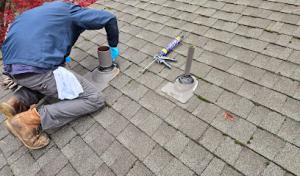
First Rate Roofing Services
(509) 842-6611 www.firstrateroofingservices.com
4309 E Joseph Ave, Spokane, Washington
5.0 from 388 reviews
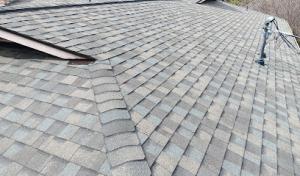
All Terrain Roofing
(509) 688-4480 www.allterrainroofingcontractor.com
Spokane, Washington
5.0 from 104 reviews
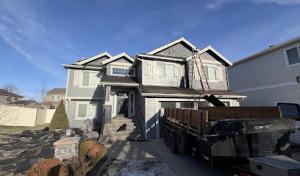
Legacy Roofing
(509) 262-4411 www.legacyroofs.net
915 W 2nd Ave, Spokane, Washington
5.0 from 118 reviews
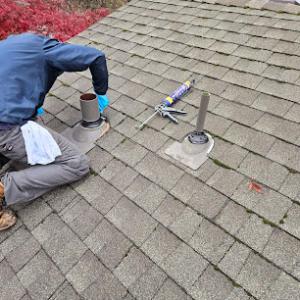
First Rate Roofing Services
(509) 842-6611 www.firstrateroofingservices.com
4309 E Joseph Ave, Spokane, Washington
5.0 from 388 reviews
Discover peace of mind with First Rate Roofing Services — your trusted roofing partner in the Pacific Northwest. Locally owned and operated, First Rate Roofing Services is proud to be the first choice for roofing solutions across Spokane, Washington, Idaho, Montana, and Oregon. Built on the core values of safety, quality, honesty, and integrity, the company delivers reliable, respectful service on every project. Specializing in roof replacements, rejuvenations, repairs, and maintenance for both commercial and residential properties, First Rate Roofing Services is committed to providing durable, long-lasting roofing solutions that protect what matters most.
All Terrain Roofing
(509) 688-4480 www.allterrainroofingcontractor.com
Spokane, Washington
5.0 from 104 reviews
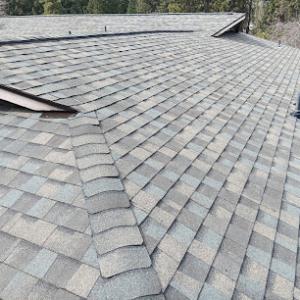
All Terrain Roofing is a locally owned and family-operated roofing contractor serving Spokane & North Idaho. Founded by Tony Brown, a roofer with over 25 years of hands-on experience, our company has provided expert residential roof replacement, roof repair, and gutter installation for more than 13 years. Every project is backed by a 25-year workmanship warranty and 40-year manufacturer coverage. Known for integrity, precision, and relentless quality, All Terrain Roofing is trusted to protect homes — and dominate for decades.
Legacy Roofing
(509) 262-4411 www.legacyroofs.net
915 W 2nd Ave, Spokane, Washington
5.0 from 118 reviews
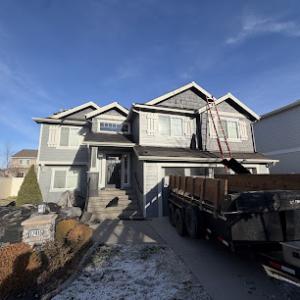
Legacy Roofs, your trusted roofing contractor with over two decades of experience, serves the Inland Northwest. Our team of licensed and seasoned professionals is committed to providing exceptional roofing solutions for residential and commercial properties. We prioritize high-quality craftsmanship and customer satisfaction, striving to deliver a stress-free experience for you. Legacy Roofs offers a comprehensive range of services, including siding, waterproofing, gutter cleaning, and metal construction, ensuring that your property's aesthetics and functionality are protected.
ProFlow Gutter Solutions
(509) 385-4715 www.proflowguttersolutions.com
8001 E Marietta Ave, Spokane, Washington
5.0 from 87 reviews
Proflow Gutter Solutions is a locally owned company serving Spokane, WA and surrounding areas, specializing in new roof replacements (reroofs) and seamless gutter installations. With 14+ years of combined experience, we deliver quality craftsmanship, durable materials, and reliable service. We install custom seamless gutters to improve drainage, prevent water damage, and enhance curb appeal, along with professional reroofing services built for the Pacific Northwest climate. From start to finish, we’re committed to protecting your home and earning your trust.

Restoration Roofing
(509) 237-7786 www.restorationroofingspokane.com
6722 N Pittsburg St, Spokane, Washington
5.0 from 51 reviews
At Restoration Roofing in Spokane, we specialize in high-quality shingle roof rejuvenation, repair, and replacement. Our commitment to exceptional workmanship, transparent pricing, and clear communication ensures a stress-free home improvement experience. As a locally owned business, we stake our reputation on serving our community with integrity and care. Fully licensed and insured, we provide free estimates and flexible financing options to suit your project needs. Contact us today for a complimentary roof assessment. Our roof rejuvenation process offers a cost-effective alternative to traditional roof replacement. When it is time for replacement, we deliver industry-exceeding durable products and warranties.
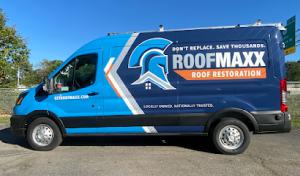
Roof Maxx of Spokane, WA
6722 N Pittsburg St, Spokane, Washington
5.0 from 40 reviews
Roof Maxx of Spokane offers an affordable, eco-friendly alternative to costly roof replacements. Our 100% natural, plant-based treatment restores your asphalt shingles, extending your roof’s life by up to 15 years with three simple treatments. Avoid the hassle and expense of a new roof and enjoy peace of mind with our five-year transferable warranty. Serving Spokane and surrounding areas, we provide free inspections and estimates. Contact us today for a free, no-obligation estimate and see how Roof Maxx can rejuvenate your roof!
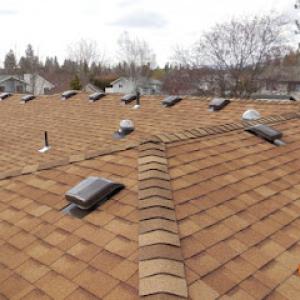
Inland Roofing & Supply
(509) 535-1566 inlandroofing.com
5528 E Sprague Ave, Spokane, Washington
4.8 from 148 reviews
When you choose to hire Inland Roofing & Supply, from the start you will be provided the best quality service available. We are backed by a tremendous amount of professional knowledge. We take that professional knowledge to each job site! Every professional installer that works for us has gone through extensive on the job training before they ever become an installer for us. With over 23,000 SATISFIED CUSTOMERS in Spokane and surrounding areas, that’s got to tell you a little about our success with customers.
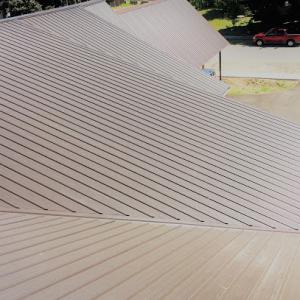
Specialty Exteriors
(509) 534-8372 www.specialty-exteriors.com
2222 E Mallon Ave, Spokane, Washington
4.7 from 253 reviews
When a homeowner needs to repair or replace an element of their home as important as the roof, siding, windows or skylights, finding a contractor with skills and experience is essential. This family-owned and -operated business offers professional service and always wants clients to walk away from a finished project feeling satisfied. Owners Mark and Rick Simmet have over 45 years of combined experience and pride themselves on offering some of the most adept industry experience in the area. With a broad selection of choices for materials and projects, every homeowner should feel confident the team at Specialty Home Products has one goal: to provide quality service before, during and after the job is complete.
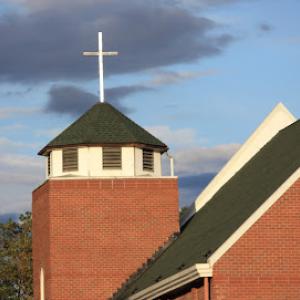
Heritage Roofing & Construction
(509) 412-3165 www.hrcspokane.com
9009 N Rosebury Ln, Spokane, Washington
4.9 from 62 reviews
For more than 20 years, our focused Spokane roofers have provided services with a unique level of attention to detail and commitment to quality. We have the experience and dedication to doing the job right to ensure that you are able to receive high-quality roofing services. To further ensure that you are receiving services that meet our standards, all of our employees attend trainings to keep them up to date on the developments in the roofing industry. All of our roofing technicians are GAF certified and go through the annual GAF Master Elite training. Our entire company is committed to making sure that you are receiving the best possible help with your roof.
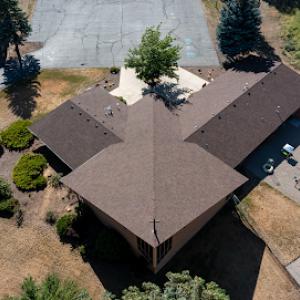
Advance Roofing
(509) 201-4190 advanceroofingllc.com
9505 N Division St # 212, Spokane, Washington
4.8 from 128 reviews
Roofing services
Proline Roofing
(509) 579-6317 www.prolineroofing.net
Spokane, Washington
5.0 from 26 reviews
We're a local, family owned roofing company with over 20 years of experience servicing the PNW region. Our work ranges from average sized residential homes, to 10,000+ sq ft luxury homes, to commercial buildings.
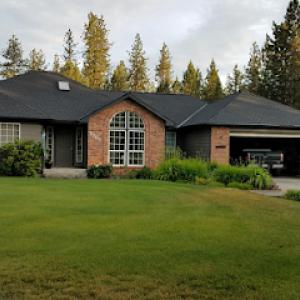
Stay Dry Solutions
1312 N Monroe St STE 100, Spokane, Washington
4.9 from 31 reviews
With more than 15 years of experience in roofing, the experts at Stay Dry in Spokane, WA are here to solve your roofing challenges. We are a trained and background tested company. We work with your schedule to make the process easy.
Late spring through early fall is the preferred replacement window for a Spokane roof. During these months, the roofs are generally drier, and crews face fewer snow and freeze interruptions. If you're scheduling work, plan for a stretch when you're not fighting the shoulder seasons' shifting weather patterns or the first cold snaps that can sneak in early. A full tear-off and re-shingle cycle is most reliable when you can count on several weeks of stable, dry weather, especially after the snowpack has melted out and before the next round of autumn rains begins.
Wet springs and fall rains can quietly become a bottleneck even when summer looks promising. You may find tear-off schedules slipping if a late-season storm rolls through or if mud and standing water develop on the roof deck. Tempers and timelines tend to tighten when crews have to slow down for tarp management, ice mitigation, or deck drying. If a window relies on a late spring or early fall push, keep a buffer in mind for unexpected moisture, and communicate flexibility with the crew so the project can pivot without losing the entire seasonal advantage.
Winter replacement work in this climate is more often limited by snow cover, ice, and cold-weather handling issues than in milder Washington cities. Short daylight hours, frozen materials, and the risk of ice dams make a DIY pace dangerous and a professional job more complex. If an inspection or repair falls during winter, expect potential pauses for shoveling, de-icing, and frost-free fastening. When planning work, consider a plan B for delays caused by heavy snows or repeated freeze-thaw cycles, and coordinate with the crew to wrap vulnerable areas promptly if a storm rolls through during a planned window.
As the dry season winds down, confirm weather outlooks and ensure any remaining work is bundled into a final push before the first significant precipitation season begins again. A well-timed finish minimizes the risk of early wear on newly installed underlayment and helps lock in the benefits of a big dry stretch. The goal is a solid, sealed roof that can weather the Inland Northwest's freeze-thaw cycles without being stressed by unplanned moisture or ice-heavy conditions.
Get a clear picture of your project costs upfront - no commitment required.
Restoration Roofing
(509) 237-7786 www.restorationroofingspokane.com
6722 N Pittsburg St, Spokane, Washington
5.0 from 51 reviews
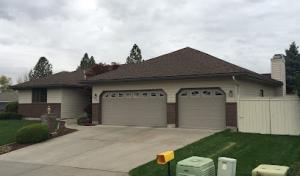
20/20 Exteriors
(509) 688-4480 www.2020exteriors.com
124 E Rowan Ave Suite 202B, Spokane, Washington
4.9 from 119 reviews
Roof Maxx of Spokane, WA
6722 N Pittsburg St, Spokane, Washington
5.0 from 40 reviews
In this climate, asphalt shingles and metal roofing are the go-to practical choices for Spokane homes. Asphalt shingles pair well with the region's short dry-season window for maintenance and replacement, offering a balanced blend of snow performance, affordability, and broad availability. A well-installed asphalt roof can shed snow efficiently enough to minimize ice dam risk, while still being straightforward to repair from year to year as seasons shift. Metal roofing, on the other hand, resists ice buildup and wind damage particularly well, and it sheds snow quickly when a storm passes. The choice often comes down to local stock, contractor familiarity, and how aggressively you want to pursue long-term performance in freeze-thaw cycles. For homes with attic spaces kept ventilated and well-sealed, both materials can perform reliably through Spokane's wintry mix, provided the roof deck is clean, dry, and leak-free before winter winds arrive.
Heavier roofing systems demand extra attention in this market. Clay tile, concrete tile, and slate can be visually striking and long-lasting if the roof structure is properly engineered for the added weight. Local permitting and inspection practices commonly include weight considerations, so those projects often hinge on structural evaluations and, in some cases, reinforcement to support the load. If choosing one of these heavier options, plan for a robust structural assessment early in the design process, and consider how the weight interacts with snow accumulation and ice formation on slopes common to Inland Northwest homes. The benefit is a roof that stands up to wind and hail better than standard asphalt or metal in some cases, but the cost is not just material-it's the underlying structure and potential retrofit needs. Ensure that fasteners, underlayment, and flashing are rated for winter conditions to keep joints from becoming ice-traps during the coldest months.
Spokane's climate can shorten the service life of neglected roofs across all materials, making ventilation and moisture management especially important. A roof that breathes properly reduces the risk of condensation under the decking and mitigates ice dam formation along eaves. If a roof shows signs of aging-curling shingles, dark streaks, or softened spots-addressing ventilation, insulation, and attic moisture becomes a priority before the next freeze-thaw cycle. For any roof type, ensure that attic intake and exhaust vents are balanced, that there is a clean drainage path for melted snow, and that ice barriers or supplemental underlayment are considered in the coldest zones of the home. With the Inland Northwest's pattern of hail, wind, and abrupt temperature swings, a roof that handles moisture, allows airflow, and reduces thermal bridging will perform more reliably through the winter months.
Typical Spokane pricing runs about $350-$650 per square for asphalt shingles. In a winter-influenced climate, cost can rise if wind-driven hail or ice dam damage prompts a quick, rushed re-roofing project. The installation cadence often tightens during dry-season windows, so plan for potential scheduling surges and a modest premium if the job needs to fit a narrow weather gap. Asphalt remains the most common choice on mid-sized homes with standard truss spacing, and the weight is easy on existing structure when ventilation is sound.
Costs typically run $600-$1300 per square. Metal can be advantageous in Inland Northwest winters because of durability against hail and its lighter weight relative to tile options. Heavy snowfall still stresses ventilation and underlayment, so a metal roof should be paired with a careful assessment of attic ventilation and intake/exhaust balance. In Spokane, storm seasons can compress the calendar, so expect some queueing if a rush re-roof is needed after a large snow event.
Clay tile generally sits in the $900-$2600 per square range. These are heavier and require precise structural support and thorough underlayment checks, which local inspections emphasize during weight-sensitive projects. In Spokane's freeze-thaw cycle, clay's porosity and expansion characteristics demand robust installation detail to resist ice damming and spall. Scheduling pressures surge after severe winter storms, pushing costs higher when crews must address damaged decking or ventilation adjustments.
Concrete tile runs about $800-$1800 per square. It shares many of clay tile's weight and ventilation considerations but offers different aesthetic and temperature performance. The heavier system heightens the need for a structural review, particularly if the existing roof framing is older or nearing capacity. Winter storm demand can spike concrete tile projects, narrowing your dry-season window and nudging prices upward in busy years.
Synthetic or composite shingles are typically $450-$900 per square. They can be a practical compromise when snow load tolerance is a concern and cost containment is desired. These products often install more quickly than natural tile, which can help when scheduling tight windows after a storm. However, severe freeze-thaw cycles still require careful installation to prevent premature cracking or delamination.
Slate roofing sits at $1200-$3500 per square. Slate's substantial weight and long-term durability can be appealing, but it adds significant structural and ventilation considerations. In Spokane, heavy roofs raise the bar for a proper structural review and meticulous attic ventilation planning. Winter storms can magnify the complexity, as slate repairs may involve careful, staged re-roofing to minimize ice-related damage during replacement.
When planning a full roof replacement, the building permit is not optional. In Spokane, a full roof replacement typically requires a building permit through the City of Spokane Building Department. The permit process helps ensure the work aligns with local structural standards, fire code considerations, and weather-related safety concerns common to Inland Northwest winters. Start by submitting project details, including roof type, sheathing replacement plans, and ventilation strategy. Having plans ready can speed up the review and avoid delays caused by missing information.
Inspections are a normal part of the process and aren't only done after the entire roof is completed. In Spokane, inspections commonly occur at the underlayment or installation stage and again at final. This means you'll likely see two critical checkpoints: one while the underlayment, flashing, and ventilation components are installed, and a final inspection once the roof materials are in place and the system is weather-tight. Prepare to provide access for both visits and have a clear site layout so inspectors can verify fasteners, nailing patterns, and barrier details.
For heavier roof systems, inspectors pay added attention to ventilation and weight-related compliance issues. Inland Northwest winters amplify the need for proper attic ventilation to manage ice dam risk and freeze-thaw cycles. If you're installing heavier materials like concrete or clay tile, ensure the attic space has adequate rafter spacing, ventilation intake/exhaust, and floor framing rated for the added load. Be ready to demonstrate thoughtfully designed ventilation and an overall balance between insulation, attic air flow, and environmental load.
Schedule the permit early and keep a ready-to-share package: project scope, product specs, and any structural notes. Before the underlayment stage, walk the site with the inspector or plan reviewer to confirm ventilation, fastener choices, and flashing details. After the final inspection, keep a copy of the permit closure and any stamped documents with your home records for future work or resale.
Spokane homeowners should keep dated roof photos and installation records because local hail and wind claims often turn on proof of age and condition. When a storm hits, a quick, dated record serves as your first line of defense to show what the roof looked like before the event and how it has aged since. Those snapshots should capture the entire roof surface, vent flashings, and any visible wear around valleys and edges. Stored invoices, warranty cards, and contractor notes that confirm when the roof was installed or repaired provide a concrete timeline that insurers can rely on if a claim is debated months later.
In the Spokane market, insurers may challenge whether damage is storm-related or the result of older freeze-thaw wear and deferred maintenance. The harsh Inland Northwest winters push shingles and underlayment through cycles of freezing and thawing, which can mimic storm damage in appearance. If the history shows long gaps between inspections, repairs, or maintenance, adjusters may argue that preexisting wear contributed to failures. Consistency matters: keep a record of seasonal inspections, sealant touch-ups, and any weather-related repairs. A well-documented history helps separate cumulative wear from a single storm event.
Fast documentation after a Spokane storm can affect whether homeowners repair immediately, tarp first, or move directly toward replacement. Take action within days rather than weeks: photograph the roof from multiple angles, note any hail dents, torn shingles, or flashing damage, and log wind-driven debris impacts. If damage is visible, consider temporary containment like tarps to limit further moisture intrusion while awaiting adjuster inspection. Delays can blur cause-and-effect links, making it harder to justify immediate repair versus full replacement. Align the documentary trail with dates, storm names or IDs if available, and keep the chain of custody for any contractor assessments. This disciplined approach reduces ambiguity when insurance discussions begin and supports a clearer decision path for repair priorities.
Spokane's snow and freeze-thaw pattern makes roof penetrations such as skylights and chimneys more vulnerable to leak development during winter transitions. When temperatures swing above and below freezing, ice can form around flashing and edge details, then melt-creating a cycle of movement that weakens seals and widens gaps. In practice, that means a seemingly solid seal around a skylight can disappoint after a heavy melt followed by another cold snap. Expect to check flashing and curb details after mid-winter thaws and again as spring approaches, especially if you've had a harsh spell of cold days with single-digit nights.
Low-slope sections on Spokane homes can hold moisture longer during wet spring and fall periods, increasing underlayment and flashing risk. Quick winter transitions can push moisture into places that aren't fully dry by the time cool weather returns. If a roof has mixed slopes, moisture can travel to the transition area where a higher-slope, snow-shedding section meets a lower-slope run. Those junctions become prime leak paths when saturated underlayment sits against aging or damaged flashing. Regular inspection after wet seasons helps catch small issues before they become bigger repairs.
Mixed-roof homes in Spokane often need leak diagnosis at transitions where steeper snow-shedding sections meet lower-slope areas. Ice dams can form at these junctions, forcing water laterally into the attic through compromised penetrations or compromised sealants. The telltale signs are damp spots near crown molding, stained ceiling patches, or a musty odor that hints at hidden moisture. In practice, prioritize targeted inspections at these transition zones after heavy snows, thaws, or significant wind events, and address any flashing or sealant failures promptly to limit interior damage.
Find contractors experienced in skylight installation, flashing, and leak repairs to bring natural light into your home.
First Rate Roofing Services
(509) 842-6611 www.firstrateroofingservices.com
4309 E Joseph Ave, Spokane, Washington
5.0 from 388 reviews
All Terrain Roofing
(509) 688-4480 www.allterrainroofingcontractor.com
Spokane, Washington
5.0 from 104 reviews
Legacy Roofing
(509) 262-4411 www.legacyroofs.net
915 W 2nd Ave, Spokane, Washington
5.0 from 118 reviews