
Last updated: Apr 19, 2026
Hayden roofs face a two-part stress pattern: winter snow and freeze-thaw cycles followed by spring hail and wind events that often trigger inspections and claims. The first phase builds a dense snow load that sits on the roof and presses against flashing, seams, and edge treatments. When frigid nights cycle into warmer days, that snow can melt and refreeze, forcing expansion and contraction in shingles, underlayment, and fasteners. The second phase arrives as spring storms roll through with surprises: sudden hail can dent or crack protective surfaces, while high winds can lift edges that were already stressed by the melt-and-freeze cycle. This sequence means the roof needs to be assessed for both enduring winter damage and spring storm vulnerability, ideally with a plan that addresses both windows before the next pattern starts.
Replacement timing in Hayden is commonly pushed to late spring through early fall because freezing temperatures and snow make winter tear-offs and sealing less reliable. If you're weighing a full replacement, target a window when temperatures are consistently above freezing, daytime warmth softens shingles enough for clean lifts, and overnight dampness won't freeze in the misaligned gaps. The short installation window in the Kootenai County area means you should align project start dates with dry spells after the snowpack has receded and before the next round of cold snaps. Proactive communication with your roofing crew is essential: confirm start times, material acclimation, and crew rotation to minimize exposure to late-season storms that can abruptly halt progress. Planning with local weather patterns helps avoid a rushed job that leaves vulnerable edges exposed to lingering frost or wind-driven rain.
Ice damming risk is elevated after cold spells and snow accumulation, making eave protection, attic ventilation, and post-storm leak checks especially important in this part of the County. When snow sits on the roof, heat loss from the attic can melt snow near the eaves, which refreezes into an ice dam that backs water up under shingles. If you've had repeated cycles of thaw and refreeze, pay special attention to eave protection, proper ice and water membrane installation, and continuous attic ventilation. In Hayden, small upgrades can make a big difference: ensure soffit vents are clear, rafter vents are unblocked, and insulation is thick enough to minimize heat escape that fuels dam formation. After a significant thaw or spring storm, perform a rapid tally of sawtooth or curled shingles, lifted tabs, and any interior staining around ceiling spots that could indicate a hidden dam. Early detection saves costly interior damage and helps keep replacement or repair timelines predictable.
After a major spring storm or hail event, you should schedule a rapid post-storm inspection focusing on flashings, valleys, skylights, and dormers. Look for loose granules on asphalt shingles, lifted edges, or any new leaks emerging around chimneys or vents. If you notice a wet ceiling or damp attic insulation, call for a professional assessment rather than climbing onto the roof yourself-hidden damage from micro-cracks or breached underlayment can propagate quickly. For proactive defense, prioritize improving attic ventilation and sealing gaps around penetrations before the next freeze-thaw cycle. If an inspection reveals repeat damage in the same areas year after year, that pattern strongly suggests a persistent vulnerability in the roofing system that should be addressed with targeted repairs rather than waiting for a complete teardown. In this climate, timely maintenance is the best shield against escalating winter and spring damage.
After a hail or strong wind event, roofs in this part of North Idaho face rapid risk from edge damage, missing shingles, and granule loss that can hide leaks. Insurance claims are common in this area, so you need prompt photo documentation before any temporary repairs or replacement begin. Take clear, date-stamped photos of all visibly damaged areas from multiple angles: shingles, flashing, vents, chimneys, and gutters. Document obvious impact marks on siding and any interior signs of water intrusion as soon as you notice them. The clock starts ticking quickly, and the demand for repairs can spike as the spring storm season winds down and crews are booked up.
When a claim lands, insurers may request detailed damage assessments, mast plans, permit records, and proof of prior maintenance. Prepare to provide a concise summary of what failed, when it occurred, and how it has progressed since the event. Keep copies of any prior roof work, including dates and materials used, as this helps establish the roof's baseline condition. After a storm, the emphasis is on documenting the scope and severity, not on quick fixes. If a contractor suggests temporary repairs, photograph those steps and keep receipts showing what was done and when, but avoid committing to full replacement before the insurer reviews the file.
Because storm-driven demand spikes locally, Hayden homeowners benefit from documenting date-stamped damage quickly before contractor schedules tighten after spring events. Create a simple timeline: storm date, observed damage, photos taken, and when the contractor was first contacted. If possible, obtain independent third-party assessments to corroborate your findings. Store digital copies in the cloud and bring printed versions to any estimator visits. Insurers often rely on precise records to authorize a full replacement versus repair, so accuracy here reduces back-and-forth and helps you secure timely coverage.
Choose a contractor who understands inland snow load, freeze-thaw cycles, and spring hail patterns that stress roofing systems here. Look for local references, on-site experience with metal, asphalt, or tile roofs common to Hayden homes, and a history of working efficiently within the late-spring to early-fall installation window. Clear communication about staging repairs, performance expectations, and documentation can keep your claim moving without unnecessary delays.
Connect with contractors who help homeowners navigate the claims process from damage assessment to final approval.
Hayden Lake Roofing
(208) 772-2733 haydenlakeroofingllc.com
9494 N Government Wy, Hayden, Idaho
4.9 from 14 reviews

Steiners Quality Roofing
(208) 772-7200 steinersqualityroofing.com
3027 Hayden Ave, Hayden, Idaho
4.4 from 14 reviews
Precision Gutters & Roofing
(208) 755-2320 precisiongutterscda.com
11863 N Tracey Rd, Hayden, Idaho
4.8 from 113 reviews
Based in the Hayden/Coeur d'Alene area, we are a family-owned business that has serviced the area for over two decades!
Hayden Lake Roofing
(208) 772-2733 haydenlakeroofingllc.com
9494 N Government Wy, Hayden, Idaho
4.9 from 14 reviews
Hayden Lake Roofing, a family-owned company in Hayden, ID, delivers quality workmanship and attention to detail to ensure your roof stays strong and protects what matters most.
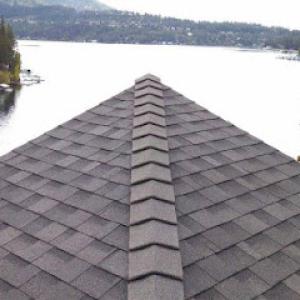
Halfhide & Orr Roofing
9913 N Chelsea Ct, Hayden, Idaho
4.6 from 11 reviews
We are a locally owned and operated company serving the Coeur d'Alene, Hayden, Post Falls, and surrounding areas with high quality roofing services.

Steiners Quality Roofing
(208) 772-7200 steinersqualityroofing.com
3027 Hayden Ave, Hayden, Idaho
4.4 from 14 reviews
Steiner’s Quality Roofing, a third-generation family-owned business, stands as Northern Idaho’s exclusive Master Elite Certified roofing contractor. With decades of expertise, we specialize in top-tier residential and commercial roofing services across Coeur d’Alene, Post Falls, Rathdrum, and the Spokane area. Offering a 50 year manufacturer’s warranty on materials and a 10-30 year workmanship warranty.

RoofRx NW
10070 N Atlas Rd, Hayden, Idaho
5.0 from 4 reviews
Forget a roof replacement. Now you can proactively extend the life of your shingles with an effective hydrating treatment from the roof doctor. Give your old roof new life.
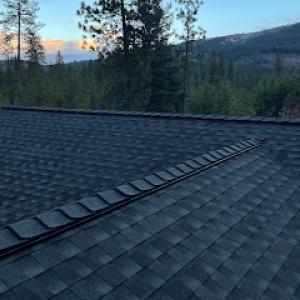
Paradise Roofing
(208) 640-6008 208paradise.com
Serving
5.0 from 68 reviews
North Idaho's elite roofing team brings you the best materials and craftsmanship. Currently booking full roof replacements, new construction projects, roof repairs and roof certifications for August 2023 - November 2023. Call, text or email anytime! All company details and product information is available on our website.
Ketron Roofing
(208) 508-7663 ketronroofing.com
Serving
4.9 from 55 reviews
Located in Coeur d'Alene, we serve discerning homeowners in CDA, Post Falls, and Hayden. We offer unmatched value, focusing on quality craftsmanship and customer service over speed or low cost. We Are NOT: The Biggest/Fastest - If speed is key, we won’t be the best fit. The Cheapest - For those seeking the lowest price, high-volume contractors are better suited. The 'Jack of All Trades' - We specialize in roofing only. We ARE: High-End Specialists - Our narrow focus makes us the best at what we do. True Professionals - White-glove service, building science experts, & superior craftsmanship. Reputation Obsessed - Our company name is our family legacy. Convenient - Instant online roof quotes and appointment booking through our website.

SkyRight Roofing & Gutters
Serving
4.9 from 56 reviews
Welcome to SkyRight, your trusted roofing experts in Coeur d'Alene, ID. With over 10 years of experience serving the local community, we specialize in Residential & Commercial Roofing and Repairs. Our skilled team is dedicated to providing top-quality roofing solutions, ensuring your home or business is protected from the elements. Whether you need a new roof, routine maintenance, or emergency repairs, SkyRight delivers reliable service with exceptional craftsmanship. Discover why we are the preferred choice for roofing in Coeur d'Alene – your satisfaction is our priority. Contact us today for a free consultation!
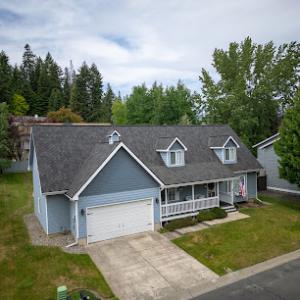
All Roofs + Inspections
Serving
4.8 from 49 reviews
All Roofs + Inspections: A local, family-operated business with 10+ years of experience. We specialize in both residential and commercial roofing throughout northern Idaho and Spokane. Certified as Malarkey Contractors, we're known for our detailed inspections, dependable repairs, and seamless replacements. Our expertise in insurance claims means that 95% of our roof replacements have been efficiently covered with minimal expense. Choose us for trusted roofing solutions and experience peace of mind with every project.
Glacier Roofing & Exteriors
(208) 714-0489 myglacierhome.com
Serving
4.8 from 23 reviews
Glacier Roofing & Exteriors is your leading contractor in roofing, roof repair, siding, window installation, exterior paint, and storm damage restoration. As a company, we proudly serve homeowners and commercial properties across the Inland NW & Western Montana. Our roofers are proficient in helping our customers with the best products in the industry including asphalt shingles, synthetic shingles, metal roofing, wood shingles, and concrete tile and more! We have offices in North Idaho, Eastern Washington and Western Montana

Lake City Roofing & Construction
Serving
4.9 from 184 reviews
Lake City Roofing is locally owned and family operated, and has been serving the Inland Northwest since 1987. Our team specializes in asphalt shingle roofing, metal roofing, flat roofing, gutters, window replacement, siding, and waterproof deck systems. We are proud to be both GAF Master Elite® Certified and IKO Craftsman Premier Certified, offering top-tier workmanship and industry-leading warranties. Whether you're replacing a roof or upgrading your exterior, trust our expert team for reliable, high-quality service.
Lakeview Roofing & Restoration
(208) 661-1781 lakeviewroofs.com
Serving
5.0 from 23 reviews
Lakeview Roofing & Restoration is a trusted roofing contractor serving Post Falls, Kootenai County, and more. We specialize in roof replacements, roof repairs, storm damage restoration, and quality residential roofing. Our team is committed to honest pricing, excellent workmanship, and fast service. Whether you need a small repair or a full roof replacement, we've got you covered. Call today for a free inspection.
In this climate, asphalt shingles and metal roofing are the dominant practical choices. Asphalt shingles handle the cold winters and thaw cycles at a cost-conscious, predictable pace, and they shed snow without adding unusual weight. Metal roofs excel where rapid snow shedding matters and where summer sun exposure can heat cycles the fasteners and panels. For a homeowner upgrading or re-roofing, these two options offer the most reliable balance between performance in freeze-thaw conditions and long-term service life in the local sun and snow mix.
Clay and concrete tile are available, but their higher weight and cost push structural considerations to the forefront. If the existing deck and framing aren't already rated for heavier roofing, a re-roof project with tiles becomes more involved and requires careful assessment of support, underlayment, and ventilation. In Hayden, where snow loads and freeze-thaw stress concentrate on mid-winter weeks, tile roofs demand extra attention to fastener compatibility and proper cross-ventilation to prevent ice buildup under the tiles. If structure checks out, tile can be durable, but expect more maintenance discussion around wind-driven debris and freeze-thaw cracking over time.
Wood shingles and shakes remain a regional style option, but in Hayden they require close attention to moisture cycling and exposure from snowy winters and dry summers. Wood performs best when installed with adequate ventilation and underlayment that protects against condensation, plus a finish that slows moisture uptake. In practice, expect more frequent inspections for cupping, splitting, and algae or mold in shaded, snow-laden areas. If you prefer the look, choose a treated or naturally rot-resistant species and commit to a robust maintenance pattern, including timely replacements of any saturated sections after winter cycles.
Regardless of material, the roof should be evaluated for snow shedding efficiency. Steeper pitches tend to shed snow more predictably, reducing ice dam risk, while lower slopes can trap snow and create hotspots for ice damming in spring thaws. Edge detailing-appropriate drip edge, appropriate gutter clearance, and ice barriers where applicable-plays a critical role in how well a roof survives spring storms. In Hayden, that translates to ensuring your chosen system integrates well with ice-damming precautions and a well-drained eave line.
Choose materials with proven performance under cold cycles, wind events, and the occasional spring hail. Routine inspections after heavy snow events help catch fastener or seam issues before leaks develop. For the majority of Hayden homes, asphalt or metal offer the most predictable maintenance window and service life, while tile and wood can be viable with extra structural and maintenance considerations.
Using local market ranges, Hayden roofing costs run about $350 to $550 per square for asphalt shingles, $600 to $1000 for metal, $1800 to $3500 for clay tile, $1500 to $3000 for concrete tile, $650 to $1100 for wood shingles or shakes, and $450 to $900 for synthetic or composite shingles. Those bands reflect the short late-spring through early-fall installation window that this area commonly sees, plus the mix of home ages and roof pitches you're likely to encounter. When you're comparing bids, ask each contractor to break out material costs, waste disposal, and a separate line for tear-off if you're replacing a full roof. The per-square figures are useful for rough budgeting, but a real estimate should account for roof complexity and attic ducting, which can push the price beyond the base ranges.
Costs in Hayden often rise when winter damage is discovered during tear-off, especially if roof decking deterioration or structural work triggers added review or repair in Kootenai County. If the underlying sheathing is soft or warped, or if fascia and rafters show frost-wound stress, the contractor may need to add strapping, reinforcement, or even temporary supports. That work adds days on the job and more material, which shows up as higher labor hours and additional trips to the jobsite. If you're staring at a tear-off in the late-fall or early-spring shoulder seasons, prepare for the possibility of weather-driven delays and increased protection measures to keep remaining structure dry. Those contingencies push final numbers upward from the simple shingle-only cost estimates.
Seasonal demand after hail and wind events can tighten labor availability in the Hayden area, while the short preferred installation season can compress scheduling and pricing. When a storm hits and a cluster of homes needs replacement at once, crews may prioritize larger projects or those with better access, which can create bid variance or longer wait times. Plan for a tighter calendar if you're coordinating with insurance timelines or an urgent repair scenario. If you can, lock in a start date before the peak window fills, and consider a contingency fund for quick-start staging and potential weather-related holdovers.
In conditions like inland snow load and freeze-thaw cycles, material choice matters beyond upfront cost. Asphalt remains the most economical and familiar option, but metal can offer better snow shedding and longevity in wind-prone springs. Clay and concrete tiles bring distinct aesthetics and durability but come with higher install complexity and structural considerations. Wood shingles add character but require strong ventilation and moisture management. Synthetic or composite shingles offer a middle ground on price and performance. Weigh not just the sticker price, but long-term performance, maintenance, and the likelihood of timely availability during spring rush periods.
Get a clear picture of your project costs upfront - no commitment required.


When planning a full re-roof in construction-friendly Hayden, a roofing permit is typically required through Kootenai County. The applicant or the contractor should submit a clear project scope along with contractor details, including licensing in good standing and a local contact. This ensures that the county's review aligns with your home's specific snow load, ventilation needs, and the unique shape of many area rooftops. Start the process early in the spring window to avoid delays caused by busy workloads in the late-spring through early-fall season.
In this region, the inspections conducted for re-roofs commonly emphasize three critical areas: flashing, ventilation, underlayment, and the condition of the roof deck. During installation, inspectors verify that step and apron flashings are properly integrated around chimneys, vents, and abutments, since snow and ice damming place extra emphasis on these seams. Ventilation checks ensure that the attic has adequate intake and exhaust to manage meltwater and prevent condensation that can worsen freeze-thaw cycles. Underlayment quality is reviewed to confirm proper overlap and moisture resistance, a key factor when spring hail and wind events threaten the roof surface. After installation, inspectors look for consistent deck integrity and any signs of moisture intrusion that could compromise the new layers.
If tear-off reveals decking replacement or any structural work, plan review may be required. This can affect project timing more than a straightforward overlay or like-for-like re-roof. In Hayden's climate, decking exposure may become a concern after a harsh winter, so anticipate a potential need for additional framing or plywood replacement. Structural work often triggers a more thorough plan review to confirm that the roof's load path remains sound and that the new materials will behave correctly under freeze-thaw stress and spring storm cycles. Allow for the possibility that review comments could adjust sequencing or require corrective work before completion.
With inland North Idaho snow load, the typical installation window centers on late spring through early fall within the Kootenai County permit system. Submissions should align with this window to minimize weather-related delays and to synchronize with the contractor's scheduling, especially after winter's thaw events. Understanding that inspections may hinge on weather-driven accessibility can help homeowners and contractors coordinate a smoother, on-time project flow, reducing the risk of extended exposure on vulnerable roof edges during spring's transitional period.
In this climate, flashing around skylights, chimneys, valleys, and penetrations is where leaks hide when snow sits and refreezes near transitions. Ice damming can push water under flashing if the underlayment and seal are not continuous. Inspect after the tail end of winter and after heavy melt events for obvious moisture staining or ice buildup at any transition. If a leak appears at a skylight earlier than at shingles, suspect flashing or improper slope around the curb. Count on the possibility that the sealant around flashings has aged differently from adjacent roofing material.
County inspections for local re-roof work specifically verify flashing and underlayment details, reflecting how often leak performance depends on these components rather than shingles alone. Valleys, step flashing where roof planes meet walls, and boot-flashed penetrations often show wear first after freeze-thaw cycles. If snow lingers on a skylight well or along a chimney chase, water can seep into around fasteners or the base flashing. Look for softened wood, stained ceilings, or musty odors near these features after the spring thaw.
Homes in the market frequently seek repair help around penetrations and transitions after winter and spring weather, not just after full-roof failures. Do a careful visual walkthrough in mid-spring: run a finger along the edge of flashing, check caulked joints, and note any gaps at the base of skylight gaskets. Plan a qualified roofer to reflash or reseal any suspect joints, and consider upgrading to continuous underlayment beneath flashing transitions where moisture tends to collect.
When flashing fails to keep water out, damage travels inward, often showing as stained ceilings, warped trim, or musty odors after winter. In Hayden's climate, freeze-thaw cycles worsen gaps at skylight bases and chases, letting spray drive moisture under edges. Leaks become costly if ignored.
Find contractors experienced in skylight installation, flashing, and leak repairs to bring natural light into your home.
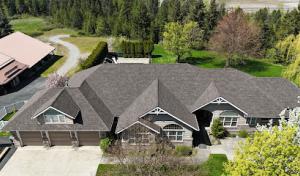
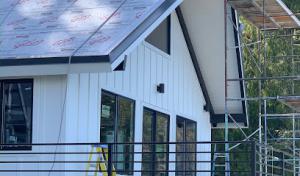
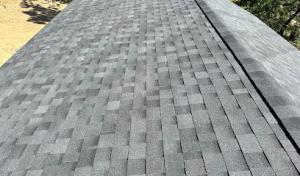
While Hayden is primarily a pitched-roof market, some homes and additions still have low-slope sections over garages, porches, or rear extensions that handle snow and drainage differently. Those areas can linger with snow and ice longer than the main roof, and spring runoff often backs up at transitions into steeper sections. Treat these low-slope pockets as separate systems when assessing overall roof performance.
During a inspection, map the transitions from low-slope to standard pitches and note where the drainage pattern changes. Look for stair-step or flat-to-pitch interfaces, especially where gutters and downspouts tie into interior valleys or scuppers. Low-slope zones may use a different underlayment or flashing details, so verify the material and installation method specifically for those sections rather than assuming uniform treatment across the whole roof.
Low-slope roofs demand a more robust underlayment and tailored flashing details at perimeters, parapets, and at interfaces with steeper planes. In winter, ice can back up at these transitions, stressing the edge details. Confirm that the underlayment overlaps properly at the low-slope/steeper junctions and that flashing is continuous around penetrations, joints, and wall intersections to minimize seepage risk during melt cycles.
Snow and ice retention are common concerns on low-slope portions. Ensure roofs have unobstructed drainage paths with properly pitched transitions toward the eaves or internal drainage systems. Regularly clear debris from valleys and micro-gutters, and inspect flashings after heavy snow events for any displacement that could trap meltwater.
Plan a targeted inspection after heavy snows and again after the spring thaw. Focus on the seams where the low-slope areas meet the main roof, and pay special attention to any signs of ice damming, pooling, or water intrusion near the garage or porch connections. Address issues promptly to prevent staggered failures across the running sections.
Find specialists in TPO, EPDM, and built-up flat roofing systems for residential and commercial properties.
Hayden Lake Roofing
(208) 772-2733 haydenlakeroofingllc.com
9494 N Government Wy, Hayden, Idaho
4.9 from 14 reviews

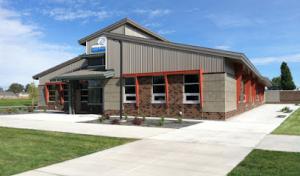
Late spring through early fall is the preferred replacement window in this area because snow, freezing temperatures, and wet autumn weather can disrupt tear-off and installation. If planning a full roof replacement, aim for that window when days are longer and temperatures are steadily above freezing. In Hayden, that translates to lining up work after the last snowpack is gone and before cooling rains begin, so the crew can work efficiently without weather-related stoppages.
Spring in this region brings a reliable mix of warm days and surprise storms. Spring storm season creates a local scheduling conflict: it is the first practical repair season but also the period when hail and wind damage can suddenly increase demand. If an area has sustained new damage from a spring event, coordinate immediately to secure a spot, but be prepared for occasional weather-driven delays. Have a contingency plan for temporary protection if a storm rolls in during tear-off.
Autumn in Hayden can bring windy and wet conditions that complicate dry-in timing, so homeowners who wait too long after summer often face weather-related delays. If the calendar slides into late September or October, assess the forecast for windstorms and rain and discuss with the contractor about accelerating dry-in strategies. Prioritize a schedule that allows the roof to be fully dried in before the first heavy precipitation period, reducing the risk of moisture intrusion as temperatures drop.
Think about your yard and access when selecting dates-many crews prefer midweek windows with longer days. Build some flexibility into the plan to absorb an unplanned hail or wind event and still stay within the optimal replacement window. Confirm that the chosen dates align with sufficient daylight and drying time, so tear-off does not collide with rain or brush past the end of the season.
When selecting a contractor for a re-roof, you're looking for crews that can do a clean tear-off without leaving a mess or lingering debris. In this market, the most effective teams have a repeatable process for removing old shingles, protecting landscaping, and containing dust and nails. Look for crews that clearly outline daily cleanup, tarp-off procedures for weather events, and a plan for handling unexpected freeze-thaw cycles that can stress exposed sheathing. In Hayden, the best option is a crew with a track record of finishing jobs in a single, scheduled window and returning promptly if a late-season melt or new storm interrupts progress. Ask for recent project photos and references that demonstrate disciplined tear-off and cleanup work under challenging winter-to-spring transitions.
The local rhythm often brings active leaks, surprise hail, or temporary occupancy during replacements. Prioritize contractors who can mobilize quickly after a leak report, protect interior spaces, and coordinate with you on minimizing disruption. A strong local contractor will offer a clear communication plan: how they notify you of weather delays, how they manage weather-induced shutdowns, and how they secure materials and entry points to prevent further damage. Check how they handle temporary tarps, interior damage prevention, and daily progress updates. In practice, a dependable crew will treat emergency response as a core capability, not a nice-to-have add-on.
Long-established, locally owned firms are a practical choice in this market. They tend to have built-in crews for post-storm demand and a stronger local warranty mindset. Verify how a contractor stands behind workmanship after the job is done, including follow-up visits, maintenance tips, and responsiveness to warranty claims. If possible, speak with neighbors who have used the firm for recent storms to learn about communication consistency, on-site professionalism, and whether they could get timely service if another issue arises during a harsh season. In Hayden, choosing a family- or locally-owned contractor with a solid local reputation often translates into smoother post-storm support and easier scheduling when weather swings complicate timelines.
You should keep meticulous records of the roof's condition before and after events that stress the system. Hayden homeowners should keep date-stamped photos of shingles, flashing, gutters, interior leak staining, and any hail or wind impacts before cleanup or temporary tarping changes the evidence. These visuals help establish baseline condition and the extent of spring storm effects, which is especially important after inland North Idaho snow load and freeze-thaw cycles punish the roof. Store photos in a labeled folder or cloud album with dates and a short note about what was observed at each location.
Because local claims often follow storm events, permit paperwork and inspection records can become part of the claim file when insurers verify scope and code-related work. After a significant hail or wind event, photograph not only the obvious damage but also the surrounding landscape, trees, and property that might have influenced roof wear or impact angles. Preserve any temporary tarps, plywood, or tarred patches with clear date stamps and notes describing what was covered and why. When you file a claim, you want a timeline that shows weather-driven triggers and the sequence of temporary repairs.
Proof of prior maintenance can matter in this region, so homeowners should retain invoices for past repairs, inspections, and ventilation or flashing upgrades. Gather receipts for attic ventilation improvements, ridge vent or soffit work, and any flashing upgrades that were done to address freeze-thaw stress or ice dam risk. If there were prior inspections, keep the reports with dates and the inspector's recommendations. Having a consolidated history helps a adjuster see how the roof has aged under Hayden's unique snow load and spring storm patterns.