Roofing in Washington
Last updated: Feb 28, 2026
In Washington, a roof isn't just a shelter—it's a shield against months of rain, moss, and chilly snaps. Our damp seasons put constant moisture on shingles and flashing, while freezes and thaw cycles test gutters and ridge lines. A proactive roof matters here: it saves energy, prevents leaks, and protects your attic from moisture buildup. The right approach balances durable materials, smart ventilation, and regular inspections so you can enjoy a dry, efficient home year-round. Think of it as neighborly stewardship that pays off when the weather turns.
On this page you'll find practical, trustworthy guidance tailored to Washington homes. We'll show how climate shapes roof choices, from moss-resistant materials to rain-shedding designs. You'll get a realistic sense of local costs, plus clear notes on permits, codes, and common local issues you're likely to face. We cover: Local Climate; Recommended Roofing Materials for Washington; Popular Roof Styles & Architectural Trends in Washington; Average Roofing Costs in Washington; Permits & Local Regulations; Common Roofing Problems in Washington & Solutions; Maintenance & Repair Tips for Washington; When to Repair vs. Replace; When to hire a professional.
Every tip is grounded in Washington conditions and supported by reputable local resources. We reference county and city permitting requirements, regional weather data, moss-control considerations, and nearby supplier guidance so you can verify details with someone you can meet in person. You'll also hear from experienced local roofers who understand the seasonal patterns that affect repairs and replacements.
With that foundation, let's start by looking at how Washington's climate shapes your roof decisions.
Local Climate & Its Impact on Roofs
Climate Overview in Washington
- Washington state features two primary climate zones that shape roof performance: the moist western region near the Pacific and the drier, more variable eastern interior. Western Washington receives substantial annual rainfall, mild temperatures, and frequent overcast days. Eastern Washington experiences broader temperature swings and more pronounced snow in winter.
- Persistent moisture on the western side fosters moss, algae, and fungal growth. Inland areas can see freeze-thaw cycles that stress membranes and attic insulation.
Seasonal Patterns and Roof Stress
- Winter (Nov–Feb): heavy rain and wind can stress flashing and seams; freezing temperatures increase the risk of ice dams if attic insulation and ventilation are inadequate.
- Spring (Mar–May): thaw cycles plus rain promote moss growth and debris buildup; wind-driven branches and roofing edge damage are more common.
- Summer (Jun–Aug): heat causes shingles to expand and contract; western WA UV exposure can fade colors and dry out some underlayment, while eastern WA may see stronger heat and solar load on roofs.
- Fall (Sep–Nov): leaves clog gutters and scuppers; storms bring high winds that can loosen shingles and flashing.
Roof Materials & Climate Compatibility
- Asphalt shingles: most common and cost-effective; in western WA, look for algae-resistant (AR) asphalt shingles to combat moss growth.
- Metal roofs: excel at shedding rain and snow and handle wind well; long-lasting in wet climates but require proper installation to manage expansion/contraction and potential noise.
- Tile and slate: very durable but heavy; require solid structural support and are more sensitive to severe wind if not properly anchored.
- Practical tip: choose colors and profiles that reduce heat load and moss-friendly conditions, and ensure underlayment is rated for high moisture exposure.
Common Local Roof Problems
- Moss, algae, and lichen buildup on western WA roofs; moisture retention can lift shingles and conceal leaks.
- Ice dams in colder eastern WA months due to inadequate attic insulation/ventilation; water penetration and ceiling staining are common symptoms.
- Wind uplift during storms can loosen flashing, ridge caps, and seam joints; inspect after big wind events.
- Fall debris from trees can clog gutters, increasing water backup and fascia wear.
Maintenance & Inspection by Season
1. Inspect for missing, cracked, or curling shingles; replace as needed.
2. Clear gutters and downspouts; trim branches that overhang the roof.
3. Check flashing around chimneys, vents, and skylights; reseal cracks and gaps.
4. Look for moss, algae, or dark staining; treat appropriately or consult a pro for removal.
5. Inspect attic insulation and ventilation to prevent ice dams and excessive heat transfer.
Safety and Official Resources
- Warnings: do not walk on a wet or icy roof; use proper fall protection and ladder safety; if you suspect structural damage, contact a licensed roofer.
- Official resources:
- National Weather Service Seattle office:
- Washington State Building Code Council:
- Washington State Department of Labor & Industries:
Recommended Roofing Materials for Washington
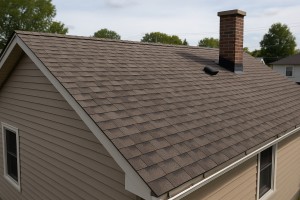
- Ideal for many Washington homes thanks to cost, availability, and ease of installation in damp climates.
- Pros: Widely available, good warranty options, works well with attic ventilation, easy repairs.
- Cons: Moderate lifespan compared to other options, can be susceptible to moss and algae in constant shade.
- What to look for: Architectural (dimensional) shingles for better wind resistance; algae-resistant granules; 30–50 year warranties.
- Installation notes: Use a durable underlayment and an ice-and-water shield at eaves and around penetrations in exposed or colder areas; ensure proper attic ventilation to limit moisture buildup.
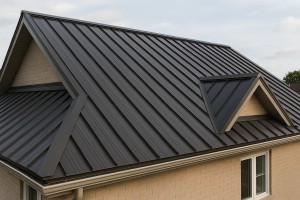
- Strong performer in Washington's wet, windy environments and hillside exposures.
- Pros: Long lifespan (40–60+ years), excellent wind uplift resistance, quick shedding of rain, good fire resistance, reflective coatings can reduce cooling loads.
- Cons: Higher upfront cost; noisy in heavy rain unless properly insulated; some color choices may fade over time.
- Best choices: Standing-seam steel or aluminum with a corrosion-resistant coating (galvalume or zincalume); consider lighter colors to reduce heat absorption.
- Installation notes: Ensure substrate is sound and vented; watch for coastal salt exposure near salt-influenced neighborhoods; professional alignment and sealing of fasteners are key.
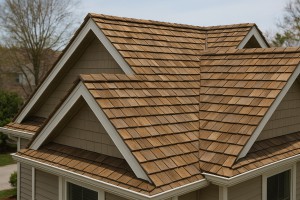
- A traditional, natural look that suits many Northwest neighborhoods, especially on rustic or modern farms and newer craftsman homes.
- Pros: Distinctive curb appeal, good natural insulation, renewable resource when responsibly sourced.
- Cons: Higher maintenance (moss, rot, and insect risk in damp climates); shorter service life in some damp areas without ongoing upkeep; regular staining or sealing required.
- Best practices: Choose rot-resistant heartwood, maintain clearances to prevent moisture trapping, and schedule periodic cleaning and re-sealing. In shady, moss-prone spots, consider copper or zinc additives to slow growth.
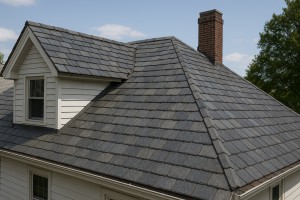
- Premium option that many WA homeowners consider for durability and upscale aesthetics.
- Pros: Extremely long lifespan (often 75–200+ years), excellent fire resistance, low maintenance beyond occasional inspection.
- Cons: Very high cost and weight; requires structural assessment and skilled installation; limited contractor availability.
- Ideal settings: Hard-wired in homes with solid decking and strong framing; best where long-term value and fire resistance are priorities.
Synthetic/Composite (Cementitious or Polymer)
- Modern alternatives that mimic natural materials with added resilience to wet climates.
- Pros: Low maintenance, rot- and moss-resistant, barrier options for fire and wind, available in varied textures and colors.
- Cons: Can be pricier than basic asphalt; color and texture choices may age differently.
- When to choose: If you want a durable, low-maintenance surface that still resembles traditional materials, without the ongoing moss care of wood.
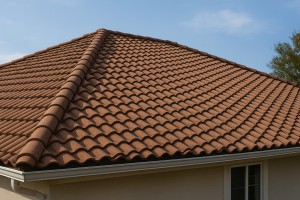
- Less common but viable in certain WA designs with appropriate structure.
- Pros: Great durability, good fire resistance, distinctive look.
- Cons: Very heavy; high wind uplift risk in exposed locations; requires structural assessment and specialized installation.
- Consideration: Not ideal for older or lighter-framed homes without reinforcement; ensure gutters and roof structure can handle weight.
Flat and Low-Slope Roof Options (EPDM, TPO, Built-Up)
- For accessory dwellings, garages, or certain modern low-slope designs.
- Pros: Excellent waterproofing, good for energy efficiency with reflective membranes, repairable.
- Cons: Requires precise installation and regular maintenance; vulnerable to punctures and seam failures if not properly installed.
- Tips: Use fully adhered or mechanically fastened systems with proper drainage and insulation; schedule regular inspections for seam integrity.
Moss, mildew, and climate considerations
- Moss growth is common in shaded, damp WA roofs; choose materials with moss resistance (synthetic/composite, metal with proper coatings, or treated cedar) and plan for proactive maintenance.
- Copper or zinc strips along the ridge help slow moss formation; keep runoff clean and gutters clear to prevent moisture buildup at seams.
- Regular inspections are key: look for loose or missing shingles, lifted edges, damaged flashing, and clogged valleys after heavy rains.
Steps to pick the right material (quick guide)
1) Assess roof slope and structure: ensure it can support the chosen material's weight (especially slate, tile, or heavy cedar).
2) Balance cost, lifespan, and maintenance: asphalt for budget, metal for longevity, cedar for aesthetics, slate for longevity and prestige.
3) Consider climate and shade: damp, moss-prone zones favor moss-resistant options and proactive maintenance.
4) Check local climate and wind zones: ensure wind resistance and local code compliance with wind uplift ratings.
5) Hire a local, licensed roofer: verify references, inspect current attic ventilation, and confirm warranty terms that cover Washington's wet seasons.
Popular Roof Styles & Architectural Trends in Washington
Classic Asphalt Shingle Roofs
In Washington, asphalt shingles remain the workhorse for everyday homeowners—balance of cost, availability, and performance in a damp climate.
- Pros:
- Affordable, widely available, and easy to repair
- Wide range of colors and textures, including architectural (laminated) options
- Good wind resistance when installed with proper underlayment and sealing
- Cons:
- Lifespan typically shorter than metal or slate (often 15–30 years depending on quality and maintenance)
- Susceptible to moss and algae in shaded, moist spots without regular cleaning
- What to look for:
- Architectural shingles with thicker core and better granule adhesion
- Ice & Water shield at eaves and in valleys for heavy rain zones
- Quick maintenance steps:
1) Schedule an annual inspection, ideally after heavy rain or autumn leaves
2) Keep gutters clear to prevent water backup
3) Consider algae/moss resistant granules in shaded WA locations
Metal roofs are gaining ground in WA for longevity and rain-shedding efficiency, especially on contemporary and mid-century homes.
- Pros:
- Long lifespan (40–70 years with proper care)
- Excellent rain runoff and hail resistance
- Energy efficient when paired with reflective coatings
- Cons:
- Higher upfront cost and potential noise in heavy rain if not well insulated
- Some designs can show fastener lines; match style to home
- Best fits:
- Steep or medium-slope roofs, modern or industrial-inspired architecture
- Remodels where weight or structural upgrades are feasible
- Installation note:
- Choose standing-seam or composite panels with proper sealant and underlayment to handle WA moisture
Cedar Shakes and Shingles: Rustic Charm with WA Flair
Cedar is iconic in the Northwest, lending warmth and texture to Craftsman, Colonial, and modern Rustic styles.
- Pros:
- Natural insulation and distinctive Northwest look
- Can be refinished or resealed to extend life
- Cons:
- Higher maintenance and moisture sensitivity; rot can occur if ventilation is poor
- Requires skilled installation and periodic treatment
- Care tips:
- Apply preservative/sealant every 5–7 years in damp climates
- Keep trees trimmed away to reduce moss and debris
- Best practices:
- Ensure proper attic ventilation and a robust underlayment to reduce moisture exposure
Slate and Tile: Luxury Options for Evergreen Climates
Slate and stone-coated tile offer unmatched longevity and curb appeal, though they're less common due to weight and cost.
- Pros:
- Very long life (often 50–100+ years), excellent fire resistance
- Classic, upscale appearance that pairs well with WA's historic neighborhoods
- Cons:
- Very heavy; structural assessment required
- High installation cost and specialized labor
- When to choose:
- Historic or high-end remodels where structure can handle load
- Regions with lush vegetation and durable underlayment systems
Flat & Low-Slope Roofs: Modern WA Applications
Flat and low-slope roofs show up on urban homes, additions, and modern designs.
- Roofing options:
- Modified bitumen, built-up roofing (BUR), EPDM rubber, or TPO membranes
- Pros:
- More usable roof space and easier to install solar
- Sleek, contemporary look that suits many WA neighborhoods
- Cons:
- Drainage challenges in heavy rain; regular maintenance essential
- Seams and flashings require attentive upkeep
- Installation tips:
- Insist on proper slope (even a small slope helps drainage) and robust edge flashing
- Use a high-quality underlayment and regular inspections for ponding water
Architectural Trends & Color Palettes in Washington
- Emphasis on energy efficiency and moisture management
- Mixed materials: wood accents, metal panels, stone veneer
- Neutral exteriors with charcoal, slate gray, or deep blue roofing hues
- Solar-ready designs and larger overhangs to protect walls from WA rain
Maintenance Mindset for the Evergreen State
- Moss, lichens, and algae are common; address early to protect roof life.
- Quick steps:
1) Conduct two seasonal inspections (spring and autumn)
2) Trim nearby trees to reduce debris and shade
3) Install zinc or copper strips to inhibit moss growth
4) Use a gentle cleaning method to remove moss—avoid pressure washers on delicate surfaces
Quick Reference: Choosing by Home Style
- Craftsman/Traditional WA homes: cedar shakes or architectural asphalt shingles
- Modern/Contemporary: metal roofs or flat/low-slope systems
- Historic or upscale: slate or high-end architectural shingles
- Urban lots with solar: flat or low-slope roofs with integrated solar readiness
Average Roofing Costs in Washington
Typical cost ranges by material
- Asphalt shingles (3-tab): $3.50-$5.50 per sq ft installed
- Architectural asphalt shingles: $4.50-$7.50 per sq ft installed
- Metal roofing: $6.50-$12 per sq ft installed
- Cedar shake/shingle: $7-$13 per sq ft installed
- Tile or slate: $12-$25+ per sq ft installed
- For a typical 1,500-2,000 sq ft roof (about 15-20 squares):
- Asphalt shingles: roughly $5,250-$11,000
- Architectural asphalt shingles: roughly $6,750-$15,000
- Metal roofing: roughly $9,750-$24,000
- Cedar shake/shingle: roughly $10,500-$26,000
- Tile/slate: roughly $18,000-$50,000
Major cost drivers in Washington
- Roof size and pitch (steeper, more surface area = higher cost)
- Old roof removal and disposal (daily disposal costs vary by municipality)
- Underlayment, ice and water shield, ventilation, and flashing needs
- Roof complexity: dormers, skylights, chimneys, angles, and intersections
- Local labor rates and contractor availability in WA
- Permits, inspections, and disposal fees in Washington communities
- Weather windows: rain and cool seasons can affect scheduling and staged projects
Local considerations in Washington
- Climate and moss risk: high rainfall and humidity increase moss/algae growth; expect maintenance planning and, sometimes, zinc or copper strips add-ons
- Underlayment choices: Seattle-Tacoma area often uses extra underlayment and reinforced sheathing due to moisture and moss risk
- Style preferences: cedar shakes are iconic in the Pacific Northwest but require more maintenance and ventilation; asphalt remains common for value and durability; metal is popular for modern homes and steep slopes
- Weight and seismic considerations: some WA homes, especially older structures or those with tile/slate, may need structural checks or retrofit
- Local aesthetics: neighborhoods with historic or craftsman homes may have style-driven requirements that influence material choice and roof shapes
Style and architecture impact on cost
- Craftsman bungalows and low-slope craftsman roofs: cedar shakes or architectural shingles often chosen; higher nominal cost for cedar due to texture and maintenance
- Mid-century modern with flat or low-slope sections: may necessitate single-ply membranes or low-slope metal; costs differ from steep asphalt
- Modern houses with metal or standing-seam roofs: higher upfront but excellent durability in WA climate
- Tile/slate on WA homes: less common due to weight and structural needs, but when used, costs can be significantly higher
Step-by-step budgeting (quick guide)
1. Gather bids from at least 3 licensed Washington roofers
2. Have a thorough roof inspection for rot, sheathing, and ventilation needs
3. Choose materials and include underlayment, ice/water shield, and ventilation in the plan
4. Include permit fees, disposal, and a 10-15% contingency for weather delays or surprises
5. Plan for ongoing maintenance costs (m moss prevention, annual inspections, and potential resealing) and note warranty terms
Local warranties and maintenance considerations
- Warranties vary by material: typical non-prorated periods range from 15 to 50 years, with material and workmanship coverage depending on the contractor
- In Washington, budgeting for moss control and periodic cleaning can extend roof life and protect investment over time
Permits & Local Regulations
Do you need a permit?
In Washington, reroof projects generally require a permit if you're removing old decking, replacing sheathing, or changing the roof system in any way that affects structure, ventilation, or fire code compliance. Some small cosmetic fixes or non-structural repairs might not need a permit, but that varies by city or county. Always verify with your local building department to avoid delays or fines.
Who issues permits in Washington?
Permits are issued by your city or county building department, not the state. The Washington State Building Code Council sets the adopted codes (IRC/IBC, energy, mechanical, etc.), but processing, plan review, and inspections happen at the local level. If you hire a contractor, they'll typically handle the permit, but you can and should confirm who will be responsible for obtaining and posting it.
Quick checklist: what to have ready
- Exact project scope: reroof with new underlayment and shingles, or any deck/structure work
- Building site address and parcel number
- Roofing material details (shingle type, underlayment, underlayment class, vapor barrier)
- Wind rating and roof design specifics (if applicable)
- Structural notes: decking condition, fastener type, return-to-service method
- Contractor information: license number, proof of insurance
- Any historic district or HOA approvals if relevant
Step-by-step permit path
1. Confirm permit requirements with your local building department. Ask about required inspections and any weather-related restrictions.
2. Gather documents: permit application, plans or drawings, product specifications, and any structural details.
3. Ensure the contractor is properly licensed and insured; verify with the Washington State Department of Labor & Industries and the local agency. If you're doing the work yourself, confirm whether homeowners are allowed to pull permits in your jurisdiction.
4. Submit the permit package and pay fees. Some jurisdictions require a plan review for roof changes that affect structure or ventilation.
5. Receive permit approval and post the permit where it's visible on the job site. Schedule required inspections as work progresses.
6. Complete inspections and address any issues. Obtain final clearance before closing out the permit.
Inspections you'll likely encounter
- Pre-roof or framing/structure inspection: used to verify decking, trusses, and ventilation provisions meet code before you install underlayment.
- Roofing installation inspection: checks underlayment, flashing, nail patterns, and shingle installation per code and manufacturer specs.
- Final inspection: ensures the entire roof installation is compliant and safely completed.
Special considerations for Washington
- Historic districts or HOAs: If your home sits in a historic district or within an HOA, you may need additional approvals or review beyond the permit.
- Asbestos and old roofing: If your home is very old, confirm whether there could be asbestos-containing materials. If suspected, employ a licensed abatement professional before removing materials; check local rules about disposal and permits.
- Energy code and ventilation: Washington's energy code requires proper attic ventilation and insulation compatibility with the new roof assembly. Ensure the plan includes correct ventilation and insulation details.
- Solar or electrical work: If you're adding solar panels or other electrical work, separate electrical permits and inspections will apply.
Resources
- Your city or county building department website: search “permits roofing [your city]” for exact forms and fees.
- Washington State Building Code Council: overview of adopted codes and recent amendments.
- Washington State Department of Labor & Industries: verify contractor licenses and status.
Quick tips to avoid delays
- Double-check that all documents match the actual scope of work.
- Include product data sheets and installation manuals from the shingle and underlayment manufacturers.
- Schedule inspections promptly and keep access clear for inspectors.
Common Roofing Problems in Washington & Solutions
Water intrusion around penetrations (chimneys, vents, skylights)
- Symptoms: water stains on ceilings or walls that appear after rain, damp insulation, musty attic odor.
- Causes: deteriorated flashing, cracked sealants, worn chimney or vent collars, insufficient roofing underlayment around openings.
- Quick checks: look for stained or warped decking and gaps where flashing meets roofing.
- Solutions:
1) From a safe vantage, re-seal joints with appropriate roofing sealant or replace cracked collars.
2) Re-flash problem areas with the correct metal flashing, paying attention to overlaps and terminations.
3) Replace damaged underlayment and, if needed, decking beneath the penetrations.
4) Consider a professional chimney cap or vent boots to improve long-term reliability.
Moss, algae, and lichen growth
- Symptoms: greenish or gray patches, slippery patches on shingles, accelerated shingle wear.
- Causes: shaded, damp roofs with limited sun; organic debris buildup; cedar or composition shingles are especially susceptible.
- Quick checks: inspect shaded eaves and north-facing slopes first.
- Solutions:
- Gently remove moss with a plastic scraper or soft-bristle brush; avoid pressure washing.
- Apply a moss/algae inhibitor following label directions.
- Install zinc or copper strips along the roof ridge to deter regrowth.
- Trim overhanging branches and improve light exposure to reduce future growth.
Wind damage and loose shingles or flashing
- Symptoms: lifted shingles, creased edges, exposed nail heads, loose flashing at hips, valleys, or chimneys.
- Causes: strong Pacific Northwest winds, improper nailing, or aging roofing material.
- Quick checks: run a hand along the roof edge to feel for raised areas.
- Solutions:
- Re-nail loose shingles with corrosion-resistant nails and install missing ones.
- Repair or replace damaged flashing with new metal and secure with roofing sealant.
- If widespread, consider a professional inspection to determine wind warranty eligibility or roof replacement needs.
Ice damming and cold-weather issues
- Symptoms: icicles at eaves, water back-up behind dam, ceiling stains in upper floors during thaw cycles.
- Causes: inadequate attic insulation, air leaks, or blocked attic vents; intermittent freeze-thaw cycles.
- Quick checks: check attic insulation depth and seal gaps around penetrations.
- Solutions:
- Improve attic insulation to higher R-value and seal air leaks.
- Ensure proper venting (soffit and ridge) to keep eaves warmer and prevent meltingwater from refreezing at the edge.
- Consider heat cables only where allowed by code and safe to install; hire a pro for electrical work.
Poor attic ventilation and condensation
- Symptoms: moldy attic, warped plywood, excessive attic heat in summer.
- Causes: insufficient intake/exhaust vents, blocked baffles, or insulation distribution issues.
- Quick checks: look for blocked soffit vents and verify ridge vent openness.
- Solutions:
- Add or upgrade soffit and ridge vents; install baffles to maintain airflow.
- Rebalance insulation to prevent attic warm pockets; ensure vents aren't buried in insulation.
- Schedule a professional ventilation assessment if moisture persists.
Gutter and drainage problems
- Symptoms: overflowing gutters, pooling water near foundations, fascia rot.
- Causes: clogged leaves, misaligned gutters, downspouts discharging toward the house.
- Quick checks: inspect gutters after storms; check for sagging sections.
- Solutions:
- Clean gutters and downspouts; install guards if practical.
- Realign or replace sagging sections; ensure a uniform slope toward downspouts.
- Extend downspouts away from the foundation and redirect water to vegetation or drainage zones.
Damaged or aging shingles (curling, blistering, granule loss)
- Symptoms: uneven coloration, curling edges, bald patches, visible granules in gutters.
- Causes: sun exposure, aging, hail impact, or improper installation.
- Quick checks: inspect a small, inconspicuous area for curling or missing granules.
- Solutions:
- Replace damaged shingles in the affected area; evaluate overall roof age and consider a partial or full replacement if widespread.
- When replacing, choose durable, weather-appropriate shingles suitable for Washington's climate.
Maintenance & Repair Tips for Washington
Seasonal Checklist for Western Washington
- Western Washington's constant rain and shade fuel moss, algae, and damp attic interiors. Schedule a quick check twice a year.
- Spring: inspect for winter damage, clean gutters, and look for loose or curling shingles from winter winds.
- Summer: trim overhanging branches, check attic vents, and watch for heat-related roof wear or dried-out flashing.
- Fall: clear debris, reseal flashing joints, and ensure downspouts drain away from the foundation.
- Winter: after storms, inspect for leaks from wind-driven rain and verify attic insulation and ventilation to curb ice dam risk.
Moss, Algae, and Lichen Management
- Moss and algae love Washington's wet climate. Proactively prevent spread by reducing shade and improving attic ventilation.
- Cleaning approach:
- Use a soft-bristle brush to lift moss gently; avoid aggressive scrubbing or high-pressure washing that can lift shingles.
- Apply a roof-safe cleaner as directed by the product label, or rinse with a mild solution and plenty of water.
- Rinse thoroughly and let the roof dry completely before reapplying if needed.
- Prevention:
- Trim branches that overhang the roof to cut down on shade and moisture retention.
- Install zinc or copper strips along the ridge; rainwater will carry trace metals to the shingles and inhibit new growth.
- Keep nearby trees pruned so sun can reach the roof surface.
Gutter and Drainage Care
- Clogged gutters are a leading cause of water back-up and fascia damage. Do a thorough clean at least twice a year, more after heavy leaf fall.
- Key steps:
- Remove leaves, needles, and debris; flush gutters with water to check flow.
- Inspect downspouts and ensure they extend 4–6 feet away from the foundation.
- Check for loose hangers and repair or replace as needed to maintain proper slope.
- Consider gutter guards if your trees shed heavily, but still perform regular checks.
Roof Inspections and Damage Repair
- Regular self-checks catch problems before leaks develop. Do a quick ground-level inspection after major wind or rain events.
- Quick self-inspection steps:
1) Look for missing, lifted, curling, or cracked shingles from the curb line or with a binoculars view.
2) Inspect flashings around chimneys, skylights, and vents for gaps or rust.
3) Check attic spaces for signs of moisture, staining, or mold.
4) Notice granule loss in gutters or on the ground—signs of aging shingles.
- When to call a pro:
- Visible flashing damage, persistent leaks, or widespread shingle failure.
- Sagging sections, structural concerns, or need for significant underlayment work.
Winter Weather: Ice Dams and Freeze-Thaw Prevention
- Ice dams are common in higher elevations or colder pockets of Washington. Prevent them by stopping heat from escaping to the roof.
- Improve attic insulation (target R-38 or higher in many homes) and ensure proper ventilation.
- Seal gaps around penetrations and along ceilings to reduce heat loss.
- If ice dams form:
- Gently remove accumulated snow from the roof edge with a plastic roof rake; avoid climbing on icy surfaces.
- Do not use sharp tools that can damage shingles; never blow or chisel through an ice dam.
- Consider low-profile heat cables or dam-prevention products only after consulting a professional.
Protecting Common Roof Materials in Washington
- Asphalt shingles:
- Inspect for curling, blistering, or granule loss, especially after wind-driven rain.
- Clean moss sparingly and use nonabrasive methods to preserve granules.
- Wood shakes/shingles:
- Require regular treatment against moisture; ensure flashing is intact around penetrations.
- Keep debris off the roof to reduce moisture retention and rot risk.
- Metal roofs:
- Rinse with mild soap and water to remove salt spray near coastal areas; check seams for sealant wear.
- Inspect for corrosion in salty or humid environments and address promptly.
When to Hire a Professional
- Persistent leaks, extensive flashing damage, or roof-life concerns beyond basic maintenance.
- Large moss growth, significant shingle failure, or structural concerns after storms.
- If you're unsure about climbing onto the roof or handling repairs, prioritize safety and call a licensed roofer.
When to Repair vs. Replace
Age and overall condition
- Asphalt shingles: 15–25 years is typical; architectural shingles can push 25–40 years with good maintenance.
- Cedar shakes: 20–40 years, depending on treatment and exposure.
- Metal roofs: 40–70 years, depending on coating and installation.
- Tile roofs: 50+ years, though underlayment and decking may need attention sooner.
- In Washington's damp climate, roofs can show wear earlier where moss, rot, or moisture intrusion is a factor. If more than 25–40% of the visible surface shows widespread curling, granule loss, or rot, replacement is often more cost-effective long term.
Signs it's time to repair
- Localized leaks around flashing, vent pipes, or a few damaged shingles/tiles.
- Isolated sections of shingles curling or lifting, with otherwise solid decking.
- Missing granules in small areas, or a few damaged fasteners or flashing points.
- Minor moss growth that doesn't expose underlying rot or decking after cleaning and treating.
- You're planning quick fixes to get through a season or two while you budget a full replacement.
Signs replacement is the better option
- Large areas of peeling, curling, or missing shingles across multiple sections.
- Recurrent leaks from different roof sections, especially after storms.
- Visible rot in the roof deck or structural sagging, or extensive mold in the attic.
- Your roof is near the end of its life based on material type and age (e.g., asphalt nearing 20+ years with heavy wear).
- Energy costs rise due to poor insulation or the roof's failure to block heat transfer, suggesting underlayment or deck replacement would be more efficient.
Material-specific guidelines
- Asphalt shingles
- Repair when leaks are isolated and the deck is solid; expect to seal around penetrations and replace a small number of shingles.
- Replace when a large portion is damaged, or the damage is clustered around critical areas (valleys, hips, flashings) and the roof is nearing end-of-life.
- Cedar shakes
- Repairs can be temporary; moss, rot, and cupping are common. If many shakes are compromised, replacement with a more durable finish is often preferred, as repairs don't always guarantee long-term performance.
- Metal roofs
- Small seam leaks or damaged panels can be repaired; widespread rust or corrosion, or structural corrosion, typically calls for replacement.
- Tile roofs
- Cracked tiles or failed flashings can be replaced, but if the underlayment or decking shows water intrusion, replacement is usually more reliable to restore waterproofing.
- Other factors
- Roof ventilation and insulation: replacing a roof can be a good time to upgrade attic ventilation and insulation to improve energy efficiency, especially in Washington's climate with damp winters and varied temps.
Quick decision framework
1) Inspect attic and decking for rot or moisture damage. If decking is compromised, replacement is often necessary.
2) Note the roof's age and current condition; if it's past the typical lifespan or shows widespread wear, lean toward replacement.
3) Assess the scope of damage: single-area repairs for short-term fixes vs. large-scale issues across multiple sections.
4) Compare repair costs vs. replacement costs over the next 10–15 years, including potential energy savings from new underlayment/ventilation.
5) Consider the local climate window: in Washington, plan replacements in dry months and avoid deep winter when heavy rain and cold can complicate work.
Seasonal timing considerations for Washington
- Best window: late spring through early fall when dry days are more common.
- If repair work is urgent, temporary patches and protective coverings can buy time, but ensure proper drainage and ventilation to prevent further moisture-related damage.
- In coastal Puget Sound areas, expect moss and algae; factor in cleaning and moss-control steps during the plan.
Quick maintenance to extend life (Washington-specific)
- Keep gutters clear to prevent ice dam formation and water backup behind the fascia.
- Trim overhanging branches to reduce leaf and moisture buildup on the roof.
- Schedule annual moss control and gentle brushing; avoid pressure washing that can lift shingles or tiles.
- Have a professional inspect the flashing, valleys, and boot seams after winter storms to catch issues early.
When to Hire a Professional
- Active leaks into living spaces or through the attic, especially after rain or storms.
- Missing, cracked, curling, or buckled shingles; exposed roof deck.
- Damaged or worn flashing around chimneys, vents, skylights, or along roof valleys.
- Visible sagging roof sections or sagging decking in the attic; persistent creaks or unusual bouncing.
- Ice dams or heavy moisture intrusion during cold snaps.
- After a severe storm with hail or high winds, you notice dents, broken shingles, or loose gutters.
Seasonal timing in Washington
- In Washington's rainy climate, plan roof work for dry, moderate conditions. The window from late spring through early fall generally offers the best weather and material performance.
- Asphalt shingles and most underlayment perform best when temperatures are reliably above freezing; many products require at least 40°F (4°C) for proper installation and sealants.
- If you have an active leak, don't wait for perfect weather—ask a professional for a temporary, code-compliant patch to reduce damage, then schedule a full reroof during a dry stretch.
- Schedule ahead of the winter season to avoid project delays caused by rain, mud, or supply bottlenecks.
Emergency temporary fixes
- Use a temporary tarp or waterproof roofing fabric over the affected area for active leaks, secured well to withstand wind.
- Avoid invasive or cosmetic fixes that don't stop the leak or protect interior spaces.
- If the attic is damp, reduce heat buildup and vent moisture via proper soffit and ridge ventilation during the temporary fix, but leave final sealing to a pro.
What a professional will assess
- Overall roof condition: shingle integrity, flashing, valleys, and ridge lines.
- Roof decking and structural support: signs of rot, water intrusion, or termite damage.
- Ventilation and insulation: proper attic ventilation to prevent condensation and ice dams.
- Drainage: gutter condition and downspout effectiveness; ensure water is directed away from the foundation.
- Weatherproofing details: underlayment, flashing integrity, sealants, and penetrations around vents, chimneys, and skylights.
- Permits and code compliance: whether a permit is required and if it's being handled correctly.
How to evaluate a roofing contractor in Washington
1. License and registration: Verify the contractor is licensed with the Washington State Department of Labor & Industries (L&I) and that their status is active.
2. Insurance: Request a current certificate of insurance for general liability and workers' compensation; confirm the policy limits and that coverage extends through the project.
3. Written estimates: Obtain at least three itemized bids; ensure each includes scope of work, materials, timelines, and exclusions.
4. Permits: Confirm who will pull permits (if required) and that work will meet local building codes.
5. Warranties: Ask for both materials warranty and workmanship warranty, with clear terms and coverage duration.
6. References and local experience: Check recent Washington projects; call or visit to assess satisfaction and workmanship.
7. Payment terms: Favor milestone-based payments tied to work completed; avoid large upfront payments; request lien waivers upon payment.
Washington-specific considerations and red flags
- Stick to locally based contractors with a physical address and verifiable references in Washington; beware “storm chasers” who lack a local track record.
- Verify the company name, address, and phone number match the license details; be wary of generic PO boxes or out-of-state listings.
- Be cautious of exceptionally low bids; in WA, quality workmanship and code compliance matter for long-term performance and insurance.
- Ensure the contractor will conform to Washington's consumer protection expectations, including clear written contracts and a thorough scope of work, especially for large reroof projects.
- If you live in an HOA or historic district, confirm that the contractor understands any guidelines or permit requirements specific to your area.
Quick contractor checklist for Washington homeowners
- [ ] Confirm license and active status with L&I.
- [ ] Obtain COIs for general liability and workers' comp.
- [ ] Get three written bids with detailed scope.
- [ ] Verify permits and code compliance are handled.
- [ ] Review warranties and follow-up care.
- [ ] Check references and recent WA projects.
- [ ] Agree on a fair payment schedule with lien waivers.
Putting A Lid On It: Roof Maintenance, Repair, and Replacement in Washington
Washington's wet climate and evergreen surroundings mean your roof faces persistent challenges: heavy rain, damp air, moss-friendly shade, and wind-driven debris. That combo can wear shingles, loosen flashing, and invite leaks if a small issue is ignored. A proactive approach—regular inspections, prompt repairs, and smart preventive care—keeps water out of the house, preserves the roof's life, and protects your whole home.
In our damp, misty corner of the world, consistent upkeep isn't a luxury; it's a practical habit. Clearing gutters, keeping valleys free of leaves, and paying attention to flashing and ventilation helps your roof stand up to Washington's seasonal mood swings. With a little routine maintenance, you gain reliability, avoid costly surprises, and enjoy peace of mind through every season.
Seasonal reminders
- Spring: after冬 storms, inspect for missing shingles, damaged flashing, and clogged gutters. Remove moss buildup gently and check attic ventilation.
- Summer: keep the roof clear of branches and debris; ensure attic insulation and venting are adequate to minimize heat buildup that can damage roofing fasteners and sealants.
- Fall: schedule a pre-winter inspection; trim overhanging limbs; ensure gutters and downspouts direct water away from the foundation. Look for early signs of moss or algae in shaded areas.
- Winter: monitor for ice dams and unusual condensation in the attic; clear ice and ensure attic heat is not escaping through the roofline. If winters are severe, consider temporary protection during extreme storms.
What to look for between inspections
- Shingles: curling, cracking, or missing granules.
- Flashing and seals: loose or cracked flashing around chimneys, vents, and skylights.
- Gutters: downspouts that jam or overflow; signs of rust or detachment.
- Moss and algae: steady growth that covers large areas or interferes with flashing and shingles.
- Attic signs: damp insulation, musty odors, or visible daylight through roof boards.
When to call in a pro
- If you notice persistent leaks, large sections of damaged shingles, or sagging roof sections.
- For major repairs, complex flashing, or suspected structural issues.
- For recommended lifespan decisions—whether to repair or replace—based on roof material, climate exposure, and budget.
Lifespan realities and replacement mindset
- Asphalt shingles: typical life of 15–30 years depending on quality and exposure.
- Metal, tile, or composite roofs: longer life spans with different maintenance profiles.
If a roof is near the end of its expected life, replacement may offer better long-term protection and value than repeated repairs.
A hopeful, community-minded note
With steady care, your Washington roof can keep you dry, comfortable, and proud of your home for years to come. We're neighbors looking out for one another—sharing knowledge, lending a hand when needed, and enjoying the beauty of well-kept roofs across our town. Here's to a durable, beautiful roof that stands strong for a long time and a home you're delighted to come home to.
