
Last updated: Apr 19, 2026
Charleston sits in the Kanawha River valley, and neighborhoods climb surrounding hillsides, so many homes have steep, sloped roofs where runoff control and flashing performance matter more than flat-roof ponding issues. The slope angle, combined with shifting soils and tree cover, means a single weak flashing detail or misrouted gutter can push water where it doesn't belong. In this climate, water finds gaps fast where shingles and flashing meet at chimneys, vents, and dormers, and runoff patterns can expose undersides of eaves and fascia to repeated damp cycles. If your roof feels like it sheds water unevenly after storms, that's a signal to check the drainage plan and flashing integration now.
The four distinct seasons bring a cadence of wet spells followed by drying periods that stress exposed components year after year. In spring you'll notice interior checks become more urgent after heavy rains, while autumn winds and winter moisture push water into already softened joints. Repeated wetting and drying cycles shorten the service life of shingles, underlayment, and ridge caps, especially on older roofs. In practical terms, that means a standard shingle roof in this climate isn't a "set it and forget it" system; it requires proactive maintenance, especially after the fiercest storms and after abrupt temperature swings that crack sealants and loosen fasteners.
Winter freeze-thaw cycles in Charleston can open small gaps at flashing transitions and stressed shingle tabs, then spring rains expose those weaknesses as interior leaks. The river valley backdrop intensifies this pattern: moisture sits in crevices longer, then freezes, expands, and pries apart edges that seemed solid in summer. Attention to flashing where valleys, skylights, and vent pipes meet the roof deck is non-negotiable. If you notice hairline cracks around flashing corners or granule loss near seams, treat it as a warning that a bigger failure is likely during the next freeze-thaw sequence.
Start with a careful visual inspection from the ground after a storm, focusing on the attic hatch and any signs of condensation or damp rafters. If you see errant granules in gutters, or if attic insulation looks uneven or damp, address it promptly-the signs point to edge leakage rather than a distant problem. Prioritize checking the attic ventilation and soffit intake positions; proper intake and exhaust balance reduces frost buildup and slows interior moisture migration. Have flashing at chimneys, vents, and transitions re-sealed with compatible, weather-rated sealant and ensure step flashing is properly integrated with shingles. When replacing shingles, choose materials with proven performance in freeze-thaw conditions, and ensure installation aligns with the roof's drainage plan so water is steered away from vulnerable corners rather than toward them. If any header or valley metal shows signs of deformation or rust, treat it as an urgent repair point rather than a cosmetic upgrade, because compromised metal accelerates leaks during the next wet spell.
Spring in this valley climate brings wind, hail, and bursts of rain more often than dramatic coastal hurricane damage. For a homeowner with a sloped roof, those spring events can show up as dented metal flashing, lifted shingles, granule loss on asphalt, or wet spots that trace back to a damaged roof edge. The pattern here is local: roofs in older neighborhoods with steep terrain and mixed materials often reveal wind-driven lift along eaves, down-slope areas where water pools briefly, and hail strikes that leave bruises you can't always see from the ground. When evaluating a storm claim, adjusters will weigh whether the loss is consistent with the reported weather date and whether the damage originated at the roof surface or from drain-related issues caused by misdirected runoff. In short, this climate rewards careful inspection of edge damage, valley intersections, and flashing, especially after a windy, rainy spring.
West Virginia insurers commonly ask for roof age, prior-condition photos, weather-date support, and a clear cause-and-origin explanation when storm damage is claimed in the Charleston area. Start gathering these items early. If you have recent pictures or a long-term maintenance log, keep them handy. Take fresh photos of the entire roof from the ground with a wide-angle shot and close-ups of suspected spots: granule loss on shingles, bruising on asphalt or metal, bent metal flashing, lifted shingles, and any displaced or curled edges. Note the date of the storm and the specific events, such as wind speeds reported by a nearby weather station or local storm reports. A clear cause-and-origin statement should connect the observed damage to the storm event rather than to wear, aging, or prior repairs. This helps prevent later disputes about preexisting conditions being blamed for new damage.
Because occasional hail events do occur in this market, homeowners benefit from documenting granule loss, bruising, bent metal, and displaced shingles immediately after local storms. Insurers will review the claim by matching the damage pattern to the storm report and checking for continuity with the roof's condition before the incident. They often request proof of roof age, prior-condition photographs, and a precise narrative tying the damage to a weather event on a specific date. For sloped roofs common in Charleston's neighborhoods, inspectors may focus on the transitions where shading from trees meets roof planes, along with valley and ridge lines where ice damming and wind-driven rain can create concentrated damage. Provide a straightforward explanation of why the damage is unlikely to be the result of routine wear if you're contesting a claim denial.
After a storm, walk the perimeter of the roof from safe ground and note any obvious issues along the eaves and soffits. If you can safely access the roof, look for lifted shingles, punctures, or displaced flashing near chimney stacks or dormers. Photograph any damage from multiple angles, especially granule loss in gutters and downspouts, and document how water moves off the roof during a light test rain. If you notice water intrusion inside the home, photograph the affected ceiling or walls and track the interior path to the roof's likely origin. Keep a simple diary of weather conditions and dates, and store all storm-related notes with your claim documents. In this climate, prompt, thorough documentation can help align the insurer's assessment with the actual spring-time roof stress you're facing.
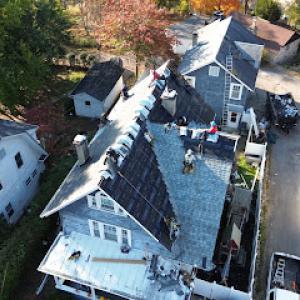
Almost Heaven Roofing
(304) 993-3503 www.almostheavenbuilding.com
2885 Sissonville Dr, Charleston, West Virginia
4.9 from 50 reviews
Almost Heaven Roofing is a local company to Charleston, WV. We specialize in commercial and residential roofing with an emphasis on customer experience. Whether it is a flat rubber roof or steep residential roof, we got you covered- Every SHINGLE Day
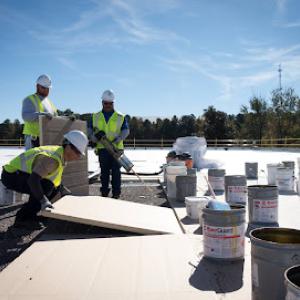
CentiMark Corporation
(681) 245-6700 www.centimark.com
145 Iron Horse Dr, Charleston, West Virginia
5.0 from 8 reviews
CentiMark is a trusted provider of comprehensive roofing services across the entire state of West Virginia. We offer a range of services including roof repairs, replacements, maintenance and emergency response. In West Virginia, we understand that our clients face specific challenges due to the region's diverse weather conditions. From heavy snowfall in winter to intense heat in summer, these conditions can cause significant wear and tear on roofs. That's why our solutions are designed to withstand the local climate, enhancing the longevity and performance of your roof. At CentiMark, we pride ourselves on building lasting relationships with our clients through exceptional service and results.
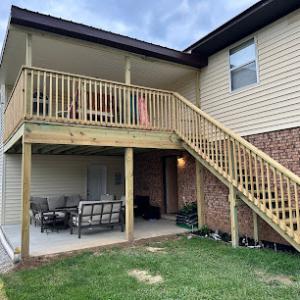
A & W Contracting
(304) 741-1990 awcontractingwv.com
Charleston, West Virginia
5.0 from 4 reviews
When you need gutters in Charleston, WV, trust the gutter experts at A & W Contracting and Continuous Gutters, LLC. We have the tools and experience to complete improvements with the highest standards and at the best price. Whether you need five-inch or six-inch gutters, downspouts, gutter guards, gutter drains, or splash pads we will do the job. Our team produces consistent results and offers reliable work ethics on every project we do. Everything we work on has a strong foundation, which means it will last for many years. Give us a call at (304) 741-1990 to get a free estimate on your gutter installation project.
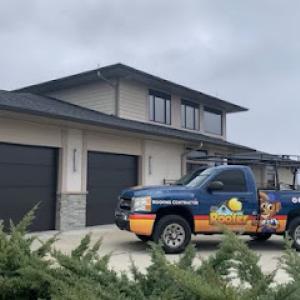
Mr. Roofer
602 Tennessee Ave #101, Charleston, West Virginia
5.0 from 4 reviews
We are a local and veteran-owned roofing company in Charleston, West Virginia. Our goal is to improve our community and help our surrounding neighbors with honesty, integrity, and compassion in all we do.
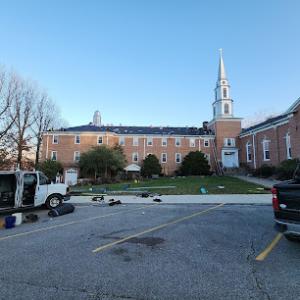
Elite Roofing-Charleston
(304) 202-6161 www.eliteroofingwv.com
Serving
4.9 from 357 reviews
Elite Roofing Provides New Roof Installations, Metal Roof Services, Shingles Roof Services, Roof Repairs, Commercial And Residental Roofing Services, And 24/7 Emergency Services To The Charleston West Virginia Area
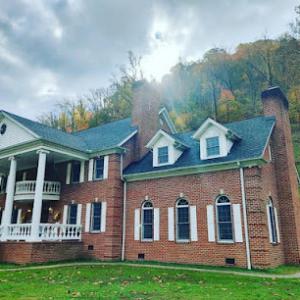
TJC Home Improvement
Serving
4.2 from 15 reviews
At TJC Home Improvement, our mission is to provide the highest quality workmanship possible. We accomplish this because the integrity of our subcontractors and staff is unmatched. Our customers become like family to us and, by the end of your project, we’ll know each other on a first-name basis. TJC was established in 2016 and our team has more than 100 years of combined construction experience! We serve the greater Charleston, West Virginia area and we are excited to come to give you a free estimate today for your next project.
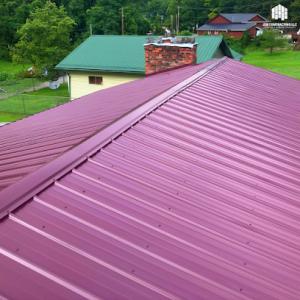
JDB Contracting
(681) 474-2738 jdbcontractingwv.com
Serving
4.9 from 37 reviews
JDB Contracting specializes in quality roofing services, offering shingle and metal roofing tailored to meet our clients needs. From residential to commercial roofing projects, we offer expertise in all your roofing needs. Our team is committed to delivering high-quality results while adhering to strict timelines and budgets. We pride ourselves on our attention to detail, professionalism, and dedication to customer satisfaction. With a focus on integrity and excellence, JDB Contracting strives to exceed expectations in every aspect of our work, ensuring successful outcomes for all our clients’ projects.
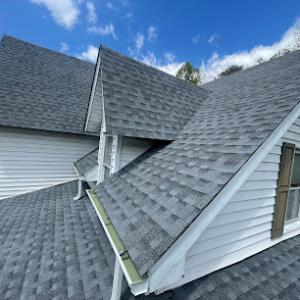
Superior Home Specialists
(304) 729-6603 superiorhomespecialistswv.com
Serving
4.7 from 126 reviews
We provide West Virginia homeowners with maintenance free solutions that allow them to enjoy life instead of staying busy with the upkeep of their home. We have more than twenty years of experience installing Shingle and Metal Roofs, clog-free gutter systems, seamless gutters, siding, soffit, and fascia.
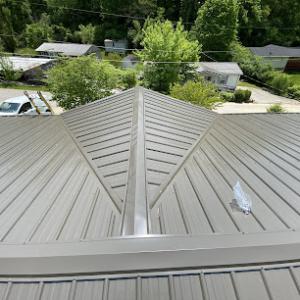
Trinity Roofing
(304) 444-4719 trinity-roofing-llc.com
Serving
5.0 from 9 reviews
We’re a locally owned business that has been built on honesty and is a name you can trust. We take pride in our work and customer satisfaction comes first. We specialize in metal and shingle roof installations and it’s our attention to detail that sets us apart.
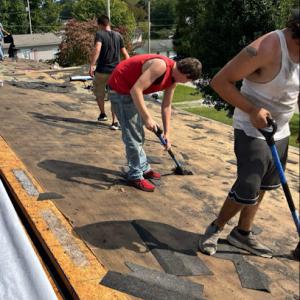
Kerns Roofing Solutions
Serving
4.1 from 10 reviews
Kerns Roofing Solutions DBA F&S construction is a family owned & operated business with 25 plus years of experience we specialize in all types of Roofing,Construction & Gutter installations. We offer free estimates & Inspections!
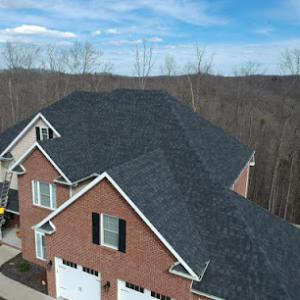
Ed's Home & Commercial Improvement
(304) 965-6636 www.edshomeandcommercialwv.com
Serving
4.2 from 5 reviews
Residential & Commercial Roofing, Gutters & Painting. Emergency Service Available

Granger Home Improvement
Serving
5.0 from 2 reviews
Granger Home Improvement provides home improvement, handyman services, roof repairs, gutter clean out, painting, small plumbing and siding repair in Nitro, WV. If you have any questions don't hesitate to call us now.
Dryer installation windows are especially valuable in Charleston because moderate to heavy precipitation can interrupt tear-off and underlayment exposure. When you plan a roof replacement, you want a window that minimizes prolonged exposure of underlayment to moisture and reduces the risk of wind-driven rain getting underneath exposed decking. The practical takeaway is to pair the chosen dry spell with a crew-ready schedule so work can progress through the worst weather fronts without dejar uncompleted sections. If a forecast shows a stretch of dry days, coordinate with the contractor to lock in those dates and keep a backup plan for quick material staging and safety checks.
Autumn can still bring wet-weather delays in Charleston, so homeowners trying to finish before winter should not assume fall is automatically low-risk for scheduling. Shoulder-season windows can look inviting, but a sustained cold front or early frost can stall progress. A smarter approach is to build a clean, realistic sequence that includes daytime humidity checks, tarp-ready zones, and disciplined turn-around times between phases-tear-off, underlayment, and new shingles or metal components. If a storm system rolls in mid-trip, having a contingency plan for shielding exposed roof areas reduces the chance of rework when the rain stops.
Summer heat in Charleston can accelerate asphalt wear and affect metal components, making timing and crew practices important during hot-weather installs. In hot periods, asphalt shingles may become more pliable, while metal sheets can expand and contract with the sun, potentially stressing fasteners and seals. Schedule the most sensitive stages of installation to cooler hours when possible, and insist on shade, water access, and reflective gear for the crew. A well-coordinated crew will stage materials to avoid long exposure of underlayment during peak heat, and will pause operations when glare or heat becomes unsafe for workers.
Charleston's river-valley topography means steeper pitches and tight lots, which make drainage and storm routing critical during every season. Plan for proper ladder safety and debris containment so seasonal rains don't wash debris into gutters or downspouts during a tear-off. If your roof is aging or shows signs of repeated freeze-thaw cycles, coordinate with a contractor to time flashing replacements and valley work for dry spells, and to wrap vulnerable areas with weather-resistant underlayment during the window of operation. A methodical, stage-by-stage approach keeps moisture intrusion from turning into a weekend setback.
In this river-valley climate, roofing choices must handle four-season moisture and freeze-thaw. Asphalt shingles dominate because steep residential forms common and upfront cost lower than tile or metal. They shed rain efficiently when new and are forgiving on older structures. But in this area, pay attention to edge details to prevent ice dams in valleys and near dormers. Charleston's slopes and tree cover mean wind-driven rain can seep at rakes; ensure installation with adequate underlayment and drip edge.
Metal roofing is also common because it sheds water during frequent precipitation. In freeze-thaw cycles, detailing at fasteners and flashing matters. Use corrosion-resistant fasteners, seal flashings at hips and valleys, and consider standing-seam systems to minimize penetrations. On older homes, ensure deck support and ridge venting are compatible, as snow melts can pool along eaves. Not all metal profiles handle extreme temperature swings the same, so choose panel profiles with adequate attic venting.
Clay tile, concrete tile, wood shakes, and synthetic/composite products appear in the market but require careful structural and moisture planning on older homes. Clay and concrete tiles add color and curb appeal but add weight; verify roof structure can handle it and inspect deck moisture and drainage. In river-valley settings, freeze-thaw can cause tile cracking if water dammed at hips or around penetrations. Wood shakes are lush-looking but prone to decay if moisture remains and must be properly seasoned and maintained; consider treated lumber or replacement with durable synthetic shakes in shaded, moisture-prone spots. Synthetic composites offer easier maintenance but still need solid underlayment and ventilation; they can mimic real shakes or tiles while resisting moisture, as long as flashing details are meticulous.
For all options, drainage is key. Sloped roofs in steep Charleston neighborhoods shed water fast, yet freezing conditions can trap moisture at flashing, valleys, and penetrations. Plan for continuous underlayment, correct valley configurations, and tighten fasteners to prevent leaks after heavy rain. Regular inspection after winter thaws helps catch hairline cracks in shingles or fastener corrosion before leaks form. If adopting any non-asphalt material, coordinate with an experienced local roofer who understands how the river valley moisture and historic homes influence deck, gutter, and gutter-connection details.
In Charleston, seasonal storms can leave wind-lifted granules on asphalt shingles and create edge failures if gutters clog. Inspect after heavy rains and after the first freeze to catch loose shingles, lifted flashing, or minor delamination early. When replacing, match shingle exposure and ensure enough slope for proper drainage to keep valleys dry in thaw cycles. A well-tied system aligns shingles, underlayment, and gutters for the river's moisture pulse. That approach lasts through winter.
Typical local material ranges for asphalt shingles sit around 350 to 700 per square, which is a practical baseline when a hillside lot and steep slopes complicate access. For metal roofing, you'll commonly see 700 to 1100 per square, reflecting the labor lift and staging required to safely work on sloped terrain above Charleston's river valleys. When clay tile is chosen, anticipate 1000 to 1800 per square, with additional time needed to manage weight and precise flashing on older homes that tuck under live oaks and river breeze.
Concrete tile follows a similar pattern to clay but sits a touch lower on some projects, roughly 900 to 1500 per square, depending on the profile and installation challenges posed by mid-rise hillsides. Wood shingles or shakes bring 600 to 1100 per square, a range that accounts for the extra care needed to avoid spurting or splitting in the persistent moisture that lingers after wet springs. Synthetic or composite shingles run about 600 to 1000 per square, a practical middle-ground option when you want longer life without the heavy weight of tile.
Charleston's hillside lots and sloped residential architecture can raise labor difficulty, staging complexity, and debris handling compared with easier-access subdivisions on flat terrain. This reality shows up in the final bill as more crew time, higher equipment coordination, and careful debris containment during storm-season cleanup. If a roof has many dormers, chimneys, or roof-to-deck transitions, plan for added labor to protect exposed decking and to replace moisture-damaged plywood or OSB after several wet seasons.
Storm moisture and freeze-thaw cycles are a constant driver for costs in this city's river-valley climate. Expect variations when spring storms hit and when frost heaves begin to push at flashing detail seams. The added labor needed to replace flashing and moisture-damaged decking after repeated wet seasons can push project scope beyond the simplest one- to two-day shingle swap. In practice, owners should budget for a modest premium on top of material costs to cover staging, deck protection, and careful flashing inspection on steep entries and tight eaves.
A full roof replacement typically requires a building permit through the City of Charleston Building Department. This step isn't optional, and starting work without the proper permit can bite you later when the final lien release or homeowner's insurance is involved. Plan ahead, especially if storm-damaged roofing is pushing your project forward, because the permit process can influence when work actually begins.
Plan review and permit processing can take several days to a couple of weeks depending on department workload. In practice, a typical residential replacement might see a pause between submitting plans and receiving the go-ahead to start. That delay matters after a storm, since weather windows in this river-valley climate don't always align with your contractor's schedule. Build in some flexibility for inspections and material delivery so a late week rainstorm doesn't derail an already tight timeline.
Inspections occur after completion, and a final inspection is used to close the permit. Here's where it pays to be meticulous: before making final payment, verify that the permit is actually finalized in the city records. The final inspection confirms that the workmanship, underlayment, drainage details, and flashing meet code requirements for the area's moisture and freeze-thaw stresses. If the final inspection isn't cleared, hold back a portion of payment and coordinate with your contractor to address any noted deficiencies promptly. In communities with older housing stock and varied roof lines, a late or incomplete final inspection is a common bottleneck.
Maintain copies of all permit paperwork, inspection notices, and correspondences. When planning a storm-related replacement, discuss realistic start dates with both your contractor and the building department to avoid miscommunication. If a permit lags, don't assume the project can proceed undercover; verify approvals before moving between purchase orders and material drop-offs. This diligence helps mitigate the risk of rushed work that misses drainage and flashing details crucial to withstanding the area's moisture and freeze-thaw cycles.
In Charleston, recurring trouble often starts at flashing, penetrations, and shingle edges that have been stressed first by winter freeze-thaw and then by spring rain. The river-valley climate treats roof transitions and valleys harshly, so small flaws become big leaks after a heavy thaw and a wet late season.
At roof-to-wall transitions, vent pipes, skylights, and chimney flashing must flex with seasonal temperature swings. Freeze-thaw expands and contracts around metal and sealant, so careless caulking or aging metal edges crack first. Pay attention to boot bases and step flashing where shingles meet flashing. A single cracked seal or loose coupling can channel water down into a ceiling before you notice the stain. In gutters and downspouts, blocked flow from pine needles and high spring rains compounds the problem, forcing water to seek the path of least resistance across fasteners and laps.
Asphalt roofs in this climate commonly show accelerated wear from summer heat followed by moisture intrusion during wetter seasons, making mixed-age patchwork roofs especially vulnerable. Look for curled edges, cupping, and granule loss near eaves and valleys. Edge courses that were installed with improper nailing or underlayment will fail first after a freeze-thaw cycle and spring rain. When you see soft spots or dampness along a shoulder or rake edge after a thaw, it's a signal that the underlying deck has absorbed moisture and may need substrate repair before re-covering.
Metal roofs in the area need close attention at seams, trim, and fastener-related details because seasonal temperature swings and precipitation expose installation shortcuts. Seams can leak where panels overlap, screws back out, or sealant dries. Inspect trim around chimneys, vents, and flashings, and listen for a faint hiss of wind-driven rain at exposed fasteners after a cold snap. A small seam leak in late winter becomes a bigger concern when warm rain returns, inviting interior moisture and hidden rot.