
Last updated: Apr 19, 2026
Chillicothe sits in the Scioto Valley of south-central Ohio, where valley humidity and seasonal temperature swings increase the importance of drying, ventilation, and timing for roof work. The seasonal pattern here means that moisture moves through the shingles differently than on smoother, broader plains. When planning a roof task, let the forecast shape the sequence: moisture control, ventilation checks, and crew availability all hinge on drying potential and the chance of a sudden storm. Timing is not a luxury-it directly affects seal integrity, underlayment exposure, and the speed at which crews can work without rework.
Winter here brings reliable cold snaps, snow accumulation, and frequent freeze-thaw cycles that can crack or loosen materials if work is rushed during the worst weather windows. If a half-inch layer of ice forms on the deck, it's better to wait or schedule only the essential steps when conditions are truly safe. In frost-prone stretches, consider delaying temporary protective measures until days with consistent above-freezing temperatures and low wind, so sealants and underlayment adhesives can achieve proper set. When a roof replacement is staged across late winter or early spring, plan for multiple short sessions rather than one long push; this reduces moisture entrapment and yields steadier membrane performance once temperatures push above freezing.
Spring storm and hail activity in central Ohio can create sudden surges in roofing demand around Chillicothe, making scheduling less predictable after regional weather events. If a severe hail event hits nearby, the backlog can ripple through weeks of work, backlog that tightens access to crews and top-quality materials. In practice, this means building a flexible calendar with buffer days after large storms and avoiding peak spring windows for major replacements unless there is a solid backup plan for alternate crew rotation. Keep communication lines open with the roofing team regarding anticipated weather gaps, and plan for contingency rescheduling rather than a last-minute scramble.
Warm humid summers influence shingle sealing and underlayment exposure. High humidity can slow adhesive curing and affect the performance of roof vents and soffit closures. On hot days, ventilation becomes a critical factor for both the house and the crew: poor attic airflow can trap heat and moisture, slowing work and increasing the chance of mis-sealed seams. Schedule high-heat work for mornings when possible and allow for shaded breaks and hydration to maintain crew productivity. Concrete and clay tile installations can benefit from cooler early-day windows, especially in the shoulder months when the sun has enough warmth to cure but not enough to over-stress materials.
As temperatures cool, the drying potential improves, and underlayment and sealants reach better setting conditions. Use the lull before winter to complete any remaining ventilation checks, attic ridge vent performance, and moisture mitigation measures. Fall timing should prioritize a dry, wind-stable period to finalize accessory installations, flashing, and gutter integration. A well-timed finish reduces the risk of damp days during the first winter, when wind-driven rain can challenge a late-season seal.
Coordinate with local weather patterns rather than chasing a perfect window. Build a calendar that anticipates spring surges after storms and buffers the peak season with midweek slots that often see fewer weather-related cancellations. Track long-range forecasts for periods with consecutive days of mild temps and low humidity, ideal for underlayment exposure and shingle seating. When a storm warning appears, have a plan to secure temporary protection and prioritize critical steps-like flashing and ventilation-that must be locked in before the next freeze. In all cases, ensure that drying time and attic ventilation are verified before completing the final layer, so the roof holds up under the valley's moisture and temperature swings.
In this area, storms don't flood the market with constant catastrophe claims; instead, hail and wind events periodically drive claim activity. That means your roof may look okay after a gusty day, but insurers are watching patterns and patterns shift with the season. When a spring hail or wind event hits, the clock starts ticking on documentation, assessment, and approval. Do not assume a small dent or a lifted edge is nothing-centerline roof issues can surface after freeze-thaw cycles and hidden damage becomes a claim trigger once moisture penetrates underlayment or fasteners loosen over time. Stay primed: the next storm may come with a new insurer stance or a tighter timeline for damage evaluation.
Chillicothe homeowners are in a central Ohio insurance pattern where hail and wind events periodically drive claim activity rather than a constant catastrophe market. That pattern translates to how claims are reviewed: documents, prior condition, and age all factor into decisions. Have a clear, dated picture of the roof's current condition, especially after a major storm. Insurers commonly want documentation of roof age, prior condition, and photo evidence before approving storm-related roof claims in this region. Gather photos that show three angles per elevation, close-ups of flashing, and any curled or missing shingles, plus a rough diagram of any sagging areas. If you don't have recent professional estimates, get a quick, independent appraisal that notes visible wear, granule loss, and signs of moisture intrusion. Your goal is to paint an honest, well-documented baseline that supports the claim decision rather than fighting for basics after the fact.
After spring hail or wind events, adjusters may request independent inspections, which affects how quickly you can move from damage discovery to replacement approval. Expect scheduling to hinge on weather windows, contractor availability, and the insurer's own workload. In practice, this means you should be prepared with a concise timeline: when damage was first noticed, when documentation was gathered, and when the independent review occurred. Delays often come from storm backlogs or from arguments over whether wind and hail damage are the primary cause or a contributing factor. If an independent inspector flags more extensive damage than initial impressions suggested, don't push past that assessment-use it as a guide to align expectations and repairs with the insurer's determination. The key is to preserve the evidence, keep communications clear, and respond promptly to any request for additional photos, measurements, or expert notes.
Build a storm-ready file: current photos, a dated damage log, and a simple diagram of roof sections. Photograph any suspected hail impact patterns on siding and gutters, because those often corroborate roof claims in this market. After a storm, contact your insurer quickly to confirm claim channels and required documentation, then schedule an independent inspection if requested, keeping a calendar of all deadlines. In this market, speed combined with solid documentation can move a claim from discovery to replacement approval with far less friction. Stay vigilant through the thaw cycles and post-storm weeks-the window for timely claim decisions tends to tighten as the season wears on.
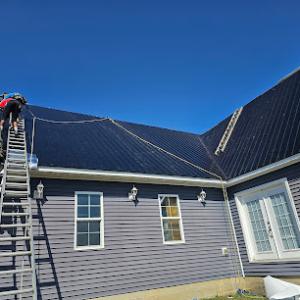
A&A Roofing & Siding
(740) 600-3390 aaroofingsiding.voolt.com
Chillicothe, Ohio
5.0 from 3 reviews
25+ Years Experience License bonded and Insured Free Estimates 10 Year Warranty Veterans and Senior Citizens Discount
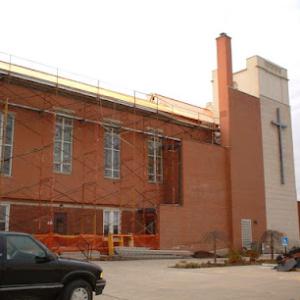
B & B Roofing
(740) 772-4759 www.bandbroofing.com
150 Cooks Hill Rd, Chillicothe, Ohio
3.5 from 10 reviews
When you’re looking for residential or commercial roofing services, you want a roofing contractor with a proven reputation for providing quality roofs and honest service. B&B Roofing, Inc. in Chillicothe, OH, has been providing the residents and businesses of Chillicothe and its surrounding areas with reliable roof repair and installation since 1982. Whether you’re looking for commercial or residential roofing services, the professionals at B&B Roofing have the knowledge and skill to get your job done quickly and efficiently. Storm damage, regular wear and tear, or human error, they will provide quality roof repair to protect your home from the elements.
Top Choice Roofers
(740) 988-0527 www.topchoiceroofers.com
Serving
5.0 from 74 reviews
Being in business for 10+ years has given us an unparalleled advantage over our competition and allowed us to provide the finest and most efficient customer service possible. We strive to ensure you’re confident and satisfied with our work. We look forward to providing excellent customer service to you!
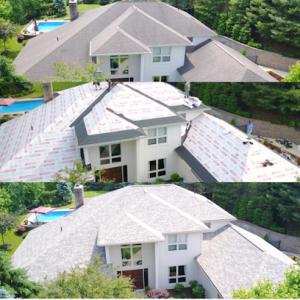
Ohio's Finest Roofing
(614) 419-6885 www.myohioroofing.com
Serving
5.0 from 33 reviews
We’re a family owned and operated home improvement business based out of Circleville, OH. We have over 20 years of interior and exterior improvement experience for both residential and commercial properties. But recently changed our delivery model to focus on roof damage repair and replacements. Our service covers the entire state of Ohio, and some neighboring states. With a deep passion in preserving and maintaining property, we treat every project as if it’s our own home we are working on. It's not easy trusting anyone to work on your property so we make sure all of your questions are answered, and make the process of a roof repair a GREAT experience for you.
Tri State All American Roofing & Restoration
(859) 468-0266 www.tristateallamericanroofing.com
Serving
5.0 from 13 reviews
Welcome to Tri State All American Roofing and Restoration, LLC. Based in Covington, KY, we’re your one-stop shop for comprehensive services including roofing, siding, gutters, windows, and storm damage. Established in 2018, our seasoned team brings over 35 years of combined experience to the table. Our commitment to quick responses, high-quality work, and competitive pricing sets us apart. Whether you’re a commercial or residential property owner, we’ve got long-lasting solutions for you.
Upperman Roofing
(740) 600-1333 www.uppermanroofing.com
Serving
5.0 from 5 reviews
Owner operated, Upperman Roofing is a Central Ohio roofing company that is dedicated to providing families and businesses with reliable roofing services. Founded on values and built on integrity, Upperman Roofing takes pride in providing quality craftsmanship.
All Seasons Roofing & Home Restorations
(614) 578-0193 www.allseasonsroofingandhomerestorations.com
Serving
5.0 from 211 reviews
Ohios #1 roofing and siding company! Fully owner operated to make every project a breeze from start to finish! From seamless metal roofing systems to vinyl siding, gutters, and asphalt shingles, weve got you covered! Specializing in insurance restorations, our goal is to offer the best service and craftsmanship possible! Cost free estimates and inspections along with financing options make working with us a breeze! And as a licensed insurance adjuster, we are experts in getting any storm related damage covered by your insurance company and bringing your home back to pre loss conditions! Call today and speak directly with the owner at 6145780193! In the mean time, take a moment to review hundreds of our reviews and see why we are the best!!

Huff's Construction
(740) 474-4023 www.huffsconstruction.com
Serving
4.8 from 4 reviews
For over 30 years, Huff's Construction has been building dreams and transforming houses into homes. As seasoned roofing contractors and general contractors, they bring expertise and passion to every project. Huff's Construction enhances curb appeal with quality siding, durable windows, and seamless gutter systems. Their commitment to detail and personalized service ensures your vision becomes a reality, crafting spaces where memories are made. Choose Huff's Construction for lasting beauty and peace of mind.
The Roofing Team
Serving
Shingle roofing contractor servicing the tri state area. Give us a call to see what our team can do for you!
The Thrush & Son® Franchise Group
Serving
This is more than a construction business. It’s a sales and project management business, uniquely focused on the exterior of the home. Few other home repair concepts can match the Thrush & Son® founding team’s years of experience, absolute commitment to professionalism and service, plus best-in-class business management technologies, including our proprietary CHIP project management platform. And, few other home repair franchises give you the flexibility and freedom to manage your future like the Thrush & Son® model.
Asphalt shingles remain the dominant choice for the area's steep-slope residential stock. The combination of straightforward installation on typical Chillicothe roof pitches and the practical reality of post-storm replacement makes asphalt a dependable option. When a hail event or strong wind hits, asphalt shingles are generally easier and quicker to replace than premium systems, which translates into less downtime and less exposure to the elements during the replacement window. For many homeowners, this practical resilience aligns well with the local climate characterized by humid summers and winter freeze-thaw cycles. If you value a balance of performance, ease of repair, and familiar maintenance, asphalt shingles offer a robust baseline that handles periodic moisture and storm stress without overly complicated upkeep.
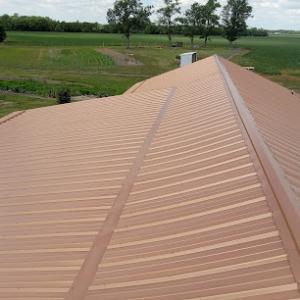
Metal roofs hold particular appeal in this market due to snow shedding and steady moisture resistance through the harshest weeks. In Chillicothe, where snowpack and freeze-thaw cycles are predictable seasonal challenges, metal helps reduce ice dam risk by promoting efficient water run-off and minimizing moisture retention at the eave line. The durability of metal systems under repeated freeze-thaw cycles also translates into fewer concerns about micro-cracking or tile-like failures after hail or heavy wind events. For homes that see prolonged winter stress or that want a long-term, low-maintenance option, metal can be a favorable fit, especially on roofs with sun exposure patterns that favor rapid clearing of snow and ice. Consider metal if you anticipate long-term protection against moisture intrusion and want a roof that holds up well across many winters.
In neighborhoods with older or architecturally varied homes, heavier premium materials have a distinct place. Slate, clay tile, and concrete tile offer durability and a historic or distinctive look that suits the character of many local homes tied to the area's traditional architectural styles. These materials are recognized for their long service life and ability to withstand the region's freeze-thaw cycles when properly installed and maintained. For homes with rooflines that support heavier assemblies and where a distinct aesthetic matters, premium coverings can enhance curb appeal while providing robust performance against storm impact and moisture. The key is pairing the weight and installation needs with a roof deck that is prepared to support the load and appreciates the local climate's demands.
Regardless of material choice, plan for the seasons that most stress Chillicothe roofs: late fall and early winter, when freeze-thaw cycles are most prevalent, and spring storms that bring hail and high winds. A roof type that sheds moisture efficiently, resists impact, and can be repaired or replaced with controlled disruption will serve you best when weather windows are tight. When evaluating options, consider the pitch of the roof, attic ventilation, and the existing structure's ability to accommodate the chosen material. The right match balances performance in moisture-heavy summers, resilience through harsh winters, and the practical realities of storm response and maintenance access.
When planning a roof replacement, starting with local material cost ranges helps set expectations. In this market, typical asphalt shingles run about 350 to 550 USD per square, a baseline that often anchors bids. Metal roofing tends to sit higher, roughly 700 to 1100 USD per square, reflecting its longer lifespan and replacement cadence. For those considering clay tile, the range stretches from 900 to 1400 USD per square, while concrete tile sits around 800 to 1200 USD per square. Wood shingles or shakes generally fall between 650 and 1100 USD per square, and slate can push significantly higher, from 1200 to 2400 USD per square. These ranges reflect material quality differences, installation complexity, and the local availability of crews who specialize in steeper pitches and heavier assemblies.
Central Ohio hail and wind events can tilt the pricing curve, especially when a storm leads to increased regional demand. After a hailstorm or severe wind, crews and material suppliers may shift toward insurance-related work, which can tighten scheduling and push up both material and labor costs temporarily. In practical terms, a homeowner should expect tighter bidding windows and the possibility of a premium if a storm just rolled through and many homes are pursuing quick turnarounds. When planning, build in a buffer for these fluctuations and avoid peak storm weeks for non-emergency work if possible.
Older homes in the area often require more than a straightforward re-cover. If contractors uncover decking repairs, ventilation upgrades, or structural concerns tied to heavier materials such as slate or tile, costs can rise. Decking integrity and attic ventilation play a big role in the long-term performance of a roof in this climate, where moisture cycles and freeze-thaw can challenge dated assemblies. Expect bids to itemize roof deck repairs, new ventilation components, and any necessary flashing or ice-dam mitigation measures. This is especially true when upgrading to heavier systems, where the structural assessment can reveal the need for reinforcement or more substantial underlayment.
Start with a target material that fits both the home's historic character and the local climate realities. For steep-slope residential roofs in this area, balance long-term durability with installation practicality. If a favored material has a wide price swing, request a phased plan that spells out staged costs and potential upgrade paths if decking or ventilation work becomes necessary. Finally, consider the timing of a replacement relative to typical storm seasons, aiming for sleeves of time with lighter demand to secure crews and avoid price spikes.
A full re-roof in this area typically requires a building permit. The City of Chillicothe looks at the project as a structural change, not just cosmetic, so skipping permit steps can bite you later when you try to sell or make changes again. The permit process is purposefully straightforward, but it hinges on proper documentation and accurate project scope. In practice, applications are reviewed by the City of Chillicothe Building Department and are typically submitted by licensed roofing contractors rather than homeowners handling the process alone. That means you should expect your contractor to manage the paperwork, deadlines, and any corrections requested by the city.
Inspections in Chillicothe commonly occur during tear-off or underlayment and again after completion, with attention to installation details and ventilation. The tear-off phase is checked to ensure the old deck or sheathing is sound and adequately prepared for the new roofing system. During underlayment, inspectors verify that the protective layers are correctly installed, with proper fasteners, sealing around penetrations, and gutters or drip edges in place. A final inspection confirms that ventilation, venting, ridge lines, and flashing meet local standards. Plan for access and cooperation with the inspector so any issues can be corrected quickly rather than delaying the project.
Coordinate closely with your contractor to align the schedule with the city's inspection windows, especially around adverse weather that can affect the timing of tear-off and re-cover. Ensure the project scope notes the exact roofing system, ventilation strategy, and any specialized details like attic baffles or soffit vents that influence the permit review. If the contractor suggests changes to deck or substrate, request a quick written explanation for the record and confirm how those changes impact inspection checkpoints. Remember that permits bind both safety and compliance; proper approvals reduce the risk of liens or costly rework. Keep original permit cards accessible and clearly posted on site for reference during inspections.
Chillicothe's older housing stock means roof replacements more often involve layered repairs, aging decking, and ventilation corrections than in newer suburban-only markets. When a roof has seen decades of freeze-thaw cycles, decking boards can bow, nails can back out, and ice damming becomes a recurring concern. Understanding these realities helps you plan for the extra steps that keep your roof performing through central Ohio winters and hot, humid summers.
Historic-looking materials such as slate, wood shakes, and tile are part of the local conversation because some homes have architectural styles that make material matching more important. If your house carries period details, your contractor may need to source close visual equivalents or carefully blend new layers with existing textures. In practice, this often means considering underlayment, starter shingles, and edge details that preserve the facade while delivering modern performance. Matching color, profile, and rhythm with neighboring historic homes can influence both the installation sequence and long-term satisfaction.
With layered repairs, you may encounter multiple shingle layers or sections where old decking shows wear. Addressing this now reduces the risk of hidden rot bubbling up after you think the job is done. Expect a thorough inspection of sheathing, fascia, and drip edge, since moisture intrusion can travel from the exterior to interior framing over time. Ventilation plays a critical role in Chillicothe's climate; improper attic venting accelerates ice dam formation and moisture buildup. A well-designed venting plan helps regulate attic temperature, reduces condensation, and extends the life of the roof system.
Homeowners often face tradeoffs between preserving the appearance of older homes and switching to lighter or lower-maintenance systems better suited to current budgets. For some properties, a carefully chosen, weight-appropriate composite or lighter slate substitute can deliver a similar curb appeal with reduced maintenance. For others, upgrading to a metal or high-performance asphalt system under a traditional profile can maintain the historic look while improving durability against freeze-thaw cycles and Central Ohio hail events. The goal is to pair reliable performance with the architectural intent of the residence.
Winter in Chillicothe brings snow load concerns, ice formation, and freeze-thaw cycling that can widen existing shingle, flashing, and masonry-adjacent roof defects. Ice dams form along eaves where warm roof decks melt and refreeze, pushing moisture under roofing edges and potentially into soffits or attic spaces. When planning or continuing work, expect shorter daytime work windows, and protect unfinished edges from moisture ingress. In cold snaps, consider temporary coverings to guard scaffolding and exposed underlayment, and pace activities to avoid brittle material handling. Inspect for cracked fascia, loosened gutters, and moisture-stained ceilings after thaw cycles, then prioritize sealing and resealing vulnerable transitions before next freeze.
Spring is the most volatile local season for hail, wind-driven rain, and insurance claim activity, often making it the key inspection window for homeowners. Rapid weather swings can uncover pre-existing defects, especially around chimneys, vents, and skylines where flashing meets roofing. Plan a thorough post-winter inspection as soon as soils are workable and days are mild enough for safe access. Look for bruised shingles, lifted edges, and granular loss on asphalt surfaces, plus any loose or corroded step and head flashing. Prioritize repairs that prevent moisture intrusion during upcoming storm season and schedule follow-ups after any hail event to reassess structural integrity.
Summer heat and humidity affect material handling and installation conditions. Heat can soften certain underlayments and complicate sealant cure timing, while high humidity slows drying and can invite mildew if ventilation is poor. When replacing or reroofing, ensure crews stage materials to minimize heat exposure on sensitive products and maintain clear ventilation at ridge lines. Inspect attic insulation and ventilation before work begins to prevent premature moisture buildup in the hot months. Plan critical flashing work for cooler parts of the day to improve seal integrity and longevity.
Fall wind and precipitation can compress the final replacement window before winter. Shortening daylight and unpredictable storms can push critical tasks into tight schedules, risking rushed workmanship. Establish a target sequence that prioritizes weatherproofing of edges, penetrations, and the most vulnerable transitions first, with backups for dry spells. Schedule final inspections once temperatures moderate to confirm flashing performance and attic moisture control, ensuring readiness for winter onset.
Throughout the year, maintain a steady rhythm of inspections after notable weather events and before seasonal shifts. Keep an eye on ladder safety, secure access points, and clear drainage pathways. If multiple layers of aging material are present, plan staged work to minimize moisture exposure and align with favorable weather slots, ensuring each phase finishes before the next climatic stressor arrives.