
Last updated: Apr 19, 2026
The Ohio River valley keeps you on a tight clock: heavy rain, periodic hail, and wind events hammer roofs in bursts, not as isolated hits. In Ashland, homeowners often see granule loss on asphalt shingles, lifted edges, flashing failure at hips and valleys, and localized leaks that pop up after wind-driven downpours. The four-season pattern means spring storms can expose roofs that have endured winter, so brittle shingle tabs and cracked sealant can suddenly fail once moisture returns. Summer humidity slows drying after leaks and can push moisture deeper into decking and attic spaces, allowing hidden mold and rot to take hold before you notice it. Treat every storm as a potential trigger for the next phase of damage, rather than a single event you can weather with a band-aid fix.
Because contractors here heavily advertise emergency repair and storm work, the market pushes quick tarping and short-notice leak stabilization after weather events. Your immediate goal after a storm is to prevent further intrusion and secondary damage while you plan a proper repair. If you notice active drips, rising damp in the attic, or staining on ceilings, act fast: secure a tarping if you can safely do so, or call a pro who can place a temporary roof cover before more wind or rain breach the underlayment. Document every impact point with photos and notes, because visibility of granules in gutters or loose flashing can guide the next moves. Keep a log of weather events and the dates you first noticed leaks; this helps when you speak with insurers and contractors who expect a clear damage timeline.
In this climate, a small leak behind a wall or under a vent flashing can indicate more serious problems below the surface. Look for lifted shingles with exposed adhesive, shingle tabs peeled back from wind, and granules accumulating in gutters after a storm-each is a flag that moisture has found a path into the roof's structure. Flashing around chimneys, skylights, and vent pipes is particularly vulnerable in windy sequences and freeze-thaw cycles. If you detect dampness in the attic after a storm, do not delay the assessment: hidden moisture can compromise deck boards and rafters, accelerating rot and reducing the roof's long-term life.
Given the variability of storms, you should have a plan in place before the next weather surge. Identify a trusted local contractor who can respond quickly for tarping and stabilization, and confirm their availability for rapid assessments after a storm. Keep emergency contact numbers handy, and reserve space in your schedule for a comprehensive inspection within 1-2 weeks of a major event, weather permitting. In Ashland, the pattern of spring exposure and summer humidity means you must prioritize moisture management early, so you don't trade quick fixes for longer-term damage. When a storm hits, your best defense is a swift, documented response that halts moisture intrusion and sets the stage for a durable repair.
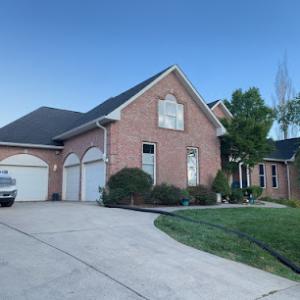
Thoroughbred Construction Group
(844) 977-0822 thoroughbred-construction.com
105 Armco Blvd, Ashland, Kentucky
4.9 from 484 reviews
Welcome to Thoroughbred Construction! We strive to be the best in our trade, We provide services for residential and commercial clients. In need of a new roof, siding, gutters? Look no further! We offer roofing, siding and gutter services in KY, OH and WV. If you're not sure if we cover your area, just give us a call and we’ll do our best to provide prompt service to your location.
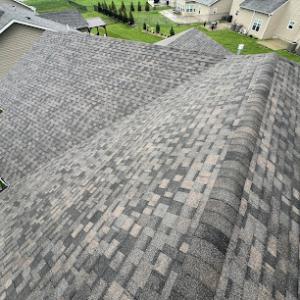
Spartan Construction & Design
(606) 644-0525 www.spartandesignroofing.com
2841 13th St Suite 2, Ashland, Kentucky
5.0 from 25 reviews
Welcome to Spartan Construction and Design, a family-owned roofing contractor servicing the Residential and Commercial roofing needs of Kentucky, Ohio, and West Virginia. We specialize in the installation and repair of various types of Roofing materials including Shingles, Metal, Flat, EPDM Rubber, TPO, Single-ply, Vinyl Siding, and all Siding Types. At Spartan, we are dedicated to delivering Integrity, Strength, and Precision in every project and uphold a commitment to Honest Roofing practices. Complimentary inspections and estimates are available, and for added convenience, we offer No-Catch, No Fees 100% financing options.
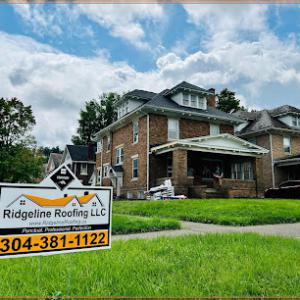
Ridgeline Roofing
(304) 381-1122 www.ridgelineroofing.us
1100 Our Lady's Wy Suite 208, Ashland, Kentucky
4.8 from 45 reviews
Welcome to Ridgeline Roofing, your premier roofing specialist located in Ashland, KY. Serving both residential and commercial clients, we're on a mission to provide durable, quality, and affordable roofing solutions that stand the test of time. Recognized as a Top-Rated Local® roofer in Ashland, we're dedicated to ensuring every project we undertake reflects our commitment to excellence with full transparency. Contact us for a free quote, and let us redefine your roofing experience.
Precision Property Development
(606) 547-2256 www.precisionpropdev.com
1100 Our Lady's Wy Suite 200 Box#3, Ashland, Kentucky
5.0 from 9 reviews
Our construction company specializes in a comprehensive range of services, including roof replacements, gutters, siding, drywall, flooring, painting, door replacements, bathroom renovations, fencing, decking, general carpentry, and crime scene remediation. We are committed to high-quality workmanship and customer satisfaction, ensuring that each project is completed with precision and care. Whether you're looking to enhance your home's aesthetic with a remodel or require professional services for remediation, our experienced team is ready to assist you every step of the way
Design Roofing
(304) 760-8915 www.designroofing.us
1212 Bath Ave Suite 649, Ashland, Kentucky
5.0 from 7 reviews
Design Roofing is the leading Roofing Contractor in Ashland, KY & the surrounding areas. We proudly offer Roof Installation & Repair in Ashland, KY! Get in touch with us if you need a Roof Inspection. We pride ourselves on being able to complete the majority of our installations in one day. We pride ourselves on our skills so allow us to show you what roofing done right means. Contact us if you looking for "Metal Roof Installation near me". We offer both commercial roofing and residential roofing in Greater Ashland, Kentucky area. We are a GAF Master Elite Preferred Contractor. Get a free quote! Call us today!
CHS Roofing & Siding
(855) 247-2005 chsroofingandsiding.com
1518 Midland Trail, Ashland, Kentucky
4.0 from 25 reviews
CHS Roofing & Siding is the leading Roofing Contractor Company in Ashland, KY & the surrounding areas. We proudly offer Deck Repair in Ashland, KY! Get in touch with us if you need a Roofer. Every day our teams work to improve every neighborhood in our region, one home at a time. Whether it is residential or commercial roofing, siding, or gutters, CHS Roofing & Siding is here to fully meet your home’s exterior needs. We strive to provide our customers with the highest quality product along with above and beyond instillation. We are the top Roof Installer in Ashland, KY. Contact us if you looking for a "Roof Repair Company near me". We strive for 100% customer satisfaction with a written warranty to back it up.
The Bri-Den
(606) 325-8639 bridenroofing.com
459 29th St, Ashland, Kentucky
4.7 from 9 reviews
We specialize in a wide range of commercial flat roofs, and industrial flat roofing and sheet metal projects, including gutter and metal panel systems. Whether you need immediate leak response for roof repairs or estimates on a roof replacement, we’ve got you covered. Not only do we do membrane roofing including EPDM, TPO, PVC, SBS Modified, and BUR (Built up roofing) but we also design and install paver roof systems for decks, patios, and plazas.
Nest Roofing
(740) 744-6177 www.nestroofing.net
Serving
5.0 from 70 reviews
Roofing Experts. Certified Contractor. Licensed & Insured. Financing Available.
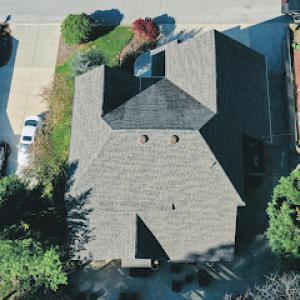
Mr. Roofer | Roofing & Construction
(740) 263-4357 www.mrrooferco.com
Serving
4.9 from 194 reviews
Welcome Mr. Roofer your general home roofing contractor. We are dedicated to delivering top-notch roofing services to residential and commercial properties. Our team of skilled contractors is committed to providing quality workmanship that guarantees customer satisfaction. From Roof repair, roof replacements, roofing siding , gutters cleaning ,we use only the best materials and ensure levity of your roofs. We pride ourselves on our reliability, affordability, and professionalism. Contact us today for a free quote, and let us take care of your residential, commercial roofing needs. Choose Mr. Roofer- a construction company for a secure and aesthetically pleasing roof.
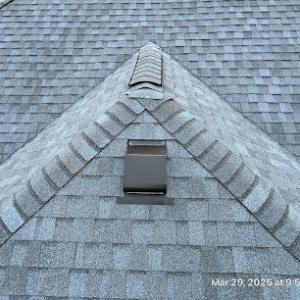
Fahey Roofing + Contracting
(304) 736-7663 faheyroofingcontractors.com
Serving
4.8 from 332 reviews
We are a full service residential/commercial roofing/Siding contractor. We professionally install all metal roofs, shingle roofs, rubber roofs, TPO roofs, roof coatings, standing seam metal roofs, seamless gutters and roof repair for commercial and residential. We install soffit, fascia, siding, decks and more!
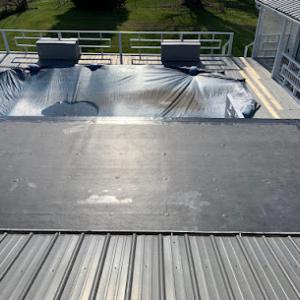
DNA Roofing
Serving
5.0 from 11 reviews
How are we different from the rest? Quality work. In addition to professional, careful, and reliable roofing services, we are priced very competitively for your consideration. For your peace of mind, we are a responsible, honest company that is fully licensed and insured.

Maycon Construction Services
(304) 208-8978 www.callmaycon.com
Serving
4.6 from 83 reviews
Maycon Construction Services of Huntington, WV specializes in residential roofing, siding, gutters, window installation and more. For over 15 years we have been providing outstanding construction services in the Tri-State area of West Virginia, Ohio & Kentucky. Our quality roof repair and roof replacement services come with a 5 year workmanship warranty. If your residential property has storm damage from wind, hail or heavy rain, we will work with your insurance company to get your home fully restored. When you need quality home improvement & restoration, count on Maycon Construction Services!
In Ashland, wind and hail claims are commonly covered by Kentucky carriers when damage is well documented with photos, material details, and contractor estimates. The insurer is looking for a clear, repeatable story: what failed, when it happened, and what it will take to restore the roof to its prior condition. A home with an older, weathered roof that has endured multiple seasons will still be considered for replacement where the storm damage is verifiable. The key is to present a cohesive narrative supported by tangible evidence rather than vague observations.
Older roofs in this market may face closer insurer scrutiny or depreciation, which makes documenting pre-existing wear versus recent storm damage especially important before repairs begin. Take a dated photo trail showing overall condition, along with close-ups of missing shingles, lifted tabs, granule loss, and any interior staining in ceilings or attic spaces. Keep a log of prior repairs or replacements, and gather material details such as shingle type, underlayment, and any flashing or valley issues. This helps separate wear from wind-driven or hail-impacted areas when the adjuster reviews the claim.
Adjuster scheduling can affect project timing in Ashland after storm periods, so homeowners often need temporary protection in place while waiting for claim review and scope approval. If weather windows shift or an adjuster is backed up, having tarps ready and securing vulnerable areas can prevent further damage. Communicate with the insurer about preferred inspection dates, but proceed with temporary measures promptly if rain or wind is expected. A clear plan for temporary protection also demonstrates care for the home and can speed up the review process.
When the claim is opened, your contractor should be prepared to provide a detailed, itemized estimate that aligns with the insurer's scope. Material details, replacement methods, and an explanation of why certain repairs are necessary help the adjuster connect the dots between report photos and the actual roof deck condition. Provide the insurer with the contractor's contact information, written estimates, and any supplemental documentation as requested. A practical approach is to schedule a joint inspection so the adjuster can see the damage in person and validate the proposed scope.
After a storm, prioritize securing the property and preventing further damage. Document new observations with photos and notes, then notify the insurer promptly with a concise summary of damage and immediate needs. If a contractor is brought in, ensure that work is traceable through written contracts and that any temporary protections are installed under a clear plan. Keep all correspondence and receipts, including any temporary protections, communications with the adjuster, and interim repairs, organized in a single file for reference during the claim review and scope approval.
Connect with contractors who help homeowners navigate the claims process from damage assessment to final approval.
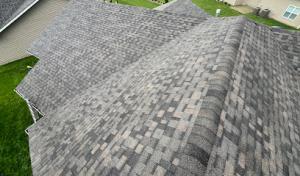
Spartan Construction & Design
(606) 644-0525 www.spartandesignroofing.com
2841 13th St Suite 2, Ashland, Kentucky
5.0 from 25 reviews
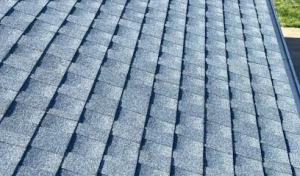
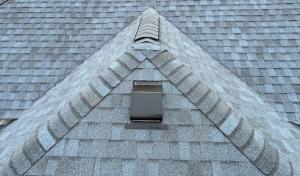
Asphalt shingles remain the common choice for the local housing stock because they align with typical roof pitches, framing capacities, and homeowner expectations here. In this climate, freeze-thaw cycling, humidity, and hail can shorten service life if ventilation and flashing are weak. A well-ventilated attic and properly sealed pipe and valley flashings can extend the life of an asphalt roof through repeated storms and fast leak response seasons. When considering replacement or re-shingling, prioritize an underlayment and a shingle line rated for high-wind and impact-prone environments, and verify that gutters, downspouts, and drip edges are integrated to manage the heavy spring rain and summer humidity.
Metal roofing carries strong local relevance in this market, performing well against repeated rain exposure and seasonal temperature swings. It is less prone to rapid degradation in hail compared to some other materials, and its reflective surface can help reduce heat gain during humid summers. For homeowners planning extended ownership, metal offers a favorable balance of performance and perceived value, particularly when the roof line is either steep or challenging to access for future maintenance. In Ashland's storm-driven repair market, metal can also minimize the frequency of rapid leak responses after severe weather events, provided the installation includes appropriate sealing at seams and penetrations and a robust ventilation strategy to manage condensation.
Clay tile, concrete tile, wood shakes, and synthetic products are available, but suitability depends heavily on structural capacity, slope, and whether the home's design justifies higher installation complexity in a market dominated by more cost-sensitive re-roofing. Clay and concrete tiles demand a strong substructure and often a higher roof pitch, which many older or heavier homes may not currently support without modification. Wood shakes and synthetic variants bring distinctive aesthetics and weight considerations; they can excel in dry periods yet require careful detailing to resist moisture-related issues and hail exposure. In many Ashland projects, these options are considered only when the home's framing and roof geometry can accommodate the added weight and the long-term maintenance profile aligns with the owner's willingness to address insect, moisture, or color fade concerns.
After a hail or wind event, the repair market in this area tends to surge, and that pressure shows up in scheduling and labor pricing. Local crews can be tied up or working overtime, which pushes bids upward. The Ohio River valley moisture and freeze-thaw winters can leave decking more vulnerable once a roof is opened, so replacement work may require careful sequencing and additional moisture-related precautions. Steeper residential rooflines common on aging homes also add removal time and disposal complexity, which translates to higher day-rate labor and overall cost.
Base per-square ranges cover typical asphalt, metal, and tile projects, but final pricing shifts with roof complexity. Asphalt Shingles run roughly 350 to 650 per square, metal systems 600 to 1100, clay tile 800 to 1800, concrete tile 700 to 1400, wood shingles or shakes 800 to 1400, and synthetic or composite shingles 900 to 1500. In Ashland, final numbers often drift upward during peak storm seasons, especially when decking is moisture-damaged and must be replaced after removal.
Two big cost factors stand out: tear-off and disposal, and the logistics of scheduling inspections and mobilizing crews after a hail event. If decking is compromised, replacement becomes part of the project, and that adds material and labor time beyond the base price. The choice between budget-focused asphalt and longer-term metal systems matters not only for upfront price but for long-term resilience against freeze-thaw cycles and storm impacts.
Obtain multiple written estimates that itemize tear-off, decking, underlayment, disposal, and any demolition work. Ask how access and haul routes will work to minimize disruption to your day-to-day life. Plan for storm-season timing and potential overtime or expedited scheduling. Include a contingency for decking repairs if damage is found after removal, and weigh metal's durability against its higher square price given winter conditions.
When you compare quotes, consider the stated per-square ranges plus the likelihood of steep pitches, removal complexity, and disposal needs. Demand can drive pricing up, but understanding the main drivers helps set realistic expectations for a final number that covers both immediate replacement and long-term performance in this climate.
Don't let upfront costs delay a critical repair - these contractors offer payment plans to fit your budget.
Spartan Construction & Design
(606) 644-0525 www.spartandesignroofing.com
2841 13th St Suite 2, Ashland, Kentucky
5.0 from 25 reviews
Design Roofing
(304) 760-8915 www.designroofing.us
1212 Bath Ave Suite 649, Ashland, Kentucky
5.0 from 7 reviews
A full roof replacement in this area typically requires a building permit, filed by either the contractor or homeowner through the local building department. The process exists for your safety and for the long-term integrity of the home, especially given the moisture, freeze-thaw cycles, and storm-driven repairs common in the Ohio River valley. If a contractor is handling the filing, verify that they have an active license and that the permit number is clearly posted on jobsite materials and visible from the street. If you choose to file yourself, make sure you are prepared to provide the planned scope, attic ventilation details, and any changes to venting or drainage that could affect drainage patterns on the roof.
Inspections are generally conducted during the project and again at final completion. The permit is not fully closed until the final inspection is passed, meaning any outstanding items flagged by the inspector-such as flashing details, ventilation adequacy, or attic insulation compatibility with the new roof-must be addressed promptly to avoid delays or rework. In Ashland's climate, inspectors sometimes pay close attention to how the roof integrates with existing ventilation and vapor barriers to prevent moisture buildup that can lead to long-term rot or mold issues after winter storms.
Homeowners near jurisdictional edges should confirm whether city limits or another Boyd County jurisdiction controls the job, because process details can vary slightly depending on where the property sits. For a property that sits near the boundary, a misapplied jurisdiction could mean a delayed permit, a different required set of drawings, or a separate final inspection requirement. When there is any doubt, contact the local building department to confirm the correct jurisdiction before submitting plans or starting work. It's common for storm-damaged properties to experience interim repairs under emergency provisions, but those do not replace the standard permit path and do not negate the need for a final inspection once the replacement is complete.
Keep a centralized folder of all permit documents, inspection notices, and approved plans. If a storm-related repair is responding to a leak, the timing of permit approval and inspections can influence when a roof becomes weather-tight again, which is especially critical during the region's humid summers and volatile spring storm patterns. Share inspection schedules with your contractor and, if applicable, your insurer, to align repair milestones with the coverage timeline and avoid miscommunications that could stall the project.
Cold winters and hot, humid summers create repeated expansion and contraction across flashing, pipe boots, valleys, and shingle tabs. In a home with typical Ashland construction, that stress is most evident where two different materials meet or where sealants have aged. Small gaps can open during a bitter freeze and then widen with the next thaw, letting moisture creep in behind the exterior layer. Over time, those micro-movements accumulate, turning minor imperfections into meaningful vulnerabilities that show up as slow leaks or staining inside an attic or ceiling.
Moisture exposure in this part of Kentucky can turn small roof defects into decking or attic moisture issues faster than homeowners expect, especially when leaks begin during spring rain and linger into humid summer weather. Once water finds a path through the roof deck or underlayment, it can soak into plywood or OSB, accelerating rot and inviting mold in tight attic spaces. In Ashland's climate, a drip in March can become a race against the humidity by July if the original weak point isn't addressed promptly. The result is not just a roof issue but a home comfort and health concern.
Winter ice and snow can delay repairs in Ashland, which increases the importance of catching minor failures before cold-weather access becomes limited. When crews are juggling freeze-thaw cycles, a small vent boot leak can become a larger failure by the time crews can safely take a scaffolded job. If a patch seems temporary, expect that temporary to fail under rough winter conditions. The practical takeaway: address a suspicious dip, moisture stain, or attic musty smell before the calendar flips to deep winter, because access and repair time will only tighten as temperatures dip.
In Ashland, flat-roof specialists operate here, so the detailing for drainage and membrane differs. A meaningful number of flat or low-slope sections hide behind dormers or porches, even on otherwise steep-shingle homes. Although most homes are traditional shingle types, the flat-roof crowd sets the pace for edge details, slope toward drains, and flashing compatibility. After storms, walk the flat sections and check for surface splits, wrinkles in the membrane, or standing water that could indicate a failing cap sheet.
Persistent rain and humidity in this valley make transitions between low-slope and steep-slope sections especially vulnerable if flashing and drainage paths are not maintained. Inspect overlaps where the low-slope meets a higher roof, verify that seams stay sealed, and confirm that scuppers or internal drains are clear. A clogged drain can back up water into the envelope, particularly near skylights and vent pipes.
Skylight-related leak service appears in the local market, so pay close attention to curb flashing, seal aging, and water entry around penetrations after storms. Check the curb for lift or separation, re-seal with compatible sealant, and confirm that the flashing collar around the skylight sits under the surrounding roofing material. If you notice condensation on the inside of the glass after a rain, inspect for interior condensation issues but also consider exterior flashing integrity.
Create a simple quarterly check routine. Clean debris from gutters and around roof penetrations, reseal small gaps before they widen, and monitor any changes after heavy rains. Keep an eye on transitions, flashing joints, and the condition of any membrane fasteners. In wet seasons, plan extra inspections within 24 to 48 hours after major storms. If you notice new damp spots along interior walls, call a roofer promptly to check the interior envelope and curb flashing before more damage.
Find specialists in TPO, EPDM, and built-up flat roofing systems for residential and commercial properties.
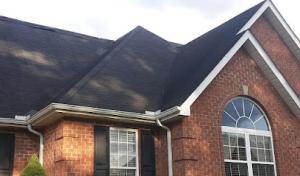
Spring in Ashland brings storm interruptions and leak risk during active tear-off, so project timing and dry-in planning matter more than in milder climates. If a roof job begins as storms roll through, leaks can push crews off the roof and extend the schedule. Expect windows of several dry days, and coordinate with the contractor to stage materials to minimize rain exposure. A midseason inspection of flashing, vents, and valleys helps catch damage that winter weather may have left behind before heavier spring rains arrive.
Prepare for tarping and temporary waterproofing to cover exposed areas between roofers' visits. In this climate, a solid dry-in depends on wind and moisture; confirm underlayment installation sequence, starter courses, and fastener selection so a late spring shower does not compromise the deck. If a contractor anticipates a tear-off, discuss a contingency plan for delaying sections that are prone to wind uplift or standing water.
Summer heat and humidity can affect shingle adhesive behavior and crew productivity, which can influence installation pace and quality control on larger jobs. Plan alternative workflow during peak heat, and verify that roof penetrations and edge details are completed during cooler parts of the day. On larger replacements, insist on staged timelines that protect the interior from extended exposure and ensure proper ventilation for attic spaces during and after installation.
Fall winds and leaf debris can complicate staging, cleanup, and final inspections. Schedule essential inspections after leaf drop and before the first hard freezes. Ensure that debris removal and gutter cleaning are coordinated to avoid backlog that slows the final dry-in and shingle seating.
Winter snow and ice can slow or halt roofing work in Ashland. If a storm lingers, discuss weather contingencies and safe access for crews. Plan for freeze-thaw cycles to influence shingle installation windows and adhesive performance, and set expectations for potential delay periods between active phases and interior inspections.
When a storm hits and leaks start showing up, you need a roofer who can show up fast, clean up safely, and get you back under a solid roof without chasing a moving target. In this market, homeowners frequently hire for quick response, affordability, cleanup, and re-roofing experience, especially after storms rather than for highly specialized architectural systems. That means you may meet crews who vibe well on the phone but stumble once the ladder goes up or the tarp comes off. Look for a contractor who can demonstrate both speed and competence in the exact roof style you own, not just broad claims about "expertise."
Because both residential and commercial roofing are common in the local contractor pool, homeowners should confirm that the crew regularly handles the exact roof type on the property instead of assuming broad capability. If you have asphalt shingles, metal, or tile, ask for recent projects that match your roof material and pitch. If you are contemplating a re-roof after storm damage, insist on seeing a comparable job-same material, same slope, and similar ventilation considerations. A mismatch in experience can translate to leaks, warranties being voided, and longer than expected exposure to the weather.
The relatively limited prevalence of licensed, insured, and manufacturer-certified signals in local listings means homeowners should verify credentials and warranty terms directly rather than relying on marketing language. Request current proof of insurance, verify licensing where applicable, and ask for manufacturer-approved installation terms that align with the material you choose. Expect clear, written warranty details specific to your roof type and installation scenario, and hold the contractor to measurable milestones for cleanup and leak-free performance.