
Last updated: Apr 19, 2026
Beckley sits on the Appalachian Plateau at a relatively high elevation for West Virginia, which contributes to colder winters than many lower-lying parts of the state. That means snow and ice aren't occasional nuisances here - they're a regular factor that squeezes every part of the roof system, from shingles to flashing. On a typical neighborhood ridge-and-slope home, the sequence of freeze-thaw cycles can gradually widen micro-cracks, lift edge granules, and stress sealants if moisture isn't managed carefully. Understanding this unique setting helps you plan for longer-term durability rather than quick fixes.
The area experiences a humid continental climate with cold winters, warm summers, and regular precipitation year-round. Moisture exposure comes from rain, snowmelt, and the occasional late-season storm that rolls through with wind-driven rain. In practical terms, that means your roof is cycling between wet and dry states far more than in milder climates. The result is a greater need for robust moisture control, solid attic ventilation, and materials that can handle repeated wetting and drying without curling, shrinking, or leaking.
Freeze-thaw damage is a central concern on elevated roofs. Water that penetrates small gaps or micro-cracks can freeze and expand, worsening the breach with each cycle. In Beckley's climate, that can happen in shingles, underlayment, flashing, and around penetrations like vents or chimneys. The most effective defenses are a well-sealed roof deck, high-quality underlayment rated for freeze-thaw cycles, and careful placement of fasteners so that movement doesn't create new entry points. Pay particular attention to any exposed nails or fasteners along the ridge, where wind-driven moisture can penetrate.
Year-round moisture exposure makes attic ventilation essential. In dry, airy attics, warm, moist air from living spaces escapes via soffits and roof vents rather than condensing on cold sheathing. In practice, you want a balance: enough intake ventilation to keep the underside of the roof deck close to outdoor temperature, but not so much that you lose insulation in winter. A well-sealed attic with proper baffles and a continuous ridge vent helps prevent condensation, ice dams, and warped sheathing during long cold spells.
Late spring through fall is the preferred replacement window locally because winter cold and wet conditions can interfere with installation quality and sealing. When scheduling, aim for a stretch with mild days and dry spells, so sealants cure properly and underlayment adheres without trapping moisture. If a spring storm rolls in, you'll want contingency plans to protect exposed edges and flashing. A clear block of fair weather helps installers achieve a tight, wind-resistant roof that resists drafty edges and future water infiltration.
The plateau climate elevates the importance of choosing materials with strong freeze-thaw resilience and wind resistance. Asphalt shingles provide a reliable baseline, but on exposed ridge lines, metal roofing or synthetic composites can offer superior wind performance and ease of sealing against moisture. If clay or concrete tile is considered, ensure the substrate and fasteners are rated for cold conditions and that the installation accounts for potential expansion and contraction with temperature swings.
Year-round vigilance pays off: keep gutters clear so water sheds properly, inspect after major storms for lifted edges or loose flashing, and check attic insulation and sealing before the heart of winter arrives. A small investment in preventive measures now can prevent larger issues later, especially in a climate where repeated moisture exposure exacerbates aging materials. When in doubt, consult a local pro who understands how Beckley's specific conditions stress roof systems.
Winter freeze-thaw cycles in Beckley can repeatedly expand and contract flashing points, fastener penetrations, and vulnerable shingle edges. Each cycle pushes water a little deeper or a little higher along joints, corners, and terminations. Over multiple seasons, that stress compounds, loosening places that once seemed solid. If you've got ridge venting, step-flashing at chimneys, or roof-to-wall terminations that aren't perfectly sealed, those are the first spots to watch. The consequence isn't dramatic at first, but a pattern of micro-movements creates slow leaks that show up after a storm rather than during calm weather.
Regular precipitation in Beckley accelerates moisture-related wear, so small drainage or flashing defects often become leak problems faster than in drier climates. Look for subtle signs: hairline shingle curls near edges, granule loss in high-traffic pathways, and tiny gaps where flashing meets deck. Inside the attic, pay attention to discoloration along rafters, damp spots on the underside of sheathing after a heavy rain, and any musty odor that persists. Because moisture travels with gravity, a small roof issue on the higher slope can mirror down into the living space after a mid-day shower or a thaw. Address even minor irregularities promptly; waiting for a visible drip invites more extensive damage.
Heavy summer rain in the Beckley area can disrupt underlayment installation and trap moisture if crews roof during unsettled weather. Malfunctions in underlayment, or gaps where it wasn't fully secured, create a trap for moisture behind the outer layers. If a roof is installed or repaired during a window of rain or high humidity, the underlayment's ability to shed water can be compromised, giving moisture a ready path into the decking. In practice, this means you should schedule more temperate, dry conditions for any major roof work, and verify that underlayment seams are properly overlapped, taped, and sealed. If moisture remains in the attic after a storm, inspect for compromised flashing, lifted shingles, or seepage at penetrations, and treat these as urgent fixes rather than cosmetic concerns.
For homes with steep pitches or complex roofing, implement a proactive maintenance plan that targets flashing points, vent collars, and edge details before winter. Keep a keen eye on valleys and any places where water tends to pool during heavy rains. After a major storm, perform a rapid exterior check: look for lifted shingles, exposed nails, and any visible gaps at joints. If you notice consistent damp spots behind the insulation or unusual attic temperature swings, call in a roofing professional promptly to verify flashing integrity and reseal or replace compromised sections. In this climate, timely action often limits the progression from a minor nuisance to a lasting leak.
Spring and summer storms in Beckley bring the main local wind and hail risk period for asphalt and composite roofs. That means your roof is most likely to face hail impacts during late spring and early summer, with wind-driven rain testing shingles and flashing on ridge lines and transitions. The combination of high-elevation exposure, frequent gusts, and saturated air makes even well-installed roofs work harder to shed moisture and resist uplift. Plan ahead for a storm season that arrives with little warning and leaves a trail of variable damage that may not be obvious at first glance.
Wind can peel back edges, lift shingles, and push granules into gutters, while hail leaves pockmarks, dents, and bruising that weakens protective layers. Asphalt and composite shingles are especially susceptible when hailstones are large or when wind accompanies the impact, pushing damage deeper into the underlayment and possibly into the decking. On ridge lines, flashing and sealant joints take a direct hit from gusts and flying debris. In this setting, a roof may look intact from the ground but reveal compromised adhesion, micro-cracks, or accelerated deterioration up close. Understanding where damage tends to concentrate helps you spot trouble before it progresses.
After wind or hail events, insurers commonly ask for roof age, prior damage history, photos, and notes on pre-existing conditions. Having clean, dated documentation makes the difference between a smooth claim and a drawn-out dispute. Photos should show wide-angle shots of the entire roof and close-ups of suspected damage, along with the attic side if there are signs of leaks. Keep a simple record of recent storms and observed changes to shingles, flashing, or gutters. A clear account of what happened during the event, and how the roof looked before, reduces the back-and-forth and helps the adjuster assess whether the damage is storm-related or part of normal aging.
Because moisture-related wear is a constant factor in this climate, homeowners need documentation that separates storm-created damage from older deterioration when filing claims. Look for fresh granule loss, new surface cracks, or displaced fasteners that align with the storm path, as opposed to uniform aging signs like curling shingles or widespread moss growth that have been present for years. Retain any contractor reports that indicate moisture intrusion timing, attic ventilation status, and insulation condition. This clarity protects both repair choices and the integrity of the roof for seasons to come.
If a storm just passed, perform a careful exterior check from ground level and note any wallpapering or staining in the attic that could signal hidden leaks. Schedule a professional roof inspection promptly-delays can let minor issues turn into larger repairs. When you document, keep copies of all correspondence and repair estimates, and photograph any new damage before work begins. Quick, organized documentation helps you navigate the claims process while avoiding unnecessary disputes or delays.
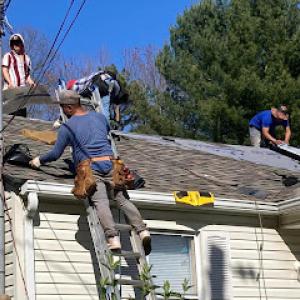
Truline General Contracting
2357 Harper Rd, Beckley, West Virginia
4.9 from 114 reviews
We’re a veteran-owned roofing contractor in Beckley, WV serving southern West Virginia and southwest Virginia—Charleston, Beckley, Princeton, Oak Hill, Bluefield and nearby. Our local crews install architectural shingles, metal roofs, and handle flat/low-slope EPDM. We also install seamless gutters, gutter guards, handle storm damage, repairs, and assist with insurance. Local crews, clean job sites, licensed & insured, 5 star reviews. Call or message today for a written estimate.
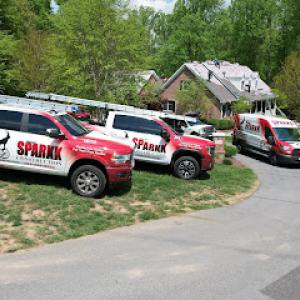
Sparkk Construction
(304) 702-9075 www.sparkkconstruction.com
110 E Main St, Beckley, West Virginia
5.0 from 32 reviews
Sparkk Construction is a locally owned and operated roofing and siding company serving communities across West Virginia. We’re committed to delivering durable roofs, beautiful siding, and reliable service that homeowners can trust. With mountain-strong craftsmanship and hometown values, we protect what matters most—your home.

Cenvar Roofing - Beckley
(304) 932-0162 www.cenvarroofing.com
2301 S Fayette St, Beckley, West Virginia
4.9 from 29 reviews
Cenvar Roofing proudly serves Beckley, WV, offering top-quality roofing services backed by years of experience and a commitment to excellence. Whether you need a roof repair, replacement, or expert advice, our team is here to provide reliable and professional solutions tailored to your needs. With a focus on customer satisfaction and superior craftsmanship, we ensure your home stays safe and secure. Visit our website to learn more about our services or request a free estimate today!
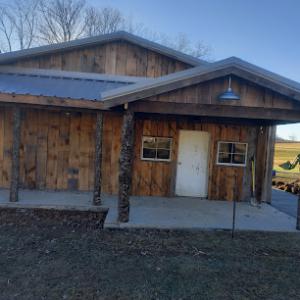
Stafford Construction
(304) 890-7838 staffordconstruction.org
Serving
5.0 from 15 reviews
Roofing (asphalt, AG panels, R panels, standing seam) 5" residential seamless gutters, 3 yards or less concrete forming and pouring, car ports, pole barns, decks
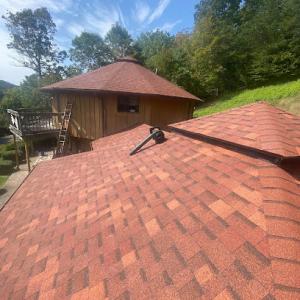
Elite Roofing-Beckley
(304) 202-6161 www.eliteroofingwv.com
Serving
5.0 from 28 reviews
Elite Roofing safeguards homes and businesses in Beckley, West Virginia with a comprehensive suite of roofing, gutter, and siding services. Their team of experts tackle projects of all sizes, ensuring quality craftsmanship and lasting results.
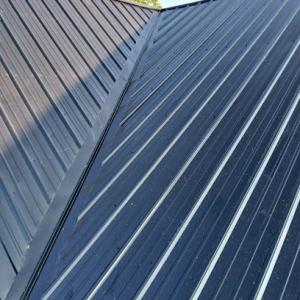
MMP roofing & construction
(813) 380-4967 www.facebook.com
Serving
5.0 from 2 reviews
Free estimates Quality work and Affordability. All work comes with a 2 year warranty.
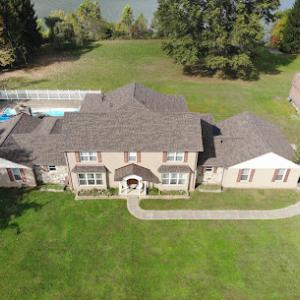
Mr. Roofer
Serving
5.0 from 2 reviews
Local and veteran owned roofing company in Beckley, West Virginia and surrounding areas. Our goal is to improve our community and help our surrounding neighbors. We hope to provide examples of conduct associated with a compassionate company with honest intentions and your best interest as our priority.
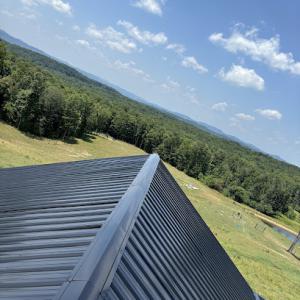
Legacy Construction
(304) 237-2669 topusasites.top
120 Blackburn St, Beckley, West Virginia
Reliable and affordable home renovation services! Free estimates
Asphalt shingles are a common sight on the roofs you pass in the hills around the county corridor. They fit the local housing stock and offer a lower entry cost, which makes them a practical first choice for many Beckley homes. In this climate, however, asphalt can be vulnerable to wind lift, hail bruising, and moisture aging after repeated freeze-thaw cycles. If you choose asphalt, prioritize a wind-resistant, architectural or laminated profile, proper nailing patterns, and a stout underlayment. Consider upgrading the attic ventilation and adding ridge vents to manage moisture during the wetter months, which helps curb ice dam risk on steeper slopes. Regular inspections after winter storms are essential to catch loose shingles or lifted tabs before moisture penetrates the deck.
Metal roofing serves as a strong regional fit for Beckley because it handles regular precipitation well and stands up to cold winters and storm seasons. Metal systems provide excellent wind resistance when installed with continuous fastening and appropriate seam detailing. They also shed snow and ice more effectively, which can reduce freeze-thaw stress on the roof deck. If selecting metal, look for a Class 4 impact rating for hail-prone periods and confirm that fasteners are corrosion-resistant and properly sealed to prevent leaks at fastener penetrations. The weight is favorable compared to some other options, but ensure the structure can support the chosen profile, especially on homes with marginal attic space or older framing.
Slate, clay tile, concrete tile, and synthetic products appear on some Beckley-area homes, but their weight, installation complexity, and repair logistics matter more on older Appalachian shells with structural limits. Heavy tiles require a reinforced roof structure and may demand truss upgrades or framing changes. Tile roofs also demand careful underlayment and drainage planning to manage the region's freeze-thaw moisture cycles. Synthetic products can offer lighter weight and easier handling while imitating natural materials, but still require solid substrate and accurate ventilation. If a tile or synthetic installation is contemplated, obtain a structural assessment and a detailed installation plan to avoid long-term failures from movement, moisture entry, or wind uplift.
In any roof choice, prioritize moisture control and wind resilience. Ensure proper attic ventilation to balance humidity during thawing and rain events. Roof edge details, drip edges, and gutter performance are worth attention, as moisture management matters more here than in gentler climates. For older Appalachian homes, factor potential deck repairs, flashing around chimneys, skylights, and vent pipes, and plan for periodic resealing in the years after installation. Regular inspections after winter and spring storms help catch wind-lift or moisture issues early, protecting the roof's long-term performance.
For Beckley projects, the local cost ranges are roughly $350 to $700 per square for asphalt shingles, $650 to $1300 for metal, $1500 to $3000 for clay tile, $1200 to $2900 for concrete tile, $420 to $900 for synthetic/composite, and $2000 to $4000 for slate. Those numbers reflect the Appalachian roof line you see on hillside homes where wind, rain, and freezing conditions press the structure to perform. When budgeting, plan to use the midpoints for rough planning and add a cushion for unexpected weather-related delays.
Steeper hillside lots and homes with tight or awkward access are common in the high elevations around Beckley. Those conditions slow tear-off, complic debris handling, and require more careful safety planning. Delivery trucks may need to approach from specific angles, and crew time increases when materials must be hauled on narrow drive paths or up steep grades. Expect higher labor and staging costs on difficult-to-reach spots, and discuss waste management plans with the contractor upfront to avoid delays on install day.
The elevated Appalachian environment emphasizes moisture control. Freeze-thaw cycles can stress shingles and fasteners, especially after a late winter or early spring thaw when moisture sits in the roof deck. In Beckley, selecting a roof system with solid underlayment and proper ventilation helps curb moisture issues that can become costly repairs later. If choosing asphalt or metal, ensure the installation includes a good sealant practice at edges, penetrations, and around chimneys or vent stacks to reduce wind-driven leaks.
Project timing matters locally because storm-driven demand spikes after spring and summer wind or hail events. Workable late-spring to fall windows concentrate scheduling pressure. If a storm season hits, expect a price uptick and potential delays. Plan ahead for the shoulder seasons when crews are more readily available, and confirm a fixed timeline with contingency allowances for weather-impacted days.
In the Beckley area, a full re-roof usually requires a building permit rather than being handled as informal maintenance. This is especially true on higher-elevation, ridge-line homes where wind exposure and freeze-thaw cycles can stress fasteners and ridge venting. A permit ensures that the roof replacement plan accounts for venting, attic insulation, and water shedding details that protect the home through harsh winters. Missing a permit can leave you with a failed inspection or the need to redo work, which is costly and time-consuming when temperatures drop.
The roofing contractor typically files the permit with the local building department on the homeowner's behalf. This streamlines the process, but you should still confirm project scope, material choices, and ventilation strategy in writing before any work begins. Have the contractor provide a clear timeline, including staging for weather breaks common to the plateau climate. Keep copies of all permit paperwork, inspection reports, and any approved amendments in a dedicated file for the project.
Inspections are commonly performed during and after construction, with attention to proper installation and venting, followed by a final inspection at completion. Expect inspectors to check roof decking integrity, shingle or panel attachment, flashing around chimneys and valleys, and the effectiveness of attic ventilation and soffit vents. In a region with frequent freeze-thaw cycles, inspectors will watch for proper nail-in-fastener patterns, correct alignment of vents, and sealant quality at penetrations. If issues arise, schedule prompt corrective work to avoid delays in the final sign-off.
After the final inspection passes, ensure the permit is formally closed and that the homeowner has a copy of the final inspection report. Store this with your roofing warranty and any maintenance reminders. Periodically review the ventilation and insulation setup in the attic, as Beckley's weather can reveal latent moisture or air leakage that a well-permitted re-roof should preemptively address.
Cold winters and regular precipitation shape roofs that endure freeze-thaw cycles and spreading moisture inside attic spaces. When attic air isn't moving freely, moisture condenses on rafters and underlayment, especially on ridge-line and interior ceiling joints. In this high-elevation Appalachian setting, poor venting acts like a slow leak inside the roof deck, accelerating wood rot and inviting staining or mold that's hard to treat once it takes hold. The consequences aren't just about comfort; they're about the integrity of the roof system over multiple seasons.
Local inspections commonly check venting on re-roof projects, making ventilation a practical issue rather than just an upgrade option. On a reroof, poor or incomplete venting can leave a closed, humid attic that traps warm, moist air from living spaces or kitchen activities. That trapped moisture jumps from cold to warm areas with each thaw, then refreezes, creating micro-cracks and loosening fasteners. In this environment, attic vents, attic fans, baffles, and high/low intake strategies should be evaluated together with shingle choices to avoid creating a moisture bottleneck.
Homes reroofed without correcting moisture movement can continue to show winter condensation and premature material wear even after new shingles are installed. Look for recurring frost on the underside of roof sheathing after a clear sky and a cold night, damp insulation batts, and mildew near eave vents. When a contractor discusses venting, expect a plan that accounts for both soffit intake and ridge or high-cap exhaust, plus a path for air to circulate around attic corners and around penetrations. If moisture-related issues linger after a new roof goes on, it's a sign the ventilation strategy needs adjustment rather than a simple shingle swap.
In this high-elevation Appalachian setting, the most reliable window for full roof replacement runs from late spring through fall. That stretch avoids the deep winter cold and the frequent wet weather that can stall installation and complicate material handling on exposed ridges. A spring-to-fall schedule gives crews better access, safer ladder work, and cleaner work conditions as frost cycles subside and ground conditions stabilize. If a project is planned during shoulder months, aim for midsummer when rain chances are lower and temperatures are more predictable for asphalt, metal, or composite products. Slower autumn work tends to surface as temperatures cool; that's when debris from deciduous trees increases, so timing matters to finish before the first hard freeze.
Fall leaf drop and precipitation can slow cleanup and moisture control, especially in valleys where gutters and downspouts collect leaves. On Beckley jobs, roof work should plan for additional time to clear debris in advance of sealant application and flashing work. If gutters are clogged, crews may perform a quick cleanout before shingle or panel installation to prevent wind-driven debris from pressing against new seal joints. Valleys, ridge intersections, and transitions deserve extra attention in this season, so specify a slightly longer installation window to accommodate meticulous feathering and moisture-blocking measures.
Winter emergency repairs can be necessary when sudden storms or ice buildup stress the roof structure. However, full replacement timing is usually better planned outside freeze-thaw periods. If a critical leak emerges in late fall or early spring, prioritize temporary stabilization-covering with tarp or quick-seal patches-then schedule the replacement for a window with lower freeze-thaw risk. In practice, a well-structured plan targets the late spring through fall stretch for the main project, with interim patches as needed to maintain interior dryness during winter-adjacent weather events.
In this part of the high-elevation Appalachian plateau, insurance claims for roofs lean more on wind and hail events than coastal or wildfire patterns. The typical Beckley storm season brings rapid temp swings and pressure shocks that test fasteners and edge systems, especially on ridge-and-slope homes common in the area. Insurers focus on how a roof has stood up to repeated moisture exposure and whether current aging components could worsen latent damage after a severe wind or hail event. The emphasis is practical, not theoretical: adjusters want to understand what the roof looked like before the latest storm, and how it behaved during it.
Documentation matters here because moisture wear and storm damage can overlap on the same roof. Insurers in this market expect a clear trail of the roof's life: age, prior conditions, and any repairs. The plan is to verify whether pre-existing wear may have contributed to the recent issue, or if a new event caused a fresh failure. Photo timing is important: date-stamped pictures taken after every major weather event help establish a timeline. Installation records prove components were installed to spec, and repair notes show how previous fixes held up. Expect questions about attic ventilation, insulation efficiency, and interior signs of moisture, since those can signal hidden timber or decking concerns under a seemingly surface-level leak.
Keep a ready folder of materials you can show the adjuster. Start with current photos of the entire roof, then focus shots on any damaged sections, flashings, and valley intersections where moisture often concentrates. Pair those with purchase or installation receipts, warranties for any recent work, and notes from prior repairs, including dates. When the adjuster arrives, walk them through the roof's age, maintenance history, and any seasonal challenges you've observed-like ice damming on upper slopes or wind-driven shingle lift after a storm. If you suspect moisture has reached structural elements, request a temporary assessment of decking and underlayment condition. The goal is to give the adjuster a precise, chronological story that supports a fair evaluation of what needs replacement versus what can be repaired. Beckley is not defined by a coastal or wildfire insurance pattern; roof claims here more often follow wind and hail events typical of southern West Virginia storm seasons.