
Last updated: Apr 19, 2026
This hillside and river-adjacent setting puts roofs in a damp, lingering humidity from the confluence of the Ohio River and Little Kanawha. Moisture hangs in the air longer in spring and fall, and roof surfaces stay wetter than you'd expect in a dry inland climate. Materials and flashing that perform well in dry climates can struggle here if not chosen or maintained with river-specific exposure in mind. Shingle courses, valleys, and dormers face persistent moisture from mist, runoff, and occasional river spray during flood-season weather events. Plan for a roof system that handles sustained dampness, collects and sheds water efficiently, and resists edge-damage from wind-driven rain common along the river corridors.
Winters are cold and summers warm, but the real local killer is repeated freeze-thaw cycling. Water that wicks into small cracks, joints, or porous surfaces freezes, expands, and widens those flaws over time. In Parkersburg, that cycle accelerates flashing failures, nail heads loosening, and shingle tab edges pulling away from the substrate. Expect that even well-installed roofs will show early signs of aging around flashings, penetrations, and eaves where melting runoff refreezes overnight. The result is accelerated wear on any roof system that isn't well-protected against ice dam formation and moisture intrusion at the eaves and valley intersections.
Seasonal precipitation is high enough here to make moisture intrusion a regular homeowner concern. Flashing around chimney stacks, vents, skylights, and roof-to-wall transitions deserves extra attention. Inadequate or compromised flashing invites slow leaks that never fully dry, leading to wood rot and insulation deterioration. Attic ventilation becomes crucial to manage condensation and reduce ice dam risk. If the attic is poorly vented, warm attic air can melt snow near the roof edge, refreezing at the eave and creating ice dams that back up water under shingles. A well-ventilated attic with balanced intake and exhaust helps keep dew point and interior humidity in check, protecting roof integrity year-round.
Begin with a seasonal inspection that prioritizes drainage paths. Look for moss or algae buildup that retains moisture and accelerates decomposition on shingle edges and around flashing joints. Clear debris from gutters and downspouts so water can move freely, especially along valleys where runoff concentrates. Run a flashlight test in the attic after heavy rain: note any damp spots, staining, or airflow restrictions around vents and baffles. Address loose or damaged flashing promptly; even small gaps can become large leaks with freeze-thaw stress. If ice damming appears after a snow event, carefully remove standing snow from the lower roof edge with a plastic rake, avoiding scraping shingles. For aging roofs, consider materials known for durability in damp climates and proper flashing integration, and verify attic ventilation capacity aligns with the roof footprint to prevent moisture buildup.
Winter in this river valley creates a named seasonal risk: ice damming. When the temperature swings and meltwater refreezes along eaves and gutters, water backs up under shingles and into underlayment, attic insulation, and ceilings. That means eave protection is not a luxury but a first-order line of defense. You must check soffits, drip edge, and roof-to-wall transitions for gaps that invite meltwater to back up into the attic. If gutters are clogged, ice can form a stubborn barrier that forces water to find a new path through roof decking and into the ceiling. Prioritize a robust snow and ice plan: keep pathways clear of snow buildup near eaves, install proper drip edges, and consider an ice shield or 2- to 3-foot ice barrier in the most vulnerable areas. In consistently freezing conditions, moisture management becomes a daily concern, so maintain insulation levels and ensure attic ventilation stays above the critical dew-point marks. Every freeze-thaw cycle is a stress test for shingles, underlayment, and flashing; treat small signs of moisture intrusion as a true red alert.
Spring arrives with the city's most aggressive weather, including hail and strong winds that often trigger inspections and insurance claims. After a storm, inspect quickly for granule loss, cracked shingles, dented metal, damaged flashing, or loose vents. In older hillside homes and river-adjacent structures, wind-driven rain can force water under damaged eaves where fascia and soffit joinery are already stressed. If you notice curled edges, lifted fasteners, or unusual moisture in ceilings after a hail event, don't delay a professional assessment. A targeted inspection after each spring storm helps pinpoint hidden damage that might not be visible from the ground. Timely action can prevent escalating damage from moisture intrusion, particularly in roofs with aging materials exposed to repeated freeze-thaw cycles.
Autumn freezes arrive with shorter windows for installing or replacing roof components. The combination of decreasing daylight, rising moisture, and cooling temperatures narrows safe installation days. If possible, schedule critical work before the late-fall cold snaps begin, and be prepared to adjust plans if a warm spell temporarily extends the window. The priority is to protect vulnerable edges and flashing as soon as temperatures drop, because delaying essential repairs increases the risk of winter moisture intrusion and compromised eaves. Consider pre-winter inspections that focus on edge seals, valley integrity, and anchor points for ice barriers. In this climate, proactive planning and swift action after storms are the differences between a resilient roof and costly downstream damage.

Gribble Roofing Company
(304) 494-6891 gribbleroofing.com
1512 Gihon Rd, Parkersburg, West Virginia
4.7 from 84 reviews
Gribble Roofing Company is a licensed and insured general contractor in Parkersburg, WV. We are locally owned and operated and veteran owned and operated. We provide, quality and affordable roofing, siding, flooring and other contracting services in the mid-Ohio Valley. Our approach is honest, professional, and with your best interests in mind. As a professional roofing company, our goal is to clearly communicate up-front what the project includes, what it will cost, and the time-frame in which it will be completed. Call today for a FREE estimate.
Hardt Roofing
(304) 916-5936 www.hardtroofing.com
248 Viscose St, Parkersburg, West Virginia
4.7 from 33 reviews
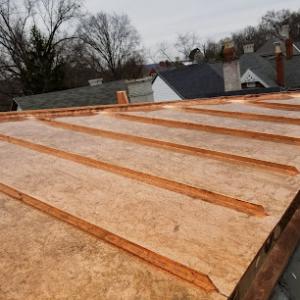
Specializing in historical roof preservation. Standing seam roof, copper roofing, zinc roofs, tile roofs, slate roofs, metal roofs, box gutter, built in gutters, flat roofs, TPO roofs, copper gutters, chimney caps, chimney flashings and more.
QC Amish Roofing
(304) 485-2233 qcamishroofing.com
705 Seventh St, Parkersburg, West Virginia
5.0 from 4 reviews
At QC Amish Roofing, where excellence meets tradition, we've been crafting lasting roofing solutions since the 90s. Our commitment to quality is evident in every shingle, every nail, ensuring your home receives nothing but the best. Specializing in metal roofs, our expertise extends to cover all types of roofs, combining time-tested practices with modern techniques for unparalleled craftsmanship that stands the test of time.
Coat of Armor
(855) 528-0444 coatofarmor.net
705 Seventh St, Parkersburg, West Virginia
5.0 from 2 reviews
Well-respected contractors in West Virginia along the Ohio River for over 30 years.
Mid Ohio Valley Roofing
714 Hillcrest St, Parkersburg, West Virginia
5.0 from 2 reviews
20 years roofing experience.Roofing the Mid Ohio Valley and surrounding areas with quality dependable workmanship you can trust
Ritchey General Contracting
(740) 374-5714 ritcheyroofing.com
Serving
4.4 from 10 reviews
Maybe you want to replace your old roof. Maybe you want to install new gutters. In either case, call Ritchey General Contracting. We're your go-to for general contracting services in Marietta, OH. From replacing roofs to building decks, we can do it all. Want to know more about our residential roofing and gutter services? Reach out to us today, and we'll fill you in on all of the details.
Asphalt shingles remain the everyday workhorse for hillside and river-adjacent homes. Their quick install, decent freeze-thaw performance, and broad availability make them a practical first choice in this river valley. In areas where moisture can linger after a thaw, choose a product with a high granule adhesion and a solid warranty. A shingle that has good seal-down performance under cold snaps will resist wind and ice damming better than basic varieties. When you're evaluating a roof for a home with complex eaves or narrow rooflines near the river, look for a profile that provides solid overhangs and a dependable underlayment. In Parkersburg's seasonal storms, proper attic ventilation and a reinforcing underlayment around penetrations help prevent moisture infiltration that can accelerate aging.
Metal roofing is a steady choice for those facing frequent freeze-thaw cycles and heavy storm events. In this climate, metal's resistance to ice dams and rapid drying after storms is a clear advantage. A standing-seam or corrugated metal system with proper flashing and a quality sealant around chimneys and vent stacks performs well on hillsides where wind uplift can be a concern. Metal's reflective surface helps reduce heat buildup during the summer, but that benefit is tempered by UV exposure and potential thermal expansion through the year. If a home has existing structural constraints or a historically prominent appearance, metal can be chosen in a profile that echoes the neighborhood character while still delivering long-term durability.
Older and established neighborhoods often feature heavier traditional roof systems, and those materials are still present in today's market. Slate provides exceptional longevity and a refined texture, but it requires a strong deck and careful installation to handle freeze-thaw movement and the occasional wet snowfall. Clay tile and concrete tile bring bold curb appeal and robust weather resistance, yet their weight and installation requirements demand careful structural assessment. In this valley climate, the weight of these systems challenges older homes more than lighter options, so ensure the underlying structure and fastener plan can accommodate the load. Hail exposure can threaten surface integrity, especially on clay or concrete tiles, so a thoughtful evaluation of local hail history is prudent. If choosing this category, pairing with a proven underlayment and regular inspection after winter storms helps maintain performance.
Material choice should be evaluated against moisture exposure, snow load stress, hail vulnerability, and summer UV wear rather than heat alone. In practice, start with the roof's existing architecture and deck condition, then weigh the balance of durability, maintenance, and aesthetic fit. For hillside and river-adjacent homes, prioritize systems with solid wind uplift ratings and reliable moisture management. In every case, plan for accessible inspection points along eaves and near penetrations to catch early signs of freeze-thaw damage and storm wear before minor issues escalate.
In Parkersburg's freeze-thaw environment, asphalt roofs take a steady beating from repeated moisture intrusion and refreezing. Granule loss isn't cosmetic here-it accelerates sunken granule exposure, faster aging, and increased underlayment exposure as cold snaps follow damp warm spells. When moisture seeps into tiny gaps or pinholes, the next cold night turns it into ice that pries at the shingle edges and the adhesive seals. The result is brittle shingles that crack, curl, or delaminate sooner than expected, especially on homes where overhanging branches and roof valleys trap runoff. If a shingle fails early due to moisture cycling, the underlayment and roof deck become vulnerable to additional leaks, which can travel unseen for seasons before staining ceilings or revealing themselves as interior dampness in closets or upper rooms. The practical takeaway is to favor proactive inspection after heavy rains or rapid temperature swings, and to keep rain gutters clear so meltwater doesn't pool and soak the lower courses.
Metal roofing performs well locally in this valley climate, but seasonal moisture movement can expose installation gaps. Look closely at fastener patterns, seam transitions, and flashing where walls meet roof planes or chimneys. If fasteners aren't properly sealed or spaced for the seasonal expansion and contraction, you'll see loose panels, seepage at the seams, or accelerated wear around laps. In snow-prone months, wind-driven snow can press against edges and corners, pushing against flashing and allowing moisture to creep underneath. Maintain a routine check for any loose screws or lifted edge metal after heavy storms, and ensure that step and counter-flashing around joints and chimneys are continuous and well-sealed. A small gap here multiplies into a significant leak in the dead of winter when temperatures swing from freezing to above freezing in a single day.
Heavy coverings like slate, clay tile, and concrete tile demand attention to structural support, because snow load becomes a seasonal stressor that Parkersburg experiences with regularity. The weight sits on rafters and sheathing, and if the structure isn't adequately braced or if there are unsupported spans, it increases the risk of cracked tiles or even sagging over time. In practice, inspect for loose or cracked tiles after big storms, particularly in shaded sections where ice dams tend to form and linger. Breakage risk isn't just about what's visible on the surface; a compromised tile can allow moisture penetration that wicks into the roof deck and framing, amplifying long-term deterioration. If you're weighing an upgrade or replacement, ensure the support structure is rated for the chosen material and for the region's snow-season demands.
Typical Parkersburg-area pricing ranges from $350 to $650 per square for asphalt shingles, $700 to $1100 for metal roofing, $1100 to $1800 for clay tile, $900 to $1500 for concrete tile, $1800 to $3200 for slate, and $500 to $900 for aluminum roofing. These ranges reflect the river valley's aging housing stock, hillside layouts, and the freeze-thaw cycle that tests roofs year after year. When you compare bids, shade in the details: local crews may price differently based on weather windows and how quickly they can fit you in between storm seasons.
Costs in Parkersburg can rise after spring hail and wind events when regional demand spikes and contractor schedules tighten across the Mid-Ohio Valley. If a storm takes a toll on your neighborhood, expect lead times to drift and material prices to shuffle, especially for longer-lasting options like slate or clay. In the immediate aftermath, it's common to see a premium for expedited teardown, debris removal, and additional flashing work to address unseen damage discovered once old layers come off the roof.
Older Parkersburg homes and mixed neighborhood housing stock can increase labor costs when tear-off reveals multiple roof layers, aging decking, or flashing details that need correction before final inspection. If you uncover two or three layers, or decayed decking, the crew will need extra time to safely remove, treat, and replace substrate. Expect higher waste disposal and coordination costs when steep slopes or tight lots complicate access. These factors are common in hillside streets where drainage and ice damming have left some decks near the edge of their lifespan.
Begin with a clear inspection that focuses on decking, underlayment, and flashing around valleys and chimneys. Ask the contractor to itemize tear-off versus new decking, and to outline the anticipated sequence for a clean, weather-controlled install. For asphalt or metal options, plan for a mid-spring or late summer window to minimize storm-driven price bumps. In areas with older, moisture-exposed roofs, prioritize upgrades like reinforced underlayment and upgraded ridge and hip flashing to curb future freeze-thaw damage.
A full roof replacement in Parkersburg typically requires a building permit rather than being treated as a no-paperwork job. This city places emphasis on documentation to ensure moisture management and storm-related aging are accounted for in the records. Because of the freeze-thaw cycle and river-adjacent housing stock, local officials want a clear path showing underlay, ventilation, and flashing meet current standards. Expect a short review to accompany any tear-off plans, especially for hillside or valley-adjacent homes.
The contractor generally submits project details to the City of Parkersburg building department, making contractor familiarity with local submittals important. Your neighborly choice should verify that the team knows the dialect of Parkersburg's weather and the river's influence on construction schedules. Submittals typically include roof dimensions, material selections, and details for snow and ice barriers, plus attic insulation and ventilation plans. Clear communication about existing hips, valleys, and potential water infiltration points helps avoid delays.
Inspections commonly occur after tear-off and again upon completion in Parkersburg, and permit timing can vary depending on department workload and project scope. Expect inspectors to verify proper tear-off containment, flashing transitions near dormers or chimneys, and that the new roof aligns with local rain and ice dam mitigation practices. In areas with older hillside homes, inspectors may pay extra attention to venting and attic air sealing to counter moisture-related freeze-thaw damage.
Plan for a staggered schedule: initial inspection after tear-off, then a final inspection after installation and cleanup. If a storm passes or if sustained freezing conditions interrupt work, coordinate with the department and your contractor to document weather-related pauses. Keeping a photo log of progress and maintaining open lines with the city can smooth the process and reduce the risk of delays tied to workload fluctuations.
In this river valley country, wind, hail, and sudden storm damage are common claim drivers for roofing work. The mix of older hillside homes and river-adjacent shells means shingles lift, flashing suffers, and gutters clog after big storms. The freeze-thaw cycle in spring and late winter compounds the risk, turning a small leak into hidden rot if left unchecked. In Parkersburg and the surrounding Wood County market, these storms are a recurring reality that you can't ignore.
Insurers in West Virginia expect a clear trail: photos, timelines, and contractor estimates. After a spring or winter weather event, take timelier photos of all roof surfaces, exterior walls, and any interior water marks. Keep a simple diary of when you noticed damage, when leaks started, and when repairs were performed. Having a contractor's estimate ready helps avoid delays. The goal is to build a factual narrative that aligns with storm timing, not vague recollections.
Because adjusters may evaluate pre-existing wear versus new damage, hold onto records of prior leaks, repairs, and visible aging before a claim is filed. If there was a past roof issue, document its age, locations, and how it was addressed. This context helps the adjuster distinguish what the recent weather truly caused from what was already wearing down. Consistency in records reduces surprises during the settlement process.
Expect the process to be thorough and sometimes lengthy, with questions about storm paths, debris impacts, and roof component ages. You may need multiple visits or additional photo requests. Staying organized with a file folder of dates, photos, and receipts keeps the dialogue focused and minimizes back-and-forth that slows repairs.
Parkersburg's established housing stock means many reroof projects involve older structures where decking condition and previous repair history are major unknowns until tear-off. When shingles come off, you may discover sagging sections, warped boards, or hidden rot that wasn't visible from ground level. Expect scaffold time and careful inspection of attic framing and ventilation channels. A thorough deck assessment now helps you avoid missed rot or mis-sized supports once the old layers are exposed. In practice, plan for potential repairs to sheathing or fascia that aren't obvious until the project is underway.
Homes in older parts of Parkersburg may have legacy materials or transitions between additions and original rooflines that complicate flashing and ventilation upgrades. Where a historic footprint meets a newer addition, valleys, step flashing, and chimney penetrations can require custom detailing. Metal flashing may have remained brittle or corroded, and ventilation paths can be blocked by prior clutter or mismatched soffits. The result is a higher likelihood of moisture buildup in pockets of the attic. When upgrading, consider moving toward a continuous ridge vent and ensuring soffit intake remains free of obstructions. A measured plan for flashing around dormers, skylines, and old brick chimneys helps prevent later leaks.
The presence of slate and tile in the local material mix signals that some homeowners are dealing with specialty replacement decisions rather than simple shingle swaps. Slate and clay or concrete tiles bring weight and fragility considerations, as well as the need for a compatible underlayment and proper fasteners. If your home features original slate or a mix of materials, evaluate whether a full tear-off or a targeted reroof with reinforced decking is more appropriate. When tiles are involved, expect careful handling of brittle sections and potential structural reinforcement to support the chosen material's load. In these cases, a staged plan with temporary supports and protected work zones helps keep the project on track without compromising the rest of the roof system.