Roofing in West Virginia
Last updated: Feb 28, 2026
In West Virginia, winter doesn't politely wait for calendar dates—it arrives with heavy snow, icy mornings, and the kind of wind that makes you double-check every ridge line. Our mountains and hollows create microclimates and steep slopes that test roofs in unique ways: snow loading on pitched roofs, ice dams along eaves, and branches that threaten shingles after storms. Add hot summers and sudden thunderstorms, and our roofs endure a full year of wear—from wind uplift on exposed ridgelines to moss creeping through shaded corners. Local costs, materials, and even installation methods can differ from national norms, in part because many projects rely on nearby suppliers and contractors who understand our terrain. As your neighbor and a professional roofer, I've seen how WV's climate shapes practical, budget-conscious decisions.
This page gives you a practical overview crafted for West Virginia homes. You'll get a sense of how our climate and landscape influence material choices, maintenance tasks, and cost expectations—without wading through generic advice. You'll also get a sense of what permits or local regulations may come into play, the common issues we see on Appalachian roofs, and straightforward maintenance steps you can tackle between inspections. The goal is to help you plan smarter, repair sooner, and prevent costly surprises when the next weather event rolls in.
Advice here is tailored to West Virginia's conditions and backed by local resources—regional weather patterns, nearby suppliers, licensing norms, and the hands-on experience of local roofers who know our hills and valleys. When you're weighing options, you'll find practical guidance you can trust—grounded in real-world WV experiences and supported by accessible local data and contacts.
With that in mind, let's start by looking at how WV's climate and landscape shape the roof over your head.
Local Climate & Its Impact on Roofs
Climate overview
- West Virginia's terrain creates distinct microclimates: the eastern mountains see more snow and wind, while western counties tend to be milder but still rainy.
- The state experiences all four seasons, with heavy rainfall in many areas and frequent spring and summer thunderstorms.
- Shaded valleys and exposed ridgelines influence how much moisture, heat, and moss exposure your roof gets, which affects aging and maintenance needs.
Winter impacts
- Freeze-thaw cycles can crack or loosen shingles and allow moisture to penetrate underlayment.
- Snow and ice buildup at eaves can form ice dams, backing water onto the roof deck and into the attic.
- Snow loads vary by slope and exposure; low-slope roofs risk ponding water and ice formation.
- Attic ventilation is critical in winter to minimize condensation and wood rot.
Summer & storm season
- High humidity and frequent rain promote mold, algae, and moss on shaded surfaces.
- Severe thunderstorms bring hail and high winds, which can lift or displace shingles and damage flashing.
- Intense sun exposure ages roofing materials; lighter-colored or reflective options can reduce heat absorption and heat-related wear.
- Proper drainage is essential during heavy rain to prevent water backing up into gutters and fascia.
Roof materials & design considerations
- Asphalt shingles: common, affordable, and versatile; select high-wind resistant and algae-resistant varieties for WV climates.
- Metal roofs: excellent for shedding snow and resisting wind; ensure solid fasteners and appropriate underlayment; consider snow guards in areas with heavy snowfall.
- Underlayment and ice/water shield: install at eaves and valleys to protect from ice dams and wind-driven rain; extend protection beyond the edges where possible.
- Ventilation: balanced attic air intake and exhaust reduces condensation and heat buildup, extending roof life.
- Drainage: sloped roofs with well-maintained gutters and downspouts prevent water backup; in forested areas, add leaf guards to reduce clogs.
- Moss and algae control: zinc or copper strips at the ridge and regular cleaning help slow growth on WV's damp, shaded roofs.
Maintenance & inspection checklist
1. Inspect after major storms for missing or damaged shingles and loose flashing.
2. Clean gutters and downspouts; repair sagging sections promptly.
3. Check the attic for signs of moisture, condensation, or mold.
4. Look for moss, staining, or softened wood in shaded areas; address promptly.
5. Schedule a professional roof inspection every 3–5 years, or sooner after severe weather events.
Local risks & safety warnings
- Ice dams can form unexpectedly; avoid relying on a warming sun to clear them—address insulation and ventilation instead.
- Wind uplift on exposed ridges can loosen shingles; avoid DIY roof work in high-wind conditions.
- Falling branches during storms are common in WV's wooded areas; trim trees near the roofline.
- Snow and ice can hide hazards; if you must inspect, use proper safety gear or hire a qualified roofer.
Official resources
- National Weather Service: forecasts and severe-weather alerts at
- NWS Charleston WV office for local warnings and storm forecasts at
- West Virginia Division of Homeland Security and Emergency Management: (hazard and disaster information)
Recommended Roofing Materials for West Virginia
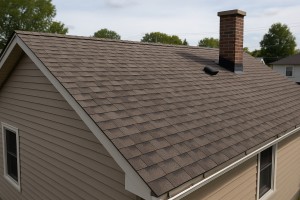
- Pros: Cost-effective, readily available, easy to repair, and suitable for most WV homes. Architectural (dimensional) shingles offer better durability and wind resistance than traditional 3-tab varieties.
- Cons: Moderate lifespan (15–40 years depending on product and maintenance); can be damaged by severe hail in some seasons.
- WV notes: In West Virginia's freeze–thaw cycles and variable storms, choose architectural shingles with Class 3–4 impact resistance and a high wind rating. Favor underlayment with a strong water barrier and ensure proper attic ventilation to prolong life.
- Maintenance tips: Keep gutters clear, inspect after harsh storms, and look for lifted edges or missing granules.
- Installation tip: Use a wind-appropriate fastener pattern and follow the shingle manufacturer's wind requirements for your exposure.
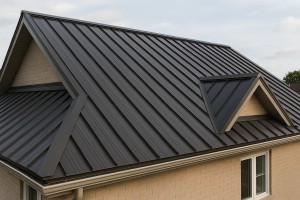
- Pros: Long life (40–70 years), superior wind resistance, excellent snow shedding, fire resistant, low weight on many systems, and high energy efficiency with reflective coatings.
- Cons: Higher upfront cost; can be noisier without proper insulation or attic headroom; color choices impact heat gain.
- WV notes: Heavy snow loads and strong winds in higher elevations make metal a strong performer. Choose steel or aluminum with corrosion-resistant coatings, and consider an underlayment or spray-foam insulation to dampen noise.
- Maintenance tips: Look for loose screws and sealant wear; keep panels dry and free of debris to prevent corrosion zones.
Natural Slate and Stone: Timeless and Long-Lasting
- Pros: Extremely durable, fireproof, timeless look, can last 100+ years with proper care.
- Cons: Very high upfront cost, heavy weight requiring structural checks, potential for slate cracking in extreme cold, limited installers in some regions.
- WV notes: Slate is excellent where historic homes exist or a premium long-term solution is desired, but ensure the roof structure can support the weight and that a qualified slate installer is used.
- Maintenance tips: Inspect for chipped or loose slates after storms; replace damaged pieces promptly to prevent leaks.
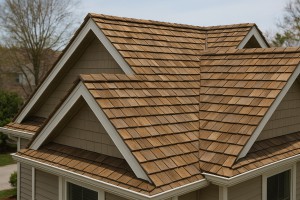
- Pros: Natural insulation, distinctive curb appeal, good wind resistance when properly installed.
- Cons: Higher maintenance (treatment for rot and mold), fire risk unless treated, more susceptible to insect damage and weathering.
- WV notes: In damp climates like WV, consider pressure-treated or fire-retardant-treated cedar and plan for periodic resealing or staining every 3–5 years.
- Maintenance tips: Keep clear of moss and algae, trim nearby trees to reduce shade and moisture retention.
Synthetic and Composite Shingles: Modern Durability
- Pros: Weather-resistant, less brittle in cold, mimicry options (slate, wood) without the weight or upkeep, often heavier impact resistance than traditional asphalt.
- Cons: Variable performance by brand; some may be less forgiving on older structures if not installed correctly.
- WV notes: A solid choice for harsh winters and hail-prone areas; look for Class 4 impact resistance and strong wind ratings.
- Maintenance tips: Follow manufacturer guidelines for washing and inspection; standard gutter care still applies.
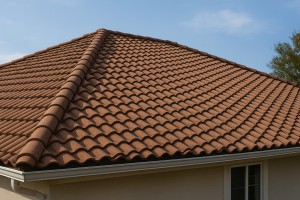
- Pros: Excellent fire resistance, long life, distinctive look; good insulation properties.
- Cons: Very heavy; requires a reinforced structure; brittle in freezing conditions and may crack after hail.
- WV notes: Best on homes with strong roof framing and compatible slope. Not ideal for all WV structures or retrofits without assessment.
- Maintenance tips: Inspect tiles for cracks after major storms; work with a tile specialist for winter cracking concerns.
Flat or Low-Slope Roofing: EPDM, TPO, or PVC
- Pros: Strong waterproofing, good for modern designs or additions in WV, easy seam repairs.
- Cons: Not common on traditional WV homes; requires precise workmanship to prevent leaks at upturns and penetrations.
- WV notes: Ideal for garages, outbuildings, or modern additions with a flat or near-flat roof profile; choose a product with rated UV resistance and good warranty.
- Maintenance tips: Inspect seams annually and after heavy snow or debris buildup.
Steps to Choose the Right Material for Your WV Roof
1. Assess roof structure, slope, and local wind/hail exposure, plus any snow-load considerations.
2. Compare upfront cost, expected lifespan, and ongoing maintenance needs.
3. Check manufacturer wind ratings and Class 4 impact resistance where applicable.
4. Consider structural support and insulation needs for heavy options (slate, tile).
5. Verify local codes and hire a qualified, WV-experienced contractor with relevant warranty options.
Popular Roof Styles & Architectural Trends in West Virginia
Roof Styles Common in West Virginia
- Gable roofs: simple, triangular profiles that shed snow well and are cost-effective. Pair with generous overhangs to protect soffits and foundations.
- Hip roofs: all sides slope down, offering excellent wind resistance and stability in high-elevation winds. Great for exposed ridge lines and mountain homes.
- Cross-gable roofs: two or more gable sections intersect to create attic space and visual interest; a frequent choice for growing families and larger cabins.
- Gambrel roofs: barn-inspired with two slopes on each side; adds usable attic space and rustic charm for rural farms and historic homes.
- Saltbox-inspired lines: occasional in older WV neighborhoods, providing a long, asymmetrical slope that helps with snow shedding and gives a distinctive regional character.
Dormers & Extensions
- Shed dormers: economical way to add headroom and light to attic spaces without major structure changes.
- Eyebrow and gabled dormers: enhance curb appeal and break up long rooflines on traditional homes.
- Extensions: dormers are often paired with clapboard or cedar siding to preserve cohesive farmhouse or craftsman aesthetics.
Materials Popular in West Virginia
- Architectural asphalt shingles: current go-to for cost, durability, and broad color choices; reinforced underlayment and proper nailing are key in WV winters.
- Standing-seam metal: rising in popularity for longevity, low maintenance, and excellent snow-shedding; especially effective on steep or modern mountain homes.
- Cedar shakes or shingles: give a rustic, natural look that suits cabins and rural homesteads; require periodic maintenance to prevent rot.
- Slate or synthetic slate: premium option for historic districts or upscale rural homes; very durable but higher upfront cost.
- Composite or synthetic options: mimic wood or slate with improved fire resistance and lower maintenance, appealing for long-term WV ownership.
Trends Shaping West Virginia Homes
- Snow-ready design: steeper pitches, ice/water shields at eaves, and robust insulation to minimize ice dam issues in mountainous winters.
- Energy-efficient upgrades: better attic sealing, higher-R insulation, sealed roof penetrations, and reflective or cool-shingle options in sunny pockets.
- Solar-ready roofs: layouts and mounting options that simplify adding solar later without major rework.
- Durable, low-maintenance materials: metal and architectural shingles that resist WV weather without frequent replacements.
Regional Flavor & Historic Districts
- Mountain counties (e.g., Monongalia, Pocahontas, Randolph, Tucker): modern homes often blend chalet or craftsman touches with steep profiles and metal accents for durability.
- Eastern Panhandle towns (Berkeley, Jefferson): brick bungalows and early 20th-century homes frequently feature gable or hip roofs with dormers to maximize space.
- Historic districts (Elkins, Lewisburg, Martinsburg): Victorian and Colonial Revival roofs with decorative shingles, bold trim, and complex rooflines; flair meets function under heavy snow loads.
Practical Maintenance & Color Trends
- Colors: earth tones, charcoal grays, deep greens, and slate blues remain popular to harmonize with WV landscapes.
- Finishes: rustic wood textures for cabins; smooth asphalt or synthetic shingles for modern homes; matches with surrounding nature or town character.
Quick maintenance steps for WV roofs
1. Inspect after heavy snow and ice: look for missing shingles, lifted tabs, and signs of ice dam damage.
2. Clean gutters and downspouts regularly to prevent ice buildup and ensure drainage away from the foundation.
3. Schedule semiannual inspections; pay attention to flashing around chimneys, vents, and skylights.
4. Replace damaged shingles promptly to prevent leaks during freeze-thaw cycles.
Average Roofing Costs in West Virginia
Typical price ranges by material in WV
- Asphalt shingles (standard 3-tab): $4.00-$5.50 per sq ft installed; about $400-$550 per square.
With old roof tear-off and disposal often included or charged separately, add roughly $1.00-$2.00 per sq ft.
- Architectural asphalt shingles: $5.50-$7.50 per sq ft installed; about $550-$750 per square.
Tear-off can add $1.00-$2.00 per sq ft, depending on debris and access.
- Metal roofing (steel or aluminum, exposed fasteners): $7.50-$12.50 per sq ft installed; roughly $750-$1,250 per square.
Standing-seam metal tends to sit higher in the range: $11.00-$15.00 per sq ft.
- Wood shakes/shingles: $8.50-$12.50 per sq ft installed; about $850-$1,250 per square.
- Clay or concrete tile: $9.50-$18.50 per sq ft installed; roughly $950-$1,850 per square.
- Flat roofs (EPDM/TPO): $5.50-$9.50 per sq ft installed; about $550-$950 per square.
WV-specific price drivers
- Terrain and pitch: West Virginia's hilly terrain and steep roofs drive labor time and safety measures, often adding 10%-25% to project costs on complex shapes.
- Old roof removal: If you're tearing off years of shingles, disposal and debris handling add $1-$2 per sq ft on average.
- Roof complexity: Dormers, multiple valleys, skylights, chimneys, and integrated venting push prices higher.
- Accessibility: Remote or narrow driveways, limited staging space, or hillside locations can require special equipment and increase labor hours.
- Climate and scheduling: Seasonal constraints (winter weather, freeze-thaw cycles) can affect both scheduling and potential costs (shorter seasonal windows may raise prices during peak demand).
- Local permits and inspections: Small permit fees or inspections may apply in some WV municipalities, typically $50-$300 depending on jurisdiction.
Typical project ranges by home size (rough, WV context)
- Small home (1,000-1,400 sq ft roof area): Asphalt shingles about $4,500-$7,500; architectural shingles $6,000-$9,500; metal $9,000-$15,000.
- Medium home (1,500-2,000 sq ft): Asphalt shingles roughly $7,500-$12,000; architectural shingles $9,000-$14,500; metal $14,000-$22,000.
- Larger or more complex roofs (2,400-3,000 sq ft, with dormers): Asphalt shingles $12,000-$20,000; architectural shingles $15,000-$24,000; metal $22,000-$35,000.
Example project scenarios (WV flavor)
1) Simple, single-story house with 1,100-1,300 sq ft roof area: asphalt shingles around $4,800-$7,500.
2) Mid-size house with a couple of dormers and one valley: architectural shingles in the $9,000-$14,000 range.
3) Hillside home with limited access and standing-seam metal roof: $16,000-$28,000 or higher, depending on fastener system and panels.
Quick steps to estimate your WV roof cost
1) Determine roof area in squares (1 square = 100 sq ft).
2) Choose material and underlayment preference (basic asphalt vs architectural vs metal vs tile).
3) Get quotes that include tear-off, disposal, flashing, and insulation/underlayment; ask for price per square and total.
4) Factor in add-ons: chimney flashing, skylights, dormers, gutters, ventilation upgrades, and required permits.
5) Review site factors: accessibility, pitch, and any hillside constraints that affect labor and equipment needs.
Permits & Local Regulations
Do you need a permit for roofing in West Virginia?
- In West Virginia, most roof projects are governed by your local county or city building department. A permit is usually required if the work involves structural changes, removal and replacement of decking, or significant alterations to framing, ventilation, or skylights. Cosmetic-only shingle replacement may not always require a permit, but rules vary by jurisdiction.
- Always verify with the local authority before starting. Rules differ across towns, counties, and historic districts, so checking early can prevent delays or fines.
- Your first stop: the local building department or code enforcement office (often housed in the county courthouse or city hall).
- Quick ways to find the right office:
- Call or visit your county or city website and search for “Building Permits,” “Code Enforcement,” or “Planning Department.”
- In rural areas, contact the county seat; in cities, contact the municipal building department.
- If you're in a historic district or HOA community, ask about additional approvals beyond the permit.
- If you're unsure of jurisdiction, start with the county assessor's office or clerk's office—they can point you to the right department.
How to apply (what you'll likely need)
- Basic project details:
- Exact address and parcel/tax ID.
- Scope of work: shingles only, decking replacement, vent/skylight installation, or structural changes.
- Estimated project start date and duration.
- Documentation:
- Simple sketches or drawings of the roof layout, vent locations, and any changes to attic or truss/rafter configurations.
- Material list (shingles, underlayment, flashing, vents) and any new supports or reinforcement.
- Contractor information:
- If you hire a contractor, ensure they are insured and, where required, licensed by the local authority. Some jurisdictions require the contractor to pull the permit; others may allow the homeowner to pull it.
- Submittals and fees:
- Permit application form (available from the department).
- Any plan review documents (some places require plan review for structural work).
- Permit fee payment (fees vary by jurisdiction and project scope).
- Timeline note:
- Some areas approve permits on the same day if plans are straightforward; others require a formal review that may take several days to weeks.
Inspections you can expect
- Typical inspection milestones:
- Framing or pre-roofing inspection if structural work is involved.
- Underlayment and flashing inspection.
- Final roof inspection after installation is complete.
- Scheduling:
- Inspections are arranged through the building department. You'll get a notice with the date and time window.
- What happens if something isn't up to code:
- You'll typically need to correct the issue and schedule a re-inspection. Keep records and photos of work to streamline the process.
Special considerations in West Virginia
- HOA and neighborhood covenants:
- Even with a permit, some HOAs require approval for color, material, or vent locations. Check guidelines before ordering materials.
- Historic districts:
- If your home is in a historic district, you may need approval from a local historic preservation commission in addition to building permits.
- Wind and weather considerations:
- WV codes address wind loads and roofing standards; significant structural changes may trigger review to ensure compliance.
- Energy and ventilation:
- Upgrades to insulation, ventilation, or attic access may intersect with energy codes or local amendments; ask whether an energy-related inspection or documentation is needed.
Contractor licensing and homeowner protections
- Licensing:
- WV and local authorities may require licensure for certain trades; verify that your contractor is properly insured and licensed as required in your jurisdiction.
- Owner-performed work:
- If you plan to do the work yourself (where allowed), you may still need a permit for any structural changes. Confirm homeowner exemptions with the local department to avoid penalties.
Common Roofing Problems in West Virginia & Solutions
- What to watch for: Melting snow on warm days refreezing at the eaves can create ice dams, forcing water back under shingles and into ceilings.
- WV context: Winter swings and shaded, north-facing roofs are especially prone.
Solutions:
- Improve attic insulation and ventilation: aim for a well-sealed attic with adequate venting (soffit and ridge) to keep roof deck closer to outdoor temperatures.
- Safe snow removal: use a long roof rake from the ground to knock down snow buildup along the eaves; never climb onto a slippery roof.
- Install ice and water shield where leaks form: waterproof underlayment under shingles in vulnerable valleys and eaves during reroof or repair.
- Heat cables as a last resort: consider electric heat cables along eaves with a thermostat and GFCI-protected outlet, installed by a pro to avoid fire risk.
Wind and storm damage
- What to watch for: Curled, missing, or lifted shingles; damaged flashing around chimneys, vents, and dormers; dented metal outlets.
- WV context: Strong summer storms and gusty mountain winds can peel shingles and bend flashing.
Solutions:
- Post-storm inspection: check ridge lines, edges, and flashing; look for granule buildup in gutters.
- Replace damaged components: re-fastening or nailing down loose shingles; resealing or flashing replacement as needed.
- Upgrade to wind-rated materials: consider shingles and flashing designed for higher wind uplift; ensure proper nailing patterns per manufacturer specs.
- Professional assessment: if widespread damage or uncertain, call a licensed roofer to perform a thorough inspection and safe repairs.
Hail damage and granule loss
- What to watch for: Dented shingles, bruised decking, and accelerated granule loss leading to premature aging and potential leaks.
- WV context: Hail events occur in many parts of the state during severe thunderstorms.
Solutions:
- Inspect and replace damaged shingles: look for cracks, tears, or soft spots; replace as needed.
- Consider impact-resistant shingles: a more durable option that can reduce future damage from hail.
- Insurance documentation: document damage after a storm and consult your insurer about coverage for repair or replacement.
Moss, algae, and roof debris
- What to watch for: Dark streaks, moss patches, and clogged vents or gutters from fallen leaves and branches.
- WV context: Shaded valleys and persistent moisture foster growth in the humid subtropical zones.
Solutions:
- Gentle cleaning: brush away moss with a soft-bristle brush; avoid high-pressure washing that can lift shingle granules.
- Inhibit regrowth: install a zinc or copper strip along the roof ridge to discourage moss as rains wash minerals down the slope.
- Trim nearby trees and clean gutters: reduce shade and debris contact, and keep drainage flowing away from the roof.
Leaks at penetrations: chimneys, vents, and skylights
- What to watch for: Dark stains, damp insulation, or puddling around penetrations; cracked caulk or missing flashings.
- WV context: Settling and temperature changes can loosen flashing over time.
Solutions:
- Reflash and reseal: replace deteriorated flashing and re-caulk joints around penetrations.
- Add a cricket or diversion: install a small saddle (cricket) behind large chimneys to divert water away.
- Regular inspection: check seals after heavy storms and reseal every few years as needed.
Gutter, fascia, and soffit problems
- What to watch for: Loose gutters, sagging fascia boards, and clogged downspouts leading to roof edge overflow.
- WV context: Freeze-thaw cycles and leaf buildup can accelerate deterioration.
Solutions:
- Clean and repair: remove debris, re-secure hanging brackets, and reseal joints.
- Gutter guards: install guards to reduce debris buildup, but ensure proper drainage and maintenance access.
- Protect fascia: replace rotted or warped boards and repaint or reseal to prevent wood rot.
Attic ventilation and condensation
- What to watch for: Condensation on attic surfaces, musty odors, or ice dams in winter.
- WV context: Wide temperature swings demand adequate ventilation to balance attic heat and moisture.
Solutions:
- Ventilation upgrade: ensure a balanced system of soffit vents and ridge or high-cap soffits; add baffles to keep airflow unobstructed.
- Seal air leaks: address gaps around ductwork and plumbing penetrations; install proper attic insulation.
- Monitor humidity: use a hygrometer to keep relative humidity in the 30–50% range, especially during heating season.
Structural deck rot or sag
- What to watch for: Soft spots, sagging areas, or prolonged leaks causing deck rot.
- WV context: Prolonged moisture exposure makes wood rot a real risk, especially on older homes.
Solutions:
- Identify and replace damaged boards: cut out and replace affected decking, treating lumber to resist moisture.
- Improve drainage and ventilation: fix leaks, ensure gutters direct water away, and maintain attic ventilation to reduce persistent moisture.
- Professional assessment: if you notice significant sag or framing concerns, seek a licensed roofer or structural contractor for repair.
Maintenance & Repair Tips for West Virginia
Regular Inspections and Quick Fixes
West Virginia's four seasons bring wind, rain, and freeze-thaw cycles that can stress roofs. Regular checks catch problems early and save money.
- After heavy storms or high winds, do a quick exterior inspection from the ground. Look for missing, cracked, curled, or lifted shingles and for gaps in flashing around chimneys, vents, and skylights.
- Clean gutters and downspouts at least twice a year (more often in leafy months). Remove leaves, pine needles, and debris; ensure water drains away from the foundation.
- Inspect the attic after rain for moisture or stains. Look for damp insulation, moldy odors, or daylight visible through decking—these signs mean a leak needs attention.
- Trim tree branches that overhang the roof to prevent damage from wind and ice dams.
Winter Readiness: Ice Dams and Freeze-Thaw
Winter in WV brings ice dams, heavy snow, and freeze-thaw cycles. Prevention is cheaper than repairs.
- Ensure adequate attic insulation (R-38 to R-60 is commonly recommended) and balanced ventilation (soffit intake with ridge exhaust) to minimize warm roof surfaces.
- Seal gaps around attic hatches, recessed lighting, pipes, and chimneys to stop warm air from reaching the roof deck.
- Install ice and water shield along eaves for the first 3-6 feet of the roof to reduce dam formation; follow the product's instructions.
- Keep gutters clear of ice and snow; use a roof rake from the ground to remove heavy accumulations—never climb onto a wet, slick roof.
- If you notice ice dams forming despite prevention, do not chisel them from below; contact a pro promptly to assess insulation, ventilation, and flashing.
Moss, Algae, and Humidity Management
WV's humidity and shade can invite moss or algae on shaded slopes.
- Gently remove moss with a plastic scraper or brush; avoid metal tools that can scratch shingles.
- Use zinc or copper strips along the ridge to slow regrowth—this is a low-maintenance prevention method common in damp climates.
- Rinse with a garden hose on a gentle setting; avoid high pressure that can lift shingles.
- Trim overhanging limbs and allow more sun to reach shingles, reducing moss growth.
Simple DIY Repairs: Replacing a Damaged Asphalt Shingle (Step-By-Step)
1. Locate all damaged shingles and remove debris from the area.
2. Loosen surrounding shingles by lifting at the tab; gently pry up the nails with a nail puller.
3. Remove the damaged shingle and clean the deck of any old adhesive or nails.
4. Slide in a new shingle, aligning the tabs with surrounding shingles.
5. Nail with 4 galvanized ring-shots or nails per shingle, staying about 1 inch above the overlap of the shingle below.
6. Seal the sides and tabs with a small dab of asphalt roofing cement if recommended by the shingle manufacturer.
7. Check neighbor shingles for proper alignment, and re-secure any loose tabs.
When to Hire a Pro
- Large or multiple leaks, signs of structural damage, or extensive flashing issues.
- Steep pitches, complex roofing (multiple dormers, chimneys, or skylights), or unsafe access.
- If you're unsure about attic ventilation or insulation affecting roof performance.
When to Repair vs. Replace
Quick rule of thumb
- If the roof is relatively young (roughly under 15–20 years for asphalt, 20–30+ for metal) and damage is localized (a few missing shingles, flashing leaks, or a small area of wet decking), repair often makes sense.
- If more than about 30–50% of the roof shows damage, or the roof is near or past its expected lifetime, replacement is usually the wiser, long‑term choice.
- In West Virginia, harsh winter cycles, ice dam potential, and wind-driven storms can push a repair into replacement territory faster than in milder climates.
West Virginia climate factors
- Freeze–thaw cycles and ice dams: compromised underlayment or flashing can worsen leaks in winter; replacement may prevent recurring damage.
- Snow load and wind: high winds and heavy snows in some counties can uplift or bend shingles and flashing, making repairs less durable.
- Hail and storms: hail can crack shingles beyond repair; widespread damage favors replacement.
- Attic ventilation and insulation: poor ventilation can mask or worsen roof leaks; addressing attic conditions often accompanies a repair or replacement decision.
When repair makes sense
- Localized damage: a few missing or cracked shingles, isolated flashing leaks, or a small seepage near a vent.
- Good remaining life: roof material is still within its expected lifespan and hasn't shown widespread curling, granular loss, or sagging.
- Cost considerations: repair cost is a fraction of full replacement, and the underlying decking is sound.
- Minor structural concerns: only decking and supports are intact, with no widespread rot or mold.
When replacement is wiser
- Widespread damage: extensive curling, cupping, granule loss, or many missing shingles across large areas.
- Age and life expectancy: roof is at or beyond its typical lifespan for the material (e.g., asphalt over ~20–25 years, metal nearing 30–50 years, slate or tile with wear).
- Decking issues: signs of widespread rot, moisture intrusion, or sagging that affect structural integrity.
- Repeated leaks: multiple, hard-to-track leaks despite recent repairs, indicating underlying failures in underlayment or decking.
- Insulation and ventilation needs: to stop heat loss or ice dam problems, replacement often pairs best with attic upgrades.
Step-by-step decision process
1. Assess roof age and material: note the type (asphalt, metal, slate, wood) and years in service.
2. Inspect damage extent: map visible problems—leaks, curling, missing shingles, flashing gaps.
3. Check attic condition: look for moisture, mold, and insulation adequacy; determine if repairs will address the root cause.
4. Evaluate decking: if decking is soft, rotted, or sagging, replacement is usually required.
5. Estimate costs and warranties: obtain multiple written quotes, compare material lifespans, and review manufacturer warranties.
6. Consider future performance: think about climate risks in your county (ice dam risk, wind exposure) and whether repairs will be short-lived.
7. Decide with a pro: when in doubt, a licensed roofer can perform a safe, thorough roof inspection and help you weigh repair vs. replacement.
Material-specific notes for WV homeowners
- Asphalt shingles: most common in WV. Repair localized issues; replace when curling, widespread granule loss, or multiple leaks appear.
- Metal roofs: durable but expensive to repair in areas with corrosion or widespread denting; replacement may be more cost-effective long term if many panels are affected.
- Slate and tile: long-lasting but fragile to patch. Replace damaged sections or entire roof if multiple tiles or slate pieces are compromised.
- Wood shakes: susceptible to mold and rot in damp WV regions; patching possible for small areas, but widespread deterioration often warrants replacement.
Practical signs to watch for
- Visible sagging or large patches of soft decking.
- Persistent leaks after recent repairs.
- Roof age near or beyond expected lifespan for the material.
- Persistent attic moisture, mold, or musty odors.
Quick maintenance strategies to extend life in WV
- Keep gutters clear and downspouts directing water away from the foundation.
- Ensure proper attic ventilation and insulation to curb ice dam formation.
- Promptly address any roof penetrations (vents, chimneys, skylights) with quality flashing.
When to Hire a Professional
Urgent signs that you should call now
- Sagging roof deck, flashing pulling away, or visible daylight through the roof.
- Active leaks or water dripping into ceilings and walls.
- After a severe storm, hail impact, or falling tree branches that damaged the roof.
- Large areas of shingles missing or curling, especially if multiple layers are affected.
- Severe ice damming or ice buildup along eaves that repeats after attempts at DIY mitigation.
In West Virginia, winter weather can quickly turn a small leak into structural trouble. If you spot active damage, safety hazards, or you're dealing with a steep roof, don't wait for a DIY fix—reach out to a professional right away.
WV-specific timing and weather considerations
- Temperature and condition matter. Cold temps slow roofing adhesive cures and can make materials brittle. Plan roof work for mild days in spring or fall when possible.
- Freeze-thaw cycles in Appalachia increase roof wear. A pro can address flashing, attic ventilation, and underlayment to prevent future leaks.
- Installations in WV should account for wind and snow loads. A local roofer with WV experience will select materials and underlayment rated for the region.
- Emergency tarping is acceptable when leaks are present, but a licensed contractor should perform the permanent repair to avoid exposure to further damage.
After a storm or hail damage in West Virginia
- Document everything. Take photos of shingles, flashing, and gutters from multiple angles.
- Contact your insurer to start a claim and ask for guidance on approved contractors.
- Hire a local WV roofer who understands area-specific threats (sudden storms, high humidity, winter conditions) and can coordinate permits if needed.
- Avoid high-pressure sales tactics and door-to-door storm crews that aren't from your area.
How to evaluate a roofing contractor in West Virginia
- License and registration: Ask for a license number and verify it with a local building department or the state licensing authority. Ensure they are properly registered to work in West Virginia.
- Insurance: Request current general liability and workers' compensation certificates. Ask who covers on-site injuries and what happens if a problem arises after installation.
- Local references: Seek at least three WV-based references and contact them about timeliness, workmanship, and cleanup.
- Written estimates: Get itemized bids that detail materials, labor, tear-off/disposal, and any insulation or ventilation work. Compare apples to apples.
- Permits and code compliance: Confirm that the contractor will pull the necessary permits and ensure work meets West Virginia codes and local amendments.
- Warranties: Clarify material warranties with the shingle manufacturer and a workmanship warranty from the contractor (length, coverage, and transferability).
- Project scope and materials: Ask about attic ventilation, underlayment type, ice and water shield placement, flashing, and ridge/ventilation upgrades if appropriate for WV climate.
- Cleanup and timeline: Ensure the contract specifies cleanup expectations, disposal, and a realistic schedule that accounts for WV weather.
Steps to take before you hire (quick, practical guide)
1. Inspect the roof area once on a dry day and note necessary repairs.
2. Gather 3 written bids from licensed WV contractors.
3. Check licenses, insurance, and references for each bidder.
4. Ask about permits, code compliance, and any required weather-related considerations.
5. Review warranties and request a detailed, written contract.
6. Confirm start date, daily progress expectations, and cleanup plan.
What to expect in the WV job process
- Site assessment: A pro will inspect underlayment, flashing, vents, and attic insulation as part of the plan, not just the visible shingles.
- Permit handling: If your county requires permits, the contractor should obtain them and schedule inspections.
- Final walkthrough: The contractor should review the work with you, show before-and-after photos, and provide warranty documents and maintenance tips specific to WV conditions.
Putting A Lid On It: Roof Maintenance, Repair, and Replacement in West Virginia
West Virginia's weather is a real test for roofs. Winters bring heavy snow and freeze-thaw cycles that can pry shingles loose and back up under flashing; spring storms bring strong rains; summers can be humid and stormy. All of this stresses shingles, flashing, and gutters. Regular maintenance helps prevent leaks, protects insulation, and preserves your home's value.
A simple, steady routine goes a long way: regular inspections, clean gutters, clear debris from around the eaves, and solid attic ventilation. Catch wear early—loose fasteners, curling shingles, damaged flashing—and you save money and headaches. When in doubt, a quick professional assessment is a smart move; early advice can prevent bigger repairs later.
Seasonal care
- Spring: check after winter for wind or hail damage; clean debris from shingles and valleys; clear gutters and downspouts; trim overhanging branches; inspect flashing around chimneys and vents.
- Summer: monitor for curling or granule loss on shingles; ensure attic vents are open and functioning; keep trees trimmed away from the roof; watch for moss on shaded sections.
- Fall: remove leaves from gutters; check sealants around penetrations; ensure insulation is adequate; prep for snow by confirming edge detail and ice-dam protection.
- Winter: monitor for ice dams and leaks; avoid walking on a slick roof; if ice dams form, call a pro to address underlying ventilation and insulation.
Common problems to watch for
- Curling or missing shingles
- Damaged flashing at valleys and chimneys
- Granule loss or exposed asphalt
- Clogged gutters and downspouts
- Moss or algae growth
- Sagging gutters or fascia
Repair or replace?
If damage is isolated and the roof is relatively young, repairs can be cost-effective. Widespread leaks, extensive shingle wear, or frequent patch jobs over a few seasons usually indicate it's time to consider replacement. Asphalt shingles typically last 20–30 years; metal roofs can outlive many customers with proper care. A local pro can help you compare options and choose a durable, West Virginia–ready solution.
Working with a pro and keeping records
- Hire a licensed roofer familiar with WV climate and permits.
- Get written estimates and a clear warranty.
- Keep maintenance records and photos to track wear over time.
Wrap-up
We're part of a warm, resilient West Virginia roofing community, and your home deserves a roof that stands up to our changing seasons. With steady care, practical protections, and smart material choices, you can enjoy a sturdy, beautiful lid for years to come. Here's to a confident, well-maintained roof and a comfortable, connected home.
