
Last updated: Apr 19, 2026
Huntington sits in the western West Virginia Ohio River corridor, where spring storm lines and occasional hail create a steady local market for storm-related roof work. The pattern means roofs endure rapid switching between heavy rain, wind, and sudden cold snaps that test flashing, edges, and mid-roof sealants. A warm, humid summer compounds the risk: wind-driven rain can infiltrate exposed nails, shingle tabs, and ridge vents quickly if those details weren't fully secured during the last season. Local homes in this area often feature asphalt shingles, metal, and clay or concrete tiles, all of which respond differently to the same storm sequence. Expect a fast progression from a minor concern to interior moisture if repairs stall.
When a storm hits, the first move is quick evaluation and temporary protection. If you notice lifting shingles, loose flashing, or pool water entering the attic, set up a temporary cover-heavy-duty tarps or roofers' canvas secured with nails or staples-focusing on vulnerable valleys, chimneys, and vents. Do not leave water standing; a small leak can escalate through a humid summer and freeze-thaw cycles in winter. Contact a local contractor who can respond promptly, assess wind and hail impact, and prioritize emergency repairs to stabilize the roof structure. Insist on a practical plan that includes tarping, tar fixing, and a clear timeline for permanent repair so interior spaces don't bear the brunt of moisture.
Storm damage in this corridor often triggers insurance reviews, so thorough documentation matters. Photograph the roof's condition from multiple angles, capturing shingles that are cracked, curled, or displaced, plus damaged flashing and vents. Take dated images after each rain event and keep a log of weather notes-wind speed, hail size, and the time of the storm. Compile utility-interrupting leaks, interior dampness, and any secondary damage to ceilings or walls. When a contractor visits, request a detailed written assessment identifying each compromised area, recommended repairs, and an anticipated sequence. This package accelerates claim review, helps verify urgency, and supports coverage for emergency fixes.
Prioritize fixes that restore a watertight envelope quickly: secure and re-seal flashing, replace deteriorated shingles, and address compromised valley or chimney interfaces. In humid months, ensure attic ventilation remains adequate; inadequate airflow can amplify moisture-related problems beneath attic insulation. For homeowners, build a simple maintenance cadence-after each major storm, inspect eaves, gutters, and downspouts for clogs or damage, and re-secure loose components before the next weather swing. Fast action now reduces the risk of interior moisture and keeps insurance claims moving smoothly through the system.
In this area, asphalt shingles and metal roofing are the dominant practical choices, matching both the typical housing stock and the contractor base with strong metal-roof specialization. This means you can expect reliable local installation expertise, readily available replacement parts, and service after heavy storms. The climate-humid summers, winter freeze-thaw cycles, and seasonal storms-pushes you toward systems that can endure rapid temperature swings and moisture without excessive maintenance. Ventilation, underlayment quality, and fastening details matter most when choosing any material, because poor breathability or undersized fasteners turn a good roof into a problem after the next storm.
Asphalt shingles are well understood by local crews, with a wide range of profiles and warranties that suit most mid-century to newer homes. Look for laminated or architectural styles that provide better wind resistance and a thicker nailing zone for cold snaps. In this market, local installers often pair a high-quality underlayment with reinforced ridge ventilation, which helps manage summer humidity and attic heat. If your roof faces frequent storms, ensure the shingle bundle you choose has a robust adhesive system and a wind-resistance rating compatible with the area's typical wind events. Proper nailing patterns and the use of ridge and drip-edge detail shields are particularly important in variable Ohio Valley weather.
Metal roofing is the other practical backbone, favored for its longevity and storm-resilience. In Huntington, metal installations are well-supported by a cadre of specialized crews who understand flashing, seam sealing, and panel fastening for rapid storm-response work. Metal stands up to hail and driving rain, and it sheds snow more predictably than some other materials, a benefit in winter weather. When selecting metal, pay attention to sealant compatibility at joints and penetrations, as well as factory-coated finishes that resist the long humidity season. If a metal roof is considered, ensure the local team reviews attic ventilation and the roof's slope to optimize condensation control and thermal expansion.
Clay and concrete tiles do appear in the market, but availability is narrower and installation can be more constrained by local talent pools. If tile is chosen, examine the supplier's warranty language and the installer's tile-specific experience, especially for steep sections or older structures where deck preparation and underlayment play a bigger role. Tiles tend to be heavier; confirm the structure can handle the load and that the fasteners and battens are designed for seasonal temperature shifts.
Across material choices, the emphasis stays on ventilation, underlayment quality, and correct fastening. In this region, drafts and moisture accumulation during humid summers combine with winter condensation risks, so a well-sealed attic, breathable yet weather-impervious underlayment, and properly spaced fasteners prevent future leaks. Regardless of the material, insist on a detailed installation plan that addresses attic airflow, drip-edge protection, and storm-driven water channels. These elements translate to fewer leak surprises when the next Ohio Valley storm front rolls through.
In this market, asphalt shingles sit in a baseline range of about 320 to 520 USD per square, while metal roofing falls roughly between 650 and 1000 USD per square. Tile and synthetic systems carry higher sticker prices, with clay tile and concrete tile pushing well above asphalt in typical projects. Wood shingles and shakes come in around 480 to 800 USD per square, and synthetic or composite shingles generally land around 520 to 900 USD per square. Those figures reflect Huntington's mix of older homes, mid-20th-century sills, and newer constructions that respond differently to storm forces. Material choice matters a lot here because the local contractor pool leans deeper into metal and storm repair capabilities, while tile installations may involve fewer installers and scheduling friction.
Costs in Huntington can rise after regional storm events when demand spikes for tarping, leak repair, and full replacements across the Tri-State area. In the wake of high-wind and heavy-rain episodes, several local crews shift into accelerated response mode, which can pressure timelines and push up material and labor days. If a roof sustains wind damage or hail impact, the initial tarping and temporary fixes can become part of the overall replacement cost unless insurance coverage handles those items. When storm activity is high, expect longer lead times for certain materials, especially clay or concrete tile, and for specialty underlayment or ice-and-water shield applications that some insurers particularly scrutinize.
Start with your attic and exterior inspection to determine whether the existing deck is structurally sound to support a full replacement, especially on older builds. If a reroof is needed after a storm event, prioritize metal or high-grade asphalt if you want quicker availability and a robust warranty path, since these options tend to be more commonly stocked by local crews. If clay or concrete tile is desired, plan for potential scheduling friction and higher install times, plus a longer lead time for materials. Remember that the highest price bands come with specialty systems and premium underlayments, but they may offer longer-term durability under humid summers and freeze-thaw cycles that characterize this climate.
Prepare a clear, dated photo log of damaged areas and any temporary tarping or leaks. Insurance-ready repairs often hinge on documenting the extent of storm damage, including gutters, flashing, and vent penetrations. Request a detailed, itemized estimate from the contractor that separates tear-off, disposal, new roofing, underlayment, flashing, and any protective tarping materials. If applicable, obtain separate costs for temporary repairs that might bridge the gap while awaiting insurance settlement, particularly during peak storm season when crews are juggling multiple calls. Keep a record of all communications with your insurer and contractor, and ensure the final invoice reflects the agreed scope of work before signing. In Huntington, this documentation approach helps smooth the path from claim to completion.
Don't let upfront costs delay a critical repair - these contractors offer payment plans to fit your budget.
Maycon Construction Services
4341 US-60 suite 105, Huntington, West Virginia
4.9 from 268 reviews
Classic Construction Roofing Division
(304) 522-1016 classicconstco.com
1328 8th Ave, Huntington, West Virginia
4.6 from 49 reviews
Maycon Construction Services
4341 US-60 suite 105, Huntington, West Virginia
4.9 from 268 reviews
Maycon Construction Services is the leading roofing company in Huntington, WV. In addition to roof repair, replacement and installation services, we also provide siding installations, gutters, windows and doors. If your home has hail damage, missing shingles from high winds, or roof leaks, let our roof repair experts provide you with a free roof inspection and estimate. Our experienced roofers work on all kinds of roofs including asphalt, metal, slate, composite and tile roofs. Maycon Construction Services offers Financing for Approved Customers.
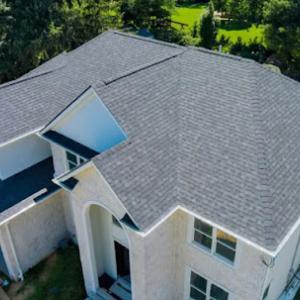
Cardinal Roofing
(304) 607-4064 cardinalroofingwv.com
3444 US-60, Huntington, West Virginia
4.7 from 53 reviews
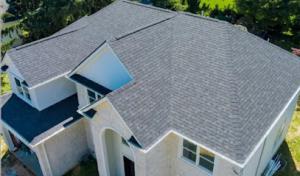
Your Trusted Roofing Contractor for Your Home or Business. At Cardinal Roofing, we’re more than just a Huntington roofing company – we’re your trusted partner in safeguarding your property and enhancing its beauty. Our expert team is committed to quality craftsmanship and reliable protection, ensuring your complete satisfaction with residential or commercial roof repair or roof replacement. When you choose Cardinal Roofing, you’re investing in peace of mind. We deliver superior results using the finest materials and proven techniques for lasting durability and performance.
Classic Construction Roofing Division
(304) 522-1016 classicconstco.com
1328 8th Ave, Huntington, West Virginia
4.6 from 49 reviews
Quality roofing is essential to protecting your home or business from further damage by water, wind, and other elements. It is not uncommon for roofs to sustain damage during natural events such as severe weather, in addition to structurally damaging events like fires or water damage. The team at Classic Construction Company is qualified to assess, repair, and restore your roofing situation at your home or business so you can rest easy about the integrity of your roof and structure.
Fahey Roofing + Contracting
(304) 736-7663 faheyroofingcontractors.com
Serving
4.8 from 332 reviews
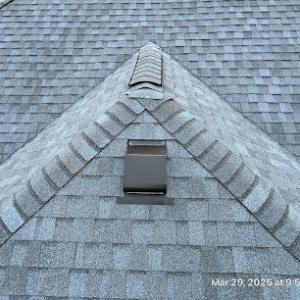
We are a full service residential/commercial roofing/Siding contractor. We professionally install all metal roofs, shingle roofs, rubber roofs, TPO roofs, roof coatings, standing seam metal roofs, seamless gutters and roof repair for commercial and residential. We install soffit, fascia, siding, decks and more!
DNA Roofing
Serving
5.0 from 11 reviews
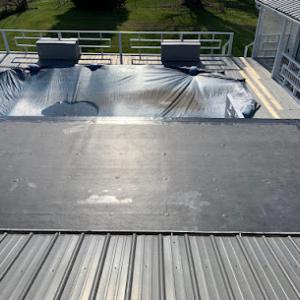
How are we different from the rest? Quality work. In addition to professional, careful, and reliable roofing services, we are priced very competitively for your consideration. For your peace of mind, we are a responsible, honest company that is fully licensed and insured.
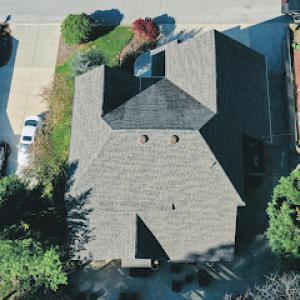
Mr. Roofer | Roofing & Construction
(740) 263-4357 www.mrrooferco.com
Serving
4.9 from 194 reviews
Welcome Mr. Roofer your general home roofing contractor. We are dedicated to delivering top-notch roofing services to residential and commercial properties. Our team of skilled contractors is committed to providing quality workmanship that guarantees customer satisfaction. From Roof repair, roof replacements, roofing siding , gutters cleaning ,we use only the best materials and ensure levity of your roofs. We pride ourselves on our reliability, affordability, and professionalism. Contact us today for a free quote, and let us take care of your residential, commercial roofing needs. Choose Mr. Roofer- a construction company for a secure and aesthetically pleasing roof.
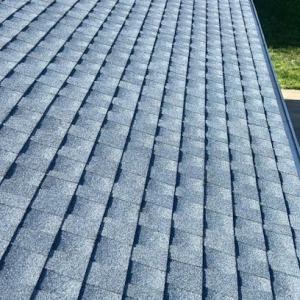
Nest Roofing
(740) 744-6177 www.nestroofing.net
Serving
5.0 from 70 reviews
Roofing Experts. Certified Contractor. Licensed & Insured. Financing Available.
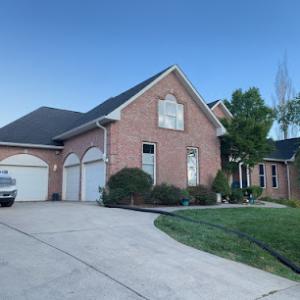
Thoroughbred Construction Group
(844) 977-0822 thoroughbred-construction.com
Serving
4.9 from 484 reviews
Welcome to Thoroughbred Construction! We strive to be the best in our trade, We provide services for residential and commercial clients. In need of a new roof, siding, gutters? Look no further! We offer roofing, siding and gutter services in KY, OH and WV. If you're not sure if we cover your area, just give us a call and we’ll do our best to provide prompt service to your location.
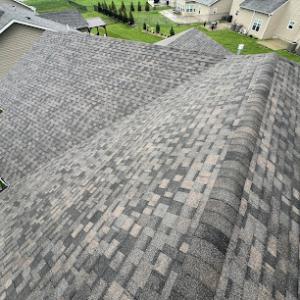
Spartan Construction & Design
(606) 644-0525 www.spartandesignroofing.com
Serving
5.0 from 25 reviews
Welcome to Spartan Construction and Design, a family-owned roofing contractor servicing the Residential and Commercial roofing needs of Kentucky, Ohio, and West Virginia. We specialize in the installation and repair of various types of Roofing materials including Shingles, Metal, Flat, EPDM Rubber, TPO, Single-ply, Vinyl Siding, and all Siding Types. At Spartan, we are dedicated to delivering Integrity, Strength, and Precision in every project and uphold a commitment to Honest Roofing practices. Complimentary inspections and estimates are available, and for added convenience, we offer No-Catch, No Fees 100% financing options.
Pro Guard Roofing
(304) 962-4709 www.facebook.com
Serving
4.5 from 8 reviews
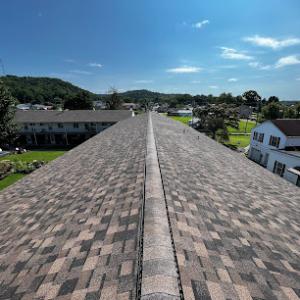
✨We are a family-owned and operated construction company that can help with all your exterior needs. We know what it takes to keep your home protected while also upgrading your homes curb appeal. Our contractors can help with roofing, siding, and deck installation. We use the best quality products with reasonable pricing. Call today to schedule an appointment! Check us out on Facebook! Pro Guard Roofing! ✨
Ridgeline Roofing
(304) 381-1122 www.ridgelineroofing.us
Serving
4.8 from 45 reviews
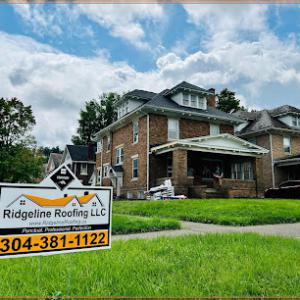
Welcome to Ridgeline Roofing, your premier roofing specialist located in Ashland, KY. Serving both residential and commercial clients, we're on a mission to provide durable, quality, and affordable roofing solutions that stand the test of time. Recognized as a Top-Rated Local® roofer in Ashland, we're dedicated to ensuring every project we undertake reflects our commitment to excellence with full transparency. Contact us for a free quote, and let us redefine your roofing experience.
Aftermath Storm Consultants
Serving
4.0 from 8 reviews
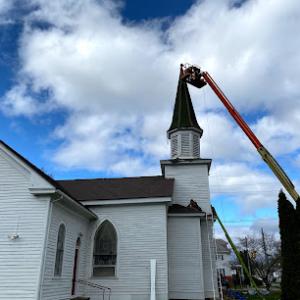
We are the Tri States #1 Insurance Roof Claims Specialists. Nearly all of our jobs the business or homeowner only has to come out of pocket 500-1000 for a complete upgraded roof replacement. Ask Us How cause its our Specialty! We also do cash jobs. Our Customer Service and expertise is unmatched because we know other then your family members your home is the biggest financial investment you will ever have in your Lifetime. Basically it is the silver medal of life. We try to treat everyone's project like it was our own Mothers Home! That is why our inspections are 100% Free and you will never pay a dime until the job is complete and you are 100% Satisfied so there is absolutely NO RISK! Fully Licensed and Insured with countless references.
The City of Huntington requires a building permit for a full reroof through the City Building Department. That means before any tear-off or new sheathing goes on, you should file for a permit and secure approval from the right local office. For a straightforward reroof, the process tends to stay steady and predictable, focusing on standard code-compliance checks rather than unusual local hurdles. The key to a smooth start is lining up your permit application with your chosen contractor early in the project so there's no delay once work begins.
Inspections are scheduled after work begins, with a final inspection used to verify underlayment, nailing, and ventilation details. In practice, that means your roofer starts the project, and then the building department arranges an initial inspection to confirm corrective steps or adjustments are still within code. A final inspection then verifies that the installation meets current standards for weather protection, structural attachment, and attic ventilation. Coordinating with the inspector and your contractor keeps the project on track, especially through Huntington's seasonal swings when wind-driven rain and freeze-thaw cycles become performance tests for any roof.
During the final checks, expect emphasis on underlayment quality, proper nailing patterns for the chosen roofing material, and correct ventilation details to prevent heat and moisture buildup in attics. In storm-prone conditions, inspectors pay attention to secure fasteners, flashing at valleys and chimneys, and drip edge installation. If a repair follows storm damage, documentation of the work and material choices must align with code requirements so that the final inspection can verify a watertight and code-compliant result. Your contractor should keep a clear line of communication with the inspector to address any notes quickly.
After a storm event, it's common to address leaks promptly and then proceed with a formal reroof when needed. The permit process remains the same, even if damage is discovered during an emergency response. Having detailed records helps with insurance documentation and speeds up approvals, so ask your contractor to record damage areas, components replaced, and the sequence of work. This not only supports successful inspections but also helps you present a complete picture to your insurer if a claim is involved.
Choose a contractor who is familiar with local code expectations and the building department's typical inspection timeline. Verify that all materials and ventilation products meet the latest code standards adopted in this area, and ensure that the permit application includes accurate project scope, material types, and roof plan details. Finally, keep copies of all permit documents and inspection reports in a dedicated project folder so you can reference them quickly if questions arise during insurance claims or future maintenance.
In this market, roof claims are commonly tied to wind, hail, and storm damage rather than coastal or wildfire perils. The Ohio River weather patterns mean quick shifts from humid heat to cold snaps, so shingles and underlayment endure repeated stress. You'll often see paired problems: wind uplift loosening edges and hail striking softer materials, followed by freeze-thaw cycles that reveal leaks. Being prepared for this pattern helps you prioritize repairs before secondary damage starts.
West Virginia insurers serving this region look for thorough photo documentation, a clear timeline of events, and evidence of prior repairs that might affect coverage decisions. Take wide-angle shots of the entire roof, close-ups of any dents, lifted tabs, or missing granules, and document attic signs like staining or personal mitigation steps you've taken. Keep records of when storms hit, what was visible after, and who initially inspected the roof.
Evidence of prior repairs can influence how a claim is evaluated, so store receipts, contractor notes, and any permits or warranty statements you have access to. A reputable contractor's written assessment helps the adjuster see the full scope, not just the most visible damage. When possible, obtain a bid or detailed estimate that outlines discrete repair areas and a preferred replacement plan so the insurer can compare options side by side.
Because Huntington has an active storm-repair market, homeowners often face a practical choice between spot repair and full replacement based on deductible size and policy limits. A focused patch may seem appealing, but exposed areas can create new leakage pathways after the next storm. A full replacement, when warranted, reduces the risk of patchwork failure and helps restore long-term protection, especially in areas with repeated wind or hail exposure.
When an adjuster arrives, present your documentation in a chronological, orderly fashion. Be prepared to point to specific shingles, clips, or flashing that failed or were damaged by a single event. If the first assessment misses older but related damage, you can request a re-inspection or a supplemental claim, ensuring the extent of loss reflects the actual condition after the storm season passes.
Connect with contractors who help homeowners navigate the claims process from damage assessment to final approval.
Maycon Construction Services
4341 US-60 suite 105, Huntington, West Virginia
4.9 from 268 reviews
Cardinal Roofing
(304) 607-4064 cardinalroofingwv.com
3444 US-60, Huntington, West Virginia
4.7 from 53 reviews
Classic Construction Roofing Division
(304) 522-1016 classicconstco.com
1328 8th Ave, Huntington, West Virginia
4.6 from 49 reviews
In this climate, cold winters with snowfall create localized ice-dam risk even though the city is better known for humid summers and storm seasons. When moisture from melt runs up under shingles and refreezes at the eave, leaks can appear well after a storm has passed. That freeze-thaw cycling in this part of West Virginia can exploit weak eave details, aging shingles, and poor attic ventilation, turning a quiet freeze into a slow, creeping problem. The result is water staining, stained ceilings, and sometimes hidden rotting behind walls if the warning signs aren't addressed quickly.
Ice buildup along the gutters and at the fascia is a warning sign, but the real danger hides in what you can't easily see. Ice dams can force water to back up under shingles, seeking any tiny crack or gap to intrude. If you notice water stains in a ceiling or warm-room condensation near the attic hatch, treat it as urgent. A small ice dam now can become a big, costly repair later if ignored through repeated freeze-thaw cycles. Pay attention to any warped or loose shingles along the lower roof edge, especially after a heavy snowfall.
Ventilation is a quiet defender. Poor attic ventilation lets attic temperatures rise, accelerating snow melt on the roof and worsening dam formation. Ensure soffit vents are clear, insulation is not blockading vent pathways, and that roof vents are functioning. Seal gaps where light or cold air can flow from the attic into living spaces, particularly around penetrations like chimneys, vent pipes, and attic access doors. Consider upgrading eave details if existing flashing shows signs of aging; effective flashing matters more here than in milder regions.
Replacement timing is often most favorable in spring or fall in Huntington because temperatures are more moderate and weather is more stable than in peak winter or summer. If shingles are visibly cued for replacement-curling edges, widespread granule loss, or frequent winter leaks-it's wise to plan ahead for the shoulder seasons. A proactive approach reduces the likelihood of another round of ice-dam trouble and offers a window to address ventilation and insulation together, preventing repeat damage from the next season's freeze-thaw cycles.
Huntington's mixed commercial and residential landscape means you'll encounter flat and low-slope roofs on a variety of homes and small commercial buildings. The Ohio River corridor brings longer spring rains and humid periods that keep moisture closer to the membrane. On these roofs, drainage and membrane condition get tested seasonally, so you'll want to plan for runoff and slow leaks before they become bigger problems.
With prolonged moisture exposure, proper drainage is your first line of defense. Check that surface drains, scuppers, and downspouts are clear after each heavy rain. If you notice ponding water on any section, address it promptly-flat roofs tolerate standing water poorly when membranes are aging or damaged. For Huntington homes with low-slope sections, confirm the membrane edge sealant and any transitional details around vents or penetrations remain intact.
Flat-roof service is a common need in this market, but it isn't the dominant residential trend, so anticipate a mix of exposure. Look for edge flashing corrosion, seam skirting that has lifted, and punctures from foot traffic or rooftop equipment. In areas with humid summers, organic debris can hold moisture and accelerate membrane wear. Regular interior signs of water staining near ceilings or walls can indicate hidden sealant failures or poor drainage upstream.
Create a simple maintenance log that notes when drains are cleared, seams resealed, and patches applied. Photograph and timestamp problem areas after each storm, focusing on any pooling, blistering, or edge lifting. For storm-response readiness, keep a file of recent repair notes and moisture measurements; this speeds up insurance documentation if a reclaim or claim becomes necessary.
Commercial-oriented flat-roof specialists do surface work here, but residential low-slope tasks stay practical and targeted. When you hire, ask about membrane type, known local exposure to freeze-thaw cycles, and whether the contractor has experience with combined roof-penetration seals near chimneys or HVAC equipment common on Huntington homes.
Find specialists in TPO, EPDM, and built-up flat roofing systems for residential and commercial properties.
In this market, a contractor's ability to respond fast after a storm is a key hiring signal. Homeowners expect crews to be on site promptly to tarp, assess, and stop further damage, especially after Ohio Valley weather swings. When you call, gauge not just the stated willingness to help, but the actual scheduling window. A contractor who can mobilize within 24 to 48 hours and offer a clear plan for containment tends to keep water intrusion minimal while you arrange more comprehensive repairs.
Many local roofers work across both homes and commercial properties, so it's smart to confirm the crew's experience with your roof type and scope. Don't assume a firm that handles apartment complexes or retail sheds will automatically match your house. Ask for examples of similar residential jobs, and ask who will supervise your project from start to finish. If a crew size seems large for a small attic or a flat roof over a sunroom, verify the crew's equipment mix and safety plan.
Free inspections exist, but they are not always the primary selling point. Fast response and solid documentation often matter more for insurance-ready repairs. When you receive an inspection, request a detailed written scope of work, photos or video, and a phased plan. Compare how each contractor records findings, identifies damage, and timelines the repairs. A clear, itemized report helps you navigate insurance adjusters and keeps the project on track.
Local homeowners value cleanup as part of the job. Ask how debris, old materials, and stray nails will be contained and removed, and who is responsible for final cleanup on the day the team finishes. A firm that leaves the site cleaner than it arrived at-without slow drip messes or leftover waste-saves you time and potential post-job headaches.
Seek recent Huntington projects and ask for a couple of local references. If possible, visit a completed site to observe workmanship and cleanup. A contractor with visible, positive work on nearby homes tends to align with local expectations for storm damage response and insurance-ready repairs.
Get a clear picture of your project costs upfront - no commitment required.
Maycon Construction Services
4341 US-60 suite 105, Huntington, West Virginia
4.9 from 268 reviews
Spartan Construction & Design
(606) 644-0525 www.spartandesignroofing.com
Serving
5.0 from 25 reviews