
Last updated: Apr 19, 2026
Marietta sits where the Ohio and Muskingum rivers meet, creating a river-valley setting that can hold humidity and prolong roof drying after rain, snow, and morning condensation. That extra moisture can cling to shingles and flashing longer than typical inland spots, pushing older roofs toward trouble right when winter chatter starts. In this climate, the combination of humidity, cold snaps, and a lingering soggy roof is not a polite inconvenience-it is a condition that accelerates wear on edges, seals, and fasteners.
Cold winters with occasional snow bring frequent freeze-thaw swings that stress flashing, fasteners, sealants, and shingle edges. When moisture trapped in roof planes refreezes, it expands, then contracts as temperatures rise, gradually prying apart seams and loosening fasteners. On steep roofs with many penetrations, those tiny movements compound quickly. In our river-valley conditions, mornings often bring condensation that can drip back toward the attic, keeping decks and underlayment damp longer than expected.
Older housing stock here tends to have steeper rooflines and more penetrations-valleys, chimneys, skylights, and transitions-that trap moisture. Valleys are natural moisture highways, and when refreezing occurs, weakened joints and cemented seals become crack points. Flashing along rake edges and valley intersections is especially at risk, as is the area where old fasteners meet shingle edges. With prolonged moisture, granule loss accelerates, increasing sun-heat absorption and promoting faster deterioration in the same spots year after year.
Look for signs that moisture is lingering after a storm: damp roof decking, dark spots on shingles, or a musty attic scent after a warm day. Edges of shingles that feel slightly cupped or lifted can indicate repeated freeze-thaw stress. Notice any flashing that looks paneled or separated at intersections with chimneys or vent pipes. If a roof has multiple penetrations close together, the cumulative stress from freeze-thaw cycles can exceed what the original flashing was designed to seal.
Start with a proactive inspection after major rain, thaw, or snowfall, focusing on flashing joints, valleys, and chimney transitions. Clear roof valleys of organic debris that can trap moisture and slow drying, but do so from a safe stance and with proper equipment. Check attic ventilation and insulation; a damp attic compounds roof moisture and can postpone drying, inviting more ice dams. If any flashing appears lifted or loose, address it quickly with proper sealant and secure fastening-or call a local pro who understands our river-valley dynamics. For steep-roof homes with many penetrations, prioritize the most exposed flashing and valley seams first, since those points carry the highest risk of refreezing damage.
As spring rains and winter thaws cycle through, keep a running note on how long roof surfaces stay damp after precipitation. Extended damp periods in colder weeks are a red flag that moisture is lingering where it shouldn't. Establish a routine fall pre-winter check that targets flashing integrity and critical joints before the first deep freeze. In this river valley, staying ahead of moisture means inspecting and maintaining more aggressively than straight-laned inland climates.
Dwellings in this area are among Ohio's oldest, and the steep roofs on these hillside homes often hide more than they show. When a roof replacement is on the table, expect decking repairs to be common, especially where old boards curled or softened from years of freeze-thaw cycles. Chimney lines in particular require careful attention; flashing around masonry cores tends to shift with temperature swings, and any mortar joints that crumble will pull on the flashing. Ventilation upgrades frequently accompany a replacement, because older attic spaces can trap moisture and heat, accelerating deck deterioration on those long, pitched surfaces.
Decking is the backbone of a durable roof, and on historic hillside properties you may encounter irregular spans or sagging sections that complicate a tear-off. Before the new covering goes on, confirm that the roof deck is sound; replacing warped or water-damaged sections prevents repeat issues after the storms move through the river valleys. Masonry chimneys add another layer of work-repointing, re-flashing, and sometimes rebuilding the chase can be part of the project. Ventilation upgrades matter here because taller roofs with complex trim traps moisture more easily. Add under-eave vents or ridge ventilation as appropriate, ensuring airflow reaches the attic space without compromising the character of dormers and decorative trim.
Neighborhoods climbing away from the riverfront present staging challenges: steep lots, narrow driveways, and limited space for dumpsters. Plan material delivery routes carefully, favoring off-street access angles where crews can work without blocking the street. On sloped properties, temporary platforms or roof brackets may be necessary for safe movement of shingles and tools. If a portion of the roof is visible from a street or sidewalk, coordinate with the homeowner to minimize visible debris during the project and protect the historic curb appeal with tarps or temporary enclosures.
Older Marietta homes frequently feature dormers, masonry chimneys, and intricate trim that add visual charm but raise labor costs. Dormers may house skylights or unique gable vents that require careful sealing, flashing, and integration with the new roofline. Complex trim lines demand precise cutback and fit, especially when the replacement goes over existing gutters, fascia, or decorative boards. Expect additional time for detailing around corbels, finials, and corner boards to preserve the home's historic character while delivering weather-tight performance.
Freeze-thaw cycles in this valley intensify moisture movement through shingles and underlayment. The goal is to break the moisture path before it infiltrates the decking, especially at joints, valleys, and around protrusions like chimneys and skylights. Choose a roof system with a robust underlayment and a transition detail that expands and contracts with the temperature swings. Regular inspection after the first thaw helps catch edge deterioration early, preventing ravelling or nail-head exposure that invites leaks. Preserve the long-term health of steep roofs by prioritizing secure fasteners, proper sealing at penetrations, and a balanced ventilation plan.
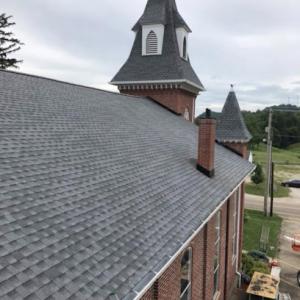
Ritchey General Contracting
(740) 374-5714 ritcheyroofing.com
Marietta, Ohio
4.4 from 10 reviews
Maybe you want to replace your old roof. Maybe you want to install new gutters. In either case, call Ritchey General Contracting. We're your go-to for general contracting services in Marietta, OH. From replacing roofs to building decks, we can do it all. Want to know more about our residential roofing and gutter services? Reach out to us today, and we'll fill you in on all of the details.

Gribble Roofing Company
(304) 494-6891 gribbleroofing.com
Serving
4.7 from 84 reviews
Gribble Roofing Company is a licensed and insured general contractor in Parkersburg, WV. We are locally owned and operated and veteran owned and operated. We provide, quality and affordable roofing, siding, flooring and other contracting services in the mid-Ohio Valley. Our approach is honest, professional, and with your best interests in mind. As a professional roofing company, our goal is to clearly communicate up-front what the project includes, what it will cost, and the time-frame in which it will be completed. Call today for a FREE estimate.
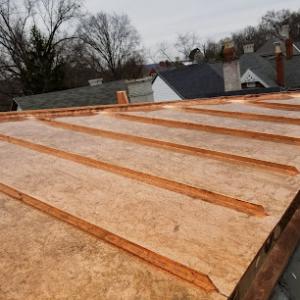
Hardt Roofing
(304) 916-5936 www.hardtroofing.com
Serving
4.7 from 33 reviews
Specializing in historical roof preservation. Standing seam roof, copper roofing, zinc roofs, tile roofs, slate roofs, metal roofs, box gutter, built in gutters, flat roofs, TPO roofs, copper gutters, chimney caps, chimney flashings and more.

QC Amish Roofing
(304) 485-2233 qcamishroofing.com
Serving
5.0 from 4 reviews
At QC Amish Roofing, where excellence meets tradition, we've been crafting lasting roofing solutions since the 90s. Our commitment to quality is evident in every shingle, every nail, ensuring your home receives nothing but the best. Specializing in metal roofs, our expertise extends to cover all types of roofs, combining time-tested practices with modern techniques for unparalleled craftsmanship that stands the test of time.
Coat of Armor
(855) 528-0444 coatofarmor.net
Serving
5.0 from 2 reviews
Well-respected contractors in West Virginia along the Ohio River for over 30 years.
Mid Ohio Valley Roofing
Serving
5.0 from 2 reviews
20 years roofing experience.Roofing the Mid Ohio Valley and surrounding areas with quality dependable workmanship you can trust
Late spring through early fall is the preferred replacement window in Marietta because winter snow and ice limit safe access and spring storms raise the risk of water intrusion during tear-off. Schedule in this period when roof crews can safely move around the upper eaves and window openings without tripping hazards from ice or lingering snow piles. If a project must stretch into early fall, plan for the gentler days between fronts and be prepared for occasional weather postponements. Fall can bring wind and compressed contractor calendars as homeowners try to finish work before winter freeze-thaw conditions return. A clear, pre-scheduled period helps avoid rushed installations that could compromise flashing, drainage, or interior protection.
Humidity from the river-valley climate calls for windows with strong moisture resistance and airtight seals. Look for vinyl or fiberglass frames with rigid construction and low thermal transfer ratings, paired with double- or triple-pane insulated glass and an inert gas fill. In older homes with steep roofs in this area, ensuring proper integration with roof flashing and impermeable eave detailing is essential to prevent leaks around the rough opening. Wood frames can be beautiful, but they require more ongoing maintenance and better drainage considerations in this climate. If a wood interior is preferred for aesthetics, choose clad exteriors and opt for finishes that resist warping in high humidity.
Replacement windows should coordinate with roof line work to maintain a continuous moisture barrier. During removal, pay attention to protecting roof edge flashing and the kickout at the rain gutter line. Windows that sit flush with the roofline need precise flashing and back-dedding to prevent water from migrating behind the trim. Do not shortcut sealant or flashings around operable sashes or corners, where age and river humidity can exploit small gaps. A seasoned crew will tease out any rotted sheathing behind the opening and replace it before resealing the window to maintain a consistent weather seal.
In hot, humid southeastern Ohio summers, asphalt shingle handling can degrade worker efficiency if temperatures spike or humidity climbs. Plan for cooler parts of the day for material handling and sealant cure times. Expect longer days when the team has to carry loads up ladders and around steep roof lines. A well-structured schedule reduces the risk of errors during flashing integration and interior protection. If the home has a history of moisture intrusion around the upper story, consider staged work: first secure the exterior with weatherproof barriers, then complete interior sealing and ventilation before final trim and flashing.
During replacement, protect interiors from dust and moisture infiltration, especially in rooms directly adjacent to the window opening. Use breathable barriers to manage condensation risk while the sealants cure, and ensure temporary ventilation is in place to keep humidity levels manageable in the attic and upper floor. After installation, verify that condensate drainage paths from the window operable components are clear and that the interior trim remains dry after a few rain events.
Choose a color and finish that resist fading and maintenance demands given the local sun exposure and humidity. Schedule periodic inspections after the first full winter and the first spring storm season to catch any unforeseen seal failures or frame movement. Properly maintained, these windows will help manage interior humidity loads that can affect attic spaces and roof decking over time.
Asphalt shingles are a common sight on Marietta's streets, especially on older steep-roof homes that line the downtown riverbanks. In these homes, repeated winter expansion and contraction and the humid summers create extra demand on attic ventilation and underlayment details. You'll want to ensure your soffit and gable vents are balanced so that moist air moves upward and out, rather than pooling in the attic during heavy spring rains. A quality, properly installed underlayment helps resist water intrusion during rapid freeze-thaw cycles. In practice, that means paying attention to how roof penetrations-vents, chimneys, and skylights-are flashed and sealed. Regular inspections after freeze-thaw months can catch hairline leaks before they become costly repairs on an older roof structure.
Metal roofing is a strong local fit because it sheds rain and snow efficiently, which matters in a city with winter precipitation and spring storm exposure. For homes near the confluence the moisture load can be higher, and the metal's fast shedding helps reduce the time moisture sits on the surface. In practice, look for a concealed or well-sealed fastener system and pay attention to the edge details where wind-driven rain can lift panels if not properly sealed. The integrity of ridge caps, seams, and the attic-to-roof ventilation setup remains crucial to prevent condensation inside the attic during damp seasons. Metal roofs pair well with updated flashing around chimneys and vent pipes to minimize potential leak paths during heavy storms.
Clay tile and concrete tile present a distinctive curb appeal on higher-end or architecturally unique homes in this region. They can handle the seasonal moisture swings, but their added weight means structural review is essential on older houses common in Marietta. If a tile roof is chosen, confirm that the substructure is rated to carry the heavier load and that battens and underlayment are compatible with freeze-thaw cycles. Proper alignment and spacing help prevent water from seeping under tiles during rapid temperature changes. Also, ensure compatible sealants around penetrations and around vents to mitigate freeze-thaw cracking.
Wood shakes offer a traditional texture that suits older neighborhoods, while synthetic products try to mimic that character with potentially lower maintenance. In humid river valley conditions, moisture control remains key. Wood needs meticulous attic ventilation and an effective underlayment to reduce moisture buildup under the surface during wet springs. Synthetic options can resist moisture better but may require periodic inspection at fasteners and joints to prevent gaps that invite water intrusion during freeze-thaw cycles. If choosing these, pair them with robust flashing and careful detailing at chimneys and skylights to maintain long-term performance.
Older houses with steep roofs dominate the local skyline, and the confluence of river valley humidity with freeze-thaw cycles amplifies stress on roofing systems. When contemplating any material beyond asphalt, assess not only weight but the structural support, deck condition, and ventilation strategy. Even lighter options like certain synthetic shingles can add up in total weight on a roof that already bears extensive seasonal moisture. Ensuring structural compatibility upfront helps preserve roof integrity through wet summers and hard winter freezes.
In Marietta, asphalt shingles typically run about $350 to $650 per square, metal $700 to $1300, clay tile $1100 to $2100, concrete tile $1000 to $1700, wood shingles or shakes $550 to $1000, and synthetic or composite shingles $500 to $900 per square. These ranges reflect the mix of older, steeper homes and river-valley humidity that shape bid pricing. When you price a job, ask for a line item that separates tear-off and decking repair from new underlayment and venting upgrades, because those elements show up more often than you'd think on long-lived, steep roofs around the confluence of the Ohio and Muskingum.
Costs in Marietta can rise on older steep-roof homes because tear-off often reveals damaged decking, outdated venting, and complex flashing around chimneys and dormers. Those issues aren't glamorous to fix, but they're common after freeze-thaw cycles plus river humidity. If you're comparing bids, look for careful notes about deck repair, roof-to-wall flashing, and attic ventilation strategies. A bid that includes only shingle replacement without addressing deck integrity or proper venting tends to produce short-term savings with long-term risk of leaks and accelerated wear.
Access challenges on hillside lots can push crew logistics and equipment needs, which nudges prices upward. In addition, seasonal demand spikes after spring or fall storms can shorten scheduling windows and raise labor costs. If you're planning around a harsh winter or a wet spring, anticipate tighter timelines and potential surcharge for off-peak work. In a typical Marietta project, the more complex the roof geometry (dormers, multiple peaks, or tall sections), the more you'll see in the bid for specialized flashing, scaffolding, and safety measures.
Start with a sourced inspection to identify hidden damage and prioritize decking, ventilation, and flashing upgrades. Get three detailed bids that itemize tear-off, disposal, underlayment, and any needed repairs. Ask contractors to explain how river valley moisture and freeze-thaw cycles influence their chosen materials and warranty coverage. Schedule projects for late spring or early autumn when weather is milder and crews are more available, reducing delays and price swings on those steeper roofs. In practice, prepare for longer timelines and flexible start dates to keep the project within a reasonable budget while protecting the roof's longevity.
A full roof replacement typically requires a building permit in Marietta. In this town, where many homes carry steep roofs and river-wrapped valleys, starting with the permit avoids later penalties and weather-driven delays. Planning ahead helps you align work with seasonal windows and moisture concerns common to local rooftops.
Permits are generally handled through the Washington County Building Department, which requires inspections during and after the work. Those checks are not just bureaucratic; they are a practical safeguard against leaks that could worsen during freeze-thaw cycles and long humid periods along the Muskingum and Ohio rivers. Expect a clear path for scheduling and a checklist of what will be reviewed.
Local inspections focus on venting, underlayment, and proper installation. Because humid river-valley conditions meet cold winters, inadequate venting or gaps in underlayment can trap moisture and accelerate ice dam issues on a steep roof. Ensure attic vents align with the roof's design, and that underlayment is continuous at eaves, ridges, and valleys.
Fees vary with project value and roof-system complexity. The department will scrutinize fascia, flashing, and roof-to-wall transitions, with extra attention for complex systems like metal, clay tile, or concrete tile. Understanding this helps avoid a last-minute scramble and ensures the permit process doesn't stall your project.
Contact the Building Department early, have plans or product specs ready, and schedule inspections at critical milestones. Coordinate with the contractor so venting, underlayment, and fastener patterns meet the required standards before shingles go down. Missing a step to secure approvals can stall weather-sensitive work and trigger re-inspection fees, particularly when a spring thaw compresses the schedule. Stay proactive, document changes, and keep a diary.
In this valley corridor, weather-related roof claims are most likely to involve wind or hail rather than the dramatic coastal-style losses seen elsewhere. Dry spells don't last long here, but freeze-thaw cycles pack more moisture into older steep roofs. That combination means storms often test roof edges, hips, and dormers first. When a storm hits, look for lifted shingles, granule loss, or tree impacts that leave dark scars along slopes.
In Marietta, Ohio's insurance market is generally stable, but some carriers have tightened underwriting after major weather events, which can affect roof age eligibility and replacement decisions. Homeowners should photograph every roof slope and interior leaks within 48 hours of a hail or wind event. Keep a dated log of storm dates, wind speeds if available, and notes on any interior staining. Organized records shorten the adjuster's work and reduce back-and-forth.
Contractors often identify moisture behind the decking only after a careful inspection. When a claim is filed, adjusters commonly require roof verification and damage documentation from the contractor. Ask the roofer to provide a written scope, moisture readings, and a cross-section of attic conditions. Having this ready helps prevent delays and helps verify whether slow-growing moisture from freeze-thaw cycles contributed to existing wear.
If a roof shows new damage, cover exposed areas with a temporary tarp to limit interior leaks while awaiting a professional evaluation. Schedule a moisture survey quickly, especially before winter restoration work begins, since a wet roof with lingering ice melt accelerates rot on older steep slopes. In all communications, reference the storm date and attach photos to your file.
Local crews emphasize timing: the longer moisture stays, the more interior damage can creep into ceilings and insulation around south-facing slopes. By coordinating documentation with a contractor, homeowners avoid miscommunications and keep the claim moving toward a resolution.
In the river valley climate, ice-related backup at eaves and in valleys is a recurring concern because winter snow can melt and refreeze during temperature swings. That cycle presses against gutters, soffits, and low-slope transitions, forcing moisture to work its way under shingles and through underlayment where it shouldn't. Older steep roofs, with their generous overhangs and complex valley systems, are especially vulnerable. If ice dams persist, edge leaks can travel up under horizontal roof planes, widening small defects into visible staining and interior damage after thaw cycles.
Flashing failures around masonry chimneys are especially relevant on older housing stock, where brick chimneys and multiple roof transitions are common. The mortar lines, step flashing, and vent setbacks may have settled or cracked over decades, leaving gaps for water to exploit during freeze-thaw events and spring storms. When flashing pulls away at the corner joints or where the chimney abuts a different roof plane, small leaks can become concentrated leaks right where you notice them: along the ceiling line, near a chase, or around the flue. Honest assessment of those transitions pays dividends before more damage occurs.
Spring storm exposure can turn small preexisting defects in underlayment or valley metal into active leaks during replacement season. After a long winter, the combination of warming days and heavy rain can reveal weaknesses that were dormant. Valley seams, step-flashings, and the junctures where roof planes meet walls are at particular risk when seasonal wind-driven rain arrives. If a preexisting seam shows even minor deterioration, a proactive fix helps prevent a full-tilt leak once the storms arrive and crews are focused on replacement work nearby.