
Last updated: Apr 19, 2026
In this area, winter lasts and the swings between thaw and freeze are relentless. Ice-dam formation and moisture intrusion sit at the top of the roof-life risks, not cosmetic flaws. When water repeatedly freezes and expands at the eave and along transitions, the attic, decking, and underlayment absorb damage that silently accelerates. If a roof isn't built and maintained to handle those cycles, small leaks become large, costly problems in a hurry.
Snow lingering above the eaves will thaw and refreeze, massing pressure on the edge of the roof. The flashing transitions that tie the roof to walls, chimneys, and skylights are under constant stress from that same cycle. Shingle seal strips-particularly on steeper slopes common to many Clarksburg homes-lose their grip with repeated thaw-refreeze sequences. When ice backs up along the eaves or around penetrations, water seeks its way under shingles and into the attic or ceiling, often without immediate notice. The result is accelerated decking rot, mold in soffits, and hidden moisture pockets that undermine structure and insulation.
Homes in this climate require attic ventilation that truly moves air year-round. If soffit vents and ridge vents aren't balanced, heat and moisture accumulate; warm air rising into a cold attic condenses on sheathing, creating damp, ice-prone surfaces. Underlayment must perform in freezing temperatures and stay watertight as moisture migrates. The wrong material or a poorly installed layer can crumble under freeze-thaw stress, leaving a direct path for water to reach the wood beneath. Prioritize high-quality, properly installed underlayment and a ventilation strategy that treats winter as a year-round condition, not a seasonal afterthought.
Coordinated drainage is non-negotiable here. A roof that drains poorly invites pooled meltwater that refreezes into thick sheets on slopes where ice damming is hardest to manage. Look for a design that minimizes low points, uses adequately sloped surfaces, and accommodates snow loads without exposing vulnerable edges. A steep, well-drained roof helps keep meltwater away from eaves and penetrations. In practice, that means attention to fascia, gutters, downspouts, and clear paths for water to exit: no partial blockages, no sagging gutters, and no circuits that channel water toward a vulnerable corner where ice tends to build.
Begin with a thorough inspection of the attic: check for insulation gaps around penetrations, evidence of moisture staining, and any warmth leaking through the roof deck. Inspect eaves and overhangs for ice dam formation patterns after a heavy freeze. If flashing shows corrosion, gaps, or loose placement, address it promptly with sealed, weather-tight flashing that extends over the edge and tightly to the wall. Ensure gutters are securely fastened, free of debris, and sized to carry peak spring runoff and mid-winter melt. Consider upgrading to a roof underlayment rated for cold-weather performance and ensuring that soffit intake is not blocked by insulation, so air can freely circulate from eave to ridge.
Seek materials and assemblies designed for a four-season climate: steep profiles with robust edge protection, high-performance underlayment, and durable seal strips that resist repeated freezing and thawing. Any roof replacement or major repair should be paired with a comprehensive attic ventilation plan and a drainage-focused design. If the house has multiple penetrations-chimneys, vents, skylights-expect a coordinated approach to flashing transitions that reduces cold-weather moisture intrusion. A proactive mindset now saves substantial patchwork later when winter returns with its familiar, unforgiving cycles.
Clarksburg's built environment includes hillside and valley conditions that can keep roofs damp longer after rain, snowmelt, and leaf accumulation. That lingering moisture complicates routine maintenance and raises the stakes for proper drainage and ventilation. On steep residential roofs, where snow tends to linger and melt quickly in pulses, small improper details become big problems. In these settings, rain and meltwater run off faster into fewer gutters and downspouts, so every inch of slope and every edge detail needs to be purposeful and robust.
Older Appalachian housing stock often features steeper rooflines. This increases tear-off complexity, staging needs, and fall-protection requirements. Before any work begins, map the roof into manageable zones that can be worked from solid, rated staging or anchor points. In practice, this means setting up guardrails at edge lines and ensuring ladders and access points align with the roof's natural staging points, so crews can move material and debris without creating slip hazards. Pay close attention to roof-to-wall transitions on steep sections; these are common spots for ice dams and moisture ingress if flashing and drip edges are neglected.
Water management details matter more where runoff is concentrated quickly off pitched roofs and into gutters during heavy rain and spring thaw. In steep sections, ice dams form where attic air is not sufficiently insulating and vented. If the attic is not ventilated with a balanced flow, warm air can melt snow on the roof and refreeze at the eaves, pushing moisture into decking and fascia. To counter this, ensure soffit vents align with ridge vents for continuous airflow, and verify that insulation meets or exceeds the standard for the attic floor. For hillside homes, consider additional venting near the uppermost roof planes that drain toward internal valleys or external gutters, reducing the chance of damp pockets along the mid-slope.
Water runoff from pitched roofs can overwhelm gutters in heavy rainfall, especially where hillside terrain funnels moisture toward single collection points. Clear gutters and downspouts thoroughly before winter, and install gutter guards that are appropriate for heavy debris loads from maples and oaks common in valley lots. Downspouts should direct water at least several feet away from the foundation and away from walk paths that may collect ice in freezing conditions. In valleys and low points, add catch basins or scupper points to prevent water from pooling at the eave line, which can accelerate wood rot and fascia damage on steep roofs.
Steep roofs accumulate edge stress where snowmelt and rain converge near eaves and transitions. Ensure continuous flashing at all valleys, dormers, and chimneys, with a generous bend that seals against moisture intrusion. Fascia boards should be solid and rot-resistant, with drip edges extending beyond the fascia to promote smooth water shedding. Rubberized or metal underlayment should be extended into critical corners and reflections so that a sudden thaw does not push moisture into concealed spaces.
Clarksburg's climate requires a disciplined maintenance cadence: clean and inspect after leaf fall, mid-winter checks for ice formation on exposed edges, and a spring inspection of flashing and seams once melt proceeds. Keep an eye on areas where water concentrates-valleys, dormers, and edge transitions-because these spots reveal the most wear after harsh winters. A proactive approach reduces the risk of moisture-induced damage that can be costly and disruptive on hillside properties.
In this four-season setting, replacement windows are more than curb appeal; they're a line of defense against freeze-thaw moisture that can creep around sill areas and accelerate deck or framing damage after a winter thaw. The hill-and-valley terrain means snow sits in drifts and ice damming can back up under eaves, so you want windows with tight seals, durable flashing, and precise installation to keep attic moisture under control. The key choice is weather-tight performance during rapid temperature swings, not just looks.
Winter tear-offs may be delayed, and mid-winter replacement becomes unpredictable when decking is exposed to weather. If a window is planned during the cold months, expect potential postponements and plan a backup schedule for the interior work. Spring thaw and frequent rain can slow dry-in and inspection timing even when crews are available, so align delivery of long-lead components with a clear dry period and avoid heavy rain windows. Summer thunderstorms and fall leaf drop both affect scheduling, cleanup, and material handling in Clarksburg more than in consistently dry climates, so set expectations for weather-induced pauses and ensure crews stage tarps and containment to protect interior spaces.
Look for high-performance units with low air leakage and excellent condensate management, plus durable exterior materials that resist moisture intrusion around harsh winter edges. For steep roof lines or upper-story openings, select windows with reinforced sashes and robust weatherstripping, and insist on exterior flashing that ties into the surrounding roof or wall assembly to divert water away from the rough opening. Consider laminated sealant approaches and a sill pan that extends beyond the rough opening to shed water away from the interior.
A proper installation in this climate hinges on accurate measurement and thorough resurfacing of the rough opening, followed by precise flashing to stop ice and meltwater from migrating behind the trim. Ensure the installer uses a drip-edge or sill pan adapted to the roofline or wall interface, with sealant joints that are compatible with seasonal expansion and contraction. Ventilation around the window area should be considered to avoid trapping moisture near attic spaces, especially where roofline vents interact with the window head and side channels. Finally, verify that interior finishes can accommodate potential temporary humidity or condensation during the settling period after installation.
Asphalt shingles remain a practical fit for Clarksburg because they balance cost with performance in a market that sees snow, rain, and seasonal temperature swings. In a four-season climate, the ability of these shingles to shed moisture and tolerate freeze-thaw cycles matters as much as their color and granule protection. When selecting asphalt, prioritize products with strong granule adhesion and a reinforced base for improved wind uplift resistance. A dark or midtone shingle can help manage attic heat during shoulder seasons, but you should also pair any shingle choice with adequate attic ventilation and a well-sealed underlayment to minimize condensation and moisture buildup on steep pitches.
Metal roofing is especially relevant locally because it sheds snow efficiently, but installer skill at condensation control, fastening, and trim work is critical in cold-weather climates. Metal panels perform well with heavy winter moisture, yet improper installation can trap condensation and invite ice dam issues on overhangs and eaves. Choose profiles with adequate sidelap and integrated rain-hoods or vented trims to manage snow melt runoff. A well-sealed, corrosion-resistant coating is beneficial for longevity in moisture-heavy seasons, and ensure that fasteners are corrosion-resistant and properly sealed to prevent leaks at cold joints.
Clay tile, concrete tile, wood shakes, and synthetic products are available options, but weight, moisture exposure, and freeze-thaw durability need closer scrutiny in Clarksburg than in warmer regions. Clay and concrete tiles bring excellent durability in dry conditions but can be brittle under freezing cycles if fabricated poorly or installed with insufficient substrate support. Wood shakes offer aesthetics and natural insulation, yet they require meticulous moisture management and proactive maintenance to prevent rot and ice-related damage in damp months. Synthetic or composite shingles present a versatile, lighter alternative with good freeze-thaw tolerance, but check for long-term performance in microclimates where winter moisture is persistent and freeze-thaw cycles are frequent. In all cases, confirm substrate compatibility, proper underlayment, and appropriate detailing at valleys, dormers, and chimneys, where moisture tends to concentrate.
The steep pitches common to Clarksburg homes demand careful attention to drainage and attic ventilation. Materials must be paired with a ventilation plan that keeps warmer attic air from migrating into cold zones, which can drive condensation and ice dam formation on colder weeks. If you opt for heavier materials like concrete or clay, ensure the roof structure is rated for the load and that fasteners and flashing are sized for winter wind pressures and freeze-thaw movement. Regardless of material, a proactive approach to moisture control-through balanced ventilation, well-sealed seams, and intelligent drip edges-helps extend roof life across the year.
Use these local material ranges per square: Asphalt Shingles 350 to 650, Metal Roofing 600 to 900, Clay Tile 900 to 1400, Concrete Tile 900 to 1400, Wood Shingles/Shakes 600 to 1100, Synthetic/Composite Shingles 500 to 900. For a typical residential roof, the square is 100 square feet, so multiply by 100 when budgeting. In practice, most Clarksburg projects land in the mid-to-upper portion of these ranges on steeper pitches, because trusses, attic ventilation needs, and higher snow loads drive material usage and labor time. This is especially true on hillside homes where access is limited and staging becomes a premium expense.
Costs in Clarksburg can rise on steep roofs and hillside-access homes where staging, tear-off handling, and debris removal are harder than on flat suburban lots. When the roof line drops into a valley or sits along a hillside, crews may need specialized equipment, longer setup times, and careful trash containment to protect driveways and landscaping. Expect additional labor charges for safe laddering, temporary access paths, and more meticulous clean-up. If the existing deck or sheathing shows moisture damage from repeated freeze-thaw cycles, repairs may be necessary before the new roof goes on, adding to the square-foot cost.
Seasonal weather interruptions, permit-related inspection timing, and storm-driven demand spikes after wind, hail, or ice events can affect labor availability and project pricing in this market. Winters bring freeze-thaw cycles that stress the attic and decking, so some projects extend into shoulder seasons to ensure proper sealing and ventilation once temperatures stabilize. In a four-season climate like this, careful attention to attic venting, ice-dam prevention measures, and proper drainage details is essential; cutting corners on these steps often leads to higher comeback costs when the first freeze arrives. When storms hit, expect a surge in labor demand and potential delays, even for already-scheduled replacements. Planning around windows of milder weather helps keep both material performance and crew efficiency at a steadier pace.
Superior Roofing Company
(304) 669-4417 superiorroofingwv.com
Clarksburg, West Virginia
5.0 from 110 reviews
Superior Roofing Company is your local independent contractor for quality roofing installation. We offer services in Clarksburg WV, and surrounding areas. Whether you want rubber, shingle, or standing seam roofing, you can count on a roof built to last. We provide a Quality Craftsmanship Warranty for 20 years on every new roof we install. Superior Home Improvement in Clarksburg, WV, also proudly offers military and senior discounts.
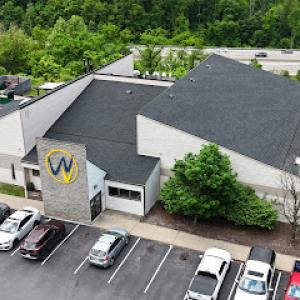
ROOFPROs
201 W Main St, Clarksburg, West Virginia
4.9 from 56 reviews
ROOFPROs is a trusted leader in residential and commercial roofing in North Central West Virginia serving Buckhannon, Weston, Clarksburg, Bridgeport, Fairmont, and Morgantown. We offer roof replacements, repairs, inspections, and storm damage restoration. As the only both GAF and Owens Corning certified installer in the area, we provide a wide range of options, superior materials, expert craftsmanship, and lasting protection. Our team works closely with owners, property managers, realtors, and insurance agents to deliver reliable, cost-effective solutions. We also offer flexible financing options to make high-quality roofing accessible. Trust ROOFPROs for durable, professional, and certified roofing services.
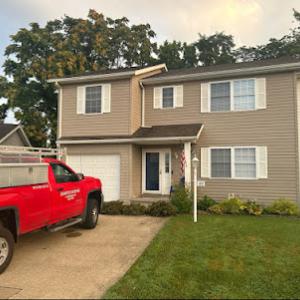
Duarte's Roofing
412 N Ohio Ave, Clarksburg, West Virginia
4.6 from 20 reviews
Duarte's Roofing, a company with 76 years of history, emphasizes industry-leading installation practices, superior workmanship, and dedication to client satisfaction.
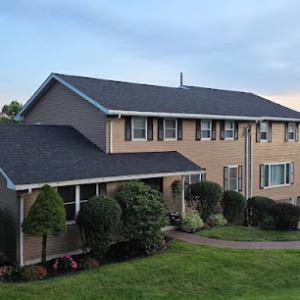
E & E Exteriors
(304) 216-0557 www.eeexteriors.com
1410 Shinnston Pike, Clarksburg, West Virginia
4.5 from 14 reviews
E&E Exteriors is a trusted local roofing contractor serving West Virginia, Pennsylvania, Maryland, and Virginia. We offer affordable roofing services for every budget. With over 15 years of experience, our team delivers honest pricing with no high-pressure sales. In addition to roofing, we specialize in vinyl siding installation, custom deck construction, and seamless gutter systems. Contact us today for a free roof inspection and fast, reliable service near you.
Gutterworks
(304) 848-9870 gutterworkswv.net
718 W Pike St, Clarksburg, West Virginia
3.9 from 16 reviews
Gutter contractor serving north central wv free online estimates. Serving Harrison, Marion, Taylor, and Lewis county
Sutter Roofing & Metal
(304) 624-6565 www.sutterroofing.us
2 Stadium Dr, Clarksburg, West Virginia
3.9 from 17 reviews
Sutter Roofing serves West Virginia with a variety of quality roof systems including Single Ply, Modified Bitumen, Built-up and Standing Seam Metal.
Roofers Near Me
Serving
5.0 from 90 reviews
Roofing contractor specializing in full roof replacements, repairs, gutter and siding installation.
North Central Building Solutions
(866) 766-3798 www.roofswv.com
Serving
4.7 from 91 reviews
At N.C.B.S. your project is our passion! We specialize in complete roof replacements and excel in dealing with insurance claims for storm restoration. We take pride in valuing our customer's time and property while providing expertise in all areas of the roofing process. From our FREE ESTIMATES & INSPECTIONS to our class act customer service and satisfactory completion of your project North Central Building Solutions is at your service
All About Contracting
Serving
5.0 from 5 reviews
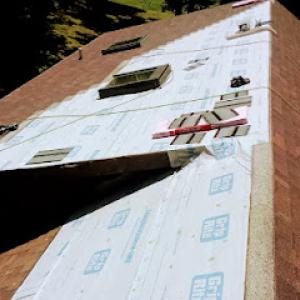
Small Family Owned Operated. Est Oct 2008 , All work Licensed, Insured & Guaranteed. Specializing in All Roofing Types, (Shingles, Rubber, Metals) and most outside Home Improvements : Siding, Gutters, Soffit & Fascia, Decking, Windows & Doors. Installation or Repair, many references (Available upon request). The Best Work @ The Best Price.🤝 Financing Available $$ Over 40+ year's experience. WV#044936 Owner: Luke 304-627-1218 FREE ESTIMATES an Guaranteed.
RENU Renovations
(304) 641-4783 www.renullcwv.com
Serving
5.0 from 48 reviews
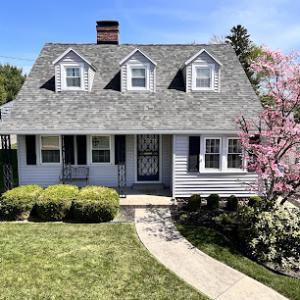
We as a company started in 2014, but prior to that, for several years was part of a roofing contracting partnership. After being part of that, I knew that this was something I wanted to pursue, but I wanted to be able to use better quality accessories and do a higher level of general workmanship. Delivering a better end product for the client. Many roofing contractors know that pushing through jobs quickly produces the highest levels of income. Pushing through jobs quickly, often means A lot of things get covered up that will not be an issue for 10-15 years, but will most likely end up as an expensive repair at that point. We try to take the entire roof system and ventilation system into consideration so that everything can work together.
Amish Quality Exteriors
(330) 763-3350 amishqualityexteriors.com
Serving
5.0 from 7 reviews
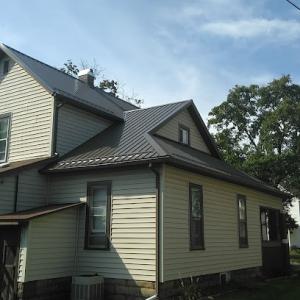
We offer a wide selection of roofing materials and gutter solutions for your home. We'll show you the unique benefits of each option, and help you decide which one is perfect for your home. At Amish Quality Exteriors, we provide high quality roofing material and professional gutter installation accommodating almost any home's needs. Let us help you discover the perfect one for you! Our rich Amish heritage is one that ensures a strong work ethic and precise craftsmanship, giving you the peace of mind that comes from knowing that we will treat your home as if it were our own. Flexible Options, Innovative Solutions, Quick & Clean, Re-roofing Specialists. Beautifully Efficient. Unmatched Quality.
A1 General Contracting
(304) 460-3864 www.buildwitha1.com
Serving
5.0 from 161 reviews
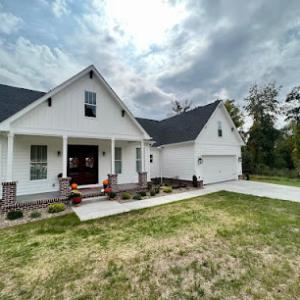
A1 General Contracting is a family-owned, GAF Certified Master Elite Residential Roofing Contractor committed to exceeding expectations since 2008. Specializing in top-quality roofing, we offer unparalleled expertise and the industry's best warranties for your peace of mind. As a family business, we treat every customer like one of our own, ensuring a professional, stress-free experience from start to finish. Beyond roofing, our team provides a comprehensive suite of exterior services including gutter installation, deck building, patio construction, and siding replacement—all "Under One Roof." We are fully licensed, insured, and dedicated to delivering superior craftsmanship on every project. Whether you need a full roof replacement, a new
A building permit is typically required in Clarksburg for a full roof replacement through the local building department. The process starts with filing the project and selecting a contractor who understands the hills and valleys that shape this town's snow loads. Plan submittals are expected to include roof framing details, ventilation strategy, underlayment type, and drainage considerations that address the winter moisture cycle. If the plans show steep pitches or complex valley work, the department may request clarifications or additional calculations before approving the schedule. Failing to obtain a permit can lead to a stop-work order, penalties, and difficulty securing future insurance or resale, so you want this step settled early in the project.
Plan review and inspections are part of the process, with attention to underlayment, ventilation, and overall code compliance during and after installation. In this climate, attic ventilation is not a cosmetic add-on but a functional line of defense against condensation and ice dam risk. The review checks that underlayment is appropriate for freeze-thaw cycles, that roof vents, soffit intakes, and ridge lines are balanced, and that deck drainage paths direct moisture away from structural components. Inspections typically occur at several milestones: after roof stripping but before new coverings, once ventilation and flashing are installed, and finally upon completion to verify that drip edge and ice barriers are properly seated and that pitch and surface drainage meet code expectations.
Homeowners should expect a final inspection at completion, so scheduling and closeout paperwork matter when planning replacement timing. The final review confirms that all penetrations are sealed, valley flashings are continuous, and chimney or vent terminations meet clearance requirements under cold-weather conditions. Planning around daylight hours and anticipated weather helps prevent delays tied to freeze events or lingering moisture. If problems are noted during the final check, addressing them promptly ensures the certificate of occupancy can be issued without extended downtime, reducing the risk of moisture intrusion during the first thaw.
In the Clarksburg area, roof claims most often follow wind, hail, or ice-related events rather than coastal storm patterns. Understanding this helps set expectations for how damage presents and how adjusters will review the loss. After a wind event, look for lifted shingles, torn tabs, and exposed underlayment. Hail tends to leave pockmarks or granule loss on asphalt and can ding metal edges. Ice-related damage appears as leaks around flashing, improper drainage, and ice dam-related interior staining. Recognize that multiple events in a single season can complicate the claim, especially when a regional storm surge increases adjuster travel and review time.
Documented damage and a detailed scope of work are especially important locally because adjuster review timelines can lengthen after regional storm activity. Prepare a precise list of affected areas and the sequence of damage observed, linking each item to a visible cause when possible. A thorough scope helps prevent back-and-forth delays and minimizes the chance of important details being overlooked during a crowded inspection schedule. If contractors have already performed temporary repairs, note what was done and what remains unresolved. This clarity supports a faster, more accurate assessment.
Homeowners in Clarksburg should photograph shingles, flashing, interior leaks, and any ice-related damage promptly before temporary repairs or cleanup obscure the loss. Start with wide shots of the roof line and close-ups of damaged shingles, flashing seams, and any ice dam traces inside the attic or ceiling. Capture the interior around stained ceilings, attic icicles, and condensation patterns. Keep a dated log of weather events, notes from neighbors about observed damage, and any previous repairs. Share the photo set with your adjuster and contractor in the same sequence you plan to address the damage on the roof, so the claim file reflects a clear timeline from event to remediation.