
Last updated: Apr 19, 2026
The High Plains climate at roughly 6,000 feet means Cheyenne experiences a narrow but brutal window when hail and wind drive the most roofing damage and claim activity. Spring into early summer brings the loudest weather events, when days swing from clear and calm to sudden hailstorms that leave dime-to-golf-ball-sized impacts across ridge lines and eave edges. That spike in storms also coincides with a surge in contractor scheduling, so a fast-moving window can shrink to a matter of days. When a storm hits, the risk is not only new punctures or lifted shingles, but unseen granule loss that accelerates aging and shortens the roof's effective life.
Cheyenne sits on the High Plains, and exposed conditions amplify wind effects on roof edges, ridges, and shingle tabs. Wind-driven hail is a frequent culprit, but wind alone also pressures shingles so tabs fracture and lift over repeated cycles. Sloped roofs with accent ridges catch gusts that push against vulnerable flashing and valleys, accelerating wear at roof penetrations and transitions. The texture of the housing stock-many pitched roofs with long runs and minimal overhang-means a single storm can create multiple stress points across the same home. In those moments, what looks like surface damage can mask structural exposure beneath, underscoring the need for a careful, staged assessment.
In this climate, insurer adjuster timing often collides with the short warm-weather roofing window. A claim can start with a hail report, but the decision to approve replacement versus repair hinges on how quickly an adjuster can be scheduled and how fast a contractor can begin work. The result is a pressure-filled sequence: storm hits, assessors promise a quick visit, and homeowners may be forced to decide between temporary fixes to delay interior exposure or full replacement to lock in a longer-term solution. The risk is misalignment-repair patches that buy time but miss long-term protection, or a hurried replacement that isn't matched to the actual roof damage caused by wind and hail. The practical consequence is clear: timing becomes as critical as the damage itself.
When a severe event occurs, the first 72 hours are critical for protecting the interior and preventing moisture intrusion. Immediate tarping or temporary measures can stop rain infiltration, but those steps should not replace a comprehensive assessment by a trusted local roofer. The edge conditions in this region make it easy for damage to scale quickly-from a few lifted tabs to widespread shingle exposure and flashing corrosion. Missing the right window for the right weather can extend the disruption, increasing the chance of contractor backlog and delayed repairs. Homeowners should have a plan for rapid inspection, documented damage photos, and a clear path to timely, quality replacement within the spring-to-summer surge.
Prepare a rapid-response plan that covers inspection, documentation, and decision points before the next big storm. After a hail event, capture multiple angles of the roof, focusing on damaged edges, ridge lines, and any exposed flashing. Schedule a local, trusted contractor who understands Cheyenne's wind-driven damage patterns and can distinguish between temporary fixes and permanent replacement needs. When an adjuster arrives, have a concise list of observed issues and a recommended scope of repair or replacement based on professional inspection, not assumptions. If a decision point arrives, weigh the value of a full replacement against the cost and lifespan of temporary repairs, keeping in mind the region's wind exposure and the likelihood of recurring storms in the season ahead. The goal is to protect your home quickly without compromising long-term roof performance.
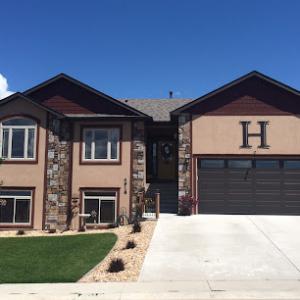
911 Roofing Solutions
(307) 514-5882 911roofingsolutions.com
1805 Ames Ave, Cheyenne, Wyoming
4.9 from 169 reviews
When You Need Roofing Done Right, Call 911 Roofing Solutions! Hail or Wind Damage? Leaks starting to compromise your roof? 911 Roofing Solutions can help! Our roofing contractors have provided residential and commercial roofing services to the Cheyenne area since 2013 and we have what it takes to completely restore your roof. We are a member of the Greater Cheyenne Chamber of Commerce, Accredited by the Better Business Bureau, a member of the Cheyenne Board of Realtors, and US Vet owned. So, you can rest easy knowing your roof is in the hands of respected local professionals. When your roof is in need of repair or replacement, trust your roof to 911 Roofing Solutions. Call 307-514-5882 to schedule your appointment today!
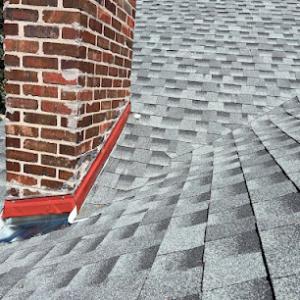
Saddle Roofing
(307) 475-6088 saddleroofing.com
8701 Vera Ln, Cheyenne, Wyoming
5.0 from 51 reviews
A Wyoming family-owned and operated company providing top-notch roofing services. Offering roof, gutters, garage door, and siding inspection, repair, and replacement for residential and commercial properties. Licensed, bonded, insured.
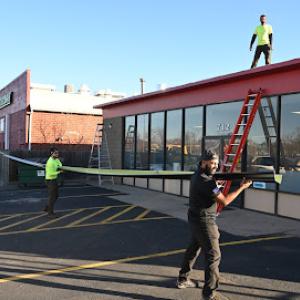
Pride Roofing & Construction
(307) 277-4441 www.prideroofingandsolar.com
307 E 17th St, Cheyenne, Wyoming
4.9 from 72 reviews
Pride Roofing & Construction, LLC is the leading Roofer & Gutter Company in Cheyenne, WY & the surrounding areas. We proudly offer Solar Panel Installation in Cheyenne, WY! We offer the following services: Roofer Cheyenne WY Commercial Roofing Services Cheyenne WY Solar Panel Installation Cheyenne WY Gutter Company Cheyenne WY Residential Roofing Services Cheyenne WY We proudly service the Cheyenne, WY area & pride ourselves on offering the best Residential and Commercial Roofing Services. Please contact us for all your Roofer needs. Roofer near me Commercial Roofing Services near me Solar Panel Installation near me Solar Panel Installation near me Cheyenne WY Commercial Roofing Services near me Cheyenne WY Roofer near me Cheyenne WY
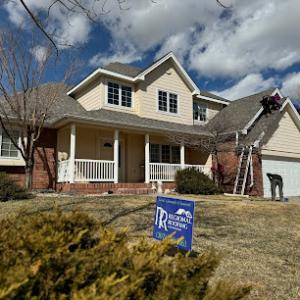
Regional Roofing & Restoration
(307) 316-3161 regionalroofing.info
1106 Logan Ave, Cheyenne, Wyoming
4.9 from 71 reviews
Regional Roofing & Restoration provides expert residential & commercial roofing, siding, and gutter services in Wyoming & Northern Colorado. Quality craftsmanship & excellent customer service.
Capitol Roofing
(307) 638-7724 capitolroofinginc.com
805 E Fox Farm Rd, Cheyenne, Wyoming
4.8 from 49 reviews
Capitol RoofingYour trusted roofing contractors in Cheyenne, WY! With 50+ years of combined experience, we're the region's leading contractor. As a family-owned business, we blend personalized service with the capabilities of a larger enterprise. Customer-first is our culture, making us the choice for your roofing needs. Choose Capitol Roofing for lasting roofs and community commitment. With 30+ dedicated professionals, we've not only crafted roofs that stand the test of time but also created over 30 jobs in the areas we serve, contributing to Cheyenne's growth. Elevate your roofing expectations with the trusted service of Capitol Roofing, your premier roofing contractors in Cheyenne. Contact us for unmatched excellence!
Inman Roofing
(307) 778-8053 www.inmanroofinginc.com
4014 Welchester Dr, Cheyenne, Wyoming
4.7 from 127 reviews
Owned and operated by the Inman family since 1986, we’re proud to be a team of Wyoming people, taking care of our customers the Wyoming way.

HERO exteriors
(307) 475-6675 www.heroexteriors.com
716 E Mustang Rd, Cheyenne, Wyoming
5.0 from 22 reviews
Serving the Cheyenne Wyoming area, HERO exteriors is your one-stop destination for exceptional exterior services. Our services cover emergency roof repair, gutter installation and repair, hail damage repair, roof maintenance, siding installation and repair, storm damage repair, exterior painting, fencing, windows, roof installation, and free storm damage inspection. With a skilled team and a commitment to excellence, we ensure the highest quality work. Your property's exterior deserves nothing but the best. Contact us today for a free consultation and let HERO exteriors transform your property.
Safe Plus Roofing Cheyenne
(307) 317-3863 safeplusroofing.com
2110 E 13th St, Cheyenne, Wyoming
4.9 from 31 reviews
Safe Plus Roofing Cheyenne is a top-notch roof repair and roofing replacement contractor located in Cheyenne, WY! As your trusted roofing provider, we have the proper equipment and know how to keep your house dry and comfortable all year long. Our roofers specialize in all types of roofing projects from residential to commercial in order to meet your every need. No one likes emergencies, but if you have one we provide prompt service. We also offer free roof inspections to be sure your roof is operating at peak performance. Our main priority has always been to satisfy our loyal and dedicated customers. With Safe Plus Roofing Cheyenne you can rest well knowing that we are always here for you to bring you back to safety and comfort.
DB Roofing LLC Emergency Roof Repair Free Estimates in Cheyenne WY
(307) 369-3533 dbroofingllc.com
273 H Bar E Dr, Cheyenne, Wyoming
5.0 from 17 reviews
DB Roofing, a trusted commercial roofing company, serves Wyoming, Colorado, and Nebraska with expertise and craftsmanship spanning low-slope metal, rubber roofs, and new PVC/TPO membrane systems. As a Conklin preferred contractor, holding an A+ BBB rating, they utilize top-quality American-made materials to deliver superior products. Supported by certified non-prorated warranties and a 5-year workmanship guarantee, DB Roofing is the reliable roofing partner prioritizing quality and long-term protection for businesses looking for professional roofing solutions.
All Seasons Roofing & Restoration
(307) 365-5470 myallseasonscheyenne.com
1607 Capitol Ave #328, Cheyenne, Wyoming
4.7 from 50 reviews
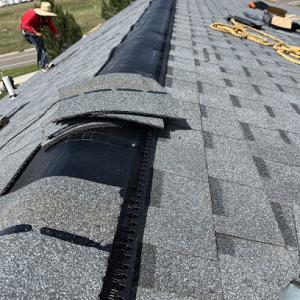
All Seasons Roofing & Restoration is Cheyenne’s trusted roofing contractor, providing expert roof replacement, storm damage repair, and siding installation throughout southeast Wyoming. Our skilled roofing team specializes in hail damage restoration, asphalt shingles, and metal roofing for both homes and businesses. With fast response times, insurance claim assistance, and quality workmanship, we help Cheyenne property owners safeguard their investment and keep their homes and businesses protected year-round. Call today for professional roofing services in Cheyenne, Laramie, and surrounding Wyoming communities.
Johnson Roofing & Restoration | Cheyenne Hail Proof Roofing Experts
(307) 459-4832 www.roofsbyjohnson.com
2232 Dell Range Blvd #247, Cheyenne, Wyoming
4.9 from 26 reviews
We are a full service licensed class-A General Contractor, we have a specialization in roofing & insurance restoration. So whether its hail damage to your homes exterior, a full home build, or vaulting a ceiling in your home, we can do it!
Affordable Roofing Wyoming
(307) 772-7777 affordableroofinginc.com
1501 S Greeley Hwy, Cheyenne, Wyoming
4.6 from 39 reviews
Protecting Wyoming homes from the elements, Affordable Roofing Wyoming offers comprehensive roofing services for residential and commercial properties. Their team of experienced professionals tackles everything from roof repairs and replacements to gutter installations, ensuring lasting protection for Cheyenne and surrounding areas.
Cheyenne experiences cold, snowy winters alongside hot, storm-prone summers, creating year-round stress on roof systems. Snow and ice add weight and can creep under edges, then melt and refreeze, stressing flashing and underlayment. Summer thunderstorms bring hail, gusty winds, and rapid temperature swings that push shingles and underlayment to expand and contract. Because these cycles occur across all seasons, a roof here develops wear patterns that aren't tied to a single season. A roof that looks fine in spring can exhibit accelerated aging by late summer if the assembly hasn't been prepared for that year's weather mix. The practical takeaway is to treat every system component as part of a living, breathing assembly that ages together under these conditions, not as a single-layer cosmetic.
Elevation matters. The higher UV exposure at Cheyenne's altitude accelerates surface aging on exposed roofing materials. That means the top surface of shingles and tiles can become dry, brittle, or chalky sooner than in lower-elevation markets. Sheathing and flashing still rely on the same basic materials, but the sun's intensity at altitude presses faster wear into the surface layer. The result is a roof that may require earlier surface refreshment or more frequent inspections of granule loss, color fading, and edge wear. Because the aging signal shows up first at the surface, pay attention to exposed edges, ridges, and any granules that have dulled or thinned. Proactive edge sealing and targeted underlayment checks can help maintain performance even as the surface visibly ages.
Cheyenne's wind and freeze-thaw-prone environment means roofs are judged as assemblies-covering, underlayment, flashing, and fastening-not just by shingle brand or color. A high-quality shingle with strong wind resistance won't perform well if the underlayment has degraded or flashing around vents and chimneys is compromised. Wind can peel shingles away, but it can also force moisture behind the surface through gaps in flashing or missing fasteners. Freeze-thaw cycles can push water into the smallest openings, then expand and contract them with temperature swings. The practical implication is a maintenance mindset focused on the integrity of the entire roof system: ensure underlayment is intact, flashing is solid, fasteners are secure, and ridge and hip lines are properly sealed. A well-assembled roof ages more gracefully in Cheyenne's climate than one that relies solely on the shingle's warranty.
The wind conditions in Cheyenne interact with popular roof styles to influence aging. Sloped roofs facing open horizons collect more wind-driven debris and experience more repetitive loading during storms. This accelerates wear on edge lines and fastener points, especially for components exposed at roof penetrations, hips, and ridges. The design and orientation of the roof influence how wind and hail impact its surface. Roofs with long, unobstructed runs or shallow slopes tend to shed snow more slowly in winter and endure more surface exposure in summer storms. The practical response is to evaluate wind uplift resistance, proper sealing around penetrations, and the durability of flashing details for your specific roof geometry rather than assuming a generic solution will suffice.
Because aging in this climate presents as a composite issue, targeted, proactive inspections matter. Schedule checks after severe hail events, high-wind days, or rapid temperature swings. Look for lifted shingles, loose flashing, granule accumulation in gutters, and any damp spots along interior ceilings near penetrations. Focus on the health of the entire roof system, including underlayment and flashing, not just the visible shingles. A thoughtful approach recognizes that Cheyenne roofs age differently, demanding ongoing attention to how each assembly piece performs under the dual pressures of winter freeze-thaw cycles and summer storm activity.
Asphalt shingles remain common in this area, but hail bruising, wind uplift, and granule loss are recurring local concerns after spring storms. When you're weighing asphalt, look for impact-resistant ratings and a laminated profile that helps resist uplift in high winds. In Cheyenne's long freeze-thaw cycles, ensure the installation includes proper nailing patterns and adequate attic ventilation to slow granule loss and extend performance. If your roof faces frequent hail exposure, consider upgrading to higher-grade shingles with better impact resistance and a continuous underlayment to reduce the chance of leaks from small punctures. Regular inspections after hail events are essential: check for bruised or loose shingles, lifted edges, and unsealed granules that march toward gutter lines.
Metal roofing is especially relevant in Cheyenne because it handles snow shedding and wind well, but detailing at eaves, valleys, and penetrations matters in exposed conditions. If you opt for metal, choose a profile that emphasizes drum-tight seams and a coating designed for northern exposure. Pay careful attention to overhangs and edge flashing, as wind-driven snow can lift at the edges if a roof isn't properly terminated. Valleys require robust flashing and proper sealant choice to prevent ice damming and water intrusion during freeze-thaw cycles. Look for a concealed fastener or properly sealed exposed-fastener system with corrosion-resistant hardware. A well-sealed penetrations package-vent stacks, chimneys, skylights-is essential, since exposed conditions amplify any small weaknesses into leaks. Consider integrated underlayment specifically rated for cold climates to reduce condensation and ice-related issues.
Clay tile, concrete tile, synthetic/composite shingles, and slate appear in the market, but heavier or more brittle systems face added scrutiny in a city where hail and freeze-thaw can turn small defects into leaks. For clay or concrete, ensure the roof deck can carry the weight and verify fastener patterns account for wind uplift, especially on high-elevation front-range roofs. Slate and some composites can deliver striking durability, but their brittleness means micro-fractures from hail can propagate under pressure. In exposed positions, check for solid underlayment, continuous leak barriers at transitions, and careful alignment of edges to minimize wind-driven moisture paths. Synthetic or composite products may offer improved impact resistance while keeping weight lower than natural slate, but installation tolerances matter: precision at hips, ridges, and fascia prevents wind-driven water from finding its way beneath the roofing plane. For any alternative beyond asphalt, request a detailed wind uplift calculation and confirm compatibility with your existing ventilation and attic insulation strategy to keep the home dry through Cheyenne's punishing seasons.
Cheyenne winters bring snow followed by temperature swings that can repeatedly freeze and thaw roof edges, flashings, and underlayment transitions. Those daily up-and-downs push at sealants and shingle laps, especially where the roof edge meets the soffit, where flashing laps into valleys, and where underlayment transitions from the eaves to higher sections of the roof. The result is micro-cracking and slow, stubborn leaks that aren't always obvious until a thaw turns into a hard freeze and trapped moisture reappears as frost on the attic side. Even when a roof looks intact after a storm, those cycles wear at the material interfaces over time, so lingering vulnerabilities can show up with the first warm spell.
Late fall and early winter re-roofing in Cheyenne is riskier because cold substrates and incoming snow can interrupt installation sequencing. Concrete tasks such as sealing, tarping, or laying underlayment require steady, dry conditions and warm adhesive performance. When snow interrupts progress, laps in the underlayment or gaps in fastener seating can form entry points for moisture that won't be obvious until spring. If a project drags into freezing weather, the crew may have to pause long enough for daily temperatures to rise, which means even longer exposure and greater chance that materials settle unevenly or sealants fail to cure correctly. The upshot is a compromised installation window that invites lingering vulnerability through the rest of the winter.
Shoulder-season cold snaps in Cheyenne can stress fasteners and sealing performance if a project starts in mild weather and finishes in freezing conditions. Fasteners may not seat evenly when metal or shingle edges shift with temperature, and sealants can become less pliable as nights drop below freezing. This isn't about winter doom; it's about recognizing that a roof task started during a warm spell may ride out a snap storm or a sudden cold stretch, leaving micro-movements behind the drip edge or at the ridge line. Planning around a solid stretch of consistently moderate days helps ensure fasteners bite correctly and sealants cure as intended, reducing the risk of calamitous discoveries once moisture finds its way through later in the season.
In Cheyenne, asphalt shingles remain the most practical baseline option for many homes, especially where a quick, cost-conscious re-roof is a priority after spring hail. The local cost range you'll see is approximately 350 to 550 USD per square. When wind-exposed slopes, multiple penetrations, or a tight replacement schedule push the project, material and labor can nudge higher. Expect swings upward after hail events when demand surges and crews tighten up. Shingle installations tend to finish more predictably in late spring through early fall, but that timing can compress into a shorter window if weather and project demand collide. A standard asphalt roof keeps you within reach without sacrificing basic wind resistance, and it's easier to repair if a hail nick is found later.
Metal is a common Cheyenne choice for wind-prone, high-elevation sites. The cost range you'll see per square runs roughly 600 to 1100 USD. Metal panels can cope with strong wind and hail, but steep, exposed geometry raises both material waste and labor time, nudging the total up. If your roof has many penetrations or complex rakes, expect additional costs for flashing and detailing. Scheduling premiums can show up after big hail events, when crews are in high demand and can affect lead time. In the right scenario, metal can offer longer life and lower maintenance, which helps justify the higher upfront cost.
Clay tile brings a distinctive look and excellent hail resistance on impact-test, but it's heavier and more labor-intensive. Expect roughly 900 to 1600 USD per square, with Cheyenne's wind exposure amplifying handling and staging needs. Tile roofs on steep, wind-exposed pitches require careful fastening and underlayment choice, which can push the price up, especially during peak season. Timing pressures in spring and fall can compress scheduling and raise labor charges.
Concrete tile sits between clay and composite in cost and performance. Per square, anticipate about 700 to 1200 USD. You'll pay more if your roof is tall or unusually complex, and heavy tiles require solid structure and careful installation in high-wind zones. Storm-driven demand after hail can tighten labor availability and lift prices, particularly for full-coverage replacements.
Synthetic or composite shingles offer a lighter option with decent hail resistance and a flexible installation profile. Costs run roughly 500 to 900 USD per square. In Cheyenne, these can be a favorable balance of cost and performance when you're dealing with a spring hail surge and a need for a faster, less labor-intensive install. Expect some pricing pressure during peak season as crews get booked out.
Slate is the premium, long-lasting choice with the best wind performance, but it comes at a high price. Expect about 1200 to 1800 USD per square. Weight and handling on wind-exposed slopes demand experienced crews and careful logistics, which can extend timelines and increase labor costs, especially after large hail events when demand spikes. If late-spring scheduling tightens, slate may shift into a longer-than-expected project window.
Costs in Cheyenne can move up with steep, wind-exposed roof geometry, multiple penetrations, and replacement timing compressed into late spring through early fall when most full re-roofs are scheduled. Storm-driven demand surges after hail and wind events tighten labor availability and bring scheduling premiums. For any material, plan for a slightly higher total when your project hits peak wind/hail months, and when the crew must mobilize quickly to wrap up before seasonal weather shifts.
A full re-roof in Cheyenne requires a building permit through the City of Cheyenne Planning and Development Department. Before any shingles come off or new roofing goes on, you'll want to line up the permit in advance, and your contractor should submit the plan for review. The permit process isn't a formality; it sets the inspection milestones and ensures the work meets local wind, drainage, and fire-safety standards that are familiar to Cheyenne's high-elevation climate. Expect some timing coordination with your contractor to gather necessary paperwork, verify roofing material compatibility, and confirm venting and attic compliance.
Cheyenne's local process includes inspections after installation work and at final, making closeout and scheduling part of the project plan rather than an afterthought. The first inspection typically happens once the roof is installed and visible fixtures-like flashing, drip edge, and ventilation-are in place. The inspector confirms proper installation techniques, material adherence, and flashing around penetrations. The final inspection validates that the project matches the permit plan and that the site is clean, safe, and compliant with wind and weather-related requirements. Coordinating these inspections with the crew's work pace can prevent delays and protect the roof install from weather interruptions.
Because weather delays are common in Cheyenne, permit timing and inspection coordination matter when a project is trying to avoid snow, hail interruptions, or cold-weather installation issues. Start permitting well before the anticipated roof work window, especially if a spring hail event or persistent winds are forecast. If winter conditions threaten, discuss with the contractor the possibility of staging the project or utilizing temporary protective measures to minimize exposure. Planning around typical Cheyenne weather patterns helps keep the project on track and reduces the risk of weather-related rework during inspections.
Ensure the contractor registers the permit and tracks inspection milestones, so your project calendar reflects each checkpoint. Maintain open lines with the planning department for any weather-related scheduling adjustments. Confirm that all materials selected are compatible with Cheyenne's exposure and climate, and verify that ventilation and attic moisture controls are addressed in the permit plan. A well-coordinated permit and inspection timeline reduces surprises and keeps the roof replacement moving toward a compliant, durable result.
Cheyenne is a high-claim roofing market because hail and wind events regularly trigger insurance activity across the city. That means your claim cycle may start sooner after a storm and stretch longer if the carrier suspects long-term wear or preexisting issues. When storms roll through, adjustments aren't just about the visible dent or missing shingle-insurers look for evidence that damage occurred during the hail season and that the roof's performance is tied to that event in particular, not simply age or minor wear.
Homeowners should expect insurers to ask for detailed photo documentation, professional estimates, and storm-specific damage evidence rather than broad wear-and-tear claims. Take clear, dated photos from multiple angles after a hail or high-wind event, focusing on shingles, flashing, vents, and the overall roof line. Have a licensed contractor furnish a professional estimate tied to the storm's date and the actual damage observed. In Cheyenne, where wind-driven debris can complicate assessments, include close-ups of granule loss, lifted tabs, and impacted gutters. If a carrier questions the scope, be ready with a concise history of repairs or recent impacts that could influence the claim's trajectory.
Specialty materials can complicate claims in Cheyenne because some carriers tighten terms in high-wind areas, affecting repair-versus-replace decisions and settlement expectations. If your roof uses metal, synthetic/shingles, or tile, expect more scrutiny on how the material behaves under peak wind events and how readily it can be matched or replaced. Have your contractor clearly explain how the chosen material will perform under Colorado's freeze-thaw cycles and how that performance supports a fair settlement. Being proactive with precise documentation helps prevent disputes once the insurer reviews the storm-specific damage.
In Cheyenne, wind-related failures often start at edges, ridges, and exposed transitions before spreading to larger roof sections. Soffits, fascia, and overhangs take the brunt first, especially on sloped roofs that face prevailing gusts. Look for loose shingles, lifted tabs, and loose flashing at vent pipes, dormers, and vent stacks. If edge hardware shows corrosion or wear, expect accelerated edge damage after the first big wind event. Regular checks after windy days help catch movement before it propagates.
Hail in this region commonly turns minor surface damage into disputes, especially when brittle materials or older shingles show mixed storm and age-related wear. Inspect for palm-sized dents, granule loss, and dark bruising that may compromise waterproofing even if the surface looks intact. Pay attention to softer metals, painted flashing, and ridge caps, which hail can deform without obvious shingle granule loss. When damage concentrates near exposed transitions, the risk of leaks increases, and insurers scrutinize whether prior wear contributed to the failure.
Repeated freeze-thaw in Cheyenne can widen small flashing or penetration defects that might stay cosmetic in milder climates. Take note of hairline cracks around vent collars and chimney flashing, and any splitting around step and counter-flashing. Water intrusion can travel along imperfect seams and back up into the attic through small pathways. In spring, after thaw, verify that vent seals remain tight and that flashing joints haven't opened up. Early signs of interior staining or musty odors warrant prompt exterior inspection.
The main re-roof window in this area runs late spring through early fall, when weather is more reliable for full installations. Winter snow and consistently cold temps make complete replacements hard to complete without weather-related delays. Plan for a project start only after the risk of a severe cold snap is past and forecasts show several consecutive dry weeks. That window is the most predictable path to a durable, long-lasting result.
Spring opens the door for new roofs, but it also brings hail and wind volatility that can reset schedules overnight. If a major hail event occurs, expect a surge in work and a tighter crew rotation for a while. In practice, that means you may need to queue behind other storm-damaged homes. Have a flexible plan for a mid- to late-spring start, with a preference for dryer, calmer stretches when possible.
Summer typically offers the best conditions for steady progress, with long daylight hours and fewer cold-night risks. However, Cheyenne winds can be brisk, and afternoon storms still pop up. Schedule windows with a buffer for gusty days, and choose a contractor who can stage materials securely to prevent wind-driven damage during high-wind periods. If your roof is steep or wind-exposed, aim for mid-day crew shifts that avoid the strongest gusts.
After a major storm, the best installation months often overlap with the highest claim volume, which can push back timing even for pre-qualified homeowners. If a storm hits, be prepared for longer waits before crews can align with your specific roof size and complexity. Having documentation ready (prior photos, hail impact notes) helps speed the process when work slots reopen.
Secure a trusted local contractor early in the season, and align your project start with a forecast lull in severe hail or high-wind risk. Build in a wind- and weather-resilient installation plan, particularly for wind-exposed slopes, and confirm that the crew can deliver a clean, efficient sequence from tear-off to finish.