
Last updated: Apr 19, 2026
In the Tennessee Valley, heavy rain, fierce wind, and sporadic hail can slam a roof in a single afternoon. A shingle lift or a loose flashing edge may seem minor, but in the hot, humid air of spring and fall, those small failures turn into interior leaks within hours. After a storm passes, any exposed decking or attic space can begin to dampen quickly as warmth and moisture collide, so the danger is not just visible water but hidden attic damage that compounds with every passing hour. The urgency is real: get a professional to the roof as soon as safely possible, because delaying can turn a repair into a full replacement sooner than you expect.
Florence sits in the north Alabama Tennessee Valley, where spring and fall storm systems commonly bring heavy rain, strong wind, and occasional hail that directly drive roof replacement timing. Local crews know the rhythm: after a big event, you'll see a rush of emergency repairs, insurance claims, and rapid scheduling for re-roofs. That signal mix means timing is everything-getting assessments documented and options lined up quickly reduces exposure to further damage and insurance headaches. If your property shows missing shingles, torn underlayment, or damaged flashing after a squall, treat it as a storm-lead emergency rather than a routine maintenance issue.
After a storm, your first call should be to a contractor who can perform a rapid assessment and, if needed, place a tarpaulin on exposed sections. Same-day tarping buys you crucial hours, especially when humid heat makes leaks propagate fast through ceilings and walls. While waiting, keep occupants and valuables away from affected areas, move furniture away from damp walls, and set up buckets or containers under obvious drips. Document every leak with photos and note the date and time of each observed failure; this helps the storm-adjuster process move along more smoothly and reduces back-and-forth later.
Insurance timing is a common bottleneck after a North Alabama wind or hail event, so prepare a concise build-out: the date of the event, a clear list of affected areas, and a simple description of the observed damage (shingles missing, flashing cracked, attic condensation, etc.). Have your contractor's contact information ready for the insurer's field adjuster and request an expedited on-site assessment if you notice active leaks or if your dwelling has sustained significant damage. The goal is to avoid weather-induced delays by securing temporary protection first and then lining up the permanent repair work as quickly as possible.
On the roof, prioritize securing loose components and preventing further water intrusion. If safe access is guaranteed, photograph the roof from multiple angles during daylight to capture the overall condition and any vulnerable flashing corners. For broken or missing shingles, avoid attempting permanent fixes yourself in wet conditions; temporary tarping is the fastest proven method to limit water entry. Inside, focus on protecting insulation and ceilings from growing moisture, and check for signs of mold or musty odors after even a short exposure to damp air. In this climate, rapid response is not a luxury-it's a practical necessity to minimize interior damage and accelerate the path to recovery.
Pearl Roofing
2230 Haviland Dr, Florence, Alabama
4.9 from 65 reviews
If your house leaks it can ruin your entire home . So take care of what's on top of it . With pearlontopofit@gmail.com

Henderson Roofing, Inc. Florence, Alabama Office
(256) 767-7166 www.hendersonroofing.net
1522 Co Rd 323, Florence, Alabama
4.6 from 69 reviews
A company founded and managed through the beliefs of quality workmanship, dependability, and honesty. Since 1986, Henderson Roofing has provided quality roof installation and roof repair to all of North Alabama. "We are your Roofing Specialists."
Digital Roofing Innovations
(256) 888-9879 digitalroofingcompany.com
322 N Walnut St, Florence, Alabama
4.8 from 24 reviews
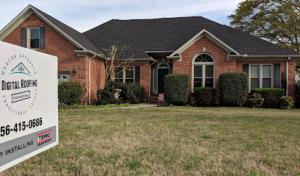
Digital Roofing in Florence, Alabama offers free roof inspections and uses the latest in inspection technology to provide accurate estimates on any damages done to your roof. Being a veteran owned business, we take pride in treating all of our customers with Honor, Integrity, and Character. Our customers are ALWAYS our number 1 priority (just check out our online reviews to see for yourself!). We can help with storm damage, hail damage, residential and commercial roofing, new installation or repairs.
WPI General Contractors
801 N Patton St, Florence, Alabama
3.9 from 14 reviews
WPI General Contractors-Commercial & Residential WPI Building Supply-Serving Contractors & Open to the public WPI On-Site Solutions-Roll-Off Containers, Porta Potties, Portable Wash Stations, Portable Hand Sanitizer Stations WPI Real Estate-Commercial & Residential rentals/leasing, Listings & Sales
Davis Roofing - Roofing Company, Roof Replacement, Roof Repair in Killen AL
Florence, Alabama
3.9 from 7 reviews
Davis Roofing is a Roofing Companies in Killen, AL with 19+ years of experience that offers exceptional Roof Replacement, Roofing, Roof Repair, and quality Roof. Get in touch with us now!
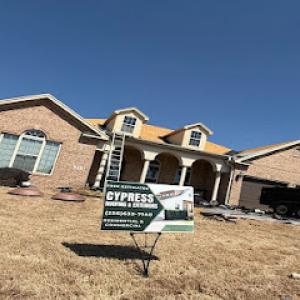
Cypress Roofing & Exteriors
(256) 633-7140 cypressroofingexteriors.com
Serving
4.9 from 139 reviews
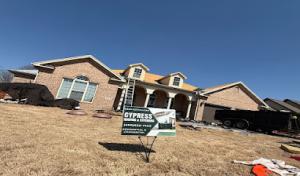
Cypress Roofing & Exteriors is a roofing company specializing in Insurance claims support, serving all of North & Central Alabama! We offer legendary workmanship, along with customer service. Located in the heart of the Shoals. Let our 5 Year Workmanship Warranty keep you at peace of mind!
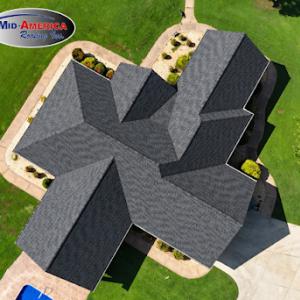
Mid-America Roofing
(256) 383-6336 mid-americaroofing.com
Serving
4.7 from 26 reviews
Mid-America Roofing, Inc. specializes in providing top-notch residential roofing repairs and installation, commercial roofing repairs and installation, and industrial roofing installation and repairs. With over 25 years of experience, our team is fully licensed and insured in Alabama, Mississippi, and Tennessee, ensuring quality and reliable services for all types of structures.

Mg Roofing
(256) 381-0379 www.mgroofinginc.com
Serving
4.9 from 33 reviews
We are a commercial roofing company offering top quality commercial roofing systems. Whether you need a roofing contractor to service a repair, or an industrial roofing company to replace your entire system, we are well-equipped with the proper tools and experience to meet or exceed your needs. When it comes to your building's needs, you want a trustworthy commercial roofer, so give us a call.
River Valley Roofing & Construction
(256) 320-5828 rivervalleyrac.com
Serving
4.8 from 23 reviews
At River Valley Roofing and Construction, we pride our company on reliability, great communication, integrity and quality work. We strongly believe in giving our absolute best in all the work we perform and will always keep you educated and up to date about the work process.
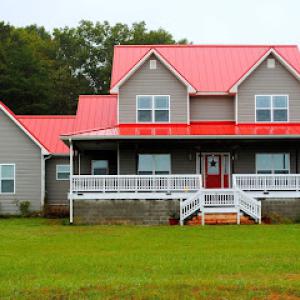
Jagris
(256) 381-5949 www.jagrisinc.com
Serving
4.8 from 101 reviews
At Jagris, we offer full-service roofing solutions to protect and enhance your home or business in Tuscumbia, AL, and beyond. We specialize in insurance-bought roofing, including shingle roof replacements, standing seam metal roofing, and detailed roof inspections to identify and address damage early. Our additional services—gutters, energy-efficient windows, and durable siding installations—complete the job, providing lasting durability, weather protection, and improved curb appeal. With decades of expertise, top-notch craftsmanship, and a 98% insurance approval rate, we make roofing simple, reliable, and affordable. Call us today to schedule your free roof inspection and see why we’re the trusted choice for roofing in Tuscumbia.
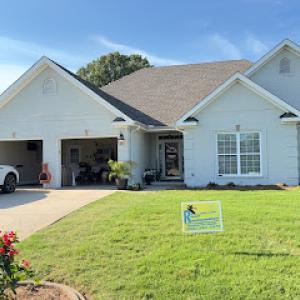
River Restoration
(256) 284-2472 www.riverrestorational.com
Serving
5.0 from 18 reviews
Owen Corning and GAF certified roofing contractor

Jones Custom Homes & Roofing
Serving
5.0 from 10 reviews
Jones Custom Homes and Roofing is your go-to for roofing and home improvements. We handle roof inspections, installations, repairs, attic ventilation, storm damage cleanup, new home construction, and more. From home additions to air purifying, we offer it all at competitive prices.
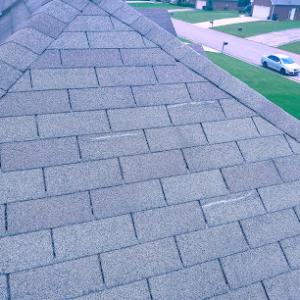
Asphalt shingles dominate the local market because they fit the common residential re-roof project and align with the typical budget trajectory after a wind or hail event. They install quickly, handle the humid heat well enough when the attic is properly vented, and come in a range of granule colors that help blend with older neighborhoods. The real-world Achilles' heel in frequent storms is wind uplift and granule loss over time; a shingled roof that has endured repeated blow-offs or granule shedding will start showing exposed felt or damaged tabs. When selecting asphalt, prioritize a wind-rated shingle and a robust underlayment plan, and pair it with a flashing detail that extends over any small roof/valley transitions common to local homes. In the field, you'll often see asphalt chosen for its balance of repair speed and long-term service after a storm event.
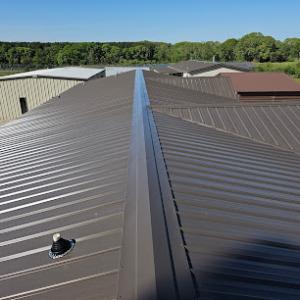
Metal has a visible but smaller footprint here, yet it's a logical choice for buyers seeking improved performance during heavy rain and long hot summers. Metal's deck-to-siding compatibility tends to hold up well under moisture, and its reflective surface helps reduce attic heat gain when paired with proper attic insulation. Installation is more deliberate, and the faster weather-worry cycle after a storm can be a draw for homeowners aiming for fewer leakage concerns in the storm season. If choosing metal, plan for a standing-seam or concealed-fastener system with corrosion-resistant finishes and appropriate sealants at laps and penetrations. A metal roof also shifts some maintenance focus to fastener checks and sealant longevity, which matters in a climate with repeated temp swings and driving rain.
Clay and concrete tile, wood shakes, and synthetic shingles exist in the mix, but their higher installed costs and their structural or maintenance implications make them less common choices in a storm-driven replacement environment. Clay and concrete tile bring durability in the face of sun and salt exposure, but they require a strong roof deck and careful substrate preparation to resist impact and wind uplift. Wood shakes offer a distinct aesthetic and good insulative value, yet they demand vigilant maintenance to prevent rot, insect damage, and weathering in humidity. Synthetic shingles mimic the look of traditional options with sometimes lower weight and improved impact resistance, but they still need compatible underlayment and flashing details to perform reliably during rapid weather shifts. For any of these alternatives, confirm compatibility with existing roof geometry, attic ventilation, and the local storm-track history before committing.
In environments where insurance documentation and fast leak response drive decisions, the choice often centers on how quickly a roof can be brought back online after a wind or hail event. Asphalt remains the easiest to mobilize and repair promptly, with metal offering a longer horizon of leak resistance in persistently wet seasons, and tiles or shakes presenting strong durability but heavier installation and repair logistics. A practical path is to weigh not only upfront installation considerations but also serviceability after a storm, including panel or shingle availability, ease of resealing penetrations, and the compatibility of color and texture with surrounding homes. The best choice aligns with your roof's structure, your willingness to maintain, and the expected cycle of storm response in this market.
In a town with hot, humid summers, the workday for roof crews tends to unfold a bit differently. Asphalt and synthetic shingles soften in the sun, which slows staging and can make underlayment and decking exposure more delicate as laborers move sheets and felt. Crews in this area commonly pace themselves to avoid heat-related stalls, pausing during peak afternoon heat to protect both materials and workers. Expect longer windows for roof staging, slower shingle nailing sequences, and careful handling of exposed decking as the sun drives moisture from the felt. The practical result is a steadier, more deliberate progression rather than a high-speed push to finish.
Milder shoulder seasons in north Alabama become the preferred time for full replacements because heat stress and weather interruptions are notably reduced. Spring and autumn here tend to offer more consistent temperatures and fewer intense downpours than the peak summer and storm-heavy spring periods. Scheduling during these windows helps keep the underlayment dry and the warranty sealing more predictable, with less risk of rain-related delays mid-project. Weather forecasting matters on these days: a clear stretch of several days in the forecast translates into a more confident tear-off and dry-in plan.
Winter in a temperate climate still carries enough wet, cool days to slow a tear-off and dry-in sequence. Those chilly, damp stretches can push back final sealing and adherence checks, particularly when rain lingers. In practice, crews plan for shorter work bursts on cold, wet days, then resume full-scale fasteners and sealant work when things dry out. Even a light freeze or frost on mornings can ripple into the schedule by delaying the initial deck inspection, felt alignment, and starter strip placement. The reliable approach is to chart a contingency path for intermittent rain and keep a back-pocket plan for rapid re-closure once a dry window opens.
The local climate shapes how underlayment is laid and how the roof is staged for wind and weather. Crews often space out bundles to minimize exposure time on hot afternoons, protecting underlayment from heat-induced curling and reducing the chance of shingle distortion at edges. Dry-in sequences are adjusted for humidity to avoid trapping moisture beneath the starter row. When a storm reappears, the team prioritizes securing loose edges and timely leak mitigation, then resumes work as soon as rain subsides. Overall, the pacing mirrors Florence's pattern: deliberate under hot sun, flexible around passing storms, and anchored by the cooler, more forgiving months.
Provided local pricing ranges run about $320 to $520 per square for asphalt shingles, $700 to $1100 for metal, $1000 to $1800 for clay tile, $900 to $1600 for concrete tile, $600 to $1100 for wood shingles or shakes, and $550 to $1000 for synthetic or composite shingles. Those ranges reflect Florence's mix of older homes with attic ventilation needs and newer homes with tighter envelopes, plus the region's storm-driven replacement market. It's common for the final bill to lean toward the higher end after a thorough tear-off when hidden decking or framing is revealed during work.
When a Tennessee Valley thunderstorm hits, scheduling and labor pressure can tighten quickly. Storms drive more full re-roofs and emergency dry-in work, which can push quotes upward and shorten the typical lead time for crews. After a major wind or hail event, insurers may push for rapid dry-in to prevent interior damage, which can influence material choice and crew availability. In practice, it helps to secure a firm start window early and confirm that your contract includes contingency for weather delays and temporary protection if a storm reopens leaks during tear-off.
Humid heat and heavy rains mean decking damage can hide behind old shingles. After tear-off, licensed roofers in this market often uncover rot, warped plywood, or compromised starter strips. If hidden damage is found, costs rise and project timelines extend. Expect an itemized change order for decking or fascia repairs and a revised schedule to accommodate any needed ventilation or underlayment upgrades discovered during the tear-off.
Asphalt Shingles: The most common choice, with cost leverage and quick installation favorable for storm response. Plan for a solid underlayment and starter course to improve wind resistance in gusty spring and summer storms.
Metal Roofing: Durable in high winds and hail; installation requires careful detailing at penetrations and edges. The higher upfront price can be offset by longer life and faster dry-in in wet seasons.
Clay Tile: Aesthetics and longevity come with heavier weight and more extensive roof framing checks. Expect higher structural assessment and potential adjustments for tile layout after wind events.
Concrete Tile: Similar to clay in weight and wind considerations, but with different patterning and installation needs. Verify attic clearance and nail-lash requirements to withstand seasonal storms.
Wood Shingles/Shakes: Strong curb appeal but susceptible to moisture and wind damage. Ensure proper ventilation and water management to prevent rapid deterioration after storms.
Synthetic/Composite Shingles: Balanced cost and durability, with easier handling during quick storm repairs. Look for warranties that cover wind uplift in extreme wind months.
Get a clear picture of your project costs upfront - no commitment required.
When planning a full re-roof in this area, a building permit is typically required. The permit pathway can vary depending on jurisdiction, with the contractor or homeowner applying through the City of Florence or Lauderdale County building office. This distinction matters because the agency handling the permit will influence timelines, required documentation, and inspection sequencing. Before tear-off begins, verify which authority is responsible for the address in question to avoid delays or mis filed paperwork. Submitting accurate project details up front-such as the scope of work, material types, and any existing code concerns-helps keep the process smooth. Keep in mind that the permitting office will want to see attestations of material approvals and structural readiness, especially after a weather-driven event when homes are trying to recover quickly.
Inspections in this climate area are a practical, ongoing part of a roof replacement. Schedule inspections at critical milestones during the project, not just at the end. The building office will typically expect to observe initial stripping, underlayment installation, and the installation of flashing and penetrations as work progresses. A clear, up-to-date site plan and material list can help the inspector verify compliance in a timely way. Since the region experiences frequent thunderstorms and rapid repair activity, expect a practical inspection window that aligns with local weather and contractor scheduling, but do not skip the required checks. The inspector's goal is to confirm that workmanship meets code requirements and that approved materials are being used, which helps prevent leak-related callbacks after storms.
The final inspection serves as the formal confirmation that the roof project meets code requirements and that the chosen materials are properly installed. This verification is essential for ensuring warranty validity and insurance documentation, particularly after storm events where prompt, compliant work matters. The inspector will review fasteners, edge details, ventilation, and flashing in addition to the overall alignment of shingles or other roofing products. Be prepared to present any product data sheets or installation manuals for the materials used, as these documents may be requested to verify code compliance and appropriateness of the chosen system for the home's structure and local climate. Expect the final walkthrough to conclude with an approval or a defined set of corrective actions, which should be addressed promptly to avoid delays in occupancy or insurance actions.
Because city-versus-county jurisdiction can matter around addresses, homeowners should confirm which office has authority before scheduling tear-off. A quick call to the local building office can clarify whether the City of Florence or Lauderdale County handles the permit for a specific property. Once cleared, coordinate with the permit official and the contractor to align tear-off timelines with inspection windows. This upfront alignment helps minimize back-and-forth, especially during peak storm repair seasons when scheduling pressure is high and the goal is to restore a watertight roof as quickly as possible.
Alabama is a frequent weather-claim state for wind and hail, so Florence homeowners often face insurer scrutiny around roof age, prior repairs, and maintenance history after a storm loss. That scrutiny isn't personal; it's how many carriers manage risk after a noisy thunderstorm season. If your roof shows a mix of new and old patches, or if the attic has signs of past leaks, expect a careful review that weighs whether damage matches a specific storm event or long-term wear.
Before a storm hits, gather baseline records: recent roof maintenance, dates of any repairs, and clear photos of the roof and attic. After a loss, organized documentation matters most, because carriers may request photos, dates of prior repairs, and evidence that damage lines up with a particular event. In Florence, where storms arrive suddenly, having dated, timestamped images can support that the damage occurred during the referenced weather event rather than over years of exposure. Keep a simple file-digital copies plus a written note of when you first noticed issues.
Start with exterior photos from multiple angles, then move to the attic or crawlspace to show signs of water intrusion, staining, or mold. Note any temporary fixes you had to make and the dates. Save receipts for emergency tarping or temporary repairs, along with any notes from wind or hail insurance adjusters you've spoken with. If you've had prior repairs, make a concise timeline and attach it to your claim so the adjuster can assess the overall condition in the context of recent events.
Coverage terms can tighten after major regional weather events, which makes prompt inspection and organized documentation especially important when deciding whether to repair or replace. If a claim seems headed for dispute, request a formal, itemized scope of work and a written timeline from the adjuster early in the process. A fast but accurate assessment helps you avoid stalled repairs and unexpected gaps in coverage.
Connect with contractors who help homeowners navigate the claims process from damage assessment to final approval.

Henderson Roofing, Inc. Florence, Alabama Office
(256) 767-7166 www.hendersonroofing.net
1522 Co Rd 323, Florence, Alabama
4.6 from 69 reviews
Digital Roofing Innovations
(256) 888-9879 digitalroofingcompany.com
322 N Walnut St, Florence, Alabama
4.8 from 24 reviews
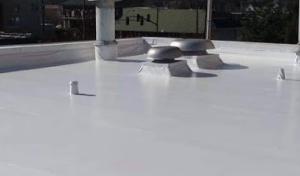
Flat-roof specialization appears in Florence but is not dominant, suggesting this is a secondary concern tied more to porches, additions, and some mixed residential-commercial properties than to the typical main house roof. If a home has a low-slope section, treat it as a separate system that sits alongside the steeper main roof. These areas often hide compromised flashings and tucked drainage points that silently invite leaks during steady rain or quick, heavy downpours.
In the heavy-rain environment, low-slope sections are more vulnerable to drainage-related leak complaints than the steeper asphalt roofs common on many detached homes. Look for peeling or loose membrane edges, clogged scuppers, and sags that slow water away from the foundation. Valleys and transitions between a flat porch roof and a steeper main roof are frequent trouble spots; moisture can creep under edge flashings and along joint seams where a single bad seal can create a slow leak that worsens after successive storms.
Homeowners with additions or transitions between roof types should pay special attention to tie-ins and drainage details because these mixed-roof areas often fail before the main field of shingles. Inspect the intersection where a flat section meets a pitched roof for gaps, rusted fasteners, or deteriorated sealant. Ensure gutters and downspouts are sized to handle heavy Florence rainfall and that any interior transitions are kept dry behind the visible flashing. If a flat section is paired with a porch or sunroom, proactively monitor the parapet seams and any planed drip edges, which can be easier to neglect but harder to repair once leaks start.
Find specialists in TPO, EPDM, and built-up flat roofing systems for residential and commercial properties.
Henderson Roofing, Inc. Florence, Alabama Office
(256) 767-7166 www.hendersonroofing.net
1522 Co Rd 323, Florence, Alabama
4.6 from 69 reviews
After a Tennessee Valley thunderstorm, the strongest signals in Florence come from how quickly a crew can show up, tarp exposed spots, and leave a clean site. Homeowners look for contractors who offer rapid roof assessment, immediate temporary mitigation, and a documented cleanup plan that minimizes trips for debris. When you call, ask for a concrete timeline: when the crew will be on-site, how long the removal and disposal process takes, and what happens if rain delays a repair. A reliable team will spell out daily progress and keep the yard free of nails and loose shingles.
Re-roofing is the prevailing signal in this market, so you want contractors with proven replacement-process experience, not just strong portfolios of new construction. Look for a track record that includes storm-related losses, permit coordination (handled through the insurer or your adjustments), and a clear sequence from debris removal to panel installation, underlayment, flashing, and final walkthrough. Ask for a short written calendar that shows each phase, including weather hold days and inspection milestones. If a company can articulate how they handle a full roof tear-off and a reinstall in the same season, that's a practical indicator of readiness for Florence's fast-paced repair cycle.
Affordable service paired with a long-established presence matters here, signaling that the contractor can handle surge demand during storm season without sacrificing quality. You want a local team that can reference nearby jobs, provide solid references, and demonstrate a steady supply chain for materials and crews. When discussing insurance and warranty, insist on explicit coverage details and a post-install inspection plan. A contractor with a steady crew roster and a local service area can respond to follow-up needs quickly, which is critical after wind and hail events. In practice, request a written scope of work, a dependable cleanup protocol, and a defined handoff to you for final checks.