
Last updated: Apr 19, 2026
Spring in this area brings those quick-moving North Alabama thunderstorms, hail, and straight-line winds that can devastate a roof overnight. The roof you trust to shelter you can fail under a sudden downburst or hailstones the size of marbles. In Decatur, storm damage often drives replacement timing, so understanding how damage evolves-from granular hail pitting to shingle edges lifting-matters for your claim and your wallet. When hail rattles off the metal ends of your gutters or leaves a dusting on shingles, you're already in the window where a close inspection is prudent. Don't wait for a leak to appear before treating the roof like an active risk.
Alabama's elevated hail and wind claim activity means insurers expect solid documentation. Before you ever file, gather clear, timestamped evidence: wide exterior photos that show shingles, edges, flashings, and any dented vent covers; interior photos where attic insulation and roof decking reveal moisture or daylight; and a dated list of maintenance or repairs that existed prior to the storm. If you've had previous winds or hail, keep those reports handy as insurers will compare past conditions against new damage. Create a simple timeline: when the storm started, when you noticed issues, when you contacted the insurer, and when repairs began. This isn't about scaring yourself into action-it's about giving the adjuster a straightforward path to understanding what changed in a single event.
Because storm demand spikes can hit the Decatur area after severe weather, fast temporary protection and clear photo documentation are especially important before adjuster visits. Tarps or boards can prevent further interior damage while you wait for an inspection. Take close-up photos of dented hail marks, bruised decking, or lifted shingles from multiple angles and at different times of day to capture lighting and texture. If possible, photograph the entire roof line from an accessible ground view to show any sagging or missing sections. Keep a running file with dialed-in times, weather notes, and names of any contractors you've contacted. This approach minimizes confusion for the adjuster and can speed up the process when a claim is opened.
An adjuster visit is a turning point. You want the visit to reflect the full scope of your roof's condition, not just the visible damage. Have your documentation ready and organized so the adjuster can verify what you've observed at a glance. Be prepared to discuss attic moisture indicators, prior maintenance, and any interior water intrusion that aligns with exterior findings. If you're advised to obtain multiple bids for the replacement, secure clear, itemized quotes that reflect the same scope of work and materials. In practice, speed matters: prompt protection, precise documentation, and a cooperative, fact-driven dialogue with the insurer will keep your roof replacement on a timely track and reduce the risk of slowdowns after a major North Alabama storm event.
Asphalt shingles dominate the local market, but metal roofing also has a meaningful local presence, reflecting homeowner interest in durability under heavy rain and storm exposure. In neighborhoods with steep-detached single-family roofs, asphalt remains the practical default for first-time replacements or mid-life repairs. Metal is chosen for longer-term resilience and a cleaner look, especially on homes that sit higher on the lot or face more exposure to severe weather. Your decision should balance initial cost against the long-term maintenance profile typical to this climate, where humidity and hail can influence wear patterns.
In Decatur, expect the following ballpark ranges. Asphalt shingles run roughly from 350 to 700 dollars per square, making them the most economical option for a complete tear-off and re-roof. Metal roofing sits higher, typically 600 to 1100 dollars per square, reflecting the heavier panels and installation nuances in older neighborhoods with variable roof pitches. Clay tile and concrete tile come in at the higher end, with clay tiles around 900 to 1800 dollars per square and concrete tiles about 800 to 1600 dollars per square, driven by the weight and handling requirements on existing structures. Synthetic or composite shingles offer a middle ground, generally 500 to 900 dollars per square, appealing to homeowners seeking improved impact resistance without the full price of tile. Slate, the premium option, ranges from 1200 to 2600 dollars per square, a choice often reserved for specific aesthetic goals or long-term durability needs.
Steeper residential rooflines are common on detached single-family homes here, and tear-off needs from aging roofs exposed to humidity and rain can materially affect labor pricing. In practical terms, steeper pitches require more safety measures and longer installation windows, which translates into higher crew hours and higher total costs. Hail exposure from North Alabama thunderstorms also pressures crews to work quickly after a storm, but quality control remains essential; rushed work can compromise underlayment seating and shingle alignment, especially on steeper surfaces. When a regional storm event spikes demand across Morgan County and nearby North Alabama communities, you can see temporary price bumps due to crew availability and material dispatch, not just the sticker price on the shingles themselves. Planning ahead for a potential post-storm window can help you lock in a more stable rate and avoid premium surge costs where possible.
If a hail-driven claim becomes likely, document damage thoroughly with dated photos and keep a log of any temporary measures you install to protect the roof. Local contractors often see flood-like demand after storms, so initiating talks promptly helps establish a realistic schedule and reduces last-minute pricing pressure. For steeper roofs, consider requesting multi-quote comparisons that specifically address tear-off scope, underlayment refresh, and attic ventilation checks, since these factors commonly shift the overall price after storm-related assessments.
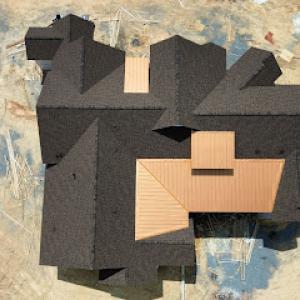
Ridgeline Roofing & Restoration
(256) 677-6118 www.ridgeline-roofing.com
1320 6th Ave SE, Decatur, Alabama
5.0 from 251 reviews
Ridgeline Roofing & Restoration is your go-to expert for all your roofing needs in north Alabama. Whether you need a free roof inspection, roof repair, roof replacement, or storm damage restoration, we have you covered. We serve residential and commercial properties across Huntsville and surrounding areas with quality workmanship and customer satisfaction. Our team of experienced roofers uses only the highest quality materials to ensure durability and longevity for your home. We also have flexible financing and warranty options to suit your needs. Contact us today and let us take care of your roofing needs!
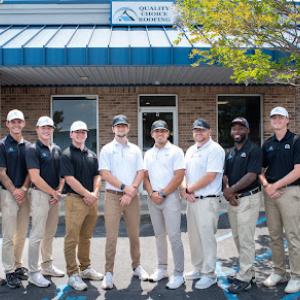
Quality Choice Roofing
(256) 563-5656 qualitychoice-roofing.com
1931 Central Pkwy SW Suite Y, Decatur, Alabama
5.0 from 100 reviews
𝗤𝘂𝗮𝗹𝗶𝘁𝘆 𝗖𝗵𝗼𝗶𝗰𝗲 𝗥𝗼𝗼𝗳𝗶𝗻𝗴, a trusted 𝗿𝗼𝗼𝗳𝗶𝗻𝗴 𝗰𝗼𝗻𝘁𝗿𝗮𝗰𝘁𝗼𝗿 in 𝗗𝗲𝗰𝗮𝘁𝘂𝗿, 𝗔𝗟, specializes in 𝗿𝗼𝗼𝗳 𝗿𝗲𝗽𝗹𝗮𝗰𝗲𝗺𝗲𝗻𝘁, 𝗿𝗲𝗽𝗮𝗶𝗿, 𝗮𝗻𝗱 𝗶𝗻𝘀𝘁𝗮𝗹𝗹𝗮𝘁𝗶𝗼𝗻 for property owners in 𝗠𝗮𝗱𝗶𝘀𝗼𝗻, 𝗔𝗟, 𝗔𝘁𝗵𝗲𝗻𝘀, 𝗔𝗟, 𝗮𝗻𝗱 𝗛𝗮𝗿𝘁𝘀𝗲𝗹𝗹𝗲, 𝗔𝗟. We offer 𝗳𝗿𝗲𝗲 𝗲𝘀𝘁𝗶𝗺𝗮𝘁𝗲𝘀, top 𝗾𝘂𝗮𝗹𝗶𝘁𝘆 𝘄𝗼𝗿𝗸, and 𝗴𝘂𝘁𝘁𝗲𝗿 𝗶𝗻𝘀𝘁𝗮𝗹𝗹𝗮𝘁𝗶𝗼𝗻 𝗮𝗻𝗱 𝗴𝘂𝗮𝗿𝗱𝘀. As a 𝗽𝗿𝗲𝗳𝗲𝗿𝗿𝗲𝗱 𝗰𝗼𝗻𝘁𝗿𝗮𝗰𝘁𝗼𝗿, we provide 𝗲𝘅𝘁𝗲𝗻𝗱𝗲𝗱 𝘄𝗮𝗿𝗿𝗮𝗻𝘁𝗶𝗲𝘀 backed by the 𝗺𝗮𝗻𝘂𝗳𝗮𝗰𝘁𝘂𝗿𝗲𝗿. Serving 𝗡𝗼𝗿𝘁𝗵 𝗮𝗻𝗱 𝗖𝗲𝗻𝘁𝗿𝗮𝗹 𝗔𝗹𝗮𝗯𝗮𝗺𝗮, visit our 𝘄𝗲𝗯𝘀𝗶𝘁𝗲 or 𝗴𝗶𝘃𝗲 𝘂𝘀 𝗮 𝗰𝗮𝗹𝗹 𝘁𝗼𝗱𝗮𝘆!
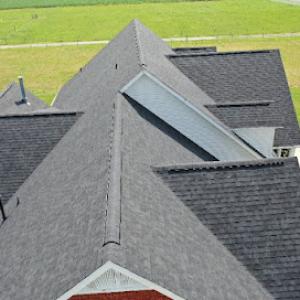
USA Roofing & Gutters
(256) 661-7663 www.usaroofing.us
816 6th Ave SE, Decatur, Alabama
4.9 from 104 reviews
USA Roofing & Gutters, LLC. is a local Decatur Alabama roofing company that specializes in roof replacement, roof repair, gutter installation, & gutter guards. We are dedicated to providing the best customer service. We have been performing quality work for 20 years in Central & North Alabama. We are a fully licensed, bonded, & insured roofing company & gutter company, with a BBB A+ accredited rating. We have earned the highest certification in the industry as a Platinum Preferred Contractor with Owens Corning which allows us to offer extended warranties backed by the manufacturer. We offer free roof estimates & free gutter estimates for property owners in our service areas. Visit our website or give us a call at (256)-661-ROOF today!
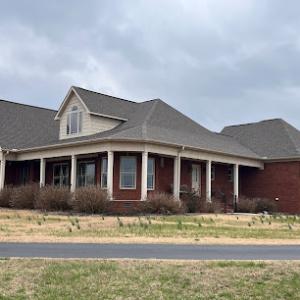
Jones Roofing
(256) 350-0249 jonesroofingal.com
2013 Clayton Ave SW, Decatur, Alabama
5.0 from 101 reviews
Jones Roofing, based in Decatur, AL, has been Morgan County’s trusted roofing contractor since 1972. With decades of experience, we specialize in high-quality residential roofing services, from repairs and replacements to complete roof installations. Known for our reliability, craftsmanship, and commitment to customer satisfaction, we proudly serve Decatur and surrounding areas.
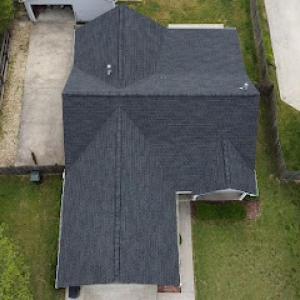
Yarco Roofing & Construction
(256) 227-6998 www.yarcoroofing.com
2509 Poovey Rd SE, Decatur, Alabama
5.0 from 59 reviews
Yarco Roofing and Construction is a locally owned roofing contractor serving Decatur, Huntsville, Madison, and surrounding North Alabama areas. We specialize in residential roof replacement, roof repairs, storm damage restoration, and insurance claim assistance. Since 2021, homeowners have trusted Yarco Roofing for honest inspections, quality craftsmanship, and dependable service. Our experienced team works directly with insurance companies to help simplify the claims process and ensure your roof is properly restored after hail or wind damage. Whether you need a full roof replacement or a professional inspection Yarco Roofing and Construction is committed to protecting your home with long lasting roofing solutions and clear communication.
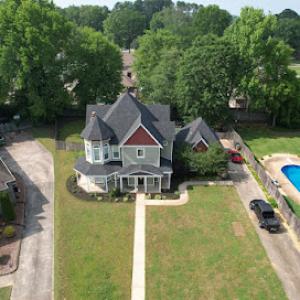
Deep South Roofing Pros
(256) 387-7531 deepsouthroofingpros.com
733 Woodall Rd SW, Decatur, Alabama
5.0 from 41 reviews
Residential and commercial roofing contractor. We offer roof replacements, roof repairs, asphalt roofing solutions, metal roofing solutions, seamless gutters, gutter guards, roof maintenance, and attic insulation. We are certified to install Atlas, IKO, OC, GAF, and Tamco. We work with all insurance companies. Deep South Roofing Pros brings the years of customer service and experience you know and trust from Deep South Construction Pros! Call us today for free inspections!
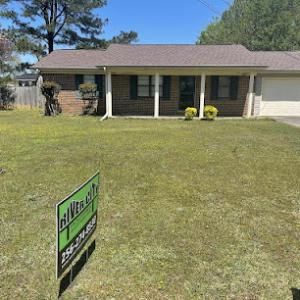
River City Roofing Solutions
(256) 274-8530 rivercityroofingsolutions.com
3335 Central Pkwy SW, Decatur, Alabama
4.7 from 272 reviews
We Provide Quality Roofing Solutions in North Alabama. We will work with your insurance company to repair or replace your roof. We also offer Repair services. We are open 24/7 for emergency roofing services. The owners have over 30 years of combined experience in the roofing industry. We can install roofs in a variety of different styles and materials. We do metal roofing, traditional shingle roofing, metal shingle roofing, commercial roofing and residential roofing. We've partnered with IKO & Boral to provide the highest quality shingles for any building. We hold a Preferred Contractor status with Owen’s Corning. Our office is located on Central Pkwy in Decatur, AL. We work in all areas around including Huntsville, Madison & Cullman.
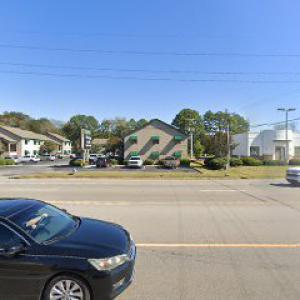
Advanced Roofing & Construction, LLC - Decatur
(256) 603-9171 www.advancedalabama.com
2132 6th Ave SE #100, Decatur, Alabama
5.0 from 29 reviews
Advanced Roofing & Construction, LLC was founded on the core principles of serving our community when Mother Nature strikes. We provide roof replacement and roof repair services while going the extra mile to ensure the very best service for our customers. Our knowledge and expertise in roofing combined with our experience working with a multitude of insurance companies allows us to manage both ends of the job and save our customers the headache of navigating the insurance world while making sure the work is done correctly at the same time. We know the process front to back and guide our customers through it every step of the way. At Advanced, Integrity Comes First!
Digital Roofing Innovations
(256) 445-8835 digitalroofingcompany.com
1616 Woodland St SE, Decatur, Alabama
4.7 from 46 reviews
Hey Decatur! Digital Roofing Innovations is a Service Disabled Veteran Owned company committed to servicing the residents of Decatur, Alabama. We specialize in residential roofing, multi-family roofing and select commercial jobs. Give us a chance to show you why we are different than every other roofing company in the North Alabama area. Serving others is in our blood. Roofing Decatur AL Roofer Decatur AL Roofing Company Decatur AL
B&B Roofing Company - Michael Burnett
(256) 355-7826 www.bbroofinginc.com
2303 Country Club Rd SE, Decatur, Alabama
4.8 from 24 reviews
Serving the Tennessee Valley for 50 years, we are your one stop shop for all residential roofing needs.
Pioneer Roofing Company
(256) 250-6917 www.pioneerrooftop.com
1104 Lenwood Rd SE, Decatur, Alabama
4.5 from 24 reviews
Pioneer Roofing is a family-owned roofing company serving North Alabama since 1973. We specialize in both commercial and residential roofing, offering expert installations, repairs, and maintenance. With decades of experience, we’re committed to providing reliable, high-quality service for all your roofing needs
Romans Roofing
(256) 686-1466 www.romansroofinginc.com
3506 Hooper Ln SE, Decatur, Alabama
4.9 from 9 reviews
We’re a family-owned business based in Decatur, Alabama. We are committed to providing service focused on quality, value and customer satisfaction. We love what we do—and it shows.
In this region, a full roof replacement typically requires a building permit issued through the City of Decatur/Morgan County jurisdiction. The permit process is designed to ensure that work meets local safety standards and aligns with zoning and floodplain requirements that can affect drainage around the home. Before any new shingles go on, you should confirm your project type with the city's permit desk and obtain the appropriate forms. If the project involves only cosmetic changes or a like-for-like replacement without altering structure, the permit steps are usually straightforward, but missing paperwork can stall an otherwise simple job.
Inspections are a regular part of the Decatur roofing workflow. An inspector generally visits during the roofing work and again after completion to confirm compliance with Alabama amendments to the IRC. This means deck anchor details, attic ventilation, and nailing schedules may be checked in person. Given the humidity and storm-driven weather patterns in North Alabama, the authority often pays close attention to flashing details around chimneys, skylights, and wall penetrations. If you anticipate any rain activity or a tight schedule, coordinate inspection times with your contractor so that weather does not create a backlog that delays certificate of occupancy.
Plan review is generally not part of a standard Decatur re-roof unless the project includes structural changes rather than a like-for-like replacement. For most homeowners, this means the structural footprint is expected to remain the same-no new trusses, rafters, or major framing changes. If your roofer proposes adding attic vents, strengthening a sagging eave, or expanding the roof line, be prepared for a more involved plan review that could require structural calculations and possibly additional zoning approvals. In that scenario, communication with the city's building department is critical to keep the schedule intact.
To navigate permits smoothly, assemble a clear package: a project description, a current survey or plat if your roof lines near a property line, and any subcontractor credentials. It helps to have a contractor who is familiar with Decatur's typical inspection checklist and who can submit the permit electronically if available. Because inspections target both safety and durability under local climate conditions, you should expect the inspector to verify proper underlayment, ice dam protection in the eaves, and adherence to local drainage requirements. If a weather window shrinks, a proactive plan with your contractor for staged inspections can prevent delays and keep timelines realistic.
Keep copies of all permit approvals, inspection reports, and any amendments requested by the city. In practice, homeowners benefit from maintaining a simple binder or digital folder with permit numbers, inspection dates, and the contact information for the building department and the contractor. This record-keeping becomes especially valuable when storm season brings hail or high winds, as insurers and adjusters often review permit and inspection history alongside the claim. Understanding this process up front empowers you to coordinate material deliveries, weather contingencies, and contractor scheduling with greater confidence.
The Tennessee River nearby means persistent humidity that can silently accelerate shingle aging and keep roof surfaces damp longer after rain. That extra moisture nudges asphalt and other roof materials toward accelerated wear, especially during seasons when storms roll through and humidity never fully drops. Older roofs in town tend to show premature granule loss and fading if moisture stays trapped under the surface, making a proactive stance on maintenance more critical here than in drier climates.
Decatur's hot, humid subtropical climate means heat plus moisture is a steady wear pattern, not just a summer issue. Shingles that have endured several summers of high heat and repeated damp cycles can become brittle or curled at the edges. For older asphalt roofs or mixed-material roofs common on local homes, the combined stress pushes underlying layers toward failure sooner than expected. The result is more frequent small leaks and a higher chance of needing repairs that could have been delayed with early attention.
Frequent rain and thunderstorms make moisture management details like flashing integrity and attic ventilation especially important for roof longevity. Flashing around chimneys, vents, and dormers in Decatur faces more salt-and-wog moisture exposure from humid air and driving rain, which can lead to slow leaks that aren't obvious from the ground. Attic ventilation matters again here: poor airflow traps heat and moisture above the living space, encouraging mold growth and causing shingles to age unevenly. A roof system that breathes properly adapts better to sudden downpours and then dries out more quickly afterward.
Look for moss or dark streaks along north-facing slopes, which often stay damper longer in this climate. Curling or cupping shingles, especially on older asphalt or composite options, can be a telltale sign that repeated exposure to humidity and heat has taken a toll. Loose flashing or a sometimes-wet attic hatch when it rains are red flags, signaling that moisture is penetrating areas meant to shed water. In homes with flat or low-slope sections, pay extra attention to any damp patches that appear after a storm, as those areas tend to trap moisture more than steeper pitches.
In this corner of North Alabama, spring and fall offer the most workable replacement windows. The milder temperatures help shingles seal properly and keep the roof cooler during installation, making workdays more predictable. Spring often brings a fresh start after the winter, and fall settles into a window of dry, comfortable weather before winter storms roll in. For a Decatur home, those shoulder seasons tend to balance crew stamina with material handling ease, reducing the risk of heat-related delays or wet-weather setbacks.
Spring is a natural choice, but storms and hail are common in this season. Even with the best forecast, a thunderstorm can roll through and pause a project for a day or two. The key is to build a flexible schedule with your contractor, identifying a few backup dates in late spring when crews can jump back in if a delay occurs. Roofing work during this period benefits from longer daylight hours, but heavy rain or hail can still interrupt progress. Have a plan for temporary protection if the weather shifts suddenly.
Summer heat and humidity slow production and increase the risk of heat-related strain on crews. In the hottest weeks, some tasks may need to shift to early mornings or late afternoons, with mid-day pauses to protect materials. If a summer project is unavoidable, focus on securing materials with proper ventilation and storage on-site to prevent warping or moisture damage. Thunderstorms can also pop up quickly, so daily weather checks and a clear contingency timetable help maintain steady progress.
Fall provides one of the most stable operating periods before the first hard freezes. Mild days help with asphalt and metal installations alike, and cooler nights reduce the risk of sealant or adhesive misfires. The main caveat is lingering fall storms that can drift in as the season ends; finishing tasks early in the window helps stay ahead of the winter pace. Plan a buffer for days with gusty winds or sudden showers common to late autumn storms.
Asphalt shingles are the dominant roofing material in Decatur, making them the baseline option for most local replacement comparisons. They pair well with the typical home styles seen across the area and install relatively quickly when the weather cooperates. For storm-prone seasons, asphalt offers a familiar balance of ease of repair and a broad slate of warranty choices. The shingles' lower upfront weight helps on older roof structures, and a quality asphalt system can provide solid wind resistance and good hail performance when paired with impact-rated bundles and proper underlayment. When choosing this option, look for mid- to high-quality bundles with a reinforced seal to minimize lift during heavy North Alabama thunderstorms.
Metal roofing has a visible specialty presence in the market, suggesting local demand for a material that performs well under heavy rain and storm-prone conditions. Metal often excels in hail zones and delivers long service life with lower maintenance needs. In many Decatur homes, metal's reflective surface can reduce heat gain in attic spaces, which is a practical benefit on sun-drenched afternoons. The installation requires a solid, wind-rated deck and careful flashing details around chimneys and vents. If a home has fundamental attic ventilation and a compatible substrate, metal can be a dependable, durable choice that stands up to frequent storms.
Clay tile, concrete tile, synthetic/composite, and slate are available in the market but are less typical choices for Decatur homeowners and usually involve higher structural or budget considerations. Clay and concrete tiles add distinct curb appeal but demand a stronger roof frame and careful weight calculations. Synthetic options offer a lighter, sometimes more affordable path with improved hail resistance, yet installation and long-term performance depend on quality. Slate provides longevity and elegance, but the weight and cost are substantial, and structural reinforcement may be necessary.
Explore specialists in steel, aluminum, and standing seam metal roofs built to last 50 years or more.
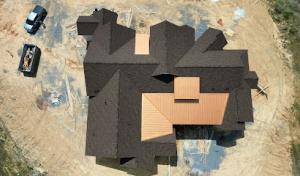
Ridgeline Roofing & Restoration
(256) 677-6118 www.ridgeline-roofing.com
1320 6th Ave SE, Decatur, Alabama
5.0 from 251 reviews
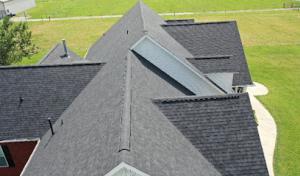
USA Roofing & Gutters
(256) 661-7663 www.usaroofing.us
816 6th Ave SE, Decatur, Alabama
4.9 from 104 reviews
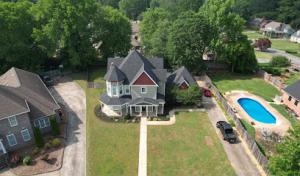
Deep South Roofing Pros
(256) 387-7531 deepsouthroofingpros.com
733 Woodall Rd SW, Decatur, Alabama
5.0 from 41 reviews
Alabama's hail and wind claim environment affects Decatur homeowners through stricter documentation expectations and, in some cases, higher deductibles for storm-related roof losses. When a storm hits the Tennessee River corridor, adjusters anticipate clear evidence tying damage to recent weather rather than age or wear. That means your file will ride on the clarity of your records, photos, and the sequence of events from the storm to the claim.
Adjusters serving the Decatur area may request roof certifications or dated photos when evaluating whether damage is storm-related versus age-related. Certifications from qualified professionals help establish a baseline, but dated photos capture the immediate aftermath and gauge the storm's impact. If you cannot provide these records quickly, the claim can stall or be challenged, leaving you exposed to higher out-of-pocket costs later in the process.
In a market with repeated storm exposure, Decatur homeowners benefit from documenting roof condition before severe weather season rather than waiting until after a loss. A current, labeled set of photos showing shingles, flashing, and any existing wear can shorten disputes and speed settlements. Keep a simple, organized archive-date stamps, a brief note on visible issues, and a copy of any prior professional assessments-so you can reference it when a storm warning rolls in.
When a hail or high-wind event occurs, your immediate actions matter. Photograph damage from multiple angles after the storm, noting trees, debris, and any interior signs of roof ingress. If safe to do so, perform a preliminary inspection from the ground and document any missing shingles or lifted edges. Gather prior maintenance records to show ongoing upkeep, which can influence how a claim is evaluated in a climate where frequent storms test every roof.
Connect with contractors who help homeowners navigate the claims process from damage assessment to final approval.
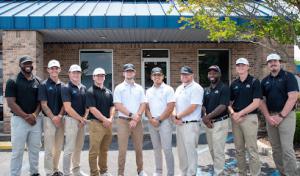
Quality Choice Roofing
(256) 563-5656 qualitychoice-roofing.com
1931 Central Pkwy SW Suite Y, Decatur, Alabama
5.0 from 100 reviews
USA Roofing & Gutters
(256) 661-7663 www.usaroofing.us
816 6th Ave SE, Decatur, Alabama
4.9 from 104 reviews
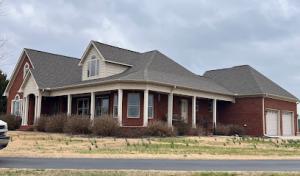
Jones Roofing
(256) 350-0249 jonesroofingal.com
2013 Clayton Ave SW, Decatur, Alabama
5.0 from 101 reviews
After North Alabama thunderstorms, homeowners expect a responsive crew that can be on-site quickly for roof lifts, fallen branches, and hail damage. Local demand favors teams that can start tarping and debris cleanup within 24 to 48 hours, then move to more thorough repairs. In practice, you'll notice the most dependable contractors maintain open lines of communication, provide updates on arrival times, and stick to a clear plan for stabilization before any teardown or replacement begins.
A practical Decatur approach often includes cleanup as part of the job. Homeowners look for contractors who haul away debris, remove damaged shingles, and tidy the area to pre-storm standards. This matters because storm work can leave yards and driveways cluttered with shingle fragments and branches. Choose a contractor who guarantees post-work cleanliness and does a final walk-through to confirm the site is safe and presentable.
Long-standing, locally owned firms have a meaningful footprint in the area, and that presence matters in a market where follow-up after storms is a practical concern. You'll notice seasoned crews with neighborhood reputations, reliable scheduling, and accountability for warranty issues. These firms often leverage local supplier networks, which helps with material availability during fluctuating post-storm demand.
Manufacturer-certified credentials are a positive signal, but they appear inconsistently across the market. Prioritize credentials that align with the products you're considering and verify that technicians hold current certifications for installation and safety. In practice, this translates to installers who can demonstrate proper ventilation, underlayment selection, and integration with attic and drainage systems.
Free roof inspections are common but not universal. When offered, they should include a transparent assessment of hail impact, wind-related exposures, and ventilation concerns. Expect a written report that outlines immediate safety steps, recommended repair versus replacement, and next-day timelines for any estimated follow-up actions. In practice, the best crews provide clear next steps, not high-pressure sales pitches.
Get a clear picture of your project costs upfront - no commitment required.
Quality Choice Roofing
(256) 563-5656 qualitychoice-roofing.com
1931 Central Pkwy SW Suite Y, Decatur, Alabama
5.0 from 100 reviews
USA Roofing & Gutters
(256) 661-7663 www.usaroofing.us
816 6th Ave SE, Decatur, Alabama
4.9 from 104 reviews
Jones Roofing
(256) 350-0249 jonesroofingal.com
2013 Clayton Ave SW, Decatur, Alabama
5.0 from 101 reviews