
Last updated: Apr 19, 2026
In a central Alabama storm pattern, hail and wind events crack roofs quickly, and heat plus humidity accelerates water intrusion. After a storm, the priority is to stop the damage fast. If you hear hail or see shingles torn up, act within hours to secure the roof edge, vents, and vulnerable valleys. Small openings become large leaks fast when rain returns or overnight humidity condenses inside the attic. Time spent waiting means more interior damage, more insulation degradation, and higher remediation costs. A rapid response from a local contractor who understands the terrain and the typical roof types in this area can keep water from finding easy entry points into ceilings, closets, and attic spaces.
Begin with a careful, methodical check of exterior indicators: missing shingles, dented metal flashings, dented gutter components, and torn underlayment at the eaves. Look for granule loss in areas struck by hail or where wind chased shingles to peel back. Inside the attic, note staining, damp rafters, or sudden warmth near ceiling lines-these signal active leaks that require attention. Because Prattville's heat and humidity turn tiny storm-created openings into leak pathways quickly, any sign of moisture warrants a professional evaluation as soon as possible. When you map the damage, focus on the most vulnerable zones first: valleys, dormers, chimney penetrations, and around roof penetrations like vent pipes. If the attic remains warm and damp after a storm, assume moisture has penetrated beneath the surface and needs drying out before concealed rot takes hold.
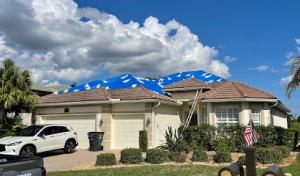
If tarping is necessary, do it with urgency to protect living spaces. A secure tarp should cover the damaged area completely, weighted down along the edges, and extended several feet beyond the affected section to prevent wind uplift. In Alabama's weather, tarp maintenance is not a one-and-done task; storms can return quickly, so check tarps after every heavy rain and wind event. Prompt tarping buys you time to coordinate the right repair plan with a trusted contractor who understands the local roof assemblies and insulation layouts. Inside, place plastic sheeting or buckets only where leaks are obvious, and keep affected rooms ventilated to minimize mold risk while the roof is awaiting repair.
Storm damage claims rise after severe spring and summer weather, and homeowners in this area commonly seek roofers immediately after events. Document everything: the date and time of the storm, the observed damage, and any interior staining or ceiling drops. Photograph exterior damage from multiple angles, note nearby trees or branches that may have contributed to impact, and keep a simple wall-to-wall inventory of affected rooms. Collect communication records with the insurer and the contractor, including written estimates, emergency repairs, and dates of service. When speaking with adjusters, present the clear chain of events: storm impact, rapid tarping to prevent interior damage, and the subsequent scheduling of a permanent repair. Clear, organized documentation speeds the claim and reduces back-and-forth.
The local contractor demand post-storm signals a need for ready-to-go teams that can perform quick emergency repairs, assess storm damage, and help with insurance documentation. If a contractor identifies compromised decking, flashing, or underlayment, prioritize temporary stabilization to prevent further water intrusion. After stabilization, prepare for a formal repair plan that restores the roof to its original performance, with attention to matching materials and color for a seamless appearance. In Prattville, the calendar fills quickly after hail and wind events, so decisive action today helps prevent tomorrow's leaks and minimizes the disruption to homes and families.
I AM Roofing
1034 E Main St, Prattville, Alabama
4.8 from 279 reviews
At I AM Roofing, we pride ourselves on being more than just a roofing company – we are your trusted partners in safeguarding your home with honesty, transparency, and exceptional craftsmanship. With our Roof Truth™ Process, we educate homeowners on exactly what is needed, and what isn't, offering the peace of mind that comes from knowing you're working with a roofing contractor that puts your best interests first. We’re not just about fixing roofs; we’re about building trust and lasting relationships with our customers. Our commitment to integrity, quality, and transparency sets us apart as the roofing company that homeowners can count on for reliable, high-quality service every time. We're bringing the truth about your roof.™
Premium Roofing Company
(334) 414-3968 www.premiumroofingco.com
933 N Memorial Dr, Prattville, Alabama
4.7 from 50 reviews
Roofing contractor in Autauga County, Alabama. Make the wise choice for PREMIUM results! Fully licensed, insured, and bonded Family owned and operated Veteran owned
Blue Bird Roofing
(334) 301-2816 bluebirdroofingal.com
1031 E Main St, Prattville, Alabama
4.7 from 14 reviews
Voted #1 roofing company by Montgomery Advertiser, we offer the best roof repairs and replacements in the Tri County region. No roof is too big or too small for us.
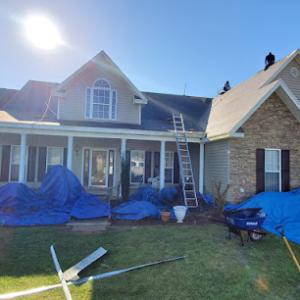
Southern Homes Roofing
1691 Windstone Way, Prattville, Alabama
5.0 from 6 reviews
Southern Homes Roofing is a full-service roofing company serving all communities surrounding the Tri-County Area . Southern Homes Roofing offers personalized, hands-on services to make sure that your project runs smoothly from start to finish with our professional qualified contractors. SHR is always here for your roofing needs with our unbeatable prices.
Quality Roofing & Construction
(334) 365-5256 www.qualityroofingandconstruction.com
114 A Industrial Park Rd, Prattville, Alabama
4.5 from 11 reviews
Quality Roofing & Construction is locally owned and operated. We have served the Tri-county area for 45 years. We are licensed and insured for your protection and ours. We are a member of the Better Business Bureau. We are also a Preferred Contractor with the shingle manufacturer Owens Corning.
Raymundo's Roofing
Serving
5.0 from 175 reviews
With 25 years of experience, we are proud to serve the State of Alabama and parts of Georgia. Located in the heart of Millbrook, AL we serve locally in the River Region and all over Alabama. We are family owned & operated, integrity and honesty is our policy, and our hard work shows it! We offer FREE ESTIMATES! YOUR PROJECT IS OUR PASSION! Let us work for you! We are LICENSED, INSURED & BONDED!
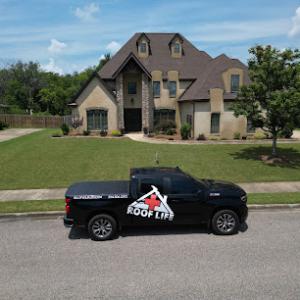
RoofLife
(334) 451-1153 roofyourlife.com
Serving
5.0 from 85 reviews
Top quality roofing company in Millbrook, Alabama serving Montgomery, Autauga, Elmore counties, and beyond. Our goal is to provide quality roofing services to customers through expert guidance and quality materials. We are here to reduce stress when bringing your roof back to life!
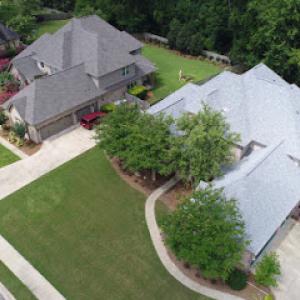
Allen Cannon Roofing
(334) 313-1919 www.allencannonroofing.com
Serving
5.0 from 31 reviews
Residential roofing & storm damage specialist. Licensed contractor,insured,& LOCAL! Insurance claims welcomed.Emergency roofing & tarping available. Hablamos español!
Alabama Signature Homes
(334) 292-8821 www.alabamasignaturehomes.com
Serving
4.9 from 51 reviews
Alabama Signature Homes is a reputable and multifaceted company based in the heart of central Alabama. With our extensive expertise in construction, handyman services, new construction, roofing, remodeling, painting, flooring, granite countertops, cabinet refacing, and comprehensive home remodeling, we provide an all-encompassing solution to cater to your unique needs. Our dedicated team of skilled professionals is committed to delivering exceptional craftsmanship and ensuring your vision becomes a reality. Trust us to transform your home into a stunning masterpiece that reflects your style and exceeds your expectations.
DND Roofing
(334) 489-1821 dndroofingllc.com
Serving
5.0 from 55 reviews
At DND Roofing, LLC, we pride ourselves on delivering professional roofing services to the Prattville community and beyond. Our team focuses on providing high-quality roof installation in Prattville, ensuring your home or business is well-protected against the elements. Whether you're constructing a new home or looking to replace an old roof, we offer reliable solutions tailored to meet your needs. We understand the local climate and use this knowledge to enhance the durability and longevity of your roof. Choose DND Roofing, LLC for your roofing projects, and experience the dedication and craftsmanship that sets us apart. Reach out today to discuss your roofing needs!
Roofing World
(334) 468-5381 roofingworldal.com
Serving
4.8 from 131 reviews
Your trusted local roofing contractor in Montgomery, AL. Family-owned with 25+ years of experience, we offer the best financing options in Alabama. Specializing in residential, metal, and asphalt roofing, we provide quality replacement, installation, and repair services. With 1000+ completed projects, we ensure expert craftsmanship. Enjoy unbeatable financing with low monthly payments and lifetime warranties on select products. Our local contractors handle emergency repairs and new installations. For roofing services near you, including metal roofing and roof replacement, call Roofing World at (800) ROOF-PRO. Experience the difference of a company treating every customer with integrity.
E & P Enterprises Construction
Prattville, Alabama
2.3 from 3 reviews
E & P Enterprises Construction LLC is professional construction company in Prattville, AL 36067 area. We offer roofing and remodeling services. Do not hesitate to call us now . Roof Repair, Roofing Service, Commercial Roofing, Roof Replacement, Roof Installation
In Prattville, windows chosen for replacement work best when they are sized and installed with a tighter fit to handle hot, humid summers and rapid afternoon storms. The practical result is choosing units that maintain a comfortable interior temperature while minimizing draft points during transition seasons. Narrower, well-insulated grids and glass options help manage radiant heat without creating heavy weight on the frame during storm-driven wind loads. This means looking for windows that pair a compact, weather-tight profile with modern low-E coatings, which cut heat gain without sacrificing natural light.
Spring and fall are typically the most workable seasons for full replacements in this area, but spring carries heavy rain and occasional hail that can force schedule changes. The approach is to plan for a window of good weather, knowing that door-to-door storm response crews may encounter sudden showers or brief hail events. If a delay arises, having a flexible coordination window with the installer helps keep the project moving without compromising seal quality. Fall lightens the humidity burden and keeps interior work drier, which aids caulking and flashing integration before winter.
Even mild winters can include cold snaps and rain that pause installation steps such as weatherproof sealing and interior trim work. The best replacement window plan anticipates occasional pauses and spaces out tasks that require dry conditions. A practical strategy is to stage interior progress during cold spells while exterior flashing and frame preparation proceed when temperatures allow. This avoids exposing sensitive components to prolonged wetness and helps preserve long-term performance of the window assembly in a climate where sudden showers can interrupt progress.
For Prattville's pattern of heat and humidity, frame material choice matters beyond aesthetics. Vinyl frames with reinforced corners and robust thermal breaks perform reliably through repeated heat cycles, while composite options resist warping in fluctuating humidity. If a homeowner expects frequent afternoon storms, selecting a system with a solid integration of flashing, weep channels, and a corrosion-resistant hardware suite reduces maintenance needs over time. For homes with existing masonry or wood trim, coordinate matching the finish to prevent moisture tracking into the wall cavity.
A practical goal is a window that delivers a true seal at the nailing fin or flange while maintaining a slim profile around the operable sash. The strategy includes ensuring proper shimming, deadening any potential movement in storm winds, and employing weatherstripping that remains effective through temperature swings. In Prattville, that means prioritizing a dual-action seal system that resists wind-driven rain while staying easy to operate during the more humid seasons.
In this area, asphalt shingles are the workhorse of many homes, matching the practical realities of Prattville's storm patterns and the quick turnaround homeowners expect after hail or wind events. The typical home stock-from modest ranches to mid-sized two-story roofs-often lends itself to a straightforward shingle setup that can be installed swiftly by local crews. If a fast re-roof is on the table after a storm, asphalt shingles offer predictable performance, reliable protective layers, and broad availability in the trade. When speaking with a contractor, you'll find the most comfort comes from options that combine solid weather resistance with easy repair access and a robust supply chain in the region. The practicality of asphalt means strong local service networks, which translates into faster leak response and easier warranty handling after a hail event.
Metal stands out as a practical alternative for homes that endure repeated rain exposure or want a roof that can shed moisture quickly during the humid season. In this market, metal can handle the South's cadence of storms, but the upfront cost-and the attention it requires to match the structure and aesthetics-can shift decisions for many homeowners. If choosing metal, prioritizing roof pitch, fastening patterns, and a high-quality underlayment is key to preventing leaks around fasteners or seams after a heavy rain. Local crews with experience in metal flashing details for chimneys, vent pipes, and edge metal are essential, as improper installation here can limit the long-term performance metal promises. For a Prattville home that plans to stay put many years, metal may pay back in tear-off cycles and energy considerations, but guidance from a contractor who understands how metal behaves in storm sequences is invaluable.
Clay and concrete tile are available, but they remain niche compared with traditional shingles. Installer availability, roof-structure compatibility, and weight considerations become more pronounced in this market. If a tile option is being considered, assess whether existing framing and decking can support the load, and confirm nearby specialists who can handle the unique detailing around sky-lit portions, venting, and penetrations. Tile roofs require careful attention to hardware durability in stormy seasons, as hail can disrupt brittle clay or crack-prone concrete tiles. In many Prattville homes, tile may be reserved for newer builds or specific architectural aims rather than standard re-roof projects. When tiles are used, the emphasis should be on ensuring proper underlayment, secure fasteners, and a detailed plan for maintenance to mitigate wind-driven breakage and water intrusion.
When a hail or wind event hits, the first priority is stopping leaks and protecting interior spaces. After the storm, conduct a careful exterior inspection from the ground to identify missing, cracked, or lifted shingles, dented metal, or displaced flashing. Document through photos and notes, focusing on affected areas, edge projections, and transitions around chimneys or skylights. Keep a log of dates, weather conditions, and any temporary measures you take to reduce interior damage. For insurance adjustments, compile a concise list of damaged components, including type of roofing material, age (if known), and a rough assessment of roof area affected. Share this with your insurer promptly and coordinate with a contractor who has a track record for facilitating swift, accurate documentation and scope updates. In Prattville, the combination of storm-driven wear and fast-response expectations means choosing a contractor who can deliver a clear, itemized repair plan, with emphasis on leak containment, proper flashing replacements, and a follow-up inspection after any temporary fixes. The right choice balances the local weather realities, the roof's material system, and the homeowner's goal of restoring shelter efficiently without compromising long-term performance.
Typical pricing in Prattville runs about $350 to $550 per square for asphalt shingles, $700 to $1200 for metal, $1200 to $2100 for clay tile, $900 to $1500 for concrete tile, $600 to $1100 for wood shingles or shakes, and $600 to $1200 for synthetic or composite shingles. Those ranges reflect the local material mix and the fast-moving repair market after hail and high-wind events. When you're planning, expect the lower end for straightforward, single-story replacement with standard decking, and the higher end if you're upgrading to a premium product, dealing with damaged roof decking, or facing steeper pitches that demand more labor. In Prattville, costs also crest when a full replacement is needed rather than a patch or temporary fix, and the choice of underlayment and venting can nudge the price a bit higher.
Storm-driven demand spikes in Prattville can pressure scheduling and labor availability after hail and wind events, which can affect pricing and lead times more than in calmer markets. After a hail weekend or a strong windburst, crews can be booked out days or weeks, and materials may run low if a supplier has to pull from regional stock. If you're coordinating a replacement in this window, build in a cushion for both time and price variability. Have a clear plan for access to the attic and interior spaces during replacement, since sudden afternoon showers can shift work into a rain-prone window. A steady crew with storm-cycle experience is a big plus, reducing the risk of delays caused by multiple trips to address incidental damage uncovered mid-project.
Rain-prone installation windows drive scheduling constraints. In practical terms, you'll want to target a stretch of several dry days, but storms in late spring or early fall can still force quick pauses. Expect crews to prioritize deck protection, step-flashing, and proper drip edge to minimize future leaks, particularly around valleys where hail impact can compromise the underlayment. If you're weighing shingle types, asphalt remains the most forgiving for quick re-roof projects, while metal or tile options will push labor time and total cost higher. The right balance often comes from a straightforward house plan, accessible roofline, and a clearly defined warranty path.
After hail or wind, gather clear photos of damaged shingles, flashing, and any interior water intrusion. Document dates of the events, known wind speeds if available, and the extent of visible damage on the day you first noticed it. Keep a running log of repairs attempted and notes on any leaks appearing after rain. When you file, attach weather reports and contractor assessments that tie the damage to the storm window. A thorough, organized file helps streamline the claim review and supports a smoother replacement process during the busy season.
Don't let upfront costs delay a critical repair - these contractors offer payment plans to fit your budget.
A full roof replacement in Prattville generally requires a building permit handled by the City of Prattville Building Department. That means you'll file through the municipal office, and the permit will track the work from tear-off through completion. Your contractor should initiate the permit process early in the project so there are no delays waiting on paperwork. Local codes are designed to ensure storm-related repairs stay durable through the next round of fast-moving weather, so having the permit in place before work starts helps you avoid a stop-work order if inspectors show up.
Inspections in this area are typically scheduled after tear-off and again after completion. Expect municipal checkpoints rather than a single final sign-off. In practice, that means you'll have an interim inspection once the old materials are removed and the deck is ready for the new roof system, followed by a final inspection once the new roofing, ventilation, flashing, and underlayment are in place. Planning for these steps helps you coordinate access for inspectors and showcases the installation progress to your homeowners' insurer, which can smooth claim documentation after storm events.
The contractor is expected to provide proof of licensure and to coordinate the plan review process. Plan review for a typical residential roof is usually quick when the scope is straightforward. If your project includes unusual details-such as retrofitting for heavy hail exposure, venting changes, or a non-standard roof pitch-allow a bit more time for review. Keep copies of all permits, inspection approvals, and any approved plan changes on-site or in a clearly labeled digital folder. If you've recently filed an insurance claim after hail or wind damage, bring the claim number and any weather-related mitigation notes to meetings with the building department; clear documentation can streamline the review.
Coordinate with your roofer to align the permit timing with the tear-off and installation windows so inspections don't become a bottleneck. Have your contractor provide licensure proof up front and confirm that the plan review will be handled efficiently given a straightforward scope. If a problem pops up during inspection-such as unexpected flashing details or venting adjustments-address it promptly to keep the project on schedule and within code. Finally, maintain direct lines of communication with the Building Department so you know exactly when to expect inspector visits and how to prepare for them.
Prattville homeowners operate in Alabama's active hail-and-wind claim environment, so roof age and visible storm damage can directly affect claim outcomes and future premiums. After a storm, the first response matters: you need a clear narrative of what happened, when it happened, and what integrity the roof still holds. A roof that looks old or damaged can become a line item that carriers scrutinize, especially when the rest of the house shows only minor bruising from wind or hail.
Carriers commonly want photos, estimates, and roof-condition documentation, which matters in Prattville because storm damage is a frequent trigger for replacement decisions. Take high-resolution images from multiple angles, including attic leakage paths and the interior where water stains appear. Have dated records of prior repairs or age indicators handy. The more you can show a reviewer who understands the sequence of events, the more accurate the evaluation becomes.
Coverage in this market is generally available, but older roofs and lower-durability materials can face tighter underwriting or stronger warranty expectations. If a roof has seen repeated hits or shows pervasive wear, expect questions about remaining life and return on investment. Insurance decisions here hinge on both present condition and plausible future risk, so honest documentation helps set realistic expectations.
When a hail or wind event hits, prompt, factual reporting matters more than dramatic claims. An insurer will weigh visible damage, historical maintenance, and the roof's overall resilience. Delays or unfounded assertions can complicate resolution and raise the chance of a denial or a higher deductible scenario. In this neighborhood, staying factual and timely is the best insurance you can have.
Connect with contractors who help homeowners navigate the claims process from damage assessment to final approval.
Premium Roofing Company
(334) 414-3968 www.premiumroofingco.com
933 N Memorial Dr, Prattville, Alabama
4.7 from 50 reviews
Blue Bird Roofing
(334) 301-2816 bluebirdroofingal.com
1031 E Main St, Prattville, Alabama
4.7 from 14 reviews
In a hot, wet climate with repeated summer rain exposure, roof penetrations-like vent stacks, plumbing vents, skylights, and chimney flashing-can deteriorate faster than you expect. Even when winter freeze damage isn't the main issue, the combination of high humidity and frequent downpours accelerates sealant breakdown and flashing corrosion. Where shingles meet these penetrations, small gaps can grow into noticeable leaks after an afternoon storm. The most vulnerable spots are where different materials meet, such as where a metal flashing edge abuts asphalt shingles or where a vent boot contacts a warped roof surface. Inspect these transitions after every substantial rain event and before the next storm season.
The local market includes notable skylight-focused roofing work, which signals leak-prone penetrations are a real concern. Skylight flashing often wears faster than surrounding shingles in Prattville's climate, especially with heat cycling and afternoon storms. If a skylight is older or poorly flashed, you may see interior staining along ceilings or around attic penetrations after a quick summer downpour. When remodeling or replacing skylights, choose flashing systems designed for high-summer humidity and ensure proper integration with adjacent shingle lines. A careful seal around the skylight curb, plus continuous flashing underneath the roofing, can dramatically reduce leak potential.
Because afternoon storms are common, minor flashing or seal failures can be exposed repeatedly during the same season before interior staining becomes obvious. Look for hairline leaks along ridges, along vent penetrations, or at transitions where valley metal meets shingles. In Prattville's heat-and-rain pattern, attic condensation can masquerade as a leak; verify that attic ventilation is adequate so that moisture doesn't back up into the roof deck. Regular visual checks after storms, especially in the early fall and late summer, save you from larger, hidden damages later.
Find contractors experienced in skylight installation, flashing, and leak repairs to bring natural light into your home.
Premium Roofing Company
(334) 414-3968 www.premiumroofingco.com
933 N Memorial Dr, Prattville, Alabama
4.7 from 50 reviews
When you're sorting through local crews, the first filter is how they approach a full tear-off and replacement. In this market, many contractors focus on re-roofing rather than new construction, so you'll see crews that move quickly but still follow a thorough process. Look for evidence of a documented, step-by-step replacement plan: roof teardown, deck inspection, felt or underlayment installation, flashing details, and shingle alignment that holds up through central Alabama storm cycles. Ask for recent job sites or references that involved wind-driven hail events, and listen for specific examples of how they protected landscaping, gutters, and porch ceilings during a rushed job.
Weather in this area can shift fast, and a crew's real-world performance after hail or a gusty wind event matters more than glossy brochure claims. Favor teams that describe a clear system for prioritizing leaks, staging materials, and coordinating with homeowners for temporary roof tarping if needed. Quick response and diligent cleanup aren't luxuries here-they're signals that the crew understands Prattville's storm pattern and the practical expectations of neighbors who need to restore protection without delay. Check how they document progress and communicate changes, since miscommunication in a storm window leads to avoidable damage calls and further headaches.
Because city processes drive timelines, a dependable crew routinely handles scheduling and licensure paperwork without dragging the project. You want a team that can line up permit-related callbacks, inspections, and any city-required confirmations with minimal hesitation. Ask for clear examples of how they managed a previous job's municipal coordination-from pre-inspection notes to final sign-off-and verify that the crew assigns a single point of contact who can keep the project on track during weather interruptions.
Finally, verify credentials, insurance coverage, and manufacturer-backed warranties. In this market, solid performance on storm remediation, reliable cleanup, and transparent communication often correlates with crews that stand behind their work for the long haul. A practical approach is to request a written replacement plan, a project timeline, and a reference list from recent Prattville jobs, ensuring the crew's claimed discipline aligns with real-world outcomes.