
Last updated: Apr 19, 2026
Selma sits in central Alabama, where spring thunderstorms and occasional hail are a recurring roofing threat rather than a rare event. The moisture, heat, and rapid weather swings accelerate aging on older roofs and can turn a minor leak into significant interior damage quickly. Thunderstorm bursts often arrive with high winds that can lift edges, dent metal flashing, or shear shingles, especially on homes built before modern wind uplift standards. In this climate, the risk isn't hypothetical-it's seasonal and palpable, and aging roofs carry amplified vulnerability.
When a storm hits, immediate documentation matters more than you might expect. Take clear, wide photos of all damaged areas from ground level and from the attic if there's visible interior staining or cupping. Photograph hail marks on shingles, dented metal components, damaged vent flashing, and any lifted or curled edges. Keep a dated log of any new leaks, discoloration on ceilings, or attic moisture. If property remains accessible, capture video walk-throughs to show the extent of shingle lift, granule loss, or sagging underlayment. In storm years, local claim activity stays elevated, so clear, thorough documentation helps your adjuster review quickly and accurately, reducing back-and-forth and accelerating decisions.
Coverage outcomes in this market are strongly affected by roof age and prior claims history, which matters for many older homes with decades of weather exposure. A roof that has already endured multiple repairs or patches carries greater risk of failure under another storm, and adjusters often scrutinize prior damage before replacement decisions. If you've filed previous claims, expect the adjuster to compare new damage against past repairs to determine replacement versus repair eligibility. Knowing your roof's age and service history helps you present a stronger case for appropriate remediation rather than piecemeal fixes that might not stand up to the next round of storms.
Begin with a rapid damage survey right after a storm, focusing on the most exposed areas: ridges, valleys, transitions to walls, and any overhangs. If you notice leaks, sagging ceilings, or attic moisture, prioritize an urgent inspection by a licensed roofer who can assess structural concerns and underlayment integrity. Gather at least two contractor bids that specifically address storm-related damage and moisture intrusion; these bids should include scope, materials, and anticipated timelines. Schedule these assessments promptly, as the window for stable insurance evaluations can close quickly in a storm-prone market. Finally, contact your insurer with the documentation package and the bids to support a timely appraisal or adjustment review, and stay engaged through the process-clear communication is key when the next storm season looms.
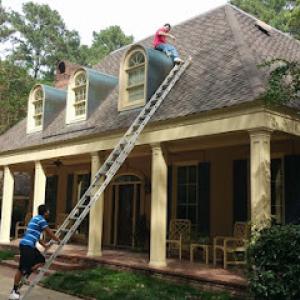
A-1 Roofing & Remodeling
(334) 434-9166 www.facebook.com
Serving
4.7 from 19 reviews
At A1 Roofing and Remodeling, we take pride in delivering top-quality craftsmanship with reliable, hassle-free service. Specializing in both residential and commercial roofing and remodels, we bring years of experience and dedication to every project. Whether you’re upgrading your home, repairing storm damage, or giving your space a whole new look, our team is committed to getting the job done right—the first time. We’re proud to guarantee first-time passes on all Section 8 inspections, giving property owners and landlords peace of mind and faster turnaround times. At A1, your satisfaction is our standard. Let us help you protect, improve, and transform your property today.
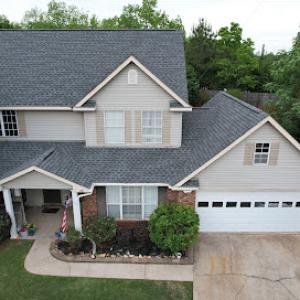
Safeguard Roofing Group
(256) 717-8871 www.safeguardroofinggroup.com
Serving
5.0 from 8 reviews
Since the very beginning, the professionals from Safeguard Roofing Group have wanted to be known as Full-Service Roofing Contractors that you could truly trust. From day one, we pledged to offer 5-star home roofing, commercial roofing, residential exteriors, commercial exteriors, home renovations, remodeling, property restoration, and so much more to every customer who called. We pledged to not only offer Alabama’s best roofing and exterior expertise to our clients, but to offer those services with better quality products, a higher level of craftsmanship, and at more affordable pricing than any regional competitor.
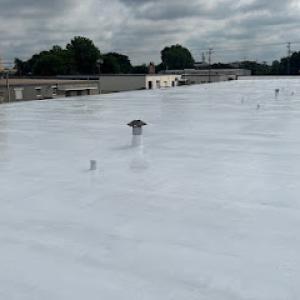
Leak Solutions
(205) 222-2286 www.speyerroofing.com
Serving
5.0 from 3 reviews
Leak Solutions is a professional roofing contractor in Birmingham, Alabama, providing expert roof repair and replacement services for commercial properties. Our team of experienced technicians are equipped to handle a variety of roofing systems and materials. Our ultimate goal is to provide dependable and long lasting solutions to our clients' roofing needs. Contact us today for a free consultation and estimate.
Heritage Roofing & Construction
Serving
4.0 from 4 reviews
Heritage Roofing and Construction has been working diligently for home owners and businesses for over a decade now. We specialize in new home remodeling, additions, and full roof installations. We work hard daily to provide superior services for each and every customer. Call Heritage Roofing and Construction today to ask for a quote! Available weekends by appointment. Emergency services available.
L & D Roofing & Construction
Serving
4.0 from 4 reviews
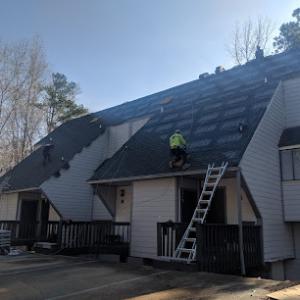
We offer all types of roofing services. Roofing inspections and estimates are free.
MAYAN construction
Serving
5.0 from 1 review
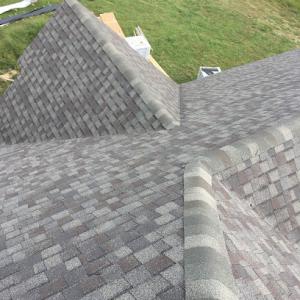
I do very quality job I’m dedicated to do the best we can. we do roofing, carpentry, remodeling drywall flooring etc....
Ron Wilkins Roofing & Repair
Serving
5.0 from 1 review
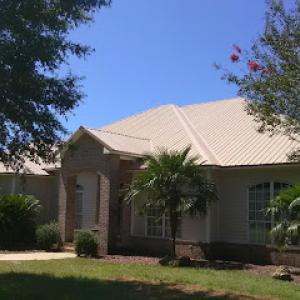
We are the top choice in Bay Minette, AL, if you are looking for roofing services. We understand that roofing is critical to ensuring the safety, security, and value of your home. Ron Wilkins Roofing and Repair will work closely with you throughout the service to ensure that the results exceed your expectations while staying within your budget constraints.
Full Service Roofing
(205) 478-6246 www.fullserviceroofingal.com
Serving
5.0 from 1 review
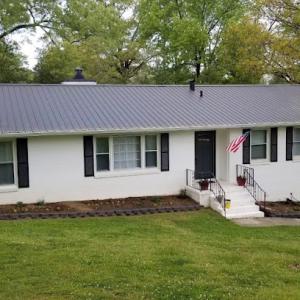
We are full service roofing company. We service all your roofing needs from putting a new roof on to repairing the damage on the inside that the old roof caused. We do shingle and metal roofs. We repair all kinds of storm damage. In addition to installing new roofs, we also take care of any and all storm damage that may have been caused by damaged shingles or a tree falling on your roof. In addition, we can also do any exterior work. Such as siding or adding or removing dormers or changing paint color on your house. We also do all sorts of remodel work from whole house renovations to bathrooms and kitchens. Truly your one-stop shop for all your home repair and renovation needs. Call us you'll be glad you did.
Selma's historic housing stock means many roofs sit over decking that has seen decades of sun, humidity, and temperature swings. In practice, this shows up as soft spots under shingles, squeaky or creaking boards, and flashing that has shifted with seasons or settled over time. When a roof is opened for replacement, those aging deck components often reveal themselves in ways that slow work and push budgets beyond what was planned. The practical takeaway: expect to confront deck condition early in the project, not as an afterthought.
On older homes, inspectors routinely verify deck exposure before approval, making hidden deterioration a common reality. What looks solid from the attic hatch or the underlayment void can hide rot,cupping, or fastener corrosion behind a layer of shingles or underlayment. This isn't just a cosmetic issue; compromised deck structure can affect roof alignment, wind resistance, and long-term performance. Scheduling should allow for extra time to assess and address unseen damage, and buyers or owners should be prepared for incremental work once the roof comes apart.
Many historic homes carry multiple roofing events stacked over the years. When removing a modern top layer, the project may uncover older underlayers, flashing details, or even mismatched substrate components. Each layer adds weight, potential gaps, and compatibility questions with the current roofing system. The decision to retain, retrofit, or replace underlying materials will hinge on this uncovered reality. A cautious approach asks for a measured assessment of what lies beneath before committing to a finish that matches architectural style and long-term durability.
In this neighborhood context, material choices aren't driven by fashion alone; they must align with older architectural styles while withstanding central Alabama weather. Some textures and profiles echo historic aesthetics but behave differently under hail, heavy rain, and heat. The wrong match can accelerate aging, complicate flashing details, and look incongruent with surrounding structures. The best outcome respects both resonance with historic character and modern performance, so detailing and product selection are approached with particular care.
Thunderstorms and humidity drive aging in Selma's roofs in ways that aren't always obvious at first glance. Moisture can travel through decking and into attic spaces, leading to mold risk and accelerated wear on underlayment and fasteners. When a storm hits, the payoff for proactive inspections is lower risk of hidden rot and a smoother restoration path. If a roof is already showing signs of aging, consider a candid assessment of deck and flashing integrity as part of the plan, even if the visible damage seems localized to shingles.
In this climate, the hot, humid summers push shingles and their underlayment to the limit. Asphalt shingles, which are common on Selma's older homes, can dry out, curl, and lose luster faster when exposed to extreme heat and humidity. That moisture-soaked heat accelerates aging of the deck and adds to the risk of premature granule loss. The result is more frequent inspections and quicker cycles of minor repairs that, left unchecked, cascade into bigger leaks. If a roof looks fine from the ground but feels warm to the touch on sunny afternoons, that is a telltale sign the underside areas are aging and need closer attention.
Central Alabama brings thunderstorm after thunderstorm in the warmer months, so roofs endure repeated wet-dry cycling. This pattern stresses seals, flashing, and sealants around penetrations like chimneys, vents, and skylights. Over time, cycle-driven movement can open small gaps, allowing moisture to migrate beneath shingles and underlayment even when no obvious leak is present. In older homes, flashing may have been originally installed with materials and techniques that don't stand up well to this climate's cycling. The practical takeaway is to plan for proactive flashing checks after the peak storm season and to treat any tiny gaps as warrants for repair before they become leaks.
Selma's housing stock includes many historic layouts with multiple penetrations and relatively complex flashing details. The combination of abundant humidity and frequent rain makes these joints prime spots for moisture infiltration that can travel along the roof deck and into the attic. Moisture retention, particularly in shaded or low-ventilated attic spaces, compounds deterioration of underlayment and timber components. Regular attic ventilation checks and a cautious eye on any dark staining, musty smells, or interior attic condensation can help catch issues before visible staining appears on ceilings.
Choosing the rhythm of roof work around the hottest months reduces installation disruption and protects sensitive components from heat-related stress. In practice, scheduling replacements or major repairs for spring or fall aligns with milder temperatures, lower humidity, and fewer skip-a-generation storm interruptions. For homes with long-lived flashings or sealed seams, a targeted, stepwise approach-addressing the most vulnerable areas first, then following with leaf and debris removal in the shoulder seasons-helps extend roof life in this climate.
You'll find asphalt shingles remain a dominant choice for the typical Selma roof because they fit the local housing stock and are easier to replace after storm damage than heavier premium systems. The shingles come in a wide range of profiles that can mimic more expensive looks without overwhelming older structures. When choosing, focus on weight tolerance, the age of the roof deck, and the ability to seal against rapid rain bursts common in central Alabama summers. If your home has historic features, select a shake or architectural style shingle that complements the period without sacrificing wind resistance or moisture protection.
In storm-prone conditions, the forgiving nature of asphalt shingles matters. Look for high wind resistance ratings and good algae resistance, since humidity can accelerate surface wear. Pay attention to edge detailing at eaves and valleys, where storm-driven rain is most relentless. A solid attic venting plan helps avoid heat buildup that can accelerate shingle aging and damage from hail. If you've experienced repeated hail impacts, discuss impact-resistant options with your contractor, ensuring the chosen product matches the roof pitch and drip line geometry of the home.
Metal roofing is popular for shedding heavy rain and tolerating heat, which aligns well with Selma's climate. The metal's reflective surface helps reduce interior heat gain, which can ease cooling loads in the hottest months. The key in this climate is detailing around flashing and fasteners for reliability during frequent thunderstorms. Pay close attention to how seams are sealed and how panels are integrated with chimneys, vents, and skylights. If the roof is shallow-pitched or features historic detailing, confirm a metal option that preserves the architectural cadence while delivering robust weather resistance. A skilled installer will also ensure the underlayment and edge trim are compatible with metal systems to prevent leaks during sudden downpours.
Clay tile, concrete tile, slate, and synthetic options appear on higher-end or architecturally distinctive homes, where structure, pitch, and historic appearance can affect feasibility. Tile and slate can offer excellent longevity and a curated aesthetic, but require a solid, compatible deck and precise flashing around penetrations. If the roofline is historic or the pitch is quite shallow, these materials may need a more careful assessment by a roofer who understands the era's construction practices. Synthetic options can mimic natural materials with sometimes easier installation and maintenance, but still need proper alignment with the roof's drainage and wind resistance requirements.
Regardless of material, prioritize systems that reinforce moisture management, given constant Alabama humidity and storm exposure. Ensure the roof system includes a proven underlayment, effective ventilation, and a seamless interface at walls and gutters. For older homes, collaborate with a roofer who can balance architectural authenticity with modern performance, so the roof defends the interior without compromising curb appeal.
Provided local cost ranges run about $350 to $600 per square for asphalt shingles, $700 to $1200 for metal, $900 to $1700 for clay tile, $850 to $1400 for concrete tile, $450 to $900 for synthetic/composite, and $1200 to $2500 for slate. In practice, these figures reflect not just materials but the age and condition of old homes here. When an older house requires deck repairs, flashing replacement, or tear-off of prior roofing layers discovered after removal, costs routinely rise. A common scenario is finding additional damage once the old shingles are lifted, especially in humid summers that hide moisture behind the façade.
Storm-driven demand spikes in central Alabama can tighten contractor availability and push reroof pricing upward during active hail or thunderstorm seasons. If a storm system rolls through, expect bids to come in within a narrower window and for scheduling to compress. For a historic or older home, the risk of delayed starts or partial tear-offs extending the project can also affect final numbers. Seasonality matters: after a severe hail event, the same material may command higher prices due to rush work and limited crews.
Asphalt remains the most common starting point, but in tighter budgets or for a longer lifespan, metal or tiles present different trade-offs. Metal offers durability against hail but can incur higher upfront costs. Clay or concrete tiles add distinctive aesthetics and longevity but may require roof deck evaluation and potential reinforcement. Synthetic shingles can bridge price gaps while delivering reasonable performance in heat and humidity. Slate, while premium, often demands additional deck and framing considerations given its weight.
To manage bid swings, start with three detailed bids that include a full tear-off scope if applicable, deck repairs, and flashing replacement. Ask each contractor to itemize removal, disposal, and any potential underpinning or reinforcement needs. Request a plainly stated timeline with weather contingencies and a line-item forecast for material price risk. Compare not just total price but responsiveness, warranty terms, and the clarity of the inspection findings. In Selma, awareness of how older structures can reveal hidden moisture helps ensure bids account for moisture-related aging and possible expedited warranty claims. Take notes on what each contractor includes for contingencies, and prefer bids that address moisture aging and deck integrity as part of the proposal.
Full re-roofs in Selma generally require a building permit from the City of Selma. Before any shingle, tile, or metal work begins, the contractor should pull the permit and submit a basic project plan, including roof dimensions and high-level material type. Expect some back-and-forth on plan details during busy periods, and be prepared for longer turnaround if the project lands in peak roofing season. The permit will tie into code compliance for ventilation, flashing, and deck exposure, so it's wise to choose a contractor who can provide documentation from the permit review stage.
Selma inspections typically verify deck exposure, flashing, venting, and overall installation quality, followed by a final inspection after completion. Deck exposure ensures the roof deck is properly prepared and can support the new roofing system. Flashing checks focus on transitions around chimneys, walls, and intersections with dormers to prevent moisture intrusion. Venting assessment helps avoid heat buildup and premature aging of the roof structure. The final inspection confirms everything is properly installed and weather-tight. Have your contractor schedule inspections promptly; delays in inspecting can hold up final occupancy and, in turn, outdoor repairs or interior work tied to the roof.
Homeowners and contractors in Selma may encounter occasional permit processing delays during peak roofing seasons. Plan for a window that allows for permit review, material delivery, and weather contingencies. If a delay occurs, use the extra time to verify that attic ventilation, chimney flashing, and any vent boot details meet local expectations. A proactive approach with the permit authority and the inspector can reduce re-inspection rounds.
Keep a clear line of communication with your contractor about permit status and inspection appointments. Have all manufacturer and code-compliance documents ready for review. After each inspection, address any noted adjustments quickly to keep the project moving toward a final sign-off.
In a central Alabama roofing market, the combination of hot summers and frequent thunderstorms means insurance underwriting around here is shaped by higher storm and hail claim frequency than low-loss regions. That reality pushes renewal decisions to be more conservative during years with elevated claims, even though competition among carriers remains present most of the time. The result is a practical sense of vigilance: your roof's age and recent storm history matter when insurers review your policy at renewal.
During years when storm activity spikes, the underwriting lens tightens. Premiums can rise or carrier choices can narrow, and that tightening often shows up in the form of higher scrutiny of recent repairs, shingle-age, and visible aging on historic or long-standing roofs. If your home has weathered repeated thunderstorm events, the market tends to respond with more conservative terms until there is a clear pattern of stability in the roof condition and claim history.
After a significant weather event, adjusters frequently request documentation to move claims through efficiently. You should have date-stamped storm photos, contractor assessments, and written bids ready. Photos that capture darkened shingles, granule loss, hail impact patterns, and interior moisture spots can be essential when a claim is reviewed. Written bids from trusted local contractors help establish a repair path and demonstrate you're pursuing a timely resolution rather than chasing speculative fixes.
With the market's sensitivity to recent weather, preparing for renewal means maintaining a proactive record of roof age, workmanship quality, and any prior storm-related repairs. The better the documentation and the clearer the repair history you present, the smoother the process tends to be when insurers evaluate risk at renewal. In years with heightened activity, ensure your file includes an up-to-date assessment from a reputable local contractor to support your case for continued coverage.
When severe weather is forecast, prioritize timely communication with your insurer and your contractor. Early, clear reporting of hail or wind damage helps avoid delays that can complicate renewals or claim outcomes. Keeping these practices consistent in high-loss seasons can reduce surprises when the next storm season arrives.
Spring brings hail and heavy rain risk, so inspections after storms should be prioritized even if a full replacement isn't planned yet. After a big storm, walk the attic access and ceilings for fresh moisture spots, and check shingles for bruising or granule loss. In older homes, flashing around chimneys and vents is a common trouble spot that can leak first. If a hail event hits, arrange a storm-driven quick assessment within 24 to 72 hours to catch moisture before it migrates into sheathing or rafters. A homeowner with good visibility of the roof from the ground can spot lifted edges or unusual shingle curling, but a licensed roofer should confirm hidden damage under tarps and in gutters.
Summer heat and humidity make reroofing more physically demanding and can complicate scheduling during the hottest stretches. If replacement is on the table, plan for milder mornings and cooler evenings, and expect longer days. Asphalt and composite options are more forgiving in heat, but synthetic or tile materials may demand careful handling to avoid thermal expansion issues. If a storm window trims work, consider delaying non-urgent tasks to the milder days of late spring or early fall, ensuring crews can work safely without heat-related fatigue slowing progress.
Fall is often favored locally because it avoids peak heat while still allowing work before occasional winter freezes stress sealants and flashing. Schedule an assessment early enough to map out materials and a phased replacement plan, so maybe a portion of the roof is secured before the colder snaps arrive. If moisture has already crept in, prioritize sealing vulnerable areas first, then complete the install in consecutive dry days to minimize splash and water intrusion.
If multiple sections show wear-soft spots near eaves, cupped or curling shingles, or repeated minor leaks-prepare for replacement rather than repeated patching. In historic neighborhoods, matching the existing profile and color is a practical consideration, so home-specific stock and craftsmanship quality should guide the timeline. A practical approach weathers the calendar: inspect after storms, aim for fall execution, and coordinate limited disruptions to daily life during peak heat.