
Last updated: Apr 19, 2026
Spring thunderstorms arrive with little warning in this elevated north-central Alabama setting, and hail is a recurring roofing concern that drives replacement demand. When those louder storms roll through, the roof takes the first beating-the hail bruises, lifted shingles, and wind-driven rain can turn a minor issue into a structural concern in days. The timeline here hinges on rapid post-storm assessment: the longer a dented or torn section goes untreated, the more water intrusion and interior damage can accumulate. In this climate, you should plan for a faster-than-average check after a hail event, especially if you notice granule loss, dark bruising on the shingles, or curling edges along the eaves. Delays can snowball if a storm system brings multiple rounds of hail within a few weeks.
After a big storm, Alabama's frequent severe-weather pattern creates claim surges that slow the typical flow of inspections, material delivery, and contractor scheduling. In Cullman, you may face a backlog as roofing crews juggle multiple neighborhoods hit in a short window. Expect delays in getting a licensed inspector on the roof and in securing shaded work hours while crews navigate tight daylight windows and transport constraints. If you experience a hail-rich event, document everything: date, visible damage, and any interior signs of water intrusion. This record helps cut through backlog delays and orients decisions about temporary tarping versus quick permanent repair, reducing exposure to further weather before a professional can assess.
Storm-driven damage can vary from cosmetic bruising to compromised underlayment and deck integrity. In this inland setting, wind-driven rain can push moisture under shingles and into fascia or racks, widening the scope of needed work rapidly. A crucial moment is when two or more major indicators align: visible shingle damage in multiple areas, shingles that are lifted or delaminated, and evidence of moisture intrusion inside the attic. That combination often signals replacement rather than a patch. Waiting for a long dry spell is tempting, but prolonged exposure can worsen hidden damage and reduce the effectiveness of temporary protections.
If you've just weathered a significant hail event, establish a priority path: secure a temporary tarping solution if there's active drip risk, contact multiple licensed local roofers for quick evaluations, and request on-site inspections within 24 to 48 hours when possible. In this market, a clear, documented damage report speeds up scheduling, minimizes downtime, and helps avoid clashes between insurer timelines and contractor availability. Coordination matters: align hail-damage assessment, insurance adjuster visits, and material delivery within a tight window to prevent extended exposure to rain and sun which can exacerbate underlying issues.
Staying proactive after a storm matters. In Cullman's climate, hail and thunderstorms tend to cluster during peak season, so reinforcing vulnerable sections-edges, valleys, and around vents-can reduce future risk. Keep gutters clear, ensure proper drainage away from the roof line, and inspect after every significant storm. Quick, decisive action saves time, reduces the chance of unseen interior damage, and positions you to ride out the next wave of weather with less disruption.
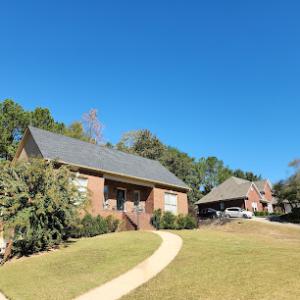
B&A Roofing―Alabama
(256) 692-5527 www.baroofings.com
417 3rd Ave SW Suite 275, Cullman, Alabama
5.0 from 123 reviews
B&A Roofing specializes in shingle roof replacements and gutters on residential and commercial properties. We are prompt, professional, and honest. Please call us and let us know how we can assist you. Also, send an email if you prefer to info@baroofings.com
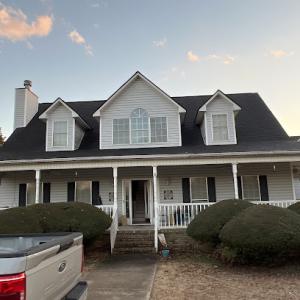
Top Choice Roofing
(256) 620-5482 www.thetopchoiceroofing.com
651 Co Rd 384, Cullman, Alabama
5.0 from 120 reviews
Here at Top Choice Roofing our roofing professionals have an extensive background in roofing installations with experience in the roofing construction and roof repair to suit all your project needs. We are committed to providing you the information you need to make an informed choice when selecting a roofing contractor. From your initial contact, we will guide you through the entire process from setting up the initial roof inspection, asking you about your desires or specifications, working within your budget and plans, educating you about your options, to ultimately installing a roof and providing service that will exceed your expectations!
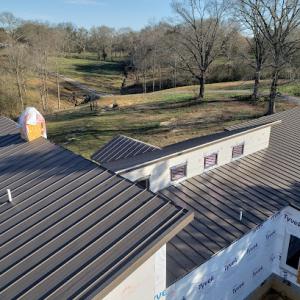
Thomas Metal Roofing
4805 Co Rd 1669, Cullman, Alabama
5.0 from 13 reviews
Commercial and residential roofing company that specializes in Ag-Panel, R-Panel, Standing Seam, TPO
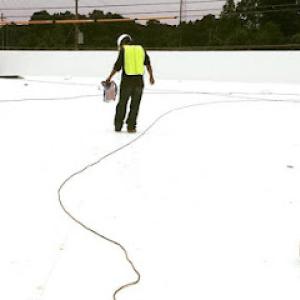
Willoughby Roofing & Sheet Metal
WRSM Headquarters, 111 2nd Ave NE, Cullman, Alabama
4.4 from 23 reviews
Willoughby Roofing & Sheet Metal, Inc provides new commercial roofing, replacement, new construction, and 24-hour emergency service to the Northern Alabama area.
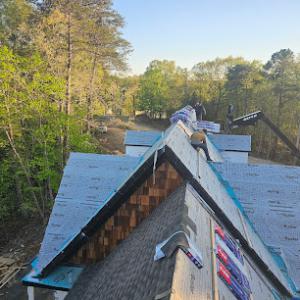
Elias remodeling & New Construction
1205 Dripping Springs Rd NW, Cullman, Alabama
4.6 from 10 reviews
Elias Remodeling And New Construction has over 23 years experience providing roofing and interior remodeling services to through out Alabama, Louisiana, Tennessee and Florida. Call or visit our site for a free estimate. Licensed, Bonded, and Insured.
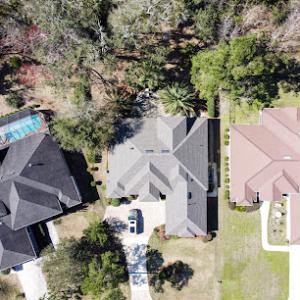
Traditions Roofing & Construction
(205) 718-5170 www.builtbytraditions.com
By Appointment Only, 515 4th St SW, Cullman, Alabama
5.0 from 5 reviews
Traditions Roofing & Construction is a family-owned roofing company serving Cullman, Birmingham, and surrounding areas since 2009. We specialize in roof replacement, roof repair, and gutter installation for homes and businesses. From minor repairs to 50,000+ sq. ft. commercial roofs, our fully licensed and insured (AL #30148; #57250) team delivers quality craftsmanship and on-time completion. We offer top industry warranties and financing options through trusted local and national lenders. Call today for your free roof replacement estimate!
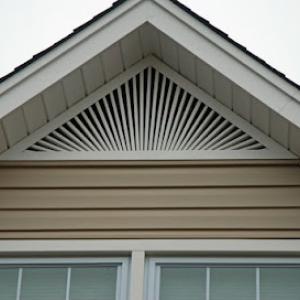
A-1 Siding, Windows & Roofing Company
(256) 739-6524 www.cullmanroofingandwindows.com
Serving
4.8 from 24 reviews
A-1 Siding, Windows & Roofing We have proudly served the Cullman area for over 21 years and are locally owned and operated. We are blessed to have grown up in Cullman and have great respect for our community and its' citizens.
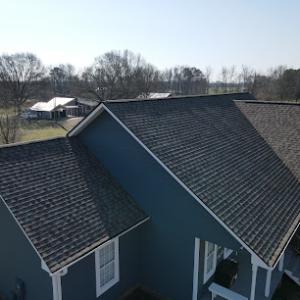
Patriot Roofing & Restoration
Serving
5.0 from 6 reviews
Patriot Roofing and Restoration is a trusted roofing company specializing in roof repairs, replacements, and insurance claims assistance. With years of experience, we provide expert craftsmanship and reliable service to homeowners and businesses alike. Our team is skilled in handling storm damage, leaks, and general wear and tear, offering top-quality solutions to protect your property. We work closely with your insurance provider to ensure a smooth claims process, making your roofing experience stress-free. Choose Patriot Roofing for dependable, professional service every time.
Solar Barrier Roofs
(256) 303-8017 www.solarbarrierroofs.com
Serving
5.0 from 2 reviews
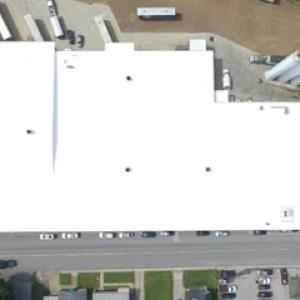
Solar Barrier Roofs, LLC serves as a premier Commercial roofing contractor in the Huntsville Alabama area and beyond. We're a team of fully-certified proffesionals who provide a wide variety of commercial roof services, everything from large complex projects to smaller scale jobs. We go the extra mile to make sure clients are completely satisfied with our work. Call us today to schedule a consultation.
Boxwood Roofing & Restoration
(256) 206-3277 www.boxwoodroofing.com
Serving
5.0 from 76 reviews
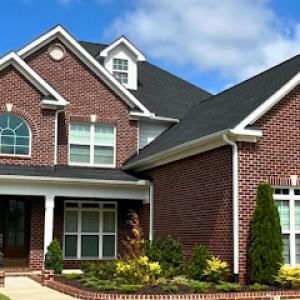
Boxwood Roofing and Restoration provides roofing contractor services to the Hartselle, AL area.
Southern Construction & Roofing
(470) 794-0794 www.scratlanta.com
Serving
5.0 from 13 reviews
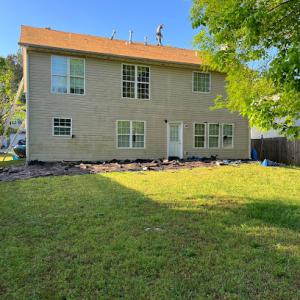
We are a small family owned business. We require ALL of our employees and vendors to operate at the highest standards. We believe in a no hassle, non complicated quote process. There will never be ANY high pressure sales from our client relations department. We would rather earn your business the old fashioned way.
Cullman Roofing & Repair
Serving
5.0 from 2 reviews
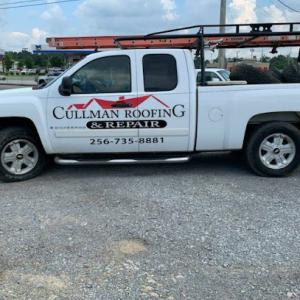
Here at Cullman Roofing and Repair, I pride myself on my professionalism, as well as my ability to complete every job to the homeowner's total satisfaction. I never leave a job unfinished, or a homeowner not 100% satisfied with my level of service - Call today!
Asphalt shingles are common in Cullman, and that choice fits the local homeowner stock. The hot summers here accelerate granule loss and thermal aging, so you'll notice more color fade and occasional "blistering" or curling on older shingle edges after repeated heat cycles. The underlayment and ventilation become part of the equation in a climate where radiant heat sits on the roof for large portions of the year. If you already have asphalt, pay attention to fastener security and edge detailing, since strong afternoon storms can lift or loosen pieces where heat has stressed the sealant over time. For new installs, prioritize shingles with good heat resistance and a warranty that reflects local sun exposure. Pairing with a breathable, high-quality underlayment and a well-ventilated attic can slow deterioration and keep interior spaces more comfortable during the hottest months. In a storm-forward climate, look for reflective granules on the shingle surface to help reduce surface temperatures and extend roof life through multiple hail seasons.
Metal roofing is especially relevant in Cullman because it performs well against heavy rain and can better tolerate repeated storm exposure common in north Alabama. If metal is chosen, consider panels or ribbed profiles that shed water quickly and stand up to wind-driven debris. The standing-seam style tends to handle thermal movement well in humid heat and can reduce the risk of leaks where roof penetrations are near the edges. A metal roof also benefits from a properly integrated condensation control strategy inside the attic, since humidity levels rise quickly in the sultry months. Insist on corrosion-resistant finishes and a warranty that covers both color and panel integrity after years of sun and storm exposure. If you're updating an older home with a lighter roof structure, confirm structural compatibility; some mid-century structures may need reinforcing to carry the weight of a full metal system during a significant storm sequence.
Tile and wood options exist locally, but heavier systems may raise structural questions on older homes, and wood products face added moisture-related maintenance pressure in the humid subtropical climate. Clay and concrete tiles offer excellent hail resistance and a long service life, yet their weight requires a capable frame and sometimes a reinforced roof deck. For wood shingles or shakes, the humidity in this area can lead to faster moisture-related issues like warping or mold if ventilation and drying are insufficient. If choosing tile, verify attic ventilation and roof slope compatibility to maximize wind resistance and minimize the risk of cracking under hail impact. For wood, expect more frequent treatment and inspection for signs of moisture damage, particularly after wet seasons when humidity remains elevated. In either case, ensure the fasteners and sealants are rated for high heat and humidity, to maintain a tight, weatherproof roof across the seasons.
Regardless of material, prioritize ventilation and drainage. A roof that breathes well reduces heat buildup and helps shingles or tiles resist thermal wear. Inspect flashings and penetrations after storm cycles, especially where hail or heavy rain hits hardest. In a climate with hot days and stormy afternoons, a well-chosen material pairs with thoughtful installation details-vented soffits, ridge vents, and dry-in systems-that keep moisture out and energy efficiency up.
Spring and fall are the most favorable installation windows for a replacement in this area. The milder temperatures make tear-off, underlayment, and shingle or panel seating more predictable than in the peak of summer, and they avoid the cold dampness that comes with winter. In Cullman, crews typically avoid the hottest days of July and August, when heat and humidity can slow seating and affect workmanship. If you are aiming for a smooth project timeline, target mid-spring or mid-fall when the air is comfortably warm and daytime cues align with a consistent work rhythm. Spring offers enough daylight to complete tasks daily, while fall avoids the lingering heat that can stretch job duration and compromise sealants.
Spring storm activity in this area creates a paradox: ideal temperatures can coincide with frequent weather delays, especially when hail events trigger emergency demand and backlogs. If a hail event has occurred, anticipate a surge in demand for crews and materials. Your plan should allow for potential back-to-back days of rain or hail-driven interruptions, followed by a rush window when conditions finally clear. When scheduling, build a realistic countdown that buffers a few weather-contingent days. Have your contractor provide a provisional timeline with built-in flexibility, and confirm a preferred backup plan for impactful storms, such as deck protection and tarp procedures to minimize exposure if a late afternoon shower interrupts ongoing work. On dry spell days, work energy tends to peak, so aligning the most labor-intensive phases (tear-off, underlayment, and roof installation) with these windows can maximize progress without forcing weekend work to absorb delays.
Occasional winter freezes can slow tear-off, sealing, and inspection timing even though the city does not face prolonged northern snow conditions. If a project spills into late fall or early spring and a cold snap arrives, expect delays in adhesive curing, sealant setting, and shingle nailing in certain conditions. Plan for a modest slowdown period during freezes, and avoid ambitious milestones that rely on rapid temperature-dependent tasks. When the forecast shows a sustained period of above-freezing days, reintroduce the full work sequence promptly to recover any lost time. If inspections are required mid-winter, coordinate with the contractor to ensure a warm, accessible attic space and sheltered pathways to the roof so frost or ice formation does not become a safety hazard.
Work with a trusted local crew who understands seasonal quirks and typical storm patterns. Have a clearly defined start date with a realistic buffer for weather-induced pauses, and keep a mid-project checkpoint to reassess weather forecasts for the next two weeks. Establish a daily plan each morning that prioritizes safety and material protection, especially during the transition from tear-off to new roofing installation. For fall and spring, consider aiming for completion ahead of any predicted late-season rain events, while keeping a contingency block for potential hail-related delays in spring. In all cases, ensure your chosen window minimizes prolonged exposure to heat, moisture, and repeated wind-driven debris to maintain integrity from tear-off through final sealing.
Typical material pricing in Cullman aligns with these ranges per square: asphalt shingles 350 to 700, metal 600 to 1200, clay tile 900 to 1800, concrete tile 800 to 1500, wood shingles or shakes 500 to 1000, and synthetic or composite shingles 400 to 800. Those numbers reflect the local mix of homes with asphalt still the backbone and a healthy share of metal and concrete tile on newer or higher-end builds. When you price a reroof, that per-square spread is the framework you compare against. If a contractor quotes far outside those bands, ask for a line-by-line breakdown to see where the delta comes from-sheathing repairs, underlayment upgrades, or upgraded starter and ridge products. In this market, a straight "one-size-fits-all" price rarely sticks once the job moves from paper to reality.
North Alabama storms can nudge prices upward after a cluster of hail events. When regional claim volume tightens labor availability and stretches supplier lead times, you'll notice a lag between material deliveries and crew scheduling. In practical terms, prepare for modest price escalations and longer wait times if a storm outbreak coincides with your replacement window. The effect shows up not only in the sticker price but in job duration. A more complex scenario-such as a higher-end roof system or multiple layers to remove-can amplify the impact, especially if crews are diverted to high-demand neighborhoods or adjust to weather-driven delays.
Costs shift with tear-off scope. If you're replacing with the same type of roof and the deck is solid, price stays leaner compared to adding a full tear-off and rebuild, which increases labor time and waste disposal. The pitch common to detached single-family homes in the area also matters: steeper slopes demand safer access, more specialized equipment, and additional crew hours. If structural or wind-related corrections are flagged during the project, expect adjustments to both material choices and fastening details, which can push the per-square cost upward. In practical planning, confirm the expected range for your chosen material and build type, then add a contingency for weather-driven scheduling and potential tweaks identified during teardown and inspection.
When planning a full roof replacement, the local building department requires a permit rather than treating it as a simple maintenance item. The process starts with submitting plans that show the scope of work, including the address, roof underlayment, and total square footage. In this region, the department looks for compliance with current code, including nailing patterns, underlayment type, and flashing details. Before any shingles come off or new materials go on, a permit review confirms that the project aligns with what the house can safely support after the work is done. If your roof has an unusual framing or an aging structure, expect the review to be a bit more rigorous and may necessitate a structural note from a licensed professional. The goal is to avoid surprises once crews are on site and to ensure that the upgrade stands up to the local weather patterns.
Cullman projects may need a tear-off and replacement plan that satisfies local code expectations before work proceeds to inspection stages. If the current roof is multi-layered, a complete tear-off is usually required, and a waste management plan may be requested by the building office. A tear-off plan also helps the contractor align disposal, recycling opportunities, and debris containment with the permit conditions. Even when an overlay might seem tempting, the code and the inspector's eye often favor a full removal to ensure there are no hidden rot, mold, or compromised sheathing. You should coordinate with the contractor to schedule a pre-inspection of the roof deck, confirming sheathing integrity, roof-to-wall connections, and ventilation adequacy. Having this pre-check documented can streamline the permit review and shorten the overall timeline to project start.
Final inspection is used to confirm compliance, and some homes may trigger added review for wind or structural considerations depending on the existing roof system and house specifics. Inspectors will verify proper nailing patterns, correct installation of underlayment, flashing around chimneys and vent stacks, and the accuracy of attic ventilation. If the job includes improving wind resistance, expect the inspector to check for upgraded fasteners and edge detailing that meet current wind uplift requirements. In older homes with complex eave lines or unique roof geometries, there could be a supplemental review focusing on how the new materials tie into the existing structure and any potential impact on the building's overall performance during severe storms. Plan for addressing any punch-list items promptly, as a clean final inspection leads to certificate of occupancy or permit closure and ensures the roof won't become a liability during the next hail event.
In this elevated stretch of north-central Alabama, storms can hit with little warning and leave rapid wear on aging roofs. The season's hail and severe-weather events tend to cluster, which means insurers parse storm timing carefully. If damage is suspected but the claim is filed after a long gap, it becomes harder to separate new storm-related harm from pre-existing wear. This is especially true for asphalt and metal roofs common around here, where even small hail marks can be contested if the clock on the claim isn't clear.
Adjusters reviewing Cullman-area claims often look for documentation of storm timing, visible debris impact, wind-related uplift, and any mitigation features already present on the roof. That means a quick, honest assessment after a storm matters. Visible wind scouring, displaced shingles, and blown-on debris should be noted precisely. Mitigation features such as reinforced edging, attic venting, and proper underlayment installations can influence how damage is viewed. The goal for the adjuster is to connect the dots between the event and the damage, not to guess at the roof's history.
Because replacement demand spikes after north Alabama storms, homeowners need dated photos, contractor findings, and prompt claim reporting to avoid disputes over pre-existing wear versus storm damage. Take clear photos from multiple angles, including the roof slope and any attic signs of intrusion or moisture. Get an independent contractor's assessment quickly after a storm-preferably within a few days when possible-to corroborate what the photos show. Keep a dated timeline of when hail or high winds were observed locally, and attach it to the claim package.
When reporting, specify the storm date, the type of weather event, and the exact areas of the roof that show new signs of distress. If the insurer requests a reinspection, arrange it promptly and have the contractor present to translate on-the-ground findings into visible, reportable evidence. The stronger the documentation, the less room there is for pre-existing wear to be mistaken for storm damage, and the smoother the path toward a fair resolution.
In Cullman, common asphalt-roof problems are hail bruising, wind-lifted tabs, and accelerated aging from prolonged summer heat exposure. Hail can leave dents and soft spots that weaken the surface over time, while heat can dry out the asphalt granules and make shingles brittle sooner than expected. A damaged surface invites water intrusion around edges, fasteners, and around any mismatched patches. You'll notice this most after the peak of summer when the roof feels hot to the touch and the granules have eroded in patches.
Humidity and repeated rain events in the region make flashing details, penetrations, and underlayment condition especially important on replacement projects. Metal flashings can corrode or pull away with thermal cycling, while plumbing and chimney penetrations are frequent failure points where leaks begin. Underlayment can delaminate or become saturated during long wet spells, which means a roof that seems solid may still conceal hidden water damage. A careful inspection should treat every transition as a potential trouble spot, not a one-off fix.
Post-storm contractor volume in Alabama can increase the risk of rushed repairs or incomplete documentation, which matters more in this area because insurance review is often weather-event driven. Rushed work may miss proper nail patterns, ventilation considerations, or accurate recordings of existing conditions. Take time to verify every detail with the contractor, especially around penetrations and edge metal, so the claim path remains clear and repairs stand the test of another storm or a tougher summer.