
Last updated: Apr 19, 2026
Subzero stretches carve ice dams into a stubborn daily risk. Roof-edge ice frozen in place can linger for weeks, turning the eaves into a dam that redirects meltwater under shingles and into the attic. This isn't a cosmetic issue-the weight and water intrusion compromise decking, sheathing, and insulation. When temperatures swing wildly, the problem compounds: a hot attic, even if the shingles look fine from the outside, pushes meltwater toward the cold eaves and then back up under the edge of the roof. The result is interior damage, costly repairs, and the potential for mold in ceilings and walls. The long Alaska winter makes these failures likely if the attic isn't properly sealed and vented.
In this climate, attic heat loss matters more than shingle age. Extreme winter temperature differences drive heat upward from living spaces, seeking escape through any path-the attic hatch, light fixtures, or inadequate insulation around penetrations. When heat reaches the attic, it softens ice dams at the eaves and fuels repeated freeze-thaw cycles that push water inward. Even roofs that appear sound at first glance can be failing at the critical interface between heated living areas and the cold roof plane. This is a performance problem you feel in the form of ice on the gutter line, damp ceilings, and the creeping suspect of hidden attic moisture.
Heavy snow accumulation paired with freeze-thaw cycles creates a pulse of backflow risk at the eaves, valleys, and around penetrations. The weight of snow isn't the only hazard; when meltwater can't shed properly, it finds every crack, joint, and vent boot to intrude. The field of the roof may still look intact, but the underlying structure can be silently compromised. Ice dams form a protective barrier for water that would otherwise drain away, trapping moisture in attic spaces and risking rot, insulation degradation, and compromised ventilation paths. The result is a cycle where interior warmth, snow, and ice collaborate to push damage deep into the roof system.
Start with a targeted attic assessment focused on insulation and air sealing. Prioritize enclosures around the attic hatch, attic access points, and any ceiling penetrations with sealing strategies that hold tight against the cold. Inspect attic ventilation routes-soffit intake and ridge or gable vents should establish consistent airflow to keep the roof cold along the eave line while allowing warm, moist air to escape above. Address ventilation imbalances that heat up the attic during the heart of winter, particularly around bathroom fans, kitchen exhausts, and lighting fixtures that sit in the attic or chase the ceiling. When snow accumulates, consider snow rakes or professional removal from the roof to prevent buildup that concentrates meltwater near the eaves. Finally, a thorough examination of curtains of ice along the eave line, valley, and around penetrations should guide targeted repairs that stop the water from backing up into the attic and onto interior surfaces.
In Fairbanks, snow behaves differently than in milder climates. The combination of extreme cold, long nights, and frequent wind-driven drifts means snow piles up unevenly across a roof, with heavy accumulations in valleys, over dormers, and along low-slope sections. Homeowners commonly worry about whether older framing can safely handle repeated winters of heavy snow, especially on additions, porches, and low-slope areas. If framing was designed for lighter winters or if previous remodeling ignored load paths, the risk isn't just a shingles issue-it's a structural concern that can reveal itself after the ice dam season has already begun.
Snow management matters more here because drifting and uneven accumulation can overload valleys, dormer intersections, and roof areas below upper slopes. A valley or a dormer intersection acts like a catch basin for snow, and when meltwater refreezes into ice, it binds with the snowpack to create ice dams that back up water under shingles. This isn't a cosmetic problem. Repeated freeze-thaw cycles pressurize joints, pull fasteners, and can damage sheathing and rafters if loads exceed design. The result is accelerated wear on materials that are still structurally sound in appearance but compromised in load-bearing capacity. The lesson is practical: plan for sustained, even snow distribution during the harsh months, and treat any recurring drift as a warning sign rather than a nuisance.
Attic heat loss and ventilation mistakes can waste energy and accelerate ice dam formation, but they also affect roof longevity in your first snowfall after a tear-off. When attic space leaks heat into the roof plane, snow near eaves and over lower slopes melts and refreezes, creating damming zones that stress the roof system. If the attic is too tight, warm air pushes toward the roof deck in spots that are already vulnerable, amplifying wintertime loads. A careful evaluation of insulation depth, air sealing, and venting arrangements is essential before snow season begins. In practical terms, this means checking for gaps around attic hatches, rim joists, and penetrations that can become pathways for warm air to rise into the rafter bays. A balanced ventilation strategy-adequate soffit intake with properly located ridge or mechanical exhaust-helps maintain a cold roof deck and reduces abnormal snow melt patterns.
Fairbanks homeowners frequently add rooms, porches, or expand existing roofs, and those changes can alter load distribution dramatically. Additions may create new valleys, skylight intersections, or low-slope sections that weren't evaluated for heavy snow. Drifting tends to concentrate at these junctions, magnifying the risk of ice dams and structural overstress if the framing wasn't upgraded to handle the combined load. When planning or evaluating these areas, look closely at how new framing ties into existing roof structure, whether the lowered slope is adequately supported for snow weight, and if drainage paths remain clear. In the drooling melt season, even small misalignments can become focal points for damage.
The short roofing season in Fairbanks means structural concerns discovered after tear-off can delay projects if reinforcement is needed before dry-in. If snowfall precedes a repair or re-roof, your crew may face weather-driven delays that leave exposed decking and rafters vulnerable. The practical takeaway is to address ventilation, insulation, and any suspected framing weaknesses early in the project scope while there's still reliable dry weather in the window. Proactive reinforcement to support added loads, especially in additions or low-slope zones, can prevent backtracking later in the season. Be prepared for adjustments if decking or framing shows signs of prior overloading, and prioritize securing a solid, properly vented, and weather-tight shell before snowfall returns.
Metal roofs are a practical choice when the winter months ball up heavy snow and long nights of cold. They shed snow more predictably than many other materials, which helps reduce ice dam risk when the attic is well vented and the roof is installed with proper slope and underlayment. But in winter, loose or uncontrolled snow sliding off can become a hazard over entryways, walkways, and lower roof sections. Plan for snow guards and a deliberate roof pitch that promotes controlled shedding. Build-up of ice at eaves still needs attention, so pair metal with a robust ice barrier, proper gutter heat cables in critical spots, and a well-sealed edge detailing to minimize ice backing into the drip edge. Consider an exposed fastener or standing seam profile based on local wind and snow exposure, then coordinate with a trusted installer who understands interior Alaska specifics.
Asphalt remains a common choice because it's familiar to many local homes, but brittle behavior in severe cold and vulnerability to ice backup demand careful winter detailing. When selecting asphalt, prioritize a product rated for extreme low temperatures and ensure the installation uses a reinforced underlayment and a continuous attic-to-roof ventilation plan. Shingle edges and pan flashing should be carried with continuous sealant or mastic where frost can intrude, and valley intersections must receive extra attention to minimize ice-dam pathways. Timing of installation matters: a dry window in late fall or early spring is preferable to keep shingles from becoming brittle during the depths of winter. Regular inspection after heavy snowfalls helps catch edge damage that can become a cracking point as temperatures swing.
Clay tile and slate show up in catalogs as durable, long-lived options, but in Interior Alaska they present weight and brittleness challenges that complicate use. Weight is a critical constraint on many standard Fairbanks homes, and the freeze-thaw cycle can induce cracks or spalling if the substrate or fasteners aren't designed for Alaska's extremes. Installation needs specialized know-how to manage thermal expansion, secure mounting, and proper underlayment strategies. If selecting clay tile or slate, expect a structural review to verify framing and sheathing can handle the load, and insist on a frost-capable installation plan with careful ice-dam detailing. In practice, these materials tend to be reserved for homes with appropriate structural support and a design that accounts for Alaska's long, cold season rather than standard suburban layouts.
A key factor across all material choices is attic performance. Excessive attic heat loss accelerates snow melt on the roof, creating water that refreezes at eave edges into ice dams. A well-insulated attic with a high-velocity ventilation strategy helps keep the roof near outdoor temperatures, reducing dam formation risk. In homes with vaulted ceilings or sun-facing vents, seal any gaps to prevent warm air from leaking into the attic space. For metal roofs, even heat sources in the attic can cause uneven melting, so a balanced approach with continuous insulation and venting is essential. After installation, run through a practical winter checklist: confirm attic baffles remain clear, inspect for attic ice formation during warm spells, and verify that soffit vents stay unobstructed by insulation.
When choosing a roof in this climate, prioritize profiles that handle snow shedding predictably, resist ice buildup at eaves, and tolerate freeze-thaw cycles with a robust underlayment and edge detailing. The goal is to minimize ice dam risk through a combination of material behavior, proper ventilation, and thoughtful installation details. If considering clay tile or slate, ensure the home's structure supports the extra weight and that the installer has Alaska-specific experience. For asphalt, insist on winter-ready detailing and a strategy for seasonal maintenance. For metal, emphasize controlled snow shedding, protective edge systems, and comprehensive ice-dam protections applied at the eave and through valleys.
Straight Ahead Construction
(907) 978-3344 www.straightaheadconstructionllc.com
2600 Horsetail Trail, Fairbanks, Alaska
5.0 from 40 reviews
Straight Ahead Construction, LLC is a licensed, bonded, and insured general contractor in Fairbanks, Alaska since 2005. We are residential construction company focused roof replacements and upgrades. We replace steel and shingle roofing as well as adding insulation, gutter installation, and rerouting bathroom and kitchen ventilation. We also specialize in boiler replacement and transfer switch installation for emergency generator backup power.
Northern Rain Roofing
(907) 385-5135 northernrainroofing.com
Fairbanks, Alaska
5.0 from 13 reviews
Specializing in Small Commercial and Residential roofing - Whatever your roofing needs we can help - entire roof or a section. We do new roofs and repairs as well as Blow-In Insulation. All of our work is warrantied. We believe in Quality Without Compromise - making sure everything is perfect is our first concern. No sales pressure - we are here to help, not hinder. You'll always feel comfortable and respected. We believe in giving a Detailed Quote - no surprises and no hidden costs. We have a Professional team who will be on time, courteous and pleasant. There will be Constant Communication - You'll always know what is happening every step of the way.
In Fairbanks, a feasible replacement window is compressed by long winters, subzero temperatures, and spring thaw conditions that can make access muddy or unstable. That means you plan ahead for a narrow stretch of cool, clear days and shoulder-season weather that can shift quickly. When a crew can be on site, the goal is to maximize solid work days in a row and limit interruptions caused by filling weather gaps. If your roof needs more than a few days, expect the schedule to hop between frost-safe mornings and warm afternoons, with storage and staging areas chosen to keep snow off ladders and tarps.
Homeowners often need to book earlier than expected because crews must concentrate full replacements into the short cool summer. Shoulder-season weather can change fast, so you want a firm start and a buffer plan for delays. Talk through access routes, a temporary staging zone for materials, and how to protect landscaping and vehicles from seasonal melt leaks. Clear communication with the crew about ice dam risk, attic ventilation checks, and snow-load considerations helps prevent backtracking once the first rafter is removed.
Emergency winter leak work in Fairbanks is often temporary stabilization rather than full replacement because adhesives, sealants, and safe tear-off conditions are limited in extreme cold. Expect rapid, practical fixes: tarping, temporary seals, and interior containment to minimize water intrusion while a longer-term plan is developed. If a leak is severe, prioritize stabilization to reduce interior damage and preserve structure until temperatures rise enough for proper sealing, tear-off, and reinstallation.
A critical early step is verifying attic insulation and ventilation. Deep snow loads and cold snaps intensify heat escaping into the attic, driving ice dam risk. Assess attic air leaks, chimney and vent penetrations, and pipe collars. The right balance of insulation and venting helps curb meltwater on the deck and reduces the chances of repeated winter leaks once the roof is replaced or repaired.
In interior Alaska, the typical cost ranges reflect both material choice and the region's unique logistics. Asphalt shingles run roughly $450 to $750 per square, while metal panels commonly land between $750 and $1300 per square. For clay tile, expect $800 to $1800 per square, and wood shingles or shakes run about $650 to $1000 per square. Synthetic or composite shingles sit between $500 and $1100 per square, and slate can push $1000 to $2200 per square. Those numbers assume standard supply channels and don't yet account for freight or specialty orders that can shift the bottom line. When a product is in steady demand elsewhere but scarce here, the Alaska freight adds a noticeable premium. Keep that in mind as you compare quotes.
Specialty products may introduce longer lead times than standard asphalt or common metal panels. If a project calls for unusual colors, textures, or a premium material, expect a longer wait for both material and hardware. Ordering windows should align with your attic ventilation and insulation plan, since delayed deliveries can hold up projects that depend on precise sequencing. In practice, a two- to six-week cushion is common for non-standard orders, depending on the exact product and the supplier's warehouse network. Coordinate with the installer about lead times before locking in a schedule, and confirm that the chosen product is stocked locally or can be shipped with reliable routing.
Labor pricing in Fairbanks climbs when the short summer schedule fills up, and roofs designed for heavy snow shedding or with intricate valleys require more labor hours. Projects that include added ice-dam protection details-such as better underlayment, continuous eave protection, or enhanced ventilation-often push totals toward the high end of the established ranges. If the plan includes steep pitches or complex transitions, anticipate longer installation times and higher push periods for crews to work safe in cold snaps. Communicate clearly with the contractor about seasonal windows and the likelihood of premium charges for urgent or extended weather-facing work. A thoughtful sequence-covering attic sealing first, then insulation upgrades, followed by roof assembly-tays aligned with both weather windows and supply availability.
A full roof replacement requires a building permit through the Fairbanks North Star Borough or City building department, rather than being treated as a no-paperwork maintenance item. Before any nails go through the old decking, you'll submit project plans, storm or wind load considerations, and a venting strategy tailored to Interior Alaska's extreme cold. Expect a review window where the department may request additional detail on attic insulation, vapor barriers, and drainage plan to prevent ice dam risk.
Inspections commonly concentrate on ventilation adequacy, underlayment type and installation, flashing at eaves and chimneys, and overall structural conditions. In this cold-climate region, energy and vapor-barrier compliance is scrutinized to ensure attic heat loss is controlled and that moisture cannot migrate into the roof assemblies. Your inspector may verify that attic access is properly sealed and that crawlspace or attic air barriers align with code requirements to reduce ice dam proliferation.
Choosing specialty roofing materials may trigger additional review or plan-check expectations. Homeowners should anticipate permit review alongside scheduled inspections during and after the project, not as a single visit. Having a clearly drawn venting diagram, roof assemblies with correct underlayment, and a concise wind-load and snow-load narrative helps the process move smoothly. If the project includes radiant heat elements, rigid foam insulation, or unusual flashing details, expect extra coordination so the permit office can verify continued compliance with cold-climate guidelines.
Early communication helps, especially with snow loads and attic ventilation details. Schedule a pre-submittal meeting if available, bring a complete set of drawings, including rafter spacing, decking span, fastener schedules, and a sealed plan showing how the vapor barrier ties into the home envelope. Be prepared for field visits during installation, and keep a log of changes from the approved plan to avoid delays.
In this climate, small attic heat leaks can melt into a dangerous ice dam that backs up under shingles, lifting edges and forcing moisture into the sheathing long before you notice any roof wear. The combination of extreme cold, deep snow, and gusty winds means a seemingly minor leak can turn into a much larger interior problem in a very short window. A roof that looks solid from the curb may still hide moisture damage in the attic or along interior ceilings once the thaw ends. Planning for proper ventilation and minimizing heat loss isn't glamorous, but it's the practical edge that keeps a roof intact through stubborn Interior Alaska winters.
In Fairbanks, insurance documentation is especially important for snow, wind, and storm-related roof claims because damage may involve both visible exterior issues and hidden moisture from ice backup. Expect adjusters to look for both surface symptoms and signs of moisture trapped in the decking or insulation. Pre-loss and post-loss photos, attic moisture evidence, and detailed contractor scopes can shape the claim if the loss proves to be sudden or related to prior deferred maintenance. Having a clear, dated record helps demonstrate what happened and when, reducing the guesswork that often slows claims.
Coverage decisions in the Fairbanks market can vary by insurer, so homeowners should confirm how their policy treats ice-dam damage, interior water intrusion, and code-related upgrades discovered during replacement. Carriers may assess whether damage originated from a storm event, from ongoing heat loss, or from aging components. If an ice dam is found to trace back to deferred insulation or ventilation shortcomings, some policies treat that differently than a sudden storm-driven breakthrough. Understanding where your policy ends and the practical repair begins can prevent disputes after a harsh season.
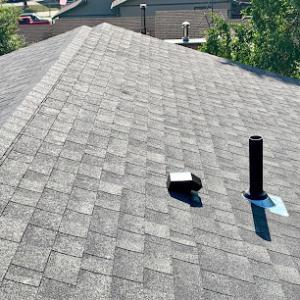
In Fairbanks, recurring failure points include eaves where ice backs up, valleys that trap snow, and roof penetrations where freeze-thaw movement can open flashing details. When ice dams form at the eaves, melting snow backs up behind them and refreezes, pushing against soffits and causing water to creep under shingles. Valleys collect wind-driven snow and heat losses along ridge lines can amplify melt patterns, so an otherwise sound roof can fail where snow sits the longest. Roof penetrations for vents, plumbing stacks, and skylights are magnets for leaks once the flashing takes on ice and ice expands around fasteners. Missing or damaged step-flashing and improper crickets turn small gaps into persistent leaks.
Attic condensation is a major concern because extreme indoor-outdoor temperature differences can expose weak air sealing and ventilation design even when the roof covering itself is relatively new. If attic insulation is uneven or attic baffles are blocked, warm indoor air heats the roof deck, driving condensate to those cold spots. Moisture travels from living spaces through any gaps in the ceiling plane and condenses on cold sheathing, potentially degrading roof longevity long before shingles fail. Tight vapor barriers, combined with undersized or obstructed soffit and ridge vents, create pockets where moisture lingers and ice dams become more aggressive.
Homeowners in Fairbanks often report problems first as ceiling stains or frost in the attic during winter rather than obvious missing roofing material after a storm. Those signs point to heat loss and condensation issues that couple with snow loads. If you notice attic frost on unusually cold mornings or stained ceilings, address air leaks, insulation gaps, and ventilation layout promptly, then re-evaluate attic access and penetrations to prevent a slow, costly cascade of interior damage.