
Last updated: Apr 19, 2026
Flagstaff sits at high elevation in northern Arizona, so roofs endure both substantial winter snow accumulation and strong summer UV in the same climate cycle. That combination isn't a theoretical concern-it's daily reality on a typical residential roof. Winter snow loads can stress older roof framing and reveal weak flashing, valleys, and penetrations when snow sits on the roof for extended periods. If gutters clog or eaves get ice-dammed, the extra weight shifts load to the rafters and can cause fasteners to loosen or small gaps to widen. A roof that looks solid in late autumn may show subtle signs of strain after a heavy snowpack settles for weeks. The smart move is to treat snow load as a year-round stressor, not a seasonal afterthought, and inspect for any movement, gaps, or loose metal anywhere snow could trap it against the roof plane.
Extreme sun exposure and radiant heat play with the same roof edge details that battle snow. UV damage dries and stiffens materials, especially around penetrations like chimneys, vent pipes, and skylights. When the snow finally melts, those weakened flashing fans out small leaks that weren't obvious during dry months. Look for hairline cracks in sealant around flashings, rust on metal kickouts, and any lifted shingle tabs near valleys. Monsoon timing compounds the risk: after a long dry spell, a sudden downpour can overwhelm aging seals that already struggled with freeze-thaw cycles. The result is intermittent leakage events that may not appear during extended dry spells.
Summer monsoon thunderstorms in this area bring bursts of heavy rain and hail potential, creating intermittent leak events that may not appear during dry periods. A roof that survived a winter intact can still fail under a summer deluge if valleys aren't pitched correctly, if gutters aren't clear, or if minor hail damage has compromised surface granules or metal edge details. Hail can deform soft metals, bend flashing, and compromise the integrity of fasteners, letting water creep into attic spaces where it's least wanted. The most reliable warning is a rapid, random dripping after a storm, often near a chimney chase, vent stack, or roof-to-wall transition. If you notice new dark stains, musty smells, or damp insulation after a storm, treat it as a red flag for ice damming or wind-driven rain entering through compromised seams.
Begin with a proactive, season-spanning inspection plan. In late winter, check for ice dam formation along eaves and around penetrations; ensure ice guards extend at least three feet past the exterior walls at the eaves and along valleys. After spring thaws, evaluate flashing integrity and sealant joints, especially where shingles meet chimneys and vent pipes. Before the late-summer monsoon window opens, remove debris from gutters and downspouts to prevent sudden gutter overload during storms. If a storm has passed and you notice staining, damp attic framing, or granule loss near eaves, arrange an urgent roof inspection to address potential hidden leaks before they escalate into structural concerns. In this climate, a vigilant, storm-aware approach protects both roof lifespan and interior comfort.
Hale's Roofing
(928) 235-4770 halesroofing.com
2501 N Fourth St #24, Flagstaff, Arizona
5.0 from 122 reviews
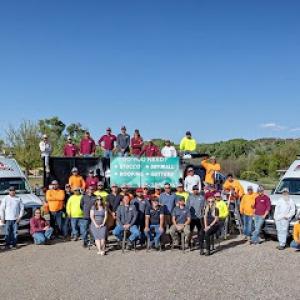
Hales Roofing is a roofing company and roofing contractor proudly serving Flagstaff, AZ and Northern Arizona for over 35 years. We are a family-owned and operated company committed to exceptional quality and service. We specialize in roofing, roof repair, roof replacement, commercial roofing, stucco, drywall, gutters, and walk decks—offering comprehensive exterior solutions for residential and commercial properties. From repairs to full renovations, our experienced team delivers dependable, high-end results. Our service area includes Oak Creek, Verde Valley, Cottonwood, Prescott Valley, Chino Valley, Camp Verde, Clarkdale, Cornville, Munds Park, Kachina Village, Doney Park, Williams, Paulden, Bellemont and Ponderosa Park, AZ
Vistas Roofing
(928) 310-6313 vistasroofingflagstaff.com
Flagstaff, Arizona
5.0 from 116 reviews
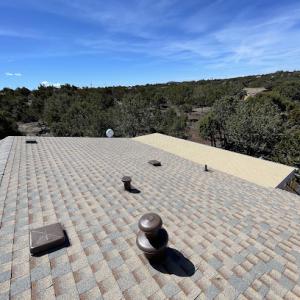
Vistas Roofing Count on us to cover you Serving Flagstaff and surrounding areas Licensed in residential and commercial Free Estimates (928)310-6313 Re-Roofs Metal Roofs Leak Repairs New Construction Roof Maintenance Asphalt Shingles Flat Roofs Residential Commercial Licensed Bonded Insured Roc# 329637
Polaris Roofing Systems
(928) 699-4840 polarisroofingsystems.com
2001 N 3rd St, Flagstaff, Arizona
4.7 from 251 reviews
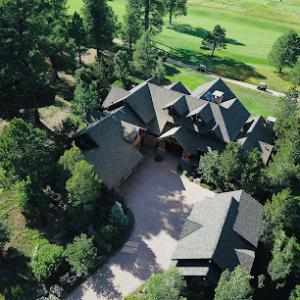
Polaris Roofing Systems is a locally owned roofing contractor serving Flagstaff and Northern Arizona with reliable residential and commercial roofing services. For over 25 years, our team has provided roof repairs, full roof replacements, hail-damage restoration, new installations, gutters, siding, and insurance-claim support. We work with all major roofing systems, including asphalt shingles, metal, tile, flat roofing, and impact-resistant materials. Our focus is quality workmanship, honest evaluations, and clear communication on every project. Call today for a free inspection.
Slade Roofing
(928) 417-1980 www.sladeroof.com
3585 E Industrial Dr, Flagstaff, Arizona
5.0 from 17 reviews
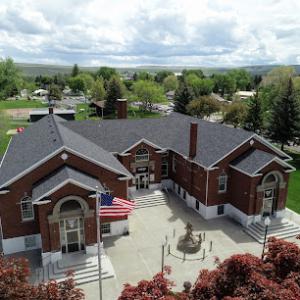
Slade Roofing was founded to protect homeowners by preventing unnecessary roof claims before they happen. Tyler Slade, an experienced insurance agent and roofing professional, built a company focused on quality roof installation, deep insurance knowledge, and claim prevention strategies. We install durable, Class 4 impact-resistant roofs designed to withstand hail and wind, reducing risk and insurance costs for clients. Our mission is to revolutionize the insurance industry one wind and hail roof at a time by bringing professionalism, transparency, and trust back to roofing. Experience roofing done right with Slade Roofing.
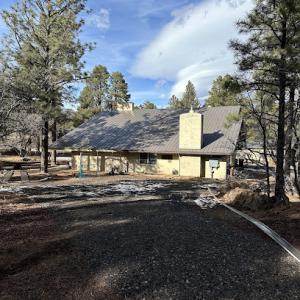
Arizona Metal Roofing
(928) 440-4277 arizonametalroofing.com
501 N Grant St #1A, Flagstaff, Arizona
5.0 from 12 reviews
The team at Arizona Metal Roofing has been in the metal roofing business for more than 35 years. Our sole purpose is to provide customers, homeowners and contractors with high quality roofing materials and installation. Arizona Metal Roofing uses a roll forming machine that fabricates metal roofing onsite. This means every part will be custom to your project. Metal panels will be the exact length, metal trims will be produced at the correct angle and only the highest quality materials will make it onto your roof. When working with Arizona Metal Roofing, you can be certain that you are getting the best product and service available!

Mission Restoration
(800) 339-6762 www.missionrestoration.com
500 S River Run Rd A, Flagstaff, Arizona
4.6 from 30 reviews
At Mission Restoration, we're not just roofing experts; we're architects of safe, stunning, and sustainable communities. Our commitment to quality craftsmanship and customer satisfaction has made us the premier roofer in Arizona. We'll be there for you at every step, ensuring peace of mind from inspection to installation.
Master Roofers Flagstaff
2724 E Lakin Dr, Flagstaff, Arizona
4.7 from 7 reviews
Master Roofers Flagstaff offers high-quality roofing design and services in Flagstaff. We are seasoned roofers who deliver top quality and budget-friendly roofing services. Get in touch with us on +19282203320.
Ideal Roofing Company
(928) 522-0916 www.idealroofingflag.com
1614 N 1st St, Flagstaff, Arizona
3.4 from 16 reviews
Locally owned and operated. Licensed and insured. Serving Flagstaff and Verde Valley.
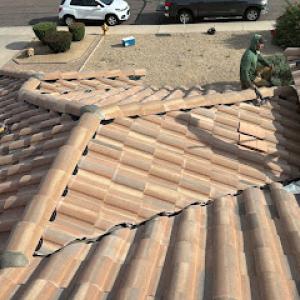
Premium Roofing
(928) 200-4885 premiumroofllc.com
1120 W University Ave Suite #216, Flagstaff, Arizona
4.0 from 4 reviews
With more than 22 years of experience in roofing industry; Premium Roofing specialize in Residential and Commercial Roofing . We work with all insurance companies and also have finance available Our Commercial Services: - Commercial Renovation - TPO - HOT MOP -MODIFIED BITUMEN - TILE/ SHINGLE/ METAL -FOAM -SINGLE PLAY - BUILT UP"
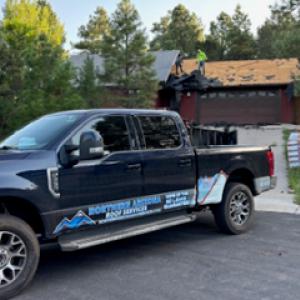
Northern Arizona Roof Services
(928) 366-3504 www.northernarizonaroofservices.com
2605 E 7th Ave, Flagstaff, Arizona
5.0 from 1 review
Providing top-quality roof service, repair, and maintenance with experienced customer care for utmost satisfaction. Committed to employee safety, a healthy work environment, and strong customer relations.
Jamb Construction
(928) 606-7378 www.jambroofing.com
3191 E Cold Springs Trail, Flagstaff, Arizona
5.0 from 1 review
Locally owned and operated roofing and remodeling company proudly serving homeowners with professional roofing services including roof replacement, re-roofing, new construction roofing, and roof repairs. We specialize in asphalt roofing, tile roofing, and metal roofing, and we handle roofing insurance claims for hail, wind, and ice damage. Our bathroom remodeling services feature custom tile work, shower and tub installation, vanity upgrades, lighting, plumbing fixture replacement, flooring, waterproofing, and complete bathroom renovations tailored to your style, comfort, and budget. We deliver reliable roofing and remodeling solutions with quality craftsmanship and trusted service.
MCR Roofing
(928) 220-5048 www.mcrroofingllcflagstaff.com
Serving
4.8 from 20 reviews
Dealing with roofing problems? Look no further than MCR Roofing, your dedicated Flagstaff, AZ roofing partner. Whether it's your home or business, we've got the expertise you need. Our comprehensive range of roofing services includes shingles, metal, single ply, flat roofs, and more. No challenge is too big for us – repairs, installations, and complete builds are our specialties. We're committed to serving our diverse community, offering bilingual support in both English and Spanish to ensure clear communication and understanding. Don't let roofing issues linger – take action now and schedule an inspection with our seasoned team. With us, you're not just getting a fix – you're gaining a reliable partner in keeping your roof in top shape.
In Flagstaff, snow sits on a roof longer than you might expect, then freezes and thaws repeatedly. Asphalt shingles can handle snow retention if installed with proper overhangs and adequate attic ventilation, but they're more prone to ice dams unless the edge detail uses a sealed underlayment and strategically placed drip edges. Metal roofing, by contrast, sheds snow more readily and resists ice buildup at eave lines, which helps reduce gutter ice damming and interior leaks. If snow load is a primary concern, a standing-seam or through-fastened metal panel system offers predictable shedding and minimal half-mrozen ice pocket formation. Clay and concrete tiles bring a heavier dead load to the structure, so they demand a careful evaluation of structural sufficiency for winter loading, even before considering snow retention features. Wood shakes hold snow and ice differently than smooth tiles, and they require more frequent maintenance to prevent ice intrusion at nail heads and seams. Synthetic shingles tend to handle freeze-thaw cycles well when installed with proper underlayment and sealing tapes, giving you a more forgiving performance in fluctuating winter temperatures.
Ultraviolet radiation in this elevation can accelerate aging for many roof coverings, especially asphalt and wood. Metal roofs show excellent UV resistance, maintaining color and coating integrity longer, which translates into reduced surface degradation after long sun runs. Tile roofs-especially clay-can benefit from reflective or cool-tint finishes to mitigate heat transfer into the attic, but the weight and fastener choices become more critical in monsoon season when wind-driven rain and debris can exploit any crevice. Concrete tiles share similar heat concerns with clay and usually offer robust longevity, yet their weight amplifies dead load considerations in winter months. Synthetic shingles balance UV resistance with ease of installation and a lighter footprint, which helps on retrofits or homes with existing higher loads.
Because winter loading adds to the dead load concerns already associated with clay and concrete systems, the structure must be evaluated before choosing a tile option. Tile roofs require a framing assessment to ensure the rafters and decking can carry the added weight, plus any potential snow retention devices you plan to install. If a roof is already near the upper limit for snow load, metal becomes a practical choice to preserve structural resilience and minimize ice dam opportunities. For homes with existing wooden framing, confirm the roof's pier spacing and sheathing integrity to handle any heavier replacements or added insulation. A thorough assessment helps you avoid late-season surprises when a heavy snowfall hits and the roof is at its most vulnerable.
Start by listing your priorities: snow shedding, ice dam prevention, UV resistance, or weight constraints. If snow retention and minimizing ice leaks top the list, lean toward metal or a carefully detailed asphalt system with enhanced underlayment and ice/water shield at eaves and rake edges. If you're drawn to tile for aesthetics or longevity, partner with a structural pro to confirm attic and framing capacity before committing to clay or concrete. For a balanced option that manages heat and weight, a high-performance synthetic or engineered shingle can deliver solid performance with simpler installation. Regardless of choice, ensure the roof plan includes robust edge detailing, proactive ventilation, and a reliable drainage strategy to handle Flagstaff's snow, ice, and storm challenges.
In this high-elevation setting, the typical full-replacement price you'll see starts with the material you choose and then adjusts for snow load, monsoon timing, and the city inspection focus on roof structure adequacy. The base ranges to anchor decisions are asphalt shingles at 350 to 650 per square and metal roofing at 600 to 1000 per square. Other popular options sit higher in the local market: clay tile 900 to 1800 per square, concrete tile 750 to 1500 per square, wood shingles or shakes 600 to 1100 per square, and synthetic or composite shingles 450 to 900 per square. Use these as the practical ceiling and floor before any temporary surge in demand due to winter storms or summer storms. Remember that one square equals 100 square feet, so a full roof is priced per square.
Asphalt shingles remain the most common choice for reliability and cost control, especially on homes that need a straightforward dry-in during a narrow weather window. Metal roofs command a higher upfront price but can offer longer service life and better wind resistance, which matters when sudden monsoon gusts collide with a sunny day. Clay and concrete tiles bring significant weight and structural implications, and in this market they push both material and labor costs higher. Wood shingles and shakes offer a distinct look but require more maintenance and firewise considerations. Synthetic or composite shingles give a middle-ground option, balancing cost with durability in storm-prone summers. In practice, you'll see Flagstaff's full replacement pricing framed around asphalt and metal first, then evaluated against heavier systems only if the attic and rafters can carry the load without extra reinforcing.
Costs in Flagstaff can rise when snow damage or monsoon events create a surge in demand for quick-response crews and emergency dry-in work. If a leak is traced to ice damming or saturated decking after a heavy snowfall, you may pay a premium for expedited scheduling and protective tarping. The dry-in phase can add a meaningful line item, especially if crews have to work after hours to prevent further interior damage. Plan for a tighter timeline and higher labor rates in late winter or during the monsoon season when crews are busiest and materials are in hot demand.
Structural review can affect total project cost in Flagstaff when heavier systems like clay or concrete tile are proposed and the city inspection process focuses on roof structure adequacy. If the existing trusses or rafters require reinforcement to meet snow-load requirements, expect framing work, potential joist upgrades, or new ridge assemblies to be rolled into the estimate. In some cases, adding stiffness and redundancy to the roof structure can be the difference between a long-lasting install and repeated maintenance down the line. A careful assessment upfront helps align material choice with the home's framing reality and the area's weather demands.
Don't let upfront costs delay a critical repair - these contractors offer payment plans to fit your budget.
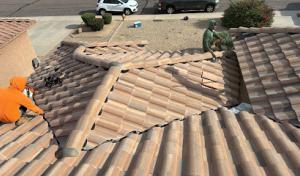
Premium Roofing
(928) 200-4885 premiumroofllc.com
1120 W University Ave Suite #216, Flagstaff, Arizona
4.0 from 4 reviews
A permit is typically required in Flagstaff for a full re-roof, with applications, plan review, and inspection scheduling handled by the City of Flagstaff Building Safety Division. The process starts with a formal permit application that captures your project scope, roof type, and any structural changes. Since your roof must withstand high-elevation weather-heavy snow, hail, and intense UV-expect the plan review to focus on load paths, drainage, and ventilation. If your home uses a unique roof framing or nonstandard materials, be prepared for additional documentation or engineering notes. The city's portal and counter staff can guide you to the exact forms and required attachments, including any special attachments for wildfire-related code updates that can influence product approvals.
Flagstaff inspections commonly occur at rough-in and final stages, and inspectors verify both code compliance and whether the roof structure is adequate for the roofing system being installed. Rough-in inspection will examine framing, connectors, and the integration of any vents, gutters, and underlayment details intended to support snow load and ice dam control. Final inspection focuses on leak resistance, proper installation of underlayment, flashing around vents and skylights, and the adequacy of attic ventilation to prevent ice-related issues in winter. Because high-elevation climates push roofs through snow build-up, ice barrier placements, drip edge alignment, and snow guards may attract closer scrutiny. If an installation plan includes a standing-seam metal roof or heavy tile, anticipate inspectors checking for seismic and wind provisions specific to Flagstaff's storm patterns.
Homeowners in Flagstaff should plan for possible plan-review backlogs and permit fees that can affect project start dates during busy weather-repair periods. Monsoon-season activity, winter advisories, and wildfire-season preparedness can tighten inspection calendars. To smooth the process, gather all contractor qualifications, product data sheets, and any local amendments well before submission. If a delay appears likely, inquire about interim approvals or conditional releases that keep your project progressing without compromising compliance. In neighborhoods with older homes, the Building Safety Division may request additional historical documentation or retrofit confirmations to align with current energy and safety standards. Stay proactive with communication, and confirm inspection windows as soon as your materials arrive and framing is ready.
In this high-elevation setting, insurers see a steady stream of claims tied to hail and gusty winter storms. When a claim is filed, you may be asked for documentation of the roof's condition before renewal and clear post-damage photos showing any new issues. Having those visuals ready is not just helpful; it can be the difference between a smooth adjustment and a drawn-out process. Ice-related leaks and moisture intrusion from wind-driven moisture can complicate claims, so honest, close-up images of damaged edges, valleys, and flashings matter.
After a season with heavy snows followed by rapid warming, or a summer marked by wildfire activity nearby, some carriers rethink coverage terms. Premiums can shift, or availability can tighten, especially for aging roofs that have endured multiple damaging events. If a roof has weathered both winter and monsoon season, the decision to repair, restore, or replace may hinge on the insurer's current appetite and the roof's remaining service life. It's prudent to prepare for potential changes in access to coverage when planning a major repair or replacement.
When an adjuster is assigned, the process often includes contractor estimates and on-site visits. Having reputable, detailed estimates ready can speed things up, but a site visit alone may not capture the full story if photos don't accompany the submission. After monsoon hail or high-wind episodes, organize a consistent photo log: wide shots of entire roof, close-ups of damaged shingles or tiles, flashing and vent penetrations, and any signs of water staining inside attic spaces. Clear documentation helps the adjuster evaluate claims more accurately and can prevent disputes that stem from incomplete records.
Connect with contractors who help homeowners navigate the claims process from damage assessment to final approval.
Polaris Roofing Systems
(928) 699-4840 polarisroofingsystems.com
2001 N 3rd St, Flagstaff, Arizona
4.7 from 251 reviews
Slade Roofing
(928) 417-1980 www.sladeroof.com
3585 E Industrial Dr, Flagstaff, Arizona
5.0 from 17 reviews
Flat and low-slope roofing is an active specialty in Flagstaff even though the city is known for snow, which means drainage performance matters during snowmelt and monsoon downpours. The combination of long winter snowpack, rapid melt events, and intense summer sun creates unique stress on membranes. Expect cycles of freezing and thawing at seams, penetrations, and edge details. A roof that drains poorly in meltwater periods will show early signs of wear, especially around curbs, skylights, and cross-over flashings.
In Flagstaff, low-slope roofs can reveal problems when winter snow sits for long periods and then transitions into meltwater at seams, drains, and penetrations. When evaluating a roof, pay close attention to the slope and the frequency of drainage outlets. Ensure that seams are properly sealed and that penetrations are flashed with heat-activated or cold-applied membranes suited for cold-weather cycles. UV exposure from intense summer sun can dry out and crack coatings, so choose membranes and coatings that balance water management with UV resistance and expandability to handle temperature swings.
Schedule two targeted inspections each year: post-snowmelt and after the monsoon. During melt, look for pooled water near drains, scuppers, and transitions-these are early indicators of drainage bottlenecks. In summer, inspect for membrane degradation from sun exposure and for any blistering or gloss loss around edges and penetrations. Clean gutters and scuppers regularly to prevent ice dams forming at low-slope transitions in shoulder seasons.
The most frequent trouble spots are at seams, penetrations, and edge detailing where meltwater and wind-driven water interact with the membrane. Address micro-cracks or punctures early with compatible sealants or patches, and reflash any suspect joints. Consider UV-stable coatings that maintain elasticity over seasonal temperature ranges, and verify that the overall assembly promotes robust water shedding even after extended snow retention.
Find specialists in TPO, EPDM, and built-up flat roofing systems for residential and commercial properties.
Hale's Roofing
(928) 235-4770 halesroofing.com
2501 N Fourth St #24, Flagstaff, Arizona
5.0 from 122 reviews
Polaris Roofing Systems
(928) 699-4840 polarisroofingsystems.com
2001 N 3rd St, Flagstaff, Arizona
4.7 from 251 reviews
In this high-elevation climate, leaks tend to surface during snowmelt or sudden summer bursts rather than during long dry stretches, so intermittent water entry around penetrations can be a stubborn diagnostic issue. Freeze-thaw cycles loosen caulks and flashings just enough to hide moisture behind gutters, ridges, and edges until a thaw or a quick downpour reveals the problem. If you notice dampness near a seam after a warm, sunny day followed by a rapid freeze, or after a heavy storm pulse, treat it as a red flag rather than a fluke. Inspect seals around penetrations where shingles meet vent pipes, exhausts, and the chimney, and watch for hairline gaps that widen with repeated cycles.
Skylights sit at a stress point in this market, because flashing and curb details are pressured by both winter moisture and summer storm cycles. A seemingly minor misalignment or dried-out sealant around the skylight curb can become a reliable leak path during snowmelt or a monsoon gust. When you inspect, check both the top flashing and the perimeter caulk for cracking, uplift, or vegetation-related debris that can trap moisture. Consider re-sealing or flashing adjustments at the first sign of leaking after a storm or thaw, and prioritize skylights with mechanically sealed flashing rather than simple mastic repairs in areas where temperature swings are frequent.
Chimneys and other roof penetrations deserve extra scrutiny because mountain-climate freeze-thaw and prolonged moisture exposure expose weak sealants and flashing transitions. Look for eroded step and counter-flashing, rust on metal components, and mortar deterioration that invites water intrusion. Exterior sealants can fail where vertical and horizontal planes meet, especially at corners and where shingles terminate. If you find water staining or dampness near a chimney or vent after a melt or a thunderstorm, re-cover or reseal promptly to prevent hidden rot and more extensive damage.
Find contractors experienced in skylight installation, flashing, and leak repairs to bring natural light into your home.
Polaris Roofing Systems
(928) 699-4840 polarisroofingsystems.com
2001 N 3rd St, Flagstaff, Arizona
4.7 from 251 reviews
Flagstaff's contractor market shows strong emphasis on quick response and cleanup, reflecting homeowner concern about active leaks, storm debris, and keeping homes protected during sudden weather shifts. When a storm rolls in, a crew that can arrive, tarp, and assess quickly saves the interior from snow and ice melt damage. Look for teams that promise a same-day or next-day dispatch for emergencies and have a clear plan for debris removal after a wind or hail event.
Re-roofing is one of the strongest service signals in Flagstaff, so homeowners should expect many contractors to focus on replacement work rather than only small repairs. High-elevation conditions stress roofs in ways that small fixes often miss: matching underlayment for snow loads, proper overhangs to shed monsoon rain, and full-weatherization of penetrations. A reputable crew will walk you through why a full replace might outperform patchwork in the long run, especially if heat, UV exposure, and cold cycles have aged the decking or flashing.
The local market includes both long-established firms and practical residential crews, which matters in a city where weather timing can be as important as price. An established firm can bring formal project management and warranty depth, while a practical crew may offer speed and flexible scheduling. Balance is key: you want reliability and a solid plan for storm-season contingencies, plus hands-on responsiveness from a crew that understands Flagstaff weather patterns.
Prioritize contractors who present a clear emergency response plan, with defined response times, tarp strategies for leaks, and a cleanup protocol that limits debris blowing into neighboring yards. Ask about how they handle ice-related leaks and ice dam prevention, ventilation for attic spaces, and the integration of snow-load considerations into the roof design. Check references from other Flagstaff homeowners who faced similar winter-spring transitions and monsoon events, noting how the reply time and on-site coordination held up under pressure. Ensure the crew demonstrates familiarity with common local roof types and how their approach preserves long-term performance through seasonal extremes.
Solar-integrated roofing is present in the local market but is not a dominant specialty compared with storm repair, metal roofing, or re-roofing. You should consider the roof's remaining life before panel installation, because high-elevation UV exposure can accelerate wear on aging coverings. If the roof is near the end of its service life, a re-roof or major repair may be a prerequisite to a reliable solar installation. Time the solar decision to avoid combining a full roof replacement with panel work in a way that leaves you juggling multiple open trades at once.
Flagstaff experiences long snowy winters, summer monsoon storms, and intense UV-all in the same year. Those conditions influence both when to install and how to protect the system afterward. Winter access and cold-weather fastening can complicate mounting, while rapid summer monsoons raise the stakes for ensuring proper flashing and waterproofing during and after installation. Plan to install during a window with dry days and solid access to the roof, and be prepared for temporary adjustments if a storm cuts into the schedule.
Before any solar work, inspect the roof's condition relative to the type of surface. Asphalt shingles, metal, clay or concrete tile, or shakes each respond differently to high-elevation climate stresses. For example, UV exposure can bleach or become brittle aging materials, and wind-driven rain can exploit gaps around penetrations. A thorough assessment should verify that flashing around vent pipes, chimneys, and skylights is intact and that the roof deck is solid enough to support added weight or heat-related expansion from the solar components. Warranties on the roof and the solar system should be checked for alignment and coverage.
In this market, permit timing and inspection coordination can matter more when roof replacement and solar-related work overlap on the same project. Align the solar installer and roofing contractor early so that sequencing, materials, and inspection milestones are synchronized. Delays in one trade can ripple into the other, especially if weather gaps extend the project into shoulder seasons or if a major storm interrupts the installation window.
You should evaluate the roof age and obvious wear, secure a comprehensive roofing diagnostic, and get a solar plan that accounts for any needed repairs first. Ensure attic ventilation and roof-to-wall flashing detail are addressed to support both the roof and solar system. Consider the long-term maintenance plan: cleaning debris from panels, inspecting for ice dam indicators in winter, and verifying that the solar array does not obscure future roof access or maintenance paths.
Find contractors who integrate solar panels or solar shingles into your roof for long-term energy savings.
Mission Restoration
(800) 339-6762 www.missionrestoration.com
500 S River Run Rd A, Flagstaff, Arizona
4.6 from 30 reviews