
Last updated: Apr 19, 2026
Cottonwood's highest roofing disruption risk is the July-September monsoon period, when heavy rain and hail can interrupt tear-offs and expose decking if projects are poorly timed. Plan major roof work to avoid the core monsoon window. Start critical stages of removal and deck inspection well before monsoon arrival, and have a contingency plan for rescheduling if a sudden storm rolls through. If a replacement spans the monsoon season, stage crews to complete sheathing and underlayment ahead of forecasted storms, and keep tarps and storm clips ready for rapid weatherproofing between workdays.
The desert-mountain pattern blends very hot summers with seasonal storm bursts, so replacement timing matters more here than in milder Arizona markets. Schedule work for late spring or early fall whenever possible, aligning with cooler daytime temperatures to protect workers and materials while ensuring underlayment and flashing can cure and seal before heat or rain stress. Before any cut starts, verify flashing around chimneys, vents, and skylights is solid, because those details are the most likely leak points once rain returns. Stockpile suitable fasteners, sealants, and self-draining roof edge components to minimize trips to supply yards during windy, dusty days that pepper the Verde Valley.
Spring wind events in the Verde Valley can load valleys, gutters, and roof edges with debris before monsoon rains test drainage and flashing. Clean gutters and valleys thoroughly ahead of any tear-off or re-roof to avoid clogged scuppers that slow progress and invite water intrusion. Use temporary edge protection and hurricane clips along rake and soffit lines to prevent wind-driven debris from lifting sensitive underlayment during late-winter and spring gusts. Have a clear plan for debris containment on steep slopes where rock and pine needles accumulate quickly, especially near cottonwood stands that shed material after storms.
In this climate, the sequence matters more than the material choice. Remove and inspect decking promptly, then install underlayment with attention to batten or counter-flash details if climbing into steeper pitches. If monsoon timing is uncertain, consider delaying final shingle or tile installation until a dry spell grips Cottonwood for a solid seal across hips, valleys, and penetrations. When rain does arrive during a project, prioritize protecting openings with temporary measures-tarping, sealing, and securing fasteners-so water intrusion doesn't cascade into attic spaces or interior shelves.
Coordinate with residents about known monsoon peaks and expected weather windows. Establish a flexible daily plan that allows crews to pause during heavy downpours and resume as soon as skies clear. In the heat of July and August, maintain hydration-focused safety practices and ensure equipment like ladders and dew point-sensitive underlayment aren't left exposed to sun for extended periods. Quick, decisive action during a storm surge is crucial to prevent costly moisture damage and to keep a project on track.
As the monsoon eases, perform a thorough, storm-focused final walkthrough, checking valleys, flashings, and roof edges for leakage pathways exposed by the season's bursts. Confirm that all penetrations are fully sealed and that surface coatings have cured under predictable conditions before permanent weather exposure. This targeted approach minimizes disruption risk and preserves the roof's integrity once the monsoon season passes.
Cottonwood's strong UV exposure is a primary lifespan driver, especially for asphalt surfaces, sealants, exposed flashings, and underlayments beneath tile systems. The relentless sun oxidizes protective coatings, so sealants can become brittle and flashings may lose flexibility sooner than expected. Asphalt shingles in this climate often show color fading, granule loss, and accelerated edge wear after a few hot summers. When a roof mix includes venting or penetrations, those exposed joints bear the brunt of UV sun exposure and heat cycling. The result is more frequent minor leaks around penetrations unless the system is designed to tolerate rapid thermal movement and UV aging.
Extreme summer heat in Cottonwood can complicate installation conditions and affect adhesive handling, making workmanship timing especially important. Monsoon bursts from July through September bring sudden moisture surges that can overwhelm roofs if underlayment and sealant cures are not ready. During these periods, underlayment longevity matters as much as the shingle choice. If drywall and attic spaces are well ventilated, moisture migration is slower; if not, humidity can condense on cooler roof decks at night, impacting adhesive sets and the bond between underlayment, tiles, and flashings. Plan projects so roof deck exposure to the hottest afternoon sun is minimized during adhesive install windows, and avoid stacking shingles or tiles in direct sun for extended periods.
Tile roofs in this region take a beating from UV and heat differently than asphalt. Exposed flashings around tile edges must be sourced to resist UV degradation and to maintain integrity as tiles expand and contract. Underlayments beneath tiles should have a high heat and UV tolerance, with extra attention paid to fastener placement to prevent tile slippage or nail pops as temperatures swing from day to night. For clay and concrete tile, the bond and grout joints must be checked regularly after peak monsoon activity, since moisture intrusion can travel along fasteners and penetrations more readily when UV-aged sealants have losses.
Mild winters do not remove moisture concerns here; winter morning dew can affect underlayment and adhesive performance even without severe freeze conditions. Dew can create a temporary moisture layer that hinders proper sealing of underlayment and moisture barriers. In spring, that latent dampness can show up as slow leaks or condensation between layers. Ensure proper drying times for any adhesive or sealant used in late fall or early winter installations. Where possible, schedule critical bonding tasks on warmer mornings and avoid late-afternoon heat spikes that dry adhesives too quickly and compromise bonding strength.
Routine inspection after the monsoon season helps catch moisture-driven issues early. Look for staining along exterior edges where flashings meet tile edges, as well as any softness or delamination on underlayment in sun-exposed zones. Check sealants at ridge lines and around vent pipes, since those joints suffer the most from repeated thermal cycling and UV exposure. Pay attention to gutters and downspouts; heavy monsoon rains can force runoff into every seam, accelerating UV- and heat-driven wear. If dehumidification or attic venting feels insufficient, address fascia ventilation and soffit intake to reduce condensation buildup. This combination of vigilant inspection and proactive maintenance keeps Cottonwood roof systems performing through scorching summers and brief, intense storms.
The most popular roofing material in the US. Find pros who install, repair, and replace asphalt shingles.
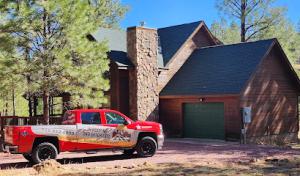
JR Roofing & Exteriors
(928) 852-4900 jrroofingandexteriors.com
240 Jennifer Dr # 204, Cottonwood, Arizona
4.9 from 55 reviews
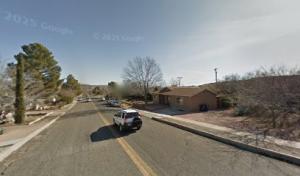
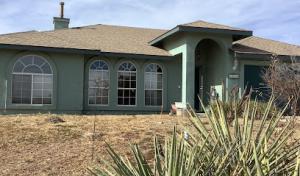
Cottonwood's housing stock blends Southwestern textures with ranch-style layouts, so you'll see asphalt shingles, metal roofing, clay and concrete tiles, wood shingles or shakes, and synthetic or composite shingles on a typical block. The Verde Valley heat and high-UV exposure slowly wear everything from underlayment to flashings, making the roof system as important as the visible surface. The roofs that perform best here anticipate harsh sun, sudden monsoon downpours, and the way tiles can outlast the waterproofing layer beneath. This means evaluating not just the top surface, but the entire assembly, including underlayment, fasteners, and penetrations.
Tile roofs are common in central Arizona, and Cottonwood is no exception. The visible tiles often outlive the waterproofing layer beneath, so attention to the underlayment system is essential. When you have clay or concrete tiles, the waterproofing at penetrations, hips, valleys, and transitions becomes the weak link if the underlayment has degraded or was installed without a robust, continuous membrane. Look for a compatible underlayment that can handle UV exposure and the occasional monsoon blast. Ensure fasteners are corrosion-resistant and installed with proper spacing to accommodate thermal movement. If you live in a shade-dappled courtyard or a hillside property, consider edge flashing that resists uplift during storm gusts and channels water toward approved drainage routes.
Low-slope roof sections and patio transitions are particularly active in the local contractor market. Flat-roof coatings and leak-response strategies are not afterthoughts here. A successful Cottonwood roof plan for low-slope areas includes a durable, properly installed leak barrier, thermally compatible coatings, and a slope or crickets where needed to help water shed toward drains. When coating a flat or near-flat section, verify compatibility with the base substrate and asphalt or modified bitumen membranes if used. Pay special attention to transitions between low-slope areas and steeper main roofs, because water can migrate along edges and cause hidden damage if not properly terminated.
The dominant materials-asphalt shingles, metal, clay tile, concrete tile, wood shingles/shakes, and synthetic composites-each respond differently to Cottonwood's UV intensity. Asphalt shingles gain life from a high-quality IR-reflective shingle and a solid attic ventilation plan. Metal roofing offers outstanding hail and wind resistance but requires precise panel alignment and sealing at seams to prevent moisture ingress. Tile choices should pair with a well-prepared underlayment and compatible sealants around penetrations. Wood shingles and shakes provide unique aesthetics but demand careful maintenance of the underlayment and periodic refinishing to resist sun and monsoon-related abrasion. Synthetic and composite shingles can balance UV resistance with ease of maintenance, but ensure the core and surface layers are rated for desert exposure and temperature swings.
A proactive maintenance mindset pays dividends in this climate. Doors, vents, and penetrations over the underlayment require routine inspection after monsoon storms. Keep an eye on valley flashings, ridge caps, and edge details where debris can trap moisture and accelerate wear. If you anticipate a roof upgrade or replacement, coordinate the underlayment choice with the chosen surface material so that UV, water exposure, and thermal cycling are addressed in a single, coherent system. This integrated approach helps a Cottonwood roof stand up to the dry heat days and the punctuated wet season without surprising leaks.
In this high-UV, monsoon-prone desert-mountain climate, Cottonwood homeowners typically see material-cost ranges that line up with national expectations but adjusted for local conditions. Asphalt shingles run about $420 to $800 per square, metal around $700 to $1,300 per square, clay tile roughly $1,000 to $2,300 per square, concrete tile about $800 to $1,700 per square, wood shingles or shakes in the $600 to $1,400 per square band, and synthetic or composite shingles from $550 to $1,100 per square. Those ranges reflect what you'll pay for the roof deck, basic product, and standard underlayment, before labor, disposal, and any specialty details. When a roof is aging or the home has unique angles, those numbers can shift up quickly.
Costs in Cottonwood often rise when monsoon-season demand spikes after hail or storm events, especially for fast leak response and re-roof scheduling. If a storm hits and a contractor is rushed to seal leaks or re-cover a roof, you'll see shorter-notice bids and potentially higher expedited labor rates. If you're prepared to schedule after the immediate weather window passes, you'll typically face more predictable pricing and avoid premium surge charges. The combination of high heat, UV exposure, and moisture blasts means underlayment and flashing get taxed, so expect crews to itemize additional underlayment upgrades or leak-prone detail fixes when storms have already stressed the system.
Tile tear-off, replacement of aged underlayment, and work on mixed-slope rooflines common in Arizona homes can materially change project cost beyond basic material pricing. Concrete and clay tiles are heavier and may require reinforced framing or staging, which adds weight-bearing considerations and labor steps. Mixed slopes complicate the process of removal and reinstallation, often increasing ladder time, safety measures, and disposal logistics. For asphalt or synthetic shingles, expect underlayment upgrades in areas with prior leaks or vent stacks that need resealing. In all cases, a detailed bid should separate material, tear-off, underlayment, flashing, and disposal so you can see where the price bumps come from.
When a contractor presents a bid, look for a clear breakdown of fasteners, underlayment type and life span, and any required vent or attic ventilation improvements. If storm damage is involved, request documentation of leak-repair scheduling and a timeline for tear-off versus overlay options. If you're on a tight budget, discuss phased work or selecting a lighter material with a warranty that still meets monsoon-season protection needs. Remember that tile and heavier systems may carry higher upfront costs but longer service life in this climate, potentially balancing out over time with fewer replacement cycles.
Hale's Roofing
(928) 282-0067 www.halesroofing.com
2559 S Union Dr, Cottonwood, Arizona
5.0 from 124 reviews
For over 35 years, Hales Roofing has proudly served Cottonwood and the Verde Valley with expert craftsmanship and dependable service. As a family-owned and operated company, we specialize in roofing, stucco, drywall, gutters, and walk decks—providing high-quality exterior solutions tailored to your home or business. From minor repairs to full-scale renovations, our experienced team delivers lasting results with care and precision. Call today to schedule your free inspection and find out why Cottonwood homeowners trust Hales Roofing for all their exterior construction needs.
JR Roofing & Exteriors
(928) 852-4900 jrroofingandexteriors.com
240 Jennifer Dr # 204, Cottonwood, Arizona
4.9 from 55 reviews
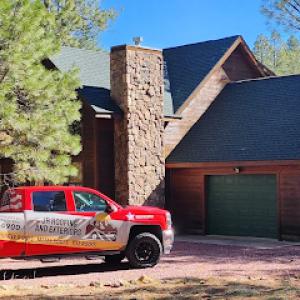
JR Roofing and Exteriors, a proud veteran and woman-owned roofing company in Cottonwood, Arizona, combines over 15 years of experience with a commitment to providing exceptional service to homeowners throughout Northern Arizona and the Phoenix metropolitan area. Specializing in high-quality USA-made products and offering a wide range of roofing options, including shingle, metal, tile, and flat roofs, JR Roofing and Exteriors dedicates itself to ensuring the longevity and protection of your home's exterior. With a focus on thorough roof inspections and assistance with roof insurance claims, they go above and beyond to provide solutions and peace of mind.

Surebuild Roofing
(928) 634-6635 surebuildroofing.com
4141 Western Dr, Cottonwood, Arizona
4.9 from 28 reviews
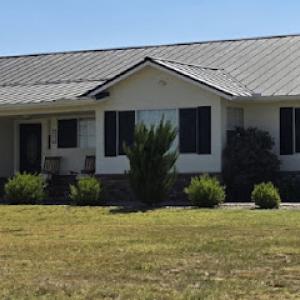
Surebuild Roofing, located at 4141 Western Drive, is your premier choice for top-quality roofing services. As one of the best roof installers and roof repair contractors in the area, we specialize in a comprehensive range of services, including roof replacement, metal roofing, and commercial roof repair. Whether you're searching for "roof installation near me" or need reliable roof storm damage repair, our team is ready to assist. We offer emergency roofing services and thorough roofing inspections to ensure your property remains in peak condition. Trust Surebuild Roofing for all your roofing needs, and experience unparalleled dedication and expertise.
KM Roofing
(928) 567-2390 kmroofing-az.com
2609 South Village Dr, Cottonwood, Arizona
4.9 from 7 reviews
KM Roofing is a family owned and operated business with over 40 years of roofing experience and expertise. We have been doing business in the Verde Valley since 1984. We specialize in residential and small commercial roofing projects. In addition to roof inspections and maintenance, we offer a wide range of roofing options to suit your needs, including metal roofs, siding and fascia, shingle roofs, tile roofs, flat roof coatings, and walk deck coatings. If you’re looking for reliable roofing services in Arizona, look no further than KM Roofing. Contact us today to schedule a consultation and discover how we can help protect your home with our expert roofing solutions. Your satisfaction is our guarantee!
Noah's Ark Roofing & Sheet Metal LLC ROC 327436
(928) 556-9191 noahsarkroofingaz.com
3800 Western Dr Ste. F, Cottonwood, Arizona
5.0 from 6 reviews
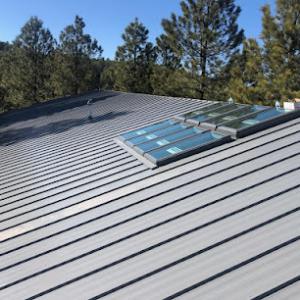
A family owned local business. Call us today to handle your roofing and gutter needs. BBB accredited.
High Quality Roofing
(928) 800-1799 www.high-quality-roofing.com
Serving
5.0 from 23 reviews
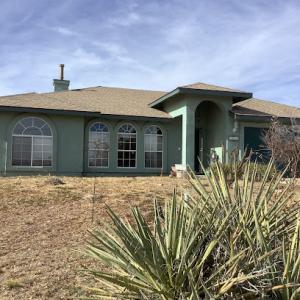
High Quality Roofing, LLC, is not just a business. We are a group of highly skilled and experienced professionals in the roofing and carpentry industry, backed by over two decades of cumulative experience. Since 2020, we’ve had the privilege of serving an array of clientele, including residential, commercial, and industrial sectors in Prescott Valley, AZ and the rest of Northern Arizona. The secret to our success? Our unwavering commitment to excellence and an uncompromising attention to detail.
Fresh Roof of Northern Arizona
(928) 301-9404 www.freshroofofnaz.com
Serving
5.0 from 16 reviews
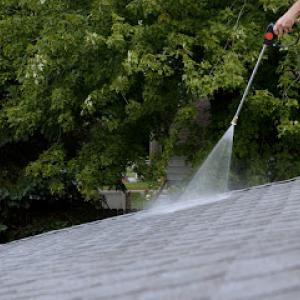
Fresh Roof of Northern Arizona is the low-cost alternative to roof replacement. We use a product called GreenSoy, a non-toxic, soybean-based solution that rejuvenates asphalt shingles, adding years of life without replacing! Peak 301 penetrates each shingle to create a membrane that stretches across your entire roof and helps protect against the elements, season after season. Other roof treatments use oils that are only made to moisturize the surface of shingles, so customers think they can see a difference at first, but the effects of aging haven’t actually changed. GreenSoy features a new kind of rejuvenating formula that takes an active role in the absorption process to de-age the shingle molecule by molecule.
Morse Roofing
Serving
5.0 from 11 reviews
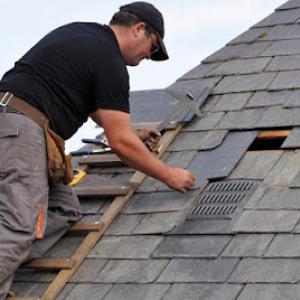
Protect your largest investment with our reliable roofing services. We are a locally owned and operated roofing company currently serving Camp Verde, AZ and surrounding communities. If you want to make your roof last as long as possible, it is vital that you never put off a roof repair. Small issues with roofing become big issues in a hurry. No matter how major or minor the repair you need, we are here to help. We offer roofing contracting, roof installation, and roof replacement.
DryTop Roofing
(928) 515-4546 drytoproofingaz.com
Serving
5.0 from 52 reviews
Welcome to DryTop Roofing, where every roof comes with a smile! 😊 We are a locally owned roofing contractor in Yavapai county! Our friendly team of experts is ready to help you with all your roofing needs—from minor repairs to brand-new installations. We believe in quality work and honest advice, making sure your home stays safe and dry. Come by or give us a call; we're excited to work together and make your roofing experience seamless and stress-free!
Valor Contracting
(928) 699-2625 valorcontracting.co
Serving
4.9 from 184 reviews
Valor Contracting is a premier roof restoration company, restoring residential, commercial, and industrial properties across Arizona. We know each project is deeply connected to someone's home or livelihood. We offer efficient roofing and restoration solutions, ensuring that you can resume living and making a better home for your family.

Farnsworth & Sons Roofing & Construction
(928) 632-9091 farnsworthroofing.com
Serving
5.0 from 43 reviews
We provide a full consultation to explain your available options so that you can choose the roofing plan that’s right for your home or business. We will work with you and adhere to your personal needs, and then we'll be in contact through the whole project.
Arrow Roofing
(928) 443-8633 arrowroofingaz.com
Serving
4.7 from 215 reviews
We are a premier, fully licensed, and certified local roofing company serving the tri-city area of Prescott, Chino Valley, and Prescott Valley, along with Northern Arizona for over 14 years. Our commitment is to deliver unparalleled value, saving you time, money, and stress while providing top-quality roofing solutions. At our business, client satisfaction is paramount. We prioritize your needs and ensure every project exceeds expectations. With a relentless focus on innovation and efficiency, we've earned a reputation for reliability and excellence. By staying ahead with the latest industry trends and technologies, we consistently deliver superior results. Discover why countless locals trust us as their preferred roofing experts.
A full roof replacement in Cottonwood typically requires a building permit routed through the City of Cottonwood Building Department. Before work starts, verify that the permit is active and that the planned scope aligns with local code requirements, especially for underlayment and venting details common to high-UV, monsoon-prone summers. Contractors usually handle permit coordination, but it helps to confirm who will submit drawings, who will track approvals, and what the permit notice timeline looks like. In many neighborhoods, the HOA may add separate approval requirements, so check for any additional covenants that could affect your project timeline.
Cottonwood roof jobs are generally inspected at the underlayment or assembly stage and again at final completion. The initial inspection typically occurs after the deck and underlayment are in place, ensuring proper fastening, waterproof barriers, and ventilation details before any visible roofing material is installed. The final inspection confirms that the installed system meets code, includes flashing in critical leak-prone areas, and that the overall roof assembly performs as designed. Schedule these inspections with the building department or permit holder, and plan for any weather or monsoon-related delays that could shift the inspection window.
Because monsoon bursts can disrupt schedules, plan permit submissions and inspection dates with a realistic buffer during July through September. Notify the city ahead of each inspection as required, and coordinate with the contractor to have temporary protective measures in place if storms roll in unexpectedly. If a storm interrupts work between underlayment and shingle or tile installation, expect re-inspection of that stage to verify rain protection details are intact and resealed before advancing to the next phase. Remember that some Cottonwood-area HOAs can add separate approval requirements, so double-check those timelines to avoid conflicts or delays.
In Cottonwood, roof claims are most tied to Arizona monsoon storms and hail, so insurers often focus on storm-date evidence, roof age, and prior claim history. The timing of a storm matters: a claim filed after a late-summer burst can look different than one triggered by a mid-season event, and carriers may scrutinize whether the roof had shown prior issues or wear.
Homeowners should photograph damage as soon as it's safe to access the roof and attic. Clear shots of slopes, flashings, underlayment exposure, and any interior leaks help adjusters assess what happened during the storm. Keep interior notes concise and dated, noting any damp ceilings, stained drywall, or warped panels. Eyes on the details now can prevent a dispute later, especially when storms have been frequent during the monsoon window.
Arizona's tighter underwriting environment and depreciation concerns can affect whether repair, restoration, or full replacement is pursued after storm damage. The adjustment may hinge on the roof's age, remaining life, and the extent of hail impact. A well-documented claim that aligns with the roof's current condition and history can support a more favorable outcome, but the path is not always obvious and may require careful negotiation.
Keep a dated record of any claim-related conversations with the insurer, including names, numbers, and promised timelines. After a storm, if leaks persist or new damage appears, report promptly to minimize the risk of denial on delayed discovery. When in doubt, consult a local roofing professional who understands how Cottonwood's heat and monsoon cycles stress underlayments and vented edges, so the documented evidence matches what a knowledgeable adjuster will expect.
Connect with contractors who help homeowners navigate the claims process from damage assessment to final approval.
JR Roofing & Exteriors
(928) 852-4900 jrroofingandexteriors.com
240 Jennifer Dr # 204, Cottonwood, Arizona
4.9 from 55 reviews

Surebuild Roofing
(928) 634-6635 surebuildroofing.com
4141 Western Dr, Cottonwood, Arizona
4.9 from 28 reviews
Monsoon rain, hail, and spring winds can hit hard and expose weak flashing details and aging roof penetrations in a hurry. When sudden storms roll in, a small drip or bubbled patch can become a full-on leak within minutes if the underlayment or transition flashing was already compromised. You should treat any new roof disturbance after a storm as urgent: check exterior flashings on roof edges, valleys, and around vents, and move quickly to seal active leaks with temporary tarps or membrane until a contractor can complete a proper repair.
The local contractor signal mix shows meaningful demand for emergency repair, storm damage work, flat-roof service, and roof coatings, indicating that leak mitigation is a recurring homeowner concern. After a hail event or heavy rainfall, do a targeted inspection of penetrations and flat sections where water can pool or wick. If a contractor notes compromised underlayment or noticeable moisture intrusion in ceiling or attic spaces, prioritize a rapid assessment and staged repairs to prevent interior damage and secondary issues like mold or insulation degradation.
Skylight domes and transition details deserve extra scrutiny in sudden summer downpours because localized leak points often show up before broad field failure. Inspect flashing around skylights, boot seals, and curb joints after every intense rain. Look for gaps where sealant has split or where flashing boots have shifted. Prompt resealing or flashing replacement can stop a leak before it migrates into the attic.
Due to persistent heat and UV, aging penetrations and flashing wear faster here. Establish a rapid-response plan for post-storm checks with a trusted local roofer, focusing on vulnerable areas like roof-to-wall transitions, vent penetrations, and valley flashings. Short, regular maintenance visits-especially after monsoon-season showers-can prevent small issues from turning into costly, season-long leaks.
When you can't wait, these contractors offer fast response times to stop leaks and prevent further damage.
Surebuild Roofing
(928) 634-6635 surebuildroofing.com
4141 Western Dr, Cottonwood, Arizona
4.9 from 28 reviews

Farnsworth & Sons Roofing & Construction
(928) 632-9091 farnsworthroofing.com
Serving
5.0 from 43 reviews
Cottonwood homeowners prioritize fast follow-up after storms and a repair plan that fits the dusty, heat-soaked months. When a crew can schedule within a few days after a storm and commit to arriving with a prepared worksite, you reduce the risk of secondary leaks and interior damage. Look for a crew that documents their response windows and keeps a dedicated crew on standby for post-storm calls. You want a team that treats the timing of roof work as a logistics problem they solve, not an emergency you chase.
The market shows plenty of family-owned and long-established companies that keep their crews local, returning for service across years. Such firms often have a visible, recurring presence-truck rigs parked at familiar corners, banners at neighborhood gatherings, and a track record of repeat service orders. When you interview candidates, ask who will handle your job directly and whether the same foreman will oversee your re-roof from start to finish. A locally rooted company tends to be more accountable for follow-up work after the July-September storms and the UV-driven wear that comes with our dry, sun-intense summers.
Cleanup is not an afterthought on tile or tear-off jobs. In practice, you want a crew that lays down floor protection, uses magnet sweeps for nails, and manages tarps or containment to protect driveways, yards, and neighboring properties. Ask about how they plan to stage material, where waste will be stored during the job, and how they handle disposal and site cleanup on completion. In this market, a tidy job site is a signal of respect for the neighborhood and a smoother project for you.
Request recent Cottonwood projects with similar roof types and a straightforward call-back policy for any post-installation concerns. Verify that the crew carries current insurance and that the foreman can walk you through the sequence: staging, tear-off, underlayment checks, and final cleanup. If the team can present a concise, locally informed plan, you're looking at a crew that understands both the climate and the housing stock you live with.